 CityBuddy
 English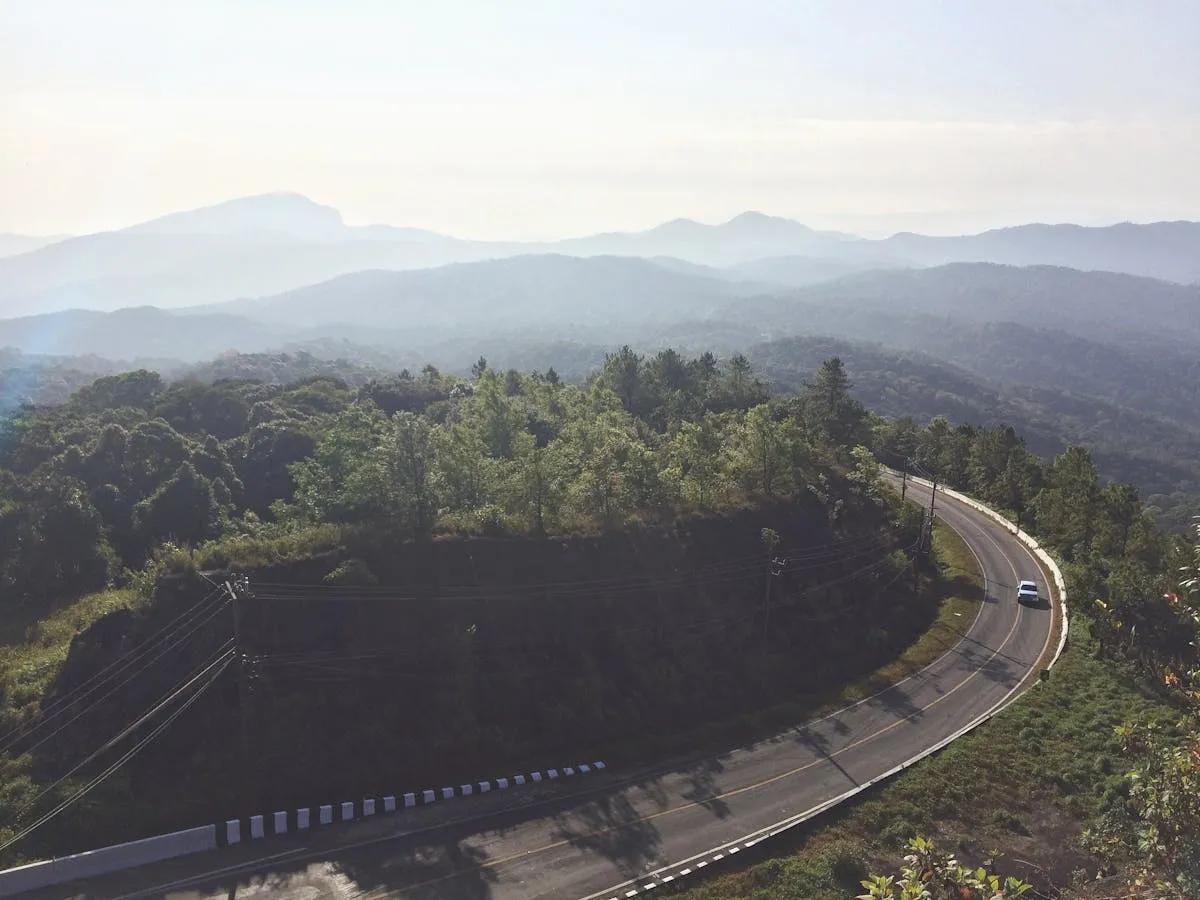
Things to Do in Chiang Mai, Thailand
Photo made by Aomm Wang on Pexels.com
When to visit
Most popular attractions in Chiang Mai, Thailand
Top things to do in Chiang Mai, Thailand include exploring Wat Phra That Doi Suthep, located 15 kilometers from the city center, offering panoramic views and historic significance. Visit the ancient Wat Chedi Luang with its impressive structures, then stroll through Sunday Walking Street on Tha Phae Road for local crafts and street food.
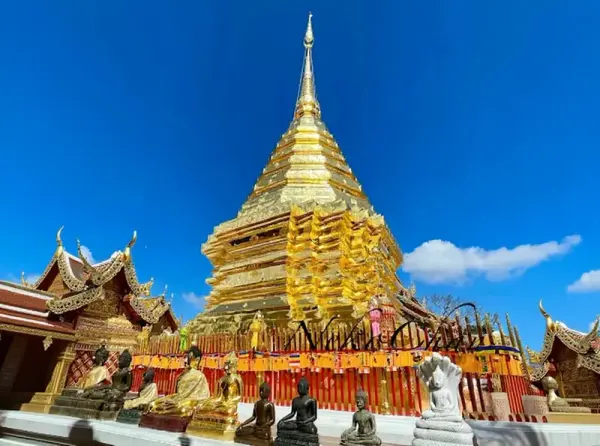
1. Wat Phra That Doi Suthep
Sacred mountaintop temple with a gleaming golden chedi and sweeping views over Chiang Mai. Climb the 306-step naga staircase or take the tram, wander ornate shrines and watch city sunrise or sunset.
Quick facts: Golden chedi gleams atop a forested ridge, visible for miles and reflecting sunlight like a beacon. Visitors climb 309 steep steps guarded by ornate nagas, then are rewarded with sweeping city views and the scent of incense hanging in the air.
Highlights: Climb the 309-step naga stairway lined by sinuous green dragons and arrive at a gilded chedi that flashes copper-gold in the late-afternoon sun, the air thick with incense and the metallic peal of bells. Local monks still tell the founding tale of a white elephant that climbed the mountain, trumpeted three times and collapsed, prompting the enshrinement of a sacred relic in 1383; pilgrims often leave tiny brass elephant trinkets at the base as thanks.
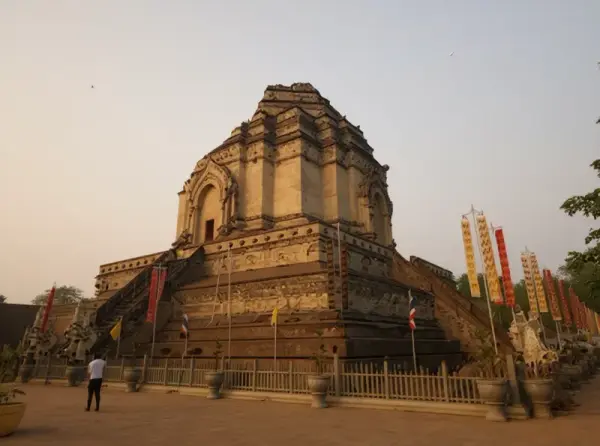
2. Wat Chedi Luang
Towering ruined chedi at Chiang Mai's old city, steeped in Lanna history. Walk among ancient bricks, large Buddha images, and monks lighting incense.
Quick facts: Sunlight gilds the weathered bricks as incense smoke drifts through open courtyards, giving the ruined chedi a surprisingly majestic, almost cinematic presence. Visitors often linger to watch saffron-robed monks process in the morning light, and to trace the layers of ornate stucco that hint at the temple's former grandeur.
Highlights: Pause at the jagged base of the 82-meter chedi and feel warm bricks under your palm, smell thick incense and marigold garlands, and spot the cavernous break where the tower cracked in the 1545 earthquake. Local stories say the ruined stupa once sheltered the Emerald Buddha before it was taken in 1468, and every dawn women in faded sarongs tuck tiny marigold offerings into a carved niche while monks chant, giving the place an oddly intimate, time-worn reverence.
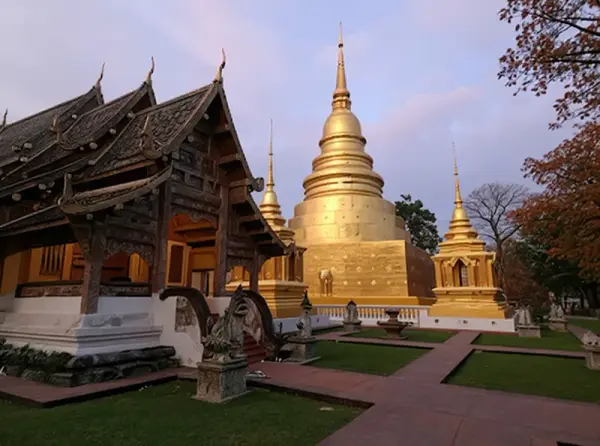
3. Wat Phra Singh
Revered Lanna temple with intricate woodcarvings and the historic Phra Singh Buddha. Stroll peaceful courtyards, admire gilded murals, and observe monk rituals.
Quick facts: Sunlight filters through gilded ceilings to reveal intricate Lanna murals, while incense threads the air and monks move with quiet purpose. A revered Buddha image in the ordination hall draws crowds during festivals, and visitors often remark on the carved teak doors and steep multi-tiered roofs that make the complex feel both intimate and grand.
Highlights: Step into the lacquered sermon hall and your eyes lock on a serene Buddha image set against riotous red-and-gold Lanna murals, the gilt surfaces catching dust motes and warm afternoon light. Every April during Songkran locals carry the statue in a hushed night procession on a wooden palanquin, gently splashing jasmine-scented water as small oil lanterns bob and old bronze bells toll.
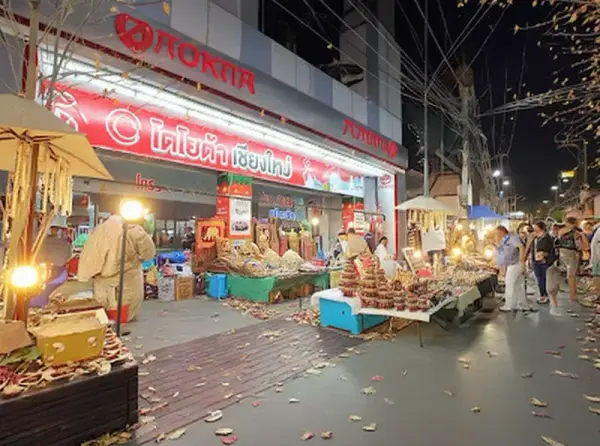
4. Tha Phae Gate & Sunday Walking Street (Tha Phae Road)
Tha Phae Road
Gateway to Chiang Mai's old city and the biggest street market in town. Expect bustling stalls, street food, live music and great photo ops around the gate.
Quick facts: Lantern-lit evenings and the scent of coconut curry draw monks, backpackers, and local families toward a dramatic city gate where ceremonial processions still thread through. Stall lights and live music turn the pedestrian stretch into a carnival of flavors and crafts, with hundreds of vendors selling spicy snacks, handmade silver, and quirky souvenirs where bargaining feels like a sport.
Highlights: Every Sunday evening the centuries-old brick gate lights up and spills roughly 1,000 stalls onto the cobble, where lacquered puppets, silver filigree and stacks of vintage vinyl sit shoulder to shoulder with vendors skewering spicy pork and frying sticky mango rice. Locals follow a quirky ritual of buying a tiny paper lantern for about 20 to 30 baht, whispering a wish into it, and floating it in the moat as an offering, while the air fills with sweet coconut, charred meat and the tingle of chili and tamarind.
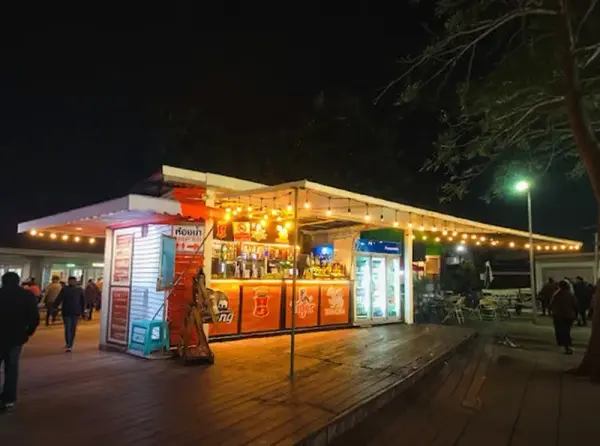
5. Chiang Mai Night Bazaar
Night Bazaar combines Chiang Mai crafts, street food, and live music into a colorful evening market. Wander stalls, sample northern snacks, and catch street performances.
Quick facts: Neon-lit rows of stalls pulse with the smell of grilled snacks and the sight of intricate textiles, while street musicians add a lively soundtrack to bargain hunting. Crowds swell to include more than a thousand vendors and shoppers on peak evenings, so bring cash, a relaxed schedule, and a readiness to haggle for standout finds.
Highlights: Walk through alleys lit by strings of yellow bulbs and you can smell sizzling satay and fragrant lemongrass, while dozens of stalls display lacquerware, silk scarves, and hand-carved wood from Baan Tawai. On many nights vendors chant quick bargain rhymes in Thai, sometimes pulling out a scarred price book or offering a 20 baht sample of sticky mango rice to seal a deal, a quirky rhythm that turns haggling into a playful performance.
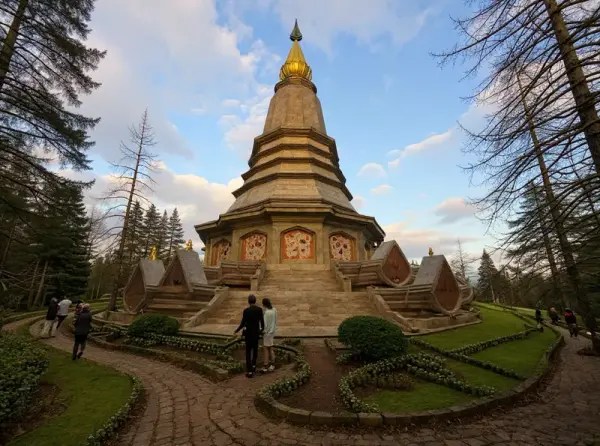
6. Doi Inthanon National Park
Thailand's highest peak offers cool air and diverse ecosystems. Expect misty summit views, waterfalls and forest trails full of birds and orchids.
Quick facts: Fog-wreathed peaks hide carpets of moss and dozens of wild orchids, while rare montane birds and colorful sunbirds flit through the cloud forest. Hikers follow cool, misty trails past tumbling waterfalls and twin gardens of ornate pagodas, experiencing sudden alpine-like temperature drops and sweeping valley views.
Highlights: At 2,565 meters above sea level the summit plunges into moss-draped cloud forest where mornings can dip to around 0°C; you can smell wet earth and spot tiny orchids clinging to the bark among wisps of drifting fog. Two gleaming white chedis, Naphamethanidon and Naphaphonphumisiri, were erected to mark the 60th birthdays of King Bhumibol Adulyadej and Queen Sirikit, and below them a waterfall drops roughly 260 meters, roaring into a spray that catches sunlight in rainbow ribbons during the wet season.

7. Elephant Nature Park (Elephant rescue & rehabilitation sanctuary)
Elephant rescue & rehabilitation sanctuary
See rescued Asian elephants up close while supporting ethical rehabilitation. Feed, bathe, and learn about each elephant’s story on peaceful riverside grounds.
Quick facts: Mud-splashed elephants often lounge by riverside viewing areas, and guides invite visitors to watch slow social bonding and playful trunk interactions up close. More than 200 rescued individuals have been rehabilitated there, and guests are frequently surprised by how calm, communicative, and expressive the animals become under patient care.
Highlights: Every morning volunteers and staff mash together piles of bananas, sugarcane and pumpkin, roughly 150 kilograms of food in a single bowl, and the smell of sweet fruit and mud draws a half-dozen trunks that slurp and stir like jovial spoons. Founder Lek Chailert keeps a quirky passport tradition, each rescued elephant receiving a laminated profile with a photo, name and medical notes; the on-site archive now lists over 70 rescued elephants and volunteers learn to identify individuals by their nicknames and call patterns.
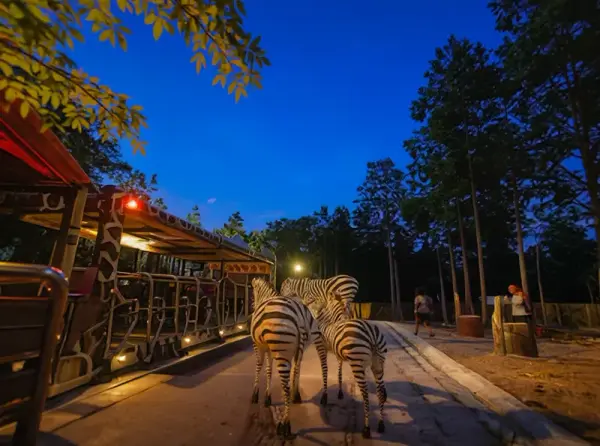
8. Chiang Mai Night Safari
Up-close nocturnal wildlife encounters make Chiang Mai Night Safari ideal for families and animal lovers. Ride trams through illuminated enclosures and watch lively feeding shows.
Quick facts: Under soft floodlights, tram rides slide past open habitats where giraffes nibble leaves and Sumatran tigers appear surprisingly close to the windows, making the night feel intimate and raw. Visitors often catch nighttime feedings and lively animal shows, and guided trails let you learn about conservation while feeding docile herbivores under the stars.
Highlights: After dusk a tram with only 30 seats glides through open enclosures, and guides quietly count in Thai as a pride of 12 lions dozes just beyond the glass windows. Some visitors pay 50 baht to hand-feed giraffes mulberry branches, while the scent of grilled corn and jasmine drifting from nearby stalls makes the whole ride feel like a secret nocturnal village fair.
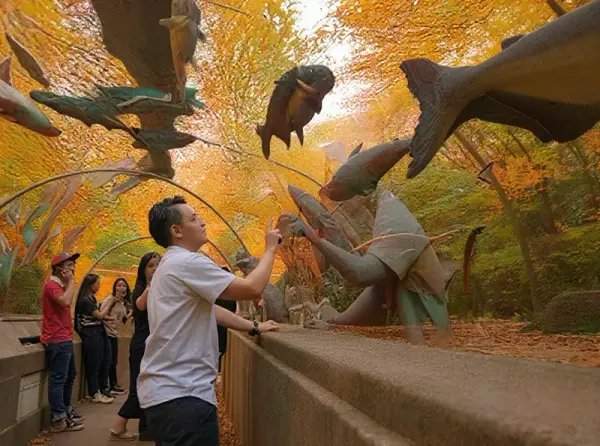
9. Chiang Mai Zoo & Aquarium
Hillside zoo plus modern aquarium showcase regional wildlife up close. See pandas, hippos and a 100m underwater tunnel with daily feedings.
Quick facts: Visitors often squeal at the sight of giant pandas nibbling bamboo, a rare encounter that turns a regular zoo trip into a must-see spectacle. An underwater tunnel bathes you in cobalt light as sharks and rays glide overhead, making the aquarium feel more like a cinematic ocean than a typical exhibit.
Highlights: Walk past the botanical paths and you'll hit a massive four-story aquarium tank holding roughly four million liters of water, where neon coral colors and a steady hum of filtration make the overhead tunnel feel like a slow, blue subway with sharks and stingrays cruising inches above your head. At midday the panda caretakers, led by veteran keeper Somchai, stage a quirky bamboo buffet ritual, chopping and arranging dozens of bamboo stalks while visitors lean on railings to watch a single panda methodically manicure each shoot, crunching sounds echoing like a tiny percussion section.
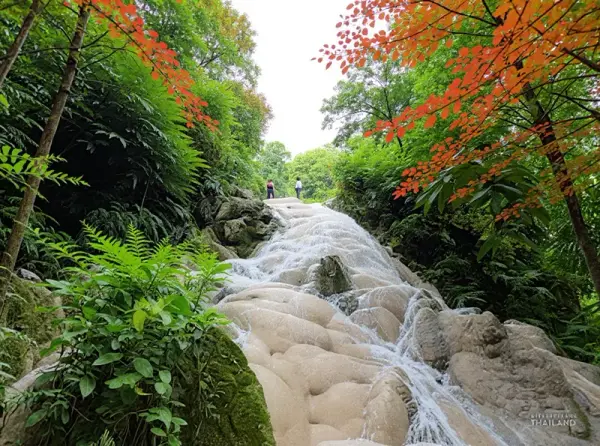
10. Bua Thong Waterfalls (Sticky Waterfall)
Sticky Waterfall
Climb mineral-rich limestone falls for a hands-on waterfall experience. Enjoy sticky-rock traction, shallow pools to paddle in, and short jungle views.
Quick facts: Barefoot visitors rave about the sticky limestone, which gives a surprising, velcro-like grip so you can scramble up steep cascades and pose from unusual angles. Local guides point out that mineral-rich surfaces and gentle currents form natural steps, so many people hop between emerald pools for a refreshing, photo-ready pause.
Highlights: Go barefoot and you can actually climb what looks like smooth, dripping rock because a porous calcite coating gives a grippy, slightly chalky texture underfoot, cool against your soles like stepping on wet pumice. On busy afternoons locals and tourists turn the cascades into a playful obstacle course, racing from pool to pool while laughing kids time each other with phones, and the falling water smells faintly of lime and river clay.
Where to Stay in Chiang Mai, Thailand
Selected by City Buddy based on guest reviews and proximity to top attractions
Search all hotels in Chiang Mai, ThailandPowered by agoda
Opening days in Chiang Mai, Thailand
Which of the top sights close on which day of the week — the classic trip-ruiner, checked for you.
Monday: 1 of 10 top sights closed — plan museums for another day.
Closed on Monday · 1 closed, 9 open
Opening days from Google Maps (checked 2026-02-22). Public holidays, strikes and seasonal hours can differ — check the official website before you go.
Traditional Sweet Dishes
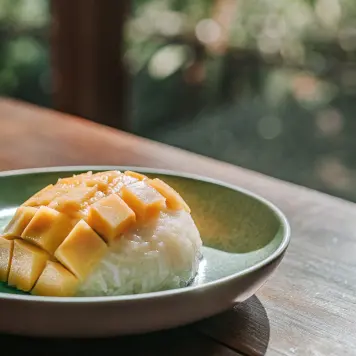
Mango sticky rice (Khao Niew Mamuang)
Mango sticky rice, or Khao Niew Mamuang, pairs coconut-scented glutinous rice with ripe Nam Dok Mai mangoes, and vendors in Chiang Mai sell it in overflowing piles during the short mango season.
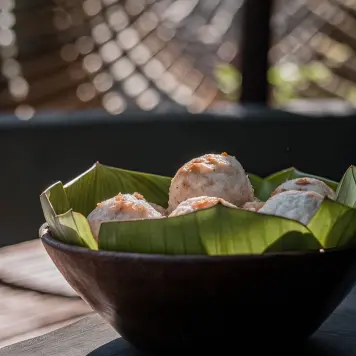
Khanom Krok
Khanom Krok are little coconut-rice pancakes cooked in a special cast-iron pan so each comes out with a crispy edge and a creamy center, and street cooks often make dozens at once over charcoal for hungry passersby.
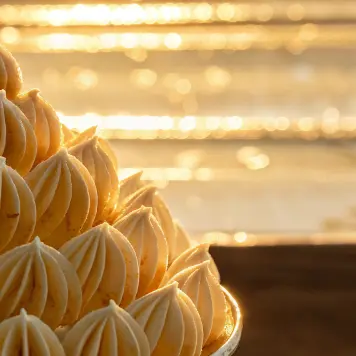
Khanom Buang
Khanom Buang are crisp Thai crepes folded over sweet meringue and toppings like foi thong or shredded coconut, and their paper-thin crunch has made them a beloved street dessert since historic times.
Traditional Savory Dishes
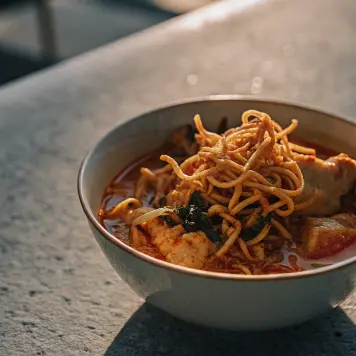
Khao Soi
Khao Soi is a creamy northern curry noodle soup topped with crunchy fried noodles, its blend of coconut, turmeric, and pickled mustard greens shows Burmese, Muslim, and Lanna influences in one bowl.
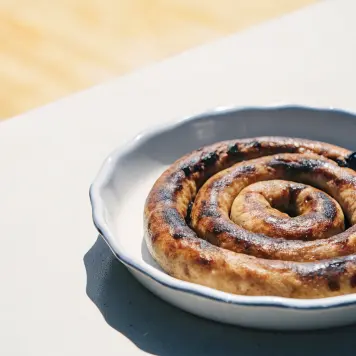
Sai Ua (Northern sausage)
Sai Ua is a Northern Thai grilled pork sausage bursting with lemongrass, kaffir lime leaves, and turmeric, and its aromatic spices were traditionally used to help preserve meat before refrigeration.
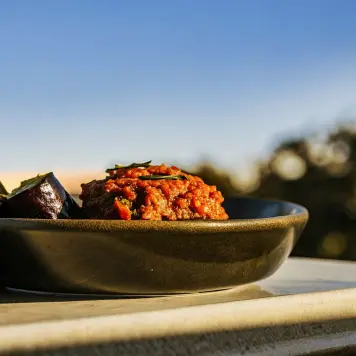
Nam Prik Ong
Nam Prik Ong is a Chiang Mai chili dip of roasted tomatoes, minced pork, and toasted chilies, and it is customarily eaten family-style with fresh vegetables and sticky rice.
Traditional Beverages

Thai iced tea (Cha Yen)
Thai iced tea, Cha Yen, is brewed strong and sweetened with condensed milk to create a creamy, cooling drink, and its iconic orange hue comes from distinctive tea blends and a touch of coloring that became popular in the 20th century.

Lemongrass tea
Lemongrass tea is a simple, fragrant infusion served hot or cold, and Chiang Mai locals prize it for its cooling, digestive properties after spicy meals.

Nam Manao (lime juice)
Nam Manao is Thailand's classic limeade, balanced between tart, sweet, and a pinch of salt, and street vendors often add crushed ice or fresh herbs for an extra-refreshing finish.
Frequently Asked Questions about Chiang Mai, Thailand
What is the best time to visit Chiang Mai, Thailand?
Is Chiang Mai, Thailand expensive for travelers?
How do tourists get around Chiang Mai, Thailand?
How many tourists visit Chiang Mai, Thailand each year?
Is Chiang Mai, Thailand safe for travelers?
Get a PDF with the most popular attractions sent to your email
Get a PDF with all attractions, ratings, and tips. Perfect for offline use.
Most popular day trips
Doi Suthep (Wat Phra That Doi Suthep)
Iconic mountain temple with city views and nature trails.
Doi Inthanon National Park
Thailand's highest peak, waterfalls, and hill-tribe villages.
Chiang Dao
Cave systems, rural scenery and mountain trekking start point.
Bua Tong (Sticky) Waterfall, Mae Taeng
Unique limestone waterfall you can climb safely.
San Kamphaeng Hot Springs & Handicraft Village
Relaxing hot springs and traditional artisan workshops.
Getting there
Airports
Train stations
State Railway of Thailand Northern Line (Bangkok–Chiang Mai)
From CNX use the airport bus, a metered taxi or Grab; central city ~15–20 min.
Useful information for Chiang Mai, Thailand
Overview for Chiang Mai, Thailand
Want a day-by-day plan for Chiang Mai, Thailand? Open the trip planner
Plan your perfect trip to Chiang Mai, Thailand
Get a complete travel plan built just for you in under 30 seconds, with daily routes, local food tips, budget estimates and more.
Are any of these especially important to you?
Select all that apply
Getting around
How do you want to move between places?
Plan language: EnglishMost popular itineraries for Chiang Mai, Thailand
Browse trip plans created by other travelers
3-Day Relaxed Food & Culture Tour in Chiang Mai
Enjoy a comfortable pace exploring Chiang Mai's cultural landmarks, scenic spots, food markets, and cooking experiences with leisure time each day.
5-Day Chiang Mai Spring Cultural & Local Explorer
Experience authentic Chiang Mai with a perfect blend of cultural treasures, local hangouts, and off-the-beaten-path adventures for budget travelers this spring.
14-Day Authentic Autumn Backpacking in Chiang Mai
Experience Chiang Mai on a budget with free walking tours, local street food, iconic temples, and nature walks in a fun and authentic way this autumn.