 CityBuddy
 English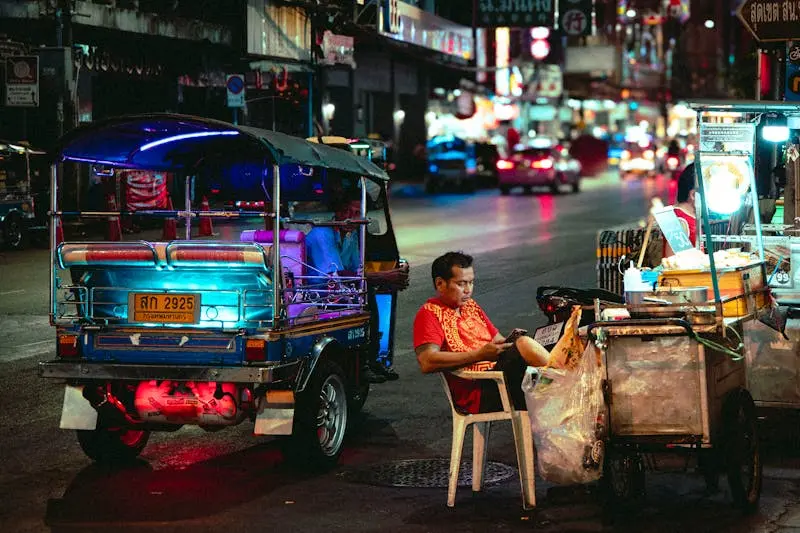
Things to Do in Thailand
Photo made by DUYTRG TRUONG on Pexels.com
When to visit
Most popular attractions in Thailand
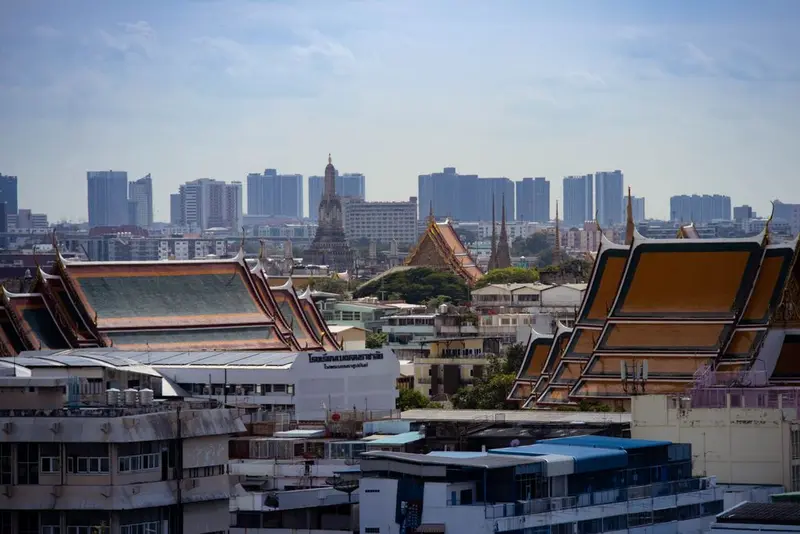
Top things to do in Thailand include exploring the Grand Palace and Wat Phra Kaew in Bangkok, where intricate architecture spans several hectares. Visit Wat Pho, home to the 46-meter Reclining Buddha, and take a ferry to Wat Arun, famous for its porcelain-encrusted central spire. In Chiang Mai, the historic Old City and Wat Phra That Doi Suthep offer cultural immersion and panoramic views.
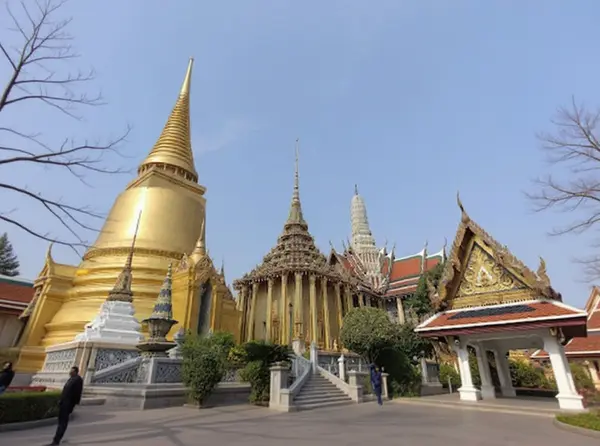
1. The Grand Palace & Wat Phra Kaew (Bangkok)
Bangkok
Dazzling royal architecture that glitters in sunlight. Wander marble courtyards, gilded spires, and a revered green Buddha.
Quick facts: Golden spires and mirrored mosaics catch sunlight, making the whole complex glitter like a crown under the midday sky. Royal ceremonies still use parts of the grounds, and artisans covered many buildings with more than 200,000 tiny glass tiles and thousands of ceramic pieces.
Highlights: A compact dark-green Buddha, roughly 66 centimeters tall, is ritually dressed by the monarch three times a year, drawing hushed crowds during each seasonal change. Vivid mythic murals and gilt alcoves overflow with tiny mirror mosaics, so close that sunlight fragments into jeweled specks on temple floors.
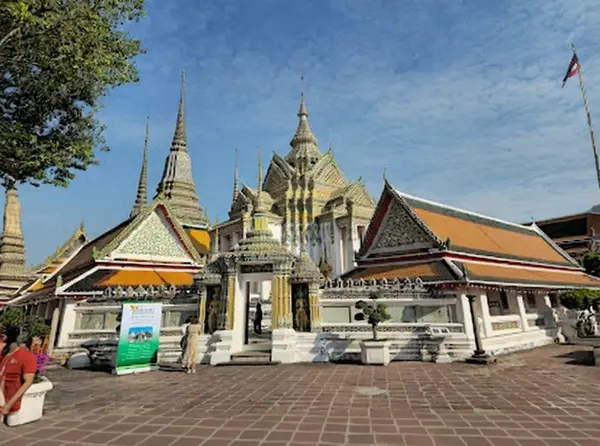
2. Wat Pho (Temple of the Reclining Buddha) (Bangkok)
Bangkok
See a 46m gilded reclining statue up close. Marvel at mother-of-pearl feet and lively temple life.
Quick facts: You’ll be stunned by a 46-meter-long gilded reclining statue, its soles inlaid with 108 mother-of-pearl auspicious symbols. A sprawling complex of ornate chedis, murals, and courtyards also houses a living school of traditional Thai massage.
Highlights: A single reclining statue stretches 46 meters and stands about 15 meters high, with the soles showing 108 detailed mother-of-pearl panels, each symbolizing an auspicious trait. A renowned on-site massage school offers short treatments and training courses, keeping centuries of practical healing techniques in active use.
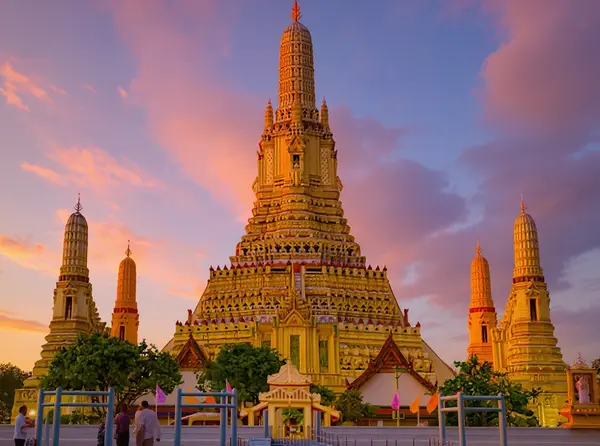
3. Wat Arun (Temple of Dawn) (Bangkok)
Bangkok
Sunrise shrine with a soaring porcelain spire. Climb steep steps for sweeping river views and mosaic close-ups.
Quick facts: A towering Khmer-style prang reaches roughly 70 meters, its surface studded with millions of broken Chinese porcelain pieces that sparkle in sunlight. Local rituals still include candlelit river offerings, and both weekday worshippers and weekend visitors crowd the riverside for the dramatic silhouette.
Highlights: Rama II's 19th-century restoration added layers of tiny porcelain plates and seashells, many donated by trading junks, creating a mosaic that flashes like scattered coins in bright light. Climb the steep, flanked steps to spot carved yaksha guardians and count dozens of floral motifs up close, several no larger than a coin.
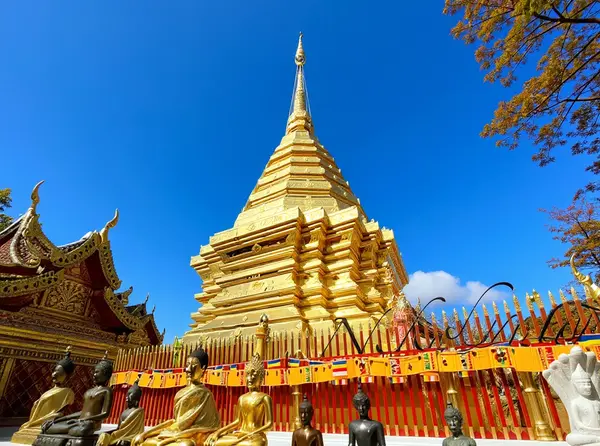
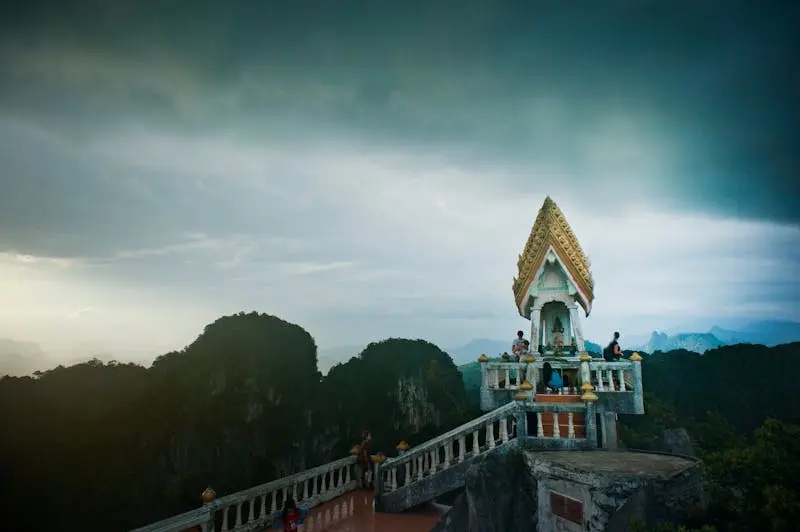
4. Wat Phra That Doi Suthep (Chiang Mai)
Chiang Mai
Hilltop golden chedi with sweeping valley views. Climb the naga staircase, hear chanting, and watch sunset paint the valley.
Quick facts: Perched on a mountainside above the city, the complex draws both worshippers and panorama-seekers, and a long naga staircase climbs through incense-scented air. Golden spires catch the sun at dawn and saffron-robed monks chant during morning alms, creating a memorable mix of color, scent, and ritual.
Highlights: Count 306 steps up the double-headed naga staircase, each scale catching light and guiding a ceremonial path that visitors and pilgrims share. A small reliquary said to hold a Buddha relic sits beneath a gleaming chedi, while around 20 monks perform the morning ritual that fills the courtyards with chant and incense.
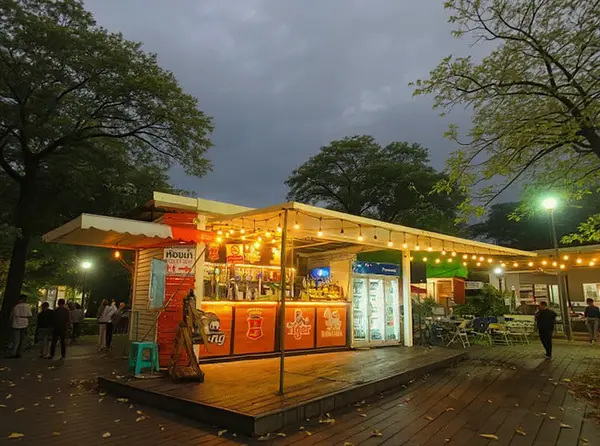
5. Chiang Mai Old City - Chiang Mai
Chiang Mai
Wander a compact walled town of temples and markets. Taste smoky street food and spot gilded roofs at golden hour.
Quick facts: A compact walled square packs over 30 temples within easy walking distance, so wandering feels like a treasure hunt. Street markets spill into the lanes after dusk, filling the air with spicy curry, grilled meats, and bargaining voices.
Highlights: Crisp temple roofs flash gold in the morning sun, reflected in the shallow moat that still encircles the old walls. Every Sunday evening a 1.5-kilometer pedestrian market appears along the main thoroughfare, with more than 200 stalls selling snacks and handcrafts.
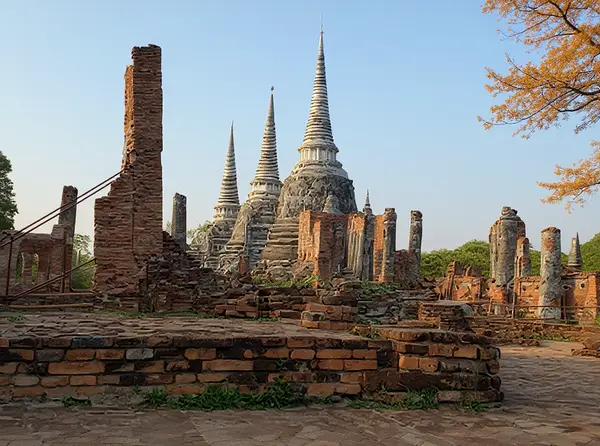
6. Ayutthaya Historical Park (Ayutthaya)
Ayutthaya
Step into a landscape of towering brick chedis and banyan-entwined Buddhas. Expect golden-hour photos, quiet canals, and centuries of cracked stucco.
Quick facts: Ruined temples rise from mellow river plains, framed by banyan roots and crumbling stupas. Local markets and ambling long-tail boats add a lively soundtrack to afternoons here.
Highlights: A lone Buddha head, hugged by banyan roots with only the face visible, draws photographers at sunrise; small groups often form by 6:30 a.m. for that shot. More than 400 temple sites once dotted the floodplain, so unexpected vista after vista appears as you pedal between ruins.
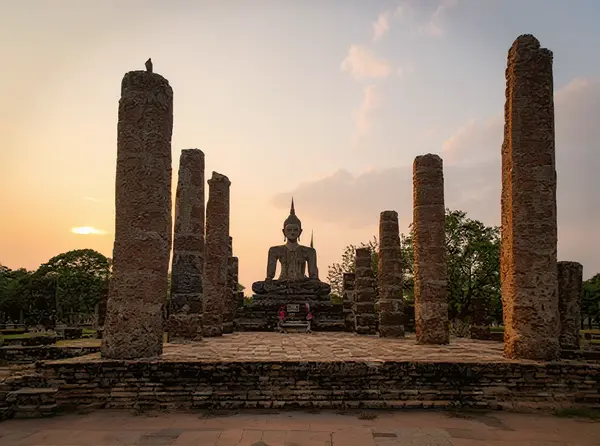
7. Sukhothai Historical Park (Sukhothai)
Sukhothai
Ancient ruins and lotus ponds create a perfect morning ride. Pedal past towering Buddhas, mirrorlike water, and quiet brick chedis.
Quick facts: Low-slung brick chedis and graceful Buddha statues punctuate a park of wide grasslands and lotus-filled moats. Visitors can pedal between major sites, covering several quiet kilometers while spotting local vendors and temple bells.
Highlights: Step inside Wat Si Chum's narrow mondop to face the 11-meter Phra Achana Buddha, where chanting reverberates off the stone and the face nearly fills the doorway. At Wat Mahathat sunrise floods the lotus ponds with gold and orange light, hundreds of pads drifting past crumbling chedis for dramatic reflections and photos.
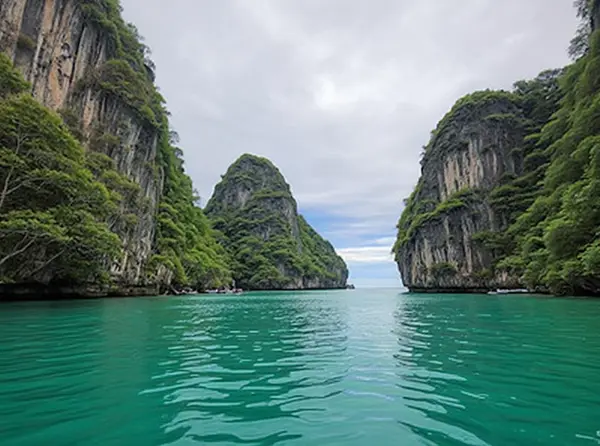
8. Phi Phi Islands — Maya Bay / Ko Phi Phi (Krabi/Phuket area)
Krabi/Phuket area
Jaw-dropping turquoise lagoon framed by sheer limestone cliffs. Swim, snorkel, and capture cinematic photos in calm, clear water.
Quick facts: A breathtaking crescent of powdery white sand nests inside dramatic limestone walls, reachable only by boat. Boat trips often include snorkeling over shallow reefs bustling with colorful parrotfish and schools of sergeant-major fish.
Highlights: After a four-year closure authorities allowed nature to recover, snorkelers now report vivid coral growth and frequent sightings of parrotfish and wrasse in waist-deep water. Towering limestone cliffs rise about 100 meters on either side, creating a jewel-toned lagoon that glows under midday sun.
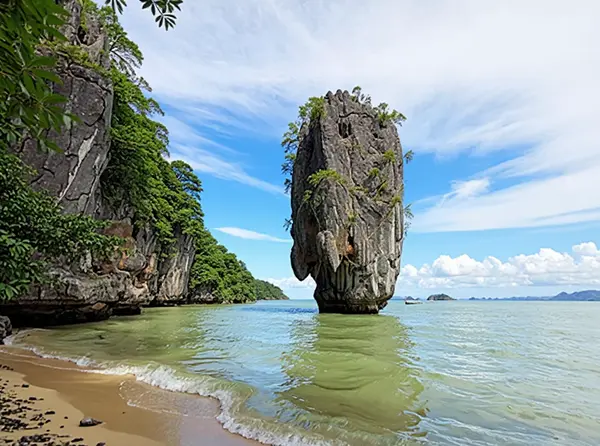
9. Phang Nga Bay — James Bond Island (Khao Phing Kan)
Khao Phing Kan
Jaw-dropping limestone towers rising from the sea. Paddle narrow caves and capture sunrise reflections.
Quick facts: Jagged limestone towers puncture the sea, forming maze-like channels and tiny mangrove-fringed caves that kayakers love to poke through. A solitary 20-meter limestone stack sits near a tiny beach and became globally famous after appearing in a 1974 Roger Moore spy film.
Highlights: A single limestone pillar rises roughly 20 meters from the water, the same silhouette featured in a 1974 Roger Moore spy movie, which sent photographers flocking at sunrise. Early-morning tours let you paddle into narrow sea caves where sunlight bores through, turning water neon turquoise and highlighting orange barnacles on the rock faces.
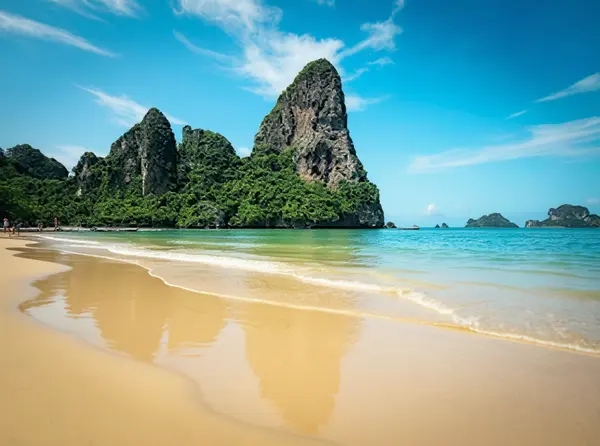
10. Railay Beach - Krabi
Krabi
Sea, sand, and towering cliffs make the short boat trip worth it. Expect turquoise water, dramatic rock faces, and lively beach bars.
Quick facts: Towering limestone cliffs hug a postcard-perfect bay where clear water, powdery sand, and jungle meet. Access requires a short longtail-boat ride, so vehicles stay away and the vibe feels relaxed and island-like.
Highlights: A shallow sea cave holds a small wooden shrine where local sailors leave hundreds of garlands, tiny carved boats, and coins, producing an unexpectedly colorful, slightly salty altar. Sheer limestone walls reach about 300 meters in places, drawing climbers from over 40 countries to try more than a hundred bolted sport routes, especially when evening light turns the rock a warm orange.
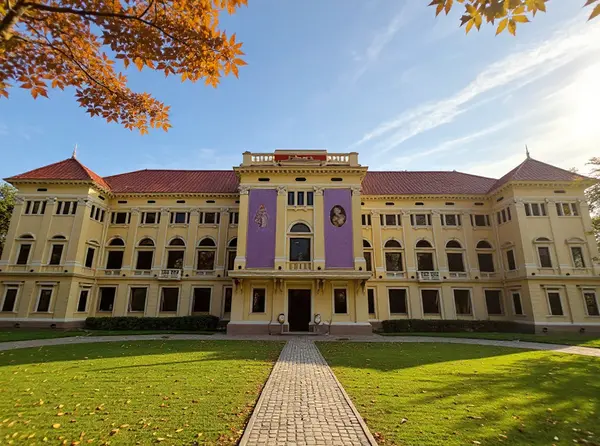
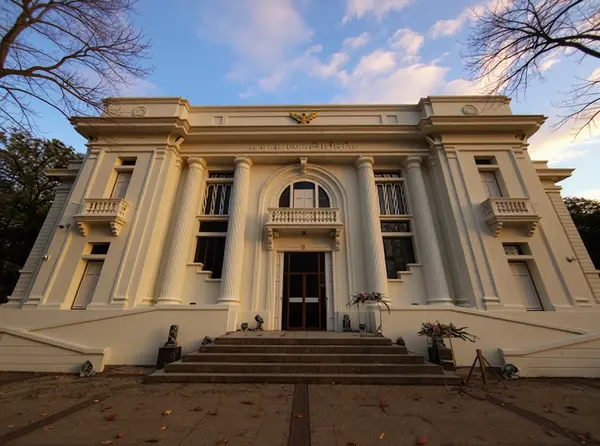
11. Museum of Siam
Worth visiting for playful, interactive takes on national identity. You'll leave with a printed personality ID and fresh questions about culture.
Quick facts: Interactive displays and playful quizzes turn national history into hands-on storytelling, with photo booths and touchscreen maps that invite you to participate. Expect a mix of archival photos, pop-culture nods, and life-size dioramas that make cultural questions feel personal and immediate.
Highlights: A signature interactive quiz prints a personalized identity card after about a 10-minute challenge, blending your answers with iconography from everyday life. Step into a recreated canal house where wooden beams creak underfoot and a faint scent of teak and spices makes history feel lived-in.
12. Lanna Folklife Museum
Explore northern culture through atmospheric rooms and handwoven textiles. Experience ritual objects, wooden homes, and vivid craft up close.
Quick facts: Step into carefully recreated northern living spaces where lacquered wood, ceremonial altars, and everyday tools sit arranged as if a family just stepped out. Labels and bilingual captions explain weaving techniques, ritual uses, and the stories behind heirloom textiles without feeling like dry museum jargon.
Highlights: Look for the upstairs textile room with dozens of handwoven pieces showing indigo hues and metallic threads, the raised embroidery almost tactile under soft gallery light. A life-sized spirit house with miniature bowls, wooden figurines, and the lingering scent of incense recreates household ritual so vividly you can imagine the clink of offerings.
Where to Stay in Thailand
Selected by City Buddy based on guest reviews and proximity to top attractions
Search all hotels in ThailandPowered by agoda
Opening days in Thailand
Which of the top sights close on which day of the week — the classic trip-ruiner, checked for you.
Monday: 4 of 11 top sights closed — plan museums for another day.
Closed on Monday · 4 closed, 7 open
- Museum of Siam
- Lanna Folklife Museum
- Chatuchak Weekend Market
- Bangkokian Museum
Opening days from Google Maps. Public holidays, strikes and seasonal hours can differ — check the official website before you go.


Traditional Sweet Dishes
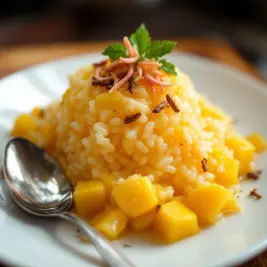
Mango sticky rice
Mango sticky rice pairs creamy coconut-glazed glutinous rice with sun-ripened mango, and vendors time it to coincide with Thailand's short mango season so the dessert is a herald of summer.

Khanom chan
Khanom chan is a fragrant, steamed layered dessert traditionally made with nine layers because the number nine sounds like a word for progress in Thai and is considered auspicious at weddings and ceremonies.
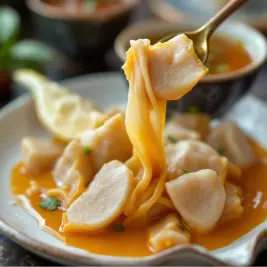
Thong yip
Thong yip, whose name means 'pinched gold', traces its origins to Portuguese egg-yolk sweets and is served at celebrations to symbolize wishes for wealth and good fortune.
Traditional Savory Dishes

Pad Thai
Pad Thai was promoted as a national dish in the mid 20th century, and its signature smoky flavor comes from high-heat stir-frying as vendors toss noodles in a hot wok.
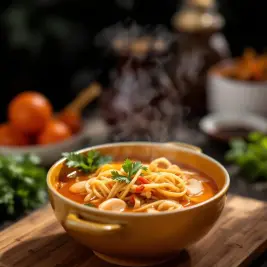
Tom Yum Goong
Tom Yum Goong owes its punchy sour and spicy flavor to fresh aromatics like lemongrass, kaffir lime leaves and galangal, and the soup's name literally means 'boiled shrimp'.
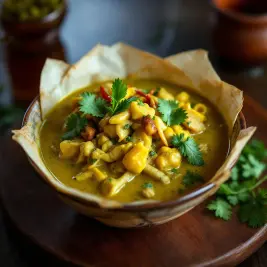
Green Curry
Green curry gets its vivid color from fresh green chilies and herbs, and the paste is pounded with coconut, giving the curry a creamy heat that balances spicy, sweet and savory flavors.
Traditional Beverages

Thai iced tea
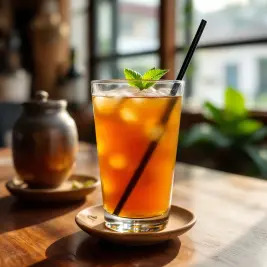
Thai iced tea is brewed strong with black tea and warm spices, then sweetened with condensed milk so the drink becomes rich and creamy and turns a signature amber color when poured over ice.
Cha yen (sweet iced tea)
Cha yen simply means 'cold tea' in Thai, and street vendors often serve it over crushed ice so the sweet, milky tea becomes a cooling companion to spicy dishes.

Nam manao (lime juice)
Nam manao, Thailand's tart lime juice drink, is the go-to refreshment for cooling down in the heat and its bright acidity helps cut through the richness of spicy Thai food.
Know before you go
What a day costs in Thailand, and the rip-offs to avoid
Top rip-offs to avoid
- Meter refused or flat fare. Walk to the official metered taxi rank, insist the meter runs, and agree the route before leaving. Refuse any flat price that is far above the metered norm.
- Gem and jewelry scam. Ignore gem shop recommendations from strangers and tuk-tuk drivers. Buy nothing from shops reached this way; official tourist police advise against such deals.
- Jet ski rental damage claim. Rent only from reputable shops, photograph the jet ski before use, and never hand over your passport as a deposit.
Fair taxi from the airport: ฿200 - ฿400 (€5.5 - €11)
Cheaper option: Airport Rail Link to Phaya Thai, then BTS Skytrain (฿45)
All scams, fair prices and rulesFrequently Asked Questions about Thailand
What is the best time to visit Thailand?
Is Thailand expensive for travelers?
How do you get around Thailand?
How many tourists visit Thailand annually?
Is Thailand safe for tourists?
Get a PDF with the most popular attractions sent to your email
Get a PDF with all attractions, ratings, and tips. Perfect for offline use.
Most popular day trips
Kanchanaburi (Bridge on the River Kwai & Erawan)
WWII history, scenic waterfalls and national parks.
Damnoen Saduak & Maeklong Markets
Iconic floating market and train market experience.
Getting there
Airports
Train stations
Northern, Northeastern, Southern, Eastern long-distance lines
City hub; connections to regional lines (Northern, Northeastern, Southern)
Use the Airport Rail Link from Suvarnabhumi; prebook metered taxis or Grab from Don Mueang.
Visa & entry
EU (Schengen), USA, UK, Canada, Australia, New Zealand, Japan, South Korea, Singapore, Malaysia, Hong Kong, Taiwan
Many African countries and some South Asian passports — check embassy requirements.
Check visa-exemption vs. visa-on-arrival; ensure 6 months passport validity and onward ticket.
Useful information for Thailand
Overview for Thailand
Want a day-by-day plan for Thailand? Open the trip planner
Plan your perfect trip to Thailand
Get a complete travel plan built just for you in under 30 seconds, with daily routes, local food tips, budget estimates and more.
Are any of these especially important to you?
Select all that apply
Getting around
How do you want to move between places?
Plan language: EnglishMost popular itineraries for Thailand
Browse trip plans created by other travelers
13-Day Relaxed Cultural & Culinary Journey in Thailand
A balanced 13-day itinerary for relaxed sightseeing, savoring authentic Thai food, and exploring culture and history while being budget-conscious.
5-Day Budget Thailand Adventure
Explore Thailand's temples, bustling street markets, and local neighborhoods without breaking the bank, eating incredible street food and riding public transport like a true backpacker.
21-Day Authentic Thailand Winter Explorer
Explore Thailand's vibrant cities, ancient ruins, stunning nature, and local hidden gems with an adventurous spirit and budget-friendly approach.
10-Day Thailand Spring Explorer
Discover the rich culture, vibrant markets, stunning beaches, and historic wonders of Thailand in spring with this balanced and exciting 10-day itinerary.
5-Day Thailand Spring Adventure
Explore Thailand's rich culture, stunning temples, vibrant markets, and beautiful islands in an exciting 5-day spring itinerary.
22-Day Thailand Autumn Backpacking Adventure
Explore Thailand like a local with off-the-beaten-path gems, authentic street food, and vibrant neighborhood scenes away from tourist crowds.
14-Day Thailand Adventure: Culture, Nature & Hidden Gems
Experience the heart of Thailand: from ancient ruins and lush jungles to vibrant markets and turquoise waters, this 14-day adventure blends thrilling activities with authentic cultural immersion.
5-Day Thailand Immersive Culture and Nature Adventure
Explore Thailand's rich history, culture, and natural beauty with visits to iconic temples, hidden local gems, hiking trails, and culinary experiences that spotlight authentic local flavors.
8-Day Thailand for Culture Lovers, Nature Fans & Budget Backpackers
Explore Thailand's rich history, vibrant culture, stunning nature, and local gems on a budget with a blend of renowned sites and hidden treasures.
2-Day Thailand Heritage and Culture Journey
A two-day itinerary exploring Thailand's rich culture and history with visits to iconic temples, museums, and traditional experiences in Chiang Mai and Bangkok.