 CityBuddy
 English
Things to Do in Krabi, Thailand
Photo made by Pok Rie on Pexels.com
When to visit
Most popular attractions in Krabi, Thailand
Things to do in Krabi, Thailand include exploring Railay West with its stunning limestone cliffs and clear waters. Visit Phra Nang Beach, famed for its striking cave shrine and soft sand. Don't miss a boat trip to the Phi Phi Islands, just 45 minutes away, perfect for snorkeling and vibrant marine life.
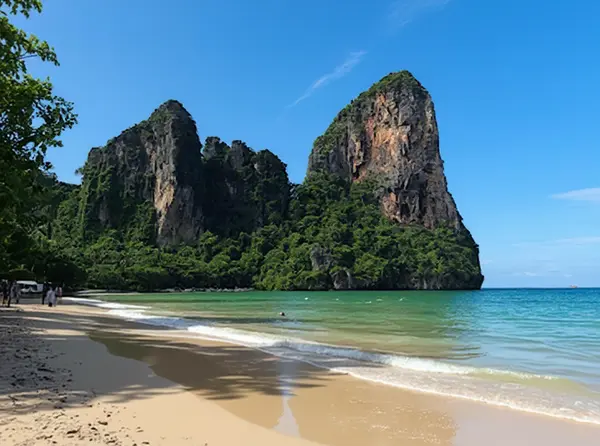
1. Railay Beach (Railay West)
Railay West
Limestone cliffs and turquoise water create a dramatic seaside playground. Walk soft sand, swim clear bays, and watch climbers scale the walls.
Quick facts: Towering limestone cliffs rise on three sides, giving world-class climbers multi-pitch routes and photographers dramatic sunset vistas. Powdery sand and shallow, clear water invite lazy swims and snorkeling, while short longtail-boat arrivals preserve a tucked away, adventurous vibe.
Highlights: Towering limestone cliffs, some rising up to 150 meters, frame a crescent of powdery sand and turquoise water, and on calm mornings you can hear the soft scrape of climbing ropes and see dozens of color-coded quickdraws flashing like jewelry on the rock. When the tide drops a narrow 100 to 200 meter sand corridor emerges leading to a shadowed cave shrine where fishermen and travelers leave tiny carved wooden boats, bright ribbons, and small votive candles, a quirky ritual that smells faintly of incense and sea salt.
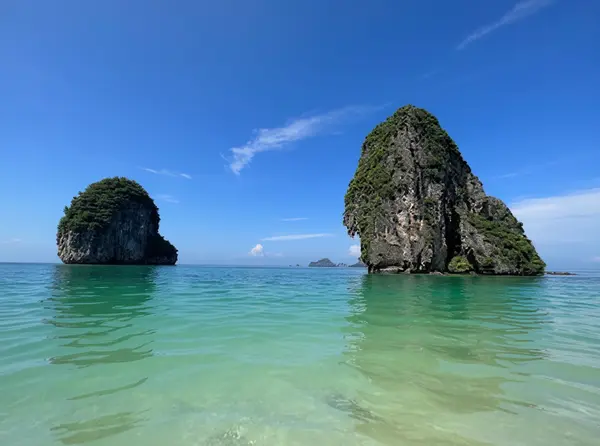
2. Phra Nang Cave Beach (Phra Nang Beach)
Phra Nang Beach
Limestone cliffs, powder-white sand and a shrine-filled sea cave create an unforgettable tropical scene. Swim, sunbathe and capture arch rock and shrine photos right from the shore.
Quick facts: Imagine sheer limestone cliffs plunging into turquoise water, with climbers tackling dramatic overhangs mere feet from the sand. A forest of carved wooden phallic offerings sits inside a secluded cave shrine, part of a quirky local fertility tradition that catches most visitors off-guard.
Highlights: Step into the small sea-cave shrine tucked behind the beach and you'll find dozens of carved wooden lingams, some no bigger than a dinner plate and others a foot long, all left by fishermen and families as offerings to a Princess Goddess for safe voyages and fertility. At sunrise the limestone cliffs melt into honey-gold, powdery white sand gives way to a waist-deep turquoise pool, and longtail boats with bright ribbons bob nearby, the air filled with salt, song, and the quiet rattle of wooden charms.
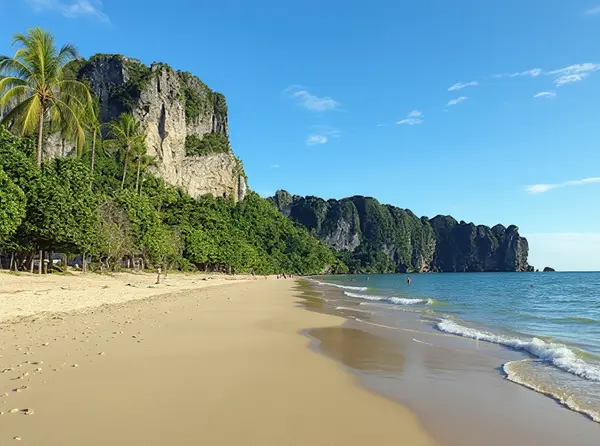
3. Ao Nang Beach
Limestone cliffs, clear water and lively beach life make Ao Nang a great base for exploring Krabi. Walk the shore, catch longtail boats, and watch dramatic sunsets.
Quick facts: Cliffs of honey-colored limestone and longtail boats against turquoise shallows make the shoreline feel like a living postcard, perfect for dramatic sunset shots. Half-day boat trips to nearby karst islets often put snorkelers among schools of brightly colored fish and, on quieter days, sometimes fewer than ten other visitors, so you can still find secluded bays.
Highlights: When the longtail boats start shuttling from the shoreline every 20 minutes for about 100 to 150 baht a ride, they thread between sheer limestone karsts that shoot up roughly 100 to 150 meters out of the emerald water. At dusk vendors wheel out charcoal grills along the promenade, grilling squid for about 60 baht a plate while the air fills with smoky-sweet aroma and locals nod to one another as if the evening has been officially announced.
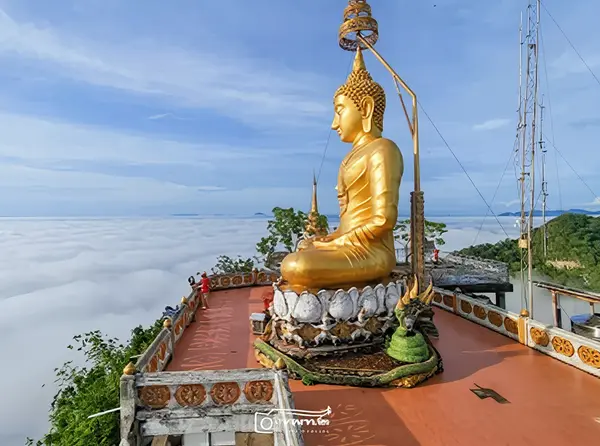
4. Tiger Cave Temple (Wat Tham Suea)
Wat Tham Suea
Sweeping coastal views and a hilltop golden Buddha reward the 1,237-step climb. Experience limestone caves, monk shrines, and panoramic sunsets.
Quick facts: Climbing about 1,237 steep steps through humid jungle to a hilltop shrine rewards you with sweeping panoramas of limestone karsts and a gilded Buddha statue that gleams in the sun. Cavern shrines echo with monks’ chants and the air smells of incense and damp earth, while hidden meditation caves and ancient inscriptions hint at a long tradition of forest hermits.
Highlights: You climb 1,237 steep stone steps to the summit, where a gleaming golden Buddha watches over a dizzying 360-degree panorama and the air smells of incense mixed with salt from the sea. In the caves below you can still spot weathered paw-shaped grooves said to be left by a tiger centuries ago, and local monks keep the quirky tradition of tying tiny strips of red cloth and leaving folded lotus offerings on limestone ledges during evening chants.
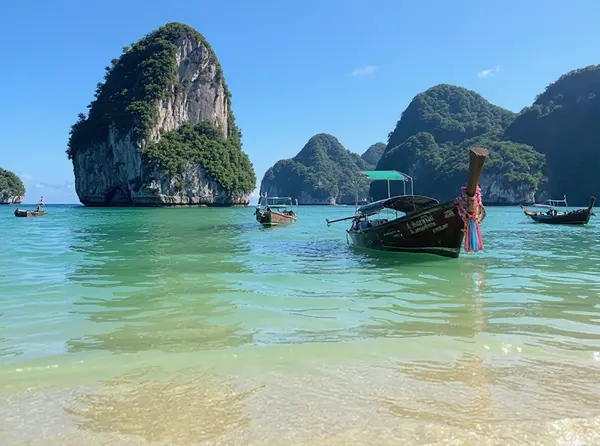
5. Ko Phi Phi (Phi Phi Islands)
Phi Phi Islands
Jagged limestone cliffs and vibrant turquoise bays offer unforgettable sea scenery. Snorkel with tropical fish, kayak through lagoons, and watch colorful beach life.
Quick facts: Turquoise bays and dramatic limestone cliffs hide snorkel spots where you can drift among schools of neon parrotfish and discover tiny reef caves. Lively beach bars and fire shows light the sand, but a short climb up a steep path reveals a serene panorama that feels utterly private.
Highlights: At dawn, local workers still climb sheer cave walls on bamboo ladders twenty meters high to harvest edible swiftlet nests for bird's nest soup, a tradition that leaves white streaks on the limestone like ancient calligraphy. After dark, the shallow bays often glow cobalt blue as bioluminescent plankton pulse under your paddle, turning every stroke into painting with a million tiny stars and a warm, salty scent of seaweed.
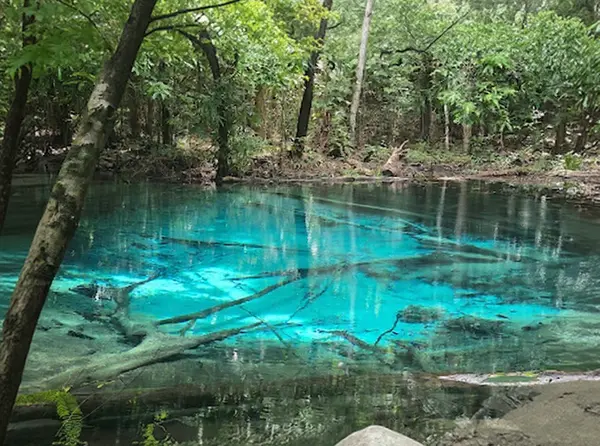
6. Emerald Pool (Sa Morakot) - Thung Teao Forest Natural Park
Thung Teao Forest Natural Park
Crystal-clear emerald pools set in shaded rainforest offer a cool break from Krabi's beaches. Boardwalks lead to photogenic pools and a small waterfall for wading and photos.
Quick facts: Sunlight slanting through dense rainforest turns the spring water an electric green, and the water is so clear you can watch tiny fish dart over limestone shelves. A short boardwalk leads you through humid jungle to the pools, where many visitors cool off with a swim and photographers linger for glassy reflections.
Highlights: When a single sunbeam slips through the thick canopy the water flips from deep teal to a shocking emerald, the surface so clear you can watch pale limestone pebbles and tiny fish dart 1 to 3 meters below. Guides quietly point out a quirky tradition where villagers tuck tiny carved wooden boats into the roots as offerings to the water spirit; you can still spot one wedged under the boardwalk if you peer closely and listen for the hollow burble of a spring beneath the stones.
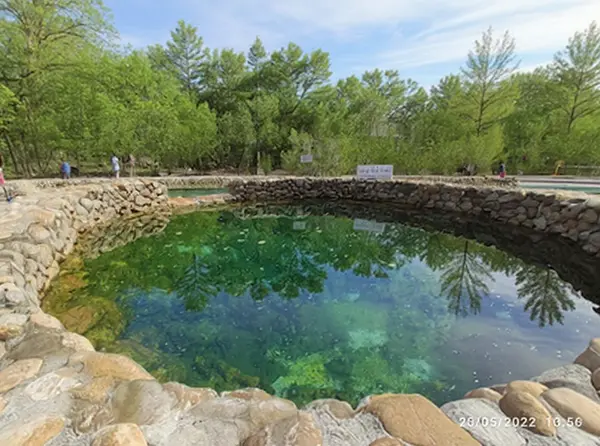
7. Klong Thom Hot Springs (Namtok Ron)
Namtok Ron
Jungle-warmed thermal pools soothe tired legs after hiking, offering a natural open-air spa. Soak in warm mineral water and watch steam rise through the trees.
Quick facts: Steam drifts from natural rock pools whose mineral-rich water warms your skin and loosens tired muscles while jungle sounds stitch the air together. Many visitors dig small sandy hollows to fashion private bubbling baths, turning a walk into a playful, hands-on spa experience.
Highlights: Steaming emerald pools bubble up at about 40 degrees Celsius, leaving chalky white mineral rims on the rocks and a faint sulfur tang in the air so your skin prickles when you dip a hand in. Locals slip eggs into slit bamboo tubes and lower them into the hottest pools for roughly 10 minutes, then crack them open to eat warm, slightly mineral-rich yolks while swapping stories and timing each other's perfect boil.
8. Ko Hong (Hong Island)
Hong Island
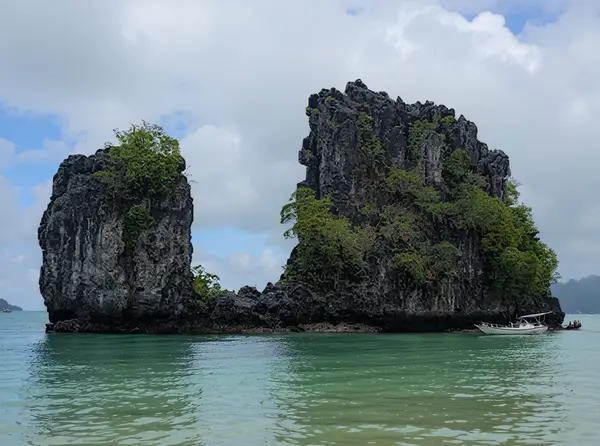
Limestone cliffs and a turquoise lagoon make Hong Island unforgettable. Kayak, snorkel, and relax on soft white sand.
Quick facts: Sharp limestone cliffs encircle a hidden lagoon reached through a narrow tidal gap, creating a sun-drenched emerald pool that feels like a private oasis. Glassy waters are packed with colorful reef fish and shallow coral gardens, and early-morning snorkelers often spot schools of parrotfish before day-trippers arrive.
Highlights: At low tide the sea pulls back to reveal a circular white-sand lagoon roughly 150 meters across, ringed by sheer limestone walls about 25 meters high that turn a molten-orange in late afternoon light. Kayakers and longtail crews squeeze through a narrow 4-meter gap in silence, then paddle into the bowl where the only sounds are soft sand that squeaks underfoot and the distant cry of brahminy kites.
9. Ko Poda (Poda Island)
Poda Island
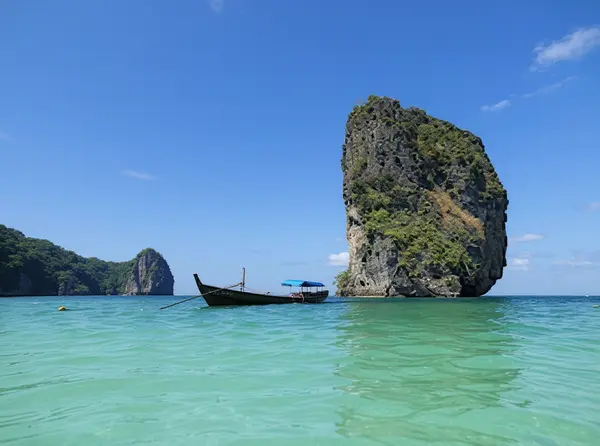
Powder-white sand and turquoise shallows under limestone cliffs, perfect for swimming and relaxing. Walk the sandbar at low tide and snorkel right off the beach.
Quick facts: Powdery white sand and dramatic limestone cliffs frame a shallow turquoise lagoon that glows under midday sun. Visitors stroll a broad sandbar at low tide, spotting colorful reef fish and feeling warm, sun-baked stones underfoot.
Highlights: At low tide a ribbon of powdery white sand stretches roughly 200 meters out into clear, shallow water, so you can walk knee-deep while schools of neon-striped fish dart around your ankles and longtail boats bob like tiny, painted islands on the horizon. Local families often bring charcoal grills and whole grilled squid, and some fishermen leave a single lit candle on the shore at dusk to help guide boats back, the flickering lights reflecting in the glassy shallows like a row of hand-held stars.
10. Khao Khanap Nam (Khao Khanab Nam Caves)
Khao Khanab Nam Caves
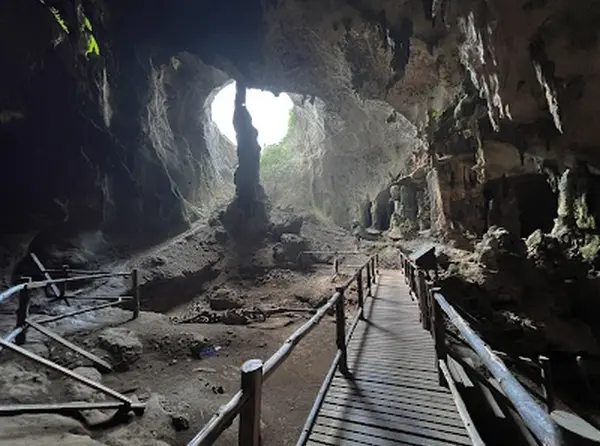
Twin limestone towers rising from the Krabi River offer dramatic views and ancient cave art. Take a longtail into caverns, climb to a riverside viewpoint, and photograph stalactites and river scenes.
Quick facts: Jagged limestone towers flank a narrow channel where echoing caverns hide dripping stalactites and bats, giving every boat ride a cinematic feel. Take the steep stairs up for a cliff-top view over the estuary, and you might spot ancient pottery fragments tucked inside the caverns.
Highlights: At sunset the cavern throat funnels thousands of bats back into the limestone mouth, their wings creating a papery roar while the air fills with the sharp tang of guano and a cool smear of sea salt. Local boatmen still keep a quirky ritual of dropping a single baht coin into a dark pool and pointing out a faint carved date, 1978, on a stalagmite that marks when the waterline dropped low enough for people to walk inside.
Where to Stay in Krabi, Thailand
Selected by City Buddy based on guest reviews and proximity to top attractions
Search all hotels in Krabi, ThailandPowered by agoda
Opening days in Krabi, Thailand
Which of the top sights close on which day of the week — the classic trip-ruiner, checked for you.
Good news: all 4 top sights with known hours are open every day of the week.
Closed on Monday · 0 closed, 4 open
Nothing closes on Monday — all 4 sights with known hours are open.
Opening days from Google Maps (checked 2026-02-21). Public holidays, strikes and seasonal hours can differ — check the official website before you go.
Traditional Sweet Dishes
Mango sticky rice
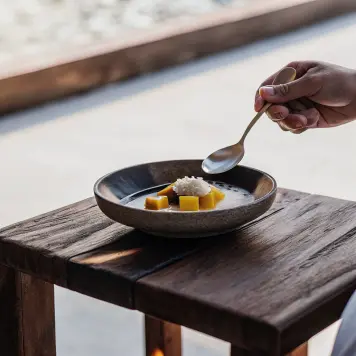
In Krabi, mango sticky rice is often made with fragrant Nam Dok Mai mangoes, their floral sweetness pairing perfectly with creamy coconut-scented sticky rice and sometimes a sprinkle of toasted mung beans for crunch.
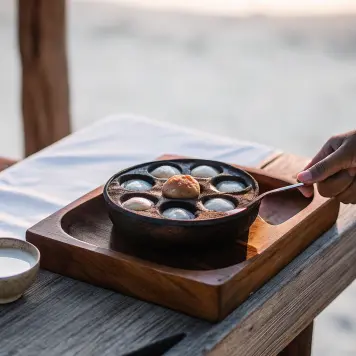
Khanom krok
Khanom krok are little coconut rice pancakes cooked in a cast-iron pan until edges are crisp and centers are pillowy soft, and street vendors in Krabi serve them hot so the coconut custard melts in your mouth.
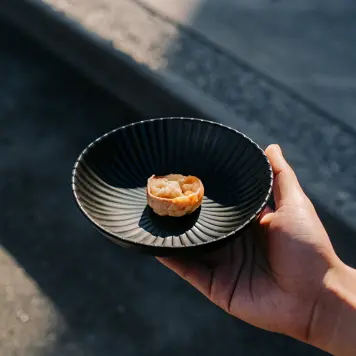
Thong yip
Thong yip, the golden flower dessert, was born in the royal kitchens and its name means 'to pick up gold', so Krabi families serve it at celebrations to wish wealth and good fortune.
Traditional Savory Dishes
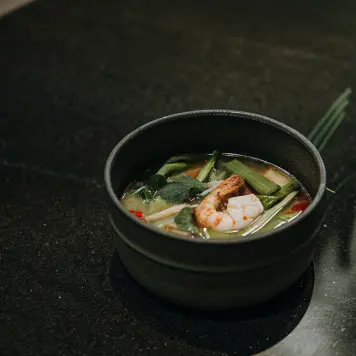
Tom Yum
Tom Yum in Krabi often features the freshest local seafood, and its signature sour, spicy, and herbal harmony comes from bruised lemongrass, galangal, and kaffir lime leaves added at the last moment.
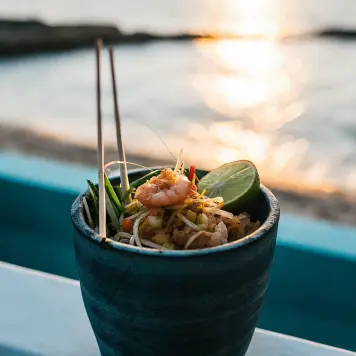
Pad Thai
Pad Thai became a national symbol in the 1930s, and Krabi cooks brighten the dish with smoky wok char and juicy river prawns for a coastal twist.
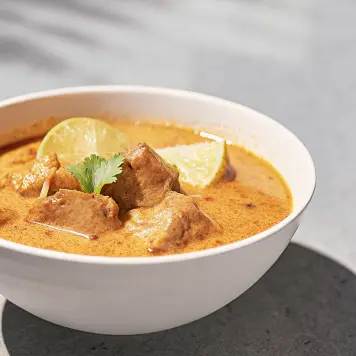
Massaman curry
Massaman curry reflects Krabi’s trading history, blending Indian spices like cinnamon and cardamom with Thai coconut milk, producing a gently spiced, slightly sweet curry that pairs beautifully with beef or local jackfruit.
Traditional Beverages

Thai iced tea
Thai iced tea in Krabi is brewed extra strong, sweetened, and poured over ice with condensed milk, creating a creamy, bright orange drink that cools and comforts in tropical heat.
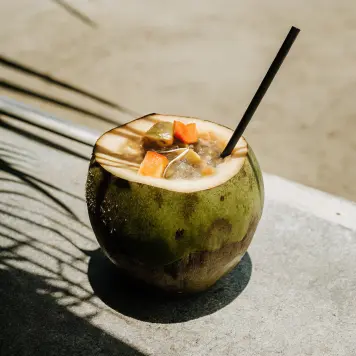
Coconut water
Fresh coconut water sold along Krabi’s beaches is more than a refreshing sip, it was a traditional natural electrolyte for fishermen after a long day at sea and is often drunk straight from the husk.
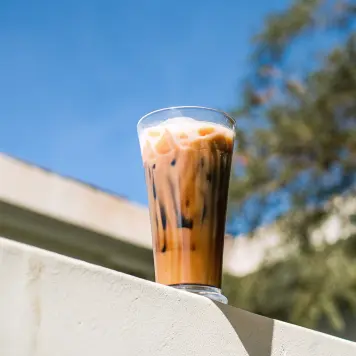
Cha yen (iced tea)
Cha yen, the classic Thai iced tea, is commonly brewed with robust black tea and sometimes star anise or tamarind, then mixed with milk for a spiced, velvety drink popular at Krabi markets.
Frequently Asked Questions about Krabi, Thailand
What is the best time to visit Krabi, Thailand?
Is Krabi, Thailand expensive for travelers?
How can I get around Krabi, Thailand?
How many tourists visit Krabi, Thailand each year?
Is Krabi, Thailand safe for travelers?
Get a PDF with the most popular attractions sent to your email
Get a PDF with all attractions, ratings, and tips. Perfect for offline use.
Most popular day trips
Phi Phi Islands
Iconic limestone islands, snorkeling and Maya Bay-style beaches.
Koh Lanta
Laid-back island with long beaches and relaxed vibe.
Railay Beach
Stunning cliffs, rock-climbing and sheltered beaches.
Koh Hong (Hong Island)
Lagoon, clear water and great snorkeling close to Krabi.
Khao Sok National Park
Dense rainforest, lakes and wildlife — adventurous day trip.
Getting there
Train stations
Southern Line (to/from Bangkok)
Southern Line (junction to southern provinces)
Pre-book shared minivan or airport taxi; expect 30–90 min transfer times.
Useful information for Krabi, Thailand
Overview for Krabi, Thailand
Want a day-by-day plan for Krabi, Thailand? Open the trip planner
Plan your perfect trip to Krabi, Thailand
Get a complete travel plan built just for you in under 30 seconds, with daily routes, local food tips, budget estimates and more.
Are any of these especially important to you?
Select all that apply
Getting around
How do you want to move between places?
Plan language: EnglishMost popular itineraries for Krabi, Thailand
Browse trip plans created by other travelers