 CityBuddy
 English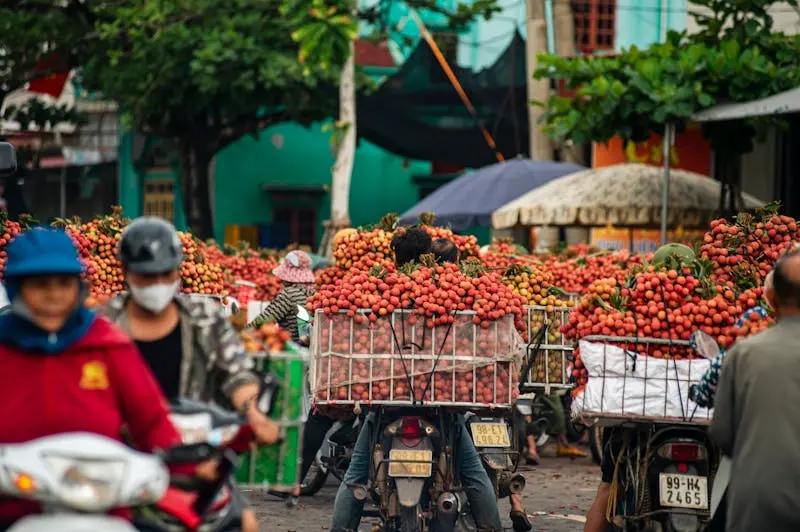
Things to Do in Vietnam
Photo made by Vietnam Hidden Light on Pexels.com
When to visit
Most popular attractions in Vietnam
Things to do in Vietnam include exploring Ha Long Bay, where thousands of limestone islands rise from emerald waters, and wandering around Hoan Kiem Lake in Hanoi’s Old Quarter, a peaceful urban oasis steeped in history. For a step back in time, visit the Hue Imperial City, a vast complex of palaces, temples, and walls that reflect Vietnam’s royal heritage.
1. Ha Long Bay
Ha Long
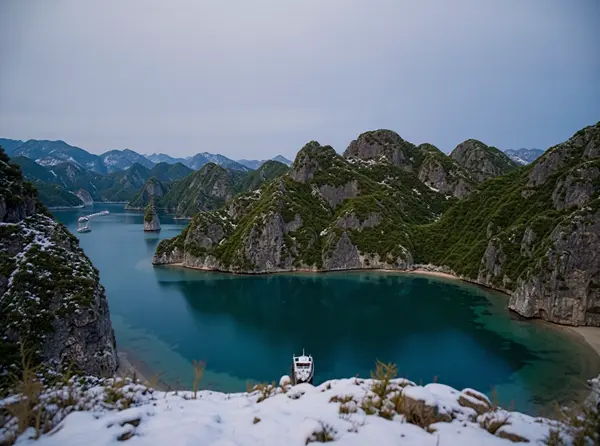
Feel dwarfed by towering limestone islets in a sea of jade. Explore shimmering waters, enchanting caves, and vibrant floating villages for an unforgettable escape.
Quick facts: Over 1,600 limestone islands and islets shape the landscape, creating surreal seascapes that stretch over 1,500 square kilometers. Gentle waves and mysterious caves add to the adventurous charm of exploring by boat.
Highlights: A standout feature is the Bay's bright emerald waters contrasted against towering limestone pillars, often shrouded in early morning mist that feels like stepping into a painting. Floating fishing villages here allow a peek into timeless artisanal traditions, where families live and work on the water.
2. Hoan Kiem Lake
Hanoi
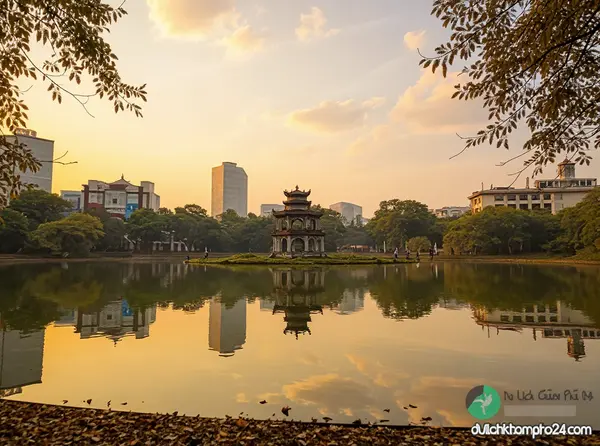
Experience tranquil waters and lively local culture side by side. Snap photos of iconic red bridges and explore peaceful temple grounds.
Quick facts: Sharing its waters with legendary turtles, this lake whispers centuries-old tales amidst the city buzz. A popular local retreat, the lake is circled by a lively walking path dotted with vibrant cafés and street performers.
Highlights: Watch the mystical red wooden Huc Bridge curve over jade-green water, leading to a serene temple island that glows with dawn’s soft light. Rare giant turtles, said to be living links to ancient folklore, occasionally surface, enchanting onlookers.
3. Tràng An Scenic Landscape Complex
Ninh Binh
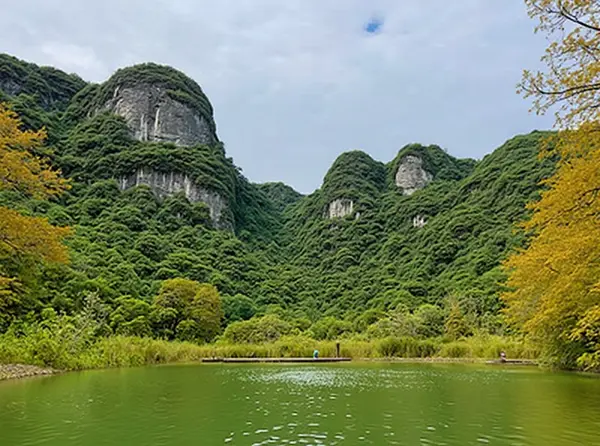
Explore enchanting waterways framed by towering limestone peaks. Experience peaceful boat rides through mesmerizing caves and ancient temples.
Quick facts: Serene karst peaks rise dramatically from winding rivers, creating a landscape that looks almost otherworldly. Over 50 caves scatter throughout the area, each holding whispers of ancient human activity and stunning stalactites.
Highlights: A boat ride here reveals over 20 caves with impressive stalactites, each glowing softly in shaded turquoise waters. The area’s cultural history is palpable, with temples and pagodas tucked into cliffs, telling stories of past dynasties.
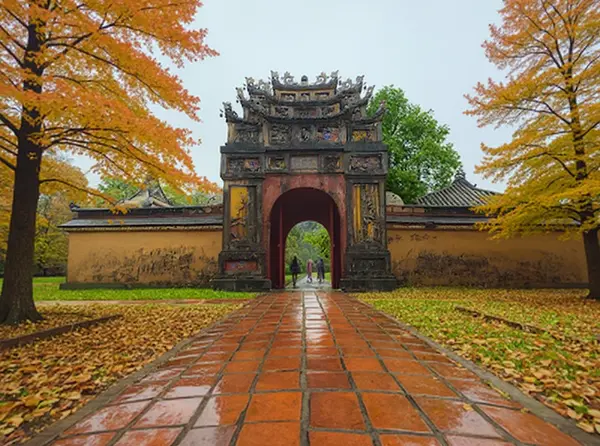
4. Hue Imperial City (Imperial Citadel)
Hue
Explore a vast, ancient royal citadel packed with history and stunning architecture. Wander through majestic gates, peaceful courtyards, and timeless relics from Vietnam's last dynasty.
Quick facts: The fortress features a complex layout spanning over 500,000 square meters with moats, walls, and gates. Over 100 buildings inside showcase Nguyen dynasty architecture and ancient royal life.
Highlights: Sprawling across a massive area, the citadel holds the Forbidden Purple City, once the emperor's exclusive sanctuary, still whispering royal secrets. Faded imperial dragons and vibrant lacquered gates reveal stories of elaborate ceremonies and rich dynasty culture.
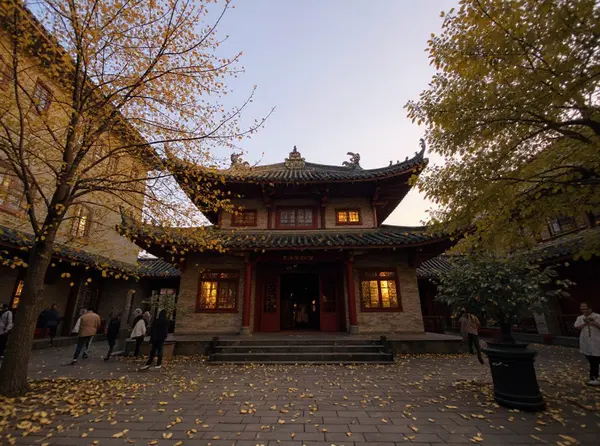
5. Hội An Ancient Town
Hoi An
Step back in time with enchanting lantern-lit streets. Experience a vibrant blend of history, culture, and lively river scenes.
Quick facts: Over 1,000 well-preserved historic buildings line the charming streets, reflecting a blend of indigenous and foreign influences. The town thrived as a major Southeast Asian trading port from the 15th to the 19th century.
Highlights: Lantern festivals light up the night sky with hundreds of colorful silk lanterns floating down the Thu Bon River every full moon. Ancient merchant houses hold centuries-old woodwork and intricate carvings telling stories of trade and culture.
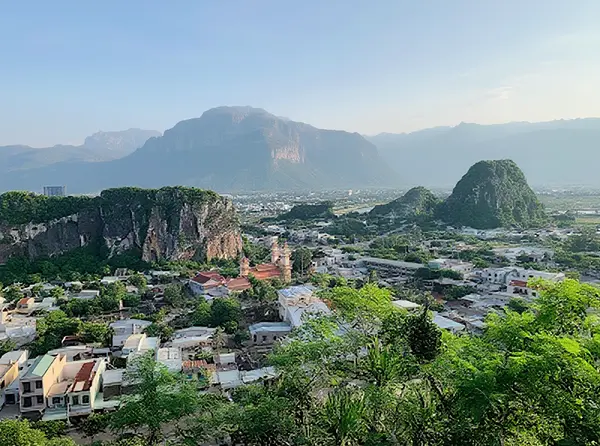
6. Marble Mountains
Da Nang
Escape into mystical hills dotted with secret caves and ancient shrines. Experience serene views and vibrant local artistry in one captivating adventure.
Quick facts: You can explore a cluster of five marble and limestone hills packed with caves, tunnels, and Buddhist sanctuaries. Local craftsmen carve exquisite marble sculptures right nearby, blending art and nature in one spot.
Highlights: The peak viewpoint offers sweeping panoramas of lush rice paddies meeting the ocean, with colorful Buddhist statues nestled inside dramatic caves lit by natural light. Legends say Buddha once meditated here, adding a spiritual vibe amidst the stunning rock formations.
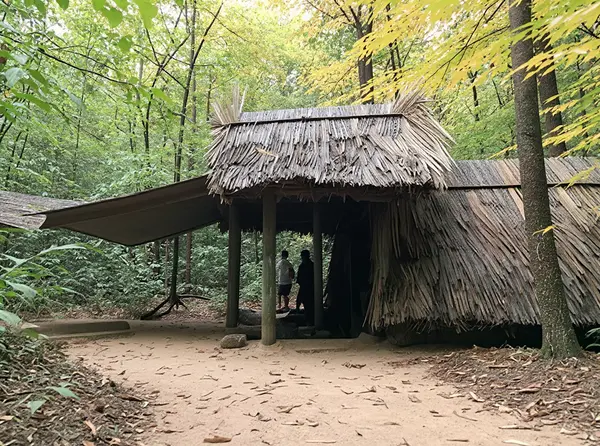
7. Củ Chi Tunnels
Ho Chi Minh City
Explore an epic underground maze that reveals wartime ingenuity. Crawl through real tunnels and see life from a soldier’s perspective.
Quick facts: Over 200 kilometers of underground tunnels twist through dense jungle, used as a secret network during wartime. They housed soldiers, kitchens, hospitals, and living quarters, all hidden beneath the earth's surface.
Highlights: Experience crawling through narrow tunnels just 60 centimeters wide, offering a thrilling glimpse into wartime survival. The underground complex connected secret rooms and hideouts, showcasing incredible ingenuity and resilience.
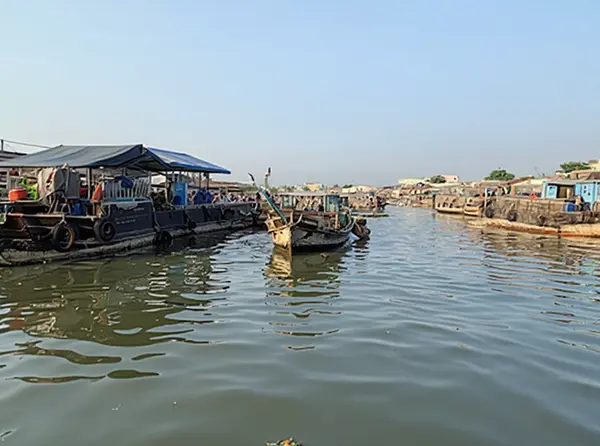
8. Cái Răng Floating Market
Can Tho
Experience a bustling market thriving on water. Glide through a sea of colorful boats and savor authentic flavors afloat.
Quick facts: Vendors sell everything from fresh produce to local snacks right from their boats. The market buzzes with vibrant colors and lively chatter well before dawn begins to break.
Highlights: Floating sellers display their goods balanced on small wooden boats, creating a moving mosaic of fruits, vegetables, and flowers. Catch the moment when boats haggle prices in a melodic rhythm, a tradition locals call 'boat-to-boat bargaining'.
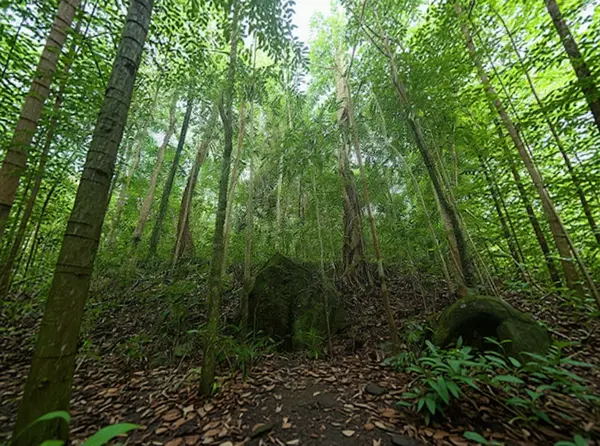
9. Phú Quốc National Park
Phu Quoc
Explore vast rainforests and pristine beaches where vivid coral reefs meet rare wildlife. Experience calm trails and vibrant sea life all in one place.
Quick facts: The park covers nearly half of the island, featuring a mix of lush tropical rainforests and coastal mangroves. Home to over 1,000 plant species and 150 bird species, it supports an incredible range of biodiversity.
Highlights: Dense jungle trails lead to quiet white sand beaches often untouched by crowds, while the park's sea surrounds thriving coral reefs vibrant with marine life. Spot the rare Phú Quốc ridgeback dog wandering near local villages, a breed unique to the area.
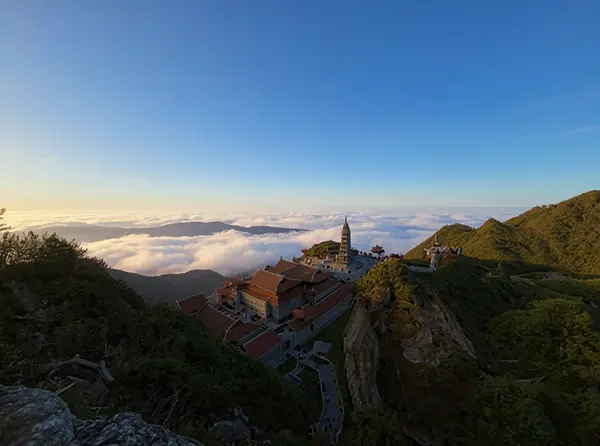
10. Fansipan Summit
Sa Pa
Reach new heights with breathtaking views from the tallest peak in the region. Experience a magical cloud sea and peaceful Buddha statues at the top.
Quick facts: Rising over 3,140 meters, it holds the title of the highest peak in Indochina. Adventurers can choose between challenging hikes or a scenic cable car ride offering panoramic mountain views.
Highlights: At the summit, a towering bronze statue of Buddha spreads a serene aura, while the surrounding cliffs reveal layers of ancient rock formations. Early morning visitors often witness a sea of clouds swirling below, creating an otherworldly landscape.
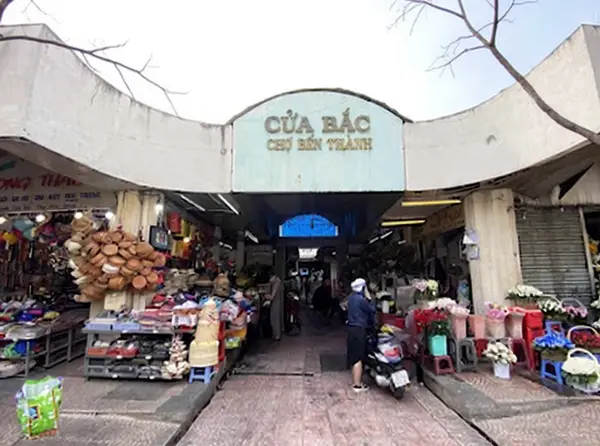
11. Visit Ben Thanh Market
Vibrant colors, lively sounds, and endless treasures await. Dive into a sensory feast of fresh foods, crafts, and local life.
Quick facts: Bustling with over 3,000 stalls and thousands of visitors daily, this market buzzes with energy and variety. Its iconic clock tower stands as a popular meeting point, glowing warmly as evening descends over the city.
Highlights: Vendors often shout local greetings in melodic tones while expertly balancing baskets brimming with exotic fruits and handmade crafts. The market's vibrant night section reveals glowing lanterns and sizzling street food that tell stories through scents and flavors.
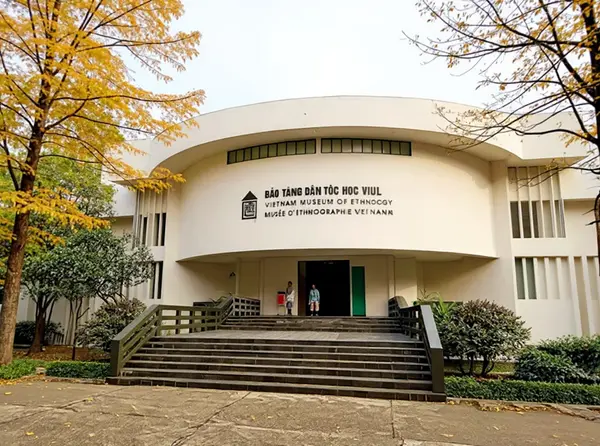
12. Vietnam Museum of Ethnology
Explore deep cultural roots through vibrant ethnic displays. Experience living history with traditional houses and musical showcases.
Quick facts: Over 54 ethnic groups of Vietnam are showcased through more than 40,000 artifacts in traditional costumes, tools, and household items. Outdoor exhibits include authentic stilt houses and communal houses that visitors can walk through and explore in detail.
Highlights: A standout feature is the large collection of traditional musical instruments displayed in vivid detail along with videos of performances, preserving the unique sounds of Vietnam's diverse cultures. The museum grounds feature a Central Highlands village reconstruction where live demonstrations of daily activities bring the heritage to life.
Where to Stay in Vietnam
Selected by City Buddy based on guest reviews and proximity to top attractions
Search all hotels in VietnamPowered by agoda
Opening days in Vietnam
Which of the top sights close on which day of the week — the classic trip-ruiner, checked for you.
Monday: 2 of 14 top sights closed — plan museums for another day.
Closed on Monday · 2 closed, 12 open
- Vietnam Museum of Ethnology
- Visit the Fine Arts Museum
Opening days from Google Maps. Public holidays, strikes and seasonal hours can differ — check the official website before you go.
Popular Cities in Vietnam
Traditional Sweet Dishes
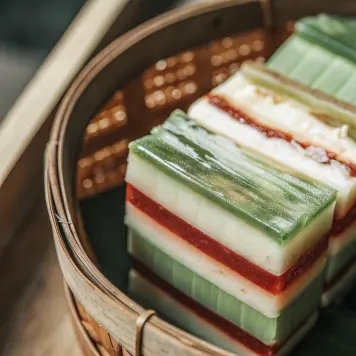
Chè
Chè comes in dozens of regional varieties, from bean soups to coconut jelly, and can be served hot or cold as a street snack or a family dessert.
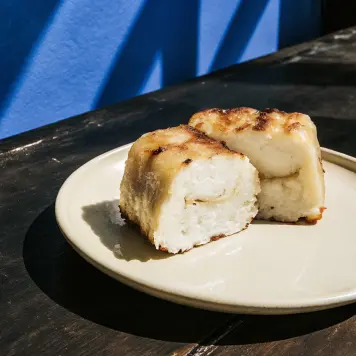
Bánh chuối
Bánh chuối turns overripe bananas into a caramelized cake that can be steamed or fried, it was born as a resourceful peasant treat that became a popular street sweet.
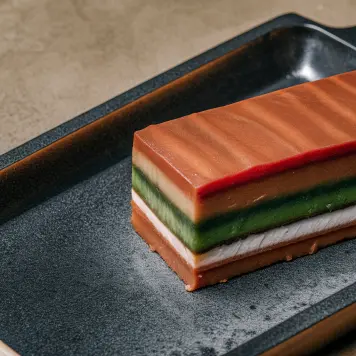
Bánh da lợn
Bánh da lợn is a chewy, colorful layered cake scented with pandan and mung bean, and its name literally means 'pig skin' despite containing no pork.
Traditional Savory Dishes
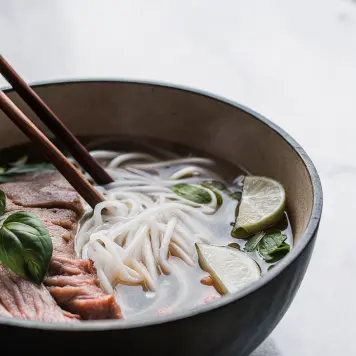
Phở
Phở began as a Hanoi street food in the early 20th century and is prized for a broth simmered for hours with bones and spices, the final bowl is finished tableside with fresh herbs.
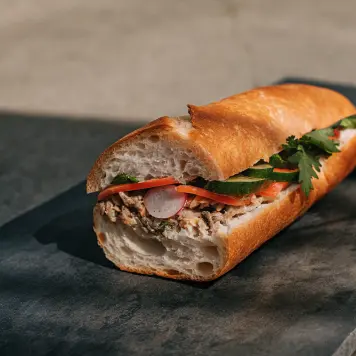
Bánh mì
Bánh mì is a Franco-Vietnamese invention that uses a light, airy baguette filled with pâté, pickles, cilantro and spicy mayo, it became Vietnam's go-to portable meal after World War II.
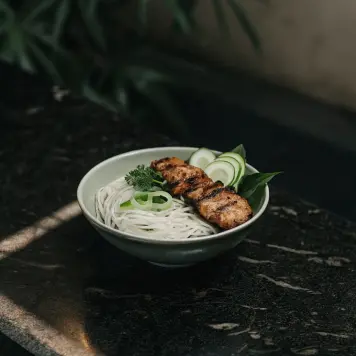
Bún chả
Bún chả is a Hanoi specialty of grilled pork patties and slices served with cool rice vermicelli and a tangy fish sauce for dipping, it shot to global fame when a US president ate it in Hanoi with Anthony Bourdain.
Traditional Beverages
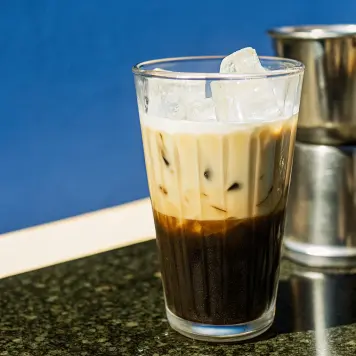
Cà phê sữa đá
Cà phê sữa đá is intensely strong Robusta coffee sweetened with condensed milk and poured over ice from a tiny phin filter, it was perfected during colonial times when fresh milk was scarce.
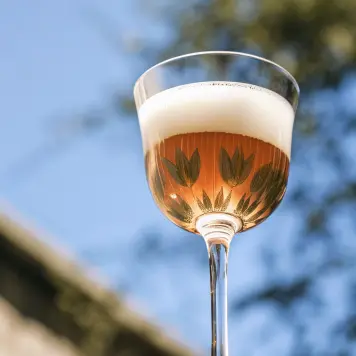
Trà
Trà is more than a drink in Vietnam, it is a gesture of hospitality and can be scented with lotus by stuffing fresh blossoms into tea leaves overnight for a delicate floral aroma.
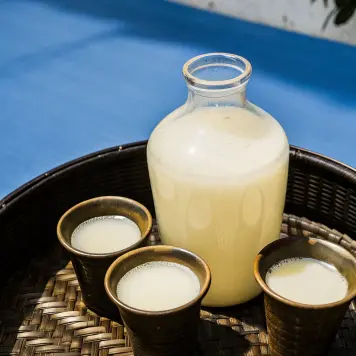
Rượu gạo
Rượu gạo is a potent, clear rice wine made from fermented sticky rice that is often shared from a communal jar at weddings and festivals, some versions are infused with herbs or fruits for local medicinal uses.
Frequently Asked Questions about Vietnam
What are the best months to visit Vietnam?
Is Vietnam expensive for travelers?
How is public transportation in Vietnam?
How many tourists visit Vietnam each year?
How can I get around Vietnam?
Get a PDF with the most popular attractions sent to your email
Get a PDF with all attractions, ratings, and tips. Perfect for offline use.
Most popular day trips
Ninh Binh (Tam Coc/Trang An)
Karst landscapes, river caves and ancient temples.
Hạ Long Bay (day cruise)
Iconic limestone karsts and short bay cruises.
Perfume Pagoda (Chùa Hương)
Pilgrimage complex with scenic riverboat approach.
Bát Tràng Pottery Village
Traditional ceramics village, hands-on workshops.
Getting there
Airports
Train stations
Reunification Express (north–south), regional links to Lao Cai
Reunification Express north–south connections
Use airport express bus or Grab taxis; allow 30–60 min to Hanoi center depending on traffic.
Visa & entry
ASEAN countries (Brunei, Cambodia, Indonesia, Laos, Malaysia, Myanmar, Philippines, Singapore, Thailand), Japan, South Korea (policies vary)
Most other countries (check e-visa or embassy options)
Check e-visa availability and ensure passport valid ≥6 months before travel.
Useful information for Vietnam
Overview for Vietnam
Want a day-by-day plan for Vietnam? Open the trip planner
Plan your perfect trip to Vietnam
Get a complete travel plan built just for you in under 30 seconds, with daily routes, local food tips, budget estimates and more.
Are any of these especially important to you?
Select all that apply
Getting around
How do you want to move between places?
Plan language: EnglishMost popular itineraries for Vietnam
Browse trip plans created by other travelers
29-Day Vietnam: North to South Backpacker's Cultural Odyssey
From Hanoi's ancient temples and Ha Long Bay's limestone karsts to Hue's imperial citadels, Hoi An's lantern-lit streets, and Saigon's war history, this 29-day overland adventure takes you deep into Vietnam's rich culture, cuisine, and landscapes without breaking the bank.
7-Day Vietnam: Northern Charms & Central Treasures
From Hanoi's shimmering lake to Hoi An's lantern-lit streets, this summer journey strikes the perfect balance between Vietnamese culture, stunning landscapes, and coastal relaxation.
5-Day Vietnam Summer Backpacker Adventure
From Hanoi's chaotic streets to the emerald waters of Ha Long Bay, ancient temples in Hue, lantern-lit Hoi An, and the floating markets of the Mekong Delta - this budget-friendly loop hits Vietnam's greatest hits without breaking the bank.
5-Day Budget Backpacking in Vietnam for Authentic Local Experiences
Explore vibrant street food, historic sites, and local culture while enjoying free and low-cost activities across Vietnam in spring.
18-Day Vietnam Adventure for Families and Nature Lovers
Explore Vietnam with your family on this 18-day trip, blending cultural heritage, active outdoor adventures, and authentic local experiences in a kid-friendly and budget-conscious way.
15-Day Vietnam Winter Adventure for General Travelers
Experience the diverse landscape, rich culture, and unique winter festivities of Vietnam over 15 exciting days packed with iconic sights and authentic local activities.