 CityBuddy
 English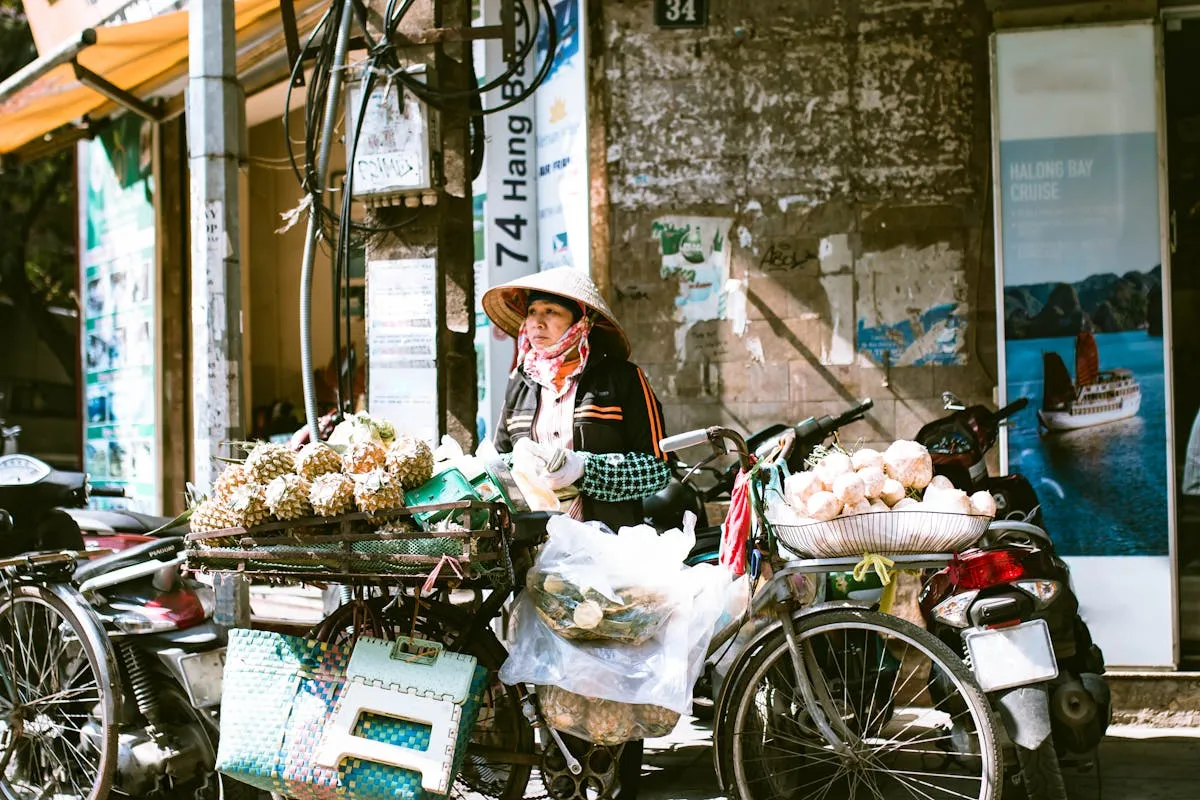
Things to Do in Hanoi, Vietnam
Photo made by Tú Chu on Pexels.com
When to visit
Hanoi is the #14 city for food lovers in the world, based on our data across hundreds of destinations.
Most popular attractions in Hanoi, Vietnam
Top things to do in Hanoi, Vietnam include strolling around Hoan Kiem Lake and visiting Ngọc Sơn Temple located on a charming island within the lake. Explore the Hanoi Old Quarter, just a few kilometers away, where narrow streets showcase centuries-old architecture and street food delights. Don’t miss the tranquil Temple of Literature, built in 1070 and Vietnam's first university.
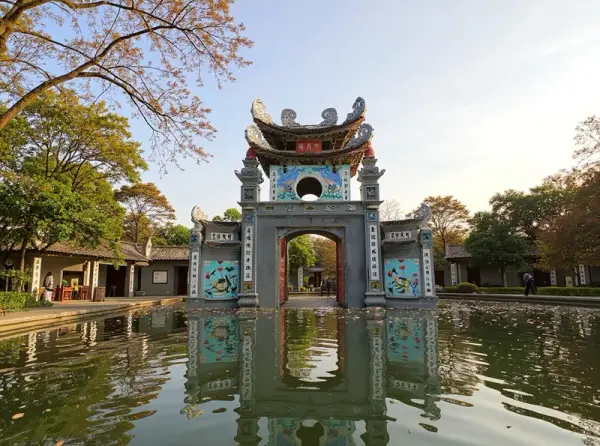
1. Hoan Kiem Lake (Hồ Hoàn Kiếm) & Ngọc Sơn Temple
A peaceful historic heart in central Hanoi, alive with local legend and daily routines. Stroll the lakeside, cross the red Huc Bridge, and enter Ngoc Son Temple's calm courtyard.
Quick facts: Soft morning light turns the water into a glassy mirror where tai chi practitioners and wandering photographers share peaceful paths, while a bright red footbridge connects to a tiny island temple with ornate eaves. Local storytellers point out a legendary golden turtle and a ceremonial sword that lend the place a warm, mysterious charm, and the temple's lantern-lit courtyard feels like stepping into a living folk tale.
Highlights: A lacquered vermilion bridge leads to a tiny island temple where incense curls upward, the air carries the sweet smoke of jasmine and the savory tang of grilled sticky rice, and locals gently float lotus flowers on the water's glassy surface. Legend says a 15th-century emperor named Le Loi returned a magic sword to a golden turtle in 1428, and generations also revered a real, century-old softshell turtle nicknamed Cụ Rùa that people fed and mourned when it died in 2016.
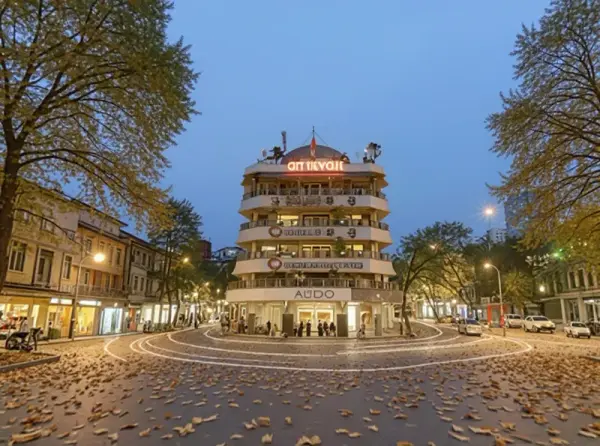
2. Hanoi Old Quarter
Step into a lively maze of narrow streets and historic shopfronts that capture Hanoi's energy. Expect motorbike swarms, sizzling street food, and local crafts around every corner.
Quick facts: Narrow streets pulse with scooter traffic, sizzling street-food stalls, and the clang of small workshops, so every stroll feels like a sensory overload. Wander past tiny, specialized shops where craftsmen still practice traditional trades, and you'll spot surprising details like hand-carved signs and worn wooden façades tucked above the bustle.
Highlights: Wake up at 5:30 a.m. and wander the maze of 36 narrow streets where centuries-old trades still define each lane: you'll find one shop selling only silk scarves, another stacked head-to-toe with nón lá hats, tin signs and lacquered wooden shutters squeezed between motorbikes and steaming bowls of pho. By afternoon, slip into a tiny cafe run by the Giang family where egg coffee, rich custardy foam whipped from condensed milk and an egg yolk, has been served since 1946 and tastes like warm tiramisu in a cup while scooters hum outside.
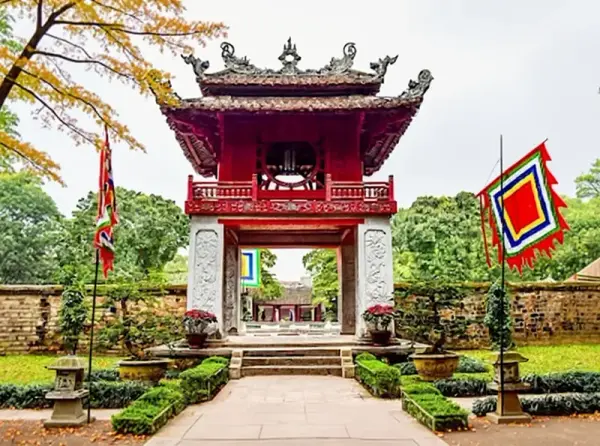
3. Temple of Literature (Văn Miếu – Quốc Tử Giám)
Văn Miếu – Quốc Tử Giám
Visit Vietnam's first national university where centuries of scholarship shaped culture. Wander tranquil courtyards, read carved stone stelae, and admire traditional pavilions.
Quick facts: Passing beneath the arched gate, cool shade and the scent of old timber welcome visitors to courtyards lined with turtle-backed stone steles recording the names of thousands of successful scholars. Orange trees, carved wooden beams, and lacquered pillars create a quietly elegant setting that hints at the central role classical learning once played in society.
Highlights: Behind the quiet courtyards lie 82 stone stelae mounted on carved turtle pedestals, each engraved with the names of royal exam laureates from 1442 to 1779, their smooth surfaces darkened by centuries of soot and lichen. Every Lunar New Year calligraphers set up on the front steps to write single-character wishes on red paper for nervous students and graduates, the black ink smelling sharp as families tuck the slips into wallets for exam luck.
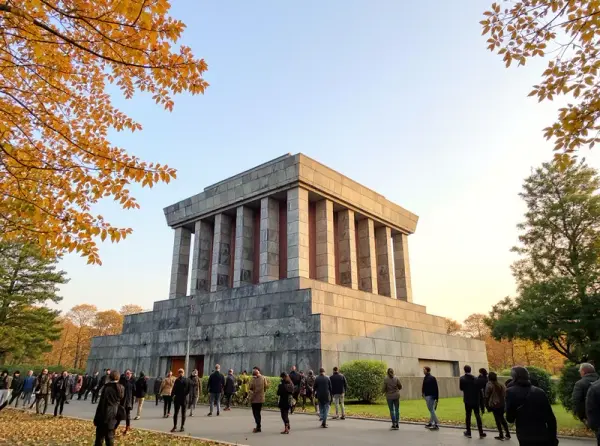
4. Ho Chi Minh Mausoleum
Honor Vietnam's revolutionary history at Ho Chi Minh Mausoleum. Walk the solemn square, view the preserved body, and watch the guard detail.
Quick facts: Approaching the solemn granite building, visitors often fall quiet as precise guard ceremonies and the cool hush around a glass-covered sarcophagus create a deeply reverent atmosphere. Expect strict dress and behavior rules enforced by attendants, which turns each visit into a ceremonial, almost theatrical, experience rather than a casual tourist stop.
Highlights: A glass sarcophagus contains a carefully preserved leader bathed in soft spotlight, and a faint, clinical scent lingers alongside incense so many visitors remark on a metallic taste at the back of the throat. Visitors file past in near-silence, shoes whispering on cool marble while stern uniformed sentries hold a rigid, choreographed bearing and photography is strictly forbidden.
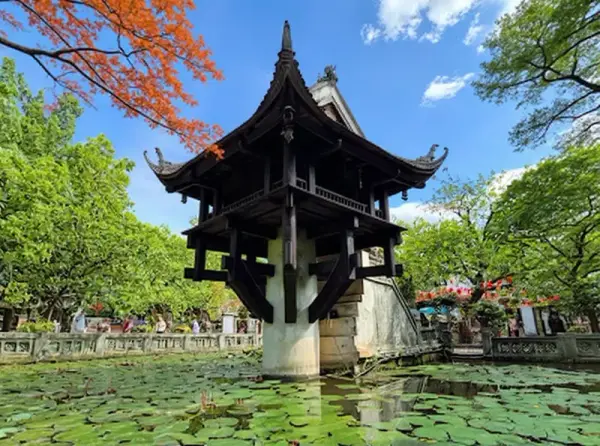
5. One Pillar Pagoda (Chùa Một Cột)
Chùa Một Cột
A lotus-shaped wooden shrine sitting on a single stone pillar, a striking piece of Hanoi history. Step onto the small platform, admire lacquered carvings, and watch local worship up close.
Quick facts: A delicate temple perches on a single stone pillar rising from a lotus-filled pond, offering a surreal reflection of Buddhist symbolism and royal legend. Visitors often step onto a tiny bridge and feel the air thick with incense while imagining the imperial court stories that inspired its unusual design.
Highlights: Built in 1049 by Emperor Lý Thái Tông after he dreamed of the bodhisattva Avalokiteshvara seated on a lotus, the tiny wooden shrine perches on a single stone pillar rising from a square lotus pond, so from the footbridge you can watch orange koi streak beneath lacquered beams and the whole scene mirror itself in the water. Pilgrims still press their palms to the carved lotus base and tuck tiny red ribbons or votive papers into crevices, a quiet ritual that smells of sandalwood incense and leaves your fingers faintly sticky with resin.
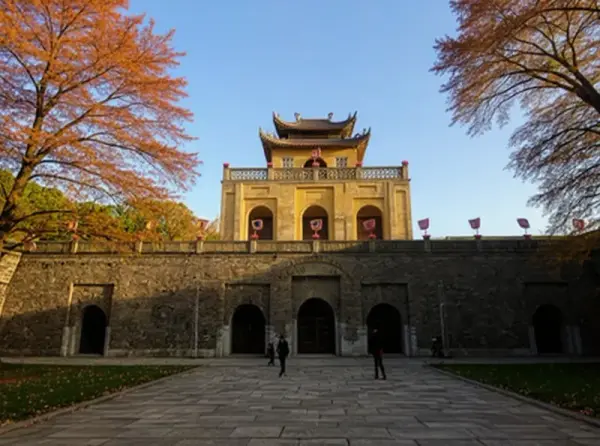
6. Imperial Citadel of Thăng Long (Thăng Long Imperial Citadel)
Thăng Long Imperial Citadel
Experience Vietnam's royal past at Thăng Long Imperial Citadel, a UNESCO archaeological site. Stroll through restored gates, exposed foundations and peaceful courtyards.
Quick facts: Stepping through the ornate gate feels like slipping into a vanished court, where worn stone platforms and dragon-carved bricks still hum with echoes of imperial ceremonies. Archaeologists have unearthed thousands of ceramics, lacquerware, and structural layers across more than 18 hectares, revealing a palimpsest of successive capitals beneath the modern city.
Highlights: Beneath the grassy courtyards archaeologists uncovered nine superimposed occupation layers, with ceramics and timber foundations dating from the 7th century through the 20th century so you can literally trace capital life across a millennium. At dawn you can smell faint traces of old lacquer near the weathered flagpole base, and guides point out a tiny carved stone dragon about 8 centimeters across that once marked the emperor’s private route.
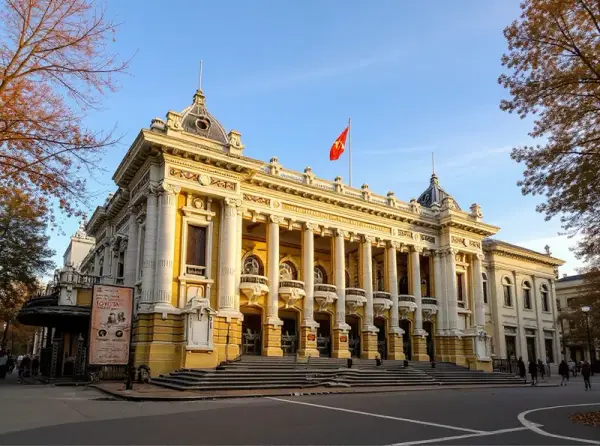
7. Hanoi Opera House (Nhà Hát Lớn Hà Nội)
Nhà Hát Lớn Hà Nội
Grand French-colonial theater showcasing Hanoi's cultural history. Catch an opera or take a guided tour to admire frescoes, chandeliers and the elegant auditorium.
Quick facts: Visitors often mention the theatre's surprising intimacy, where about 1,000 velvet seats and glittering chandeliers make each performance feel close and cinematic. A dramatic French colonial façade hides layers of history, from revolutionary speeches to lavish operas and modern concerts that shaped local cultural life.
Highlights: Built and inaugurated by the French in 1911, the building’s gilded plaster, red-velvet stage curtain, and a central crystal chandelier still crown a horseshoe auditorium of roughly 600 seats, giving live operas and Vietnamese symphonies an unexpectedly warm, wooden resonance. At dusk local families and students gather on the broad stone steps to catch free strains of arias leaking through the doors while street vendors hawk 10,000-dong cà phê and grilled corn, a quirky nightly ritual that feels like an open-air intermission.
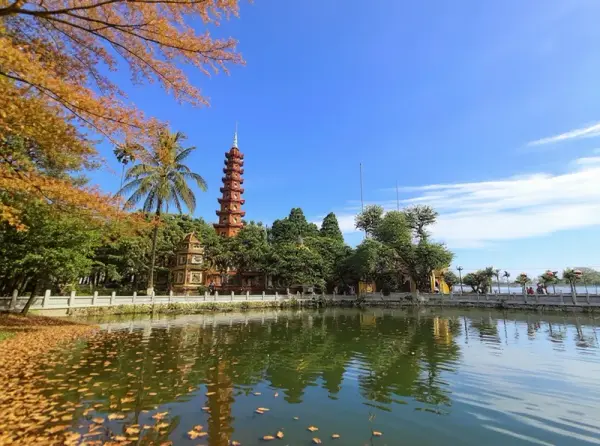
8. Trấn Quốc Pagoda (Chùa Trấn Quốc) - West Lake
West Lake
A lakeside pagoda with centuries of Buddhist art and calm West Lake views. Walk the tiled causeway, see carved statues and lotus ponds, hear local prayers.
Quick facts: Step through the curving gateway and you’re met by the warm, resinous scent of incense, lacquered Buddha images glinting as monks chant in low, steady rhythm. A narrow brick causeway, moss-soft underfoot, leads past ornate altars and tiny votive niches where locals leave coins and fragrant offerings, and visitors often pause to watch sunlight ripple across lotus-strewn water.
Highlights: Over 1,400 years old, the pagoda was moved onto a tiny mossy islet in the 17th century, so you cross a narrow stone causeway and are suddenly wrapped in thick incense and the sweet, slightly spicy scent of lotus. At dusk worshippers set tiny paper lotus lanterns called hoa đăng adrift among bright orange koi, their candle-glow trembling on black water while an old bronze bell tolls low and slow.
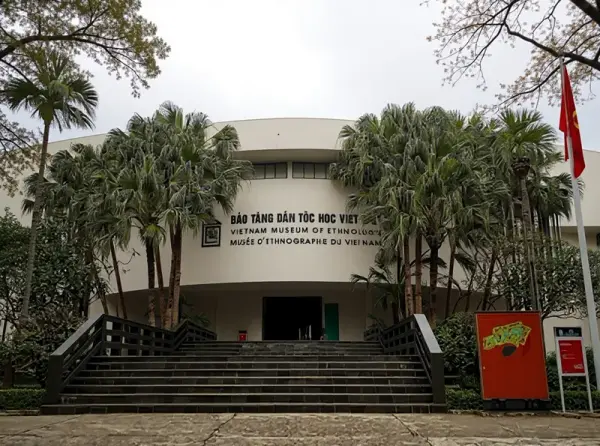
9. Vietnam Museum of Ethnology (Bảo tàng Dân tộc học Việt Nam)
Bảo tàng Dân tộc học Việt Nam
Explore Vietnam's 54 ethnic cultures through extensive artifacts and traditional houses. Wander indoor galleries then an outdoor village with live demonstrations.
Quick facts: Wandering through airy galleries feels like stepping into a dozen living villages, with colorful textiles, carved masks, and hands-on displays that bring folk traditions to life. A neat surprise is that the collection represents 54 distinct ethnic communities, and the outdoor area has full-sized stilt houses you can climb into for an unfiltered feel of rural architecture.
Highlights: Imagine walking among life-size traditional stilt houses and a Bahnar communal longhouse, the air scented with lacquer and smoky clay while mannequins and panels animate the rituals of 54 ethnic groups. A quirky surprise waits in the displays: over 10,000 artifacts include cobalt-and-red Hmong embroidered jackets and a ring of bronze gongs that staff still strike during live demonstrations.
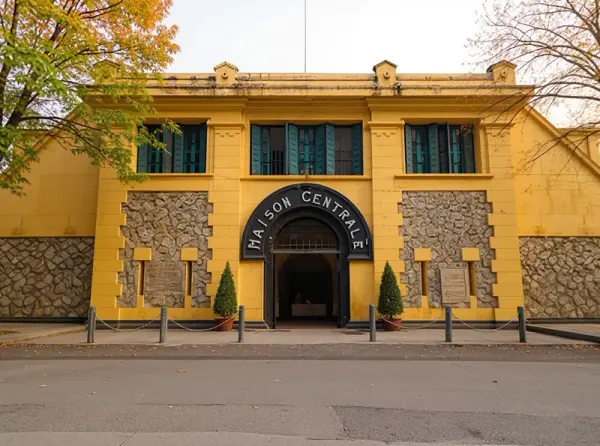
10. Hoa Lo Prison Museum (Nhà tù Hỏa Lò)
Nhà tù Hỏa Lò
Powerful window into Vietnam's colonial and wartime history. Walk through preserved cells, exhibits and prisoner artifacts that tell personal stories.
Quick facts: Stepping through the gate, you encounter cramped cells, peeling paint, and haunting graffiti that make the past feel raw and immediate. Guided exhibits pair personal prisoner stories with unexpected artifacts from American aviators, while a preserved execution chamber offers a sobering counterpoint to the site's earlier colonial grandeur.
Highlights: Step into the cramped brick cell where American pilot John McCain was held until 1973, and the scale hits you: the narrow wooden bunk barely fits one person, the plaster peels in long curls, and a faint metallic tang hangs in the air. Guides often point out a faded pencil note dated 1970 tucked into a seam of the wall, a small, almost private relic that visitors still trace with a fingertip and make a silent wish over.
Where to Stay in Hanoi, Vietnam
Selected by City Buddy based on guest reviews and proximity to top attractions
Search all hotels in Hanoi, VietnamPowered by agoda
Opening days in Hanoi, Vietnam
Which of the top sights close on which day of the week — the classic trip-ruiner, checked for you.
Monday: 2 of 10 top sights closed — plan museums for another day.
Closed on Monday · 2 closed, 8 open
Opening days from Google Maps (checked 2026-02-19). Public holidays, strikes and seasonal hours can differ — check the official website before you go.
Traditional Sweet Dishes
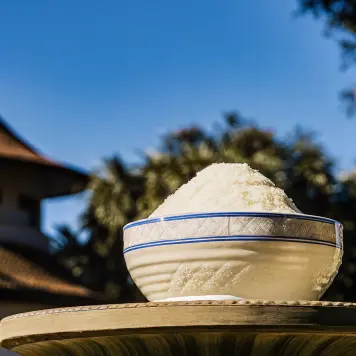
Che
Che in Hanoi comes in hundreds of styles, from chilled bowls studded with beans and jelly to warm coconut soups, and it is often sold in glass jars so you can see the colorful layers before you buy.
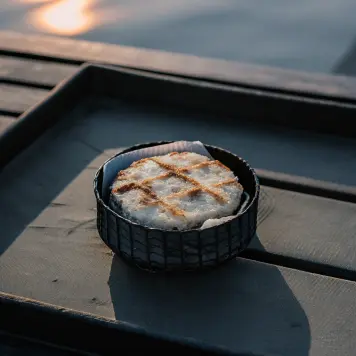
Banh ran
Banh ran are hot, deep fried glutinous rice balls with sweet mung bean centers, and when you bite one the crisp exterior gives way to a soft, almost molten filling that makes them irresistible on chilly Hanoi mornings.
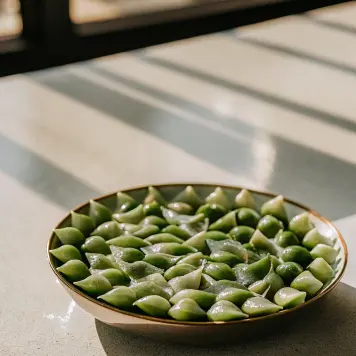
Banh dau xanh
Banh dau xanh are small, crumbly sweets made from roasted mung beans and sugar, they were popularized in Hanoi as a durable, giftable treat that keeps its flavor without refrigeration.
Traditional Savory Dishes
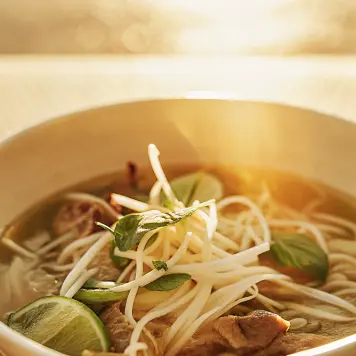
Pho
Hanoi pho focuses on a clear, intensely simmered bone broth and simple garnishes, and many vendors simmer their stock for up to 12 hours to achieve that deep, savory flavor.
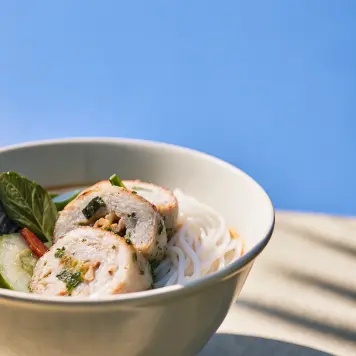
Bun cha
Bun cha pairs grilled pork patties and slices with a tangy dipping sauce and fragrant herbs, and it became globally famous after a U.S. president ate it with a local journalist in Hanoi.
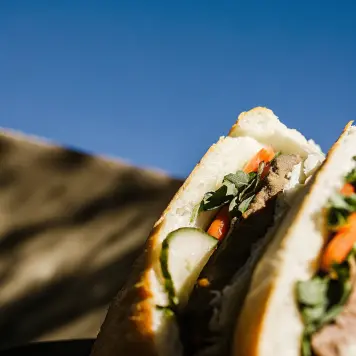
Banh mi
Banh mi blends a French-style baguette with Vietnamese fillings like pate, pickled carrots and daikon, and in Hanoi you will find regional twists that change the sandwich from wallet-friendly street food to a gourmet bite.
Traditional Beverages

Vietnamese coffee
Vietnamese coffee in Hanoi is brewed strong with dark-roast beans and often sweetened with condensed milk, and the city is also the birthplace of egg coffee, a creamy concoction made from whipped egg yolk and sugar that tastes like a warm coffee custard.

Tra da (iced tea)
Tra da, simple iced tea, is the ubiquitous refreshment in Hanoi eateries, and its light bitterness is prized for cutting through rich street food and cleansing the palate.

Rice wine
Rice wine in Hanoi ranges from light, floral varieties to potent home distillations, and locals sometimes infuse it with herbs or animals to create medicinal-tasting blends served in small glasses at celebrations.
Frequently Asked Questions about Hanoi, Vietnam
What is the best time to visit Hanoi, Vietnam?
Is Hanoi, Vietnam expensive for travelers?
How can I get around Hanoi, Vietnam?
How many tourists visit Hanoi, Vietnam annually?
Is Hanoi, Vietnam safe for travelers?
Get a PDF with the most popular attractions sent to your email
Get a PDF with all attractions, ratings, and tips. Perfect for offline use.
Most popular day trips
Ha Long Bay
UNESCO limestone karsts — cruises, caves and kayaking.
Ninh Binh (Tam Coc/Trang An)
Scenic river valleys, temples and rice paddies; 'Halong on land'.
Perfume Pagoda (Chua Huong)
Complex of mountain pagodas reached by scenic boat and cable car.
Bat Trang Pottery Village
Traditional ceramics village with workshops and shops.
Duong Lam Ancient Village
Well-preserved traditional village with ancient houses.
Getting there
Airports
Train stations
Reunification Express (Hanoi–Ho Chi Minh); Hanoi–Lao Cai; regional north lines
Some northbound and regional services; alternative for certain routes
Take the Noi Bai airport shuttle bus or a trusted taxi/Grab; expect 30–60 min depending on traffic.
Useful information for Hanoi, Vietnam
Overview for Hanoi, Vietnam
Want a day-by-day plan for Hanoi, Vietnam? Open the trip planner
Plan your perfect trip to Hanoi, Vietnam
Get a complete travel plan built just for you in under 30 seconds, with daily routes, local food tips, budget estimates and more.
Are any of these especially important to you?
Select all that apply
Getting around
How do you want to move between places?
Plan language: EnglishMost popular itineraries for Hanoi, Vietnam
Browse trip plans created by other travelers