 CityBuddy
 Eesti
Eesti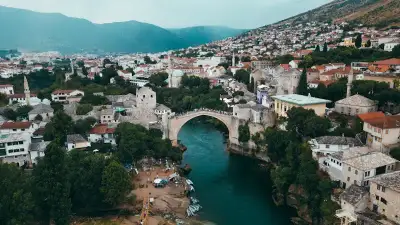
Mida teha kohas Tjentište, Bosnia and Herzegovina
Foto autor YUSUF ROVCANİN Pexels.com lehel
Tjentište, Bosnia and Herzegovina kõige populaarsemad atraktsioonid
The top things to do in Bosnia and Herzegovina center on the country's layered history and dramatic landscapes. Walk the curved arch of Stari Most in Mostar, a 16th century bridge rebuilt after the 1990s war. Explore Sarajevo's Baščaršija quarter with its 16th century Sebilj fountain. Just outside town, the Sarajevo Tunnel of Hope, a 795-meter lifeline, preserved siege-era stories.
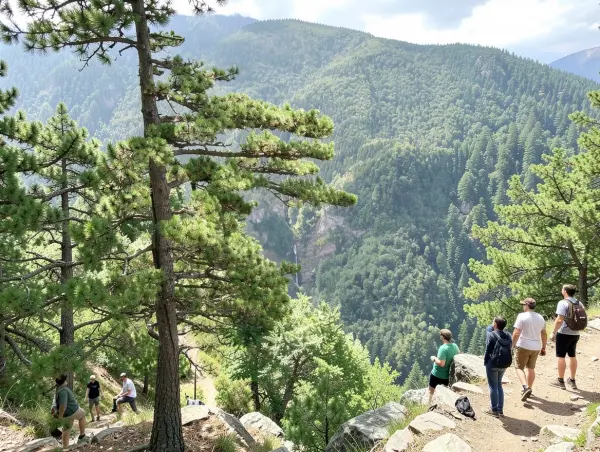
1. Sutjeska National Park
Tjentište
Step into Europe's last old-growth rainforest where bears and wolves still roam freely. Hike through primeval beech forests to a thundering 75-meter waterfall hidden in the valley.
Kiired faktid: Euroopa viimane ürgmets Perućica katab pargis 1 434 hektarit. Park kaitseb ka 2 386 meetri kõrgust Maglići mäge, Bosnia kõrgeimat tippu.
Esiletõstmised: Sügaval Perućica metsa sees on puud sajandeid kasvanud ja suremas puutumatult; mõned langenud pöögid on üle 50 meetri pikad ja täielikult jämeda samblaga kaetud. Skakavaci juga langeb 75 meetrit türkiissinisesse basseini, kus vee temperatuur on aastaringselt umbes 6°C ja udu loob päikesepaistelistel pärastlõunatel vikerkaari.
Where to Stay in Tjentište, Bosnia and Herzegovina
Selected by City Buddy based on guest reviews and proximity to top attractions
Search all hotels in Tjentište, Bosnia and HerzegovinaPowered by agoda
Traditsioonilised magusad road
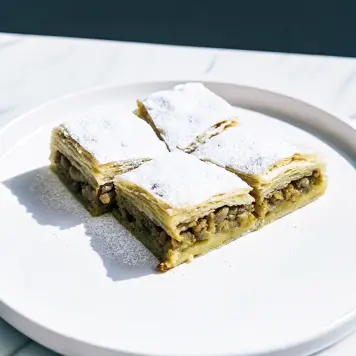
Baklava
Bosnian baklava is traditionally made with 40 to 50 layers of thin phyllo dough, filled with walnuts and sweetened with a syrup of sugar, honey, and lemon.

Tufahije
Tufahije are poached apples stuffed with walnuts and topped with whipped cream, a beloved dessert that originated during the Ottoman era in Bosnia.
Hurmasice
These date-shaped cookies are made with semolina and soaked in a fragrant sugar syrup, often served at celebrations and family gatherings across Bosnia.
Traditsioonilised soolased road
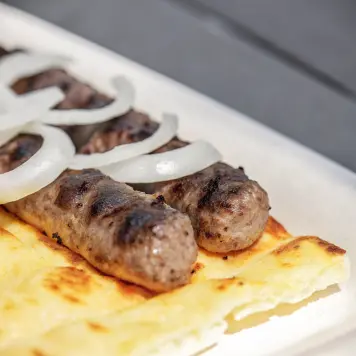
Ćevapi
Ćevapi are small grilled minced meat sausages served in a flatbread called somun with onions, and they are considered Bosnia's national dish.
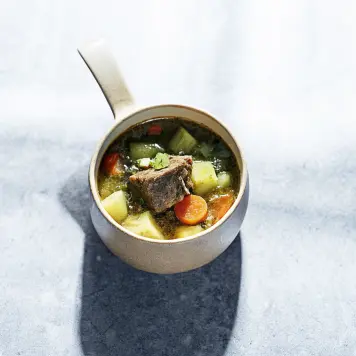
Bosanski Lonac
This traditional slow-cooked beef and vegetable stew is cooked in a clay pot for hours, and each family in Bosnia has its own secret recipe passed down for generations.
Sogan-dolma
Sogan-dolma consists of whole onions hollowed out and stuffed with a spiced mixture of minced meat and rice, then slowly cooked in a savory tomato sauce.
Traditsioonilised joogid
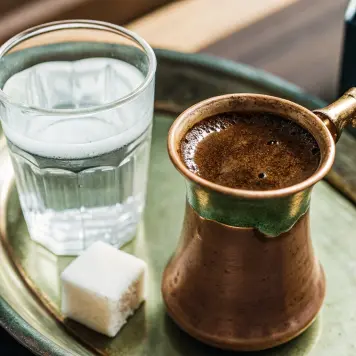
Bosanska Kahva
Bosnian coffee is prepared in a special copper pot called a džezva and is traditionally served with a cube of sugar and a glass of cold water on the side.
Rakija
Rakija is a potent fruit brandy often homemade in Bosnia, with the most popular varieties made from plums, pears, or grapes.
Boza
Boza is a thick, sweet fermented drink made from maize or wheat flour, with a distinct sour-sweet taste and very low alcohol content, popular in Bosnia since Ottoman times.
Korduma kippuvad küsimused Tjentište, Bosnia and Herzegovina kohta
Is Bosnia and Herzegovina safe for tourists?
How many days should I spend in Bosnia and Herzegovina?
What is the best time to visit Bosnia and Herzegovina?
Is Bosnia and Herzegovina expensive to visit?
How to get around Bosnia and Herzegovina?
Saada PDF kõige populaarsemate atraktsioonidega oma e-postile
Hangi PDF koos kõigi atraktsioonide, hinnangute ja nõuannetega. Täiuslik võrguühenduseta kasutamiseks.
Tjentište, Bosnia and Herzegovina kasulik info
Tjentište, Bosnia and Herzegovina ülevaade
Soovid Tjentište, Bosnia and Herzegovina päevapõhist plaani? Ava reisiplaneerija
Millal lähed Tjentište, Bosnia and Herzegovina?
Vali kuupäevad ja reisistiil, et saada:
Kas mõni neist on sulle eriti oluline?
Vali kõik, mis kehtib
Liikumine
Kuidas soovid paikade vahel liikuda?
Plaani keel: Eesti