 CityBuddy
 Eesti
Eesti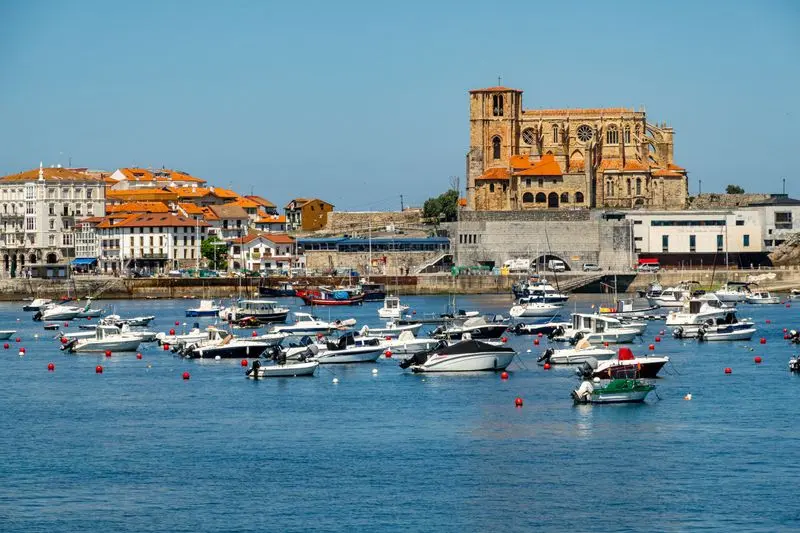
Mida teha kohas Castro, Chile
Foto autor Jose Rodriguez Ortega Pexels.com lehel
Millal külastada
Millal lähed Castro, Chile?
Vali kuupäevad ja reisistiil, et saada:
Kas mõni neist on sulle eriti oluline?
Vali kõik, mis kehtib
Getting around
How do you want to move between places?
Plan language: EestiCastro, Chile kõige populaarsemad atraktsioonid
When it comes to things to do in Castro, Chile, it is worth starting with the colorful coastal houses of Palafitos de Gamboa, built on stilts in 1840. The nearby Mercado Municipal de Castro offers fresh seafood and works by local artisans, while buses departing from Plaza de Armas de Castro every hour begin journeys to the UNESCO-protected church twelve kilometers away.
1. Iglesia de San Francisco
The most striking silhouette of the port city: violet towers and a yellow glowing wall on a hill. Here you will see a wooden church without a single nail and a panorama from the top of the stairs.
Kiired faktid: Üks 16 Tšiloes puitkirikust, mis on kantud UNESCO maailmapärandi nimekirja, need palkidest palvemajad jäljendavad oma fassaadiga Santiago katedraali. Hoone on tervenisti ühendatud puidust tüüblitega ilma ühegi naelata ning tema sindliga kaetud seinad on tahutud erkkollaseks violetsete aktsentidega.
Esiletõstmised: Massiivsed välised puidust tugipostid hoiavad mitmest küljest kõrget torni nii, nagu lind toetuks tiibadega vastu maad. Sõrmedega seinu puudutades on tunda sajandite jooksul silutud sindlite karedust ning sees hõljub vaigu ja ajaloo lõhn.
2. Palafitos de Gamboa
Colorful wooden houses on stilts above the water look like something from a fairy tale. Take a walk along the wooden pier and taste fishermen's soup at the cafe.
Kiired faktid: Siin seisab sada värvilist maja vaiadel vee kohal ning nende kõrgus sõltub mõõnadest, mis ulatuvad siin mitme meetrini. Iga pere värvis fassaadi eri värvi, et kalurid merelt kaugelt oma maja ära tunneksid.
Esiletõstmised: Kui mõõn tõuseb, jäävad alumised platvormid vee alla ja majad näivad hõljuvat, mõõna langemisel avaneb nende all porine maa, mis kubiseb krabidest. Esimestel korrustel elavad endiselt kalurid: seal kuivavad võrgud ja läbi lahtiste akende levib õhtusöögi aur, nii et linnaosa on elav ka siis, kui turistid on lahkunud.
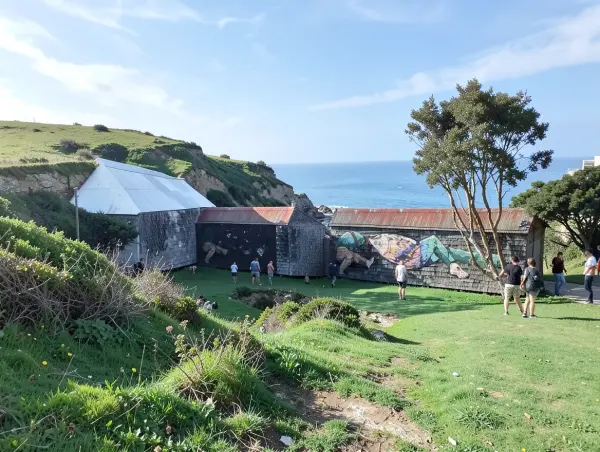
3. Museo de Arte Moderno de Chiloé
The old mill on stilts now breathes with the scent of wood and hammer blows. Step inside and watch the craftsmen at work, while ships sail past the windows.
Kiired faktid: Ant vaiade seisva vana veski seinad räägivad loo rohkem kui sajast aastast, mil siin vilja jahvatati, nüüd ripuvad nende vahel kaasaegsed skulptuurid. Iga kahe aasta tagant toimuv puidukunsti sümpoosion toob nendesse saalidesse meisterdajaid üle kogu maailma, nii et igal külastusel võib avastada midagi uut.
Esiletõstmised: Selle koha parim saladus peitub põrandates: vana veski viljalehtrite kontuurid on uute katete all siiani nähtavad. Sümpoosioni päevadel avatakse aknad pärani, kostab peitlite tagumine ja terve hoone täitub värske puidu lõhnaga, mida keegi ei püüa summutada.
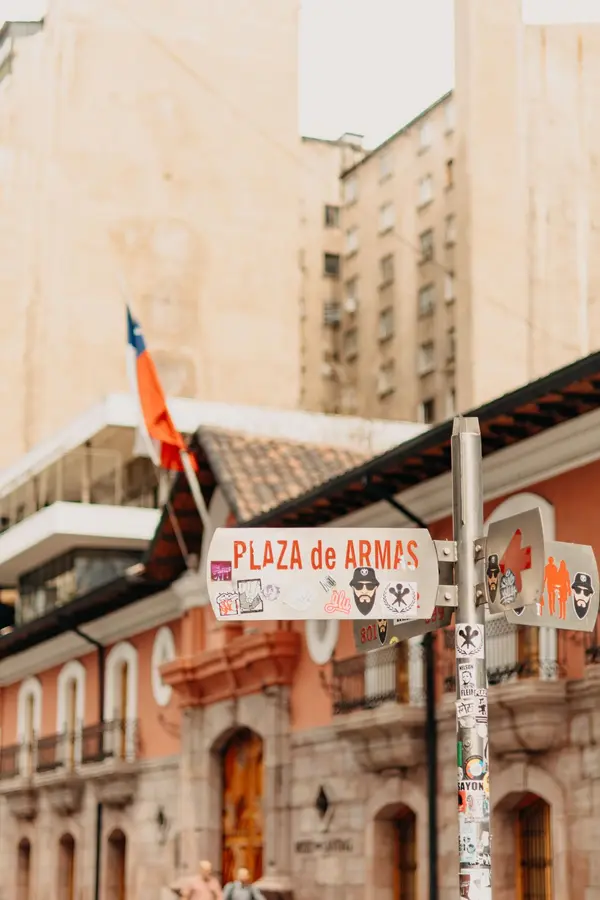
4. Plaza de Armas de Castro
In half an hour you will see a wooden cathedral and colorful houses on stilts. In the morning there is a market here, and in the evening the sun sets over the bay.
Kiired faktid: Beside the square stands a pinkish yellow wooden cathedral, one of the 16 UNESCO-protected wooden churches in the region. From the edge of the square you can see more than 300 houses built on stilts, called palafitos, in the bay.
Esiletõstmised: The cathedral walls are made of thousands of wooden shingles, and the damp air forces them to be repainted, so the church changes color more often than many others. From the stairs at the edge of the square the whole palafito quarter opens up, a view that turns into something entirely different in just a few hours at low tide.
5. Mercado Municipal de Castro
The scent of fresh seafood and wood here blends with artisans' handicrafts. You will taste kurant cooked on hot stones and feel the real rhythm of the market.
Kiired faktid: Kaupmehed laevad igal hommikul värsked austrid, rannakarbid ja angerjad otse laevadelt puidust lettidele. Üle 60 müüja pakub kõike alates merevetikatest kuni villaste kampsuniteni ning kogu turg seisab vaiapostidel vee kohal.
Esiletõstmised: Pärastlõunal kostub teiselt korruselt kohaliku viiuldaja muusika, kui käsitöölised koos muusikutega korraldavad mitteametlikke etteasteid. Leti nurgast leiate alati kurantot, mida keedetakse kuumadel kividel ja kaetakse suurte lehtedega, millest levib uimastav suitsulõhn.
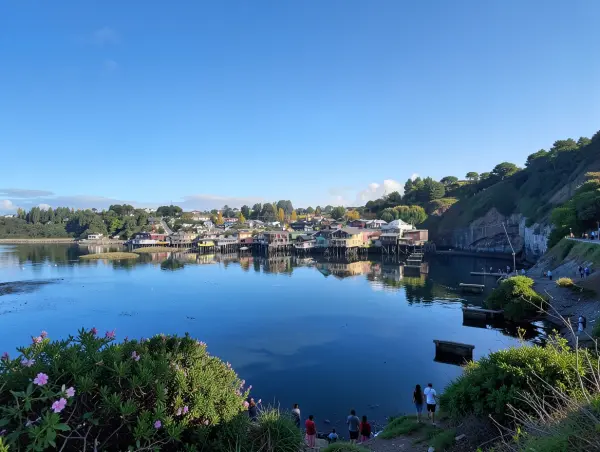
6. Mirador de Gamboa
The best place to see the entire colorful city that has risen on the water. Fifteen minutes of climbing, and before your eyes appear palafita houses, a fjord, and volcanoes.
Kiired faktid: The hill on which the viewpoint stands bears the name of the Spanish conquistador who founded this city in 1567. On a clear day, colorful houses on stilts spread out beneath your feet, while on the horizon beyond the fjord the mainland volcanoes line up.
Esiletõstmised: From here the whole old town looks like a colorful village floating on the water: houses on stilts line up directly beneath your feet, while the two yellow church bell towers poke above the rooftops. The evening sun paints the palafito facades blue, yellow, and red, and their reflections double on the surface of the fjord as the mainland volcanoes emerge on the horizon.
7. Feria Artesanal de Castro
In one place you will meet the whole tradition of crafts and the warm scent of wool. You will receive not just a purchase, but a living story from the craftsmen about their work.
Kiired faktid: Siin meistrid kedravad ja koovad kohalikust villast tooteid ning ühes rätikus võib olla kuni 20 erinevat värvi mustrit. Turg on avatud iga päev ning lettide juures sagib pidevalt nii kohalikke kui ka ümberkaudsetelt saartelt saabunud külalisi.
Esiletõstmised: Paar meetrit lettidest eemal seisavad postide otsas värvilised majad, nii et villa tekki ostes näed, kuidas kalurikvartal tegelikult elab. Jälgi, kuidas meistrid käsitsi puidust vokikeste abil lõnga kedravad, millest mõne tunniga sünnivad traditsioonilised merelised mustrid.
8. Parque Nacional Chiloé
The border of two worlds: a rainy forest and wind-swept dunes in one place. In a few hours you will meet pudu deer and feel the ocean's salt on your lips.
Kiired faktid: Pool parkist vajub niiskes Valdivia vihmametsas, teine pool avaneb tuule lihvitud liivaluidetele ookeani ääres. Mõned alerced kasvavad siin juba üle 3600 aasta, seega on nad vanemad kui paljud Euroopa linnad.
Esiletõstmised: Tuule kuhjatud Cucao luited keset vihmast metsa mõjuvad kui looduse kapriis: ühel pool samblaga kaetud juured, teisel lõputu liivarada. Tihedates tihnikutes varitseb pudu, maailma väikseim hirv, kelle täiskasvanud isend kaalub vähem kui kümme kilogrammi.
9. Muelle de Castro
Walk above the water among the colorful houses on stilts and bronze sheep. You will hear the creaking boards, feel the damp wind, and see a memorable panorama.
Kiired faktid: The wooden pier stretches more than 400 meters over the bay, and beneath it the water level can rise several meters at high tide. At the end stands a bronze flock of sheep, where hundreds of people take photos every day, while old planks creak underfoot.
Esiletõstmised: At low tide, through the gaps between the planks you can see how sharp wooden piles are driven into the mud and how sea stars and snails have settled on them. Most interesting of all, it is not just the pier that stands on stilts here, but also colorful residential houses, whose owners still fish directly through their windows.
Where to Stay in Castro, Chile
Selected by City Buddy based on guest reviews and proximity to top attractions
Search all hotels in Castro, ChilePowered by agoda
Traditsioonilised magusad road
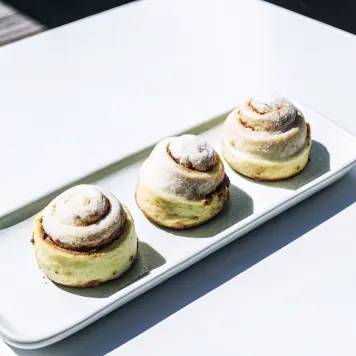
Pajaritos
These fluffy cinnamon-scented sweet cakes get their name, meaning "little birds," from their small, round shape. In Castro they are a beloved bakery staple, often enjoyed dunked in coffee or tea.
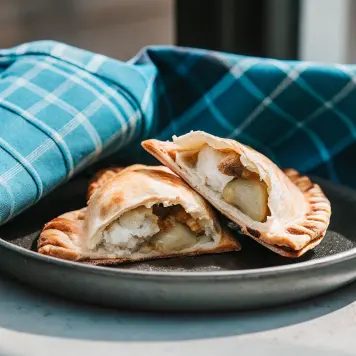
Empanadas de manzana
Chiloé is one of Chile's great apple-growing regions, and local bakers fold the crisp, tart fruit into these golden pastries. They are often baked in wood-fired clay ovens that give the crust a smoky sweetness.
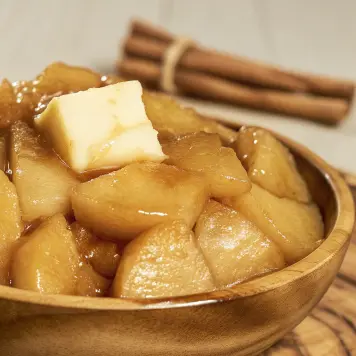
Cuchupe
This rustic apple dessert is the sweet cousin of curanto, cooked underground among the hot stones. Honey and butter caramelize the apples into a soft, jam-like treat that ends a traditional Chilote feast.
Traditsioonilised soolased road
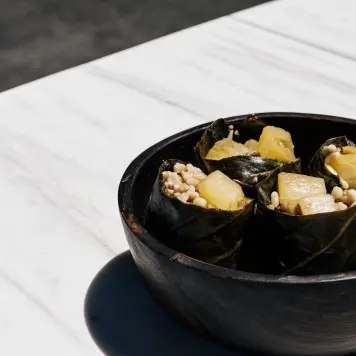
Curanto
Curanto is the legendary Chilote feast cooked in a pit lined with hot stones, where shellfish, meat, and potatoes are layered under giant leaves of the nalca plant. The name comes from a Mapuche word meaning "pot," and every opening of the earth-oven feels like a celebration.
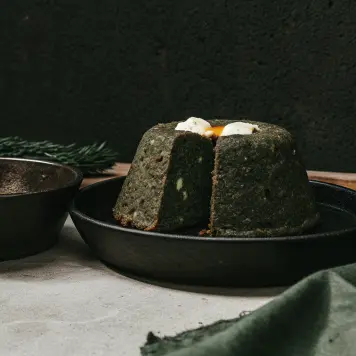
Milcao
Milcao is a dense potato pancake made from a mix of grated and boiled potatoes, a daily staple across Chiloé. It is served alongside curanto, with fried eggs, or simply slathered in butter and honey.
Paila marina
This hearty seafood stew, served in a clay paila bowl, gathers mussels, cholgas, and fish pulled fresh from the cold waters around Castro. Its rich, briny broth is a warming comfort on the island's famously rainy days.
Traditsioonilised joogid
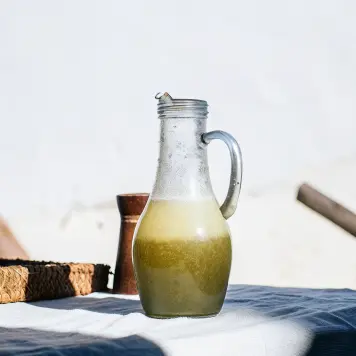
Chicha de manzana
Pressed from the abundant apples of Chiloé, chicha de manzana is a lightly fermented, cloudily sweet cider. It is poured by the jug at local fiestas and is often said to taste best straight from the island's family orchards.
Licor de oro
Invented on Chiloé in the 1800s, licor de oro is a velvety golden liqueur made from egg yolks, milk, and alcohol. Its name means "liquid gold," and every sip is rich enough to be dessert in a glass.
Murtado
Murtado is made by steeping murtilla, a fragrant wild berry native to the Chiloé archipelago, in aguardiente and sugar. The resulting ruby-red liqueur is a proud local specialty that is usually sipped ice-cold after meals.
Frequently Asked Questions about Castro, Chile
When is the best time to visit Castro, Chile?
Is a trip to Castro, Chile, expensive?
Is it safe to drink tap water in the city of Castro?
How to get around the city of Castro?
How many days is it worth spending in Castro, Chile?
Saada PDF kõige populaarsemate atraktsioonidega oma e-postile
Hangi PDF koos kõigi atraktsioonide, hinnangute ja nõuannetega. Täiuslik võrguühenduseta kasutamiseks.
Kõige populaarsemad päevareisid
Chonchi
Charming fishing town with stilt houses and a UNESCO wooden church.
Dalcahue
Artisan market on Sundays plus the historic Nuestra Señora del Rosario church.
Ancud
Historic seaport with Fuerte San Antonio and a regional museum.
Chiloé National Park
Coastal rainforest with boardwalk trails, wild beaches and wind sculpted dunes.
Achao on Quinchao Island
Island village famous for its UNESCO wooden church and seafood stalls.
Kuidas kohale jõuda
Raudteejaamad
Direct buses from Puerto Montt, Ancud, Chonchi and Quellón
Fly to Mocopulli (7 km) or Puerto Montt, then take a bus to Castro; no rail line reaches the island.
Leia lennud sihtkohta Castro, Chile
Klõpsa, et saada eSIM sihtkohta Castro, Chile
Lihtsaim ja taskukohaseim viis saada mobiilset internetti ükskõik kus sa reisid.
Kommentaarid (5)
Palafitos glow pink and yellow along the water at sunset, unreal. Seafood everywhere, the curanto with mussels and pork is a must. Three days felt right.
Two days was enough honestly. Rained about half the trip but the colorful stilt houses made up for it. Bring a rain jacket, streets are steep cobblestone.
Cute little town, not gonna lie. But pricey for a backpacker and the ferry crowds got old fast. On a tight budget I'd stick to the smaller islands nearby.
Don't pay for a boat tour, walk Parque Tantauco solo for free. Rent a car on the island too, the buses basically stop running after 6pm.
Cash only at the wet market, card always gets the tourist price. Also hit the Dalcahue sale on a Friday, Sunday buses are packed with day trippers.