 CityBuddy
 Eesti
Eesti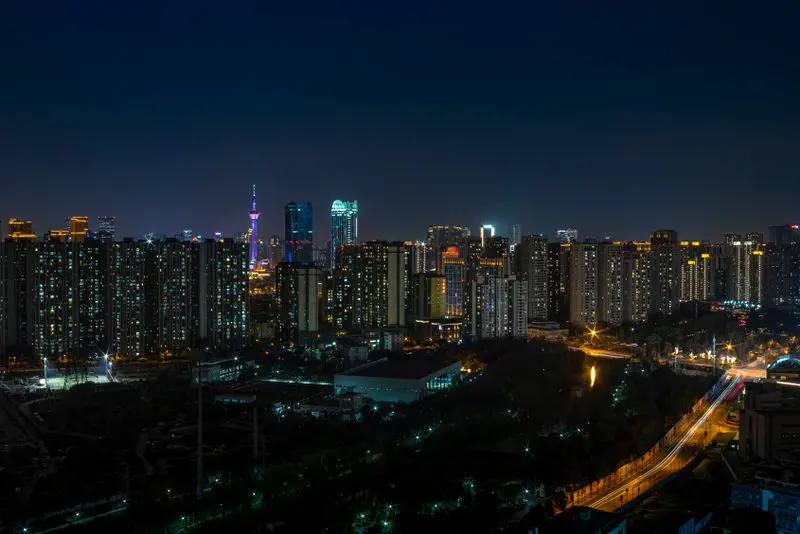
Mida teha kohas Chengdu, China
Foto autor AG ZN Pexels.com lehel
Millal külastada
Chengdu on #3 linn toidusõpradele maailmas, tuginedes meie andmetele sadade sihtkohtade kohta.
Chengdu, China kõige populaarsemad atraktsioonid
Rääkides Chengdu turismiobjektide soovitustest, on kõige ahvatlevam Chengdu Research Base of Giant Panda Breeding, kus elab üle 80 hiidpanda ja kõige elavam on hommikune toitmisaeg. Seejärel võib külastada Kuanzhai Alley (Wide and Narrow Alley), see Qingi dünastia-aegne vana tänav, mis koosneb laiast tänavast, kitsast tänavast ja kaevutänavast, on säilitanud vana Chengdu õuede eluõhkkonna. Wuhou Shrine aga mälestab Kolme kuningriigi ajastu kuulsat kantslerit Zhuge Liangit, pühamus on kõrged antiiksed küpressipuud ja ajalooline õhkkond on tugev. Need kolm vaatamisväärsust hõlmavad Chengdu kõige tuumakamaid kultuuri- ja looduskogemusi.
1. Chengdu Research Base of Giant Panda Breeding
Hiidpandade lähivaatluse tippkogemus: ümarate pandade bambuse näksimise vaatamine ravib terve päeva väsimuse. Jaluta mööda bambuserada, armsatest poegadest kuni rahulikult söövate täiskasvanud pandadeni, iga hetk väärib jäädvustamist.
Kiired faktid: Igal päeval elab siin üle 100 hiidpanda, alates äsja sündinud roosakatest poegadest kuni täiskasvanud pandadeni. See on ka maailma suurim hiidpandade kunstliku aretuse uurimisinstituut, kus tänaseks on edukalt aretatud üle 300 hiidpanda.
Esiletõstmised: Iga hommik on siin kõige maagilisem hetk: mõne kuu vanused panda pojad teevad inkubaatorites koerakutsikate moodi häälitsusi ning hooldajad viivad läbi "pandade lasteaia" kollektiivse toitmistseremoonia. Kui ise näha, kuidas tosin kohevat panda beebit rivis piima joovad, sulatab see õnnetunne südame.
2. Wuhou Shrine
Astu Kolme Kuningriigi kangelaste legendaarsesse maailma ja tunne Zhuge Liang'i "kogu südamest pühendumise" vaimujõudu. Kõnni läbi punaste müüride ja iidsete küpresside, vestle tuhandeaastase ajalooga viirukiaurude keskel.
Kiired faktid: 37 000 ruutmeetri suuruses templis hoitakse "kolme meistriteose kivi", mille teksti kirjutas Tangi dünastia kantsler Pei Du ja kalligraafia lõi kalligraaf Liu Gongchuo. Üle 2000 iidse küpressipuu ümbritseb punase müüri ja hallide katusekividega hooneid, millest ühe olevat isiklikult istutanud Zhuge Liang ja mille vanus ületab 1700 aastat.
Esiletõstmised: Peahoone räästal on 47 Kolme kuningriigi tegelaste savikuju, mille näoilmed ja hoiakud on kõik erinevad. Vihmase ilmaga helendab nende glasuur rohekassinise läikega. Veelgi erilisem on see, et suitsuportsellist tõusev sandlipuu lõhn seguneb iidsete küpressipuude värske aroomiga ning kogu hoov on haaratud tuhandeaastassesse vaikusesse.
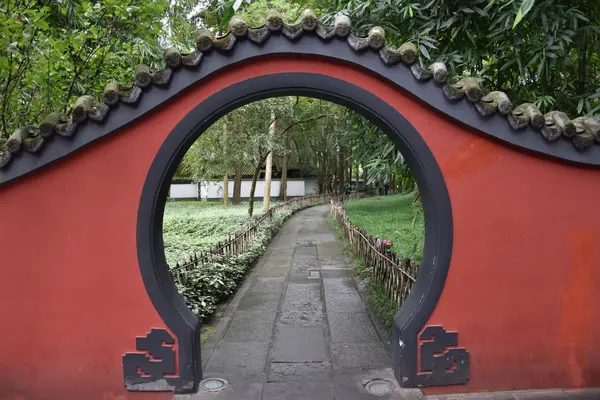
3. Du Fu Thatched Cottage
Astu õlgkatusega majja, kus luuletajate pühak Du Fu kunagi Chengdus sõja eest varjudes elas, ja nuusuta bambuse ning mulla lõhna. Joo bambuse varjus õues kaanikaussiga teed ja kuula, kuidas kohalikud tema luuletusi Sichuan'i murdes ette loevad.
Kiired faktid: Seda luuletajapühakule pühendatud vaikset aeda külastab igal aastal üle 2 miljoni külastaja. Aias olevad üle 800 poomi ja 150 kivisteeli moodustavad Hiina kõige mahukama Du Fu teemalise kalligraafiakogu.
Esiletõstmised: Õlgkatusega maja ees olevas lootostiigis elab kümneid kilpkonni, kes on kogutud Chengdu vanalinnast ja elanud siin juba üle paarikümne aasta. Kohalikud kutsuvad neid "luuletajapühaku kaitsjateks". Igal aastal kolmanda kuu kolmandal päeval kuukalendri järgi paneb aia juhtkond välja kirjatarbed, et külastajad saaksid maja ees Du Fu luuletusi ümber kirjutada, paber ja tint on täiesti tasuta.
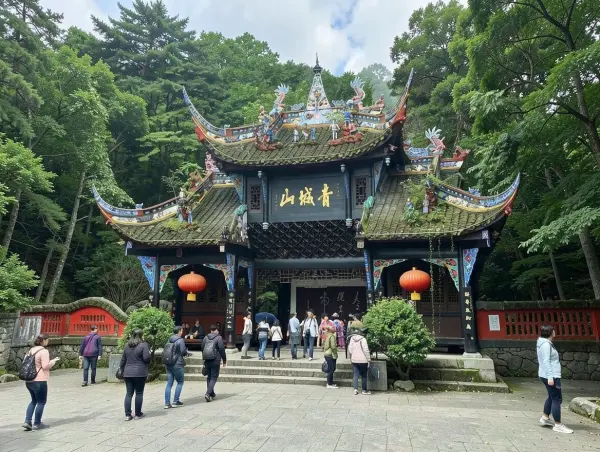
4. Mount Qingcheng
Tahad lopsakas metsases mäestikus tunda taoistliku kultuuri vaikset jõudu? Roni mööda kivitreppe üles, iidse templi hommikukellad, selge allikavesi ja linnulaul, kogu tee vältel on vaated, mis panevad unustama linna sagina.
Kiired faktid: Qingchengi mägi jaguneb esi- ja tagamäeks. Esimäel asuvad paljud daoistlikud templid, seal on palju palvetajaid ja viirukisuitsu, tagamägi on aga vaiksem ja looduslähedasem. See on üks Hiina taoismi sünnikohti, kus asub 36 daoistlikku templit, mis ehitati Ida-Hani dünastia ajal.
Esiletõstmised: Laojuni paviljoni ees hommikuses udus on näha taoistlike munkade valgeid rüüsid tai chi harjutamas - see vaade tundub justkui tuhande aasta tagant. Veelgi imelisem on see, et tagamäe Wulonggou ojas on vee kohin ja linnulaul segunenud ning teel võib kohata metsikuid makaake, mis ei jää millelegi alla võrreldes ühegi võitluskunstide romaaniga.
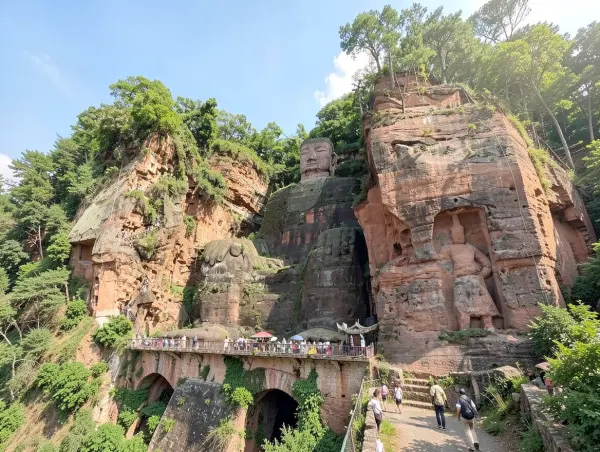
5. Leshan Giant Buddha
Vaata oma silmaga maailma suurimat kivist Buddhat ja imetle Tangi dünastia meistrite vaimustavat oskust. Kõnni mööda käänulist laudteed Buddha peast jalgadeni ja kuula kolme jõe ühinemiskohas aastatuhande kajasid.
Kiired faktid: See 71 meetri kõrgune kaljuraidistik asub kolme jõe kokkupuutepunktis ja on kõrgem kui 20 korrusega maja. Ainuüksi tema jalalaba on nii suur kui kaks korvpalliväljakut. Kogu suur Buddha raiumine kestis 90 aastat ja selle lõpetasid kolm põlvkonda käsitöölisi. Tema kehale ehitati kunagi 13-korruseline paviljon, et kaitsta teda vihma ja tuule eest.
Esiletõstmised: Suur Buddha läbis kunagi 20 aastat kestnud restaureerimistööd, mille käigus leidsid käsitöölised tema pea kohalt üle tuhande Tangi dünastia originaaltellise. Veelgi hämmastavam on see, et Buddha kõrvade ja juuste sees peitub varjatud drenaažisüsteem, mille Tangi dünastia meistrid nutikalt kavandasid ning mille abil istub see hiiglaslik kuju tuhat aastat kestnud vihma ja tuule kiuste endiselt püstipäi.
6. Sanxingdui Museum
Astu salapärasesse muistsesse kuningriiki, mida pole kunagi ajalooraamatutesse jäädvustatud, ja vaata oma silmaga 3000 aasta tagust kujutlusvõimet ületavat pronksitsivilisatsiooni. Kolme meetri kõrgune pronksist pühapuu, väljaulatuvate silmadega maskid, iga ese seab sinu arusaama Hiina tsivilisatsioonist ümber.
Kiired faktid: Üle tuhande pronksmaski, püha puu ja elevandiluueseme said 1986. aastal kahes ohvriauas uuesti päevavalgele, igaüks neist on veidra kujuga ega meenuta üldse Kesk-Hiina pronkseid. Arheoloogid pole seni leidnud ühtegi kirjalikku allikat, millisesse muistsesse riiki need esemed kuulusid ja miks need maeti, on endiselt lahendamata mõistatus.
Esiletõstmised: Pronksist püha puu on 3,96 meetrit kõrge, jaguneb kolmeks oksakihiks, igal oksal istub üheksa pühalindu, tipus seisab veel üks õnneloom. Kogu puu ulatub saali põrandast laeni. Kõige imelikumad on need punnsilmadega maskid, mille silmamunad ulatuvad välja kuni 16 sentimeetrit, justkui tulnukate kujutised, pannes iga külastaja võpatama.
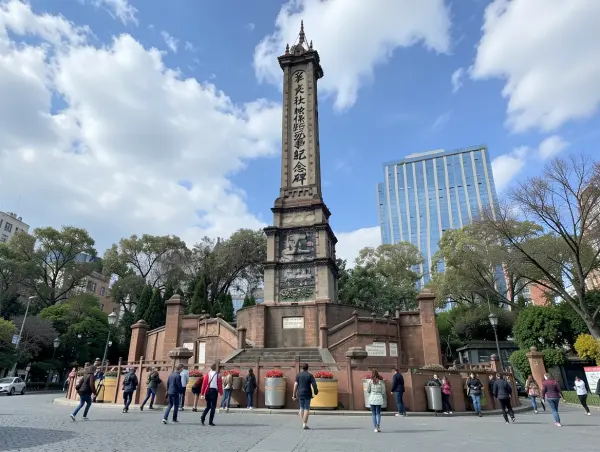
7. People's Park
Tahad ühe hetkega põgeneda vana Chengdu aeglasesse ellu? Tule siia, joo teed, lase kõrvu puhastada, vaata, kuidas möödujad mõttesse vajuvad, ja pool päeva möödub silmapilkselt.
Kiired faktid: Üle 70 muni suurune roheala linna südames, mis meelitab iga päev kümneid tuhandeid linlasi teed jooma, tantsima ja mahjongi mängima. Pargi sajandivanune ginkgoallee muutub igal sügisel kuldseks ja see on tšengtulaste jaoks kõige maalähedasem puhkepühapaik.
Esiletõstmised: Pargi südames asuv He Mingi teehoone on tegutsenud alates 1923. aastast. Bambustoolid, vaskkannud ja kausikestega tee maksavad vaid umbes tosin jüaani ja võid istuda terve päeva ilma, et keegi sind minema ajaks. Igal pühapäeva hommikul toimuvad samal ajal inglise keele vestlusring ja tutvumisnurk. Valgepäised vanahärrad vestlevad sujuvalt inglise keeles välisüliõpilastega - sellist pilti võib ehk ainult siin näha.
Where to Stay in Chengdu, China
Selected by City Buddy based on guest reviews and proximity to top attractions
Search all hotels in Chengdu, ChinaPowered by agoda
Traditsioonilised magusad road
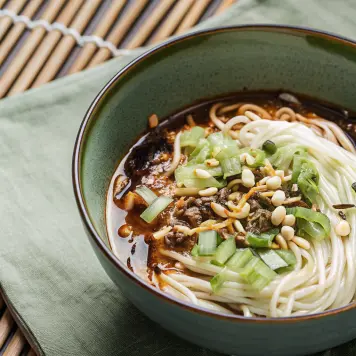
Dandan Mian (Dan Dan Noodles)
Despite being a noodle dish, Dandan Mian is often served as a sweet and savory street food. Its name comes from the bamboo pole (dan dan) that street vendors used to carry the noodles and sauce on their shoulders.
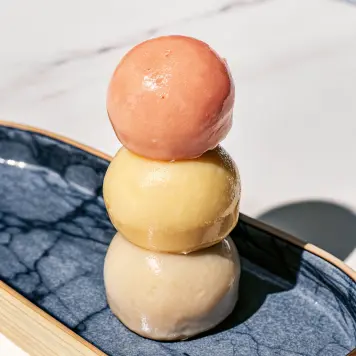
Three Balls (San Da Pao)
San Da Pao, or Three Big Bangs, is a Chengdu dessert made from glutinous rice that makes three loud sounds when prepared. The pounding and shaking of the rice cakes create a theatrical performance as the vendor calls out each bang.
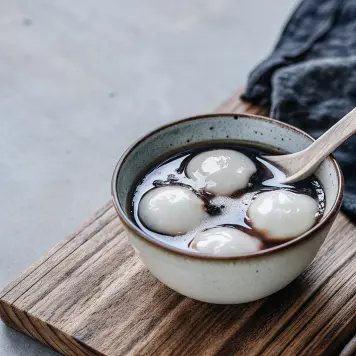
Sweet Rice Balls (Tangyuan)
Tangyuan are glutinous rice balls filled with black sesame paste or sweet bean paste, often served in a warm ginger syrup. In Chengdu, these are especially popular during the Lantern Festival as their round shape symbolizes family togetherness.
Traditsioonilised soolased road
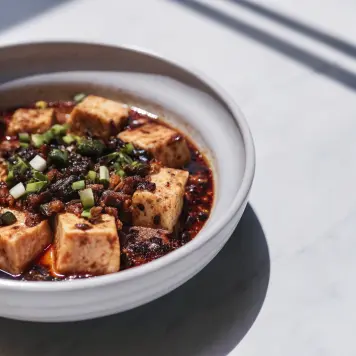
Mapo Tofu
This iconic Chengdu dish features soft tofu in a fiery sauce of doubanjiang (fermented bean paste) and Sichuan peppercorns. It is named after an elderly pockmarked woman (ma po) who supposedly invented the recipe in a small Chengdu eatery.
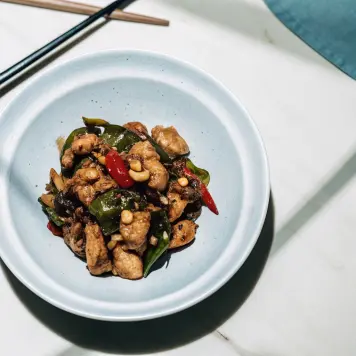
Kung Pao Chicken (Gong Bao Ji Ding)
This dish originated in Chengdu and is named after Ding Baozhen, a Qing Dynasty governor whose title was "Gong Bao" (Palace Guardian). The original recipe uses only chicken, peanuts, and chili peppers without the vegetables often added in Western adaptations.
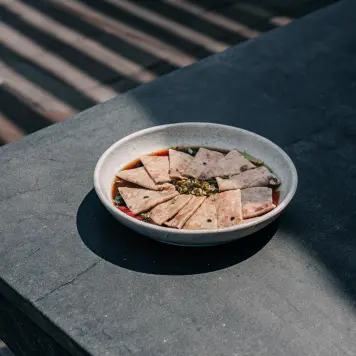
Fuqi Feipian (Husband and Wife Lung Slices)
Despite its literal name meaning "husband and wife lung slices," this dish actually contains no lung tissue but rather thinly sliced beef and offal. It was created by a married couple who sold the spicy, numbing cold beef dish from a pushcart in Chengdu.
Traditsioonilised joogid
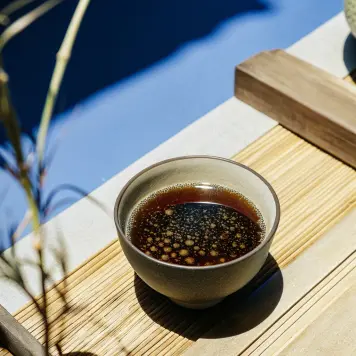
Sichuan Buckwheat Tea (Ku Qiao Cha)
Ku Qiao Cha is a nutty, slightly bitter tea made from roasted tartary buckwheat grown in the highlands of Sichuan. It is caffeine free and believed to help with digestion, especially after eating Chengdu's famously spicy food.

Suan Mei Tang (Sour Plum Drink)
This tangy, sweet beverage is made from smoked plums, rock sugar, and licorice root, and is a cherished Chengdu summer drink. It is said to have been invented during the Song Dynasty to cool down emperors in the heat.
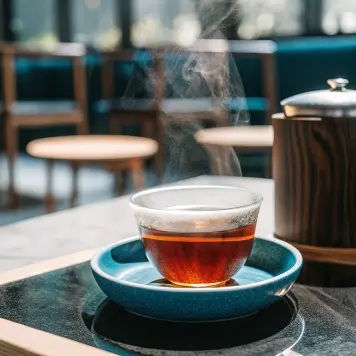
Gaiwan Tea (Covered Bowl Tea)
The gaiwan, a lidded bowl used for brewing and drinking tea, is inseparable from Chengdu's teahouse culture where locals spend hours sipping, socializing, and playing mahjong. Chengdu has the most teahouses of any city in China, with thousands dotting its streets and parks.
Korduma kippuvad küsimused Chengdu, China kohta
Kas Chengdu on turistidele ohutu?
Mitu päeva tasub Chengdus veeta?
Millal on parim aeg Chengdus reisimiseks?
Kas reisimine Chengdus on kallis?
Kuidas liigelda Chengdu linnas?
Saada PDF kõige populaarsemate atraktsioonidega oma e-postile
Hangi PDF koos kõigi atraktsioonide, hinnangute ja nõuannetega. Täiuslik võrguühenduseta kasutamiseks.
Kõige populaarsemad päevareisid
Leshan Giant Buddha
Home to the world's largest stone Buddha statue carved into a cliff face.
Mount Qingcheng
Ancient Taoist mountain with lush greenery and serene temples.
Dujiangyan Irrigation System
Ancient irrigation system still in use, a UNESCO World Heritage site.
Panda Base (Bifengxia)
Giant panda breeding and research center in a lush valley setting.
Mount Emei
Sacred Buddhist mountain with stunning sunrise views and monasteries.
Kuidas kohale jõuda
Lennujaamad
Raudteejaamad
High-speed rail to Xi'an, Chongqing, Guangzhou, Shanghai, Beijing
High-speed rail to Leshan, Mount Emei, Kunming
High-speed rail to Dujiangyan, Qingchengshan
From Shuangliu Airport (CTU), take Metro Line 10 to city center in 30 minutes. Tianfu Airport (TFU) is farther; use the Airport Express Bus or Metro Line 18.
Chengdu, China kasulik info
Chengdu, China ülevaade
Soovid Chengdu, China päevapõhist plaani? Ava reisiplaneerija
Millal lähed Chengdu, China?
Vali kuupäevad ja reisistiil, et saada:
Kas mõni neist on sulle eriti oluline?
Vali kõik, mis kehtib
Liikumine
Kuidas soovid paikade vahel liikuda?
Plaani keel: Eesti