 CityBuddy
 Eesti
Eesti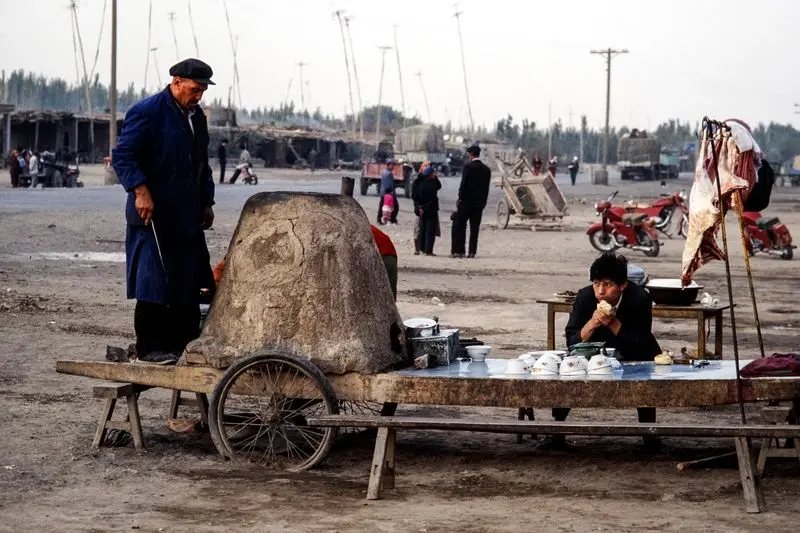
Mida teha kohas Kashgar, China
Foto autor pierre matile Pexels.com lehel
Millal külastada
Millal lähed Kashgar, China?
Vali kuupäevad ja reisistiil, et saada:
Kas mõni neist on sulle eriti oluline?
Vali kõik, mis kehtib
Getting around
How do you want to move between places?
Plan language: EestiKashgar, China kõige populaarsemad atraktsioonid
"Kashgari parimad tegevused Hiinas keskenduvad selle sajanditevanusele uiguuri kultuurile. Alusta 15. sajandi Id Kahi mošeest, mis on Xinjiangi suurim, kus tuhanded kogunevad reedesteks palvusteks. Rända mööda Kashgari vanalinna labürinditaolisi alleesid ning kaubelda siidi ja vürtside eest Kashgari suures basaris, mis on olnud Siiditee kaubanduslik sõlmpunkt üle 2 000 aasta."
1. Id Kah Mosque
Kašgari vanalinna vaimne süda, kus igal reedel koguneb 20 000 inimest. Astu 500 aastat vanasse sisehoovi, kus on kuldsed paplisambad ja türkiissinised plaadid, mis tunduvad aja poolt unustatud olevat.
Kiired faktid: Umbes 20 000 palvetajat täidab selle hiiglasliku hoovi reedestel palvustel, mis on üks suurimaid kogunemisi kogu Kesk-Aasias. Türkiissiniste plaatidega minarett kõrgub 30 meetrit Kashgari vanalinnast, olles nähtav peaaegu igalt katuselt ümbritsevas alleede labürindis.
Esiletõstmised: 16 800 ruutmeetriga on hoov Hiina suurim ning reedene jutlus kajab läbi ruumi, kus uiguurid, tatarlased ja kasahhid on sajandeid põlvitanud kõrvuti. Jälgige vanemaid mehi, kes saabuvad kolm tundi varem oma vaipadega, hõivates sama kohta, mida nad on endale nõudnud aastaid, vaikne rituaal, mis kordub igal nädalal.
2. Kashgar Old City
Rända läbi 2000 aasta Siiditee elu, kus 100 000 inimest elab endiselt iidsetel tänavatel. Jood chai'd kohalikus sisehoovis ja vaatad, kuidas käsitöölised vaske taovad, täpselt nagu nende esivanemad.
Kiired faktid: Umbes 2000 aastat pidevat asustust on muutnud selle üheks vanimaks säilinud linnakeskuseks Siiditeel, mõned perekonnad jälgivad oma kodusid üle tosina põlvkonna. Üle 100 000 elaniku elab ja töötab endiselt selle labürindilistes tänavates, andes sellele elava energia, mille enamik vanalinnu on juba ammu kaotanud.
Esiletõstmised: Iga ukseava räägib siin lugu, üle 400 käsitsi nikerdatud puidust väravaga seisavad perekonna päranditena, iga muster peidab endas kaitse ja õitsengu sümboleid. Tõeline üllatus on katused, kus elanikud kasvatavad arbuuse, viinamarju ja viigimarju kõrgel tänavate kohal, luues salajase aialinna, mis tänavatasandilt nähtamatu on.
3. Kashgar People's Park
Lehmerohke rahuliku paik, kus kohalikud elavad oma igapäevaelu. Kõnni malelaudade, parditiikide ja lillepeenarde vahel, samal ajal kui imed endasse ehtsat Kašgari igapäevast rütmi.
Kiired faktid: Park katab umbes 36 hektarit otse vanalinna südames, muutes selle roheliseks põgenemiseks ümbritsevas kõrbekliimas. Hommikused tai chi rühmad ja pärastlõunased malemängijad on siin kogunenud aastaid ning keskne purskkaev paiskab vett peaaegu 20 meetrit õhku.
Esiletõstmised: Nädalavahetuse õhtutel moodustavad kümned uiguuri pered muruplatsidel spontaanseid piknikuringe, jagades nan-leiba ja melonit, samal ajal kui väikestest raadiotest kostab traditsiooniline muusika, ja mõnel õhtul näete vanemaid mehi juhtimas spontaanseid tantsuringe, millesse turistid soojalt kaasa tõmmatakse. Pargi parditiik on tegelikult toidetud sajanditevanusest karõs-niisutuskanalist, sama maa-alune veevarustussüsteem, mis on Kastari oaasi kastnud üle tuhande aasta.
Where to Stay in Kashgar, China
Selected by City Buddy based on guest reviews and proximity to top attractions
Search all hotels in Kashgar, ChinaPowered by agoda
Traditsioonilised magusad road
Uyghur Naan with Figs
This sweet naan is baked with locally grown figs, which thrive in Kashgar's warm, sunny climate. The fruit's natural honey-like sweetness caramelizes into the bread during baking in traditional clay ovens called tonur.
Samsa with Pumpkin and Sugar
Unlike the savory lamb samsa, this sweet version is filled with caramelized pumpkin and crystal sugar. Bakers press intricate patterns into the pastry so it cracks open beautifully when baked, revealing the golden filling inside.
Ghorzha (Fried Sweet Dough)
Ghorzha are small, twisted pieces of dough fried until golden and then drizzled with sugar syrup or honey. They are a beloved treat during the Uyghur festival of Nowruz and are often shared with neighbors as a symbol of sweetness and good fortune.
Traditsioonilised soolased road
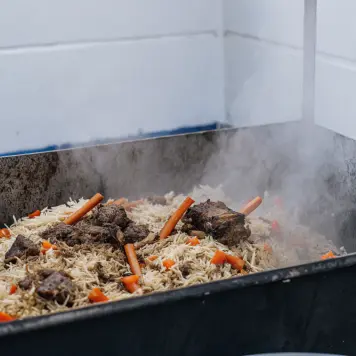
Polo (Lamb Pilaf)
This is the undisputed king of Kashgar's cuisine, made with fragrant local rice, carrots, onions, and tender chunks of lamb cooked in oil and spices. It is traditionally served on a large communal platter and eaten by hand, with guests taking portions from the pile nearest them.
Laghman (Hand-Pulled Noodles)
Kashgar's laghman features thick, hand-pulled noodles topped with a rich stir-fry of lamb, bell peppers, tomatoes, and garlic. Skilled noodle makers stretch and twirl a single piece of dough into dozens of strands in under a minute right at the table.
Kao Baozi (Baked Lamb Buns)
Unlike steamed dumplings, these buns are pressed flat and slapped against the inner walls of a scorching clay oven until they puff up golden and crisp. The juicy lamb and onion filling is seasoned with cumin and black pepper, creating a smoky, savory burst with every bite.
Traditsioonilised joogid
Duo He Cha (Milk Tea)
This is Kashgar's everyday breakfast beverage, made by boiling brick tea with fresh camel or cow milk and a pinch of salt. It is poured from a great height into bowls to create a frothy top, cooling the tea and intensifying its rich, creamy flavor.
Arak (Uyghur Rice Wine)
Arak is a mildly sweet, low-alcohol beverage distilled from fermented rice or wheat, with roots tracing back centuries along the Silk Road. It is traditionally served during weddings and celebrations, and guests drink it to wish the hosts a long and prosperous life.
Anar Sherbeti (Pomegranate Juice)
Kashgar's pomegranates are celebrated as some of the finest in the world, with deep crimson, jewel-like seeds bursting with tangy-sweet juice. Street vendors squeeze them fresh to order, and the drink is believed to aid digestion and cool the body during the region's intense summer heat.
Frequently Asked Questions about Kashgar, China
Kas Kashgar Hiinas on ohutu?
Mitu päeva Kashgaris Hiinas veeta?
Millal on parim aeg Kashgarit Hiinas külastada?
Kas Kashgar Hiinas on kallis?
Kuidas Kashgaris Hiinas liigelda?
Saada PDF kõige populaarsemate atraktsioonidega oma e-postile
Hangi PDF koos kõigi atraktsioonide, hinnangute ja nõuannetega. Täiuslik võrguühenduseta kasutamiseks.
Kõige populaarsemad päevareisid
Id Kah Mosque area
The largest mosque in China with nearby old town bazaars
Tashkurgan
Historic Silk Road town near the Pakistan border at high altitude
Shipton's Arch
One of the world's highest natural stone arches in the mountains
Wutong Mountain (Fig Tree Valley)
Scenic valley with ancient fig trees and traditional Uyghur villages
Kuidas kohale jõuda
Raudteejaamad
Main line from Urumqi, connections to Hotan and southern Xinjiang routes
Branch line connecting to Kashgar and Hotan
Take a taxi from Kashgar Airport to the city center, about 20 minutes and 30 RMB. Alternatively, buses run from the airport every 30 minutes into town.
Kommentaarid (7)
The Sunday livestock market is chaos in the best way. Go early before the heat hits, and definitely try the fresh naan straight off the tandoor. 3 days felt right for us.
Was blown away by the textures everywhere, the carved doors, the tile work, the carpets. Weather in October was perfect, cool mornings and warm afternoons. Bring layers though, it got chilly fast after sunset.
Meh. The Old City was pretty but after a day you've seen it. Everything felt geared toward Chinese domestic tourists and prices reflected that. If you're in the area it's worth a stop, but I wouldn't fly across the country just for this.
Honestly the Old City felt a bit too polished and touristy for me compared to what I expected. The Sunday market saved the trip though, that felt real. Stayed 2 nights, glad we didn't do more.
Food alone is worth the trip. The lamb skewers, the hand pulled noodles, the melons that taste like candy. We ate things I can't even name and loved all of it. Watch the spice level though if you're not used to it.