 CityBuddy
 Eesti
Eesti
Mida teha kohas Lhasa, China
Foto autor Alexas Fotos Pexels.com lehel
Millal külastada
Millal lähed Lhasa, China?
Vali kuupäevad ja reisistiil, et saada:
Kas mõni neist on sulle eriti oluline?
Vali kõik, mis kehtib
Plan language: EestiLhasa, China kõige populaarsemad atraktsioonid
Lhasa, Hiina parimate tegevuste hulka kuulub Potala palee avastamine, mis on tohutu kindlus, mis tõuseb 13 korrust ja millel on üle 1000 toa. Barkhori tänaval jalutamine pakub 1 kilomeetri pikkust ringi ümber Jokhangi templi, linna vaimse südame, koos elavate turgude ja iidsete palveratastega, mida avastada.
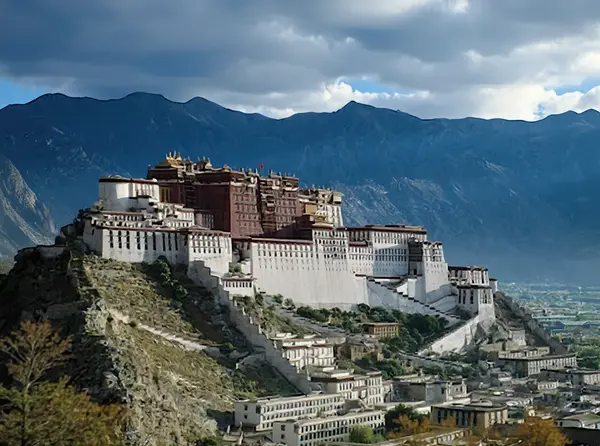
1. Potala Palace
Koge legendaarset Tiibeti kindlust, mis on täis kunsti ja ajalugu. Kõnni iidsetes saalides ja imendu vaimsetesse seinamaalidesse ning keerukatesse võiskulptuuridesse.
Kiired faktid: Palee tõuseb 117 meetrit Lhasa oru kohal ja hõlmab üle 1000 ruumi, sealhulgas kabeleid, pühakodasid ja raamatukogusid. Külastajad saavad uurida selle tohutut kogu iidsetest kirjarullidest, seinamaalingutest ja Tiibeti esemetest, mis jutustavad sajanditepikkust ajalugu.
Esiletõstmised: Avasta südames asuv Punane Palee, kus pühad saalid säravad kullast ja seinamaalingud kujutavad Tiibeti budistlikke õpetusi. Ainulaadsed pühad võiskulptuurid, mis on vaevarikkalt värvilisest jaki võist kujundatud, kaunistavad templeid eriliste festivalide ajal.
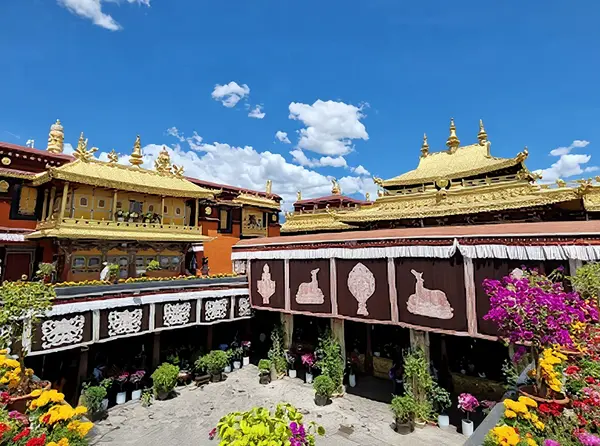
2. Jokhang Temple
Avasta elavat ajalugu iidsete budistlike rituaalide ja keeruka kunstiteoste kaudu. Koge pühendumust ja elavat Tiibeti vaimsust lähedalt.
Kiired faktid: Üle 1000 aasta vana tempel hoiab endas austatud Jow Rinpoche kuju, mida usutakse olevat õnnistanud Buddha ise. Palverändurid langetavad püha visiidi ajal mööda templi teed ennast maha sageli kuni 300 korra.
Esiletõstmised: Kuldne katus sädeleb päikesevalguses eredalt, peites endas kolme peamist saali, mis on täidetud budistliku kunsti ja pühakirjadega. Unikaalne traditsioon võimaldab külastajatel vaadata, kuidas palverändurid sooritavad päripäeva ringkäiku, pöörates palveratast ja pakkudes igal pöördel siidsalle.
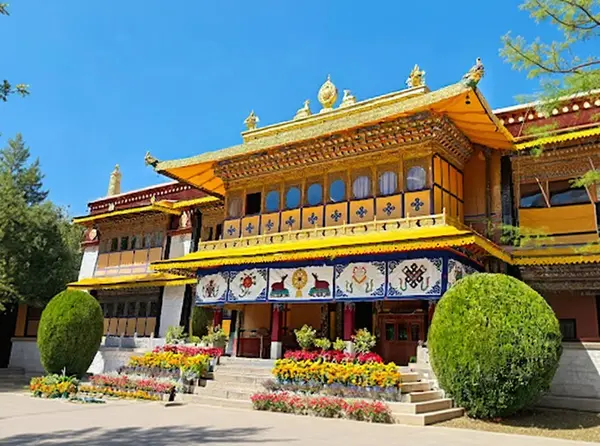
3. Norbulingka
Astu rahulikku oaasi, kus ajalugu ja loodus põimuvad. Koge rahulikke aedu ja kaunist Tiibeti kunsti vaikse Lhasa taeva all.
Kiired faktid: Nautige avaraid aedu, mis katavad üle 36 hektari ja mida raamivad traditsioonilised Tiibeti paleed ja paviljonid. Kunagi Dalai Laamade suveresidentsina kasutatud aed toimuvad seal iga-aastased religioossed festivalid elavate rongkäigurituaalidega.
Esiletõstmised: Silmapaistev omadus on keerukad puunikerdused ja käsitsi maalitud seinamaalingud, mis ilmekalt näitavad Tiibeti käsitööoskust. Saab jalutada läbi rahulike salude ja lilleterrasside, märgates sajanditevanuseid tšorteneid ja palvelippe lehvimas mäetuules.
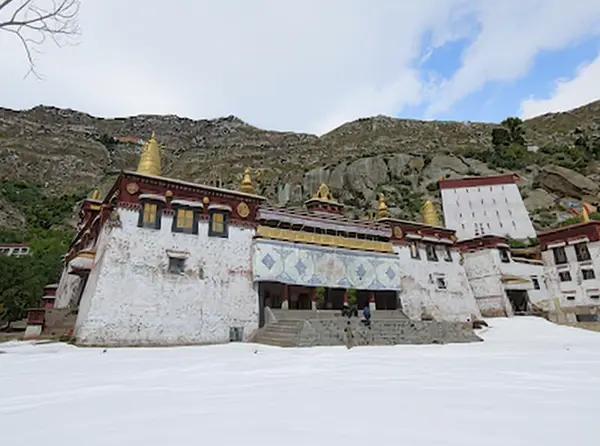
4. Sera Monastery
Koge intensiivset kultuuripuhangut elavate munkade debattide ja suurepärase budistliku kunstiga. Süvene iidsetesse Tiibeti traditsioonidesse ja tunne, kuidas energia õue õhkkonnas vibreerib.
Kiired faktid: Üle 400 munga õpib ja elab siin, osaledes elavates filosoofilistes vaidlustes, mis kajavad läbi õue. Klooster sisaldab muljetavaldavat kollektsiooni üle 100 000 iidse pühakirja ja maali, mis kujutavad erksat Tiibeti budistlikku ajalugu.
Esiletõstmised: Olge tunnistajaks kuulsatele "vaidlussessioonidele", kus mungad trampivad jalgu ja kasutavad dramaatilisi žeste, et teravdada oma arusaamist, luues energilise atmosfääri, mis on erinev kõigest muust. Keskses kogunemissaalis asub hiiglaslik Je Tsongkhapa, vaimse liidri kuju, mis on peaaegu 15 meetrit kõrge ja äratab austust kõigis külastajates.
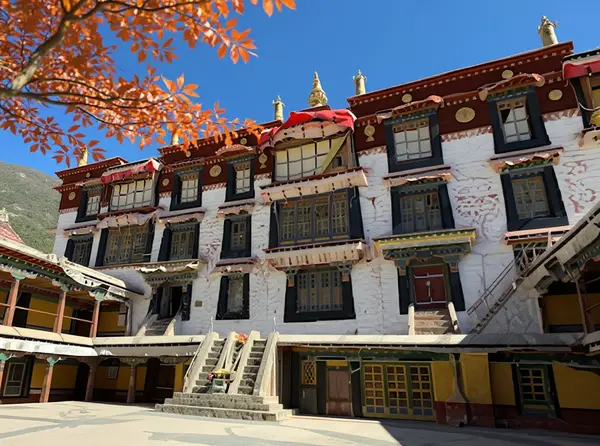
5. Drepung Monastery
Astu maailma, kus valitsevad rahulik vaimsus ja filosoofia. Koge elavaid munkade debatte ja imetle majesteetlikku püha kunsti.
Kiired faktid: Ühe päeva jooksul võib selle seinte vahel näha üle 1500 munga Tiibeti budismi praktiseerimas. See laiub 35 hektaril ja oli kunagi maailma suurim klooster elanike arvu poolest.
Esiletõstmised: Huvitav traditsioon võimaldab külastajatel jälgida munkade igapäevaseid vaidlusseansse, kus filosoofia põrkub erksates, rütmilistes vahetustes. Kloostri Kuldses saalis asub üks Tiibeti suurimaid Buddha kujusid, mis on 15 meetrit kõrge ja hingekosutav.
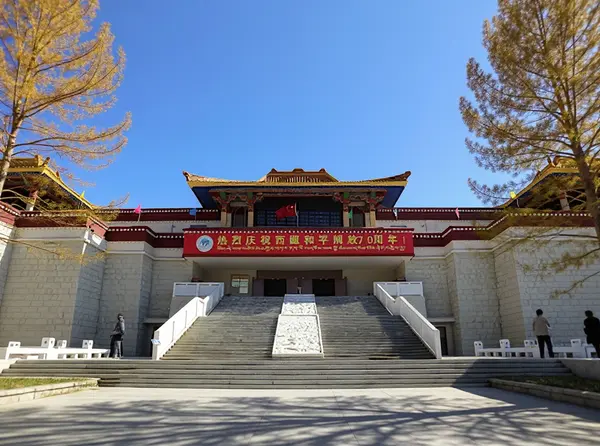
6. Tibet Museum
Uuri enam kui 10 000 eset, mis paljastavad Tiibeti rikka kultuuri ja ajaloo. Koge traditsioonilisi Tiibeti kodusid ja iidseid käsikirju lähedalt.
Kiired faktid: Muuseum hoiab endas üle 10 000 eseme, tutvustades Tiibeti kultuurilist, religioosset ja looduslikku ajalugu. See meelitab igal aastal ligikaudu 450 000 külastajat, pakkudes sügavaid teadmisi Tiibeti pärandist ja traditsioonidest.
Esiletõstmised: Astuge sisse, et leida elusuuruses traditsiooniline Tiibeti kodu, mis on loodud autentsete majapidamistarvete ja erksate thangka maalingutega, mis toovad kohalikud lood ellu. Muuseumi ekspositsioon sisaldab haruldasi käsikirju ja iidseid religioosseid tekste, mida vähesed väljaspool Tiibetit on näinud.
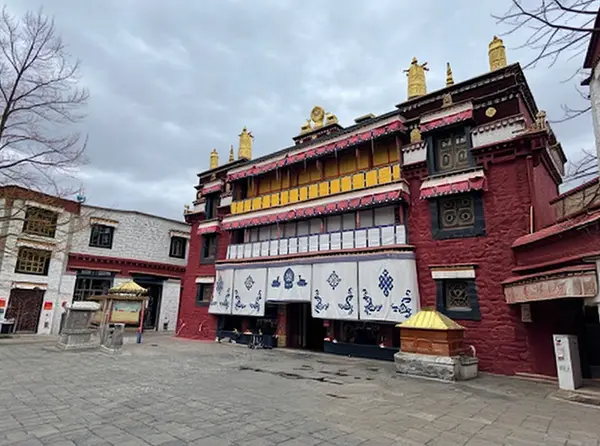
7. Ramoche Temple
Avasta püha paik, mis varjab Buddha kuju paeluvate päritolulugudega. Koge elavaid rituaale ja suurepärast Tiibeti käsitööd lähedalt.
Kiired faktid: Koduks haruldasele Buddha Jowo kujule, mida usutakse olevat õnnistanud Buddha ise, meelitab tempel igal aastal tuhandeid. Erinevalt paljudest budistlikest templitest on see tempel üle elanud mitu ajaloolist murrangut, säilitades oma algse Tiibeti arhitektuuristiili.
Esiletõstmised: Templi Buddha Jowo kuju väidetavalt toodi Indiast 7. sajandil ja seda kaunistatakse eriliste tseremooniate ajal peente siidrüüdega. Külastajad saavad vaadata, kuidas mungad sooritavad iidseid rituaale, mis pärinevad üle 1300 aasta tagant, koos kõlava laulu ja thangka väljapanekutega.
Where to Stay in Lhasa, China
Selected by City Buddy based on guest reviews and proximity to top attractions
Search all hotels in Lhasa, ChinaPowered by agoda
Traditsioonilised magusad road
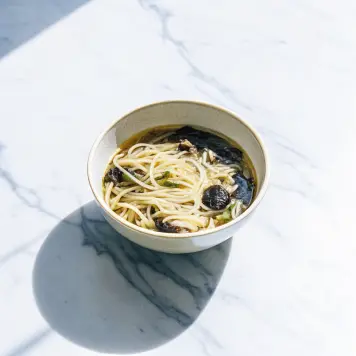
Guthuk
Guthuk is a special Tibetan noodle soup eaten during the Tibetan New Year that includes nine different ingredients symbolizing good fortune.
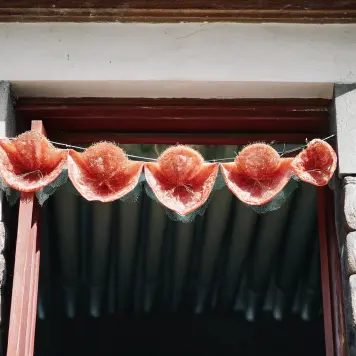
Khapse
Khapse are traditional Tibetan crunchy fried pastries, often made for special festivals and celebrations, representing joy and prosperity.
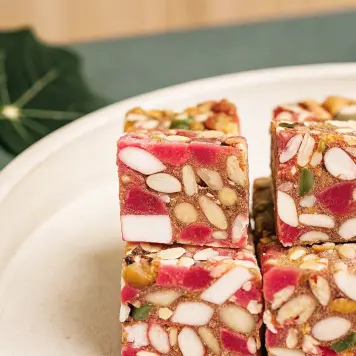
Sugarcandy
Sugarcandy is a popular sweet treat in Lhasa, made from hardened sugar often mixed with nuts and dried fruits.
Traditsioonilised soolased road
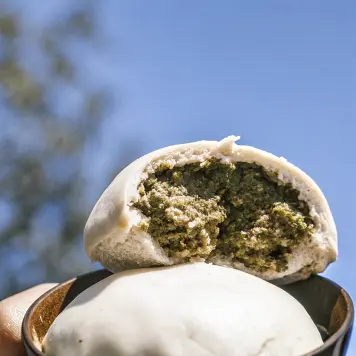
Tsampa
Tsampa is roasted barley flour, a staple in Tibetan cuisine, often mixed with butter tea or yogurt to form a nourishing dough.
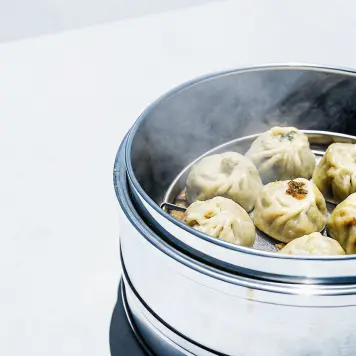
Momos
Momos are Tibetan steamed dumplings filled with meat or vegetables, enjoyed widely across the region and beyond for their delicate taste.
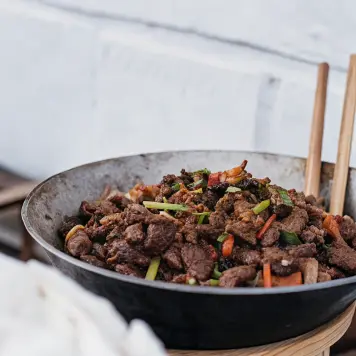
Shapta
Shapta is a spicy Tibetan stir-fried meat dish, usually made with beef or lamb, known for its bold flavors and hearty nature.
Traditsioonilised joogid
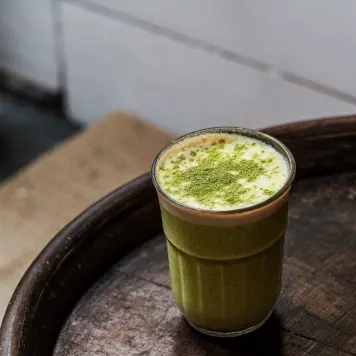
Butter Tea
Butter tea, made with tea leaves, yak butter, and salt, is a traditional Tibetan drink that provides energy and warmth in high altitudes.
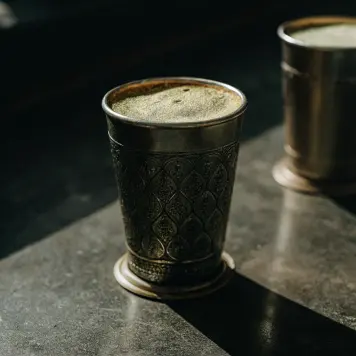
Chang
Chang is a Tibetan barley beer, mildly alcoholic and often consumed during festivals and social gatherings.
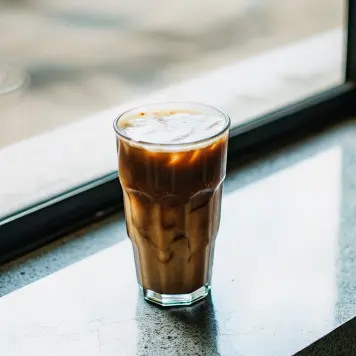
Sweet Milk Tea
Sweet milk tea is a popular variation of traditional Tibetan tea, served with milk and sugar for a comforting and rich flavor.
Frequently Asked Questions about Lhasa, China
"Kas Lhasa Hiinas on reisijatele ohutu?"
"Kui mitu päeva peaksin Lhasas Hiinas veetma?"
"Millal on parim aeg Lhasas Hiinas külastamiseks?"
"Kas Lhasa Hiinas on reisijatele kallis?"
"Kuidas Lhasas Hiinas liigelda?"
Saada PDF kõige populaarsemate atraktsioonidega oma e-postile
Hangi PDF koos kõigi atraktsioonide, hinnangute ja nõuannetega. Täiuslik võrguühenduseta kasutamiseks.
Kõige populaarsemad päevareisid
Yamdrok Lake
A stunning turquoise high-altitude lake surrounded by snow-capped mountains.
Namtso Lake
A sacred lake known for its clear blue waters and natural beauty.
Ganden Monastery
A prominent Tibetan Buddhist monastery with panoramic valley views.
Kuidas kohale jõuda
Lennujaamad
Raudteejaamad
Qinghai-Tibet Railway
From Lhasa Gonggar Airport, take a taxi or airport shuttle bus to Lhasa city center; the railway station is centrally located
Leia lennud sihtkohta Lhasa, China
Klõpsa, et saada eSIM sihtkohta Lhasa, China
Lihtsaim ja taskukohaseim viis saada mobiilset internetti ükskõik kus sa reisid.
Kommentaarid (8)
Pro tip: buy a prepaid local SIM at the airport, it’s much cheaper than roaming and you’ll need good data for maps and translation apps.
The vibe is very spiritual, peaceful in many areas but can get crowded around the Potala Palace which makes it less tranquil than expected.
If you want true local eats avoid the restaurants right by the Jokhang Temple. Walk two blocks away and you’ll find some authentic momos and tea houses for less.
The food was a mixed bag. Some traditional Tibetan dishes are really flavorful but street food prices near tourist spots felt a bit inflated.
I stayed 4 nights which was just enough for me, gives you time to see the main sights plus some chill days without rushing.