 CityBuddy
 Eesti
Eesti
Mida teha kohas Nanjing, China
Foto autor Abderrahmane Habibi Pexels.com lehel
Millal külastada
Nanjing, China kõige populaarsemad atraktsioonid
Otsid parimaid tegemisi Nanjingis, Hiinas? Alusta Sun Yat-seni mausoleumist, mis asub kõrgel Lilla mäel ja mille juurde viib 392 graniitastet. Jaluta mööda Nanjingi linnamüüri Zhonghua värava juures, mis on 600 aastat vana kindlus, ulatudes ligi 22 miilini. Lõpeta Confuciuse templi (Fuzimiao) juures, kus Qinhuai jõe laternapaadid on sajandeid külastajaid ligi tõmmanud.
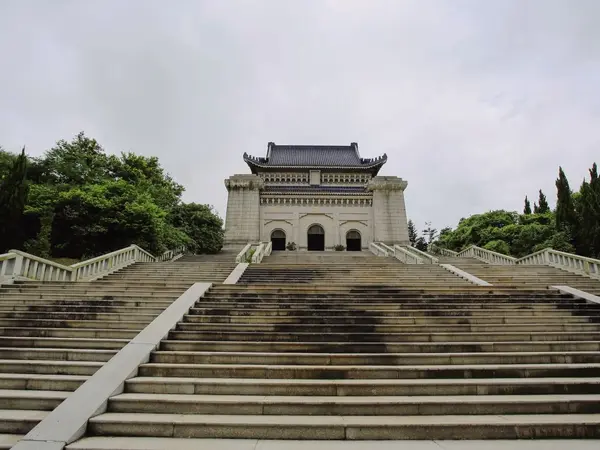
1. Sun Yat-sen Mausoleum
A 392-step climb through towering pine forests leads to one of the most symbolic monuments in modern Chinese history. At the top, sweeping views of the Purple Mountain and the bell-shaped architectural complex unfold before you.
Kiired faktid: Igal aastal ronib mausoleumi 392 trepiastet üle 3 miljoni külastaja. Kogu kompleks on kujundatud massiivse kellukese kujul, sümboliseerides üleskutset Hiina rahva äratamiseks.
Esiletõstmised: Mehe valgest marmorist kuju asub saalis, mille laes on vapustav 12-haruline Kuomintangi sinise taeva sümbol, mis on täiuslikult joondatud allpool oleva põrandamustriga. Ülemiselt platvormilt vaadates läbi kaare tagasi, märkad, et kogu trepp kaob vaateväljast, luues illusiooni, nagu kõnniksid otse mäekülje sisse.
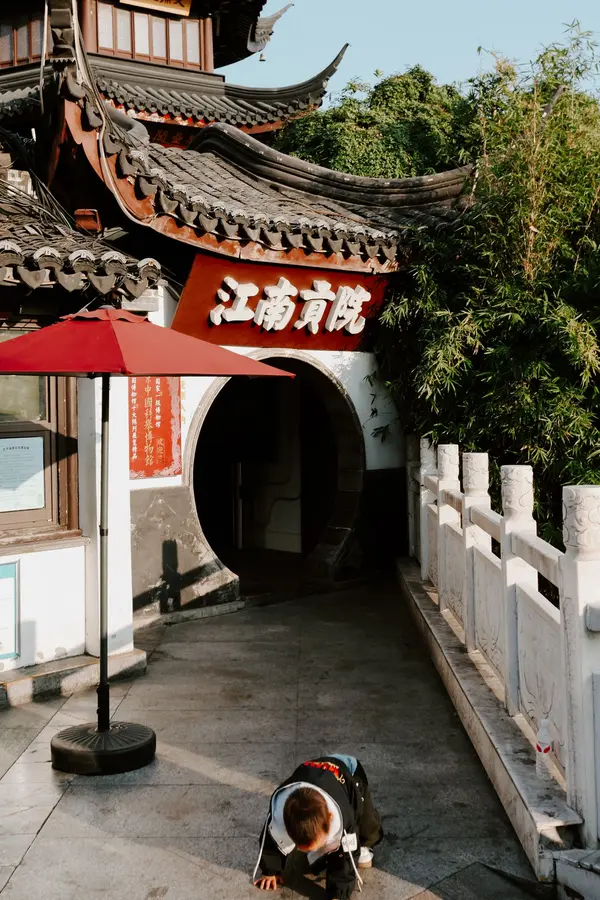
2. Confucius Temple (Fuzimiao)
Fuzimiao
Wander through a 1,000-year-old temple complex surrounded by a lively night market and canal district. Sample street food, browse calligraphy shops, and watch boats glide under moon bridges on the Qinhuai River.
Kiired faktid: Nanjingi Konfutsiuse templi kompleks pärineb aastast 1034, kuigi enamik ehitisi ehitati uuesti pärast Taipingi ülestõusu, mis laastas linna 1850. aastatel. Ümbritsev basaari piirkond meelitab igal aastal üle 50 miljoni külastaja, muutes selle üheks Hiina külastatuimaks jalakäijate tsooniks.
Esiletõstmised: Astu peasaali, et leida üks Hiina suurimaid nikerdatud kivist Konfutsiuse kujusid, mida ümbritsevad muistsed muusikariistad, mida mängitakse siiani traditsioonilistel tseremooniatel. Öösel loob tuhandete punaste laternate peegeldus Qinhuai jões nii täpse peegeldusefekti, et saad iga laterna kaksikut vees lugeda.
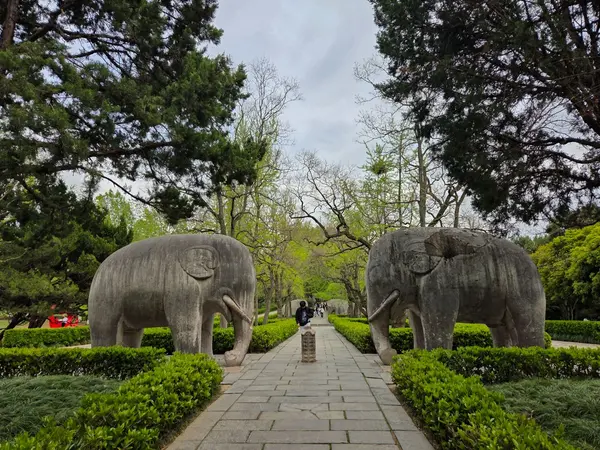
3. Ming Xiaoling Mausoleum
Explore the resting place of a founding emperor, where ancient stone guardians have stood watch for six centuries. Stroll a 1,800-meter sacred pathway lined with giant beasts and climb to a crimson-walled tower with sweeping forest views.
Kiired faktid: Mausoleumi kompleksi ehitamine võttis aega üle 25 aasta ja 100 000 töölist. Selle massiivne kivist kilpkonn, mis kaalub üle 80 tonni, on üks Hiina suurimaid muistseid kiviskulptuure.
Esiletõstmised: Kõnni Püha tee ääres, mida ääristab 12 kolossaalset kivist looma, millest igaüks on raiutud ühest graniitplokist ja seisnud vaikselt üle 600 aasta. Ruudukujuline tellistest "Hingede torn" kerkib 33 meetri kõrgusele, selle punased müürid ja kuldne katus paistavad erksalt vastu rohelist metsavõra.
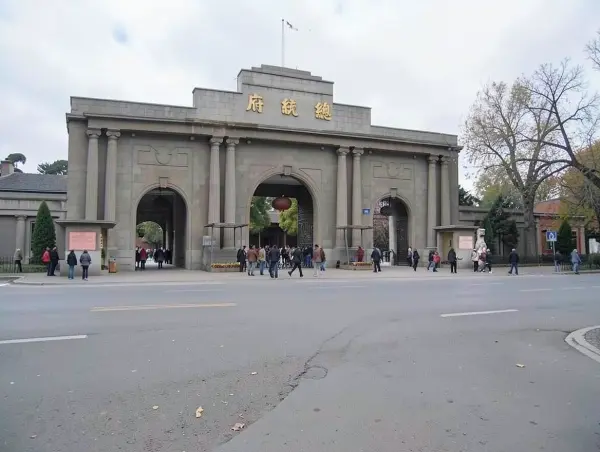
4. Presidential Palace of Nanjing
Walk through the actual offices and courtyards where China's modern history was written by emperors, rebels, and presidents. Stand in the same rooms where treaties were signed and dynasties fell.
Kiired faktid: Üheksa erinevat Hiina valitsust tegid sellest laialivalguvast kompleksist oma peakorteri, alustades Taipingi mässulistest 1850. aastatel kuni kommunistliku võiduni 1949. aastal. Kompleks katab üle 120 000 ruutmeetri ja sisaldab enam kui 1000 ruumi, mis on jaotatud traditsiooniliste Hiina aedade ja lääne stiilis haldushoonete vahel.
Esiletõstmised: Kompleksi sisse peidetud on vaikne lääne stiilis aed ja varaegne lift, mille paigaldas Chiang Kai-sheki valitsus, mis oli üks esimesi töötavaid lifte kogu Hiinas tol ajal. Võid ikka astuda sellesse algsesse liftikabiini, millel on messingvõre ja käsitsi juhitav liugvärav, üllatav tehnoloogiapala 1930. aastatest, peidetud iidsete paviljonide vahele.
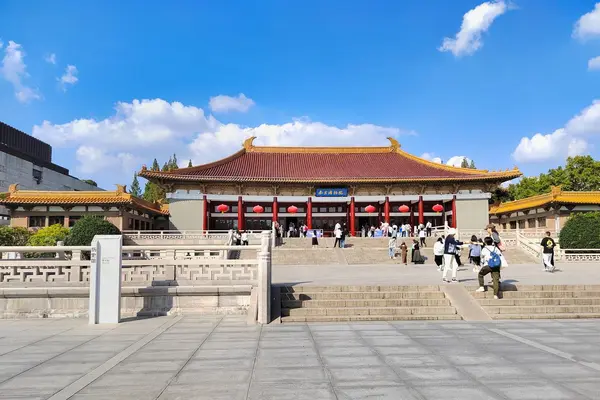
5. Nanjing Museum
Step into a museum that holds one of China's greatest cultural treasure troves. Wander halls filled with ancient jade, imperial porcelain, and a remarkably preserved Ming dynasty tomb.
Kiired faktid: Üle 400 000 eseme kuulub selle muuseumi kogusse, millest igal ajal on väljas vaid väike osa. Kogu ulatub eelajaloolisest ajast kuni Mingi ja Qingi dünastiani, pakkudes peatamatut teekonda läbi Hiina tsivilisatsiooni aastatuhandete.
Esiletõstmised: Otsi Han dünastia "Kuldset tsikaadi", pisikest hauaornamenti, mis on raiutud ühest nefriiditükist ja mille tiivad on nii õhukesed, et näed neist valgust läbi paistmas. Muuseumi maa-alune aardekamber hoiab üle 2000 parima eseme kliimakontrollitud pimeduses, tuues neid välja vaid üks kord kümnendis, et säilitada nende seisukorda.
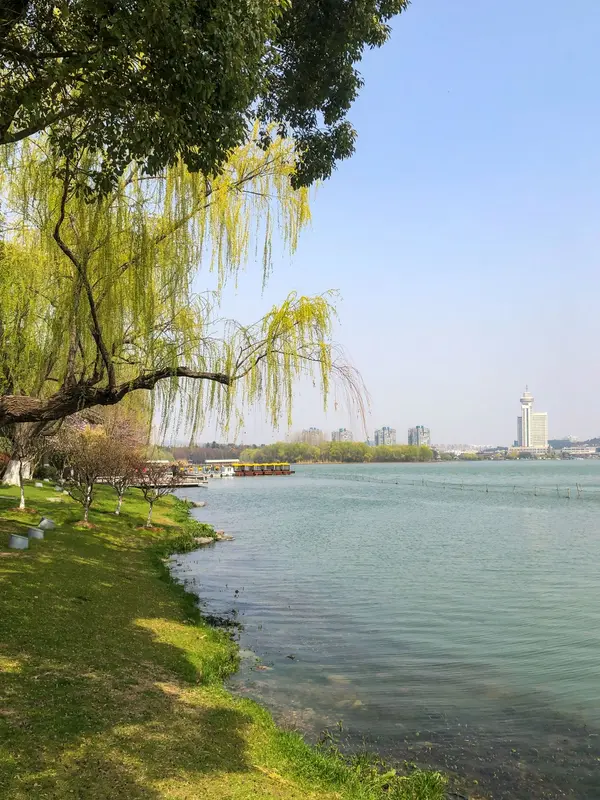
6. Xuanwu Lake Park
Swap Nanjing's neon bustle for a five-island escape where 444 hectares of water and willow trees await. Cycle past lotus ponds under 600-year-old city wall ruins, then join morning tai chi groups by the shore.
Kiired faktid: 444 hektarit hõlmav park ümbritseb järve, mis katab umbes kolmveerand selle kogupindalast, ja viit omavahel ühendatud saart seovad kaarsillad ja teed. Hommikused külastajad võivad kohata kohalikke, kes teevad tai chi't mööda 9,5-kilomeetrist kaldajoont, mis on igapäevane rituaal, milles osaleb sadu inimesi.
Esiletõstmised: Suurimal saarel seisab endiselt 15. sajandi Mingi dünastia linnamüüri osa ja saad ronida lõigule, mis on üle 600 aasta vana, et nautida panoraamvaadet, kus iidsed müürid kohtuvad kaasaegse Nanjingi klaastornidega. Pargil on ka vaikne kirjanduslik saladus: kuulus Qingi dünastia õpetlane Yuan Mei luuletas siin kunagi, vaadates järve lootoseõisi.
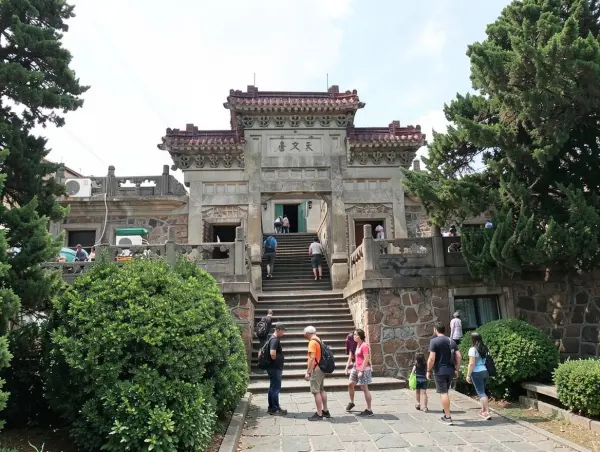
7. Purple Mountain Observatory
Stand where China's first modern astronomers did, among ancient bronze instruments and century-old telescopes. Walk through domed observation rooms, touch real meteorite fragments, and see the Milky Way through a telescope that has tracked stars since the 1930s.
Kiired faktid: Hiina esimene kaasaegne astronoomiline observatoorium asub mäe otsas 267 meetri kõrgusel, majutades üle 30 teleskoobi, sealhulgas vapustava 60-sentimeetrise Zeissi refraktori aastast 1934. Observatooriumi aladel leidub muistseid Hiina astronoomiainstrumente, nagu armillaarkera ja gnomoon, millest mõned pärinevad 15. sajandist ja toodi siia säilitamiseks.
Esiletõstmised: Männipuude vahele peidetud on 1934. aasta Zeissi kaksikastrograaf, mis on paigaldatud massiivsele betoonpjedestaalile, mis isoleerib selle vähimastki maapinna vibratsioonist. Selgetel öödel suudab see peaaegu sajandivanune instrument jälgida tähti mehaanilise täpsusega, seda juhivad astronoomid, kes tõmbavad käsitsi lahti liuguva katuse, et paljastada taevas.
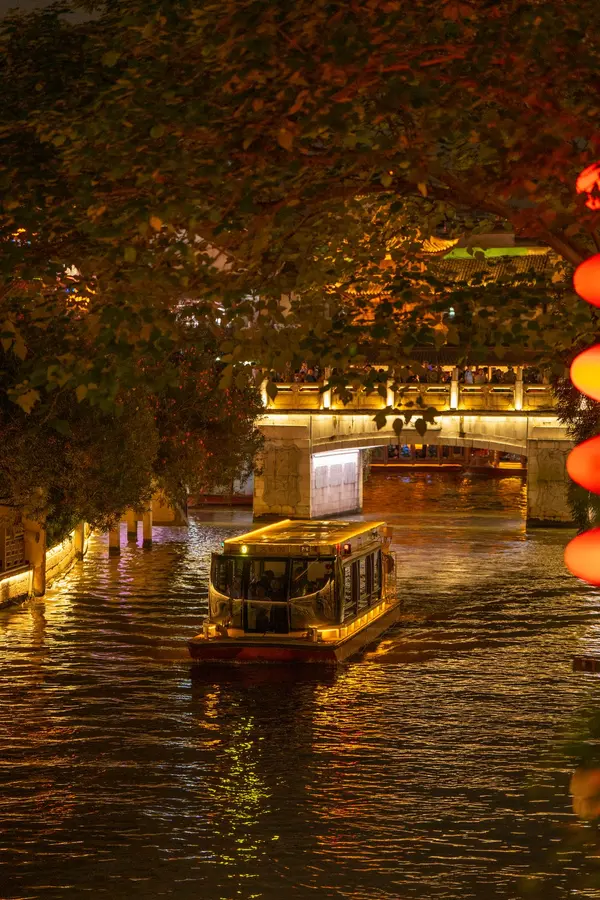
8. Qinhuai River Scenic Belt
Nowhere else on earth can you glide past 1,500 years of history while listening to musicians serenade you from wooden boats. Expect lantern-lit waterways, ancient temples reflected in dark water, and the scent of street food drifting across the bridges.
Kiired faktid: Umbes 110 kilomeetrit Jiangsust Shanghaisse ulatuv veetee oli kunagi peamine arter keiserlike viljasaadetiste jaoks. Laternavalguses lõbusõidupaadid on liikunud neil vetel alates Tangi dünastiast, traditsioon, mis jätkub ka tänaõhtul.
Esiletõstmised: Igal õhtul hämariku ajal lähevad kohalikud muusikud traditsioonilistes riietuses puupaatidesse ja esitavad pingtanit, jutustavat rahvakunsti, sõites mööda 1500 aasta vanusest Konfutsiuse templist. Lauldud luule, pipa keelte ja kivimüüride vastu loksuva vee kombinatsioon loob akustilise kogemuse, mis on jäänud muutumatuks sajanditeks.
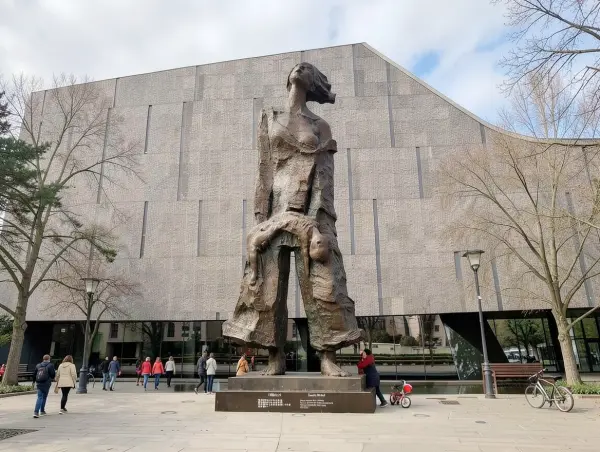
9. Memorial Hall of the Victims in Nanjing Massacre
One of the most solemn and powerful memorials in the world, documenting a tragedy that must never be forgotten. You will walk through galleries of personal artifacts, survivor testimonies, and an outdoor sculpture garden designed to stir quiet reflection.
Kiired faktid: Memoriaalkompleks asub massihaua paigas, mis hoiab endas üle 10 000 ohvri säilmeid. Genotsiidiuurijad peavad seda üheks 20. sajandi paremini dokumenteeritud massikuriteoks, saal eksponeerib üle 5000 füüsilise eksponaadi, sealhulgas tunnistajate ütlusi ja haruldasi fotosid.
Esiletõstmised: Külastajad kõndides läbi hajutatud valgete veeriste saali, kus iga kivi esindab vaikselt üht ohvrit, kes kaotati kuuenädalase okupatsiooni ajal. 10 642 tuvastatud ohvri nimed on kirjutatud massiivsele "Leina müürile", mis ulatub 40 meetri pikkuseks, ja Hiina tähemärgid on raiutud nii sügavale, et saad neid sõrmeotstega jälgida.
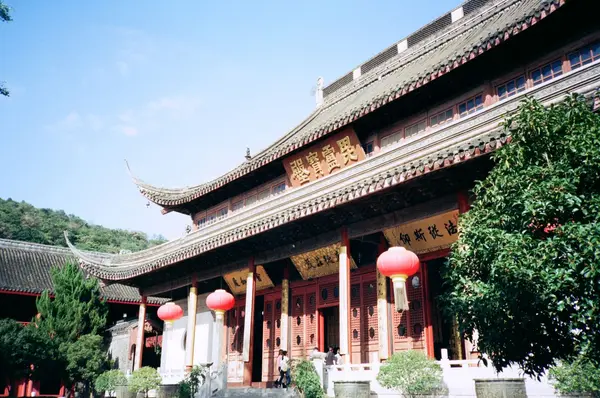
10. Qixia Mountain
Tulge sügistule: 50 vahtraliiki värvib novembris terved nõlvad tumepunaseks. Rändage samblaga kaetud treppidel 1000-aastaste templite, kaljubuddhade ja vaiksete metsade vahel.
Kiired faktid: November süütab selle mäenõlva, kui umbes 50 vahtrasordi lehed õhetavad punases, oranžis ja kullas üle nõlvade. Rohkem kui 500 raiutud Buddhast vaatavad vastu kaljuseinalt templikompleksi taga, mis on 1 400 aastat vana.
Esiletõstmised: Peahoone taga seisab 601. aastast pärit 18 meetri kõrgune kivist pagood, mille 8 külge on graveeritud tantsivate taevaste muusikute, lõvide ja lootose motiividega. Jahedal novembriõhtupoolikul valgub viltune päikesevalgus kullana üle kalju raiutud Buddha nägudele, täpselt selline soe kuma, mida kiviraidurid tõenäoliselt lootsid.
11. Lao Men Dong
Laterna valgustatud tänavad, elav ooper ja kausitäied suppi, mida igatsete veel aastaid. Jalutage ühel õhtul ja te maitsete, kuulete ja haistate terve õhtu töötavas vanalinnas.
Kiired faktid: Ühest kaarjast kiviväravast lähtub üle 40 autovaba tänava ning alates keskpäevast täidab õhku praetud taigna ja pardipuljongi lõhn. Mingi dünastia 35 kilomeetri pikkune müür kõrgub katuste kohal, selle kivitornid on pärast pimedat prožektoritega valgustatud.
Esiletõstmised: Suundu peateelt kõrvale ja leiad sajandivanused tellisnikerdused nahkhiirtest ja pojengidest, mis on siiani peidus uste kohal, kus elanikud kord soovisid õnne ja perekonda. Pärast hämarikku alustab kohalik komöödiateater oma dialoogkomöödia etendust ning naer veereb laternavalgusega tänavale kui igaõhtune rituaal, mis kestab üle kella kümne.
Where to Stay in Nanjing, China
Selected by City Buddy based on guest reviews and proximity to top attractions
Search all hotels in Nanjing, ChinaPowered by agoda
Lahtiolekuajad kohas Nanjing, China
Millised peamised vaatamisväärsused on nädala millisel päeval suletud, klassikaline reisirikkuja, sinu jaoks kontrollitud.
esmaspäev: 2 4 peamisest vaatamisväärsusest on suletud, planeeri muuseumid mõnele teisele päevale.
Suletud esmaspäev · 2 suletud, 2 avatud
Lahtiolekuajad Google Mapsist (kontrollitud 2026-07-02). Riigipühad, streigid ja hooajalised lahtiolekuajad võivad erineda, vaata enne minekut ametlikku veebilehte.
Traditsioonilised magusad road
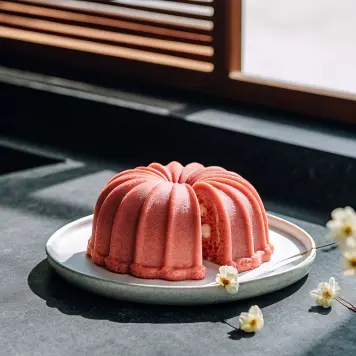
Sweet Osmanthus Cake (Gui Hua Gao)
This steamed sponge cake is infused with sweet osmanthus flowers that bloom across Nanjing in autumn. The cake's delicate floral aroma and fluffy texture have made it a beloved snack since the Ming Dynasty.
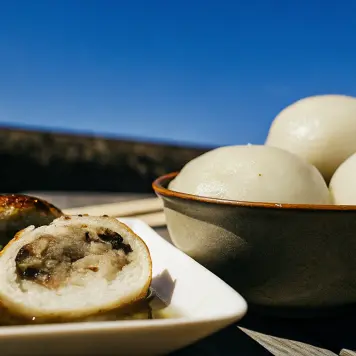
Nanjing Salted Duck and Glutinous Rice Balls (Tangyuan)
For a sweet twist on a savory city, Nanjing style tangyuan are often filled with black sesame or osmanthus and served in fermented rice soup. They are a must eat during the Lantern Festival celebrations in the city.
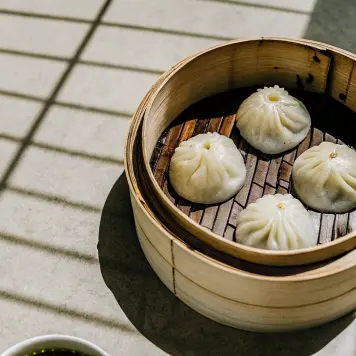
Plum Cake (Mei Hua Gao)
Named after Nanjing's city flower (the plum blossom), this diamond shaped cake is made from rice flour and red bean paste. Vendors have sold it from street stalls near the Ming City Wall for generations.
Traditsioonilised soolased road

Nanjing Salted Duck (Yan Shui Ya)
Nanjing's most famous dish uses a dry salt curing method that dates back over 1,000 years. The duck is slowly brined and then gently poached, resulting in incredibly tender meat and silky skin.

Nanjing Pan Fried Beef Dumplings (Niu Rou Guo Tie)
These crescent shaped dumplings have a crispy, lacy golden bottom from pan frying in a special iron skillet. They are typically served with a vinegary soy dipping sauce that locals insist must include freshly shredded ginger.

Duck Blood and Vermicelli Soup (Ya Xue Fen Si Tang)
This hearty soup features duck blood cubes, glass vermicelli, tofu puffs, and fresh duck parts in a rich broth. It is such a staple of Nanjing street food that countless small shops have spent generations perfecting their family recipes.
Traditsioonilised joogid
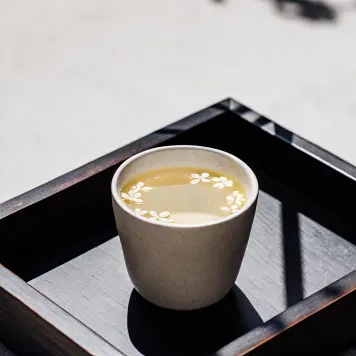
Osmanthus Sake (Gui Hua Jiu)
Nanjing's sweet osmanthus flowers are steeped in rice wine to create this fragrant, lightly sweet liquor. It has been produced in the region since the Tang Dynasty and is traditionally drunk during the Mid Autumn Festival.

Yuxing Plum Juice (Suan Mei Tang)
This tangy and refreshing sour plum drink is made from smoked plums, rock sugar, osmanthus, and hawthorn berries. It is the classic thirst quencher of Nanjing, especially popular during the sweltering summer months along Confucius Temple street.

Nanjing Green Tea (Yu Hua Cha)
Named after the famous Rainflower Pebbles found in Nanjing, this green tea has a distinctive pine needle shape and a clean, chestnut like flavor. It was awarded the title of one of China's top ten famous teas.
Korduma kippuvad küsimused Nanjing, China kohta
Kas Nanjing, Hiina on turistidele ohutu?
Mitu päeva peaksin Nanjingis, Hiinas reisiks planeerima?
Millal on parim aeg Nanjingi, Hiinat külastada?
Kas Nanjing, Hiina on kallis külastuskoht?
Kuidas Nanjingis, Hiinas liigelda?
Saada PDF kõige populaarsemate atraktsioonidega oma e-postile
Hangi PDF koos kõigi atraktsioonide, hinnangute ja nõuannetega. Täiuslik võrguühenduseta kasutamiseks.
Kõige populaarsemad päevareisid
Suzhou
Classical gardens and water towns, a UNESCO World Heritage site
Hangzhou
Famous West Lake, tea plantations and historic temples
Kuidas kohale jõuda
Lennujaamad
Raudteejaamad
Beijing-Shanghai High-Speed Railway, Shanghai-Nanjing Intercity Railway
Beijing-Shanghai Railway, Ningxi Railway
From Lukou Airport, take Metro Line S1 to Nanjing South Station (about 50 minutes). Taxi to city center takes 40 minutes.
Nanjing, China kasulik info
Nanjing, China ülevaade
Soovid Nanjing, China päevapõhist plaani? Ava reisiplaneerija
Millal lähed Nanjing, China?
Vali kuupäevad ja reisistiil, et saada:
Kas mõni neist on sulle eriti oluline?
Vali kõik, mis kehtib
Liikumine
Kuidas soovid paikade vahel liikuda?
Plaani keel: Eesti