 CityBuddy
 Eesti
Eesti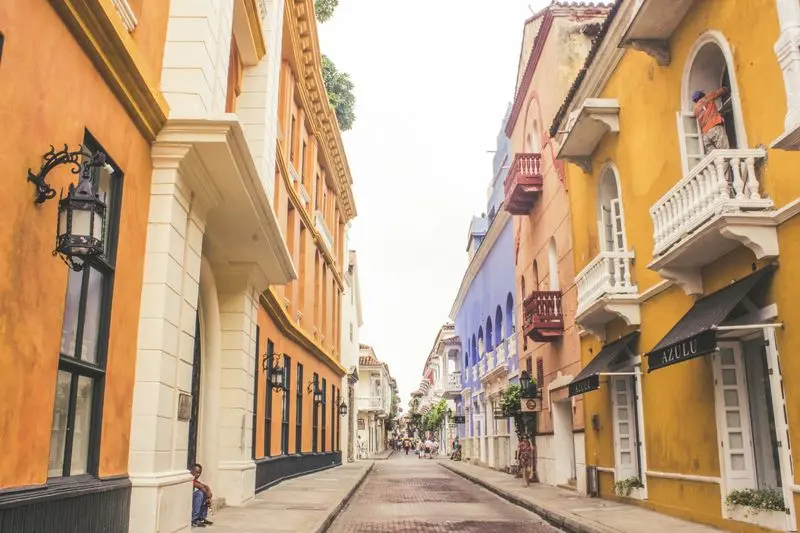
Mida teha kohas Cartagena, Colombia
Foto autor Maria Paula Medina Pexels.com lehel
Millal külastada
Millal lähed Cartagena, Colombia?
Vali kuupäevad ja reisistiil, et saada:
Kas mõni neist on sulle eriti oluline?
Vali kõik, mis kehtib
Plan language: EestiCartagena, Colombia kõige populaarsemad atraktsioonid
Kui kaaluda tegevusi Cartagenas, Colombias, siis kolm vaatamisväärsust paistavad silma. Ronige 300 aasta vanusele Castillo San Felipe de Barajasele, millel on 23 kahurit ja 3 kilomeetrit tunneleid. Külastage Torre del Reloji, 17. sajandi kellatorni, mis on vanalinna sissepääs. Lõpetage Plaza Santo Domingos, kus Botero skulptuur asub koloniaalrõdude all.
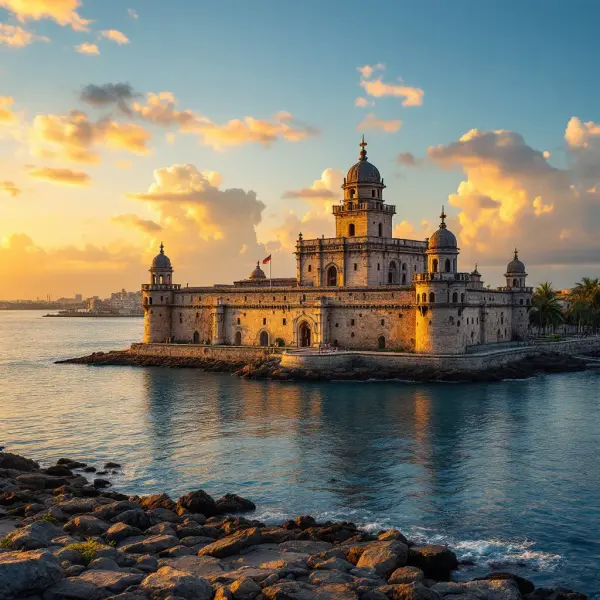
1. Castillo San Felipe de Barajas
Kõnni läbi 450 aasta vanuste tunnelite, kus sosinad kajavad mööda täiuslikult loodud akustilisi seinu. Ülemistelt müüridelt vaata, kuidas päikeseloojang maalib taevast Kariibi mere kohal.
Kiired faktid: Üle 20 miljoni tellise ja 130 aastat ehitusi vormisid selle kindluse laiaulatuslikuks kaitsemüraks. Vahid suhtlesid kunagi läbi 2 kilomeetri pikkuse tunnelivõrgustiku, kus heli liigub mööda kumeraid kiviseinu eriliselt selgelt.
Esiletõstmised: Insenerid kavandasid kolm astet põimuvaid tunneleid nurga all olevate kuuldepostidega, võimaldades ühel valvuril tuvastada sissetungijaid mitmest suunast korraga. Kindluse kõrgeimal müüril saad jälgida täpseid kaitsesihujooni, mis kunagi võimaldasid sõduritel märgata lähenevaid laevu tunde enne, kui need lahte jõudsid.
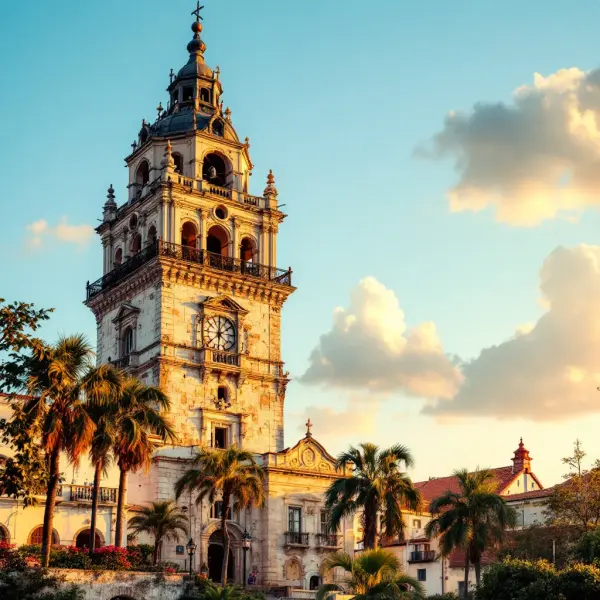
2. Torre del Reloj
See kaarjas värav on olnud linna esiuks üle 400 aasta, tervitades kaupmehi, rändureid ja piraate. Astu sellest läbi ja jõuad otse väljakule, mida raamivad pastelsed rõdud, hobukaarikud ja kingade rütmiline klõbin munakividel.
Kiired faktid: Igal aastal läbib seda korallkivist väravat üle 2 miljoni inimese, ühendades elava Getsemaní linnaosa koloniaalse vanalinnaga. Tipus asuv kellamehhanism imporditi Šveitsist 20. sajandi alguses ja see käib endiselt, kui seda kaks korda nädalas käsitsi üles keerata.
Esiletõstmised: Vaata tähelepanelikult kaarealust ja märkad väikest Neitsi Maarja kuju peidetuna nišši, mis pandi sinna sajandeid tagasi õnnistama kõiki linna sisenejaid. Väljaku poolel muudavad naaberhoonete pleekinud koloniaalfreskod värvi, kui pärastlõunane päike liigub üle nikerdatud kivifassaadi.
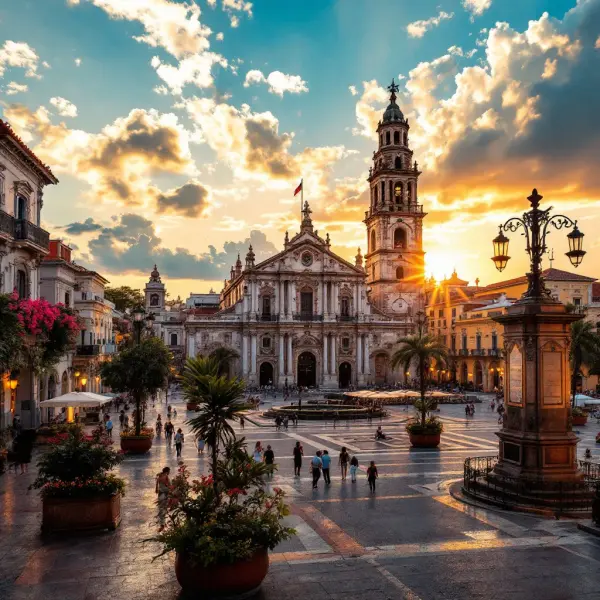
3. Plaza Santo Domingo
Cartagena kõige magnetilisem sotsiaalne keskus, kus Botero kuulus pronksist jumalanna puhkab Kariibi päikese all. Rüüpa kookoslimonaadi, samal ajal vaadates salsa tantsijaid, kingapuhastajaid ja papagoisid koloniaalrõdudel.
Kiired faktid: Fernando Botero pronksskulptuur, kujutades lihavat lamavat naist nimega "La Gorda Gertrudis", on selle munakivisillutisega väljaku keskpunkt. Tänavamüüjad, salsamuusika ja praetud arepade lõhn täidavad õhku hommikust hilisõhtuni.
Esiletõstmised: Kohalikud hõõruvad Botero Gertrudist kõhust ja pronksist varvastest õnneks, jättes need kohad läikivalt kuldseks läikima tema tumedama patina vastu. Pärast seda, kui vandaal 2006. aastal teda kahjustas, parandas linn ta nii põhjalikult, et arm sai osaks tema loost, mis on tunnistuseks Cartagena tulisest kaitsest tema suhtes.
Kas oled kuulnud tasuta jalutuskäikudest?
Pärast reisimist üle 30 riigi on üks asi, mida sooviksin, et keegi oleks mulle esimesest päevast peale öelnud, ja see muutis täielikult minu linnakogemust.
Tasuta jalutuskäigud. Jah, tõesti tasuta. Kaarti ei ole vaja. Püüniseid pole.
Kohalik giid, 2-3 tundi
Peamised vaatamisväärsused, peidetud pärlid, kohalikud lood
100% jootraha põhine
Giidid teenivad ainult jootraha, seega annavad nad parima
Sa annad jootraha nii palju kui tunned õigeks
Lõpus annad lihtsalt jootraha nii palju kui tunned õigeks
Olen neid teinud paljudes linnades ja need on olnud peaaegu iga reisi tipphetk. Kui külastad Cartagena, Colombia, tee seda esimesel päeval. Sa tänad mind hiljem.
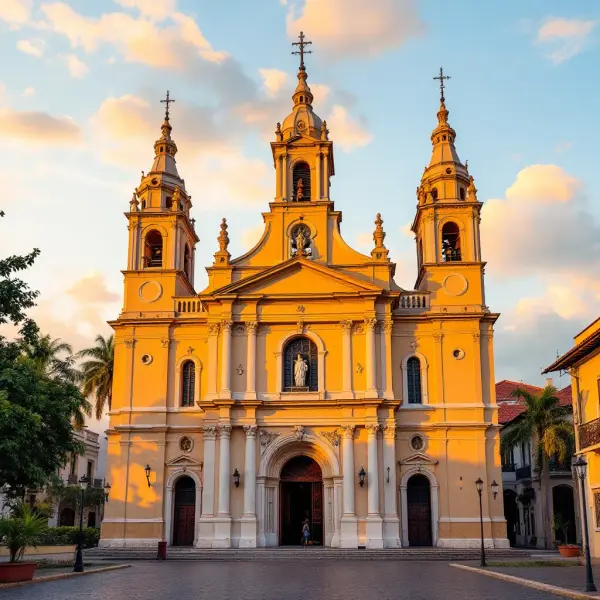
4. Iglesia de San Pedro Claver
Seisa 400 aasta vanuse altari ees, kus tõeline pühak kunagi iga päev palvetas. Rända läbi päikesepaisteliste kloostrikäikude, näe tema säilinud säilmeid ja tunne, kuidas Colombia kihiline ajalugu ellu ärkab.
Kiired faktid: Püha Peeter Claver veetis 40 aastat selles kirikus ristides üle 300 000 orjastatud aafriklast, kes saabusid läbi Cartagena sadama. Tema tähelepanuväärselt säilinud keha asub klaasist sarkofaagis peaalvari lähedal, kandes endiselt rüüd, mida ta kandis oma surma ajal 1654. aastal.
Esiletõstmised: Roni katusele ja leiad täpselt selle kellatorni, kust Claver vaatles sadamat saabuvate orjalaevade suunas, valmistudes lohutust pakkuma. Kõrval asuvas kloostris asuvad pühaku algsed eluruumid, kus tema lihtne puust voodi ja isiklik krutsifiks on endiselt täpselt nii, nagu ta need jättis.
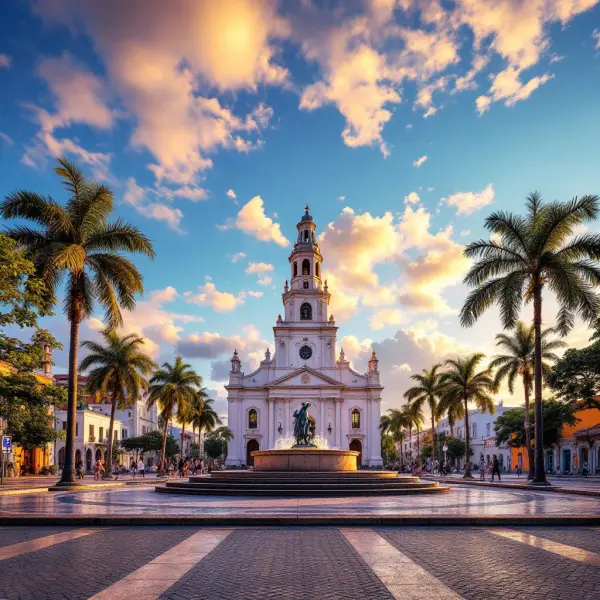
5. Plaza de los Coches
Astu Cartagena koloniaalsüdamesse, kus hobukaarikud kunagi valitsesid munakive. Rüüpa kohvi kaarte all, samal ajal kui tänavamüüjad ja muusikud toovad väljaku sinu ümber ellu.
Kiired faktid: Hobuvankrid seisid kunagi selle väljaku ääres, andes talle nime, mis tähendab "Vankrite väljak". Selle keskel asub Pedro de Heredia, Hispaania konkistadoori, kes asutas Cartagena 1533. aastal, kuju.
Esiletõstmised: Vaata üles väljakut ümbritsevatele hoonetele ja märkad erksates kollastes ja sinistes toonides värvitud puidust rõdusid, igal oma erineva nikerdatud kujundusega. Need rõdud räägivad Cartagena koloniaalkaupmeeste klassist, kes ehitasid oma kodud ja poed siia, et olla sadama kaubandustegevusele lähedal.
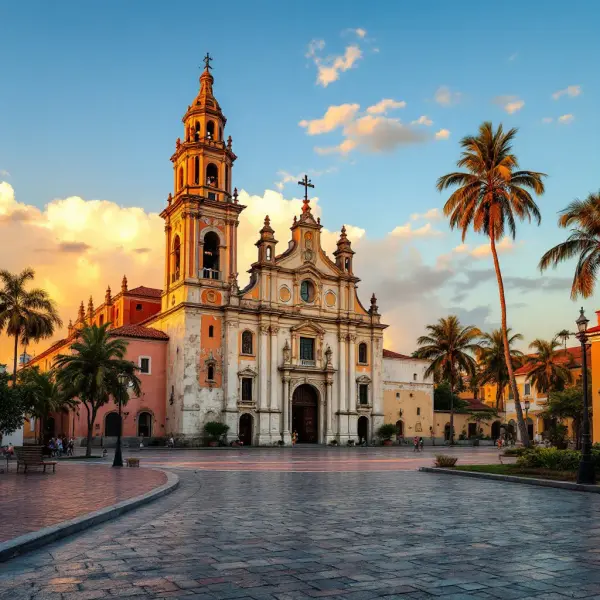
6. Convento de la Popa
Cartagena kõrgeim punkt pakub parimaid vaateid linnale, lahele ja saartele korraga. Roni kloostri katuseterrassile ja vaata, kuidas kruiisilaevad libisevad mööda vanadest linnamüüridest 150 meetrit allpool.
Kiired faktid: Asudes 150 meetrit üle merepinna, pakub see 17. sajandi klooster 360-kraadist panoraami Cartagena siluetist, lahest ja Kariibi merest. Mägi sai nimeks "Popa", kuna Hispaania meremehed arvasid, et see meenutab laeva tekiehitist.
Esiletõstmised: Kloostri kabelis asub väike puust La Candelaria Neitsi Maarja kuju, Cartagena kaitsepühak, kelle kohalikud usuvad päästnud linna katkust 18. sajandil. Igal 2. veebruaril ronivad sajad palverändurid mäele Fiesta de la Candelaria tähistamiseks, kandes küünlaid mööda munakiviteed koidikul.
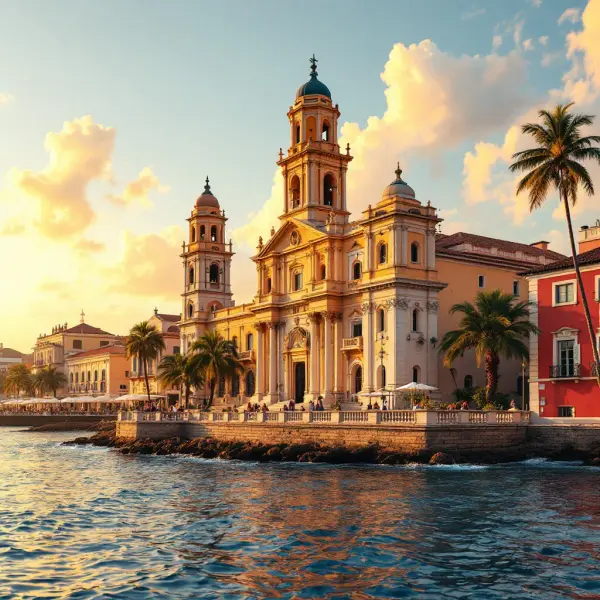
7. Las Bóvedas
Osta autentseid Colombia suveniire sajanditevanustes sõjaväevõlvides, mis on raiutud linnamüüridesse. Rända läbi 23 kaare alt, kus on käsitööletid, merebriis ja kohalik muusika kajamas vastu kiviseinu.
Kiired faktid: Kakskümmend kolm kaarekujulist nišši ulatuvad mööda iidseid linnamüüre, olles kunagi sõjaväeladudena Hispaania vägedele. Need paksud kivivõlvid hoidsid hiljem vange, enne kui nad muutusid värviliseks kohaliku käsitöö ja kunsti turuks.
Esiletõstmised: Koloniaalajal hoiti nendes võlvides püssirohtu ja relvi, samal ajal kui meri lõi otse vastu välismüüre, muutes need rünnaku suhtes läbitungimatuks. Tänapäeval on samad kaared täis käsitööliste saginat, kes nikerdavad tagua pähklist kujukesi ja põimivad mochila kotte, samal ajal kui reggaeton heliseb läbi kivikoridoride.
8. Museo del Oro Zenu
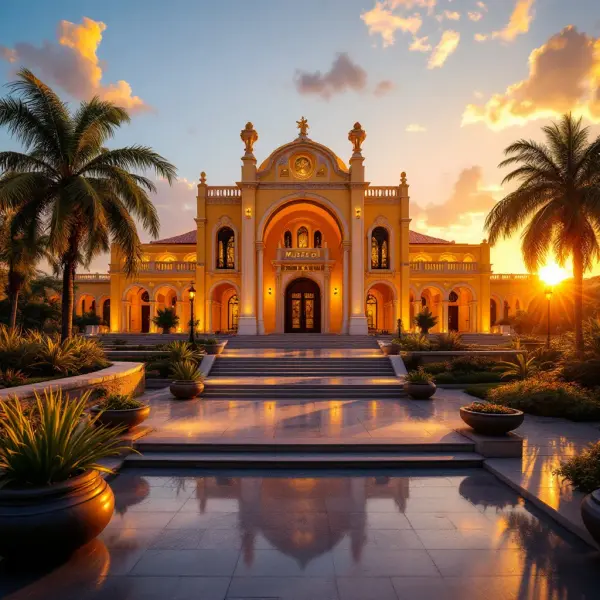
Astu sisse põlisrahva kullatööde aardekambrisse, mis võistleb iga Lõuna-Ameerika koguga. Sa satud silmitsi keerukate filigraankõrvarõngaste, tseremoniaalsete maskide ja tööriistadega, mis paljastavad, kuidas zenúd kullast 2000 aastat tagasi vorme lõid.
Kiired faktid: Zenú inimesed, kes need kullatükid lõid, ehitasid keeruka kanalisüsteemi, et kontrollida üleujutusi üle 500 000 hektari madalikul. Mõned eksponeeritud filigraanist kõrvarõngad ja ninarõngad on nii peenelt kootud, et nad kaaluvad vähem kui üks paberiklamber.
Esiletõstmised: Piilu läbi klaasi poporo, koalehtede lubjanõu, mille pind räägib Zenú vaimse elu loo läbi tuhandete väikeste haamriga tehtud täppide. Erinevalt Inka või Atsteegi kullaesemetest, mis on hoiustatud lukustatult, on siin üle 1200 tükki paigutatud avatud väljapanekutesse, mis võimaldavad näha iga eseme esi- ja tagakülge, paljastades, kuidas meistrimehed töötlesid mõlemat metalli poolt.
9. Catedral de Cartagena
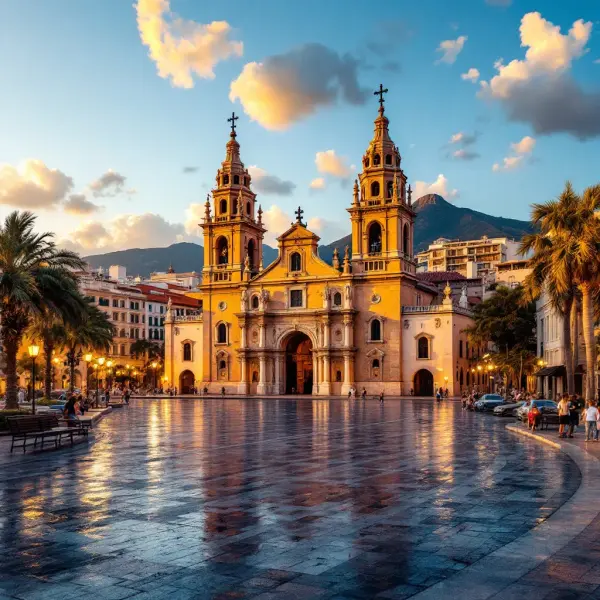
Üks vanimaid katedraale Ameerikas, kus koloniaalajalugu kohtub piraadipärimusega. Seisa seinte sees, mis on üle elanud maavärinad, rünnakud ja 400 aastat Kariibi torme.
Kiired faktid: Kolm sajandit kestnud ehitus andis sellele katedraalile põneva arhitektuurilise segu. Sir Francis Drake'i 1586. aasta rünnak linnale peatas varajased ehitustööd, jättes lõpetamata ehitise aastakümneteks peaväljakule seisma.
Esiletõstmised: Vaata tähelepanelikult peaalvarit ja märkad seina sisse põimunud väikest kahurikuuli, mis on arm 17. sajandi piraadirünnakust. Katedraali ebaühtlane kellatorn räägib teist lugu: 1830. aasta maavärin kukutas originaali ja selle asendus ehitati meelega veidi viltu, et vältida tulevast kokkuvarisemist.
Where to Stay in Cartagena, Colombia
Selected by City Buddy based on guest reviews and proximity to top attractions
Search all hotels in Cartagena, ColombiaPowered by agoda
Traditsioonilised magusad road
Cocadas
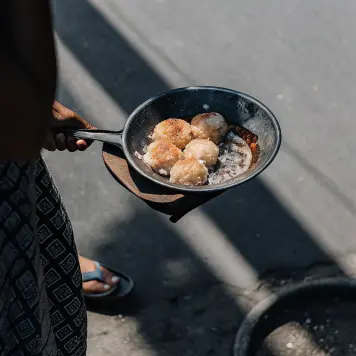
Cocadas are sweet coconut confections that trace their origins to the African diaspora in Cartagena. They are famously sold by palenqueras, Afro-Colombian women in colorful dresses who balance bowls of them on their heads as they walk through the city.
Dulce de Leche (Arequipe)
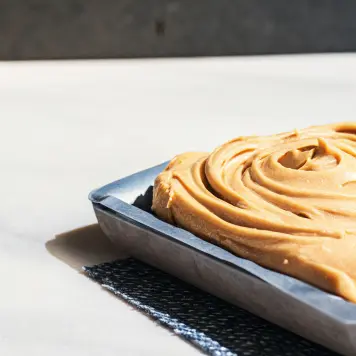
In Cartagena, dulce de leche is often blended with coconut or fruits like guava to create rich, creamy desserts. It is a staple sweet spread that locals enjoy with cheese or on bread.
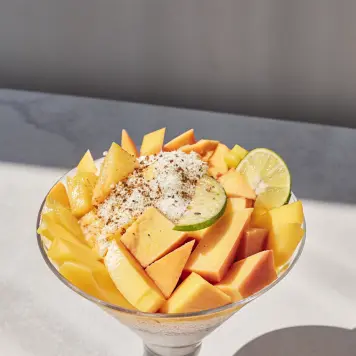
Ensalada de Frutas (Fruit Salad)
Cartagena's fruit salad is no ordinary dish; it is a vibrant mix of tropical fruits like mango, papaya, and lulo, often topped with a splash of lime and a sprinkle of salt. Street vendors sell it chilled on hot Caribbean days for a refreshing treat.
Traditsioonilised soolased road
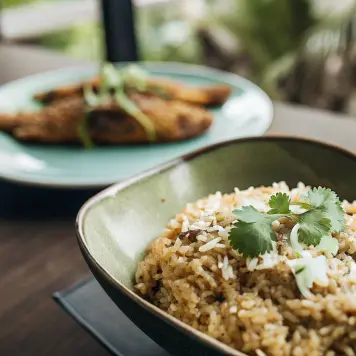
Arroz con Coco (Coconut Rice)
Arroz con coco is a quintessential Cartagena side dish made by cooking rice in coconut milk and often sweetened with a hint of sugar. It is typically served alongside fried fish and patacones, creating the classic Caribbean coastal plate.

Mote de Queso
Mote de queso is a hearty, creamy soup made with yam, salted costeño cheese, and herbs. It originated in Cartagena's countryside and is a comforting dish that showcases the region's love for combining cheese with savory stews.
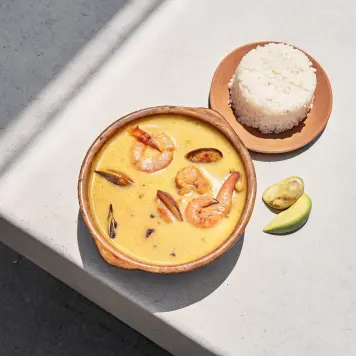
Cazuela de Mariscos (Seafood Stew)
This rich seafood stew is packed with shrimp, fish, crab, and clams simmered in a coconut milk and tomato broth. It reflects Cartagena's coastal location and is often served in a clay pot with rice and avocado on the side.
Traditsioonilised joogid
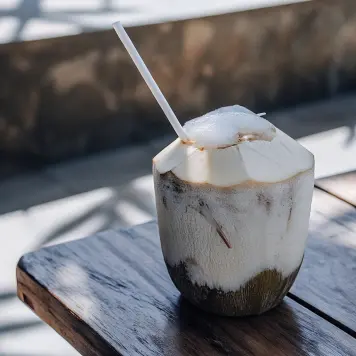
Limonada de Coco (Coconut Lemonade)
Limonada de coco is a creamy, tropical blend of fresh lime juice, coconut milk, and ice that is uniquely popular in Cartagena. Unlike a standard lemonade, it is frothy and rich, making it the ultimate thirst-quencher on a Caribbean afternoon.

Jugo de Lulo
Lulo is a tangy, citrus-like fruit native to Colombia, and its juice is a beloved drink throughout Cartagena. It is often sweetened with sugar and served over ice, offering a bright, zesty flavor that locals swear by for beating the heat.

Aguardiente Antioqueno
Aguardiente is Colombia's signature anise-flavored sugarcane spirit and a favorite at Cartagena's lively street festivals and nightclubs. It is commonly called "guaro" and is typically sipped straight or mixed into cocktails like the popular "Saoco."
Frequently Asked Questions about Cartagena, Colombia
Kas Cartagena, Colombia on ohutu?
Mitu päeva Cartagenas, Colombias veeta?
Parim aeg Cartagenas, Colombias külastamiseks?
Kas Cartagena, Colombia on kallis?
Kuidas Cartagenas, Colombias liigelda?
Saada PDF kõige populaarsemate atraktsioonidega oma e-postile
Hangi PDF koos kõigi atraktsioonide, hinnangute ja nõuannetega. Täiuslik võrguühenduseta kasutamiseks.
Kõige populaarsemad päevareisid
Islas del Rosario
Stunning coral islands with white sand beaches and clear turquoise water
Playa Blanca (Barú)
Pristine white sand beach with crystal clear Caribbean waters
Volcán de Lodo El Totumo
Famous mud volcano where you bathe in therapeutic warm mud
San Basilio de Palenque
UNESCO heritage village founded by escaped African slaves
Kuidas kohale jõuda
Lennujaamad
Raudteejaamad
None. Buses, taxis, and private cars are the main transport options.
From CTG airport, take a taxi or Uber to the Old Town (15 to 20 minutes, around USD 10 to 15). Always agree on price beforehand.
Leia lennud sihtkohta Cartagena, Colombia
Klõpsa, et saada eSIM sihtkohta Cartagena, Colombia
Lihtsaim ja taskukohaseim viis saada mobiilset internetti ükskõik kus sa reisid.
Kommentaarid (10)
Eat at La Cevicheria for lunch not dinner. Same amazing food but half the price. And skip the restaurants on the main wall, walk one block inland.
Best 4 days ever. The colors, the music, the people. Took a boat to Islas del Rosario and it felt like paradise. Would go back tomorrow.
Always carry small bills. So many places claim to not have change for larger notes. Taxis too, insist on the meter or agree on price before getting in.
Mixed feelings. City is stunning but everything felt overpriced for Colombia. Drinks in Plaza Santo Domingo were twice what I paid in Medellin.
Rainy season caught me off guard. Showers every afternoon but they pass fast. Still managed to see everything and had a great time overall.