 CityBuddy
 Eesti
Eesti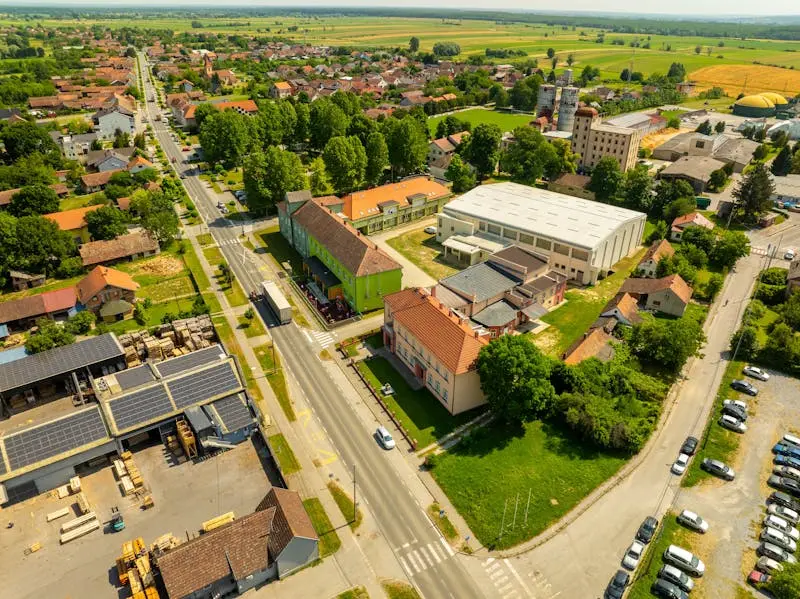
Mida teha kohas Plitvička Jezera, Croatia
Foto autor Vladimir Srajber Pexels.com lehel
Plitvička Jezera, Croatia kõige populaarsemad atraktsioonid
Peamised tegevused Horvaatias hõlmavad Plitvitsi järvede rahvuspargi avastamist koos selle 16 kaskaadse järve ja kristallselge veega, uitamist läbi Diocletianuse palee iidsete Rooma varemete Splitis ning peaaegu 2 kilomeetri pikkusel Dubrovniki linnamüüril kõndimist, et nautida hingematvaid Aadria mere vaateid. Igaüks neist pakub ainulaadset pilguheitu Horvaatia looduslikku ilu ja rikkalikku ajalugu.
1. Plitvice Lakes National Park
Plitvička Jezera
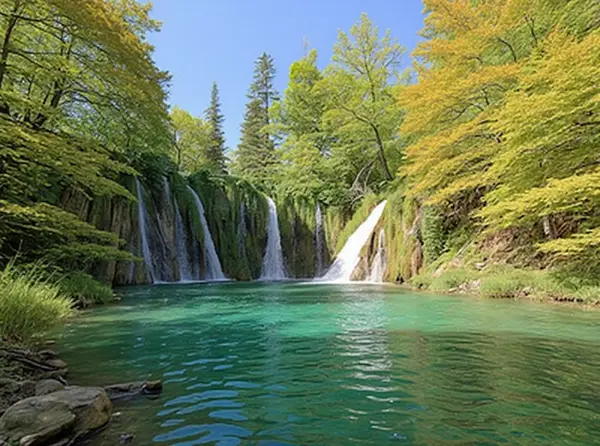
Türkiissinised järved ja kaskaadina langevad joad vana metsa raamistuses, hingemattev loodusmaastik. Jaluta puitlaudteedel, sõida järvepaadiga ja pildista võimsat Veliki Slapi juga.
Kiired faktid: Jalgrajad looklevad üle 16 terrassjärve, kus astmelised basseinid valgvad üksteisesse ja kosed sädelevad päikesevalguses silmapilkuva sinakasrohelisena. Oodata tuleb pidevat kosekohinat ja travertiini krõbinat jalge all, kuna mineraaliderikkad allikad ja lubjaladestused muudavad maastikku aeglaselt.
Esiletõstmised: Giidid juhivad sageli tähelepanu pisikestele ererohelistele samblamätastele, mis püüavad mineraale kinni ja aitavad ehitada travertiini tammesid, mis võivad kasvada kuni 1 cm aastas. Pane tähele vaikust, kui elektriline paat libiseb üle sügavaima keskjärve, õhk maitseb märja männi ja lubjakivi järele, samal ajal kui kosed trummeldavad kauguses.
Where to Stay in Plitvička Jezera, Croatia
Selected by City Buddy based on guest reviews and proximity to top attractions
Search all hotels in Plitvička Jezera, CroatiaPowered by agoda
Traditsioonilised magusad road
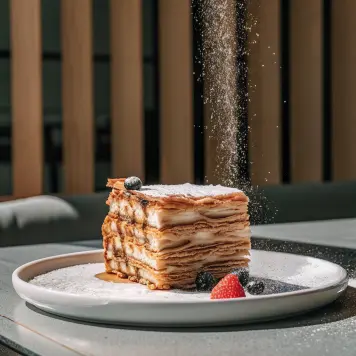
Kremšnita
A tall custard slice of layers of crisp puff pastry and silky vanilla custard, kremšnita is famously associated with Samobor and Zagreb, and locals often queue for it fresh from the patisserie.
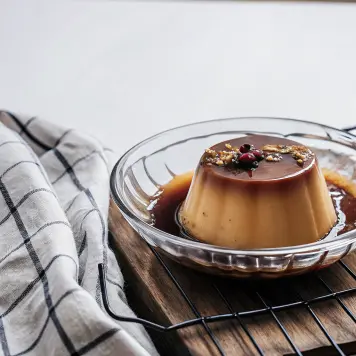
Rožata
A Dalmatian caramel custard traditionally scented with rose liqueur or rose water, rožata blends Mediterranean and Central European influences into a silky, fragrant dessert.
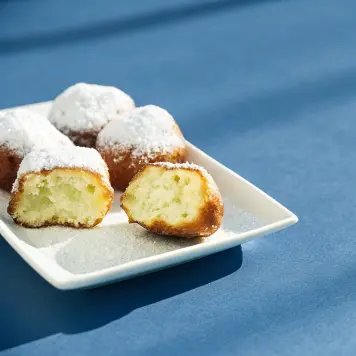
Fritule
Small, rum and citrus scented fritters dusted with powdered sugar, fritule are a beloved festive treat especially around Christmas, with family recipes handed down through generations.
Traditsioonilised soolased road
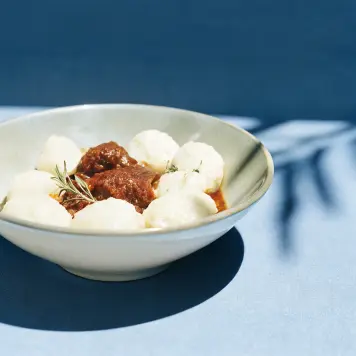
Pašticada
A slow-braised Dalmatian beef stew marinated in wine, vinegar and dried fruit, pašticada is a rich, celebratory dish typically served with gnocchi at feasts and family gatherings.
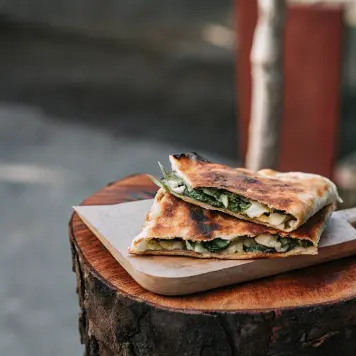
Soparnik
A paper-thin savory pie filled with Swiss chard, onions and garlic, soparnik is a rustic coastal specialty traditionally baked in a wood-fired oven and served at village celebrations.
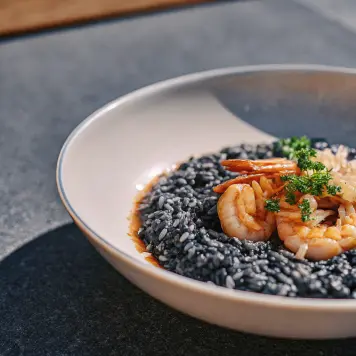
Crni rižot
A striking black risotto colored by cuttlefish or squid ink, crni rižot is prized on the Adriatic coast for its briny, umami-packed flavor and silky texture.
Traditsioonilised joogid

Rakija (Šljivovica)
A potent fruit brandy commonly made from plums or grapes, rakija is often homemade, served as a welcome drink, and plays a central role in Croatian hospitality and celebrations.

Maraschino
A cherry liqueur that originated in Zadar and is made from Marasca cherries including their pits, maraschino has a distinctive bitter-almond complexity and long history in European cocktails.
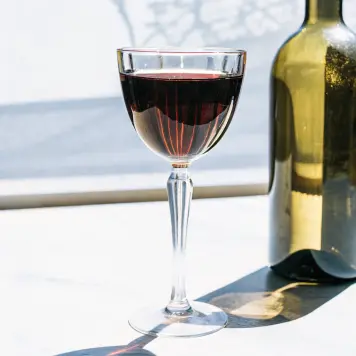
Plavac Mali wine
Made from the indigenous Plavac Mali grape of Dalmatia, these bold, tannic red wines show dark fruit and Mediterranean herb notes, with famed sites like Dingač producing age-worthy bottles.
Korduma kippuvad küsimused Plitvička Jezera, Croatia kohta
"Mis on parim aeg Horvaatiasse reisimiseks?"
"Kas Horvaatias on kallis elada või reisida?"
"Kui ohutu on kraanivesi Horvaatias?"
"Kuidas saab Horvaatias ringi liikuda?"
"Kui palju turiste külastab Horvaatiat igal aastal?"
Saada PDF kõige populaarsemate atraktsioonidega oma e-postile
Hangi PDF koos kõigi atraktsioonide, hinnangute ja nõuannetega. Täiuslik võrguühenduseta kasutamiseks.
Plitvička Jezera, Croatia kasulik info
Plitvička Jezera, Croatia ülevaade
Soovid Plitvička Jezera, Croatia päevapõhist plaani? Ava reisiplaneerija
Millal lähed Plitvička Jezera, Croatia?
Vali kuupäevad ja reisistiil, et saada:
Kas mõni neist on sulle eriti oluline?
Vali kõik, mis kehtib
Liikumine
Kuidas soovid paikade vahel liikuda?
Plaani keel: Eesti