 CityBuddy
 Eesti
Eesti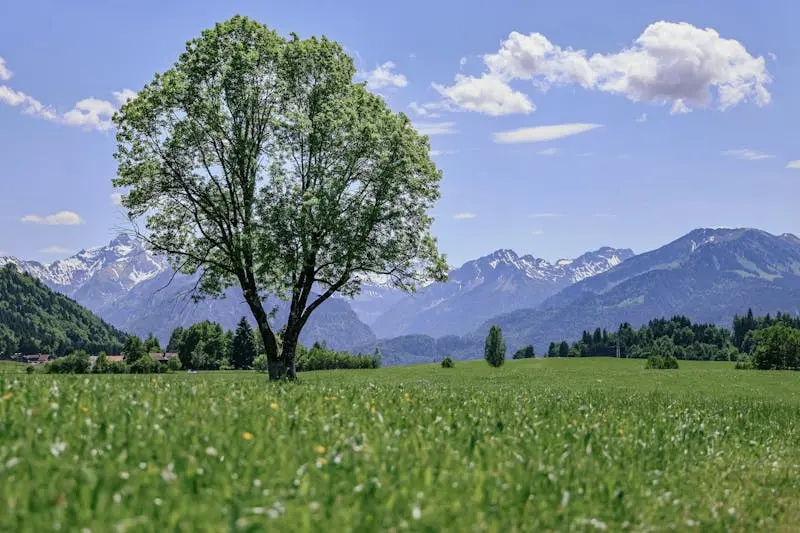
Mida teha kohas Bavaria, Germany
Foto autor Studio Lichtfang Pexels.com lehel
Millal külastada
Millal lähed Bavaria, Germany?
Vali kuupäevad ja reisistiil, et saada:
Kas mõni neist on sulle eriti oluline?
Vali kõik, mis kehtib
Plan language: EestiBavaria is the #1 city for healthcare in the world, based on our data across hundreds of destinations.
Bavaria, Germany kõige populaarsemad atraktsioonid
Kaaludes, mida teha Baieris Saksamaal, alusta muinasjutulise Neuschwansteini lossiga, mis inspireeris Disney'd ja asub järsul künkal Füsseni lähedal. Münchenis ühine kohalikega Hofbräuhausis, 500 aasta vanuses õllekojas, kus serveeritakse liitriste õllekruusidega. Marienplatzil asub kuulus Glockenspiel oma 43 kella ja 32 elusuuruses kujuga.
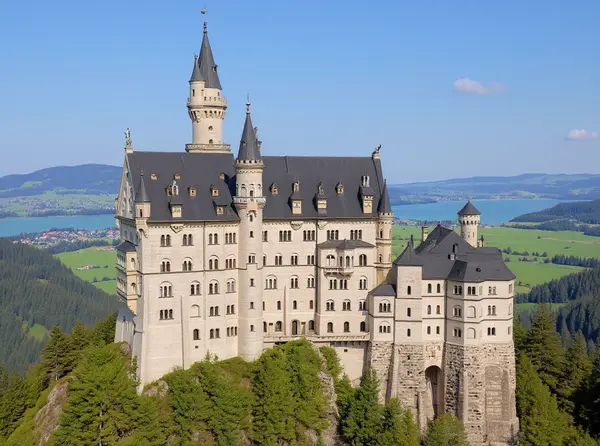
1. Neuschwanstein Castle
Astu Disney Lumivalgekese lossi tõelisse inspiratsiooniallikasse. Sa rändad läbi luigemotiividega kaunistatud uhkete saalide ja vaatad Baieri Alpidele kuninga privaatselt rõdult.
Kiired faktid: Kuningas Ludwig II veetis oma muinasjutulises puhkepaigas vaid 172 päeva enne oma salapärast surma 1886. aastal. Lossi uhke interjöör ei saanud kunagi täielikult valmis, vaid 14 tuba said lõpetatud enam kui 200 kavandatud ruumist.
Esiletõstmised: Troonisaal kavandati välja nägema nagu fantastiline Bütsantsi basiilika, kuid seal pole tegelikku trooni, vaid üksnes tühi platvorm, kuhu seda kunagi ei paigaldatud. Marienbrücke sillalt on näha lossi, mis asub dramaatiliselt 45-meetrise kose kohal Pöllati kuristikus.
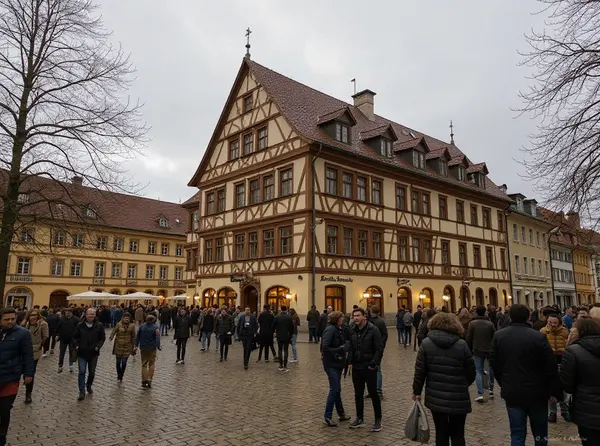
2. Hofbräuhaus
Tõsta liitrine õllekann sama maalitud lae all, kus kohalikud ja rändurid on klaase kokku löönud alates 1600. aastatest. Sa kuuled oompah-muusikat, jagad pikki puidust laudu võõrastega, kellest saavad sõbrad, ja maitsed kohapeal värskelt pruulitud õlut.
Kiired faktid: Iga päev voolab siin kraanidest läbi umbes 10 000 liitrit õlut, mis kõik on kohapeal pruulitud vastavalt 1516. aasta Baieri puhtuse seadusele. Hoone elas üle kaks maailmasõda ja ehitati pärast Teist maailmasõda uuesti üles, kasutades rusudest päästetud originaaltelliseid.
Esiletõstmised: Vaskpillibänd mängib otse-eetris igal õhtul kell 18.00 ja püsikülalistel on oma isiklikud õllekruusid lukustatud privaatkappides mööda seinu. Otsige kinni pandud "Stammtisch" laudu, kus Müncheni kohalikud on kogunenud iga neljapäev juba aastakümneid, mõned pered ulatuvad nelja põlvkonna taha.
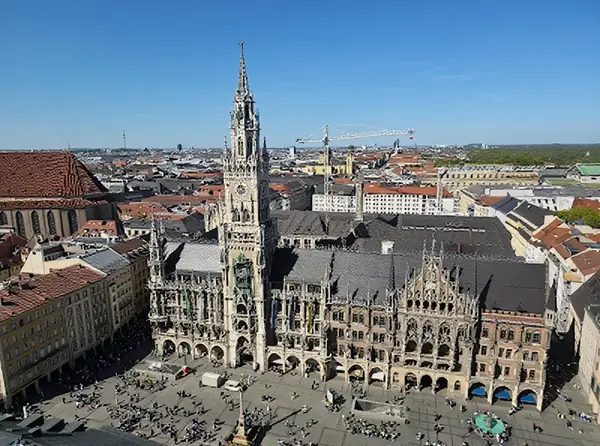
3. Marienplatz
Vaata, kuidas 43 kella helisevad ja 32 kujukest tantsivad läbi Glockenspieli kolme korruse. Tunne Müncheni pulssi, kui kohalikud kogunevad gooti raekoja all munakivisillutisele.
Kiired faktid: Kolm algset 14. sajandi tegelast tantsivad jätkuvalt ümber maipuu iga-aastasel Schäfflertanzil. Väljak tõmbab igal detsembril oma jõuluturuga ligi üle 1,5 miljoni inimese.
Esiletõstmised: Glockenspieli ülemisel korrusel mängivad elusuuruses figuurid läbi hertsog Wilhelm V pulma aastast 1568, samal ajal kui all teevad aadrilaskjad oma traditsioonilist tantsu 1517. aasta katkust pääsenute auks. Kellamäng heliseb iga päev kell 11 ja 12, tuues kokku rahvahulga, kes kuuleb 43 kella ja näeb 32 figuuri liikumas kolmel tasandil.
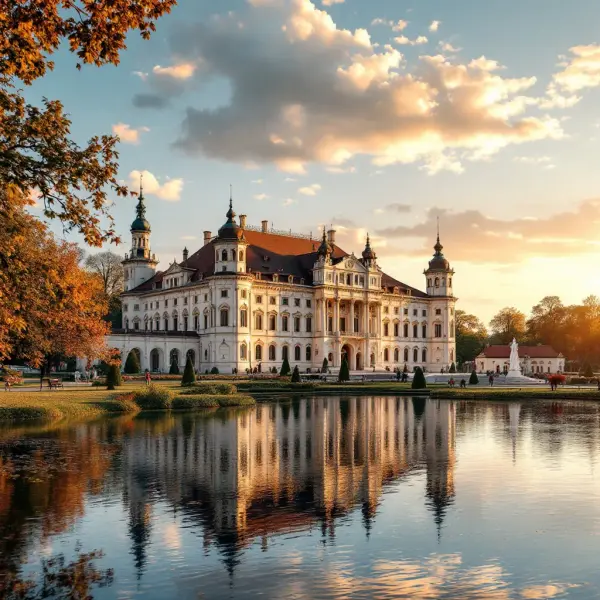
4. Nymphenburg Palace
Rända läbi uhkete saalide, kus Baieri kuninglik perekond kord suvekuumuse eest põgenes, ning jaluta siis Monacost suurematesse õitsevatesse aedadesse. Sa leiad sädelevaid vankrikogusid, peidetud portselanitöökoja ja kanalid, mis sobivad suurepäraselt lõõgastavaks paadisõiduks.
Kiired faktid: Algselt ehitatud Wittelsbachide dünastia suveresidentsiks, kavandati selle 200 meetri pikkune fassaad konkureerima Versailles'ga. Palee keskmises paviljonis asub kuulus Kaunitaride galerii, kus on 36 portreed 19. sajandi naistest, kelle kuningas Ludwig I valis ainult nende sarmi ja iseloomu põhjal.
Esiletõstmised: Palee lõunatiivas peidus on Marstallmuseum, kus asub maailma parim kuninglike vankrite ja saanide kollektsioon, sealhulgas kullatud koorikukujuline saan, millega Ludwig II ratsutas öösiti põlevate tõrvikutega. Piiluge lähedalasuvasse Museum Nymphenburg Porcelaini, et näha, kuidas käsitsi maalitud portselani on valmistatud kohapeal üle 260 aasta, kusjuures käsitöölised töötavad tänaseni samade ahjudega.
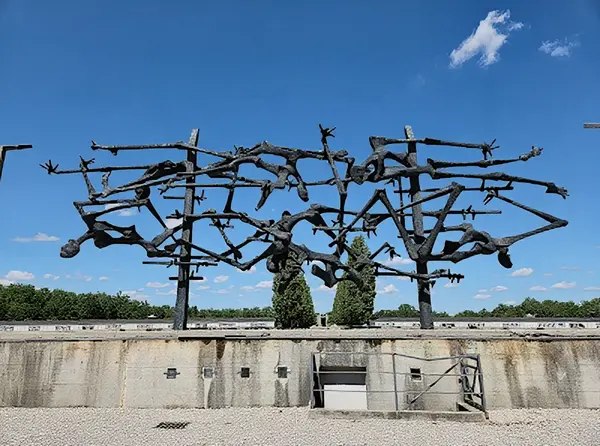
5. Dachau Concentration Camp Memorial Site
Seisa kohas, kus ajalugu muutis kurssi, paigas, mis määratles natside terrori enne Auschwitzit. Sa kõnnid läbi algse värava, näed 34 baraki allesjäänud vundamente ja kuuled ellujäänute tunnistusi.
Kiired faktid: Üle 200 000 vangi 30 rahvusest hoiti siin kinni Natsi-režiimi ajal, kuid ainult murdosa neist esineb kuulsatel fotodel. Praegu külastab seda paika üle 800 000 inimese aastas, kes kõnnivad läbi sama värava, millel on küüniku moto "Arbeit macht frei."
Esiletõstmised: Vangide barakid olid paigutatud täpsesse ruudustikku, et valvurid saaksid ühest valve tornist tulistada mööda mis tahes rivi, mis on jahutav arhitektuuriline disain, mida saate tänapäevalgi maapinnal jälgida. Mis teeb selle tõeliselt õõvastavaks, on kõndida samal kruusal, millel vangid saabudes kõndisid, kuulda krudinat oma jalge all täpselt nagu nemadki.
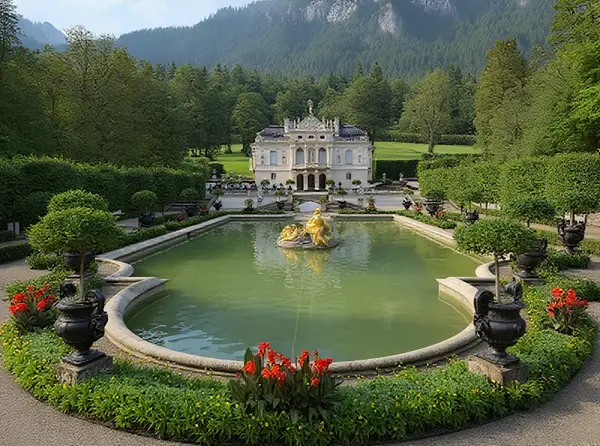
6. Linderhof Palace
Astu muinasjutupaleesse, kus kuningas ehitas oma eraelulise fantaasiamaailma. Sa rändad läbi sätendavate saalide, peidetud koopa, kus on tehisjärv, ja täiuslikult hooldatud aedade.
Kiired faktid: Kuningas Ludwig II kulutas sellele pelgupaigale üle 2 miljoni marga, millest rohkem kui pool läks vaid keerukatele aedadele ja purskkaevudele. Palee oli tema väikseim, kuid kõige kaunimini ehitud residents, kus iga pind seest oli kaetud kullalehe, peeglite ja keerukate nikerdustega.
Esiletõstmised: Kuulus Veenuse grott, 10-meetrine kunstlik koobas, mis on ehitatud palee territooriumile, pakub koske, värvilisi klaaslampe, mis muudavad värvi, ja järve luige kujulise paadiga. Ludwig laskis end üle selle sisejärve sõudda, kuulates samal ajal Wagneri oopereid, mis kajasid vastu koopa seinu.
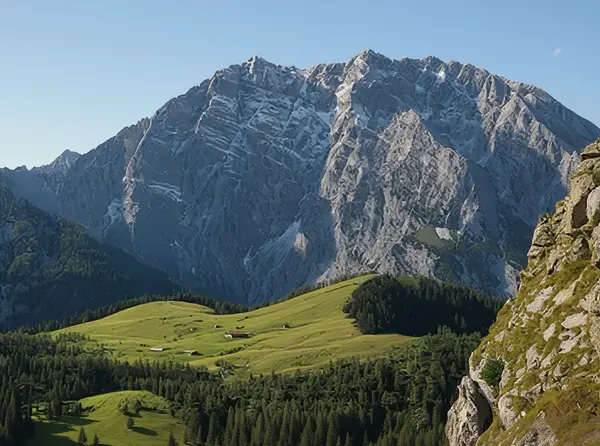
7. Bavarian Alps
Tooress alpi metsikus loodus, kus sakilised tipud kohtuvad lillevaipadega kaetud niitudega. Matka mööda kohisevaid juga, kristallselgeid mägijärvesid ja tohutute vaskkelladega karjatavaid lehmi.
Kiired faktid: Mõned Euroopa kõrgeimad tipud tungivad läbi nende nõlvade, kus Zugspitze kraabib taevast 2962 meetri kõrgusel. Üle 4000 taime- ja loomaliigi õitseb alpiniitudel ja lubjakivikaljudel, sealhulgas tabamatu kaljukotkas.
Esiletõstmised: Talupidajad siin praktiseerivad endiselt traditsioonilist transhumantsi, viies iga suvi 50 000 lehma kõrgetele karjamaadele, kandes samal ajal keerukaid peakatteid ja käsitsi nikerdatud kellasid, mis võivad kaaluda kuni 30 naela. Sadade lehmakellade kõlin, mis kajab päikesetõusul läbi orgude sügisesel laskumisel, on heli, mida te ei unusta.
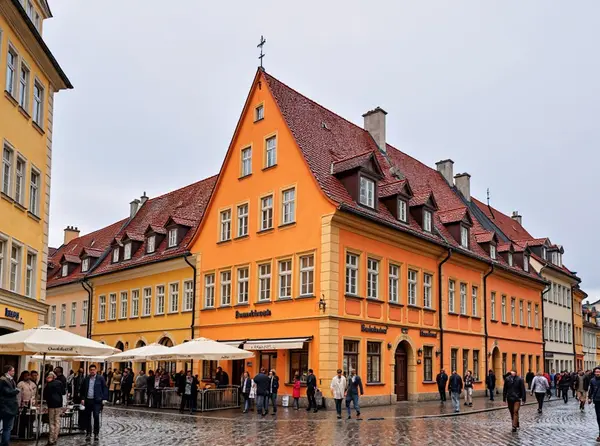
8. Bamberg Old Town
Rända läbi keskaegse linna, mis tundub kuidagi ajas tardunud, kanalitega, mis ristuvad munakivisillutisega tänavatel. Sa komistad poolpuitmajade, 900 aasta vanuse katedraali ja kohalike peale, kes rüüpavad rauchbier'i küünlavalges kõrtsides.
Kiired faktid: Vanalinn asub seitsmel mäel, millest igaüht kroonib kirik, mis on andnud sellele hüüdnime "Frangi Rooma". Üle 2000 keskaegse ja barokkhoone säilis II maailmasõjas suures osas tervena, tehes sellest ühe Saksamaa parimalt säilinud ajaloolisest keskusest.
Esiletõstmised: Kaks korda aastas levib kogu vanalinnas röstitud sibula lõhn Sandkirchweihi ajal, rahvapidustusel, mida on peetud üle 900 aasta. Võid märgata ka maailma väikseimat punaseks värvitud lõvikuju, mis on peidetud silmanähtavalt 15. sajandi raekojale.
Where to Stay in Bavaria, Germany
Selected by City Buddy based on guest reviews and proximity to top attractions
Search all hotels in Bavaria, GermanyPowered by agoda
Traditsioonilised magusad road

Schwarzwälder Kirschtorte
This famous Black Forest cake layers chocolate sponge with cherries and whipped cream. It gets its name from the Schwarzwald region and the cherry brandy known as Kirschwasser that gives it its distinctive flavor.
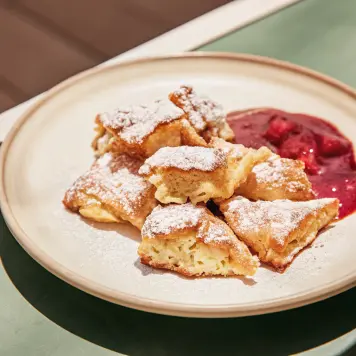
Kaiserschmarrn
This shredded pancake dessert is served with applesauce or plum compote. Legend says Emperor Franz Joseph I loved this fluffy treat, which is why it is named after him.
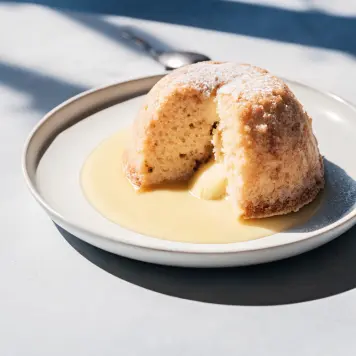
Dampfnudel
These steamed yeast dumplings are a Bavarian classic, often served with vanilla sauce or poppy seed butter. They are surprisingly light and fluffy despite their dense appearance.
Traditsioonilised soolased road
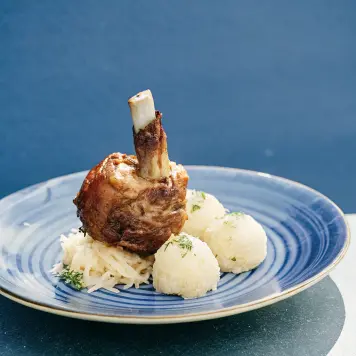
Schweinshaxe
This roasted pork knuckle has a famously crispy crackling exterior and tender meat inside. It is a staple at Oktoberfest and is traditionally served with potato dumplings and sauerkraut.
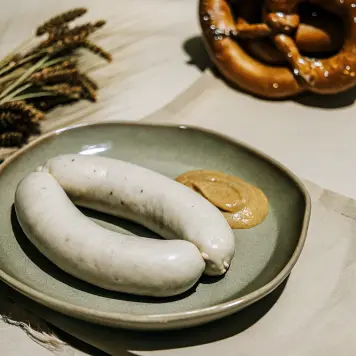
Weißwurst
Bavaria's famous white sausage is made from minced veal and pork back bacon. By tradition it should be eaten before noon, as it was made fresh daily and had no preservatives for the afternoon.

Leberkäse
Despite its name meaning "liver cheese," this Bavarian meat loaf contains no liver or cheese. It is made from finely ground corned beef, pork, and bacon, baked until it has a dark brown crust.
Traditsioonilised joogid
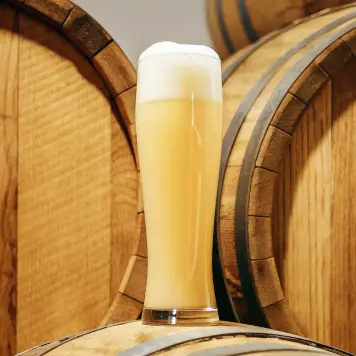
Weißbier
Bavaria's iconic wheat beer is unfiltered and naturally cloudy. It is traditionally served in a tall, narrow vase-shaped glass to showcase its golden haze and thick white foam head.
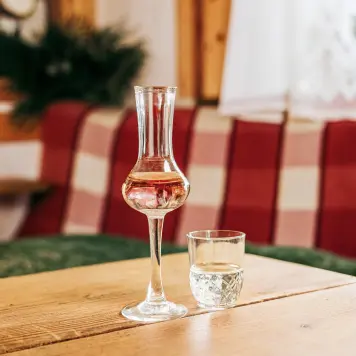
Obstler
This clear fruit brandy is a traditional Bavarian digestif, often made from apples, pears, or plums. It is commonly produced by small family distilleries in the Bavarian countryside.

Apfelschorle
This refreshing mix of apple juice and sparkling mineral water is the most popular non-alcoholic drink in Bavaria. It is enjoyed by people of all ages and is often served at family gatherings and festivals alike.
Frequently Asked Questions about Bavaria, Germany
Kas Baieri, Saksamaa on ohutu?
Mitu päeva Baieris, Saksamaal veeta?
Millal on parim aeg Baierit, Saksamaad külastada?
Kas Baier, Saksamaa on kallis?
Kuidas liikuda Baieris, Saksamaal?
Saada PDF kõige populaarsemate atraktsioonidega oma e-postile
Hangi PDF koos kõigi atraktsioonide, hinnangute ja nõuannetega. Täiuslik võrguühenduseta kasutamiseks.
Kõige populaarsemad päevareisid
Neuschwanstein Castle
Fairytale 19th-century castle perched on a rugged hilltop
Salzburg, Austria
Mozart's birthplace with baroque architecture and alpine views
Rothenburg ob der Tauber
Well-preserved medieval town on the Romantic Road
Garmisch-Partenkirchen
Alpine resort with Zugspitze, Germany's highest peak
Rent a car in Bavaria, Germany
Kuidas kohale jõuda
Raudteejaamad
ICE, EC, regional trains connecting to all major German cities
ICE and IC connections to Berlin, Frankfurt, and Munich
From Munich Airport, take the S-Bahn S1 or S8 to Munich Central Station. Direct train connections to Bavarian towns are frequent and reliable.
Leia lennud sihtkohta Bavaria, Germany
Klõpsa, et saada eSIM sihtkohta Bavaria, Germany
Lihtsaim ja taskukohaseim viis saada mobiilset internetti ükskõik kus sa reisid.
Kommentaarid (8)
Buy a Bayern Ticket at the DB machines for unlimited regional trains. Best 24 euros you'll spend for day trips around.
Overpriced and crowded in peak season. August was a mistake. Beautiful region but too many tourists everywhere.
Three days in Bavaria felt rushed. Wish I had at least a week to really explore the small towns and mountains.
Bavaria blew me away. The beer gardens alone are worth the trip, everything felt so relaxed and beautiful.
Skip the restaurant right at Marienplatz. Walk 5 minutes toward Sendlinger Tor, way better schnitzel for half the price.