 CityBuddy
 Eesti
Eesti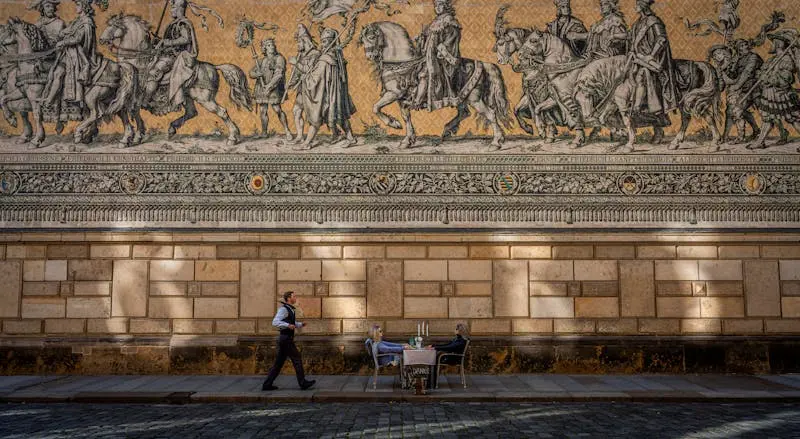
Mida teha kohas Dresden, Germany
Foto autor Duc N. Pexels.com lehel
Millal külastada
Millal lähed Dresden, Germany?
Vali kuupäevad ja reisistiil, et saada:
Kas mõni neist on sulle eriti oluline?
Vali kõik, mis kehtib
Plan language: EestiDresden, Germany kõige populaarsemad atraktsioonid
Et näha Dresdenis Saksamaal suurepäraseid tegevusi, alusta Zwingeri paleest, barokiajastu meistriteosest, mille kroonivärav ja lai õu majutavad vanade meistrite maale, sealhulgas Raphaeli Sistina Madonnat. Paari sammu kaugusel kõrgub taastatud Dresdeni Frauenkirche oma 96-meetrise liivakivist kupliga. Muusikasõbrad peaksid piletid broneerima Dresdeni Semperoperisse, 1300-kohalisse ooperimajja Elbe kaldal.
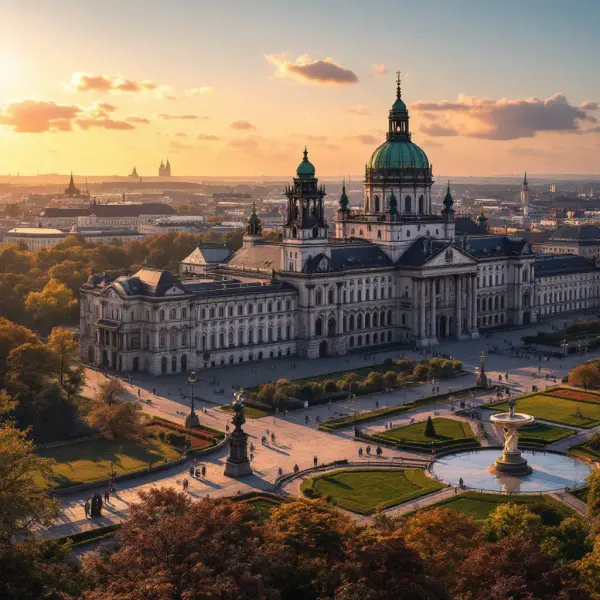
1. Zwinger Palace
Barokkpalee siseõu, mida ümbritsevad õrnad kivist galeriid ja mis on täis üle miljoni portselanist aaret. Jaluta läbi õhuliste arkaadide, avasta kuulus "Sixtuse madonna" ja vaata kuldsel tunnil, kuidas valgus tantsib üle purskkaevude.
Kiired faktid: Zwingeri laialivalguvad barokkgaleriid mahutavad üle miljoni portselanitüki, moodustades ühe maailma suurima portselanikogu. Selle hiiglaslikus õues peeti kunagi uhkeid õukonnafestivale sadade laternate, orkestriettekannete ja isegi mehaaniliste purskkaevudega, mis pritsisid veini.
Esiletõstmised: Seisa kroonivärava käigul ja plaksuta korra käsi. Kaare täiuslik akustika saadab heli tagasi selge ja terava kajana, mis tundub peaaegu üleloomulik. Arhitekt Matthäus Daniel Pöppelmann kavandas selle tahtlikult, et võimendada kuninglikke väljakuulutamisi ja muusikat õuepidustuste ajal.
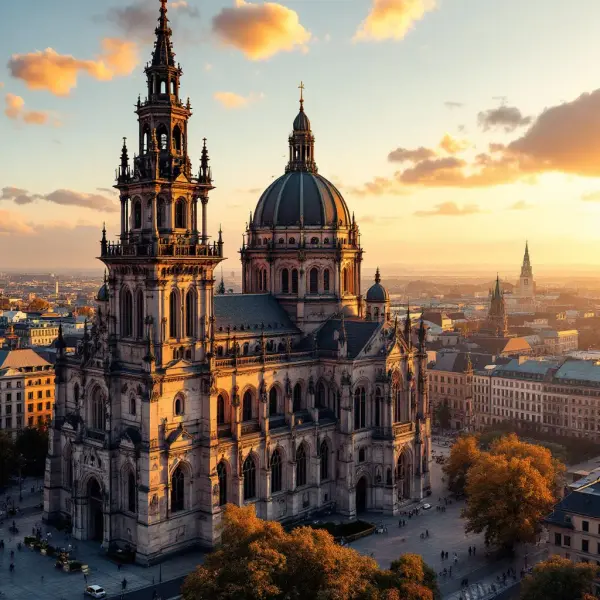
2. Frauenkirche Dresden
Ustav rekonstruktsioon 8 400 nummerdatud rusukivihunnikust teeb sellest elava rahumälestusmärgi. Sees peatab su sammu pastelsete värvide kaleidoskoop 360-kraadiselt rõdult ja hõõguv kuldne altar.
Kiired faktid: Kiriku taastamiseks pärast Teises maailmasõjas hävimist kasutati üle 9500 tonni liivakivi, kusjuures 8400 algset kivi nummerdati hoolikalt ja kasutati uuesti. Iseloomulik 96-meetrine kuppel, mida hoidis koos kohaliku sepa sepistatud raudvöö, pidas vastu 200 pommitabamust enne kui varises tulepommitamise teisel päeval.
Esiletõstmised: Vaadake hoolega välisseinu ja märkate tumedaid, kõrbenud kive heledate uute kõrval - tahtlikku "kivimosaiiki", mis jutustab hävingu ja taassünni lugu. Üksik rist kupli tipul sepistati rusudest leitud naeltest Briti sepa poolt, kelle isa oli Teise maailmasõja pommilendur - vaikne lepitusžest.
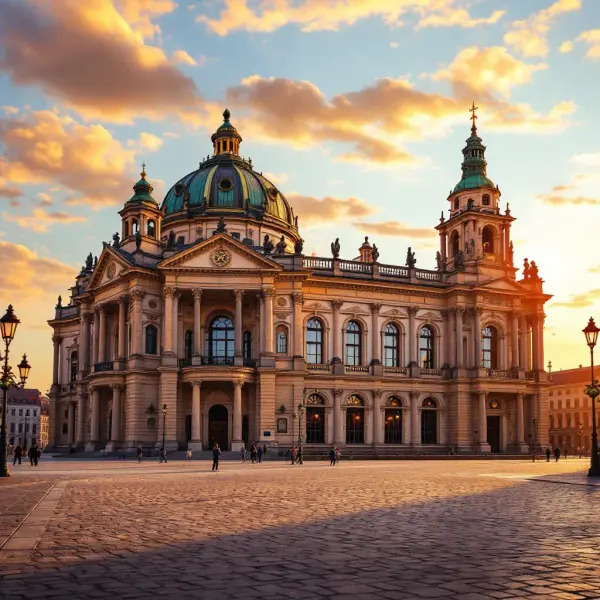
3. Semperoper Dresden
Ooperit siin vaadates istud sa ühes maailma akustiliselt kõige täiuslikumas saalis, mis on kaks korda tuhast üles ehitatud. Sa kuuled lauljate igat hingetõmmet ja iga poognahoopi ükskõik milliselt 1 300 istekohalt.
Kiired faktid: Kaks ulatuslikku tulekahju ja 1945. aasta pommitamine on selle ooperimaja iga kord varemeteks muutnud, kuid Dresdenlased ehitasid selle iga kord valusa täpsusega uuesti üles. Algne 1841. aasta arhitekt kavandas auditooriumi tahtlikult väljastpoolt nähtamatuks, lastes muusikal ja etendusel saada täielikuks kogemuseks.
Esiletõstmised: Auditooriumi sees kõverdub astmeline istumisala nagu hiiglaslik merekarp viies graatsilises reas ning igalt ühelt 1300 istmelt näed lavalt selgelt. Algne 19. sajandi ventilatsioonisüsteem kasutas hoone südamikku läbivaid peidetud korstnaid, tõmmates sooja õhu välja ilma sosinatagi, nii et ükski ventilaatorimüra ei katkesta kunagi pianissimo-passi.
Kas oled kuulnud tasuta jalutuskäikudest?
Pärast reisimist üle 30 riigi on üks asi, mida sooviksin, et keegi oleks mulle esimesest päevast peale öelnud, ja see muutis täielikult minu linnakogemust.
Tasuta jalutuskäigud. Jah, tõesti tasuta. Kaarti ei ole vaja. Püüniseid pole.
Kohalik giid, 2-3 tundi
Peamised vaatamisväärsused, peidetud pärlid, kohalikud lood
100% jootraha põhine
Giidid teenivad ainult jootraha, seega annavad nad parima
Sa annad jootraha nii palju kui tunned õigeks
Lõpus annad lihtsalt jootraha nii palju kui tunned õigeks
Olen neid teinud paljudes linnades ja need on olnud peaaegu iga reisi tipphetk. Kui külastad Dresden, Germany, tee seda esimesel päeval. Sa tänad mind hiljem.
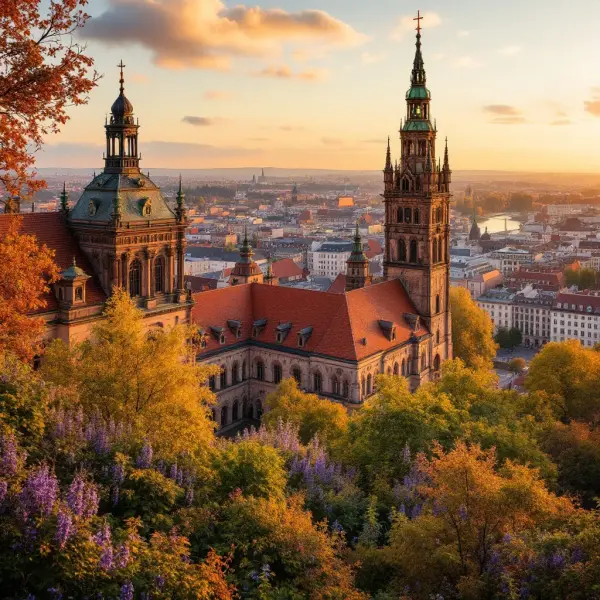
4. Fürstenzug
Mitte kusagil mujal maailmas ei leia sa suurimat eales valmistatud portselanist kunstiteost, mis ulatub üle terve linnaploki. Kõnni mööda 24 000 käsitsi maalitud Meißeni plaati, mis kujutavad ligi tuhandet aastat kuninglikku ajalugu.
Kiired faktid: 102 meetri ulatuses Dresdeni kuningapalee seinal kulgev portselanist rongkäik koosneb 93 elusuuruses figuurist, mis on paigutatud ligikaudu 24 000 Meisseni portselanplaadile. Iga figuur kujutab Wettini valitsejat või tähelepanuväärset isikut, kes sammuvad kronoloogilises järjekorras 12. sajandist kuni 20. sajandi alguseni.
Esiletõstmised: Enamik külastajaid ei märka, et keraamilised plaadid tegelikult peaaegu tervikuna säilisid Dresdeni 1945. aasta pommitamises, samal ajal kui kogu palee nende ümber kokku varises. Plaadid vajasid vaid õrna veega puhastamist, et tahm eemaldada, ning need on tänapäeval üks väheseid originaalseid sõjaeelseid pindu, mis linnas veel nähtavad on.
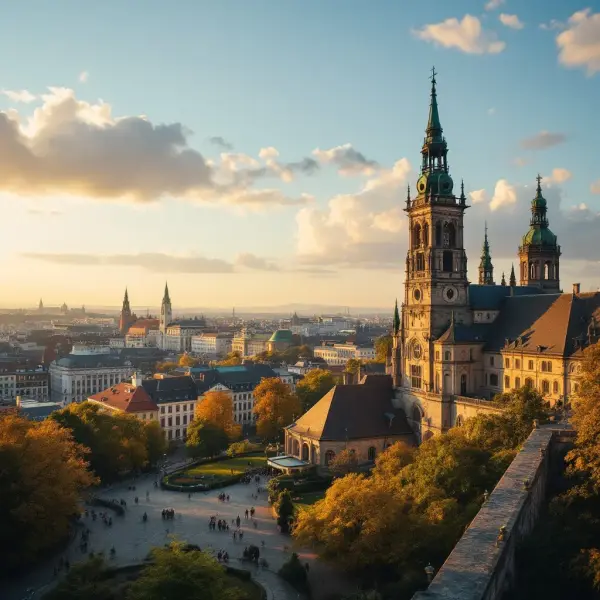
5. Brühl's Terrace
Mitte kusagil mujal Dresdenis ei saa sa ühelt kohalt silmitseda tervet linna siluetti. Tule 180-kraadise jõevaate pärast, jää kuldse tunni valgusmängu pärast liivakivil ja tornikiivritel.
Kiired faktid: Peaaegu 500 meetrit piki Elbe jõge ulatuv liivakivist terrass tõuseb dramaatiliselt veest kõrgemale ja pakub katkematut panoraamvaadet kogu Dresdeni siluetile. Kohalikud kutsuvad seda hellitavalt "Euroopa rõduks," hüüdnime, mille andis 19. sajandi maalikunstnik, kes oli lummatud selle avaratest vaadetest.
Esiletõstmised: 1814. aastal andis pettunud kindral käsu keskaegne kindlusmüür, mis kunagi siin seisis, muuta avalikuks promenaadiks, muutes kaitsetõkke üheks Euroopa kaunimaks linna vaatepunktiks. Kolm terrakotavärvilist treppi, igaühes 74 astet, viivad külastajad jõeäärselt tasandilt üles ning päikesetõusul helendab liivakivi nii soojalt, et fotograafid laagristuvad tund aega varem, et oma koht kindlustada.
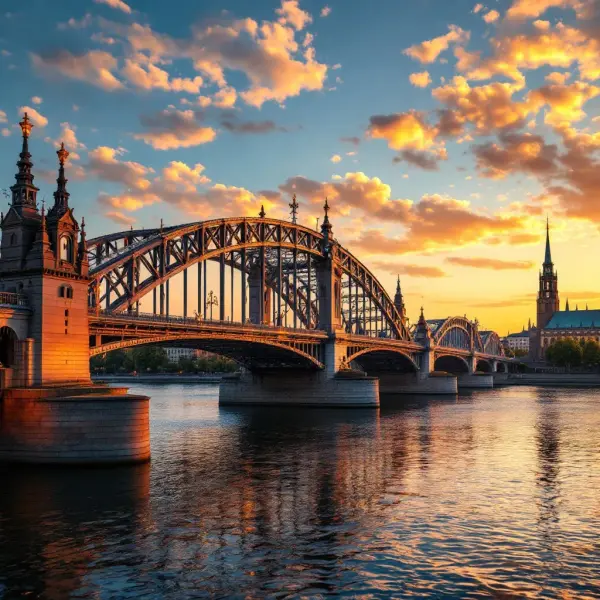
6. Loschwitz Bridge (Blue Wonder)
Blue Wonder
Haara esireakoht 130-aastase inseneriime juures, mis kannab endiselt iga päev tramme ja autosid. Jaluta või sõida rattaga üle Elbe, imedes endasse avaraid vaateid Dresdeni Elbe orule.
Kiired faktid: 280 meetrit üle Elbe jõe ulatuv terasest konsool-tugisild oli oma avamise ajal esimene omataoline Euroopas. Selle iseloomulik sinakasroheline värvus pärineb üle 30 000 liitri värvist, andes kohalikele südamliku hüüdnime "Blaues Wunder".
Esiletõstmised: 141 meetri pikkune keskava oli oma 1893. aasta ehituse jaoks nii julge, et insenerid ei vajanud vees tugisambaid, mis oli radikaalne esimene Euroopa sillaehituses. Võite seista all Loschwitzi jõekaldal ja näha, kuidas kogu 2500-tonnine konstruktsioon ripub koos vaid neetide ja terasepingega.
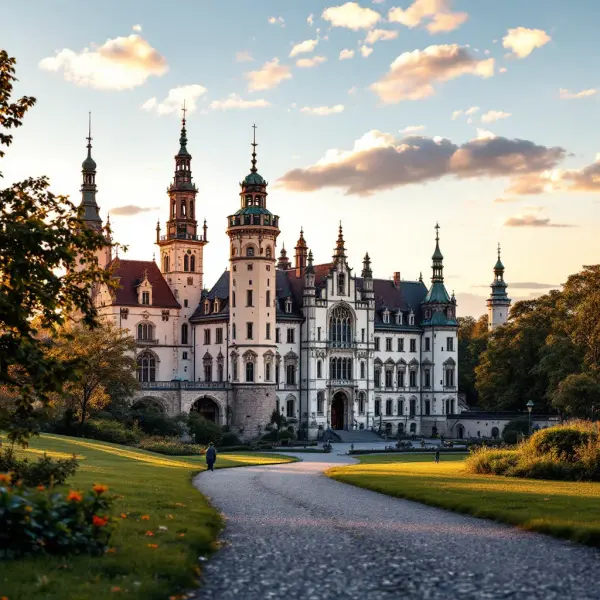
7. Pillnitz Castle
Hiina stiilis palee Elbe ääres, otsekui muinasjutust. Jaluta läbi uhkete saalide, vaata hooajalist lillenäitust oranžeerias ja naudi kohvi jõeterrassil.
Kiired faktid: Hiina töölised värvisid tuhandeid miniatuurseid stseene lossi seintele kasutades ehtsat kuldlehte, detail, millest enamik külastajaid lihtsalt mööda kõnnib. Loss asub otse Elbe jõe ääres ja selle maa-alad ujutatakse üle mitu korda aastakümne jooksul, sundides töötajaid hindamatu väärtusega mööblit kõrgematele korrustele tõstma.
Esiletõstmised: Igal suvel muutub lossi laialivalguv inglise aed lavaks Euroopa vanimale rahvalikule paadiparaadile, kus tosinad rikkalikult kaunistatud laevad hõljuvad mööda Elbet. Ühel juulikuu nädalavahetusel täituvad lossi rahulikud jõeäärsed muruplatsid kostümeeritud esinejatega, traditsiooniline muusika kajab üle vee, samal ajal kui ilutulestik sähvib tornide kohal.
Where to Stay in Dresden, Germany
Selected by City Buddy based on guest reviews and proximity to top attractions
Search all hotels in Dresden, GermanyPowered by agoda
Traditsioonilised magusad road

Dresdner Stollen (Christstollen)
This famous fruit bread has been baked in Dresden since the 14th century. The original version was so bland due to Lenten butter restrictions that Saxon nobles had to petition the Pope for permission to use butter.
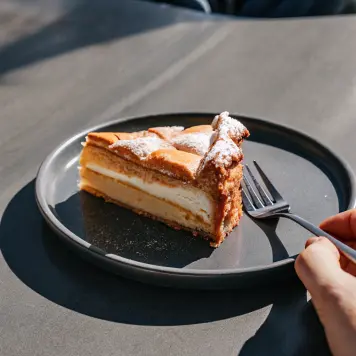
Dresdner Eierschecke
This layered cheesecake has a name derived from "Eierschecke," referring to a type of fabric underskirt, because the cake's layers resemble the ruffled hem of a dress. It features a quark cheese layer, custard, and a thin yeast dough base.

Pulsnitzer Pfefferkuchen
These traditional gingerbread-like spiced cookies come from the Pulsnitz region near Dresden. They are made with honey and a secret blend of spices, and have been baked using traditional recipes for over 400 years.
Traditsioonilised soolased road

Sächsischer Sauerbraten
Unlike other German versions made with beef, the Saxon Sauerbraten is traditionally made with horse meat, though beef is much more common today. The meat is marinated for several days in a mixture of vinegar, wine, and spices before slow roasting.

Leipziger Allerlei
Despite its name referencing Leipzig, this vegetable medley of peas, carrots, asparagus, and morels originated in the wider Saxony region including Dresden. It was once called "the most expensive vegetable side dish in the world" due to its use of premium ingredients.

Quarkkäulchen
These small fried potato-quark dumplings are a Saxon specialty that can be served savory with sauerkraut or sweet with applesauce and cinnamon sugar. They were a favorite dish of the Saxon royal court in Dresden.
Traditsioonilised joogid

Radeberger Pilsner
Brewed just outside Dresden in Radeberg since 1872, this is one of Germany's most famous pilsner beers. It was the official beer of the Saxon royal court and was even served on the Titanic.

Dresdner Christstollen Punch
This warm winter punch is a beloved treat at the Dresden Striezelmarkt, Germany's oldest Christmas market dating back to 1434. It combines rum, tea, and spices, traditionally served in a festive mug.

Altschadower Fassbrause
This traditional Saxon soft drink is made from a mix of malt, fruit extracts, and spices, creating a slightly fizzy, tangy flavor. It was a popular non-alcoholic alternative in Dresden breweries dating back over 100 years.
Frequently Asked Questions about Dresden, Germany
Kas Dresden, Saksamaa on turistidele ohutu?
Kui mitu päeva on Dresden, Saksonmaas wsov Astra?
Missugune on parim aeg Dresdenin, Saksamaa küдen?
Cax Dresden, Saksmaa on turists jeel koday?
Mozdedku saabDrestes linna?
Saada PDF kõige populaarsemate atraktsioonidega oma e-postile
Hangi PDF koos kõigi atraktsioonide, hinnangute ja nõuannetega. Täiuslik võrguühenduseta kasutamiseks.
Kõige populaarsemad päevareisid
Meissen (Meißen)
Charming town known for its famous Meissen porcelain and picturesque old town.
Saxon Switzerland National Park
Stunning sandstone rock formations, hiking trails, and the iconic Bastei Bridge.
Leipzig
Vibrant city with music heritage, museums, and a lively cultural scene.
Prague, Czech Republic
Historic capital with Gothic architecture, Charles Bridge, and Old Town Square.
Moritzburg Castle
Fairytale Baroque castle surrounded by a scenic lake and forest.
Rent a car in Dresden, Germany
Kuidas kohale jõuda
Lennujaamad
Raudteejaamad
ICE, IC, EC, regional trains to Berlin, Leipzig, Prague, and across Saxony
ICE, regional trains and S-Bahn connections
From Dresden Airport, take tram line 7 or S-Bahn S2 to the city center in about 20 minutes. From the main train station, trams and buses connect to all major attractions.
Leia lennud sihtkohta Dresden, Germany
Klõpsa, et saada eSIM sihtkohta Dresden, Germany
Lihtsaim ja taskukohaseim viis saada mobiilset internetti ükskõik kus sa reisid.
Dresden, Germany kasulik info
Dresden, Germany ülevaade
Most popular itineraries for Dresden, Germany
Browse trip plans created by other travelers
Kommentaarid (8)
Buy the Dresden City Card if you plan to hit more than 2 museums. Pays for itself and includes transit. Saved us like 20 euros.
The tram system is super easy and runs on time. Download the DVB app for tickets. Way faster than waiting for buses.
The Frauenkirche is incredible but honestly the whole city center felt like a museum piece. Beautiful but didn't feel alive.
Get dinner in Neustadt not Altstadt. Walk across the river. Same quality food for half the price and actual locals eat there.
Mixed feelings. Some parts are gorgeous rebuilt architecture but a lot of construction still going on. Give it 2-3 days max.