 CityBuddy
 Eesti
Eesti
Mida teha kohas Ica, Peru
Foto autor Asia Culture Center Pexels.com lehel
Millal külastada
Ica, Peru kõige populaarsemad atraktsioonid
Üks parimaid tegevusi Icas, Peruu on liivaluidel sõitmine Huacachina oaasis, mida ümbritsevad 1000 jala kõrgused liivamäed. Külastage Bodega Tacamat, Peruu vanimat viinamarjaistandust, mis asutati 1540. aastal, kus saate maitsta piskot ja veini. Ica regionaalmuuseum eksponeerib 10 000 aasta vanuseid esemeid, sealhulgas kahanenud päid.

1. Huacachina Oasis
Laske liivaga alla 300 meetri pikkustelt luitedelt ning seejärel sukelduda smaragdrohelisse laguuni keset kõrbe. Tunne düünibugide adrenaliini, kui nad lendavad üle hiiglaslike liivamägede, enne kui päikeseloojang värvib kõik kuldseks.
Kiired faktid: Surrounded by towerivaid liivaluiteid, mis ulatuvad üle 300 meetri kõrguseni, asub see smaragdroheline laguun Sechura kõrbe südames. Kohaliku legendi järgi tekkis oaas, kui veest ilmus kaunis merineitsi, meelitades mehi oma maagilisse maailma.
Esiletõstmised: Pärast päikeseloojangut muutuvad laguuni ümbritsevad liivaluited looduslikuks amfiteatriks, kus tuul loob kummitavaid meloodiaid liivaterade kokkupõrkel. Reisijad võivad ronida kõrgeimale liivaluitele hämarikus ja jälgida, kuidas taevas muutub tulioranžist sügavlillaks, samal ajal kui oaasi tuled allpool särama lüüvad.
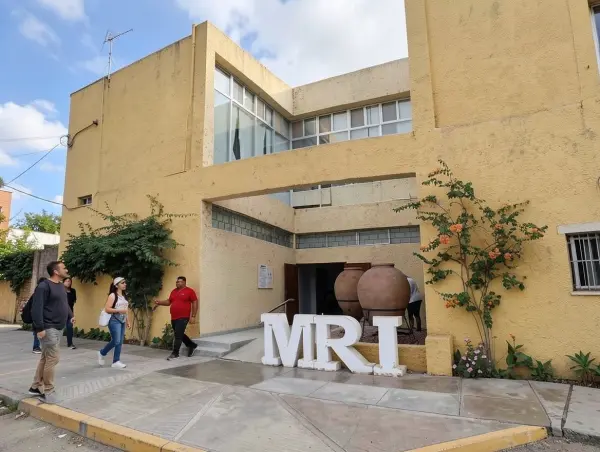
2. Regional Museum of Ica
Näe maailma suurimat kollektsiooni piklikke Paracase koljusid ja keerukaid Nazca keraamikat kõike ühe katuse all. Jaluta läbi tubade, mis on täis muumiaid, iidset kuldsepaistööd ja erksaid tekstiile, mis toovad ellu Peruu kolumbuseelsed kultuurid.
Kiired faktid: Muuseum hoiab endas üle 10 000 iidse eseme Paracase, Nazca ja Inca tsivilisatsioonidest. Paracase kultuuri piklikud koljud asetsevad koos keraamika, tekstiilide ja ruumiga, mis on pühendatud salapärastele Nazca joontele.
Esiletõstmised: Saalis on eksponeeritud üle 300 pikliku koljuga, millel on kolju deformatsioon, mõned neist on säilitanud juuste ja pehmete kudede jäänuseid isegi 2000 aasta möödudes. Kliimakontrolliga ruumis olevad muumiakimbud näitavad keerukaid tekstiilimähkimistehnikaid, mis on säilitanud orgaanilist materjali sajandeid.
3. Bodega Tacama
Naudi Peruu parimat piscolt sealsamas, kus veinivalmistus on katkematult käinud peaaegu 500 aastat. Sa rändad viinapuudega kaetud õuedel, jälgid käsitsi villimist ja maitsed kaheksat erinevat veini ja piscolt ühe pärastlõuna jooksul.
Kiired faktid: Peruu vanim veinitehas on tootnud veini ja piskot alates 1540. aastast, olles üks vanimaid viinamarjaistandusi Ameerikas. Veinitehas kasutab gravitatsioonijõul töötavat niisutussüsteemi, mis tugineb endiselt enam kui 1000 aastat tagasi kolumbuse-eelsete kultuuride rajatud kanalitele.
Esiletõstmised: Külastajad saavad maitsta Tacama auhinnatud piskot otse 400 aasta vanuse oliivipuu kõrval, mis on olnud tunnistajaks igale saagikoristusele alates koloniaalajast. Veinitehas kääritab osa oma veine endiselt maa alla maetud tohututes saviamforates, mis on pärindus põlisrahvaste veinitootjatelt ja annab veinile eriliselt mullase, mineraalse lõppmaitse.

4. Cathedral of Ica
Ole tunnistajaks Peruu ühele intensiivsemale usulisele rongkäigule, kus 40 000 usklikku kõnnivad paljajalu läbi tänavate. Seest leiad Kristuse kuju salapärase tumeda tooniga, mida teadlased siiani seletada ei suuda.
Kiired faktid: Selle kaksiktornid kõrguvad Ica liivaste tänavate kohal ning katedraal ehitati uuesti üles pärast laastavat 2007. aasta maavärinat, mis purustas suure osa algupärasest ehitisest. Ustavad kogunevad siia aastaringselt, et austada Señor de Lurenit, tumedanahalist Kristuse kuju, mis on üle elanud sajandeid looduskatastroofe.
Esiletõstmised: Iga märtsis kannab massiivne purpurrüüsse riietatud rongkäik Señor de Lurenit läbi tänavate 18 tundi järjest, meelitades kohale üle 40 000 pühendunu, kes kõnnivad paljajalu kuumal asfaldil pühendumise märgina. 16. sajandist pärit originaalkuju elas üle 1746. aasta maavärina, mis tasandas esimese kiriku, kuid selle salapärast tumedat jume pole ükski pigmendianalüüs kunagi seletanud.
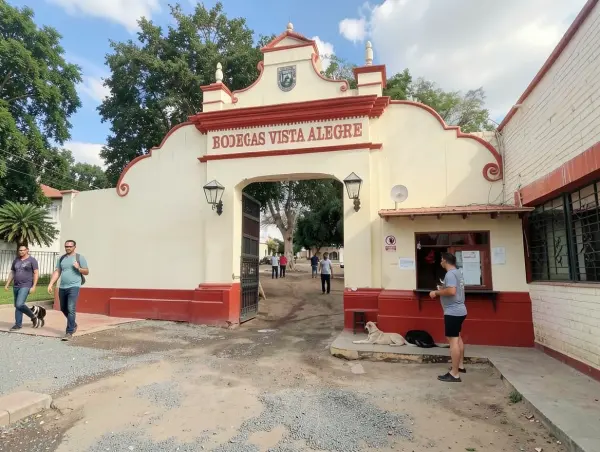
5. Bodega Vista Alegre
Maitsesta Peruu parimat piscolt, mida on siin toodetud üle 160 aasta. Jaluta läbi küünlavalgusega valgustatud maa-aluste keldrite ning seejärel maitsta valikut ühest sordist valmistatud piscosid otse allikast.
Kiired faktid: Peruu vanim tegutsev veinitehas on pressinud viinamarju alates 1857. aastast. Mõisa maa-alused keldrid mahutavad üle 300 Prantsuse tammevaadi, milles mõned piskod laagerduvad üle kümne aasta enne villimist.
Esiletõstmised: 150 aasta vanune maa-alune tunnelite süsteem, mis on raiutud kõrbe pinnasesse, hoiab vaatide temperatuuri aastaringselt konstantsel 18°C ilma igasuguse kaasaegse jahutuseta. Külastajad saavad kõndida nendes küünlavalgusega tunnelites ja hingata sisse Quebranta viinamarjade magusat lõhna, mis on jahedas õhus tihedalt tunda.
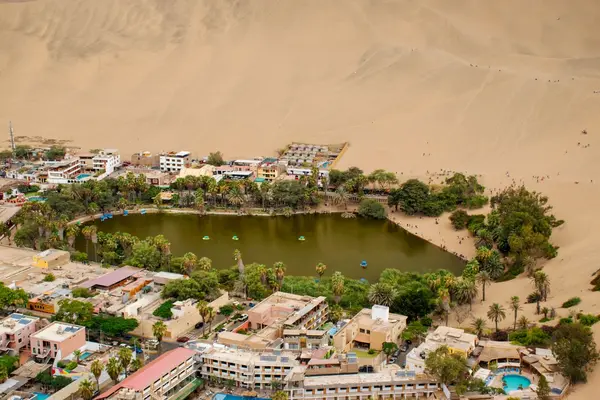
6. Laguna de Huacachina
Mitte kusagil mujal ei saa sa liulauaga alla 100 meetri kõrgustelt liivaluitedelt ja siis minutite pärast jahtuda kõrbelaguunis. Tunne düünibugide tuhinat, kui need ronivad järskudel nõlvadel hullude nurkade all, samal ajal kui kõrb laiub lõputult sinu ümber.
Kiired faktid: Looduslik oaas, mida ümbritsevad üle 100 meetri kõrgused liivaluited, asub see laguun Peruu rannikukõrbe keskel. Legendi järgi tekkisid veed südamevalusast printsessi pisaratest, põimides müüdi ühe Lõuna-Ameerika viimase loodusliku oaasiga.
Esiletõstmised: Päikeseloojangu ajal muutuvad luited kuldsest sügavoranžiks, samal ajal peegeldab laguun muutuvat taevast, luues sürreaalse peegeldusefekti, mida saab näha ainult kõrgeima luite tipust. Kohalikud liivalauasõitjad on aastakümnete jooksul raiunud nendel nõlvadel oma rajad, kihutades alla kiirusega üle 50 km/h, kasutades vaid vahatatud puidust laudu.
7. Bodega Lazo
Naudi auhinnatud piscolt otse vaadist ühes Ica viimases perekonna juhitud väiketootjas. Jaluta läbi päikesest läbiimbunud õuede, mis on ääristatud savist amforadega, õppides samal ajal Peruu rahvusjoogi valmistamise kunsti.
Kiired faktid: Pereettevõte alates 1920. aastast, purustab veinitehas oma viinamarju vanamoodsal viisil, kasutades 120 aasta vanust kivipressi. Külastajad saavad degusteerida 12 erinevat pisco ja veini sorti ringkäigu ajal, mis lõpeb sajandivanuste viigipuude varjus õuel.
Esiletõstmised: Kolmanda põlvkonna omanikud tallavad viinamarju endiselt jalgadega koristushooajal, seda traditsiooni on näha läbi tootmishalli avatud akende. Iga aastakäik märgistatakse käsitsi kirjutatud siltidega, muutes iga pudeli ainulaadseks kollektsioneeritavaks esemeks.
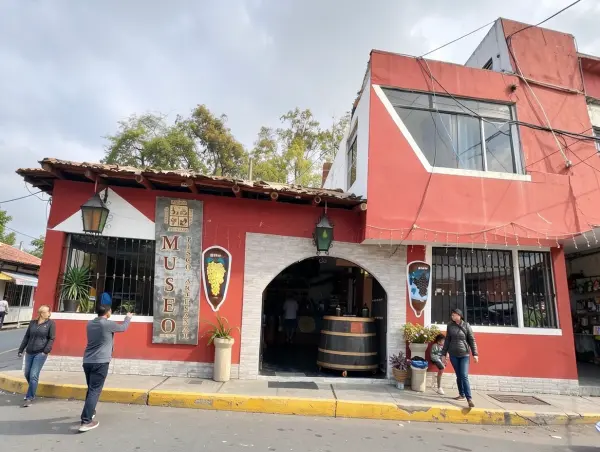
8. Museo del Pisco
Maitse teel läbi Peruu rahvusjoogi ainsas muuseumis, mis on pühendatud täielikult piscotele. Sa proovid kõike alates puhtast Quebrantast kuni aromaatse Italia sortideni, õppides samal ajal õige pisco sour loksutamise kunsti.
Kiired faktid: Peruu tunnuslik viinamarjabrandy sünnib ellu restaureeritud 19. sajandi mõisas, kus degusteerimiseks on saadaval üle 80 pisco sordi. Muuseum jälgib selle vaimu arengut Kolumbuse-eelsetest kääritustehnikatest tänapäevaste destilleerimismeetoditeni, mida kasutatakse 5 tootmispiirkonnas.
Esiletõstmised: Töötav vaskne pottkolb aastast 1890 asub peasaali keskel ja seda kasutatakse siiani nädalavahetuse demonstreerimistel, mis täidavad ruumi magusa viinamarjaauruga. Külastajad saavad oma klaaspudeleid vaha sisse kasta, et pitseerida isikupärane segu, mille nad loovad segamise jaamas kolmest erinevast ühest sordist piscost.
Where to Stay in Ica, Peru
Selected by City Buddy based on guest reviews and proximity to top attractions
Search all hotels in Ica, PeruPowered by agoda
Lahtiolekuajad kohas Ica, Peru
Millised peamised vaatamisväärsused on nädala millisel päeval suletud, klassikaline reisirikkuja, sinu jaoks kontrollitud.
pühapäev: 2 8 peamisest vaatamisväärsusest on suletud, planeeri muuseumid mõnele teisele päevale.
Suletud pühapäev · 2 suletud, 6 avatud
Lahtiolekuajad Google Mapsist (kontrollitud 2026-06-26). Riigipühad, streigid ja hooajalised lahtiolekuajad võivad erineda, vaata enne minekut ametlikku veebilehte.
Traditsioonilised magusad road

Tejas de Ica
Tejas are made from manjar blanco (dulce de leche) mixed with pecans, shaped into a dome, and coated in white sugar icing. They get their name from their teardrop shape, which resembles a roof tile.

Chocotejas
Chocotejas are a chocolate coated variation of the classic teja, filled with manjar blanco and pecans. They have become Ica's most popular gift for visitors to take home.

King Kong de Ica
This giant layered cookie sandwich is filled with manjar blanco, pecan paste, and sometimes fruit jam. It got its name after the 1933 King Kong movie became a hit in Peru and someone remarked the dessert was as big as the gorilla.
Traditsioonilised soolased road
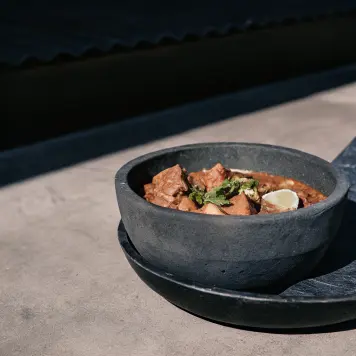
Carapulcra
Carapulcra is a slow cooked stew made from sun dried potatoes (papa seca), pork, peanuts, and Peruvian spices. It is an ancient dish with pre Columbian roots that dates back to the Chancay and Inca civilizations.
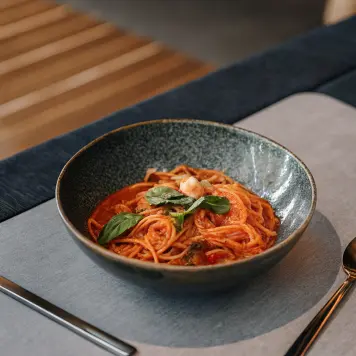
Sopa Seca
Despite its name meaning "dry soup," Sopa Seca is actually a flavorful noodle dish cooked in a rich broth with basil, garlic, and aji until the liquid is fully absorbed. It is almost always served alongside a generous portion of carapulcra.
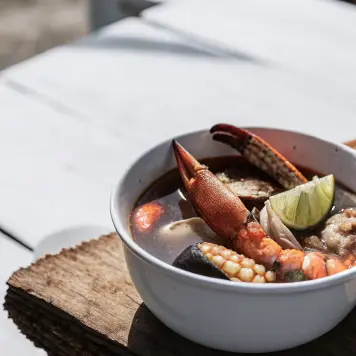
Parihuela
This hearty seafood soup from the Ica coast features a mix of fish, shrimp, crab, and shellfish simmered in a tomato and aji based broth. It is famously served with a side of canchita (toasted corn) and a squeeze of lime.
Traditsioonilised joogid

Pisco Sour
Peru's national cocktail was created using pisco, a grape brandy that takes its name from the port of Pisco in the Ica region. The drink combines pisco with lime juice, simple syrup, egg white, and Angostura bitters.
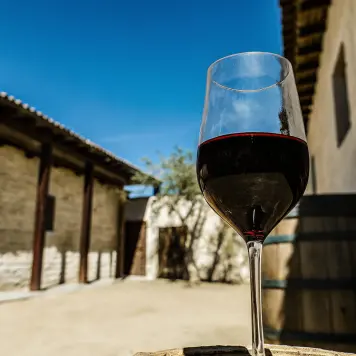
Vino de Ica (Ica Valley Wine)
The Ica Valley is home to Peru's oldest and most prestigious wineries, some dating back to the 16th century. Varietals like Quebranta, Italia, and Tamarugal grapes thrive in the region's dry desert climate.

Chicha de Uva
Chicha de uva is a naturally fermented sweet grape drink with roots in both Indigenous and Spanish winemaking traditions. Unlike wine, it is young and slightly fizzy, often enjoyed during harvest festivals in the Ica countryside.
Tead enne minekut
Kui palju päev sihtkohas Ica maksab ja milliseid petuskeeme vältida
Kulu inimese kohta päevas
Peamised petuskeemid, mida vältida
- Litsentsita juhid terminalis. Minge ametlikku taksojada või tellige sõit Uberi, TaxiSat või InDriveri kaudu. Leppige sõidutasu kokku enne sisenemist.
- Tähelepanu kõrvalejuhtimise vargus. Hoidke kotte lukustatuna ja enda ees. Ärge peatuge võõraste soovimatu abi jaoks.
- Menüüs puuduvad hinnad. Küsige enne tellimist hinnaga menüüd. Kinnitage kogusumma enne maksmist.
Aus takso lennujaamast: 30 S/ - 50 S/ (7,5 € - 13 €)
Odavam variant: Jagatud colectivo või buss Piscost Icasee, saabudes kesksesse bussiterminali Ica keskosas. (5 S/)
Kõik pettused, ausad hinnad ja reeglidKorduma kippuvad küsimused Ica, Peru kohta
"Kas Ica, Peruu on turistidele ohutu?"
"Mitu päeva peaksin Icas, Peruus veetma?"
"Millal on parim aeg Icas, Peruus külastamiseks?"
"Kas Ica, Peruu on kallis külastamiseks?"
"Kuidas ma Icas, Peruus liigun?"
Saada PDF kõige populaarsemate atraktsioonidega oma e-postile
Hangi PDF koos kõigi atraktsioonide, hinnangute ja nõuannetega. Täiuslik võrguühenduseta kasutamiseks.
Kõige populaarsemad päevareisid
Huacachina
Famous desert oasis with sandboarding and dune buggy rides
Paracas National Reserve
Coastal desert reserve with dramatic cliffs and wildlife
Ballestas Islands
Sea lion colonies and seabirds, called the Poor Man's Galapagos
Nazca Lines
Ancient geoglyphs best viewed by small plane flight
Kuidas kohale jõuda
Lennujaamad
Raudteejaamad
No train service to Ica. Long-distance buses are the primary option.
Fly into Lima (LIM), then take a 4-5 hour bus from Lima's Estacion Grau terminal to Ica. Direct buses run frequently.
Ica, Peru kasulik info
Ica, Peru ülevaade
Soovid Ica, Peru päevapõhist plaani? Ava reisiplaneerija
Millal lähed Ica, Peru?
Vali kuupäevad ja reisistiil, et saada:
Kas mõni neist on sulle eriti oluline?
Vali kõik, mis kehtib
Liikumine
Kuidas soovid paikade vahel liikuda?
Plaani keel: Eesti