 CityBuddy
 Eesti
Eesti
Mida teha kohas Sighișoara, Romania
Foto autor Jakub Zerdzicki Pexels.com lehel
Millal külastada
Sighișoara, Romania kõige populaarsemad atraktsioonid
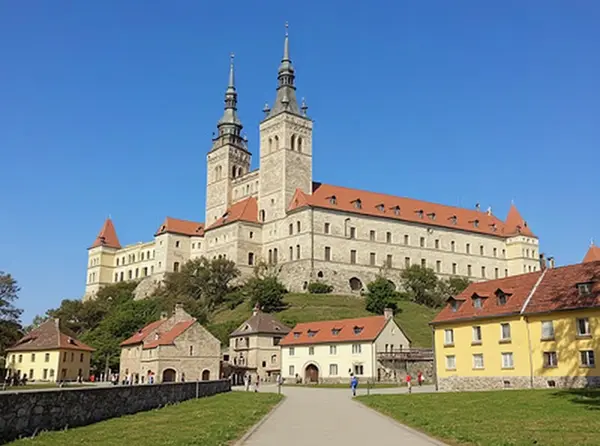
Üks parimaid tegevusi Rumeenias Sighișoaras on UNESCO maailmapärandi nimistusse kuuluva Sighișoara tsitadelliga tutvumine. Ronige 175 astmest koosnevasse Kellatorni (Turnul cu Ceas), et nautida panoraamvaadet. Ärge jätke külastamata Vlad Draculi maja, kus 15. sajandil sündis kuulus valitseja.
1. Sighișoara Citadel
"Üks keskaegne kindlus, mis on endiselt elav, kus perekonnad elavad 500 aasta vanustes majades. Te jalutate munakivisillutisega tänavatel, mida ääristavad värvilised tornid, kirikukellade helin saadab teid, need annavad endiselt rütmi kohalikule elule."
Kiired faktid: Künkale rajatud strateegilisel kohal asuvas tsitadellis on 164 muinsuskaitse all olevat maja, mis on kõik asustatud nagu keskajal. Selle üheksa kaitsetorni, mis on ehitatud üheksa käsitöölisgildi poolt, kannavad endiselt nende korporatsioonide sümboleid, kes need rahastasid.
Esiletõstmised: Kellatorn peidab endas 17. sajandist pärit mehhanismi, mis paneb igal tunnil liikuma 12 väikest nikerdatud kujukest, sealhulgas timukas, kes lööb sekundeid. 175 astmega kaetud puittrepid pakuvad meelelist tõusu, kus iga lauakriuksumine räägib loo koolilastest, kes on neid kasutanud alates 1642. aastast.
2. Clock Tower (Turnul cu Ceas)
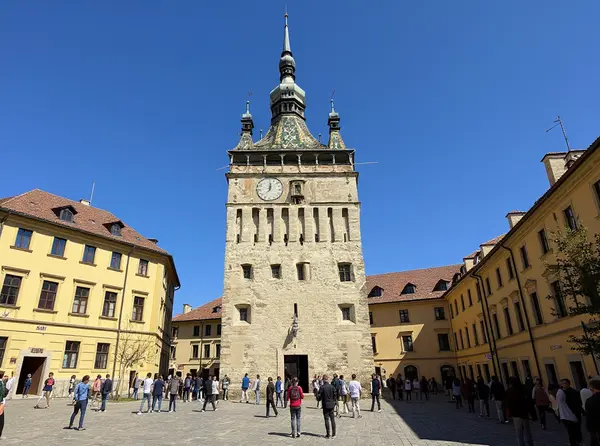
Turnul cu Ceas
"Ronige 175 astet, et nautida hingematvat vaadet Euroopa kõige paremini säilinud keskaegsele linnale. Teel üles avastate 376 aasta vanuse kellamehhanismi ja tantsivad kujukesed."
Kiired faktid: Kõrgusega 64 meetrit pakub see panoraamvaadet keskaegse linna kirjudele katustele pärast 175 trepiastme läbimist. Algne kellamehhanism pärineb aastast 1648 ja töötab siiani, mis teeb sellest ühe vanima töötava kella Kesk-Euroopas.
Esiletõstmised: Sees on käsitsi maalitud 2 meetri kõrgused kujukesed, mis kujutavad kahtteist apostlit ja õigluse allegooriaid, pöördudes igal tunnil aeglaselt oma platvormil. Nende nikerdatud nägudel on aastaajast sõltuvad erinevad ilmed, detail, mida vähesed külastajad üles vaadates märkavad.
3. Church of the Dominican Monastery
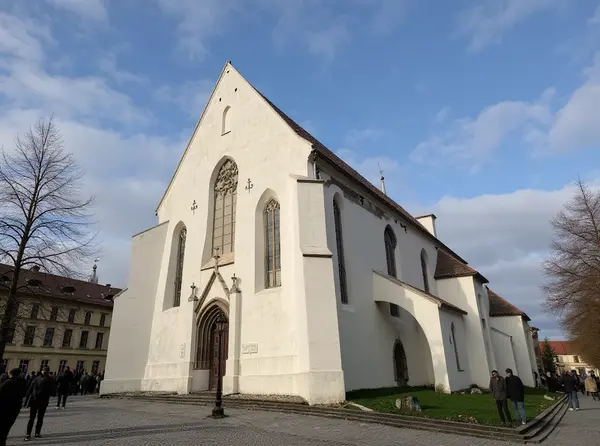
"Koht, kus 15. sajandi freskod on säilinud oma algses hiilguses, see on ajareis, mis ootab uudishimulikke. Sisenege rauaga ääristatud tammeuksest, et avastada akustika, mis on nii täiuslik, et vähimgi sosin kostub võlvini."
Kiired faktid: Valgetes rüüdes ja mustas mantlis dominiiklased ehitasid selle jumalakoda 15. sajandil, ühendades kiriku kloostriga rippkäiguga, mis on Transilvaanias ainulaadne. Selle originaalfreskod, mis olid sajandeid kaetud 14 lubjakihi all, avastati uuesti 1957. aastal ja rõõmustavad tänapäeval külastajaid oma endiselt erksate värvidega.
Esiletõstmised: 103 astmeline keerdtrepp, mis on raiutud massiivsest tammepuust 1642. aastal kohaliku käsitöölise poolt, kelle nimi on siiski nähtav ühte tala sisse graveerituna, viib kapiitlisaali, kus hõljub põlvkondade kaupa püsinud viiruki lõhn. Pikihoone 47 võtmekivi kujutavad igaüks erinevat inimnägu: mungad, aadlikud ja külaelanikud tollest ajast, nagu kivistunud portreegalerii.
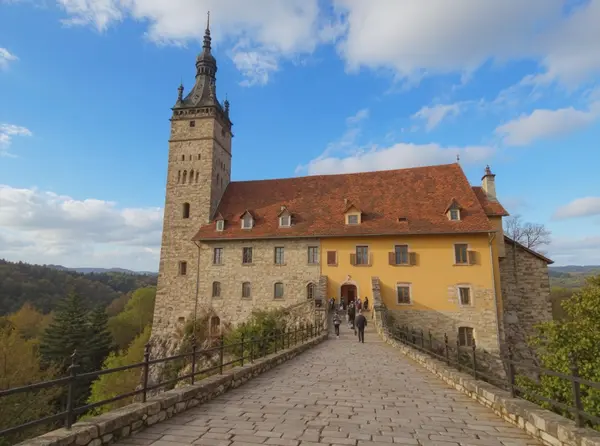
4. Sighișoara Fortress
"12. sajandi tsitadell, kus elatakse endiselt 12 meetri kõrguste müüride taga. Ronige Kellatorni 175 astet, et heita pilk all-linna värvilistele katustele."
Kiired faktid: Selle 14. sajandi müürid varjavad endiselt 164 asustatud maja, muutes tsitadelli üheks vähestest Euroopa ajaloolistest keskustest, mis on tänaseni täielikult elus. Üheksa kaitsetorni, mida kunagi hooldas igaüht erinev käsitööliste gild, tähistavad keskaegset ringmüüri.
Esiletõstmised: Igal aastal juulis tungivad sajad rüütliteks, nõidadeks ja draakoniteks riietatud teismelised munakivisillutisega tänavatele keskaegse kunsti festivali ajal, muutes kindluse tõeliseks keskaegseks laagriks. Siis kostuvad lõkkeääres küpsetatud leiva lõhnad ja metallmõõkade kõlin sajanditevanuste kaarte all.
5. Vlad Dracul House
"Väike salajane muuseum, kus Vlad Țepeși sünge ajalugu ärkab ellu sajanditevanuste kivimüüride vahel. Ronite kitsast puittreppi, avastate hämaralt valgustatud tube ja tunnete mineviku raskust."
Kiired faktid: Nende keskaegsete müüride taga olevat elanud noor Vlad Țepeș, see, kellest sai hiljem Dracula krahvi inspiratsioon. Maja pärineb 15. sajandist ja selle algne omanik oli rikas kaupmees, mitte kuulus vojevood.
Esiletõstmised: Ukse kohale raiutud lohe pole austusavaldus Draculale, vaid Loheordu sümbol, kuhu kuulus Vladu isa. Silmi tõstes võib veel näha 19. sajandi külastajate jäetud grafitisid, vaikivaid tunnistajaid mitmesaja aasta pikkusest läbikäimisest.
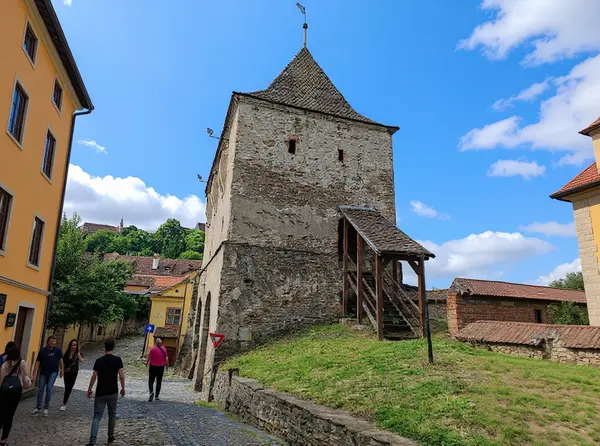
6. Shoemakers' Tower
"Ronige tippu, et nautida hingematvat vaadet Euroopa kõige paremini säilinud keskaegsele tsitadellile. Kitsas ja kriiskav trepp räägib igal astmel 700 aasta pikkust ajalugu."
Kiired faktid: 64 meetri kõrgune see kaitsev torn oli vanasti valvepostiks sissetungide vastu. Igal aastal ronivad tuhanded külastajad selle 168 puidust trepiastmest, et vaadet nautida.
Esiletõstmised: Puidust võlvitud rõdud, mis ümbritsevad tippu, on Transilvaanias ainulaadsed, olles jäänuk terviklikust keskaegsest kaitsesüsteemist. Selge ilmaga on näha Karpaatide eelmäestikke, mis ümbritsevad orgu, vaade, mis pole muutunud alates 14. sajandist.
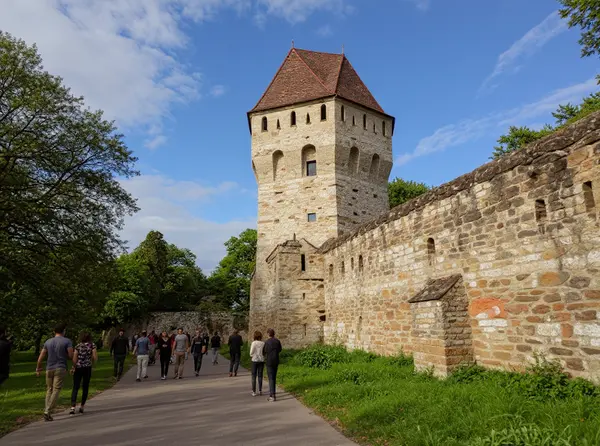
7. Tinsmiths' Tower
"Ronige tippu, et nautida suurepärast vaadet kindlustatud vanalinnale. Te avastate sajanditevanuse trepi, käsitöönäituse ja tuule hingamise müüride vahel."
Kiired faktid: 64 meetri kõrgune torn oli linna keskaegsete kindlustuste lahutamatu osa. Selle ehitust alustati 14. sajandil ja see oli kunagi plekkseppade gildi kohtumispaigaks.
Esiletõstmised: Kõige üllatavam on 175 puidust trepiastet, mis teie samude all krõbisevad, kui te tippu ronite, igaüks neist on sajandite jooksul käsitööliste poolt kulunud. Vaateplatvormilt avanevad 360-kraadised panoraamvaated tsitadelli värvilistele katustele, samal ajal kui kirikukellad kõrvale helisevad.
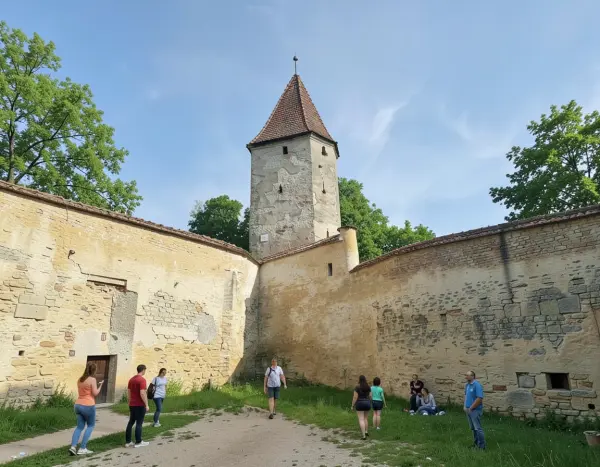
8. Butchers' Tower
"Ronige avastama Euroopa ainsat torni, kus elas linna timukas. Te astute samadele kulunud kivitreppidele, mida see varjukuju käsitööline, kes elas erakuna mäe otsas."
Kiired faktid: Künka otsas kõrguv see kaitsev torn oli kunagi linna timuka elukoht - amet, mida nii kardeti kui ka põlati. Selle keskaegne siluett kõrgub uhkelt üheksa torni seas, mis on alles jäänud algsetest neljateistkümnest, mis Sighișoarat kaitsesid.
Esiletõstmised: Erinevalt teistest kaitsetornidest, mis usaldati gildidele, määrati see timukale - ühiskonna äärel elavale mehele. Selle kitsad trepid ja pimedad ruumid jutustavad siiani selle üksildast argipäeva, kes viis täide kohtuotsuseid, kuid kellel oli keelatud linna kõrtsides käia.
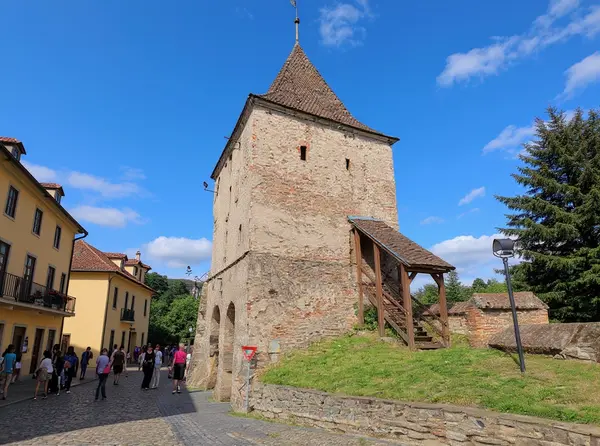
9. Tailors' Tower
"Ronige ühe Kesk-Euroopa kõige paremini säilinud kaitsetorni tippu. Te avastate kollektsiooni ajastukohaseid kiviraiuja tööriistu ja hingematva vaate tsitadelli värvilistele katustele."
Kiired faktid: 64 meetri kõrgune torn on üks üheksast alles seisvast tornist neljateistkümnest, mis kaitsesid keskaegset tsitadelli. Rätsepad hoidsid seal oma väärtuslikke kaupu ja korraldasid selle müürilõigu kaitset.
Esiletõstmised: Ronige viimasele korrusele ja asetage käsi XV sajandi käsitööliste nikerdatud tammepalkidele, millel on siiani nende initsiaalid. Selge ilmaga pakub kellatorn 360-kraadist vaadet, kust saate eristada kolme kindlusekirikut orus, vaatepilt, mis pole peaaegu 500 aasta jooksul muutunud.
Where to Stay in Sighișoara, Romania
Selected by City Buddy based on guest reviews and proximity to top attractions
Search all hotels in Sighișoara, RomaniaPowered by agoda
Lahtiolekuajad kohas Sighișoara, Romania
Millised peamised vaatamisväärsused on nädala millisel päeval suletud, klassikaline reisirikkuja, sinu jaoks kontrollitud.
esmaspäev: 1 6 peamisest vaatamisväärsusest on suletud, planeeri muuseumid mõnele teisele päevale.
Suletud esmaspäev · 1 suletud, 5 avatud
Lahtiolekuajad Google Mapsist (kontrollitud 2026-05-31). Riigipühad, streigid ja hooajalised lahtiolekuajad võivad erineda, vaata enne minekut ametlikku veebilehte.
Traditsioonilised magusad road
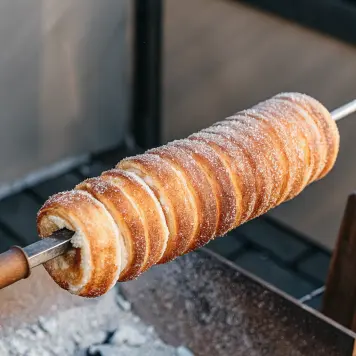
Kürtőskalács (Chimney Cake)
This iconic spiral-shaped pastry is baked over a charcoal fire and rolled in cinnamon sugar. It originated in Transylvania and has been a staple at Sighișoara's medieval festivals for centuries.
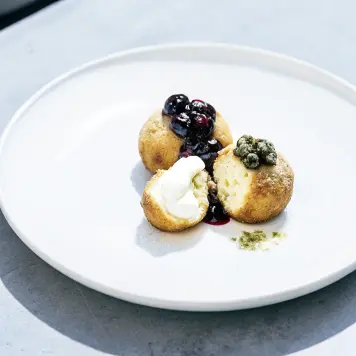
Papanasi (Romanian Doughnuts)
These deep-fried cheese doughnuts are served with sour cream and a generous topping of sour cherry jam. They are one of Romania's most beloved desserts and a must-try in Sighișoara.
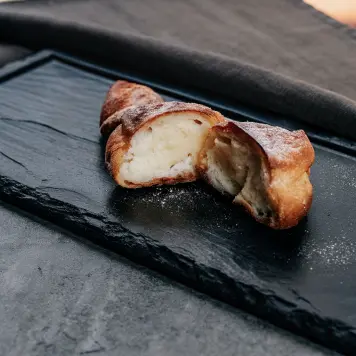
Plăcintă cu Brânză (Cheese Pie)
This delicate phyllo pastry is filled with a sweet mixture of fresh cow cheese, eggs, sugar, and vanilla. It is a traditional Saxon recipe that has been made in Sighișoara for generations.
Traditsioonilised soolased road
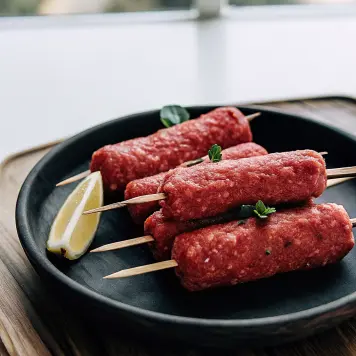
Mici (Grilled Minced Meat Rolls)
These small, skinless grilled meat rolls are made from a blend of beef, lamb, and pork with garlic and spices. They are Romania's ultimate street food and are especially popular at Sighișoara's town festivals.
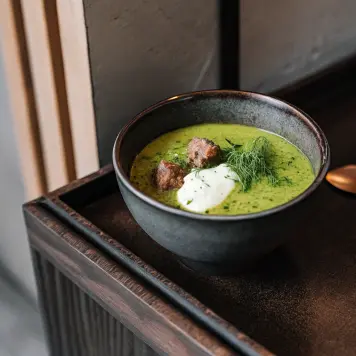
Ciorbă de Burtă (Tripe Soup)
This hearty sour soup is made with beef tripe, root vegetables, and a creamy garlic and sour cream finish. It is considered a classic Romanian comfort food with strong roots in Transylvanian cuisine.
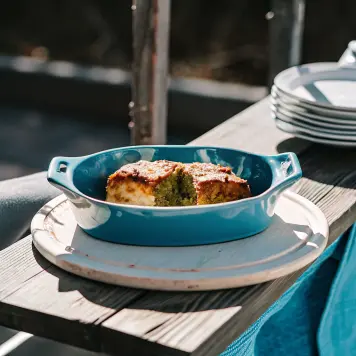
Varză à la Cluj (Cluj-Style Stuffed Cabbage)
Unlike traditional stuffed cabbage rolls, this Transylvanian version is baked as a layered casserole with sauerkraut, minced pork, rice, and smoked sausage. It originates from the nearby region of Cluj but is widely enjoyed in Sighișoara.
Traditsioonilised joogid
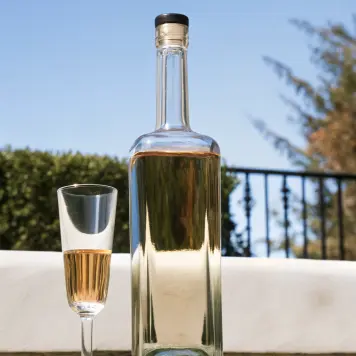
Palincă (Plum Brandy)
This powerful fruit brandy distilled from plums is a traditional Romanian spirit often homemade in Transylvanian villages. It is commonly served as a welcome drink to guests and is believed to aid digestion.
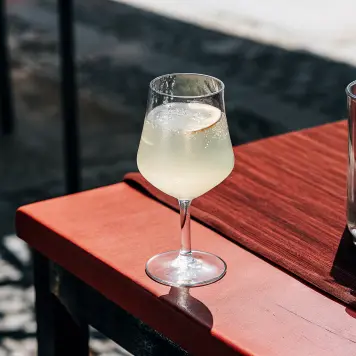
Socată (Elderflower Cordial)
This refreshing non-alcoholic drink is made from fermented elderflowers, lemon, and sugar. It is a beloved summer beverage in Sighișoara, often sold at local markets and medieval fairs.
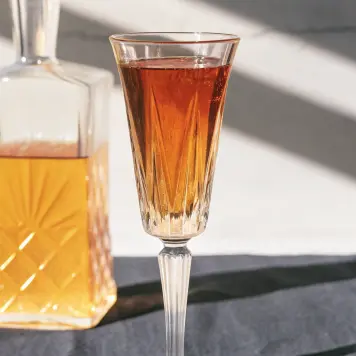
Vișinată (Sour Cherry Liqueur)
This sweet and tart liqueur is made by macerating sour cherries in homemade brandy with sugar. It is a traditional Romanian digestif that is particularly popular in the orchard-rich regions of Transylvania.
Korduma kippuvad küsimused Sighișoara, Romania kohta
Kas Sighișoara, Rumeenia on turvaline linn?
Mitu päeva tuleks Sighișoara külastamiseks ette näha?
Millal on parim aeg Sighișoara külastamiseks?
Kas Sighișoara on kallis sihtkoht?
Kuidas Sighișoaras liigelda?
Saada PDF kõige populaarsemate atraktsioonidega oma e-postile
Hangi PDF koos kõigi atraktsioonide, hinnangute ja nõuannetega. Täiuslik võrguühenduseta kasutamiseks.
Kõige populaarsemad päevareisid
Brașov
Medieval Saxon city with black church and mountain views
Kuidas kohale jõuda
Lennujaamad
Raudteejaamad
Main line connecting Brașov, Cluj-Napoca, and Bucharest
Regional trains to Târgu Mureș, Mediaș, and Sibiu
From the train station it is a 10 minute walk to the medieval citadel. Taxis are also available for a short ride into the old town.
Sighișoara, Romania kasulik info
Sighișoara, Romania ülevaade
Võrdle Sighișoara teiste sihtkohtadega
Hinnad, ohutus, ilm ja parimad vaatamisväärsused kõrvuti koos hinnanguga igat tüüpi reisijale.
Soovid Sighișoara, Romania päevapõhist plaani? Ava reisiplaneerija
Millal lähed Sighișoara, Romania?
Vali kuupäevad ja reisistiil, et saada:
Kas mõni neist on sulle eriti oluline?
Vali kõik, mis kehtib
Liikumine
Kuidas soovid paikade vahel liikuda?
Plaani keel: Eesti