 CityBuddy
 Eesti
Eesti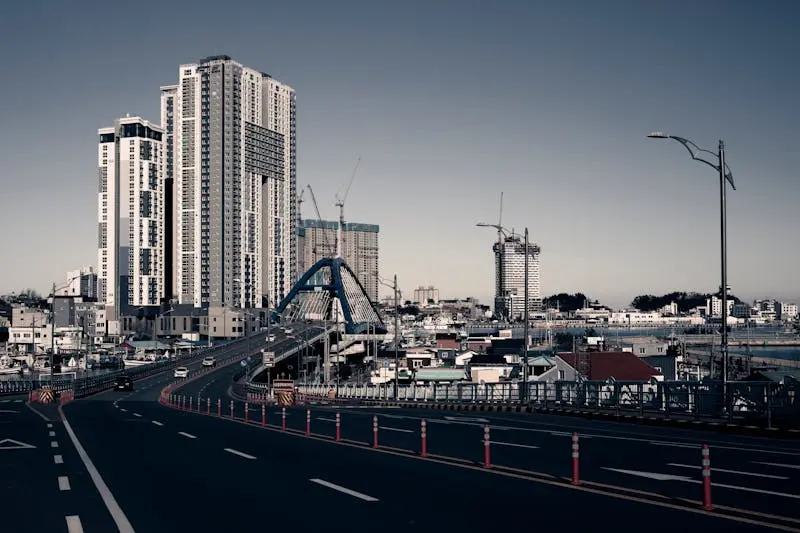
Mida teha kohas Sokcho, South Korea
Foto autor 정규송 Nui MALAMA Pexels.com lehel
Millal külastada
Millal lähed Sokcho, South Korea?
Vali kuupäevad ja reisistiil, et saada:
Kas mõni neist on sulle eriti oluline?
Vali kõik, mis kehtib
Plan language: EestiSokcho, South Korea kõige populaarsemad atraktsioonid
If you are looking for things to do in Sokcho, South Korea, start by climbing to the top of Ulsanbawi Rock in Seoraksan National Park, where you can enjoy panoramic views of the East Sea. Take a walk along the 300-meter pier in Abai Village, try the local squid at Sokcho Beach, and admire the sunset at Yeonggeumjeong Pavilion.
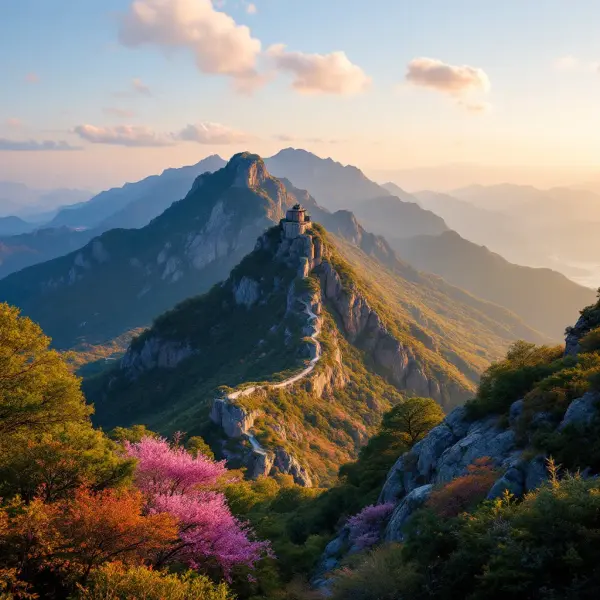
1. Seoraksan National Park
Vertiginous granite peaks and waterfalls where the air smells of pine and the salt of the Sea of Japan. Walk across suspension bridges among the clouds and touch the 400-year-old cedars that have outlived dynasties.
Kiired faktid: Rocky peaks soar up to 1708 meters, and in spring the slopes are immersed in purple blooms of rhododendrons. Every year, more than 3 million travelers come here to see the granite cliffs covered in dense forests.
Esiletõstmised: At dawn, clouds hang between the granite peaks in the shape of dragons, as the locals say. This is where the oldest Buddhist temple, Sinheungsa, founded in 652, is located, and inside there is an 80-meter bronze Buddha statue.
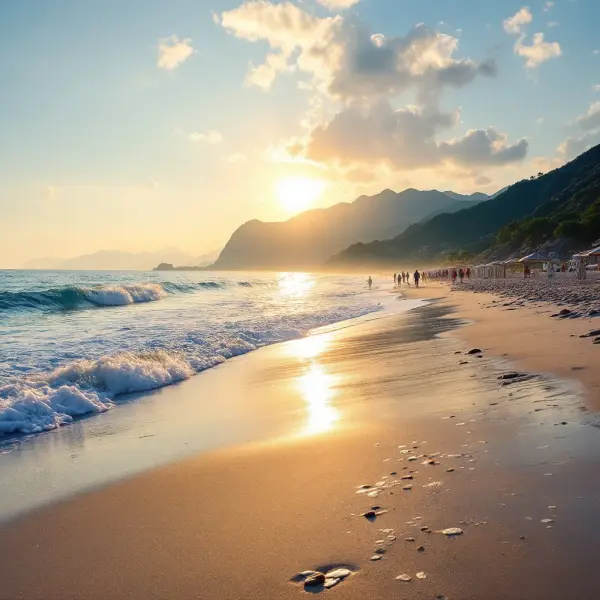
2. Sokcho Beach
The best city beach on the east coast with soft sand and scenic pine trees. Dip into the warm sea, grab a bite of the freshest seafood on the promenade, and watch the sunset from a café table.
Kiired faktid: Peen valge liiv ulatub 1,5 kilomeetrit piki Ida-Mere rannikut. Lained on siin üsna rahulikud ning vesi soojeneb juuli keskpaigaks mugava 24 kraadini.
Esiletõstmised: Varahommikul, enne kui esimesed puhkajad saabuvad, võib otse rannas näha, kuidas kohalikud kalurid käsitsi võrke välja tõmbavad, kus on värskelt püütud kala, mida saab kohe osta. Männimets, mis asub vaid 50 meetri kaugusel veest, pakub tihedat varju ning okkalõhn seguneb soolase merebriisiga - see on unikaalne bukett, mida teistel randadel ei kohta.
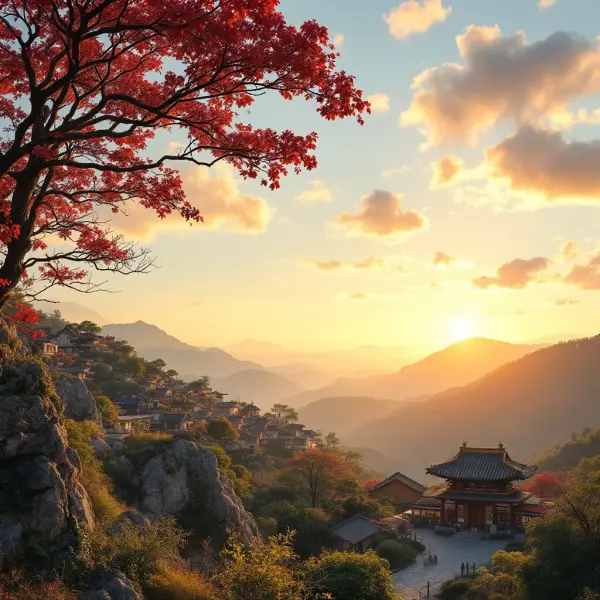
3. Abai Village
Step into living history where time stopped in the 1950s. Stroll along narrow streets, try homemade pies, and listen to stories from grandmothers who remember the war.
Kiired faktid: Vaid 20 minuti autosõidu kaugusel Sokcho kesklinnast meenutab see koht Põhja-Korea põgenike elu, kes leidsid siit varjupaiga Korea sõja ajal. Külas on umbes 50 maja, millest paljud teenivad siiani eluasemena vanemaid ümberasujaid ja nende järeltulijaid.
Esiletõstmised: Kõige ebatavalisem eksponaat on siin vana valjuhääldi mäeküljel, mille kaudu kunagi edastati propagandat Põhja-Koreasse ja siiani on kuulda tolleaegse diktorihääle salvestust. Igal sügisel korraldavad kohalikud elanikud improviseeritud laada roogadega, mis on valmistatud retseptide järgi, mis on üle 60 aasta vanad.

4. Sokcho Lighthouse Observatory
The only lighthouse in Korea where you can go up and see both the sea and the mountains. Here you will walk on a glass floor above the waves and see where Seoraksan meets the East Sea.
Kiired faktid: 56 meetri kõrguselt avaneb panoraam, mis hõlmab Ida-Merd, Sokcho linna ja isegi selge ilmaga Soraksani tippu. Tuletorn ehitati mitte ainult navigatsioonimärgina, vaid osana suurest sadamakompleksist ning tänapäeval on see ühendatud maalilise puidust mereäärse promenaadiga.
Esiletõstmised: Klaaspõrand vaateplatvormil paneb südame seisma: 30 meetri all loksuvad lained ja tuul vuhiseb läbi metallvõre. Õhtuti sähvib tuletorn 5-sekundiliste sinivalgete valguskiirtega ning kohalikud kalurid kontrollivad selle järgi siiani oma kurssi - traditsioon, mis on üle 50 aasta vana.
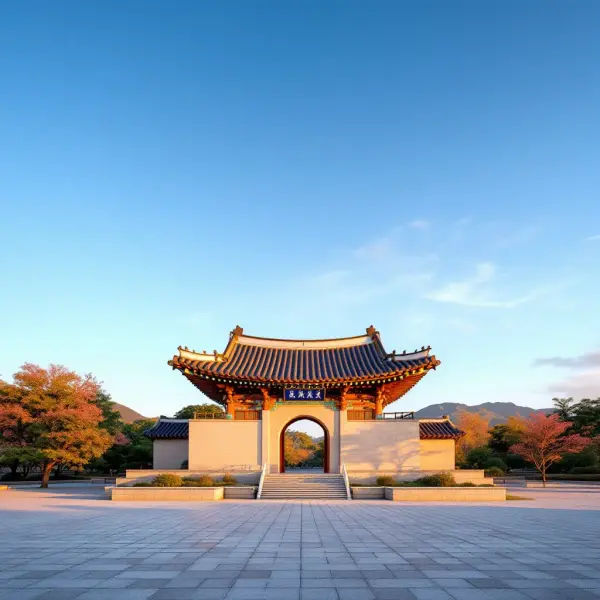
5. Yeonggeumjeong Pavilion
A pavilion over the sea where wind and waves create a natural symphony. Feel the salty spray on your face and watch fishing boats enter Sokcho port.
Kiired faktid: Paviljon Yeonggeumjeon asub kaljuseinal otse Jaapani mere kohal ja lained purunevad kaljude vastu 20 meetrit allpool. Väikeselt vaateplatvormilt avaneb vaade kolmele maalilisele Sokcho rannale ja sadamale kaluripaatidega.
Esiletõstmised: Tuulise ilmaga on siin kuulda loomulikku "muusikalist" saatet: paviljoni sammaste vahel vihisev tuul seguneb allpool mõruva lainemölluga. Kaljudest otse kasvavad rannamännid painduvad ja looklevad peaaegu horisontaalselt, see vaatepilt meenutab kaadrit vanast Korea filmist.
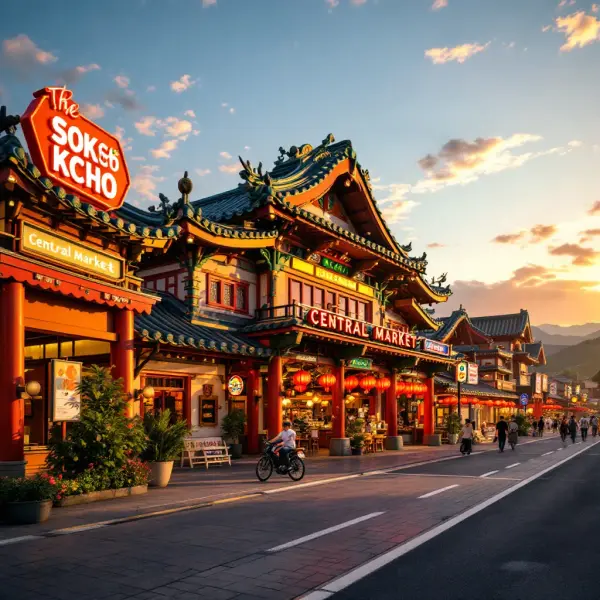
6. Sokcho Central Market
The main gastronomic nerve of Sokcho, where seafood is sold right off the boats. Walk through the rows, try hwe sashimi and sweet rice cakes, and you will discover the true taste of the city.
Kiired faktid: Iga päev läbib Sokcho keskturgu umbes 30 000 inimest, eriti värske mereanni hooajal. Siin saab proovida hwet, Korea sashimit, liikvel olles, ostes seda kaluritelt, kes just hommikuse saagiga tagasi jõudsid.
Esiletõstmised: Kalurea rida taga on peidetud väike hwe tänav, kus 15 000 woni eest lõigatakse sulle sashimit otse vahtplastkastil ja kõrval praetakse kohe kalajääke söel. Kohalikud kutsuvad seda „vaeste sashimiks”, kuid värskuse poolest ei jää see alla kallitele restoranidele.
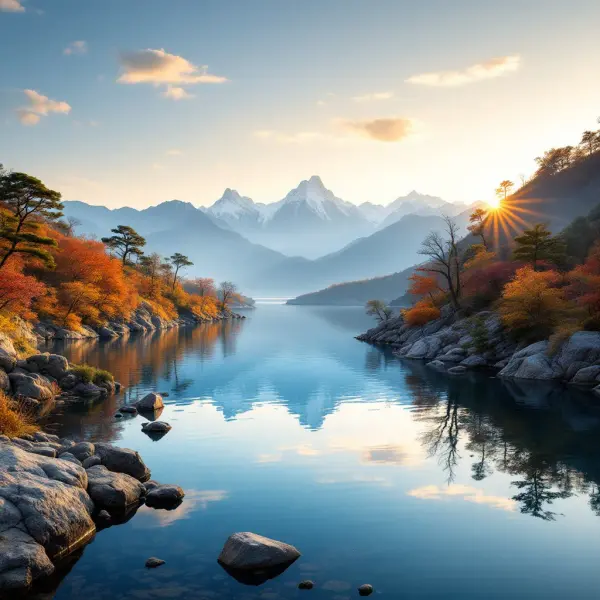
7. Cheongcho Lake
A mirror-like surface among granite cliffs looks like a scene from a fantasy film. Walk along the wooden boardwalk and see the mountains reflected in the turquoise water.
Kiired faktid: Järve ümbritsevad veidrate kujudega kaljud ning vesi muudab oma tooni smaragdsest türkiissõltuvalt valgustusest. Igal aastal külastab seda umbes 1,5 miljonit turisti, et kõndida puidust laudteedel mööda kallast ja imetleda mägede peegeldust.
Esiletõstmised: Tuulevaikse ilmaga muutub järve pind ideaalseks peegliks, kus mägede harjad kajastuvad fotograafilise täpsusega. Varahommikul, kui udu hõljub üle vee, tundub, nagu kaljud hõljuksid õhus.
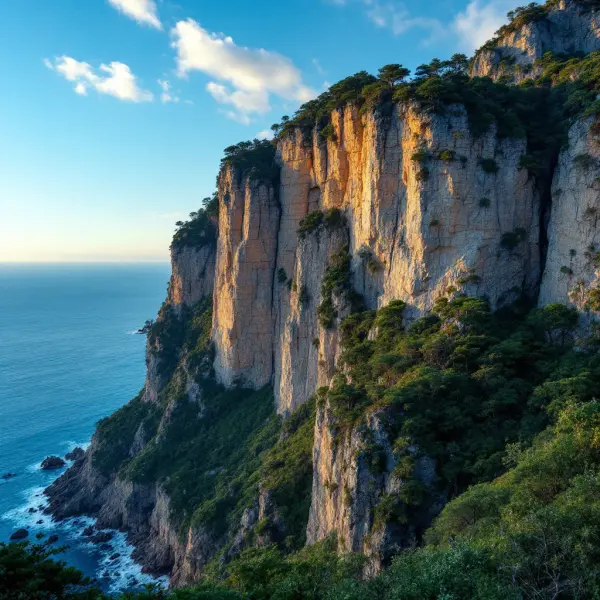
8. Daepo Jusangjeolli Cliff
Only here can you see how the ocean created a real stone organ from hundreds of perfect columns. You will walk along a wooden boardwalk right above the raging waves, feeling the breath of the elements.
Kiired faktid: Lained ja tuul on miljoneid aastaid need kuusnurksed basalt sambad otse kaljusse välja lõiganud, luues loodusliku orel kuni 30 meetri kõrguseni. See on üks Korea suurimaid sammaskujulise eraldatuse leiukohti, ulatudes mööda rannikut umbes 2 kilomeetrit.
Esiletõstmised: Erinevalt tavalistest kaljudest on need basalt sambad ideaalselt sümmeetrilised, justkui oleks need hiiglaslik skulptor välja lõiganud: mõned kivid on täpselt kuusnurksed, nagu mesilaste kärjed. Tormi ajal lõhuvad lained mürinal sammaste vastu ja pritsmed lendavad 20 meetri kõrgusele, kastes vaatajaid jäise soolase tolmuga.
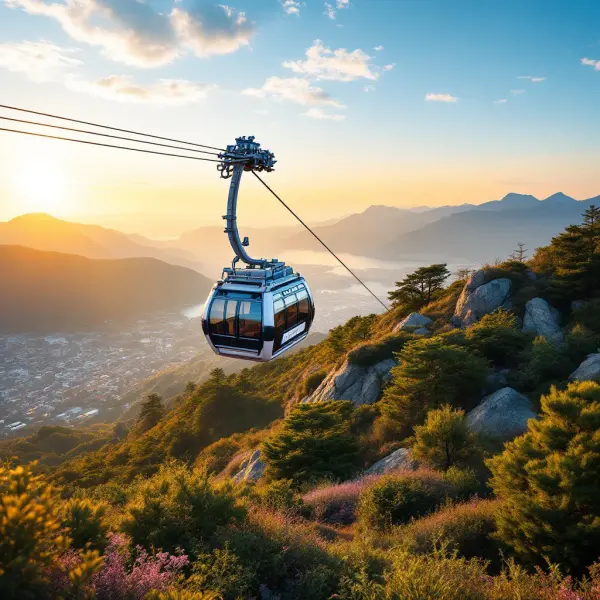
9. Seorak Cable Car
Want to see where the emerald peaks of the National Park meet the endless sea? In 8 minutes you will climb 600 meters, and from above you will see landscapes that take your breath away.
Kiired faktid: The cable car rises to a height of 600 meters in just 8 minutes, revealing a breathtaking panorama of rocky peaks and the East Sea. About 1.5 million people use this cable car every year, making it one of the busiest in Korea.
Esiletõstmised: The cable cars climb almost vertically along the granite wall of the gorge, with the slope reaching 40 degrees, and it feels like you could almost touch the rock with your hand. At the top, you will find not just an observation deck, but an entire route along wooden boardwalks among centuries-old pines with a view of the ancient granite peak of Ulsanbawi.
Where to Stay in Sokcho, South Korea
Selected by City Buddy based on guest reviews and proximity to top attractions
Search all hotels in Sokcho, South KoreaPowered by agoda
Traditsioonilised magusad road
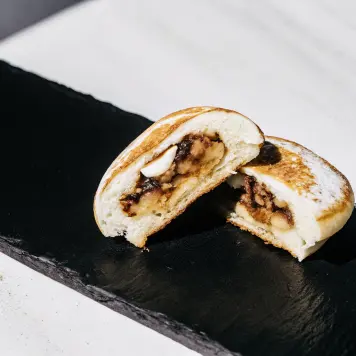
Hotteok
Hotteok is a popular Korean street food pancake filled with brown sugar, cinnamon, and nuts. In Sokcho's cold winters, the hot, syrupy filling provides a warming treat for locals and visitors alike.

Sujeonggwa
Sujeonggwa is a traditional Korean cinnamon punch made with dried persimmons and ginger. It is often served as a digestif after meals and is especially popular in Sokcho's seafood restaurants.

Yaksik
Yaksik is a sweet Korean rice cake made with glutinous rice, honey, chestnuts, and dried fruits. It is traditionally enjoyed during festive occasions and symbolizes good fortune and health.
Traditsioonilised soolased road

Sokcho Ojingeo Sundae
Sokcho Ojingeo Sundae is a local specialty where squid is stuffed with glass noodles, vegetables, and minced meat, then steamed or grilled. As a coastal city, Sokcho is famous for this unique squid-based version of Korean blood sausage.

Dak Kangjeong
Dak Kangjeong is crispy deep-fried chicken coated in a sweet and spicy gochujang glaze. Sokcho's version often incorporates local honey for a distinctive regional flavor.
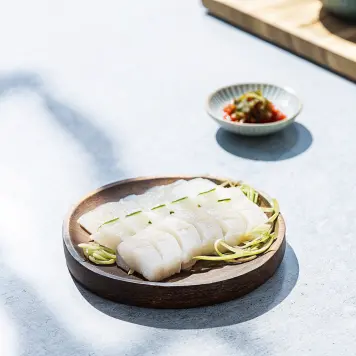
Hoe (Korean Raw Fish)
Sokcho is a major port city and the fresh hoe (raw fish) served here comes straight from the East Sea. The local Abai Village is especially known for its raw fish dishes, often served with gochujang and fresh vegetables.
Traditsioonilised joogid

Sikhye
Sikhye is a traditional sweet rice punch made from malted barley and rice. It is commonly served after meals in Sokcho restaurants as a refreshing digestive drink.
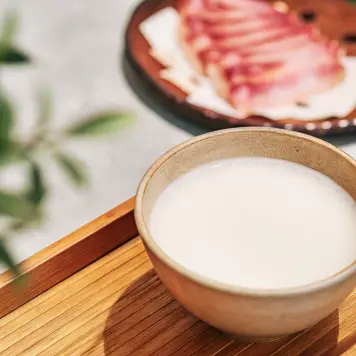
Makgeolli
Makgeolli is a milky, slightly fizzy Korean rice wine that pairs perfectly with Sokcho's savory seafood pancakes and raw fish. Local breweries in the Gangwon region produce versions with subtle variations in sweetness and tang.

Omija Cha
Omija Cha is a tea made from magnolia berries, known as "five-flavor berries" for their sweet, sour, salty, bitter, and pungent tastes. It is a popular warming drink in Sokcho's cold winters and is often served with honey.
Frequently Asked Questions about Sokcho, South Korea
Is Sokcho, South Korea safe for tourists?
How many days should I allocate for a trip to Sokcho?
What is the best time to visit Sokcho?
Is Sokcho an expensive city for tourists?
How do I get around Sokcho?
Saada PDF kõige populaarsemate atraktsioonidega oma e-postile
Hangi PDF koos kõigi atraktsioonide, hinnangute ja nõuannetega. Täiuslik võrguühenduseta kasutamiseks.
Kõige populaarsemad päevareisid
Seoraksan National Park
South Korea's most iconic national park with dramatic granite peaks, temples, and hiking trails
Goseong Unification Observatory
Observatory offering views of the DMZ and North Korea from the eastern coast
Naksansa Temple
Historic seaside Buddhist temple with a giant statue and ocean views
Yangyang Beach
Popular surfing destination with long sandy beaches and surf schools
Cheongcho Lake
Scenic coastal lagoon surrounded by walking paths and cafes near Sokcho
Rent a car in Sokcho, South Korea
Kuidas kohale jõuda
Raudteejaamad
KTX and Donghae Line connecting to Seoul and Gangneung
KTX high-speed line from Seoul (approx 2 hours)
From Yangyang Airport take bus 7 or a taxi (30 min). From Seoul take KTX to Gangneung then bus or taxi to Sokcho (total about 3 hours).
Leia lennud sihtkohta Sokcho, South Korea
Klõpsa, et saada eSIM sihtkohta Sokcho, South Korea
Lihtsaim ja taskukohaseim viis saada mobiilset internetti ükskõik kus sa reisid.
Kommentaarid (8)
The sunrise at Yeonggeumjeong Pavilion was gorgeous. Get there by 5am though, it gets packed fast.
Stay near the bus terminal, not the beach. Cheaper hotels and better food options within walking distance.
If you're renting a car, park at the public lot near the bus terminal. Free and close to everything.
Sokcho surprised me. The market food is incredible and way cheaper than Seoul. Definitely worth a weekend trip.
Had high hopes but the weather was awful. Rainy and cold even in June. Couldn't enjoy the beach at all.