 CityBuddy
 Eesti
Eesti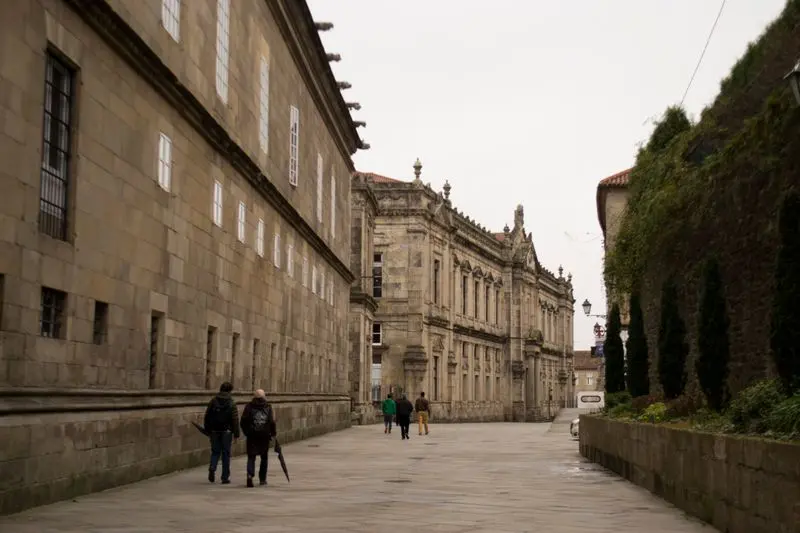
Mida teha kohas Santiago de Compostela, Spain
Foto autor Yunuen Caballero Pexels.com lehel
Millal külastada
Millal lähed Santiago de Compostela, Spain?
Vali kuupäevad ja reisistiil, et saada:
Kas mõni neist on sulle eriti oluline?
Vali kõik, mis kehtib
Plan language: EestiSantiago de Compostela, Spain kõige populaarsemad atraktsioonid
If you are looking for what to do in Santiago de Compostela, Spain, start with the 11th-century Cathedral of Santiago, where the apostle's tomb has attracted pilgrims for over a thousand years. The nearby Praza do Obradoiro offers an impressive view of the baroque facade. Also explore the Monastery of San Martiño Pinario, with its 17th-century cloisters and museum of sacred art.
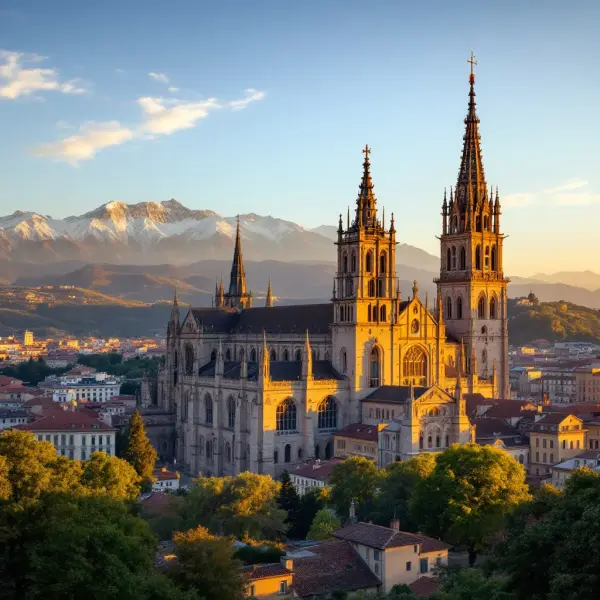
1. Santiago de Compostela Cathedral
Where faith meets the most striking Romanesque architecture in Spain. You will feel the weight of history as you cross the Door of Glory and enter a 1,000-year-old nave.
Kiired faktid: The Cathedral of Santiago holds the tomb of the apostle James, one of the most important pilgrimage destinations in the Christian world. More than 300 thousand pilgrims arrive on foot every year to embrace the statue of the saint.
Esiletõstmised: Inside, the Botafumeiro, an enormous 80-kilogram censer, flies over the heads of the faithful during solemn masses. Seeing this silver ball cross the central nave at 70 km/h is a spectacle that makes the ground tremble.
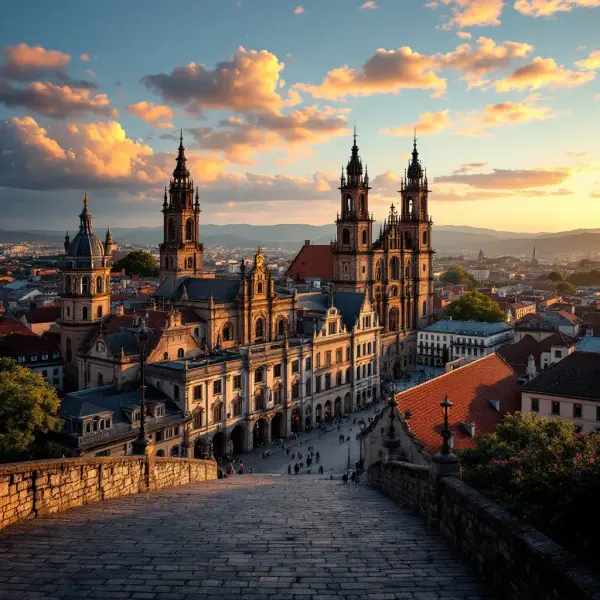
2. Praza do Obradoiro
Stepping into this square is feeling the beating heart of the Camino de Santiago. You will hear bagpipes, see emotional backpackers, and contemplate the most photographed Baroque facade in Spain.
Kiired faktid: It receives more than 300 thousand pilgrims per year, who complete the Camino de Santiago and gather here to celebrate. It is the only place in the world where you can see Spanish Baroque style in harmony with Romanesque, Gothic and Neoclassical in a single space.
Esiletõstmised: Look at the ground and notice the granite scallop shell, over 25 meters in diameter, carved into the pavement of the square. When it rains, the water runs off forming small streams that follow exactly the design of the paths that converge toward the cathedral.
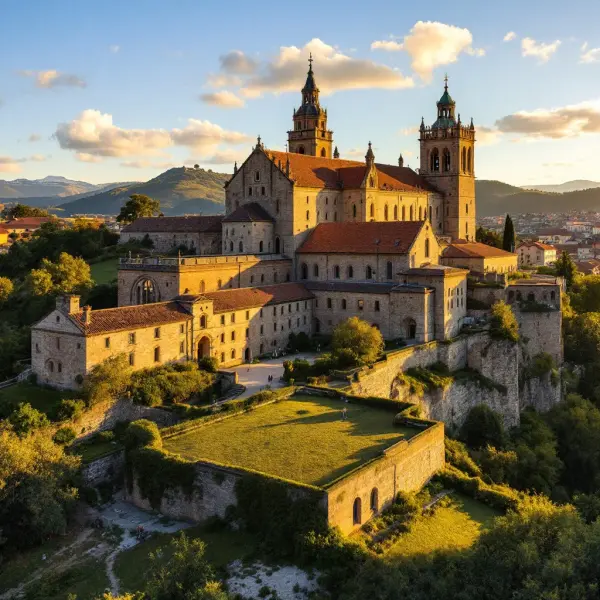
3. Monastery of San Martiño Pinario
A monastery so monumental it almost swallowed the cathedral next door. Walk through silent cloisters, climb to the high choir, and discover where monks hid banquets from invaders.
Kiired faktid: 22 tuhande ruutmeetriga on see Hispaania suuruselt teine klooster, jäädes alla ainult El Escorialile. Barokne fassaad valmis 18. sajandil, kuid pähklipuust koor 84 nikerdatud istmega pärineb 17. sajandist ja on nikerduskunsti meistriteos.
Esiletõstmised: Sakristeis on 32 sekretiga kapp, kus mungad varjasid veini ja hõrgutisi prantsuse sissetungijate eest. Iga sahtel kriuksub erinevalt ja kohalikud giidid armastavad lasta külastajatel arvata, millises kambris hoiti juustu ja millises portveini.
Kas oled kuulnud tasuta jalutuskäikudest?
Pärast reisimist üle 30 riigi on üks asi, mida sooviksin, et keegi oleks mulle esimesest päevast peale öelnud, ja see muutis täielikult minu linnakogemust.
Tasuta jalutuskäigud. Jah, tõesti tasuta. Kaarti ei ole vaja. Püüniseid pole.
Kohalik giid, 2-3 tundi
Peamised vaatamisväärsused, peidetud pärlid, kohalikud lood
100% jootraha põhine
Giidid teenivad ainult jootraha, seega annavad nad parima
Sa annad jootraha nii palju kui tunned õigeks
Lõpus annad lihtsalt jootraha nii palju kui tunned õigeks
Olen neid teinud paljudes linnades ja need on olnud peaaegu iga reisi tipphetk. Kui külastad Santiago de Compostela, Spain, tee seda esimesel päeval. Sa tänad mind hiljem.
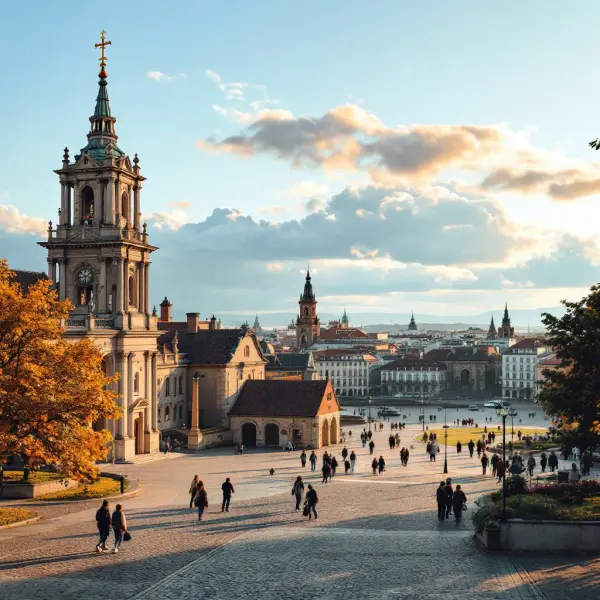
4. Cidade da Cultura de Galicia
Climb to the top of Mount Gaiás to find a skyline that looks like it was carved by a hurricane. Walk over rooftops, get lost in elevated squares, and discover a city within the city.
Kiired faktid: Kompleks hõlmab 74 000 ruutmeetrit Monte Gaiási tipus, mis on suurem kui tosin jalgpalliväljakut. Selle julge disain, mis on inspireeritud karbikestest ja merelainetest, maksis 200 miljonit eurot ja selle valmimine võttis aega üle kümne aasta.
Esiletõstmised: CINC-hoone katus lookleb nagu hiiglaslik kivi- ja klaasist düün, luues 30 meetri kõrgusele rippuva avaliku väljaku. Kui päike hilisel pärastlõunal paistab, loovad katuseaknad graniitpõrandale kuldsest valgusest labürindi, muutes ruumi kaasaegseks varjude ja peegelduste katedraaliks.
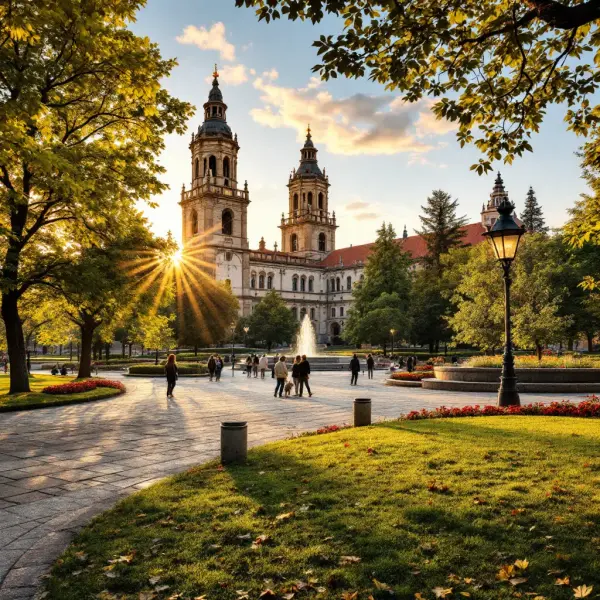
5. Parque de la Alameda
An oasis of tranquility in the heart of Santiago, perfect for recharging your energy. Stretching out in the shade of centuries-old trees, you will hear the rustling of leaves and the singing of birds as your soundtrack.
Kiired faktid: With over 500 years of history, this park was once a space for growing vegetables and medicinal herbs for the neighboring monastery. Today it houses two enormous centenary fig trees that form a canopy over 20 meters in diameter, offering generous shade on hot days.
Esiletõstmised: In the center of the park, four imposing plane trees planted in the 19th century intertwine, forming a green tunnel nearly 15 meters high. On windy days, the leaves create a sound that echoes like ocean waves, transporting visitors to a secret refuge in the middle of the city.
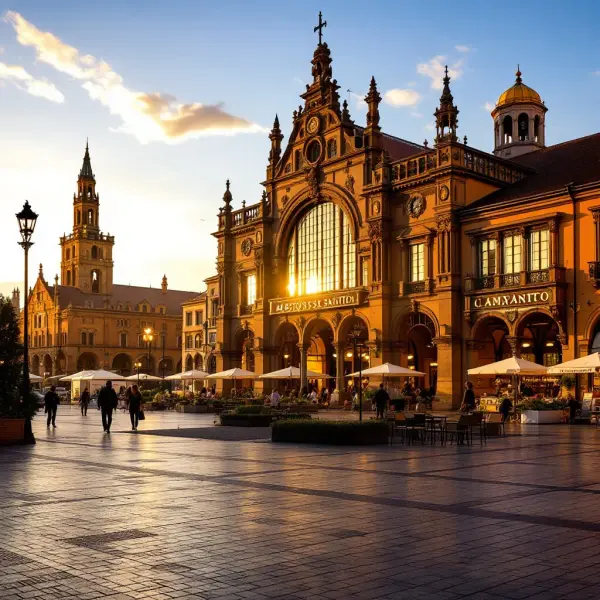
6. Mercado de Abastos de Santiago
It is where Santiago locals actually do their shopping and chefs choose the day's ingredients. Walk between stalls of gleaming fish, artisan cheeses, and smoked peppers, all with the scent of sea and soil in the air.
Kiired faktid: More than 50 stalls offer fresh fish arriving directly from the nearby port of Rianxo and vegetables harvested from family gardens in the surrounding area. It has been operating since 1929, but the buzz of shopping and conversations keeps the same lively rhythm of decades past.
Esiletõstmised: What few people know is that some stalls keep recipes passed down through three generations, such as polvo à feira prepared on the spot with sweet paprika. It is one of the few places where vendors and local chefs mingle, exchanging tips on the best seafood of the season while you taste a fresh oyster at the counter.
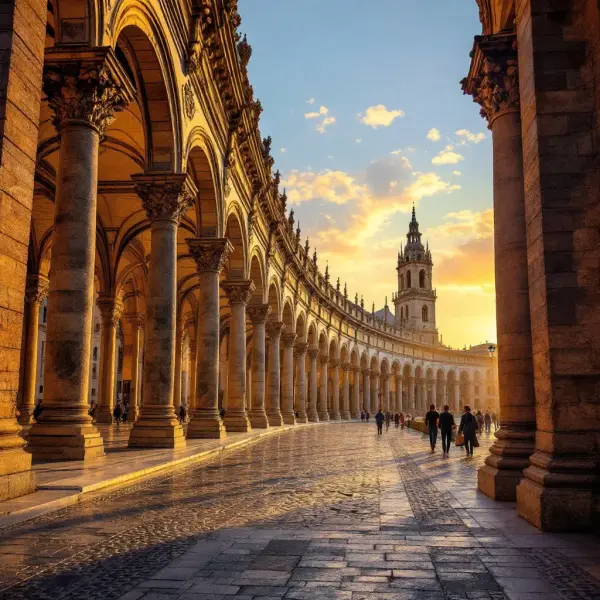
7. Portico de la Gloria
Entering through the Door of Forgiveness is witnessing one of the greatest masterpieces of European Romanesque sculpture. Each stone figure tells a story, and touching the marks left by millions of pilgrims is feeling the weight of centuries of faith.
Kiired faktid: Üle 200 kivisse raiutud figuuriga portaal koondab prohveteid, apostleid, ingleid ja koletisi ühte visuaalsesse Apokalüpsise narratiivi. Sajandeid puudutasid palverändurid prohvet Taanieli kätt kaitset otsides, kulutades skulptuuri nii, et algne kontuur on peaaegu kadunud.
Esiletõstmised: Meister Mateus, seda teost juhtinud skulptor, raius oma näo portaali alusse otse altari poole vaatama - haruldane julgus selle aja kohta. Traditsioon ütleb, et kes oma otsaesise pühaku käele surub ja soovi esitab, tunneb jahedat marmorit enne kui kuuleb katedraali kellade helinat mööda lööve kajamas.
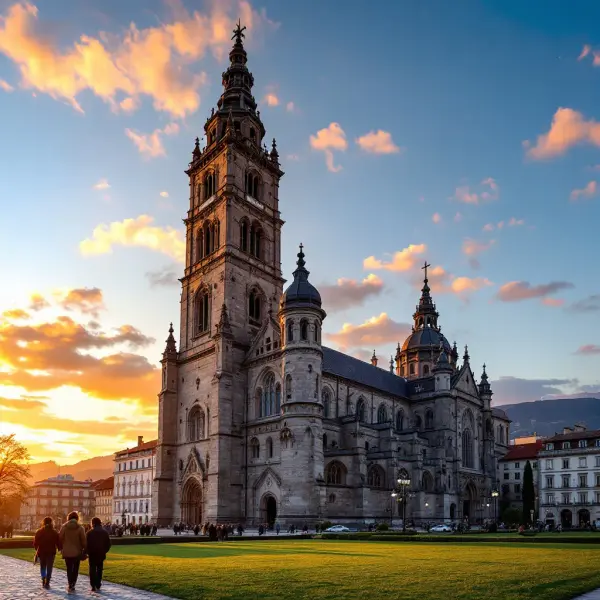
8. Colexiata de Santa María do Sar
Come see a church that literally leans, as if bowing to time. You will walk through crooked corridors and discover a sloping cloister that seems to come from a dream.
Kiired faktid: The cloister of this collegiate church has such a steep tilt that it seems to be sliding downhill, the result of centuries of soil settlement. Its 12th-century Gothic vaults are among the oldest in the Iberian Peninsula, built even before the famous cathedral of Santiago.
Esiletõstmised: What few people know is that the pillars of the nave were purposefully tilted inward to counteract the movement of the ground, creating a disconcerting visual effect. Upon entering, you feel that the building is alive, breathing and moving slowly over the centuries.
Where to Stay in Santiago de Compostela, Spain
Selected by City Buddy based on guest reviews and proximity to top attractions
Search all hotels in Santiago de Compostela, SpainPowered by agoda
Traditsioonilised magusad road
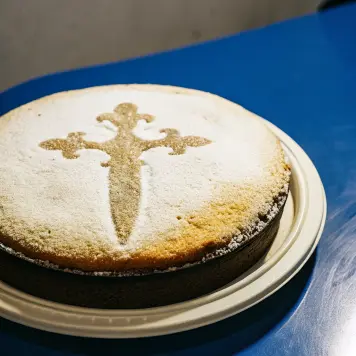
Tarta de Santiago
This almond cake is the most famous dessert of Galicia, marked with the cross of Saint James (the Cruz de Santiago) dusted in powdered sugar on top.

Filloas
These thin Galician crepes were traditionally made during Carnival and are sometimes prepared with pig's blood or, for sweet versions, with cinnamon and sugar.
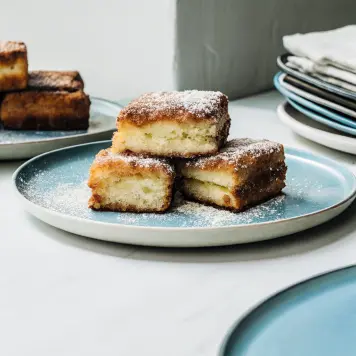
Leche Frita
This fried milk dessert is a Santiago specialty where thickened custard is cut into squares, breaded, fried, and dusted with cinnamon and sugar.
Traditsioonilised soolased road
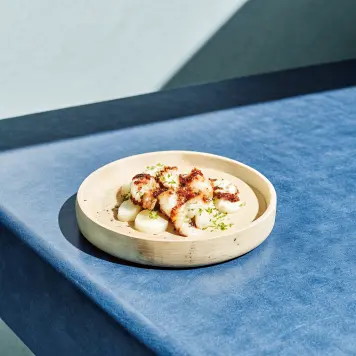
Pulpo a la Gallega
This Galician octopus dish is served on wooden plates with paprika, coarse salt, and olive oil, and is famously prepared at festivals throughout the region.

Empanada Gallega
This savory pie is a Galician staple, traditionally filled with tuna or sardines and baked in a thick corn or wheat pastry crust.
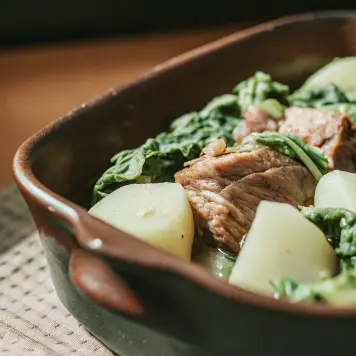
Lacón con Grelos
This classic Galician dish features boiled pork shoulder served with turnip greens and potatoes, a hearty meal especially popular during Carnival season.
Traditsioonilised joogid
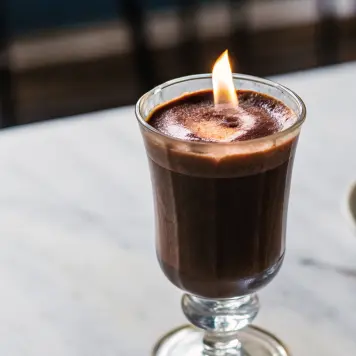
Queimada
This spiced Galician punch is set on fire while a traditional incantation (esconxuro) is recited to ward off evil spirits and protect the drinkers.

Albariño Wine
This crisp white wine from the Rías Baixas region is the perfect pairing for Santiago's seafood and is one of Spain's most celebrated white wines.

Licor de Hierbas
This herbal liqueur is made from Galician mountain herbs and is traditionally served as a digestif after meals, often enjoyed straight or over ice.
Frequently Asked Questions about Santiago de Compostela, Spain
"Is Santiago de Compostela, Spain safe?"
"How many days are needed in Santiago de Compostela, Spain?"
"What is the best time to visit Santiago de Compostela, Spain?"
"Is Santiago de Compostela, Spain expensive?"
"How to get around in Santiago de Compostela, Spain?"
Saada PDF kõige populaarsemate atraktsioonidega oma e-postile
Hangi PDF koos kõigi atraktsioonide, hinnangute ja nõuannetega. Täiuslik võrguühenduseta kasutamiseks.
Kõige populaarsemad päevareisid
Finisterre (Fisterra)
Stunning coastal town at the 'end of the world' with lighthouse and beaches
Rias Baixas (Pontevedra)
Famous wine region with picturesque estuaries and seafood
A Coruña
Coastal city with the iconic Tower of Hercules lighthouse
Lugo
Ancient Roman walled city with intact city walls and cathedral
Ribeira Sacra
Dramatic river canyons and medieval monasteries along the Sil River
Rent a car in Santiago de Compostela, Spain
Kuidas kohale jõuda
Raudteejaamad
High-speed AVE to Madrid, and connections to Vigo, A Coruña, and Ourense
Regional lines to Galicia and northern Portugal
The airport is 12 km from the city center. Take a direct bus (30 min) or taxi (20 min) to Plaza de Galicia.
Leia lennud sihtkohta Santiago de Compostela, Spain
Klõpsa, et saada eSIM sihtkohta Santiago de Compostela, Spain
Lihtsaim ja taskukohaseim viis saada mobiilset internetti ükskõik kus sa reisid.
Kommentaarid (7)
Loved the old town so much, the architecture is unreal. Food was solid but honestly got tired of octopus after day 3. 4 days felt like enough.
Honestly a bit overhyped for me. Maybe because it rained the whole time. The pilgrim vibe is cool but the city itself didn't wow me.
The cathedral is stunning but the crowds in summer are brutal. Go early morning or late evening if you want peaceful photos.
If you're doing the Camino, stay at a pension not a hostel for your last night. You'll want a real bed and hot shower before celebrating.
The energy of people finishing the Camino is something else. Even if you don't walk it, just being around that atmosphere was special.