 CityBuddy
 Eesti
Eesti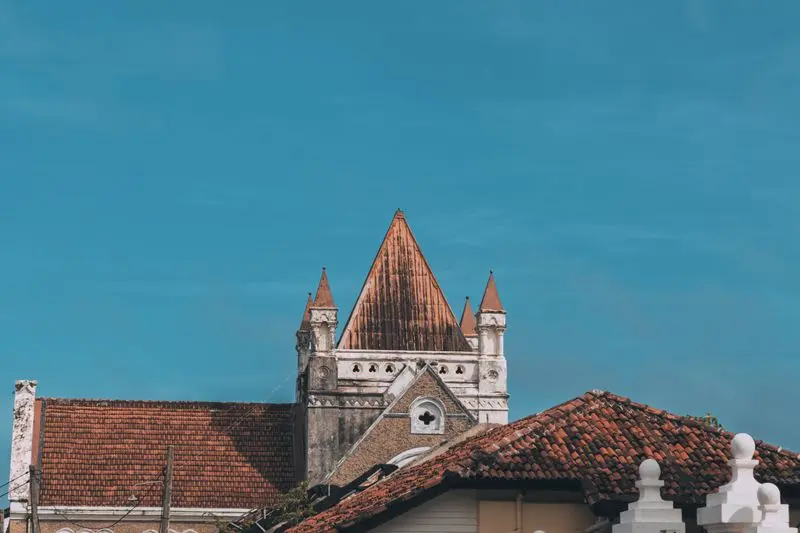
Mida teha kohas Galle, Sri Lanka
Foto autor Ceylon Frames Pexels.com lehel
Millal külastada
Millal lähed Galle, Sri Lanka?
Vali kuupäevad ja reisistiil, et saada:
Kas mõni neist on sulle eriti oluline?
Vali kõik, mis kehtib
Plan language: EestiGalle, Sri Lanka kõige populaarsemad atraktsioonid
Parimad tegevused Galle'is Sri Lankal keskenduvad 300 aasta vanusele Galle fortile, mis on UNESCO maailmapärandi nimistusse kuuluv objekt, mis ulatub 100 aakri suurusel alal mööda rannikut. Jaluta selle muldvallidel valge Galle tuletornini, mis ehitati 1939. aastal, ja külasta seejärel 1755. aasta Hollandi Reformitud Kirikut (Groote Kerk) selle silindervõlvitud lae ja nikerdatud puidust kantsliga.
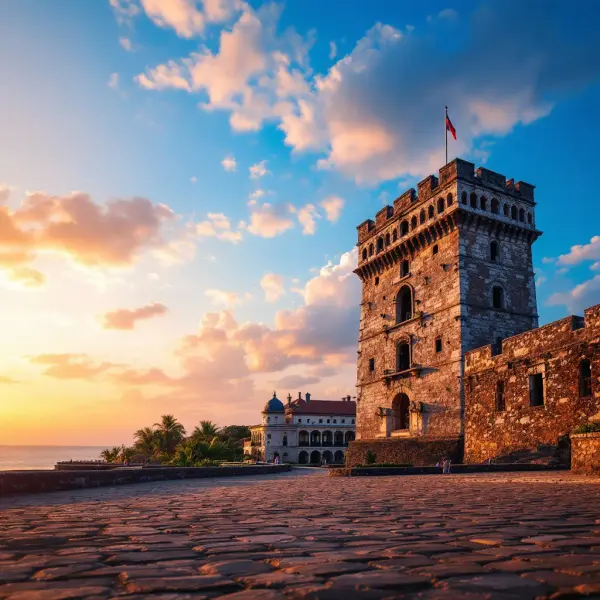
1. Galle Fort
Sajanditevanused fordimüürid ümbritsevad endiselt elavat, hingavat linnaosa, mis on täis koloniaalset võlu. Rända mööda munakivitänavaid Hollandi kirikutest, butiigipoodidest ja vürtsilõhnalistest kohvikutest mööda.
Kiired faktid: Wandering inside these 300-year-old ramparts, you'll find a vibrant neighborhood where Portuguese, Dutch, and British colonial architecture blends with local Sri Lankan life. Covering 52 hectares with 14 distinct bastions, this fortified city survived the 2004 tsunami that devastated the surrounding region.
Esiletõstmised: At sunset, locals and visitors gather on the ramparts near the Flag Rock bastion to watch teenage boys leap 15 meters into the Indian Ocean from the ancient fort walls. Cricket matches erupt spontaneously on the grassy fort grounds most evenings, with tuk-tuks parked along the edges serving as makeshift bleachers for spectators of all ages.
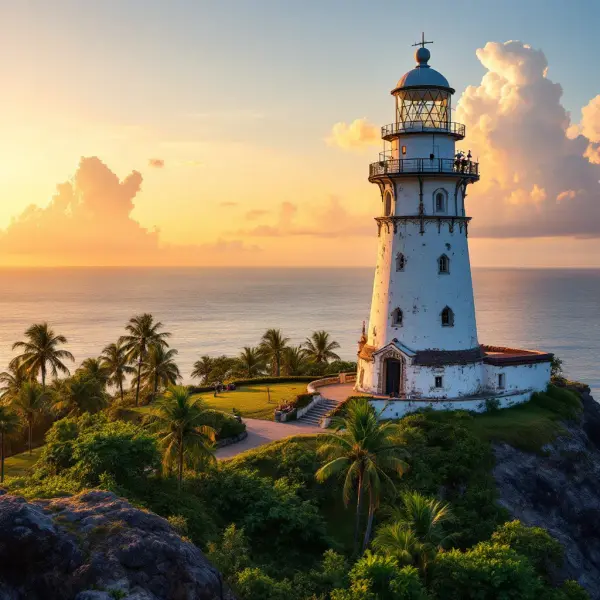
2. Galle Lighthouse
Üks väheseid tuletorne maailmas, mis on ehitatud ajaloolisele fordimüürile. Vaata, kuidas lained purunevad sajanditevanuste kivimüüride vastu, samal ajal kui laevad horisondil libisevad.
Kiired faktid: Perched on the ramparts of the historic Galle Fort, this whitewashed lighthouse has been guiding ships since 1939. Its 26-meter tower stands at the southern tip of the fort, where the Indian Ocean crashes against the ancient stone walls below.
Esiletõstmised: Unlike most lighthouses that stand alone, this one rises directly from the top of the fort's original 16th-century Dutch bastion walls. At sunset, the entire structure glows golden against the deep blue ocean while local fishermen cast lines from the rocks just below.
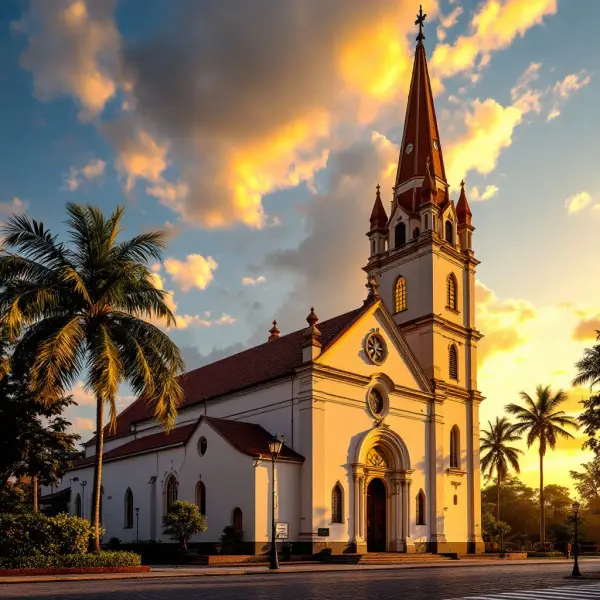
3. Dutch Reformed Church (Groote Kerk)
Groote Kerk
Astu sisse 1755. aasta kirikusse, kus hauakivid katavad põrandat ja kahurikuulid on endiselt seintesse kinni jäänud. Sees seguneb poleeritud mahagonipuidu lõhn vaikse lakke pöörlevate laeventilaatorite klõbinaga.
Kiired faktid: The floor inside is paved with heavy sandstone slabs brought all the way from the Netherlands as ballast in 18th century ships. Originally a Portuguese convent, the structure was transformed into a Dutch Reformed church in 1755 and still holds Sunday services in both Sinhala and Tamil.
Esiletõstmised: Look down at the floor and you'll find weathered tombstones from the 1700s, their carved skulls and crossbones worn smooth by 250 years of footsteps. One grave marker remembers the Dutch governor's wife who died at sea, her body buried right here beneath the pews where families now sing hymns every Sunday.
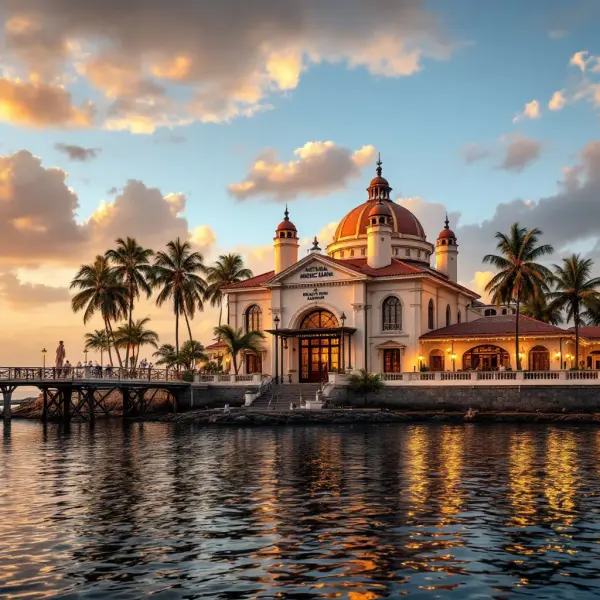
4. National Maritime Museum
Astu sisse 17. sajandi Hollandi lattu, mis on täis aardeid üle kahe aastatuhande ookeaniületusi. Ime vaalade skeletti, puuduta iidseid kaubandushelmeid ja vaata püssi torusse, mis on sügavusest üles toodud.
Kiired faktid: Housed inside a 300-year-old Dutch colonial building that once served as a warehouse for spices, this museum preserves artifacts from over 2,000 shipwrecks scattered along Sri Lanka's southern coast. Among the most fascinating exhibits is a 25-foot whale skeleton suspended from the ceiling, alongside ancient navigational instruments used by Arab, Chinese, and European traders.
Esiletõstmised: The museum's centerpiece is a remarkably preserved 14th-century Chinese shipwreck discovered off Galle's coast, complete with its cargo of blue-and-white porcelain still visible through the coral encrustation. You can actually hold a 500-year-old trade bead from the same era in your palm during the interactive touch table session, feeling the smooth glass worn by centuries of ocean currents.
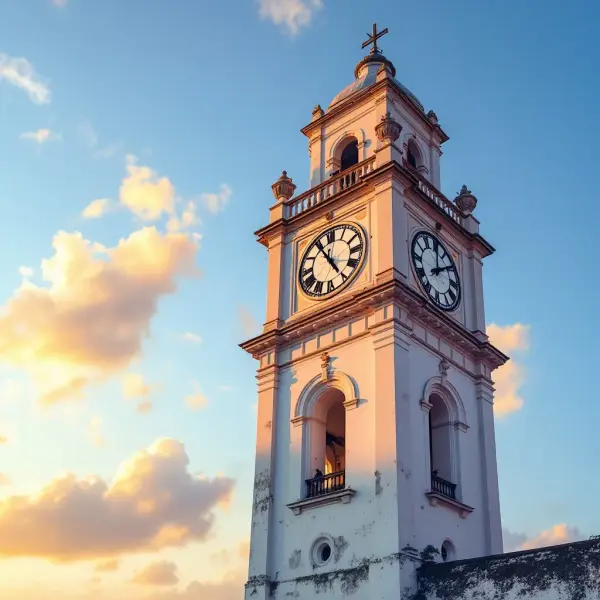
5. Galle Fort Clock Tower
Seisa India ookeani ääres ja vaata, kuidas laevad sellest 26-meetrisest lubjakivist vahipostist mööda libisevad. Kellahelin kostub üle munakivitänavate, kui päike maalib vana fordi kuldseks.
Kiired faktid: The white stone tower rises 26 meters high along the ramparts of the old Dutch fort. Its four clock faces have been keeping time for passersby since 1883.
Esiletõstmised: Unlike most clock towers around the world, this one was funded entirely by local residents to honor a beloved British governor, Sir John Longden. The money was raised through public subscription in just two weeks, a rare show of cross cultural appreciation during colonial times.
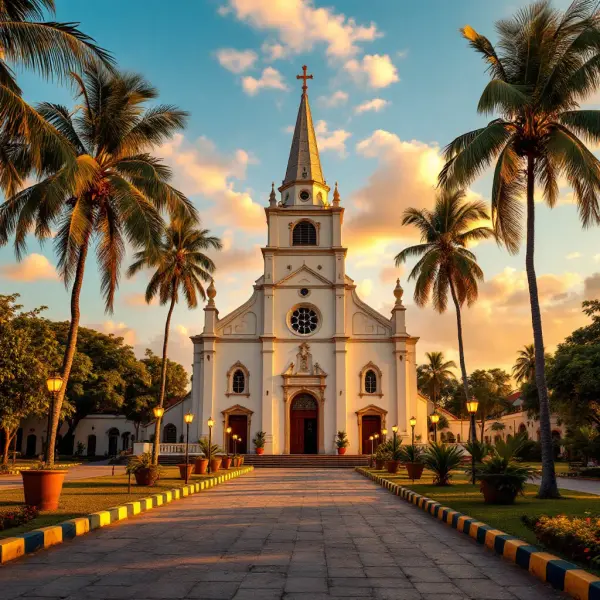
6. All Saints' Church
Astu sisse 260 aasta vanusesse Hollandi kirikusse, kus hauakivid katavad põrandat ja puidust naelad hoiavad katust. Sa rändad nikerdatud koloniaalmälestusmärkide vahel ja kuuled iidse tiikpuu kriuksumist oma jalgade all.
Kiired faktid: A Dutch colonial church built by commandeur Casparus de Jong, the church was completed in 1755 and its floor is entirely paved with tomb slabs from the old Dutch cemetery. The barrel-vaulted ceiling with its intricate wooden beams has held together for over 260 years without a single nail, using only wooden pegs and joinery.
Esiletõstmised: Look down at your feet as you enter: the entire floor is a patchwork of centuries-old Dutch tombstones, each carved with skulls, hourglasses, and family crests that feel both macabre and beautiful. Above you, the massive 18th-century teak beams that hold the roof together were joined with nothing but wooden pegs, surviving monsoons and centuries of salt air without a single metal fastener.
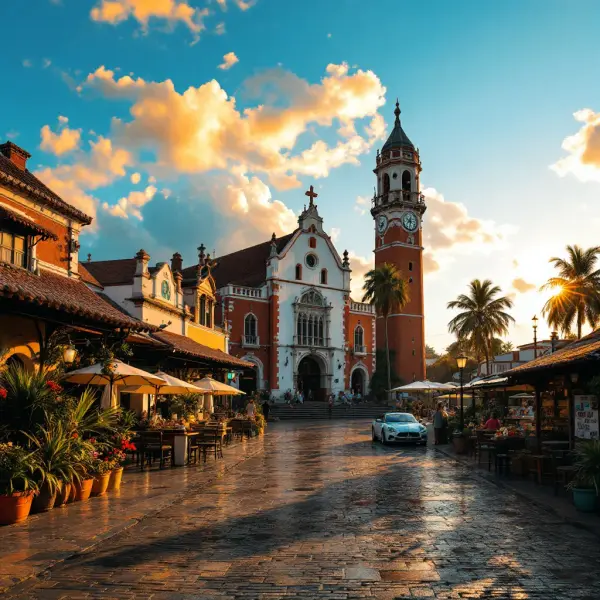
7. Old Dutch Market
Vaata, kuidas 300 aasta vanune kaubandustraditsioon Hollandi ehitatud sammaskäikude all ellu ärkab. Nuusuta värskeid vürtse ja kuule kalakaupmeeste rütmilist raiumist, samal ajal kui kohalikud kauba üle kaubelvad.
Kiired faktid: The Old Dutch Market in Galle has been operating continuously for over 300 years under the same covered colonnade built by Dutch colonial administrators. Coconut fiber, cinnamon bark, and fresh fish have been traded in these same stone corridors since the 17th century.
Esiletõstmised: Step inside at dawn and you will see vendors sorting through heaps of cinnamon quills, nutmeg, and cloves just as Dutch merchants did three centuries ago. The market's original wooden beams still support the roof while the morning auction of day-caught tuna happens in the courtyard, a ritual that has not changed since colonial times.
8. Jungle Beach
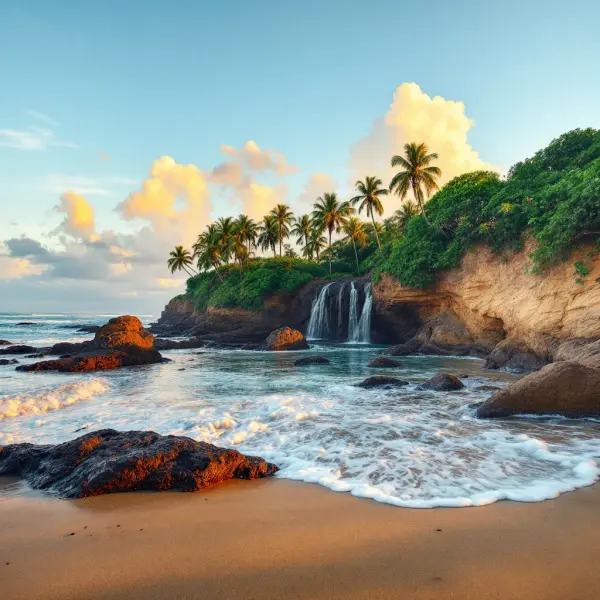
Laisad lained, palju varju ja riff, mis hoiab ookeani terve päeva rahulikuna. Istu rannatooli, võta värske kookos ja vaata, kuidas kalamehed oma saaki kaldale toovad.
Kiired faktid: A 1.5 kilometer stretch of golden sand framed by palm trees and a protective reef, this beach offers some of the safest swimming on Sri Lanka's southwestern coast. During the peak season from November to April, the waters here stay calm and clear, making it a favorite for families and less experienced swimmers.
Esiletõstmised: The reef creates a natural lagoon that keeps the water almost perfectly flat when the ocean outside is churning, like a giant saltwater swimming pool. Sea turtles occasionally drift into this protected zone, and you can sometimes spot them surfacing for air just meters from where you're floating.
9. Unawatuna Beach
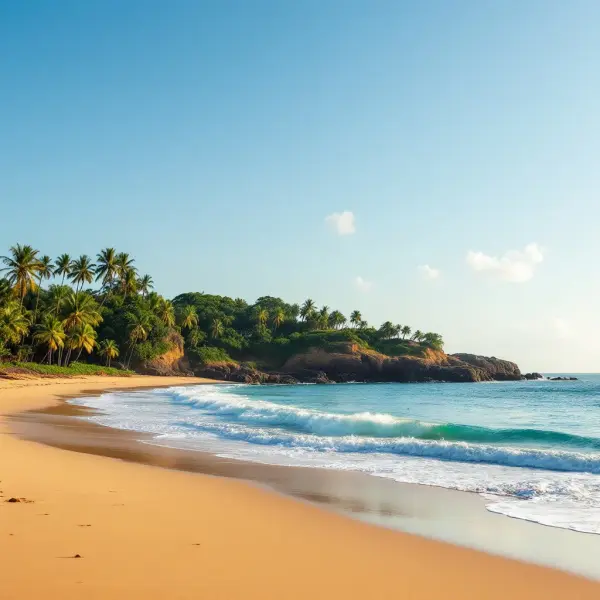
Poolkuukujuline laht uskumatult selge veega ja õrnade lainetega, mis sobivad hulpimiseks. Oota, et merikilpkonnad ujuvad sinu kõrval, värske kookose müüjad liival ja džungliga kaetud künkad, mis raamivad rannajoont.
Kiired faktid: Clear turquoise waters meet a dramatic palm-fringed shoreline shaped like a half-moon, protected by a offshore coral reef. Sea turtles glide through the shallows just meters from shore, making snorkel encounters possible without a boat.
Esiletõstmised: A 200-year-old Japanese peace pagoda perches on the cliff at the beach's eastern end, offering sweeping views over the bay at sunset. Monks still chant inside at dawn, the sound floating down to the water through the rustling palm fronds.
10. Japanese Peace Pagoda
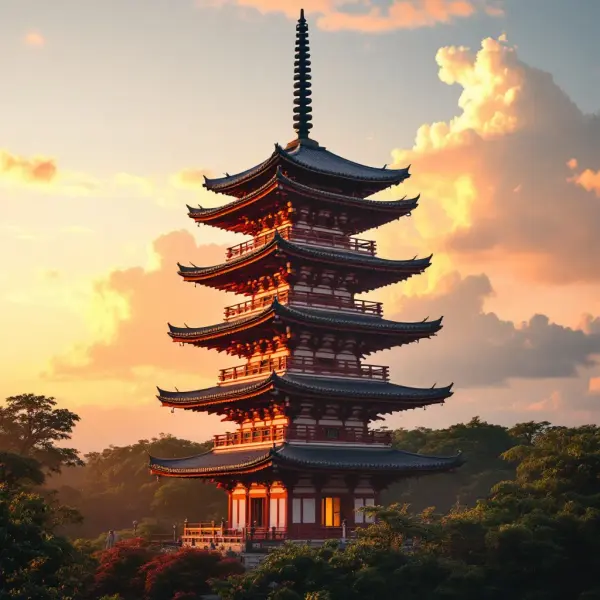
Päikeseloojang sellel mäetipus asuval pagoodil maalib terve Galle fordi poolsaare ja ookeani kuldsetesse toonidesse. Vaata, kuidas kalapaadid türkiissinises vees nõtkuvad, samal ajal kui mungad õhtupalveid laulavad.
Kiired faktid: Standing 40 meters tall on a hilltop at the southern tip of Sri Lanka, this gleaming white peace pagoda offers panoramic views over Galle Fort and the Indian Ocean. It was one of 80+ peace pagodas built worldwide by the Japanese Buddhist order Nipponzan Myohoji to promote world peace after World War II.
Esiletõstmised: Unlike most pagodas built strictly by Japanese monks, this one was constructed through the collaboration of Japanese and Sri Lankan Buddhists, with local craftsmen carving intricate details into the white walls. Four different Buddhist traditions are represented in the pagoda's design, with small shrines at each cardinal direction featuring Buddha statues in varying poses from Thai, Burmese, Sri Lankan, and Japanese styles.
Where to Stay in Galle, Sri Lanka
Selected by City Buddy based on guest reviews and proximity to top attractions
Search all hotels in Galle, Sri LankaPowered by agoda
Traditsioonilised magusad road
Kiri Toffee
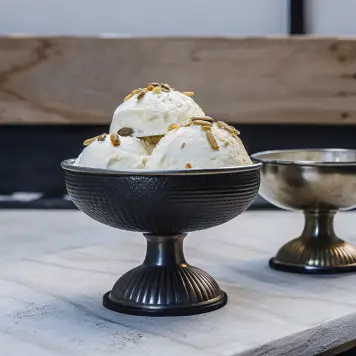
This creamy milk toffee is made by slowly condensing buffalo milk with sugar and cardamom, and it gets its signature melt-in-your-mouth texture from generous amounts of ghee. It is a beloved festive sweet in Galle's Muslim and Sinhalese communities.
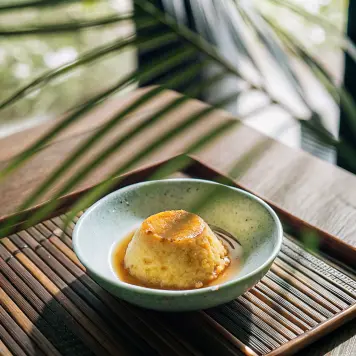
Watalappan
This steamed coconut custard pudding is infused with jaggery (palm sugar), cardamom, and nutmeg, and it has strong Malay and Sri Lankan Moor influences. It is an essential dessert at celebrations and Ramadan iftar feasts in the Galle region.
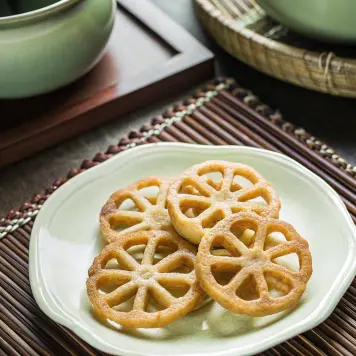
Kokis
A crispy, deep-fried cookie made from rice flour and coconut milk, it is shaped like a flower using a special metal mold. Kokis is a colorful and crunchy staple at Sri Lankan New Year celebrations in Galle.
Traditsioonilised soolased road
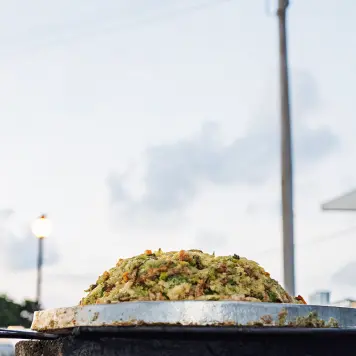
Kottu Roti
Made by chopping flatbread (roti) on a griddle with vegetables, egg, and meat while clanging metal blades create a signature rhythmic sound, this dish is a street food icon across Galle. The sounds of kottu being prepared are a familiar part of Galle's evening atmosphere.
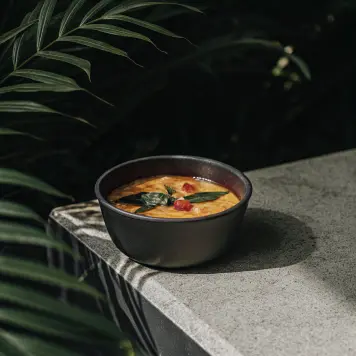
Parippu (Dal Curry)
This creamy red lentil curry, seasoned with coconut milk, turmeric, curry leaves, and pandan, is the soul of a traditional Galle rice and curry meal. In coastal Galle, it is often enriched with a splash of creamy coconut milk from freshly grated coconuts.
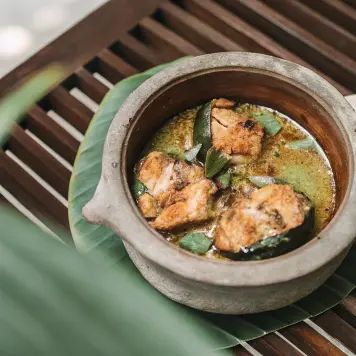
Fish Ambul Thiyal
A classic sour fish curry from the southern coast, it uses goraka (a dried tamarind-like fruit) as a souring agent and black pepper for heat. The fish is traditionally cooked in a clay pot, which gives it a distinctive earthy depth of flavor unique to Galle and the southern coast.
Traditsioonilised joogid
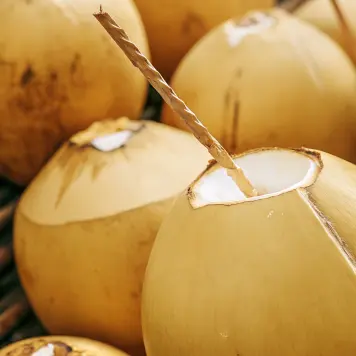
King Coconut Water (Thambili)
Unlike green coconuts elsewhere, Sri Lanka's bright orange king coconuts offer water that is naturally sweet, electrolyte-rich, and less acidic. In Galle's tropical heat, vendors slice the top off with a single machete stroke for a perfect refreshing drink.
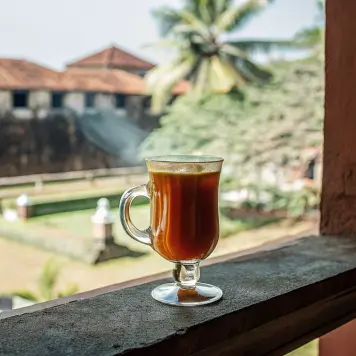
Ceylon Tea
Galle is a major exit hub for Sri Lanka's world-famous tea, and local tea stalls serve it strong and sweet with milk. A cup of Ceylon tea in Galle's Dutch Fort area combines colonial history with a globally revered brew.
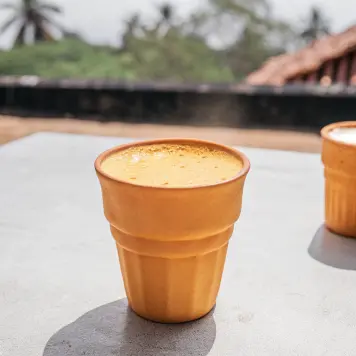
Toddy
This mildly alcoholic palm wine is tapped from the flower buds of coconut or kithul palms, and it ferments naturally within hours. In the Galle countryside, toddy is enjoyed fresh and sweet in the morning or fermented longer for a stronger evening drink.
Frequently Asked Questions about Galle, Sri Lanka
"Kas Galle Sri Lankal on ohutu?"
"Mitu päeva Galle Sri Lankal veeta?"
"Parim aeg Galle Sri Lanka külastamiseks?"
"Kas Galle Sri Lankal on kallis?"
"Kuidas Galle Sri Lankal liigelda?"
Saada PDF kõige populaarsemate atraktsioonidega oma e-postile
Hangi PDF koos kõigi atraktsioonide, hinnangute ja nõuannetega. Täiuslik võrguühenduseta kasutamiseks.
Kõige populaarsemad päevareisid
Unawatuna Beach
A beautiful crescent-shaped beach with golden sand, coral reefs, and calm waters perfect for swimming.
Hikkaduwa
A lively beach town known for snorkeling, coral sanctuaries, and vibrant nightlife.
Mirissa
A stunning coastal village with palm-fringed beaches and prime whale watching opportunities.
Bentota
A resort town along a golden beach with water sports, river safaris, and turtle hatcheries.
Yala National Park
Sri Lanka's famous wildlife park known for leopards, elephants, and diverse bird species.
Kuidas kohale jõuda
Lennujaamad
Raudteejaamad
Coastal Line connecting Colombo, Matara, and major beach towns
From Colombo airport, take a taxi or bus to Colombo Fort Station (1h), then the scenic Coastal Line train to Galle (2.5h).
Leia lennud sihtkohta Galle, Sri Lanka
Klõpsa, et saada eSIM sihtkohta Galle, Sri Lanka
Lihtsaim ja taskukohaseim viis saada mobiilset internetti ükskõik kus sa reisid.
Kommentaarid (5)
Galle Fort is stunning but the humidity in June was brutal. Those walls at sunset make it worth it though. 3 days was enough for the area.
Was a bit let down by how touristy the Fort has become. Every other shop sells the same jewelry. The ramparts walk is lovely early morning before crowds hit.
Get a room inside the Fort walls and wake up early to walk the ramparts before 7am. No crowd, cool breeze, and the light is perfect for photos. Absolute hack.
The food blew my mind. Got fresh curry and roti from a little place near the lighthouse for like 300 rupees. Best meal I had in two weeks in Sri Lanka.
Skip the expensive cafes on the main Fort streets. Walk toward the old clock tower area and eat at the small family run spots. Half the price, double the flavor.