 CityBuddy
 Suomi
Suomi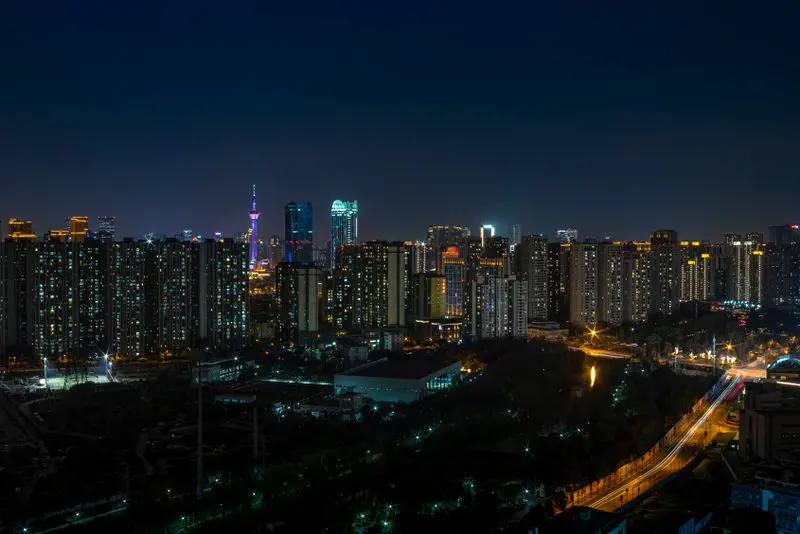
Tekemistä kohteessa Chengdu, China
Kuvaaja AG ZN Pexels.com-sivustolta
Milloin vierailla
Chengdu on maailman #3 kaupunki ruoan ystäville, perustuen dataamme sadoista kohteista.
Suosituimmat nähtävyydet kohteessa Chengdu, China
Kun puhutaan Chengdun matkailukohteista, vetovoimaisin on ehdottomasti Chengdu Research Base of Giant Panda Breeding, jossa elää yli 80 isopantaa ja jonka vilkkain hetki on aamuruokinta-aika. Sen jälkeen voi vierailla Kuanzhai Alley (Wide and Narrow Alley) -kujalla, joka koostuu leveästä, kapeasta ja kaivonkujasta muodostuvasta Qing-dynastian aikaisesta vanhasta kadusta ja joka on säilyttänyt vanhan Chengdun piha-asumisen tunnelman. Wuhou Shrine puolestaan kunnioittaa Kolmen kuningaskunnan aikakauden kuuluisaa kansleria Zhuge Liangia, ja temppelin alueella kohoavat ikivanhat sypressit luovat vahvan historiallisen tunnelman. Nämä kolme kohdetta kattavat Chengdun ydinkokemuksen kulttuurin ja luonnon osalta.
1. Chengdu Research Base of Giant Panda Breeding
Läheltä nähtynä kansallisaarteiden lopullinen elämys, pyöreän panda bambua rouskuttaessa voi parantaa koko päivän väsymyksen. Kävele bambulehdon poluilla, suloisista pennuista huoleti aterioiviin aikuisiin pandeihin, jokainen hetki on ikuistamisen arvoinen.
Nopeat faktat: Täällä asuu päivittäin yli 100 isopandaa, ja nähtävillä on niin vastasyntyneitä vaaleanpunaisia pentuja kuin aikuisiakin. Tämä on myös maailman suurin isopandan keinolisäys- ja tutkimuslaitos, jossa on tähän mennessä onnistuttu lisäämään yli 300 isopandaa.
Kohokohdat: Aikainen aamu on täällä taianomaisin hetki: muutaman kuukauden ikäiset pandanpennut päästävät hoitolanokkaisista huutia muistuttavia ääniä lämpölaatikoissaan, ja hoitajat järjestävät "pandatarharyhmän" yhteisen ruokintahetken. Kun näkee tusinan pörröistä pandanpoikasta jonossa juomassa maitoa, se onnellisuuden tunne sulattaa kenet tahansa.
2. Wuhou Shrine
Astu Kolmen kuningaskunnan sankareiden legendaariseen maailmaan ja tunne Zhuge Liangin "kaiken uhraavan" henkisen voiman. Kulje punaisten muurien ja muinaisten sypressien läpi, ja käy vuosituhantista historiaa dialogia suitsukkeen tuoksussa.
Nopeat faktat: 3,7 hehtaarin kokoisella temppeli-alueella säilytetään "Kolmen mestariteoksen steela", jonka on kirjoittanut Tang-dynastian pääministeri Pei Du ja kaunokirjoittanut kalligraafikko Liu Gongchuo. Yli 2000 ikivihreää sypressiä ympäröi punaseinäisiä, harmaakattoisia rakennuksia, ja yhden niistä sanotaan Zhuge Liangin itse istuttaneen yli 1700 vuotta sitten.
Kohokohdat: Pääsalin katolla on 47 Kolmen kuningaskunnan ajan hahmojen savihahmoa, joilla jokaisella on erilainen ilme. Sateella niiden lasitus hohtaa vihertävänä. Vielä erikoisempaa on, että suitsukkeiden tuoksu ja vanhojen sypressien raikas aromi sekoittuvat, ja koko pihapiiri on tuhansien vuosien taakse vievän hiljaisuuden peitossa.
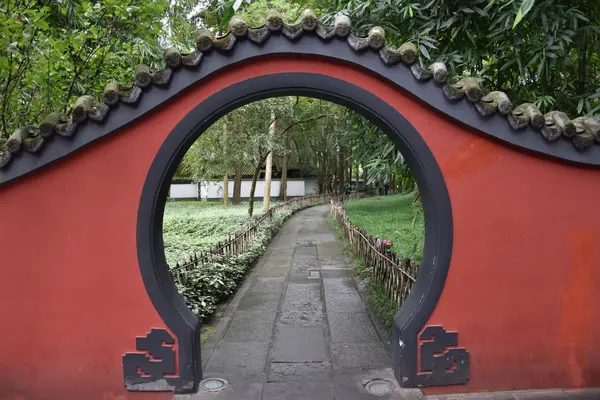
3. Du Fu Thatched Cottage
Astu runoilijamestarin aikoinaan Chengsuun paenneena asuttaman olkimajan alkuperäiselle paikalle ja haista bambun ja maan tuoksu. Juo kannellisesta kuppiteestä bambun varjostamassa pihassa ja kuuntele paikallisten lausuvan Du Fun runoja Sichuanin murteella.
Nopeat faktat: Yli kaksi miljoonaa kävijää vierailee vuosittain tässä rauhallisessa puutarhassa, joka on omistettu runouden pyhimykselle. Puutarhassa on yli 800 riimiparia ja yli 150 kivitaulua, jotka muodostavat Kiinan laajimman Du Fu -aiheisen kalligrafiakivimetsän.
Kohokohdat: Lammen edustalla sijaitsevassa olkikattoisessa majassa elää kymmeniä kilpikonnia, jotka on kerätty Chengdun vanhalta alueelta. Ne ovat asuneet täällä yli kaksikymmentä vuotta, ja paikalliset kutsuvat heitä "runouden pyhimyksen vartijoiksi". Joka vuosi kolmannen kuukauden kolmantena päivänä kiinalaisen kalenterin mukaan puutarha asettaa esille kirjoitusvälineet ja antaa kävijöiden jäljentää Du Fun runoja majan edessä. Paperi ja muste ovat täysin ilmaisia.
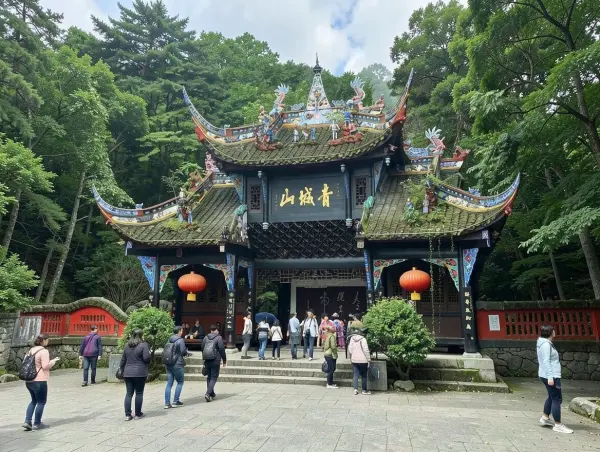
4. Mount Qingcheng
Haluatko kokea taolaisuuden kulttuurin tyynen voiman vehreässä vuoristossa? Nouse kiviportaita pitkin, muinaisen temppelin aamukellot, kirkkaat lähteet ja lintujen laulu, koko matkan varrella maisemia, jotka saavat sinut unohtamaan kaupungin hälinän.
Nopeat faktat: Qingcheng-vuori jakautuu etu- ja takaosaan. Eturinteellä on lukuisia taolaisia temppeleitä ja palavaa suitsuketta, kun taas takarinne on syrjäisempi ja koskemattomampi. Tämä on yksi Kiinan taolaisuuden syntypaikoista. Koko vuorella on 36 taolaista temppeliä, jotka on rakennettu Itäisen Han-dynastian aikana.
Kohokohdat: Laojun-paviljongin edessä aamusumussa näet taolaisia munkkeja tekemässä taijia valkoisissa asuissaan, jotka katoavat ja ilmestyvät näkyviin kuin ne olisivat matkustaneet tuhannen vuoden läpi. Vielä parempaa on, että viiden lohikäärmeen rotkon purojen äänet ja lintujen laulu sekoittuvat keskenään, ja matkan varrella saatat tavata luonnonvaraisia apinoita, mikä ei jää jälkeen mistään wuxia-romaanin tunnelmasta.
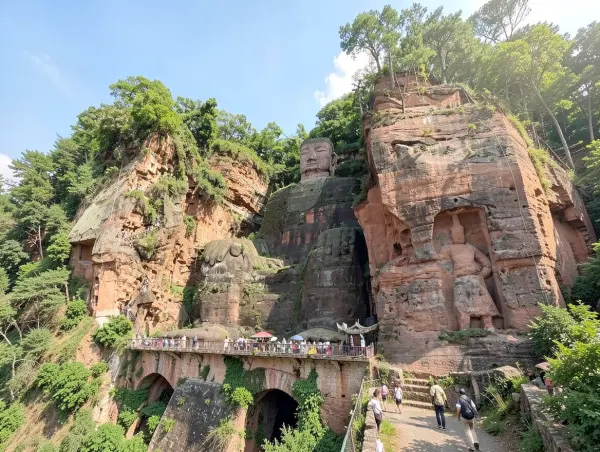
5. Leshan Giant Buddha
Näe omin silmin maailman suurin kivestä veistetty Buddha ja koe Tang-dynastian käsityöläisten mestarillinen taito. Kulje yhdeksän mutkan portaikkoa pitkin Buddhan päästä jalkoihin ja kuuntele vuosituhantisia kaikuja kolmen joen yhtymäkohdassa.
Nopeat faktat: Tämä 71 metriä korkea kallioveistos sijaitsee kolmen joen yhtymäkohdassa ja on yli 20 kerroksista rakennusta korkeampi. Pelkästään sen jalkaterä on kahden koripallokentän kokoinen. Koko jättiläisbuddhan veistäminen kesti 90 vuotta, ja kolmen sukupolven käsityöläiset saivat sen päätökseen. Buddhan suojaamiseksi sateelta ja tuulelta sen ympärille rakennettiin aikoinaan 13-kerroksinen paviljonki.
Kohokohdat: Buddha koki aikoinaan jopa 20 vuotta kestäneen kunnostusprojektin, ja käsityöläiset löysivät sen päälaelta yli tuhat Tang-dynastian aikaista alkuperäistä tiiltä. Vielä hämmästyttävämpää on, että buddhan korvien ja hiusten sisään on piilotettu salaojitusjärjestelmä, jonka Tang-ajan käsityöläiset suunnittelivat näppärästi. Sen ansiosta tämä valtava patsas on istunut pystyssä vakaana läpi tuhansien vuosien säiden.
6. Sanxingdui Museum
Astu salaperäiseen muinaiseen valtakuntaan, jota historiankirjat eivät koskaan maininneet, ja näe omin silmin yli 3000 vuotta sitten mielikuvituksen ylittävä pronssisivilisaatio. Kolmimetrinen pronssinen puu, ulkonevat silmät naamiot, jokainen esine mullistaa käsityksesi kiinalaisesta sivilisaatiosta.
Nopeat faktat: Yli tuhat pronssinaamiota, pyhää puuta ja norsunluuta paljastui kahdesta uhrikuopasta vuonna 1986. Jokainen niistä on muodoltaan outo ja täysin erilainen kuin Kiinan keskitasangon pronssiesineet. Arkeologit eivät ole vielä löytäneet mitään kirjoitettua todistetta, eikä tiedetä, mihin muinaiseen valtakuntaan nämä esineet kuuluivat tai miksi ne haudattiin. Ne ovat edelleen ratkaisematon mysteeri.
Kohokohdat: Pronssinen pyhä puu on 3,96 metriä korkea ja siinä on kolme kerrosta oksia. Jokaisella kerroksella lepää yhdeksän pyhää lintua, ja latvassa seisoo onnea tuova eläin. Koko puu ulottuu näyttelysalissa lattiasta kattoon. Kaikkein erikoisimpia ovat ulkonevat naamarit, joiden silmät työntyvät jopa 16 senttimetriä ulospäin. Ne näyttävät aivan avaruusolennoilta, ja jokainen niiden edessä seisova vierailija vetää henkeä hämmästyksestä.
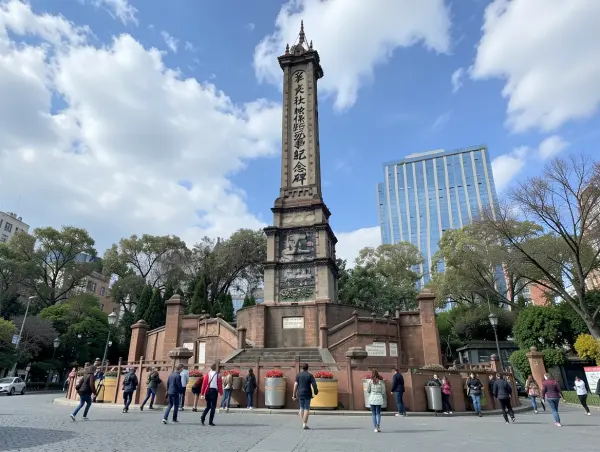
7. People's Park
Haluatko hetkessä sukeltaa vanhan Chengdun hitaaseen elämään? Tule tänne juomaan teetä, putsauttamaan korvia ja katselemaan ohikulkijoiden haahuilua, puoli päivää vierähtää silmänräpäyksessä.
Nopeat faktat: Yli 4,7 hehtaarin kokoinen keskustan keidas, joka houkuttelee päivittäin kymmeniätuhansia asukkaita juomaan teetä, tanssimaan ja pelaamaan mahjongia. Puiston sata vuotta vanha ginkgometsä muuttuu joka syksy keltaiseksi, ja se on chengdulaisten mielestä kaikkein maanläheisin vapaa-ajan pyhättö.
Kohokohdat: Puiston perällä sijaitseva He Mingin teehuone on ollut toiminnassa vuodesta 1923 lähtien. Bambutuolit, kupariset vedenkeittimet ja kannelliset teekupit, yksi kuppi maksaa vain kymmenkunta yuania, eikä kukaan hätyyttele sinua vaikka istuisit koko päivän. Sunnuntaiaamuisin samaan aikaan järjestetään englanninkielinen keskustelupiiri ja deittailunurkka. Valkotukkainen vanhus puhuu sujuvaa englantia ulkomaisten opiskelijoiden kanssa, tällaista näkyä ei näe koko Kiinassa kuin täällä.
Where to Stay in Chengdu, China
Selected by City Buddy based on guest reviews and proximity to top attractions
Search all hotels in Chengdu, ChinaPowered by agoda
Perinteiset makeat ruoat
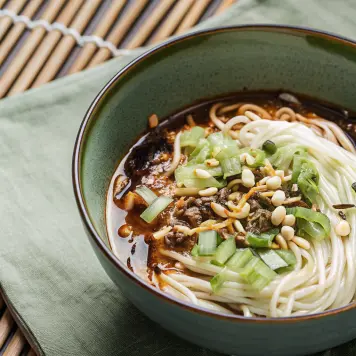
Dandan Mian (Dan Dan Noodles)
Despite being a noodle dish, Dandan Mian is often served as a sweet and savory street food. Its name comes from the bamboo pole (dan dan) that street vendors used to carry the noodles and sauce on their shoulders.
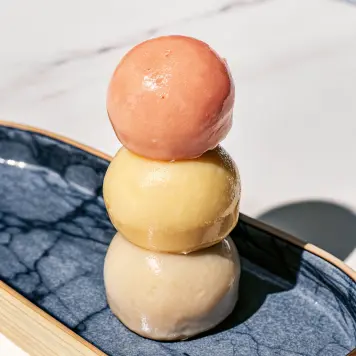
Three Balls (San Da Pao)
San Da Pao, or Three Big Bangs, is a Chengdu dessert made from glutinous rice that makes three loud sounds when prepared. The pounding and shaking of the rice cakes create a theatrical performance as the vendor calls out each bang.
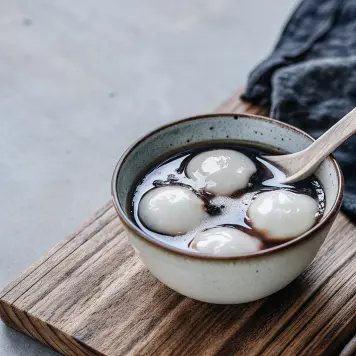
Sweet Rice Balls (Tangyuan)
Tangyuan are glutinous rice balls filled with black sesame paste or sweet bean paste, often served in a warm ginger syrup. In Chengdu, these are especially popular during the Lantern Festival as their round shape symbolizes family togetherness.
Perinteiset suolaiset ruoat
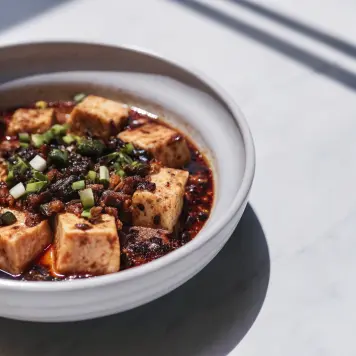
Mapo Tofu
This iconic Chengdu dish features soft tofu in a fiery sauce of doubanjiang (fermented bean paste) and Sichuan peppercorns. It is named after an elderly pockmarked woman (ma po) who supposedly invented the recipe in a small Chengdu eatery.
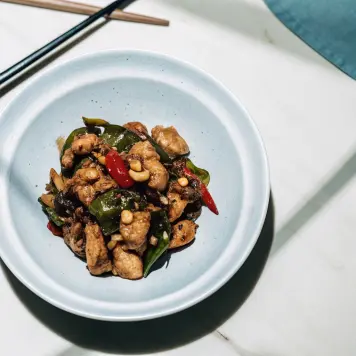
Kung Pao Chicken (Gong Bao Ji Ding)
This dish originated in Chengdu and is named after Ding Baozhen, a Qing Dynasty governor whose title was "Gong Bao" (Palace Guardian). The original recipe uses only chicken, peanuts, and chili peppers without the vegetables often added in Western adaptations.
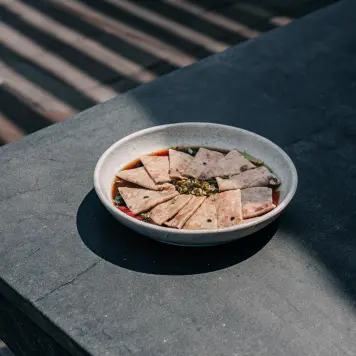
Fuqi Feipian (Husband and Wife Lung Slices)
Despite its literal name meaning "husband and wife lung slices," this dish actually contains no lung tissue but rather thinly sliced beef and offal. It was created by a married couple who sold the spicy, numbing cold beef dish from a pushcart in Chengdu.
Perinteiset juomat
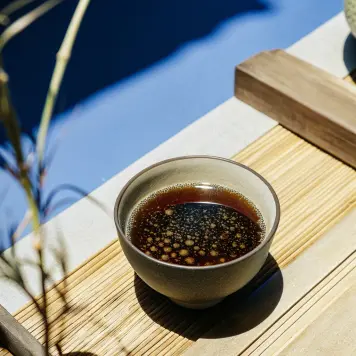
Sichuan Buckwheat Tea (Ku Qiao Cha)
Ku Qiao Cha is a nutty, slightly bitter tea made from roasted tartary buckwheat grown in the highlands of Sichuan. It is caffeine free and believed to help with digestion, especially after eating Chengdu's famously spicy food.

Suan Mei Tang (Sour Plum Drink)
This tangy, sweet beverage is made from smoked plums, rock sugar, and licorice root, and is a cherished Chengdu summer drink. It is said to have been invented during the Song Dynasty to cool down emperors in the heat.
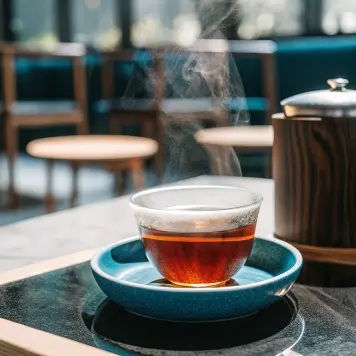
Gaiwan Tea (Covered Bowl Tea)
The gaiwan, a lidded bowl used for brewing and drinking tea, is inseparable from Chengdu's teahouse culture where locals spend hours sipping, socializing, and playing mahjong. Chengdu has the most teahouses of any city in China, with thousands dotting its streets and parks.
Usein kysytyt kysymykset: Chengdu, China
Onko Chengdussa turvallista matkustaa?
Kuinka monta päivää Chengdussa kannattaa viettää?
Milloin on paras aika matkustaa Chengduun?
Onko Chengdussa matkustaminen kallista?
Miten Chengdun keskustassa kannattaa liikkua?
Lähetä PDF suosituimmista nähtävyyksistä sähköpostiisi
Saat PDF:n kaikista nähtävyyksistä, arvioista ja vinkeistä. Täydellinen offline-käyttöön.
Suosituimmat päiväretket
Leshan Giant Buddha
Home to the world's largest stone Buddha statue carved into a cliff face.
Mount Qingcheng
Ancient Taoist mountain with lush greenery and serene temples.
Dujiangyan Irrigation System
Ancient irrigation system still in use, a UNESCO World Heritage site.
Panda Base (Bifengxia)
Giant panda breeding and research center in a lush valley setting.
Mount Emei
Sacred Buddhist mountain with stunning sunrise views and monasteries.
Saapuminen
Lentokentät
Rautatieasemat
High-speed rail to Xi'an, Chongqing, Guangzhou, Shanghai, Beijing
High-speed rail to Leshan, Mount Emei, Kunming
High-speed rail to Dujiangyan, Qingchengshan
From Shuangliu Airport (CTU), take Metro Line 10 to city center in 30 minutes. Tianfu Airport (TFU) is farther; use the Airport Express Bus or Metro Line 18.
Hyödyllistä tietoa kohteesta Chengdu, China
Yleiskatsaus kohteelle Chengdu, China
Haluatko päiväkohtaisen suunnitelman kohteeseen Chengdu, China? Avaa matkasuunnittelija
Milloin matkustat kohteeseen Chengdu, China?
Valitse päivämäärät ja matkustustyyli saadaksesi:
Onko jokin näistä erityisen tärkeä sinulle?
Valitse kaikki, jotka sopivat
Liikkuminen
Miten haluat liikkua paikkojen välillä?
Suunnitelman kieli: Suomi