 CityBuddy
 Français
Que faire à Lhasa, China
Photo prise par Alexas Fotos sur Pexels.com
Quand visiter
Quand partez-vous à Lhasa, China ?
Choisissez vos dates et style de voyage pour obtenir :
Qu'est-ce qui est particulièrement important pour vous ?
Sélectionnez tout ce qui s'applique
Plan language: FrançaisAttractions les plus populaires à Lhasa, China
Les choses incontournables à faire à Lhasa, en Chine, incluent l'exploration du palais du Potala, une immense forteresse s'élevant sur 13 étages avec plus de 1 000 pièces. La promenade sur la rue Barkhor offre un circuit d'un kilomètre autour du temple Jokhang, le cœur spirituel de la ville, avec des marchés animés et d'anciens moulins à prières à découvrir.
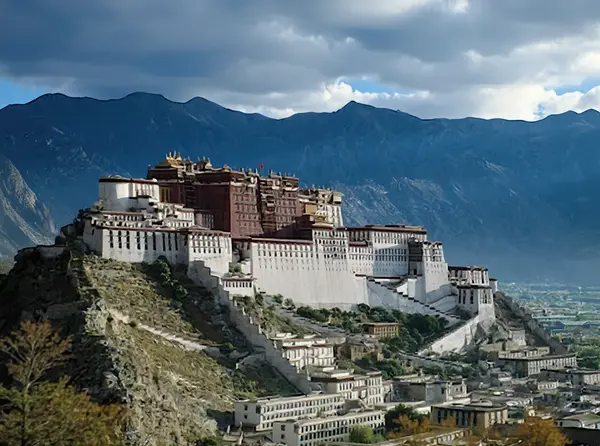
1. Potala Palace
Experience a legendary Tibetan fortress full of art and history. Walk ancient halls and soak in spiritual murals and intricate butter sculptures.
Faits rapides: Le palais s'élève à 117 mètres au-dessus de la vallée de Lhassa et comprend plus de 1 000 pièces, dont des chapelles, des sanctuaires et des bibliothèques. Les visiteurs peuvent explorer sa vaste collection de manuscrits anciens, de fresques et d'objets tibétains qui racontent des siècles d'histoire.
Points forts: Explorez le Palais Rouge au cœur du site, où des salles sacrées brillent d'or et des fresques illustrent les enseignements bouddhistes tibétains. Des sculptures uniques en beurre sacré, réalisées minutieusement à partir de beurre de yak coloré, décorent les temples lors de festivals spéciaux.
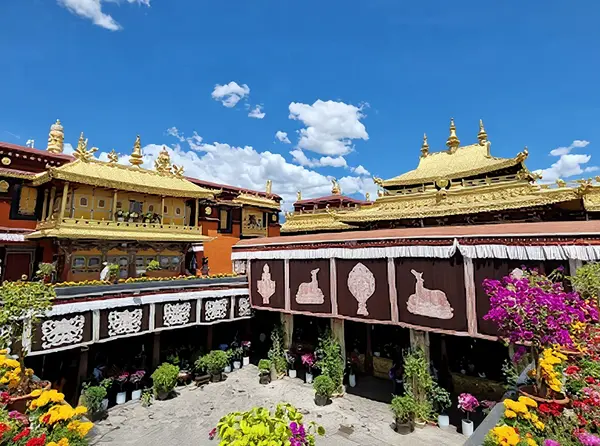
2. Jokhang Temple
Discover living history through ancient Buddhist rituals and intricate artwork. Experience the devotion and vibrant culture of Tibetan spirituality up close.
Faits rapides: Âgé de plus de 1 000 ans, ce temple abrite la vénérée statue de Jowo Rinpoche, considérée comme bénie par Bouddha lui-même. Les pèlerins se prosternent souvent jusqu'à 300 fois le long du chemin du temple lors de visites sacrées.
Points forts: Le toit doré brille vivement au soleil, abritant trois salles principales remplies d'art bouddhiste et de manuscrits. Une tradition unique permet aux visiteurs d'observer les pèlerins effectuer une circumambulation dans le sens des aiguilles d'une montre, faisant tourner les moulins à prières et offrant des écharpes de soie à chaque tournant.
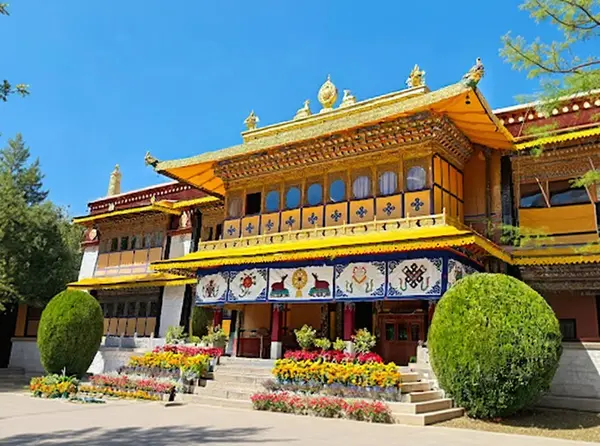
3. Norbulingka
Step into a peaceful oasis where history and nature intertwine. Experience serene gardens and ornate Tibetan art under a calm Lhasa sky.
Faits rapides: Profitez de vastes jardins s'étendant sur plus de 36 hectares encadrés par des palais et pavillons tibétains traditionnels. Autrefois utilisé comme résidence d'été des dalaï-lamas, il accueille des festivals religieux annuels avec des processions rituelles vibrantes.
Points forts: Une caractéristique remarquable comprend les sculptures sur bois complexes et les fresques peintes à la main qui mettent en valeur l'artisanat tibétain. On peut se promener dans ses bosquets paisibles et ses terrasses fleuries tout en apercevant des chortens centenaires et des drapeaux de prière flottant dans la brise de montagne.
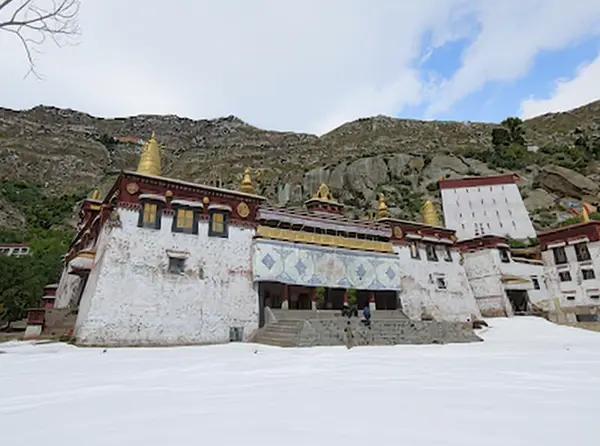
4. Sera Monastery
Experience an intense burst of culture with live monk debates and stunning Buddhist art. Dive deep into ancient Tibetan traditions and feel the energy vibrating through the courtyard.
Faits rapides: Plus de 400 moines étudient et vivent ici, participant à des débats philosophiques animés qui résonnent dans la cour. Le monastère abrite une impressionnante collection de plus de 100 000 manuscrits anciens et fresques qui dépeignent la riche histoire du bouddhisme tibétain.
Points forts: Assistez aux célèbres séances de débat où les moines frappent du pied et utilisent des gestes dramatiques pour affiner leur compréhension, créant une atmosphère énergique sans pareille. La salle d'assemblée centrale abrite une statue massive de Je Tsongkhapa, un guide spirituel, qui mesure près de 15 mètres de haut et impose le respect à tous les visiteurs.
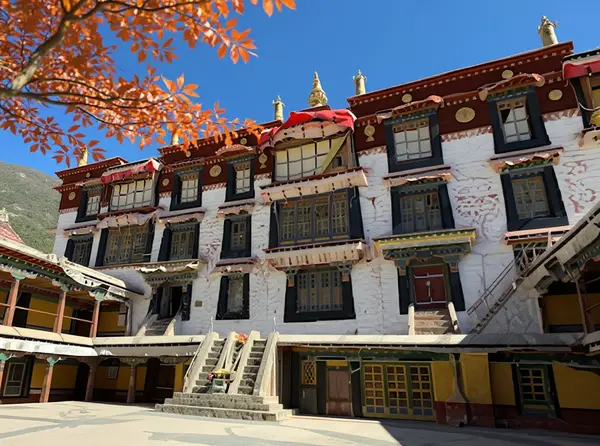
5. Drepung Monastery
Step into a world of serene spirituality and philosophy. Experience lively monk debates and gaze upon majestic sacred art.
Faits rapides: En une seule journée, plus de 1 500 moines peuvent pratiquer le bouddhisme tibétain dans ses murs. S'étendant sur 35 hectares, il fut autrefois le plus grand monastère du monde par sa population.
Points forts: Une tradition intrigante permet aux visiteurs d'assister aux séances quotidiennes de débat entre moines, où la philosophie s'affronte dans des échanges vibrants et rythmés. La Salle d'Or du monastère abrite l'une des plus grandes statues de Bouddha du Tibet, d'une hauteur éblouissante de 15 mètres.
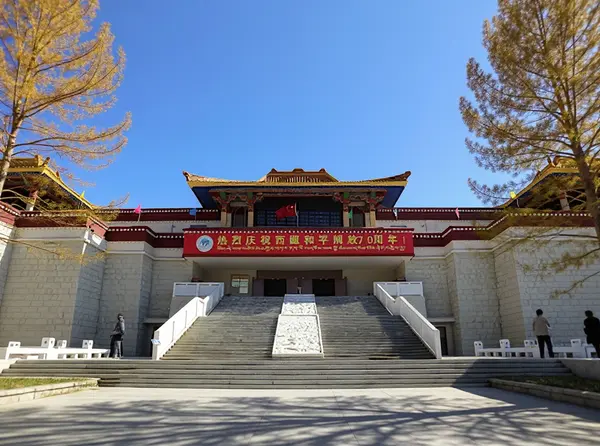
6. Tibet Museum
Explore 10,000+ artifacts revealing Tibet's rich culture and history. Experience traditional Tibetan homes and ancient manuscripts up close.
Faits rapides: Le musée conserve plus de 10 000 artefacts illustrant l'histoire culturelle, religieuse et naturelle du Tibet. Il attire environ 450 000 visiteurs chaque année, offrant un aperçu profond du patrimoine et des traditions tibétaines.
Points forts: Entrez pour découvrir une maison tibétaine traditionnelle reconstituée grandeur nature avec des objets ménagers authentiques et des thangkas vibrants qui donnent vie aux histoires locales. L'exposition du musée comprend des manuscrits rares et des textes religieux anciens que peu de personnes hors du Tibet ont vus.
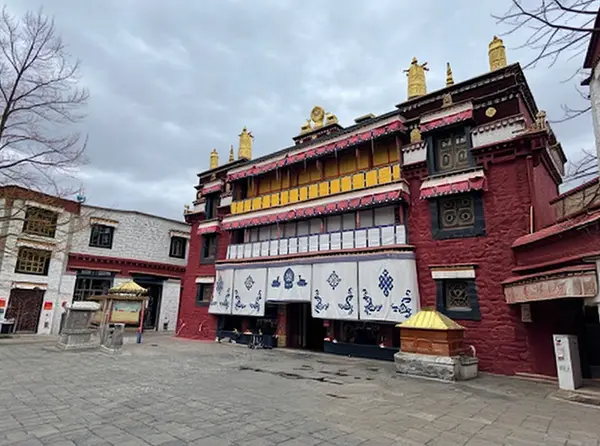
7. Ramoche Temple
Discover a sacred site sheltering a Buddha statue with a fascinating origin story. Experience vibrant rituals and stunning Tibetan craftsmanship up close.
Faits rapides: Abritant une rare statue du Bouddha Jowo, que l'on croit avoir été bénie par le Bouddha lui-même, le temple attire des milliers de visiteurs chaque année. Contrairement à de nombreux temples bouddhistes, ce site a survécu à de multiples bouleversements historiques, préservant son style architectural tibétain d'origine.
Points forts: La statue du Bouddha Jowo du temple aurait été transportée d'Inde au VIIe siècle et est drapée d'exquis manteaux de soie lors des cérémonies spéciales. Les visiteurs peuvent observer les moines accomplir des rituels anciens qui remontent à plus de 1 300 ans, accompagnés de chants résonnants et de présentations de thangkas.
Where to Stay in Lhasa, China
Selected by City Buddy based on guest reviews and proximity to top attractions
Search all hotels in Lhasa, ChinaPowered by agoda
Plats sucrés traditionnels
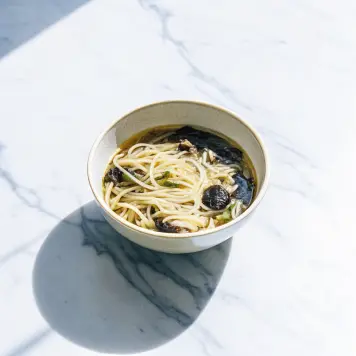
Guthuk
Guthuk is a special Tibetan noodle soup eaten during the Tibetan New Year that includes nine different ingredients symbolizing good fortune.
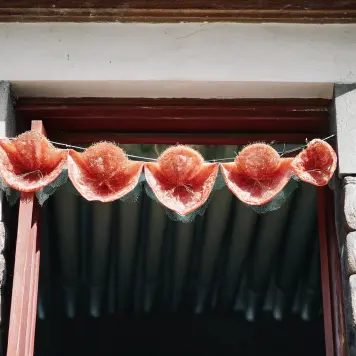
Khapse
Khapse are traditional Tibetan crunchy fried pastries, often made for special festivals and celebrations, representing joy and prosperity.
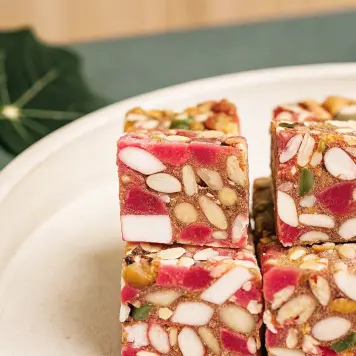
Sugarcandy
Sugarcandy is a popular sweet treat in Lhasa, made from hardened sugar often mixed with nuts and dried fruits.
Plats salés traditionnels
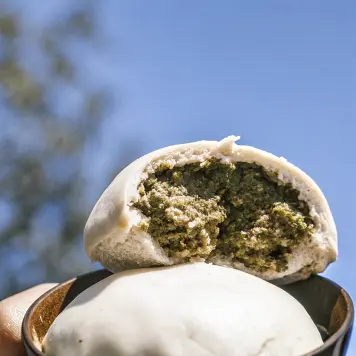
Tsampa
Tsampa is roasted barley flour, a staple in Tibetan cuisine, often mixed with butter tea or yogurt to form a nourishing dough.
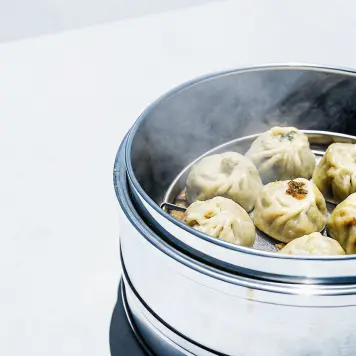
Momos
Momos are Tibetan steamed dumplings filled with meat or vegetables, enjoyed widely across the region and beyond for their delicate taste.
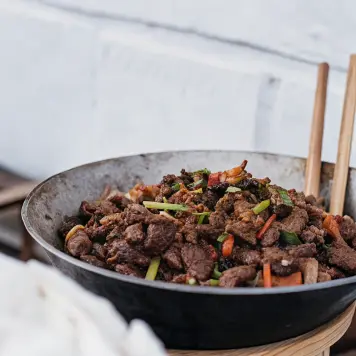
Shapta
Shapta is a spicy Tibetan stir-fried meat dish, usually made with beef or lamb, known for its bold flavors and hearty nature.
Boissons traditionnelles
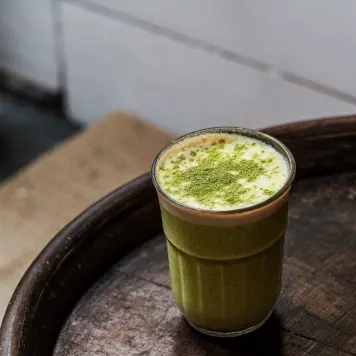
Butter Tea
Butter tea, made with tea leaves, yak butter, and salt, is a traditional Tibetan drink that provides energy and warmth in high altitudes.
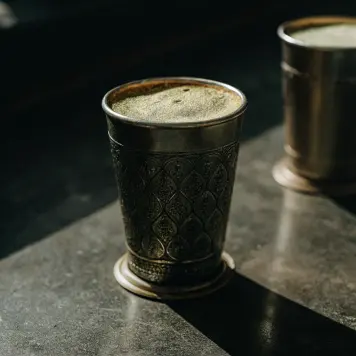
Chang
Chang is a Tibetan barley beer, mildly alcoholic and often consumed during festivals and social gatherings.
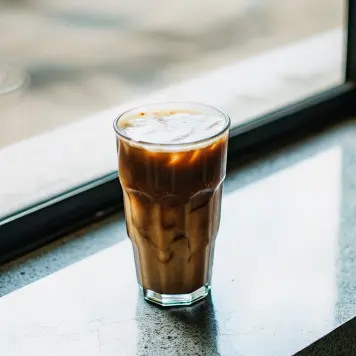
Sweet Milk Tea
Sweet milk tea is a popular variation of traditional Tibetan tea, served with milk and sugar for a comforting and rich flavor.
Frequently Asked Questions about Lhasa, China
Est-ce que Lhasa, en Chine, est une destination sûre pour les voyageurs ?
Combien de jours devrais-je passer à Lhasa, en Chine ?
Quelle est la meilleure période pour visiter Lhasa, en Chine ?
Est-ce que Lhasa, en Chine, est une destination chère pour les voyageurs ?
Comment se déplacer à Lhasa, en Chine ?
Recevez un PDF avec les attractions les plus populaires envoyé à votre email
Obtenez un PDF avec toutes les attractions, évaluations et conseils. Parfait pour une utilisation hors ligne.
Excursions d'une journée les plus populaires
Yamdrok Lake
A stunning turquoise high-altitude lake surrounded by snow-capped mountains.
Namtso Lake
A sacred lake known for its clear blue waters and natural beauty.
Ganden Monastery
A prominent Tibetan Buddhist monastery with panoramic valley views.
Comment y arriver
Aéroports
Gares
Qinghai-Tibet Railway
From Lhasa Gonggar Airport, take a taxi or airport shuttle bus to Lhasa city center; the railway station is centrally located
Trouvez des vols vers Lhasa, China
Cliquez pour obtenir une eSim pour Lhasa, China
Le moyen le plus simple et abordable d'avoir internet mobile où que vous voyagiez.
Commentaires (8)
Pro tip: buy a prepaid local SIM at the airport, it’s much cheaper than roaming and you’ll need good data for maps and translation apps.
The vibe is very spiritual, peaceful in many areas but can get crowded around the Potala Palace which makes it less tranquil than expected.
If you want true local eats avoid the restaurants right by the Jokhang Temple. Walk two blocks away and you’ll find some authentic momos and tea houses for less.
The food was a mixed bag. Some traditional Tibetan dishes are really flavorful but street food prices near tourist spots felt a bit inflated.
I stayed 4 nights which was just enough for me, gives you time to see the main sights plus some chill days without rushing.