 CityBuddy
 Français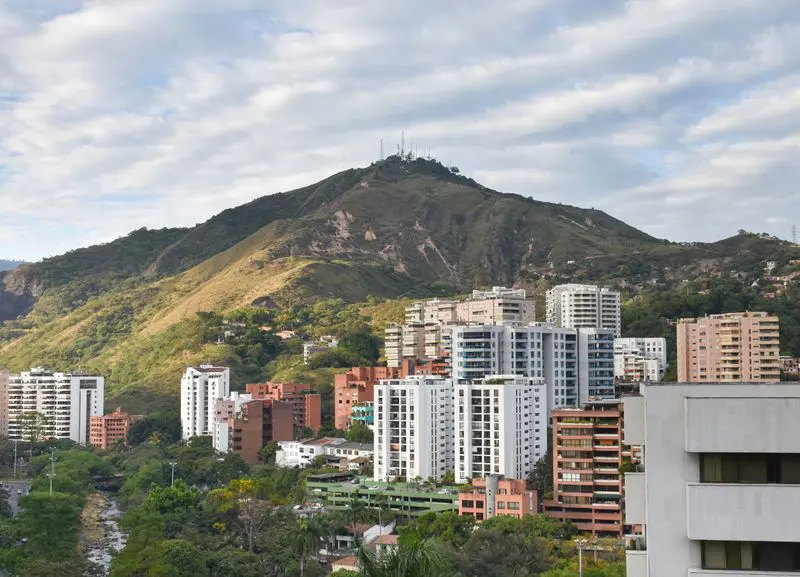
Que faire à Cali, Colombia
Photo prise par Kevin Durango sur Pexels.com
Quand visiter
Quand partez-vous à Cali, Colombia ?
Choisissez vos dates et style de voyage pour obtenir :
Qu'est-ce qui est particulièrement important pour vous ?
Sélectionnez tout ce qui s'applique
Plan language: FrançaisAttractions les plus populaires à Cali, Colombia
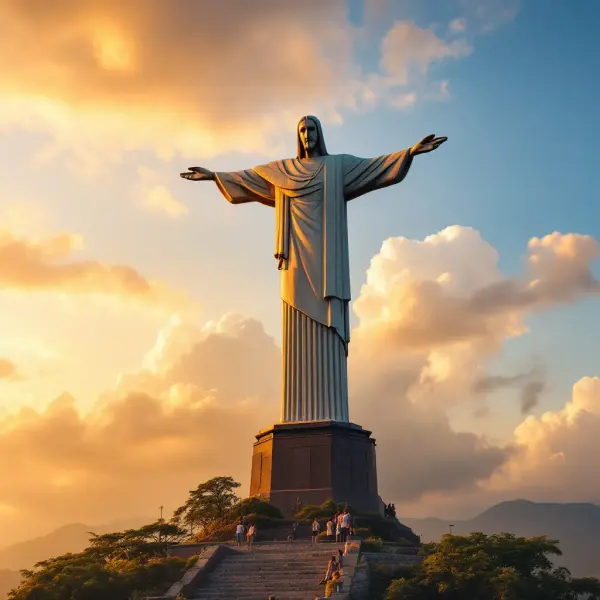
Si vous cherchez des choses à faire à Cali, en Colombie, commencez par le Cristo Rey, une statue de 26 mètres au sommet d'une colline offrant une vue sur toute la ville. Visitez le Museo del Oro Calima pour ses artefacts en or précolombiens, puis la Plaza de Cayzedo, la place centrale avec son architecture historique et ses cafés.
1. Cristo Rey
Découvrez Cali depuis son point d'observation le plus haut, avec une statue de 26 mètres qui semble flotter au-dessus des nuages. Vous grimperez des escaliers en colimaçon pour des vues imprenables sur la vallée et une place de choix pour l'un des couchers de soleil les plus spectaculaires de Colombie.
Faits rapides: Haute de 26 mètres sur une colline, cette statue en béton blanc veille sur la ville depuis 1 440 mètres d'altitude. Le sculpteur Gerardo Navia a passé quatre ans à tailler la figure, ce qui a nécessité de transporter les matériaux jusqu'à la montagne escarpée à dos de mule.
Points forts: Au coucher du soleil, la longue ombre de la statue s'étend sur tout le côté ouest de Cali, créant une silhouette dramatique que les habitants appellent "la bénédiction de la ville". La meilleure vue se trouve depuis la petite chapelle au pied de la statue, où la lumière de l'après-midi filtre à travers les nuages et peint la vallée dans des nuances changeantes d'orange et de violet.
2. Museo del Oro Calima
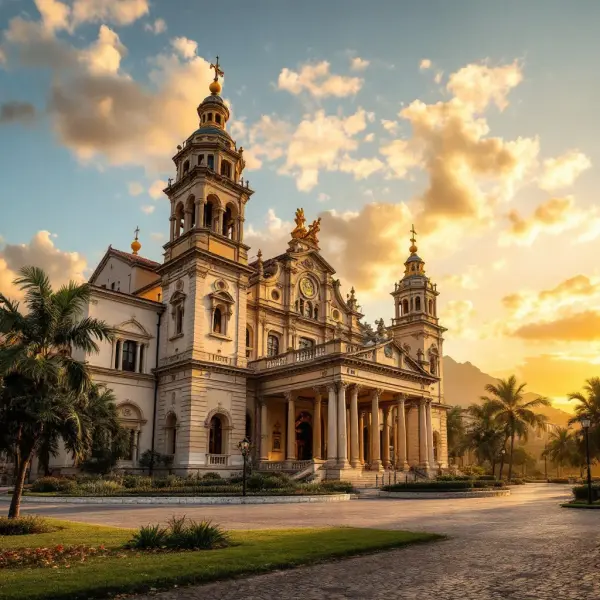
Retenez votre souffle devant plus de 200 pièces d'or resplendissantes qui ont survécu à la conquête et au temps. Sentez le poids de l'histoire de Calima en vous tenant dans une ancienne chambre forte de banque, entouré d'artefacts plus anciens que l'empire inca.
Faits rapides: Plus de 200 artefacts en or précolombiens remplissent les salles voûtées de cet ancien bâtiment bancaire. Le peuple Calima maîtrisait 12 techniques distinctes de travail de l'or, dont la fonte à la cire perdue et le filigrane, des siècles avant le contact espagnol.
Points forts: Cherchez le poporo, un récipient à chaux utilisé dans la mastication rituelle de coca, dont les motifs en spirale complexes représentent la vision cosmologique calima du temps comme cyclique. Sa surface brille d'un alliage d'or à 70% qui luit encore aussi intensément qu'au jour de sa fabrication, il y a environ 1 500 ans.
3. Zoológico de Cali
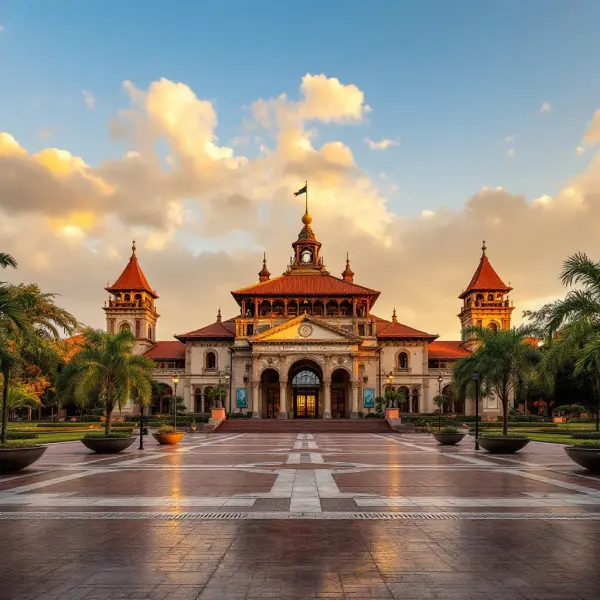
Passez une matinée entouré de la faune la plus incroyable de Colombie, des jaguars aux toucans. Promenez-vous dans des habitats immersifs, nourrissez les oiseaux à la main dans une volière accessible et regardez des singes espiègles se balancer au-dessus de vous.
Faits rapides: Abritant plus de 1 200 animaux de 180 espèces, ce zoo met fortement l'accent sur la faune colombienne comme les jaguars, les ours à lunettes et le coloré coq-de-roche andin. Son programme de reproduction a permis de faire éclore des dizaines de perruches à oreilles jaunes, une espèce autrefois considérée comme éteinte à l'état sauvage.
Points forts: Le pavillon nocturne du zoo vous permet d'observer les kinkajous et les singes de nuit dans une obscurité quasi totale, éclairés seulement par des lumières rouges tamisées qui imitent la nuit. Vous pouvez traverser une volière où des centaines de papillons et d'oiseaux tropicaux filent près de vos épaules et se posent sur des mangeoires à quelques centimètres de votre visage.
Avez-vous entendu parler des visites à pied gratuites ?
Après avoir voyagé dans plus de 30 pays, il y a une chose que j'aurais aimé qu'on me dise dès le premier jour, et cela a complètement changé ma façon de découvrir les nouvelles villes.
Les visites à pied gratuites. Oui, vraiment gratuites. Pas besoin de carte de crédit. Pas de piège.
Guide local, 2-3 heures
Sites majeurs, trésors cachés, histoires locales
100% basé sur les pourboires
Les guides ne gagnent que des pourboires, ils donnent donc le meilleur d'eux-mêmes
Vous donnez le pourboire que vous jugez juste
À la fin, donnez simplement le pourboire que vous jugez juste
J'ai fait ces visites dans des dizaines de villes et elles ont été le point fort de presque tous mes voyages. Si vous visitez Cali, Colombia, faites-le le premier jour. Vous me remercierez plus tard.
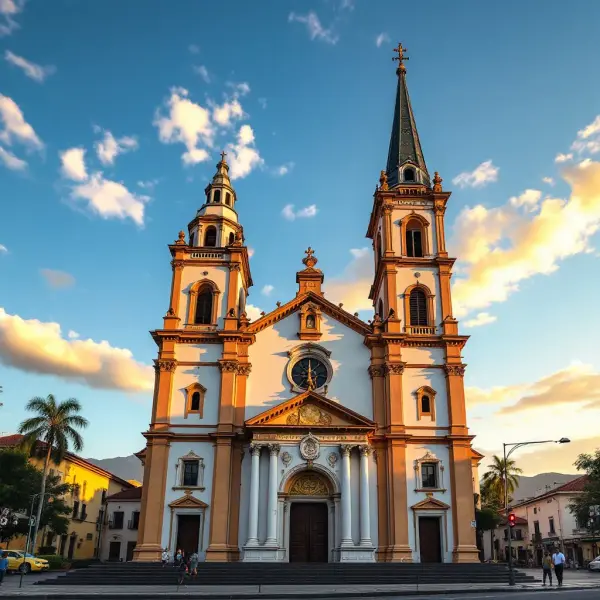
4. Iglesia de San Antonio
Venez pour les vues, restez pour le calme. Depuis la place, regardez les lumières de la ville scintiller alors que le crépuscule descend sur la vallée du Cauca.
Faits rapides: Perchée sur une colline dans l'un des plus vieux quartiers de Cali, cette église du XVIIIe siècle offre une vue panoramique sur la ville en contrebas. Son clocher unique et sa façade blanchie à la chaux en ont fait un symbole apprécié des habitants, qui se rassemblent sur la petite place devant l'église chaque soir au coucher du soleil sur la vallée.
Points forts: Le retable en bois doré à l'intérieur est sculpté à la main avec des détails complexes de l'époque coloniale, mais l'église n'apparaît presque jamais dans les guides touristiques venant de l'extérieur de la Colombie. Les habitants savent qu'il faut visiter pendant la messe du soir lorsque la faible lumière dorée traverse les fenêtres et illumine l'autel d'une lueur chaude qui est restée inchangée depuis plus de 250 ans.
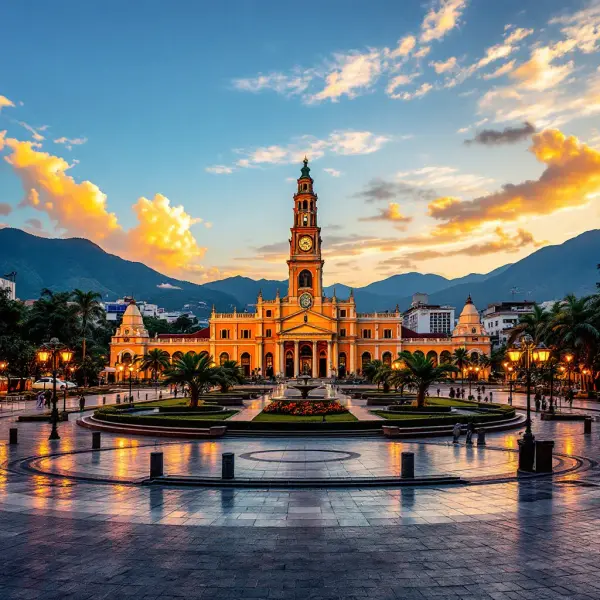
5. Plaza de Cayzedo
Buvez un café tinto pendant que des iguanes s'agitent au-dessus de vous dans les arbres de la place la plus historique de la ville. Ressentez le rythme de la vie quotidienne avec les marchands ambulants, les cireurs de chaussures et l'architecture coloniale qui vous entoure.
Faits rapides: Des iguanes vertes grimpent dans les arbres de la place et traversent les allées, nourries quotidiennement par les vendeurs et les habitants qui les traitent comme des animaux de quartier. Quatre façades historiques entourent la place, dont la cathédrale San Pedro, le palais municipal, le palais archiépiscopal et le palais national.
Points forts: La colonie d'iguanes de la place s'est tellement habituée aux gens qu'ils descendent des arbres à des heures précises chaque jour pour se nourrir, une rencontre urbaine avec la faune inégalée par toute autre place de ville en Colombie. Voir une douzaine d'iguanes descendre le long des troncs d'arbres à 16 heures pour leur distribution quotidienne de fruits donne l'impression d'entrer dans un spectacle naturel surréaliste au milieu d'un centre-ville animé.
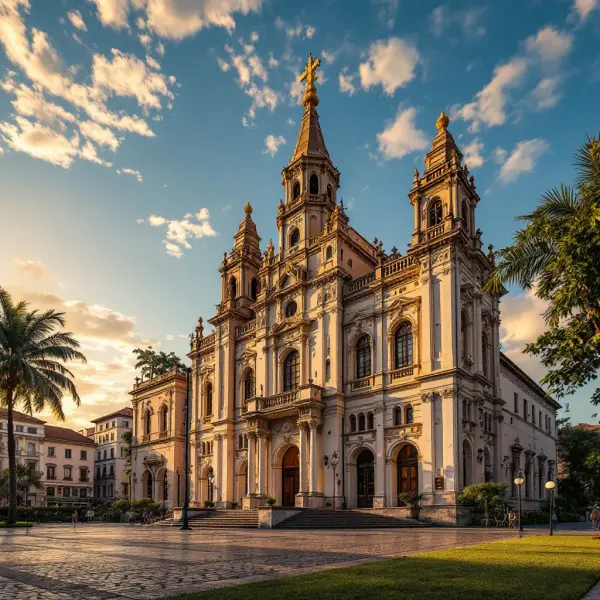
6. Museo de la Salsa
Entrez dans l'histoire vivante de la musique qui a donné son âme à Cali. Passez vos mains sur les disques d'or de Fania Records et apprenez les pas de danse qui ont fait de cette ville la capitale mondiale de la salsa.
Faits rapides: Les légendes de la salsa comme Celia Cruz et Rubén Blades ont leurs costumes de scène et instruments exposés ici. Plus de 50 ans d'histoire de la salsa sont rassemblés dans une seule maison qui attire les mélomanes des quatre coins du monde.
Points forts: Une salle recrée exactement le plancher de bois du légendaire club de nuit de Juanchito, La Quebrada, avec ses marques de pas provenant d'innombrables sessions de danse qui duraient toute la nuit. On peut réellement sentir le léger rebond des planches qui faisait bouger les danseurs différemment que sur du béton.
7. Parque de los Gatos
Une galerie d'art en bord de rivière où d'immenses chats peints se prélassent en plein air. Flânez devant plus de 15 sculptures fantaisistes, prenez des photos avec la rivière Cali en toile de fond et regardez l'esprit créatif de la ville prendre vie.
Faits rapides: Plus de 15 sculptures de chats colorées bordent la promenade de la rivière Cali, chacune peinte par un artiste différent avec sa propre personnalité et histoire. Le félin original, El Gato del Río, a été offert à la ville par le sculpteur Hernando Tejada en 1996 et mesure près de 3 mètres de long.
Points forts: Chaque chat géant raconte sa propre histoire visuelle, d'un félin couvert de motifs de fruits tropicaux à un autre peint comme un masque de carnaval colombien traditionnel. Le parc s'anime à l'heure dorée lorsque les sculptures projettent de longues ombres sur la promenade et que les habitants se rassemblent pour les paseos du soir.
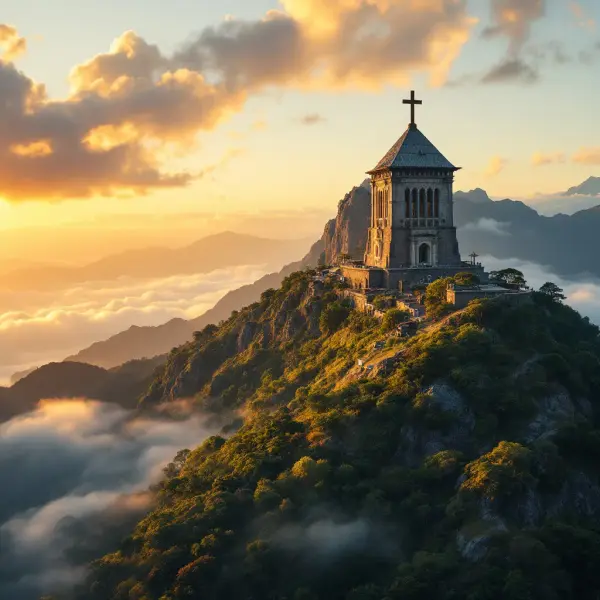
8. Cerro de las Tres Cruces
Le meilleur entraînement gratuit de Cali offre une vue à couper le souffle sur toute la vallée. Gravissez plus de 1 500 marches en pierre et réclamez votre récompense : un panorama à 360 degrés qui met la ville entière à vos pieds.
Faits rapides: Un sentier escarpé de 1,5 kilomètre grimpe de 480 mètres jusqu'au sommet, récompensant les randonneurs d'un panorama à 360 degrés de toute la vallée de Cali. Trois immenses croix blanches, chacune de plus de 10 mètres de haut, marquent le sommet et sont devenues le symbole emblématique de l'horizon de la ville pour ses 2,4 millions d'habitants.
Points forts: Chaque week-end de Pâques, des dizaines de milliers de pèlerins font l'ascension avant l'aube en portant des bougies et en chantant, transformant le sentier en lacet en une rivière de lumières vacillantes. Depuis le sommet au lever du soleil, toute la vallée du Cauca s'étend en contrebas comme un tapis vert tandis que les perroquets et les faucons chevauchent les courants ascendants à hauteur des yeux.
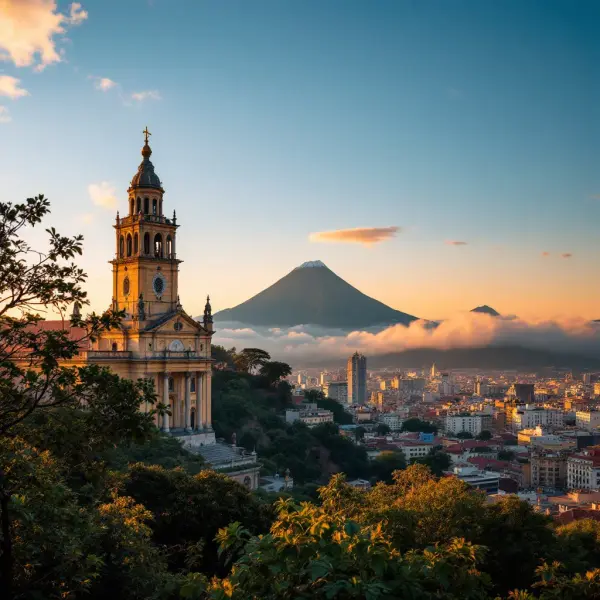
9. Gato de Tejada
Le monument le plus photographié de la ville est un immense chat en bronze se prélassant au bord de la rivière. Prenez des selfies avec ses compagnons colorés et promenez-vous sur la promenade verdoyante que les habitants de Cali appellent leur salon.
Faits rapides: Pesant 3 tonnes et s'étendant sur plus de 3 mètres de long, ce félin géant en bronze se prélasse le long de la rivière Cali. Autour de lui, 15 chats peints plus petits créés par différents artistes forment un parcours d'art public ludique que les habitants appellent la "Galería a Cielo Abierto".
Points forts: L'artiste Hernando Tejada était surnommé "El Gato" bien avant d'avoir sculpté ce chat, faisant de l'œuvre une sorte d'autoportrait malicieux. Pendant la Feria annuelle de Cali, les habitants habillent le chat en bronze d'un immense sombrero et d'une écharpe, une tradition originale qui transforme la sculpture en un monument festif du jour au lendemain.
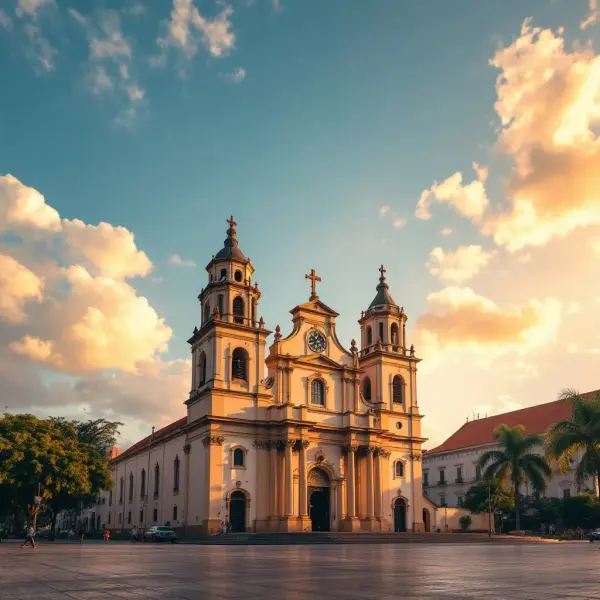
10. Iglesia de la Merced
Entrez dans la plus ancienne église encore debout de Cali et découvrez un musée rempli de 300 trésors de l'époque coloniale. La cour paisible et les histoires de tunnels cachés donnent l'impression de voyager dans le temps.
Faits rapides: Cette église du XVIe siècle abrite un musée d'art religieux colonial avec plus de 300 pièces. Son clocher était l'une des premières structures visibles par les voyageurs arrivant à Cali à l'époque coloniale.
Points forts: Un tunnel secret reliait autrefois l'église à la colline voisine de San Antonio, utilisé par les prêtres comme voie d'évasion lors des attaques de pirates. Le tunnel a été redécouvert dans les années 1990 lors d'un projet de construction et des vestiges sont encore visibles aujourd'hui.
Where to Stay in Cali, Colombia
Selected by City Buddy based on guest reviews and proximity to top attractions
Search all hotels in Cali, ColombiaPowered by agoda
Plats sucrés traditionnels

Cholado
Cholado is a shaved ice dessert topped with fresh tropical fruits, condensed milk, and a bright fruit syrup. It was invented in Cali and has become the city's signature refreshing treat, especially popular on hot salsa-filled days.

Manjar Blanco
Manjar blanco is a thick, creamy milk caramel spread made by slowly simmering milk and sugar for hours. In Cali, it is often paired with soft white cheese or spread on fresh bread for a simple yet beloved dessert.
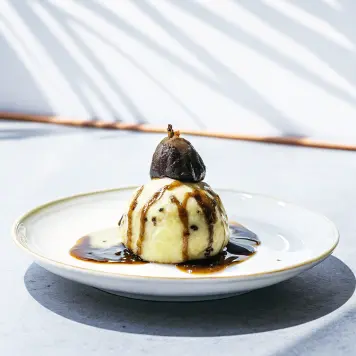
Brevas con Arequipe
This classic dessert features figs slowly cooked in panela syrup, served drizzled with arequipe (Colombian milk caramel). The combination of sweet figs and creamy caramel is a staple at family gatherings in Cali.
Plats salés traditionnels
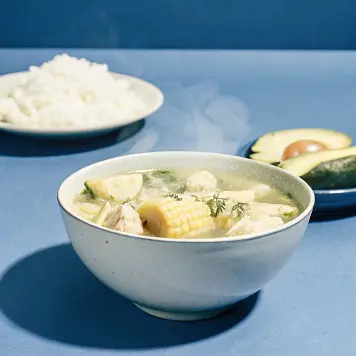
Sancocho de Gallina
Sancocho de gallina is a hearty hen soup with yuca, plantains, potatoes, and corn on the cob. In Cali, it is traditionally enjoyed on weekends with friends and family, served with rice, avocado, and a side of spicy hogao sauce.
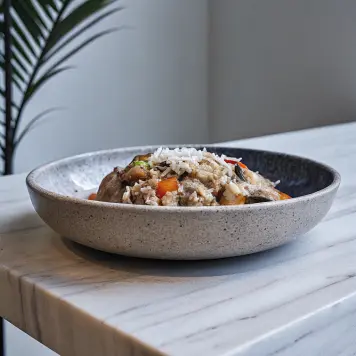
Arroz Atollado
Arroz atollado is a creamy, porridge-like rice dish from the Valle del Cauca region, loaded with pork, chicken, potatoes, and vegetables. Its name comes from "atollar" (to get stuck in mud), referring to its thick, rich texture.
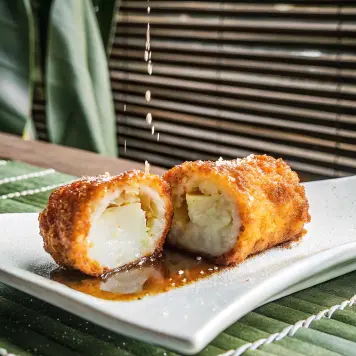
Aborrajados
Aborrajados are slices of ripe plantain stuffed with mozzarella cheese, battered, and deep fried until golden and gooey. They are a beloved street food in Cali, often served with a sprinkle of salt or a drizzle of hogao.
Boissons traditionnelles

Lulada
Lulada is Cali's signature drink made from mashed lulo fruit, water, sugar, and lime juice, served over ice. It is so iconic to the city that locals are often called "lulados" as a playful nickname.

Champus
Champus is a traditional Valle del Cauca beverage made from corn, panela, lulo, and pineapple, cooked with cinnamon and cloves. It is thick, sweet, and fruity, and is especially popular during Cali's annual Feria de la Caña de Azúcar.
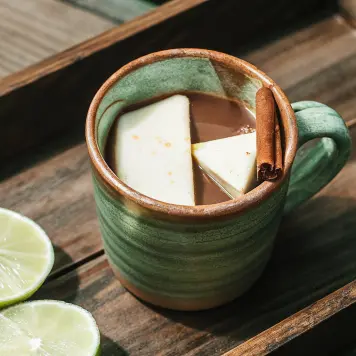
Aguapanela con Queso
Aguapanela con queso is a warm drink made from panela dissolved in water, often infused with lime or cinnamon. In Cali, it is traditionally served with a chunk of fresh white cheese placed right inside the cup to soften and melt as you sip.
Frequently Asked Questions about Cali, Colombia
Cali, en Colombie, est-elle sûre pour les touristes ?
Combien de jours devrais-je passer à Cali, en Colombie ?
Quelle est la meilleure période pour visiter Cali, en Colombie ?
Cali, en Colombie, est-elle chère pour les voyageurs ?
Comment se déplacer à Cali, en Colombie ?
Recevez un PDF avec les attractions les plus populaires envoyé à votre email
Obtenez un PDF avec toutes les attractions, évaluations et conseils. Parfait pour une utilisation hors ligne.
Excursions d'une journée les plus populaires
Buga
Home to the Basilica del Señor de los Milagros, a major pilgrimage site
Farallones de Cali National Park
Cloud forest hiking with waterfalls and diverse wildlife
San Cipriano
Jungle village with crystal clear rivers and natural water slides
Juanchaco and Ladrilleros
Pacific coast beaches popular for whale watching from July to October
Comment y arriver
Aéroports
Gares
Long distance buses to Bogotá, Medellín, and Popayán (no passenger train service in Colombia)
From CLO airport, take a taxi or Uber to central Cali (30 mins). Buses also run from the airport to the city center.
Trouvez des vols vers Cali, Colombia
Cliquez pour obtenir une eSim pour Cali, Colombia
Le moyen le plus simple et abordable d'avoir internet mobile où que vous voyagiez.
Commentaires (9)
Not gonna lie I was a bit nervous about safety based on what I read online. Felt fine in San Antonio and Granada during the day but at night I stayed cautious. Worth visiting though.
Honestly a bit overhyped for me. Maybe I expected too much. Salsa clubs were cool but the city itself is chaotic, traffic is wild. Not my favorite Colombian city but glad I saw it.
Weather was hot and humid, typical Cali. Salsa classes were fun even for someone with zero rhythm. Wish I had booked an extra day to explore more of the local food scene.
Best food tip I got: eat at the little spots in San Antonio away from the main tourist streets. Go a block or two up the hill. The pandebono with guava at a bakery there changed my life.
Cali has such a raw authentic vibe compared to Medellin. Less gringos, more real. The Cristo Rey view at sunset is worth the hike. Would go back just for the marranitas alone.