 CityBuddy
 Français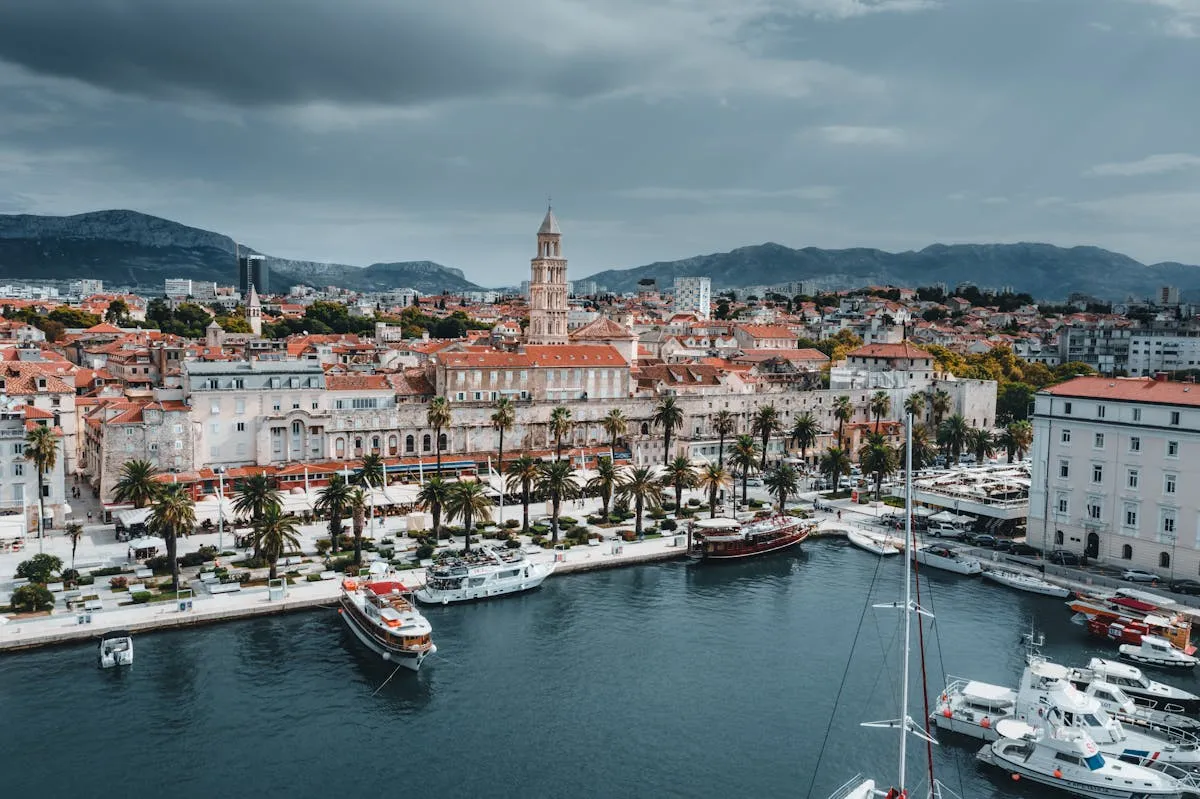
Que faire à Split, Croatia
Photo prise par Luciann Photography sur Pexels.com
Quand visiter
Attractions les plus populaires à Split, Croatia
Les choses à faire à Split, en Croatie, incluent l'exploration du palais de Dioclétien, une immense structure romaine au cœur de la ville, et la montée de la tour-clocher de la cathédrale Saint-Domnius pour profiter d'une vue sur la vieille ville. Se promener le long de la Riva, la promenade animée du front de mer, offre un endroit idéal pour se détendre et profiter des brises de la mer Adriatique.
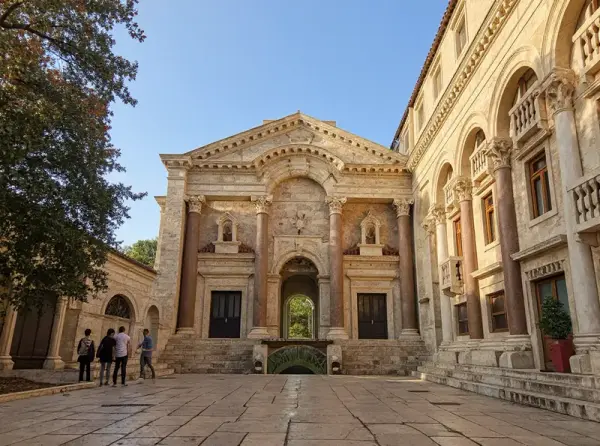
1. Diocletian's Palace
Pénétrez dans le palais vivant d'un empereur romain et ressentez 1 700 ans d'histoire. Descendez aux Sous-structures, montez au clocher et flânez dans les rues animées de marbre.
Faits rapides: Promenez-vous dans des ruelles de calcaire et vous entendrez des couches d'histoire sous vos pieds, où des colonnes romaines s'entrelacent dans des façades ordinaires et une cathédrale s'élève d'un mausolée impérial. Des cafés et boutiques locaux occupent d'anciens celliers qui sentent encore le sel marin et le pain fraîchement cuit, et les cinéastes apprécient les chambres souterraines intactes pour leur atmosphère cinématographique.
Points forts: Un complexe de retraite construit vers 305 après J.-C. pour l'empereur Dioclétien semble toujours étrangement habité, avec des murs de pierre de 1,5 mètre d'épaisseur, des sols en marbre polis par le soleil, et des ruelles étroites où des siècles de pas résonnent comme un tambour lent et creux. Chaque soir, les chanteurs klapa locaux se rassemblent dans le péristyle central pour délivrer des harmonies a cappella superposées qui se fixent aux celliers frais éclairés à la bougie en dessous, et l'air humide parfumé au romarin des voûtes souterraines a servi de décor pour Game of Thrones.
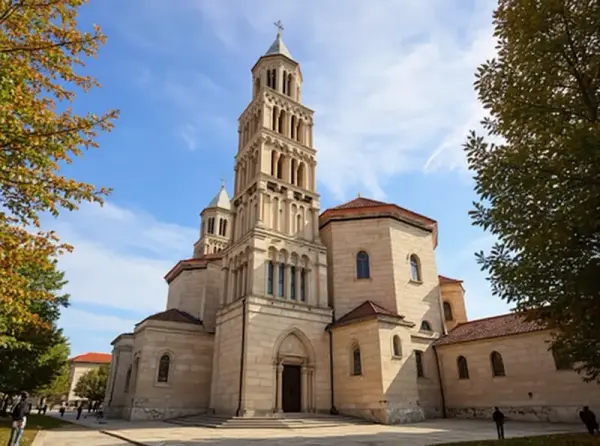
2. Cathedral of Saint Domnius (Katedrala Svetog Duje)
Katedrala Svetog Duje
Un mausolée romain transformé en cathédrale de Split, où se rencontrent les couches d'empire et de foi. Montez au clocher pour une vue imprenable sur la ville et la mer, et explorez le trésor orné.
Faits rapides: Le calcaire doré brille au crépuscule, et une montée étroite jusqu'au clocher ouvre une vue panoramique qui relie les murs romains à un port animé et aux toits en tuiles rouges. À l'intérieur, les colonnes et reliefs sculptés d'un mausolée impérial ont été réutilisés dans un sanctuaire chrétien, si bien que chaque arche et mosaïque ressemble à une conversation en couches entre artisans romains et bâtisseurs médiévaux.
Points forts: Montez au clocher de 57 mètres pour un panorama vertigineux où la pierre romaine chauffée par le soleil rencontre les toits en tuiles rouges, et repérez de petits sphinx égyptiens ainsi que des inscriptions latines usées qui ornaient autrefois le mausolée de l'empereur Dioclétien du IVe siècle. Entrez à l'intérieur et l'autel se tient dans cette même rotonde impériale, vous pouvez donc glisser vos doigts le long de colonnes cannelées sculptées à la fin de l'Antiquité et imaginer comment les empereurs et les fidèles médiévaux ont foulé ce marbre usé.
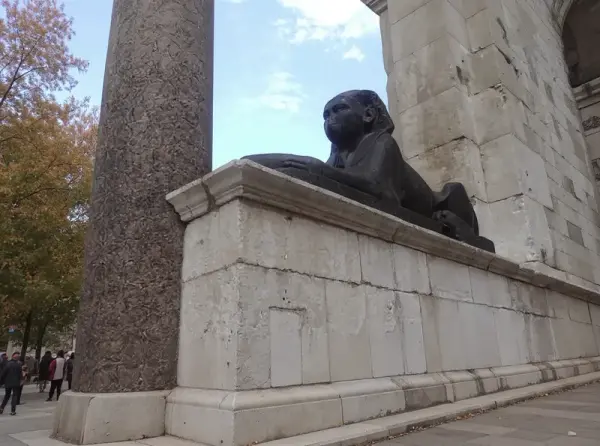
3. Peristyle (Peristil)
Peristil
Tenez-vous dans une cour impériale romaine vieille de 1 700 ans, impeccablement préservée. Écoutez des chanteurs en direct sous la colonnade et photographiez le clocher encadré par des colonnes de marbre.
Faits rapides: Pénétrez dans une place lumineuse en marbre où la lumière du soleil filtre entre des colonnades à piliers, et l'écho des pas devient souvent une bande-son improvisée. Les musiciens et acteurs locaux utilisent encore cet espace pour des représentations gratuites, et un examen attentif révèle des inscriptions usées et des fragments de mosaïque dissimulés dans les pavés.
Points forts: Passez la main sur les dalles de marbre romain d'origine, certaines polies par environ 1 700 ans de pas constants, et regardez la lumière de fin d'après-midi inonder la colonnade comme un projecteur chaleureux. Au crépuscule, les groupes locaux de klapa, composés de 5 à 12 chanteurs, se réunissent toujours pour livrer un a cappella polyphonique non amplifié où les voix ricochent si clairement sur la pierre que vous pouvez discerner les harmoniques individuelles et compter les harmonies à l'oreille.
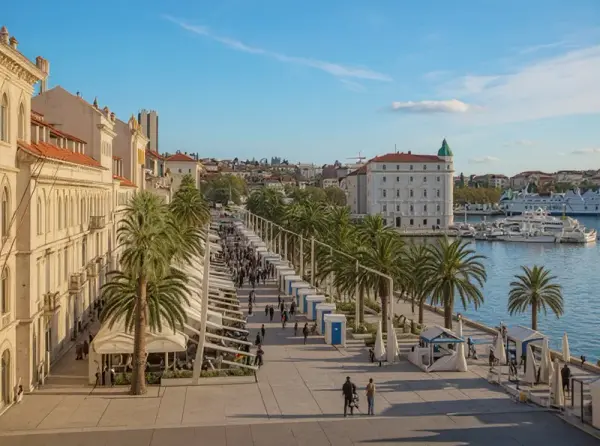
4. Riva (Split Waterfront Promenade)
Split Waterfront Promenade
Le cœur en bord de mer de Split avec des cafés bordés de palmiers et vue sur le palais. Promenez-vous sur le front de mer, regardez les ferries et les artistes de rue, et imprégnez-vous de la vie dalmate.
Faits rapides: Le marbre chauffé par le soleil sous les pieds fait scintiller les terrasses de café, tandis que les palmiers et un défilé continu de bateaux créent un décor vivant pour observer les passants. Écoutez les chants spontanés de klapa et le bruit des verres, une bande-son salée qui transforme une promenade du soir en un rituel nocturne.
Points forts: Les nuits d'été, de petits groupes de klapa de 6 à 8 chanteurs se réunissent sous les platanes pour échanger d'anciennes ballades dalmates, leurs voix en harmonie serrée se superposant à la marée, si bien que même les passants suspendent leur conversation. Les carreaux en calcaire blanc, chauffés par le soleil, scintillent à midi, les cafés approchent leurs chaises à quelques centimètres de l'eau, et l'air porte un goût de brume marine mêlée à l'espresso et au sorbet citron.
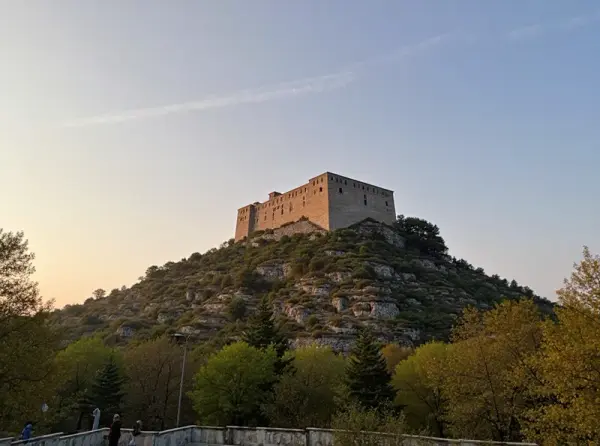
5. Marjan Hill / Marjan Forest Park (Vidilica viewpoint)
Vidilica viewpoint
Des vues panoramiques sur Split et l'Adriatique depuis une crête couverte de pins font de Vidilica une montée qui vaut le détour. De courts sentiers en montée mènent à des terrasses en pierre parfaites pour des photos au lever et au coucher du soleil.
Faits rapides: La pierre chauffée par le soleil et l'air parfumé de pin encadrent un belvédère au sommet d'une crête qui offre une vue imprenable sur la mer et un enchevêtrement surprenant de sentiers où les habitants font leur jogging et les familles pique-niquent. Le long des chemins, vous découvrirez de petites chapelles, d'anciennes citernes et des marches romaines dissimulées, des endroits calmes où le chant des oiseaux et l'odeur du romarin surpassent les conversations des touristes.
Points forts: Montez les quelque 200 marches en pierre qui serpentent à travers les sentiers parfumés de pin et vous verrez que les locaux ont depuis longtemps laissé de petites coquilles peintes et des pièces de monnaie coincées dans une fissure peu profonde, une offrande originale censée apaiser les familles des pêcheurs. Au coucher du soleil, le point de vue diffuse une lumière orangée sur les toits de tuiles rouges et les îles de Brač et Šolta. Parfois, les soirs tranquilles, vous pouvez entendre une ancienne mélodie de klapa s'élever d'un guitariste solitaire sur les falaises, fine et salée comme l'air.
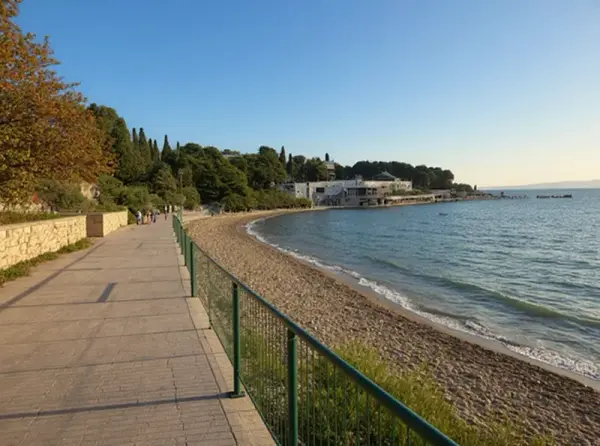
6. Bačvice Beach
Plage de sable et galets à deux pas de la vieille ville de Split, idéale pour le soleil et les baignades rapides. Eau peu profonde et chaude, jeux de picigin animés, bars de plage et musique en soirée.
Faits rapides: Le sable poudreux et l'eau chaude et peu profonde en font un endroit idéal pour patauger et observer les passants, tandis que les cafés et bars de plage à proximité maintiennent une ambiance animée jusque tard dans la nuit. Les locaux jouent à un jeu de balle pieds nus appelé picigin dans le surf, un spectacle original aussi amusant à regarder qu'à pratiquer.
Points forts: Une tradition locale appelée picigin, inventée en 1908, attire encore entre 5 et 12 joueurs pieds nus dans une eau à hauteur de cheville pour garder une petite balle en caoutchouc en l'air en utilisant uniquement des mains en coupe, avec la règle stricte que la balle ne doit jamais toucher l'eau. Au coucher du soleil, l'endroit sent le sel et le poisson frit, les palmiers frappent la balle comme des tambours main, et les spectateurs s'appuient sur les marches chaudes en calcaire en sirotant un espresso tout en criant des surnoms comme Mate et Ivan.
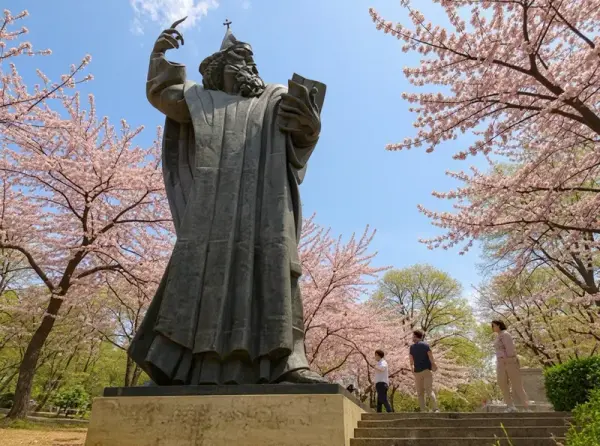
7. Statue of Gregory of Nin (Grgur Ninski)
Grgur Ninski
Une statue audacieuse d'un évêque médiéval liée au folklore local et à l'histoire de Split. Tenez-vous à côté de la figure géante, frottez son orteil pour porter chance et admirez la pierre du palais.
Faits rapides: Passez la main le long du bronze poli et sentez le pouce usé laissé par d'innombrables visiteurs, un rituel ludique que beaucoup affirment porter chance. Plus d'un million de paumes ont poli un endroit sur la figure, transformant un coin tranquille en un point de repère informel aimé pour les photos.
Points forts: Le sculpteur Ivan Meštrović a façonné la figure colossale en bronze en 1929; elle s'élève à un peu plus de huit mètres, et un orteil surdimensionné a été poli lisse et doré par des générations de mains. Les étudiants locaux et les touristes pressent une paume contre cet orteil chaud et lisse pour porter chance avant les examens ou les voyages; la tache brillante contraste vivement avec la patine verte environnante quand le soleil frappe à midi.
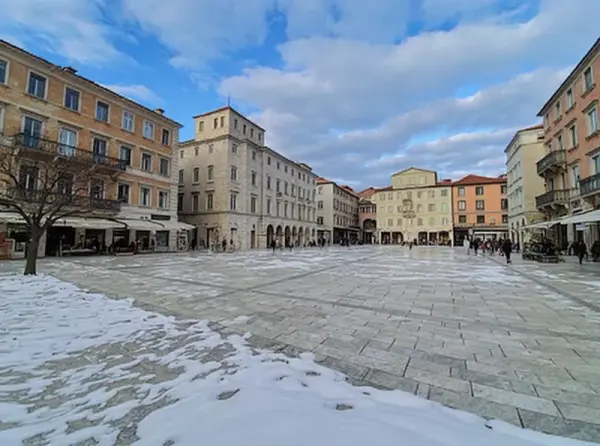
8. People's Square (Pjaca)
Pjaca
Place historique de la ville avec architecture vénitienne et cafés animés. Promenez-vous sur la place pavée de marbre, regardez les musiciens de rue et les locaux jouer aux échecs.
Faits rapides: Les pavés, les façades Renaissance et les terrasses de café donnent à la place principale une atmosphère de salon en plein air où les habitants prennent leur temps autour d'un café tandis que les musiciens se mêlent à la foule. Les visiteurs entendent souvent le carillon d'une vieille tour d'horloge au-dessus des marchés animés, et les festivals saisonniers remplissent le calendrier avec des concerts inattendus, des stands de nourriture et des parades costumées.
Points forts: À l'heure dorée, les pavés usés en calcaire de la place brillent d'un éclat miel, et l'on entend le claquement des volets en bois tandis que les vendeurs disposent des plateaux de sardines fumées et des pots de confiture de figues. Une coutume locale amusante fait que les couples tournent trois fois autour du puits central pendant qu'un accordéoniste nommé Marko joue une polka lente et que la foule lance des petites fritules sucrées en l'air pour rire et porter chance.
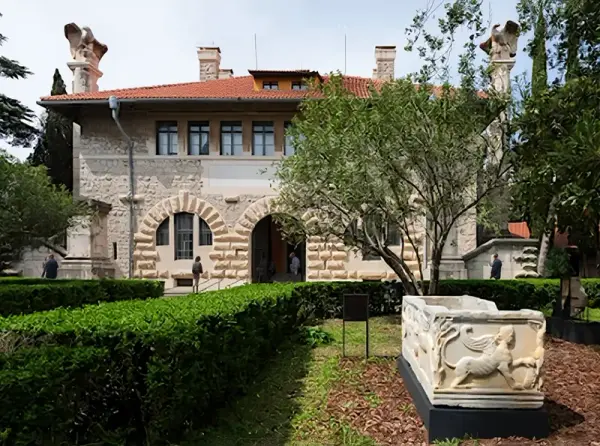
9. Archaeological Museum Split (Arheološki muzej Split)
Arheološki muzej Split
Des artefacts romains anciens et des trésors dalmates donnent vie au passé. Marchez parmi les sarcophages, les mosaïques et les expositions interactives qui retracent la longue histoire de Split.
Faits rapides: Entrez dans des galeries sombres et fraîches où le silence et les doux éclairages mettent en valeur une statue romaine finement ciselée qui semble étonnamment vivante. Des trésors cachés, allant de la verrerie délicate aux inscriptions gravées, racontent ensemble des histoires vivantes de la vie quotidienne, de la religion et de l'artisanat à travers les siècles.
Points forts: Vous pouvez flâner parmi des dizaines de pierres funéraires romaines et des têtes de portrait en marbre extraites de la voisine Salona, nombreuses à être érodées et couvertes de lichens verdâtres, leurs inscriptions latines encore lisibles après plus de 1 800 ans. Une habitude locale originale perdure : avant de partir, de nombreux visiteurs pressent doucement les tesselles fraîches d'une mosaïque navale abîmée du IIIe siècle pour souhaiter bonne chance aux pêcheurs, un geste qui laisse encore de légères empreintes sur la pierre.
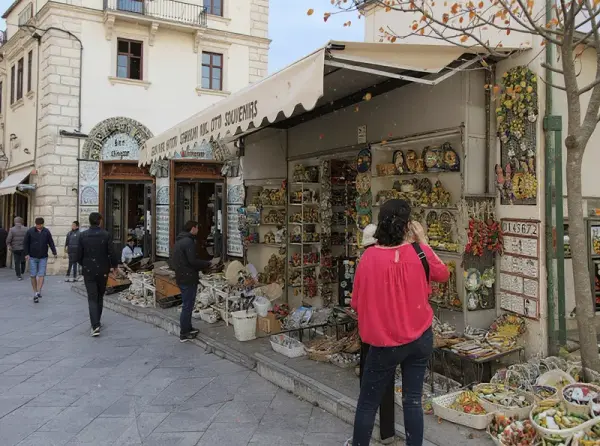
10. Green Market (Pazar)
Pazar
Des produits frais dalmates et un commerce local animé offrent un vrai goût de Split. Attendez-vous à des stands colorés, des vendeurs sympathiques et des snacks de rue tentants.
Faits rapides: Les étals du matin éclatent de couleurs et de bavardages tandis que les vendeurs entassent des tomates mûries au soleil, des figues, et des montagnes d'olives dans des paniers tressés, tandis que l'odeur du café frais se répand dans les allées. Les vendeurs locaux aiment échanger recettes et histoires avec les visiteurs, et vous entendrez souvent des dialectes dalmates se mêler aux touristes marchandant les meilleurs produits de la saison.
Points forts: Arrivez avant 7 heures et vous verrez des vendeurs âgés disposer des tomates anciennes en pyramides lumineuses, appelant les prix sur un rythme doux chakavien tandis que l'air s'épaissit d'huile d'olive, de pain chaud, et du goût salé des anchois. Les locaux jurent qu'un seul stand familial est tenu par la même famille depuis trois générations et pèse encore les achats sur une balance en laiton polie jusqu'à refléter le lever du soleil, et les jours calmes les voisins échangent des pots d'olives maison ou de marmelade de citron en guise de faveur au lieu de payer en espèces.
Where to Stay in Split, Croatia
Selected by City Buddy based on guest reviews and proximity to top attractions
Search all hotels in Split, CroatiaPowered by agoda
Jours d'ouverture à Split, Croatia
Quels sites incontournables ferment quel jour de la semaine, le classique gâcheur de voyage, vérifié pour vous.
mercredi : 1 sur 8 sites incontournables fermés, prévoyez les musées un autre jour.
Fermé le mercredi · 1 fermés, 7 ouverts
Jours d'ouverture issus de Google Maps (vérifié le 2026-02-19). Jours fériés, grèves et horaires saisonniers peuvent varier, consultez le site officiel avant de partir.
Plats sucrés traditionnels

Fritule
Fritule are tiny, rum- and citrus-scented fried dough balls dusted with powdered sugar, traditionally served at Christmas and family gatherings across Split.
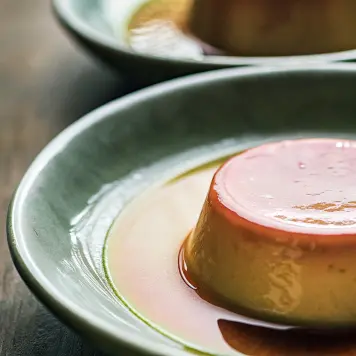
Rozata
Rožata is a silky caramel custard flavored with rose liqueur or rose water, and it traces its roots to Dalmatian convents where it was a celebratory dessert.

Krostule
Kroštule are crisp, ribbon-like fried pastries with Venetian roots, twisted into knots and always dusted with sugar for festive occasions.
Plats salés traditionnels
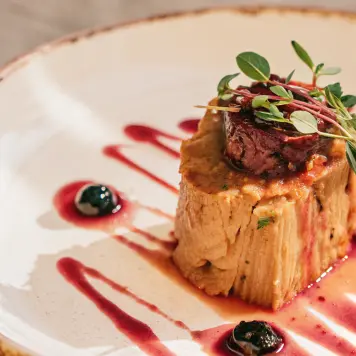
Pasticada
Pašticada is a slow-braised, marinated beef stew cooked for hours in a sweet-and-sour sauce with prunes and red wine, often prepared for weddings and holidays.
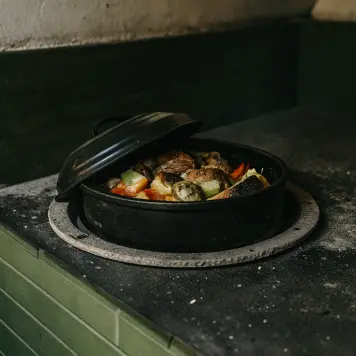
Peka
Peka is a rustic cooking method where meat, seafood and vegetables are slow-roasted under a bell covered with hot coals, producing an intense smoky flavor you cannot replicate in a regular oven.
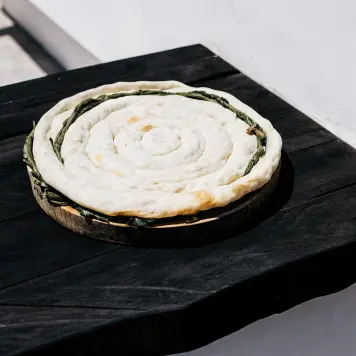
Soparnik
Soparnik is a paper-thin chard and onion pie from the Poljica region near Split, and it is recognized in Croatia as an important element of cultural heritage.
Boissons traditionnelles

Rakija
Rakija is a potent fruit brandy often made from plums, grapes or herbs, traditionally homemade and served as a welcoming toast and a folk remedy.
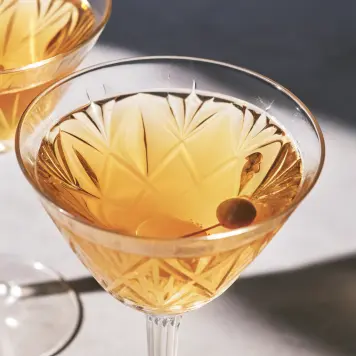
Maraschino
Maraschino is a clear cherry liqueur made from the native Marasca cherry, it was once a luxury exported across Europe and gives a floral, almond-like finish to cocktails.
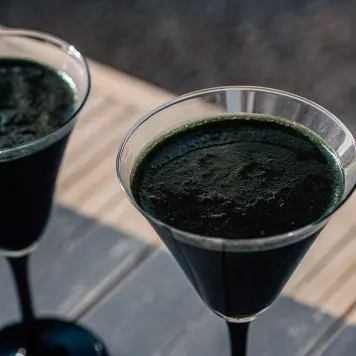
Pelinkovac
Pelinkovac is a bitter herbal liqueur dominated by wormwood, it is sipped as a digestive and features in many Croatian after-dinner customs.
À savoir avant de partir
Combien coûte une journée à Split et les arnaques à éviter
Coût par personne et par jour
Principales arnaques à éviter
- Offres de taxis à l'abord du terminal. Ignorez toutes les offres et utilisez la station de taxis officielle à l'extérieur, ou réservez via l'application Bolt qui affiche le tarif à l'avance.
- Suppléments de terrasse sur la Riva. Demandez toujours à voir le menu avec les prix avant de vous installer et confirmez s'il y a un supplément terrasse. Vérifiez l'addition ligne par ligne.
- Vols à la tire dans les zones très fréquentées. Gardez vos sacs fermés et devant vous dans la foule. Ne gardez pas de téléphones ou de portefeuilles dans les poches arrière. Soyez vigilant en montant sur les ferries et les bus.
Taxi honnête depuis l'aéroport: 35 € - 45 €
Option moins chère: Navette aéroport ligne 37 exploitée par Promet Split, de l'extérieur du terminal à la gare routière principale près du port et de la vieille ville. (5 €)
Toutes les arnaques, prix justes et règlesQuestions fréquentes sur Split, Croatia
Quel est le meilleur moment pour visiter Split, en Croatie ?
Split, en Croatie, est-elle chère pour les touristes ?
L'eau du robinet à Split, en Croatie, est-elle potable ?
Combien de touristes visitent Split chaque année ?
Comment est le transport public à Split, en Croatie ?
Recevez un PDF avec les attractions les plus populaires envoyé à votre email
Obtenez un PDF avec toutes les attractions, évaluations et conseils. Parfait pour une utilisation hors ligne.
Excursions d'une journée les plus populaires
Trogir
Well-preserved medieval town with UNESCO-listed old town.
Krka National Park
Famous waterfalls with swimming areas and walking trails.
Hvar (town)
Vibrant island town with beaches, nightlife and historic sites.
Brač (Supetar / Bol)
Island known for Zlatni Rat beach and traditional stone villages.
Šibenik
Historic coastal city with St. James Cathedral (UNESCO).
Comment y arriver
Gares
Main line to Zagreb; regional services toward Šibenik/Knin
Airport shuttle bus to Split bus/train station ~30–40 min; taxis cost more.
Informations utiles pour Split, Croatia
Aperçu de Split, Croatia
Comparez Split avec d'autres destinations
Prix, sécurité, météo et principales attractions côte à côte, avec une recommandation pour chaque type de voyageur.
Vous voulez un plan jour par jour pour Split, Croatia ? Ouvrez le planificateur de voyage
Quand partez-vous à Split, Croatia ?
Choisissez vos dates et style de voyage pour obtenir :
Qu'est-ce qui est particulièrement important pour vous ?
Sélectionnez tout ce qui s'applique
Se déplacer
Comment souhaitez-vous vous déplacer entre les lieux ?
Langue du plan : Français