 CityBuddy
 Français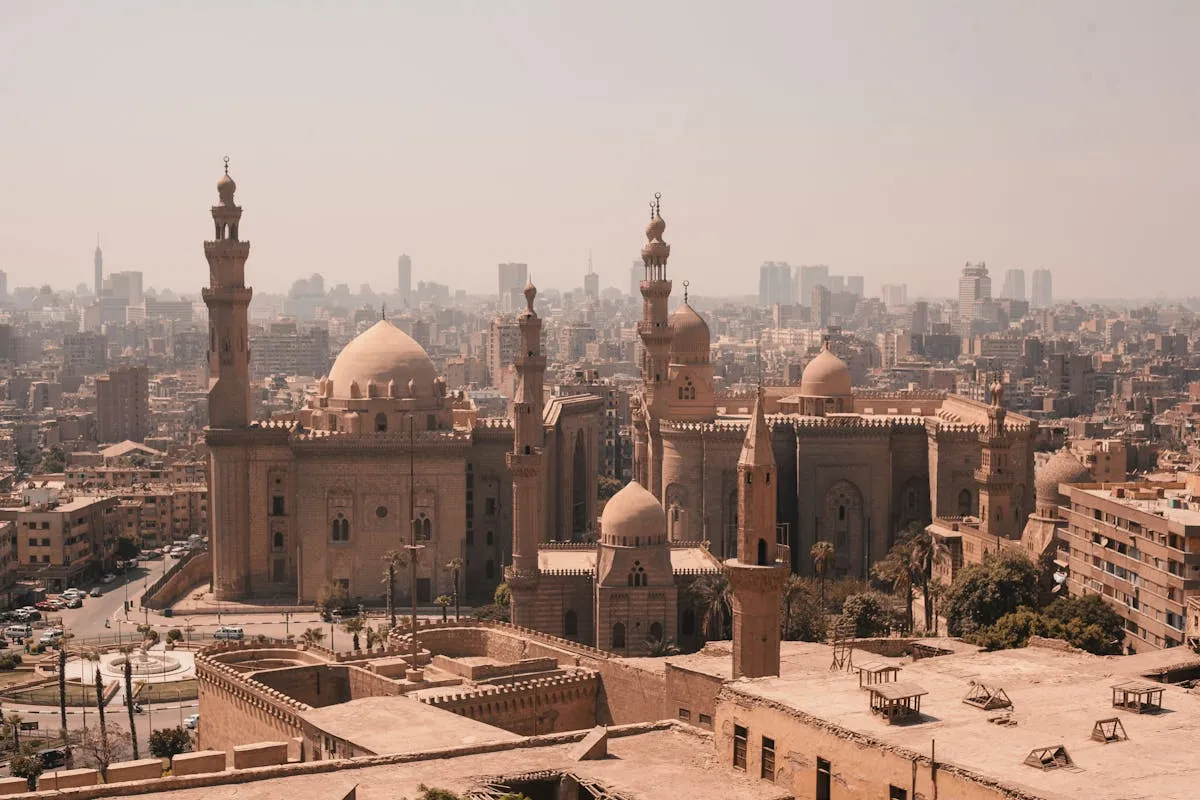
Que faire à Cairo, Egypt
Photo prise par Omar Elsharawy sur Pexels.com
Quand visiter
Attractions les plus populaires à Cairo, Egypt
Parmi les meilleures choses à faire au Caire, en Égypte, l'exploration de la Grande Pyramide de Gizeh, la plus ancienne des Sept Merveilles, est essentielle. À proximité, le Grand Sphinx de Gizeh impressionne par sa structure massive en calcaire. Les amateurs d'art trouveront la visite du Grand Musée Égyptien, qui expose des milliers d'objets, captivante.
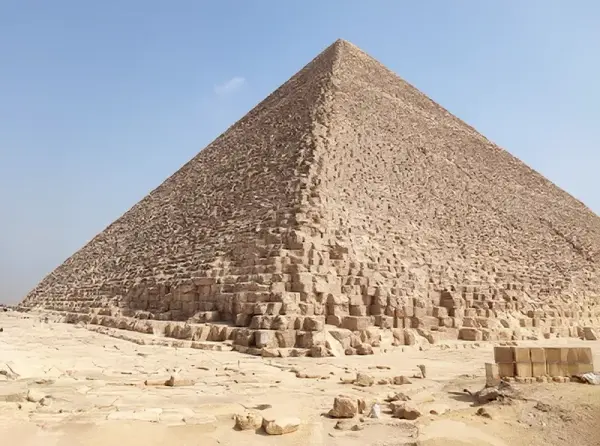
1. Great Pyramid of Giza (Pyramid of Khufu)
Pyramid of Khufu
Génie antique à l'échelle colossale, la grande pyramide révèle plus de 4 500 ans d'histoire. Parcourez sa base, apercevez les chambres funéraires et ressentez de près la taille du monument.
Faits rapides: En montant les flancs abrupts et usés par le temps, on peut presque imaginer la surface calcaire lisse d'origine scintillant au soleil, un éclat qui aurait fait rayonner toute la structure. Les experts estiment qu'environ 2,3 millions de blocs de calcaire ont été placés avec une telle précision que la base est de niveau à quelques centimètres près sur plus de 230 mètres, un exploit technique qui intrigue encore les ingénieurs modernes.
Points forts: Entrez dans le couloir central et vous sentez l'air se rafraîchir sur votre peau, la pierre dégageant une légère odeur de poussière et de cèdre ; les bâtisseurs ont empilé environ 2,3 millions de blocs de calcaire, certains pesant jusqu'à 80 tonnes, pour atteindre la hauteur originale d'environ 146,6 mètres. Une curieuse tradition du XIXe siècle invite les visiteurs à suivre les noms marqués de suie laissés par des explorateurs comme Giovanni Battista Belzoni en 1818, un lien tangible avec le moment où les chambres intérieures ont été rouvertes au monde moderne.
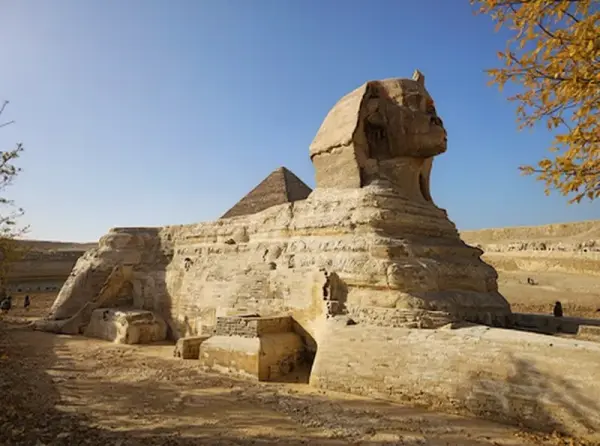
2. Great Sphinx of Giza
L'un des plus anciens sculptures monumentales, le grand sphinx vous relie à l'Égypte antique. Marchez près de son corps colossal en calcaire et voyez son visage encadré par les pyramides.
Faits rapides: Un colosse de calcaire cuit par le soleil se tapit sous le ciel ouvert, son visage usé et son nez manquant alimentant plus de mythes qu'aucune plaque ne peut résoudre. Archéologues et voyageurs curieux se pressent pour étudier les traces de ciseau et les réparations rapiécées, surpris de voir à quel point la figure a été sculptée dans le rocher vivant plutôt qu'assemblée en pierres rapportées.
Points forts: En 1378, un soufi nommé Muhammad Sa'im al-Dahr a ciselé le nez en signe de protestation contre les paysans laissant des offrandes, et les chroniqueurs rapportent qu'il a été exécuté pour ce vandalisme. En vous rapprochant, vous voyez qu'elle a été sculptée dans une seule crête calcaire d'environ 73 mètres de long et 20 mètres de haut, les marques d'outils usées et les différentes couches de pierre donnant au visage un profil étrangement petit, ce qui a conduit les experts à suggérer que la tête a été retaillée à partir d'une statue de lion antérieure vers 2500 avant notre ère, il y a environ 4 500 ans.
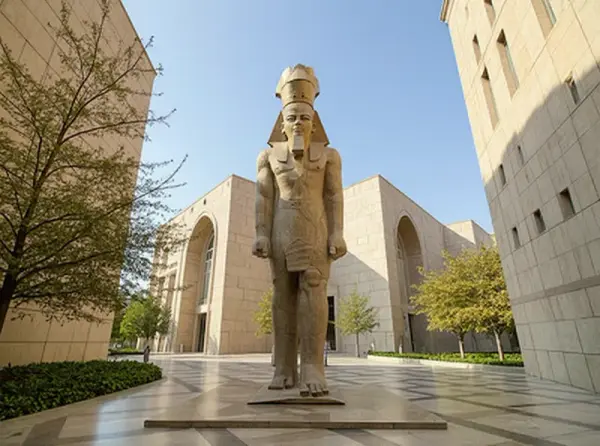
3. Grand Egyptian Museum (GEM)
GEM
Foyer de la plus grande collection d'Égypte et du trésor complet de Toutankhamon. Parcourez de larges galeries, étudiez de près les objets funéraires ornés et apercevez les pyramides depuis le toit.
Faits rapides: Entrez dans un vaste atrium en verre et vous êtes accueilli par des milliers d'artefacts, avec une concentration sans précédent d'objets provenant de la tombe de Toutankhamon arrangés pour une vue intime. La nuit, le complexe s'illumine d'une lueur ambrée sous un éclairage dramatique, et les laboratoires publics de conservation permettent aux visiteurs de regarder les restaurateurs nettoyer et stabiliser avec expertise des trésors anciens.
Points forts: Parcourez des galeries fraîches et ombragées où plus de 100 000 artefacts sont exposés si près que vous pouvez distinguer les marques anciennes de ciseau sur le calcaire; la collection comprend presque tous les quelque 5 000 objets récupérés de la tombe de Toutankhamon. Jetez un coup d'œil dans un laboratoire de conservation vitré où des restaurateurs, sous de fortes lampes grossissantes, réparent délicatement le bois doré et le lin, tandis que l'air est imprégné d'une légère odeur métallique de laiton et de vieux papyrus.
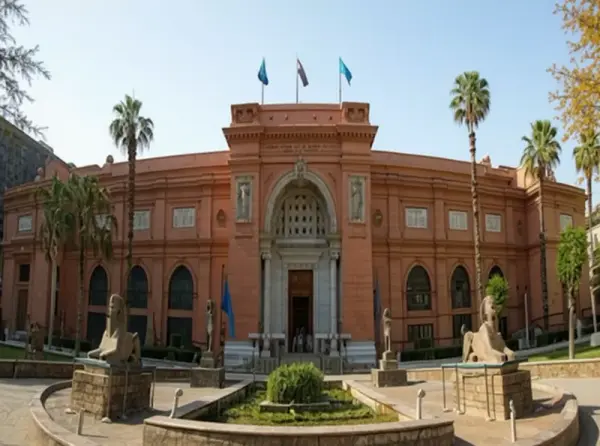
4. Egyptian Museum (Tahrir)
Tahrir
Tenez-vous face aux pharaons et aux reliques inestimables du musée central du Caire. Flânez dans des halls de marbre pleins de cercueils dorés, de statues et de momies conservées.
Faits rapides: Des galeries sombres abritent plus de 120 000 artefacts, où des masques dorés et des statues de pierre imposantes rendent l'air épais d'histoires. Un célèbre masque funéraire en or arrache des halètements audibles, et de minuscules bijoux incrustés récompensent une inspection minutieuse et rapprochée.
Points forts: Penchez-vous : un éclairage bas et miel et un léger parfum de poussière et de bois font des galeries qui résonnent une machine à remonter le temps, où environ 120 000 artefacts sont entassés dans des pièces allant de minuscules figurines oushebtis en faïence à de gigantesques reliefs en pierre. Lors du soulèvement de 2011, les conservateurs ont formé des chaînes humaines autour des vitrines et tenu un journal de conservation manuscrit à la lueur des bougies, des détails encore perceptibles dans les sols rayés et les post-it accrochés aux vitrines centenaires.
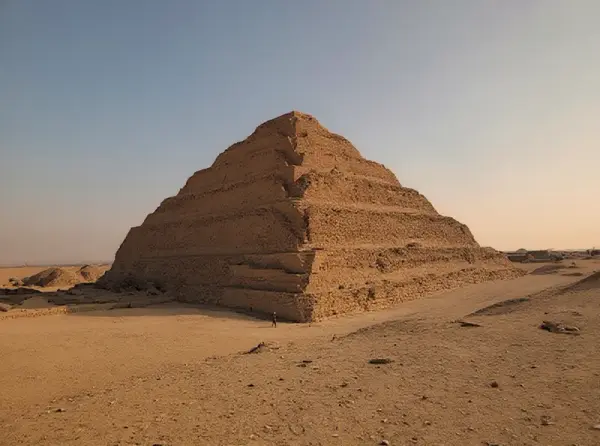
5. Saqqara (Step Pyramid of Djoser)
Step Pyramid of Djoser
Marchez parmi les plus anciennes structures monumentales en pierre du monde à Saqqarah. Explorez la pyramide à degrés de Djéser, les chambres souterraines et une vaste nécropole royale.
Faits rapides: En montant vers la silhouette en gradins, on ressent l'échelle : d'énormes blocs de calcaire empilés comme un escalier de géant, la lumière chaude du désert teintant les bords usés d'une couleur miel. Caché en dessous, un labyrinthe de couloirs frais et de chambres peintes abrite des reliefs sculptés et un silence angoissant, et des restaurations récentes ont étonnamment révélé des traces de pigments vifs et de décorations complexes.
Points forts: Imaginez une tombe en gradins vieille d'environ 4 600 ans avec six couches de pierre superposées, où à l'intérieur des couloirs de calcaire frais votre torche révèle de minuscules carreaux de faïence bleu-vert qui scintillaient autrefois comme le Nil. Les guides locaux chuchotent encore à propos de jarres en argile scellées et de sceaux scarabées portant le nom du pharaon, dont certains dégagent un léger parfum de myrrhe ou de résine lorsqu'un puits est ouvert à l'aube.
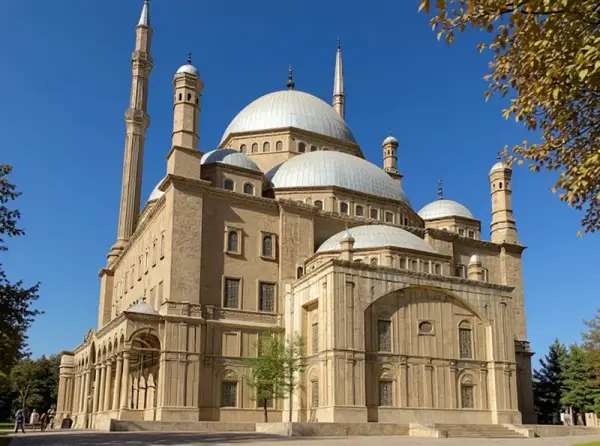
6. Citadel of Saladin (Muhammad Ali Mosque)
Muhammad Ali Mosque
Forteresse ottomane emblématique offrant des vues panoramiques sur Le Caire. Admirez la mosquée d'albâtre, les intérieurs ornés et les panoramas de la ville et du désert.
Faits rapides: Depuis la terrasse sur la colline, on ressent le poids de l'histoire et on regarde la ville se dérouler en contrebas tandis que l'albâtre bruni et les lustres de la mosquée captent la lumière dorée du crépuscule. À l'intérieur, un dôme ottoman imposant et de fins minarets encadrent un espace où les échos persistent, et une horloge surdimensionnée dans la cour, un cadeau diplomatique d'Europe, est devenue le sujet d'histoires locales lorsqu'elle a célèbrement échoué à donner l'heure exacte.
Points forts: Montez le long escalier de pierre vers le complexe perché au sommet de la colline au coucher du soleil et regardez les dômes recouverts d'albâtre passer du blanc crème au rose chaud, tandis que l'air se remplit d'eau de rose, de viande grillée et du murmure lointain de la ville en bas. Construit entre 1830 et 1848 sous Muhammad Ali Pacha comme une déclaration audacieuse du XIXe siècle, le site abrite son tombeau de marbre orné sous le dôme central et deux minarets ottomans élancés qui percent le ciel.
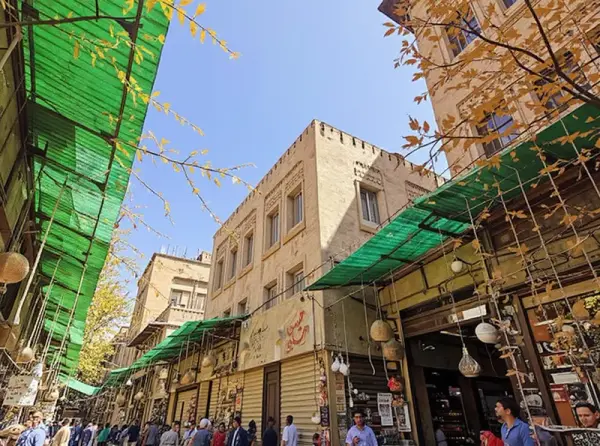
7. Khan el-Khalili Bazaar
Marché séculaire où artisans, épices et histoires se rencontrent. Flânez dans des allées colorées remplies de boutiques de cuivre, d'étals d'épices et de cafés animés.
Faits rapides: En errant dans des ruelles labyrinthiques, vous rencontrez un foisonnement de lampes en laiton étincelantes, de tas d'épices parfumées et d'artisans martelant l'argent au milieu d'un chœur de voix. Attendez-vous à ce que le marchandage ressemble à un rituel amical plutôt qu'à une corvée, de nombreux stands étant encore tenus par les mêmes familles depuis des générations et les marchés souvent scellés autour d'une tasse de thé sucré.
Points forts: Promenez-vous dans une ruelle étroite où un seul atelier de laiton martèle des lanternes depuis plus de 120 ans, le métal brillant comme de l'or sous les lampes à huile tandis que l'air mêle poussière, jasmin et l'amertume piquante du café fort à la cardamome. Les habitants utilisent encore un rituel de marchandage ludique : un vendeur annonce un chiffre rond comme 50 livres égyptiennes, vous verse un petit verre de thé à l'hibiscus ou à la menthe, puis baisse le prix pièce par pièce pendant que vous sirotez, transformant la négociation en une cérémonie lente et partagée.
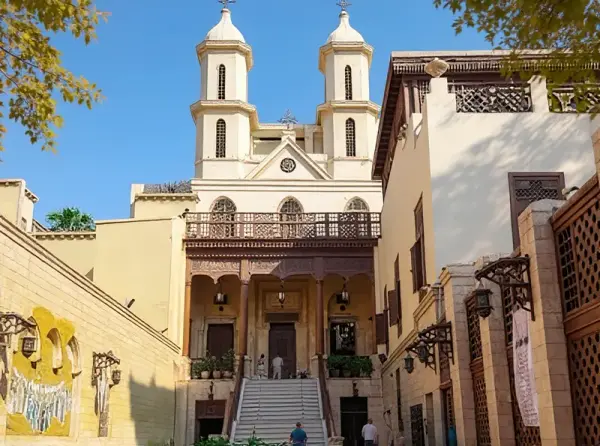
8. Hanging Church (Saint Virgin Mary's Coptic Orthodox Church)
Saint Virgin Mary's Coptic Orthodox Church
Cœur copte antique du Caire, perché au-dessus d'une porte romaine. Explorez des icônes dorées, des stalles de chœur en bois sculpté et des vues panoramiques depuis la galerie supérieure.
Faits rapides: Franchissez la porte basse et vous ressentez immédiatement la nef suspendue au-dessus de pièces plus anciennes, avec des écrans en bois sculpté et des icônes dorées réchauffées par la lueur des bougies. Les visiteurs s'attardent souvent devant une icône vénérée de la Vierge, tandis que des colonnes pharaoniques réutilisées et des fragments de fresques coptes donnent à l'intérieur une atmosphère stratifiée, presque archéologique.
Points forts: Montez un escalier étroit et usé et vous débouchez dans une basilique en bois perchée au-dessus d'une ancienne porte de forteresse, la nef littéralement suspendue de sorte que des rayons de soleil traversent en biais les icônes dorées et les boiseries séculaires. La légende dit qu'une des icônes de la Vierge a été peinte par saint Luc, et l'air sent toujours la cire d'abeille tiède et l'encens résineux, faisant briller la feuille d'or et les écrans sculptés sous une lumière ambrée.
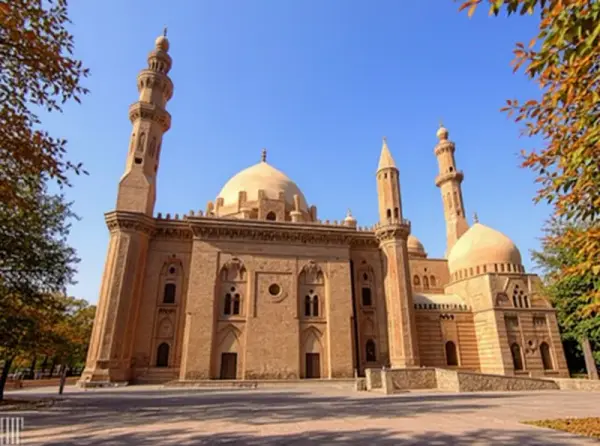
9. Mosque-Madrasa of Sultan Hassan
L'architecture mamelouke monumentale témoigne de l'ambition du Caire médiéval. Marchez sous de hauts iwans et des ornements en pierre dans une cour silencieuse.
Faits rapides: Entrez dans une cour monumentale où des portails de pierre imposants et des muqarnas complexes rendent chaque détail sculpté théâtral. La lumière filtrée peint des motifs de joyaux sur les sols en marbre, tandis que les immenses iwans et les espaces de mausolée cachés suggèrent des ambitions au-delà d'un complexe religieux typique.
Points forts: Entrez dans l'immense cour et l'échelle vous frappe : quatre iwans imposants encadrent un mausolée de marbre ombragé commandé par le sultan an-Nasir Hasan au milieu du XIVe siècle (1356-1363), destiné à être une madrasa enseignant les quatre écoles juridiques sunnites. Tenez-vous sous le portail de pierre monumental et l'air frais et poussiéreux porte une seule voix, de sorte qu'un verset récité ou un claquement de guide s'épanouit en un écho soutenu à travers la salle creuse, une acoustique curieuse que les guides locaux montrent encore pour illustrer comment les sermons remplissaient autrefois l'espace.
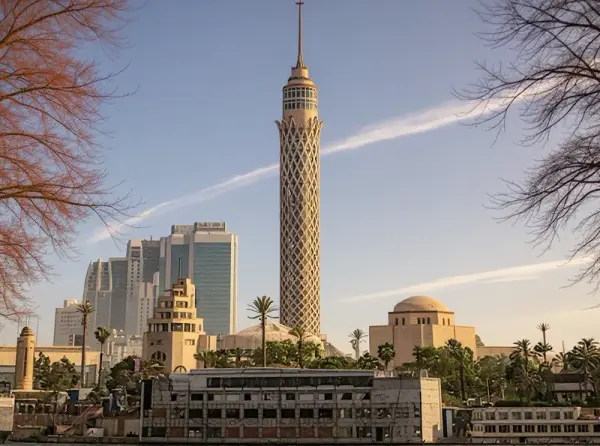
10. Cairo Tower
Point de repère panoramique s'élevant au-dessus du Nil, offrant des vues imprenables sur Le Caire. Prenez l'ascenseur jusqu'à la plateforme d'observation pour des photos à 360° de la ville et des couchers de soleil.
Faits rapides: Depuis les plateformes d'observation, une brise fluviale chaude porte le parfum des jardins voisins tandis que la structure en béton nervuré et ajouré projette des ombres complexes comme une colonne de pierre transformée en dentelle. Avec environ 187 mètres de haut, un restaurant tournant près du sommet fait de chaque repas un lent panorama sur toute la ville, et des ascenseurs rapides transportent les visiteurs vers les équipements radio et des vues panoramiques en quelques minutes.
Points forts: Conçue par Naoum Shebib et achevée en 1961, la grille en béton cannelé de la tour a été modelée sur un lotus, de sorte que la lumière du soleil traverse les ouvertures en nid d'abeille et projette des ombres ondulantes en écailles de poisson à l'intérieur. S'élevant à 187 mètres, son restaurant tournant et sa plateforme d'observation vous permettent de siroter du thé à la menthe tandis qu'un ruban d'argent du fleuve se déroule sous vous, l'horizon s'étendant à environ 49 kilomètres par une nuit claire.
Where to Stay in Cairo, Egypt
Selected by City Buddy based on guest reviews and proximity to top attractions
Search all hotels in Cairo, EgyptPowered by agoda
Jours d'ouverture à Cairo, Egypt
Quels sites incontournables ferment quel jour de la semaine, le classique gâcheur de voyage, vérifié pour vous.
Bonne nouvelle : les 9 sites incontournables avec horaires connus sont ouverts tous les jours de la semaine.
Fermé le lundi · 0 fermés, 9 ouverts
Rien ne ferme le lundi, les 9 sites avec horaires connus sont ouverts.
Jours d'ouverture issus de Google Maps (vérifié le 2026-02-19). Jours fériés, grèves et horaires saisonniers peuvent varier, consultez le site officiel avant de partir.
Plats sucrés traditionnels
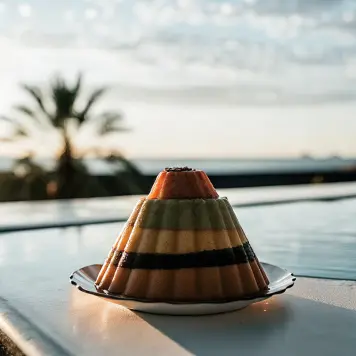
Basbousa
Basbousa is a semolina cake that soaks up fragrant syrup and is often crowned with a single almond, making it a symbol of hospitality at Egyptian gatherings.
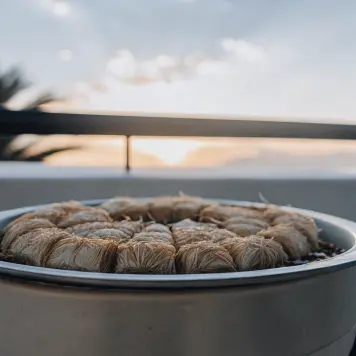
Konafa
Konafa wraps molten sweet cheese or cream in a crisp nest of shredded pastry, creating a dramatic contrast of textures that makes it a Ramadan favorite in Cairo.
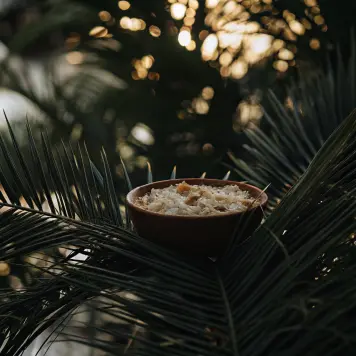
Umm Ali
Umm Ali is a warm, milky bread pudding made with flaky pastry and nuts, and its comforting richness turned a simple leftover dessert into a beloved Egyptian classic.
Plats salés traditionnels
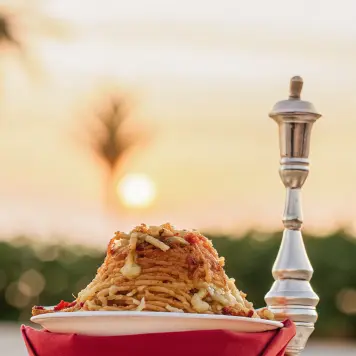
Koshari
Koshari stacks rice, lentils, and macaroni under spicy tomato sauce and crispy fried onions, it is a delicious mashup that became Cairo's everyday street-food emblem.
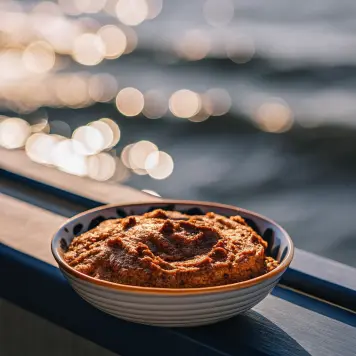
Ful Medames
Ful Medames is a humble fava bean stew seasoned with olive oil, lemon, and cumin, it has fueled Egyptians for centuries as a hearty breakfast and street-food staple.

Ta'amiya (Falafel)
Ta'amiya, Egypt's falafel, is traditionally made from fava beans rather than chickpeas, giving it a vivid green interior and a uniquely Egyptian flavor.
Boissons traditionnelles
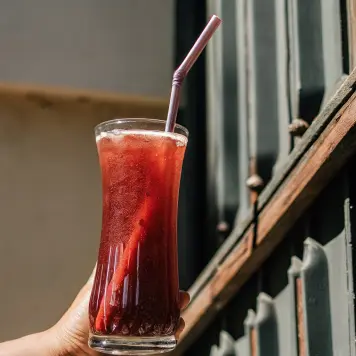
Karkade
Karkade is a tart, deep-crimson hibiscus drink often served cold in Cairo, it doubles as a festive refreshment and a natural source of vitamin C.

Sahlab
Sahlab is a creamy, fragrant milk pudding thickened with orchid flour or starch, topped with cinnamon and nuts to warm Cairo winters with floral sweetness.
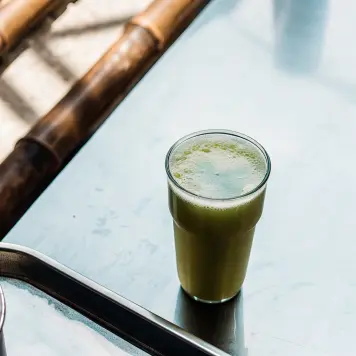
Sugarcane juice
Fresh sugarcane juice, pressed at Cairo street stalls, tastes like liquid sunshine and was prized by workers for quick, natural energy.
Questions fréquentes sur Cairo, Egypt
Quand est le meilleur moment pour visiter Le Caire, en Égypte ?
Le Caire, en Égypte, est-il cher pour les voyageurs ?
Le Caire, en Égypte, est-il sûr pour les touristes ?
Combien de jours devrais-je passer au Caire, en Égypte ?
Comment se déplacer au Caire, en Égypte ?
Recevez un PDF avec les attractions les plus populaires envoyé à votre email
Obtenez un PDF avec toutes les attractions, évaluations et conseils. Parfait pour une utilisation hors ligne.
Excursions d'une journée les plus populaires
Giza Plateau (Pyramids & Sphinx)
World-famous pyramids and the Great Sphinx near Cairo.
Fayoum (Wadi El Rayan & Lake Qarun)
Oases, waterfalls, and a scenic desert-lake landscape.
Alexandria
Mediterranean city with historic sites and corniche.
Comment y arriver
Gares
Main lines to Alexandria, Delta and Upper Egypt
Local and regional services; access to Giza area
Use CAI airport shuttle/taxis or Uber; Ramses Station links to the metro and city center.
Informations utiles pour Cairo, Egypt
Aperçu de Cairo, Egypt
Vous voulez un plan jour par jour pour Cairo, Egypt ? Ouvrez le planificateur de voyage
Quand partez-vous à Cairo, Egypt ?
Choisissez vos dates et style de voyage pour obtenir :
Qu'est-ce qui est particulièrement important pour vous ?
Sélectionnez tout ce qui s'applique
Se déplacer
Comment souhaitez-vous vous déplacer entre les lieux ?
Langue du plan : Français