 CityBuddy
 Français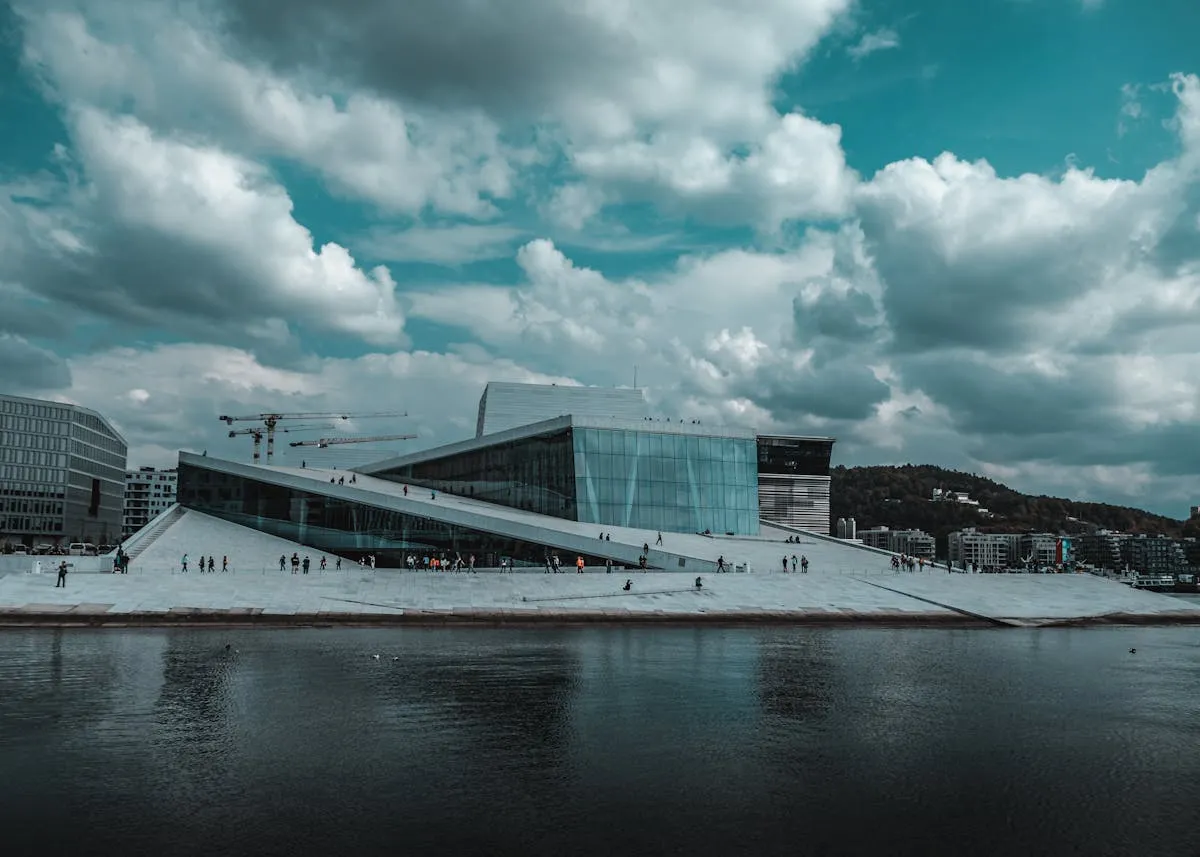
Que faire à Oslo, Norway
Photo prise par Tobias Bjørkli sur Pexels.com
Quand visiter
Attractions les plus populaires à Oslo, Norway
Pour des activités à faire à Oslo, en Norvège, explorez l'architecture remarquable de l'Opéra d'Oslo offrant une vue panoramique sur le fjord. Promenez-vous dans le parc des sculptures Vigeland qui présente plus de 200 sculptures dans le parc Frogner. Remontez le temps à la forteresse d'Akershus, un château médiéval avec une vue magnifique sur le bord de l'eau, à seulement quelques minutes à pied du centre-ville.
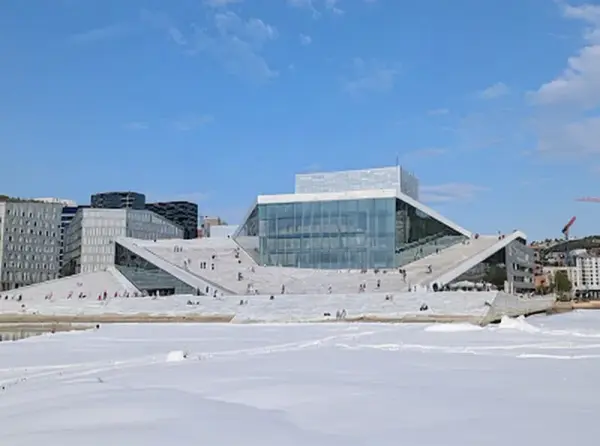
1. Oslo Opera House (Operahuset)
Operahuset
Une architecture frappante en bord de mer et un toit en marbre praticable rendent l'Opéra digne d'une visite. Profitez de vues panoramiques sur le fjord d'Oslo et de spectacles de classe mondiale.
Faits rapides: Un toit incliné invite les gens à grimper et à s'attarder, offrant de larges vues sur le port et le silence surprenant qui s'installe lorsque la place se vide. À l'intérieur, une acoustique chaleureuse porte même les notes les plus discrètes jusqu'aux derniers rangs tandis que de généreuses parois vitrées inondent le hall de lumière naturelle, transformant chaque arrivée en partie du spectacle.
Points forts: Grimpez sur le toit incliné en marbre de Carrara conçu par Snøhetta, où les habitants pique-niquent au coucher du soleil et où vous pouvez sentir la fraîcheur de la pierre blanche sous vos chaussures pendant que les ferries tracent des sillons argentés sur le port. La sculpture flottante de Monica Bonvicini, ‘She Lies’, dérive à proximité, tournant avec la marée et captant la lumière dans des reflets en constante évolution, tandis que l'auditorium principal, avec ses 1 364 places dans une coque rouge en forme de coquillage, fait résonner les applaudissements comme un rugissement de marée.
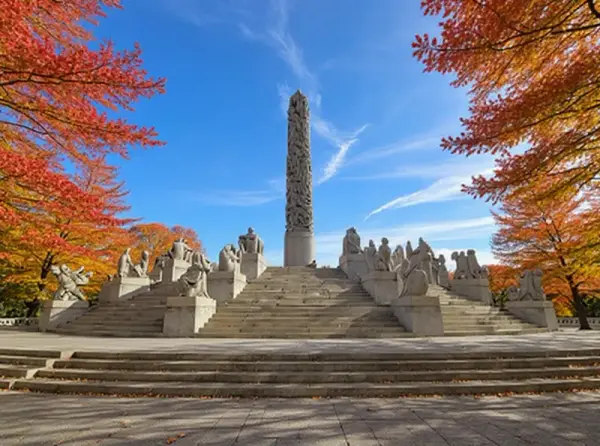
2. Vigeland Sculpture Park (Vigelandsparken) - Frogner Park
Frogner Park
Exposition en plein air de plus de 200 sculptures puissantes de Gustav Vigeland. Promenez-vous sur les pelouses, escaladez le Monolithe et capturez des formes humaines dramatiques sous une lumière changeante.
Faits rapides: D'énormes figures humaines entrelacées s'enroulent autour d'une colonne dramatique que les visiteurs entourent souvent dans un silence admiratif, la pierre rugueuse captant soleil et ombre en motifs saisissants. Des chemins sinueux révèlent plus de 200 pièces expressives en bronze et granit, allant d'enfants joueurs à des groupes remplis d'émotion brute qui rendent chaque photo cinématographique.
Points forts: Promenez-vous le long du long pont en granit flanqué de plus de 200 sculptures et vous remarquerez le Monolithe, un bloc unique de 14 mètres de haut sculpté en 121 figures humaines tortueuses, sa pierre froide et rugueuse chaude sous votre paume au soleil de fin d'après-midi. Les locaux ont l'habitude taquine de toucher le bronze « Sinnataggen », le petit garçon en colère sculpté par Gustav Vigeland, pour attirer la chance avant de déployer une nappe de pique-nique et de trancher du brunost aigre-doux sur du pain croustillant.
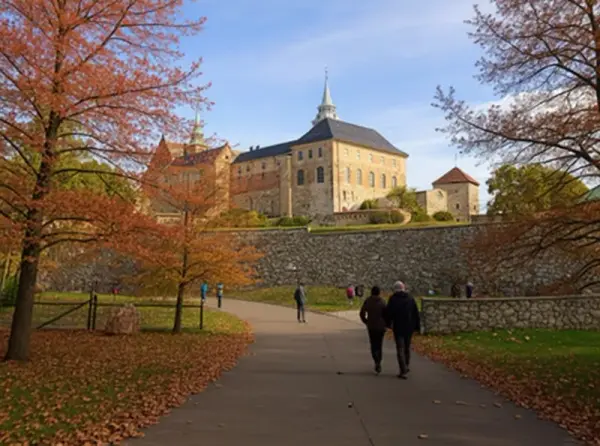
3. Akershus Fortress (Akershus Festning)
Akershus Festning
Parcourez des siècles d'histoire norvégienne à l'intérieur d'une forteresse médiévale face à la mer. Explorez les remparts, le mausolée royal, et admirez les vues panoramiques sur le fjord d'Oslo.
Faits rapides: Les remparts bordés de canons offrent des vues imprenables sur le port, tandis que des visites guidées mènent à des salles médiévales éclairées à la bougie et à des cryptes royales qui résonnent des cérémonies séculaires. Des centaines de milliers de visiteurs arpentent les lieux chaque année, apercevant souvent des faucons sur les murs et admirant le mélange d'architecture forteresse et de parc paisible.
Points forts: Grimpez sur les remparts moussus jusqu'à un endroit où un salut de 21 coups de canon tonne encore lors des anniversaires royaux, l'air marin vif et la maçonnerie datant d'environ 1299 sous vos pieds. Vous pouvez vous tenir dans une cour tranquille et entendre les locaux dire, presque à voix basse, que Vidkun Quisling y fut exécuté en 1945, un écho humain solennel sous les mouettes qui volent en cercle.
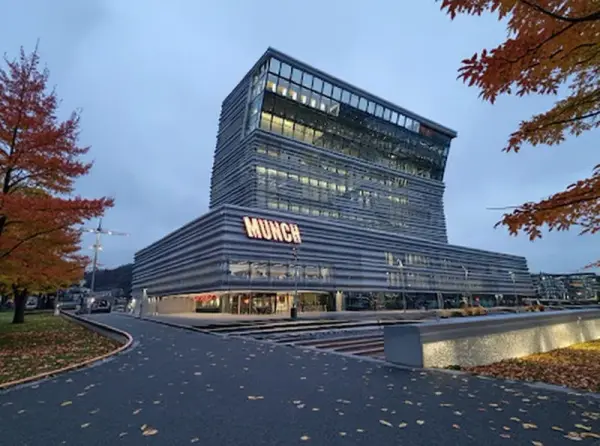
4. MUNCH Museum (MUNCH) - Bjørvika
Bjørvika
Un temple moderne dédié à Edvard Munch et à l'art contemporain, exposant des œuvres iconiques dans un bâtiment spectaculaire en bord de mer. Attendez-vous à des peintures audacieuses, des vues panoramiques sur le fjord et des expositions temporaires réfléchies.
Faits rapides: Entrez et d'immenses parois vitrées inondent les galeries d'une lumière changeante et d'air salin, transformant les images familières en rencontres vibrant d'émotion. Une tour à plusieurs niveaux abrite des dizaines de milliers de dessins, gravures et peintures, vous permettant de passer des croquis intimes au crayon aux grandes toiles brutes sans quitter le bâtiment.
Points forts: Entrez dans un bâtiment inauguré en 2021, avec 11 étages publics contenant plus de 28 000 œuvres d'un seul artiste, incluant environ 1 200 peintures, de sorte que vous pouvez tomber sur des murs entiers d'études qui ressemblent à feuilleter les carnets de croquis privés de quelqu'un. Les jours de tempête, les fenêtres panoramiques se couvrent de pluie comme de coups de pinceau et le café du dernier étage se remplit du parfum de café norvégien fraîchement torréfié, faisant du paysage du fjord un tableau vivant où la météo modifie réellement la façon dont les couleurs frappent les toiles.
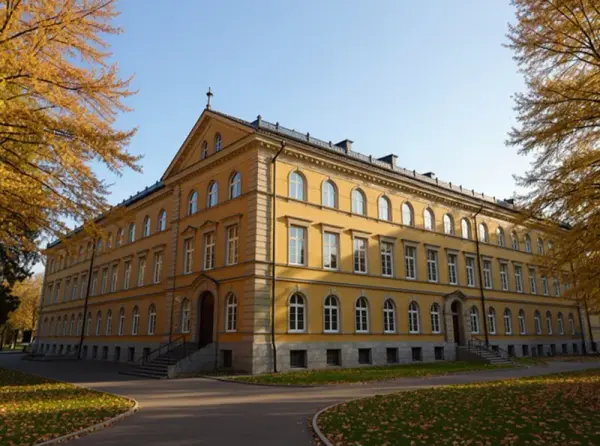
5. National Museum (Nasjonalmuseet)
Nasjonalmuseet
Art norvégien et international de classe mondiale sous un toit remarquable. Découvrez Le Cri de Munch, des galeries de design moderne et une vue sur le toit sur le port.
Faits rapides: Les visiteurs s'arrêtent souvent à l'escalier en marbre élevé qui canalise une douce lumière naturelle dans les galeries, faisant rayonner les couleurs et plongeant les conversations dans un respectueux silence. La collection rassemble des chefs-d'œuvre d'art, de design et d'artisanat, incluant plusieurs versions emblématiques du Cri et des croquis intimes révélant le processus de l'artiste.
Points forts: À l'intérieur du vaste nouveau bâtiment, vous pouvez parcourir plus de 400 000 œuvres de cinq collections fusionnées, le parcours passant d'un retable sculpté du XVIIe siècle à une œuvre au néon éclatante des années 1980 en moins de dix minutes. Les conservateurs baissent délibérément la lumière des galeries à environ 50 lux et maintiennent l'humidité relative autour de 50 %, et lorsque vous penchez la tête près d'une vitrine, vous captez souvent la légère odeur de cire d'abeille et de bois chaud autour des peintures d'Edvard Munch, rendant les palettes étonnamment intimes.
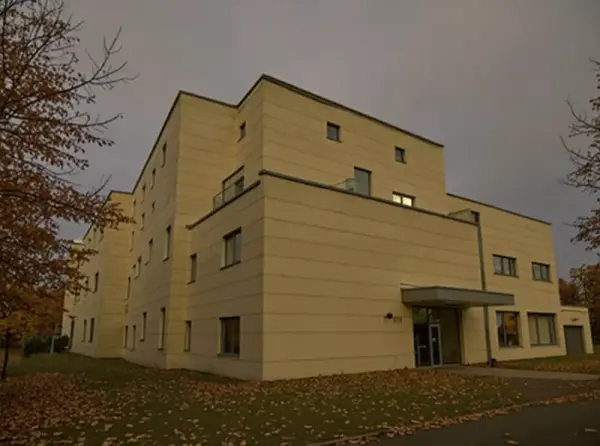
6. Fram Museum (Frammuseet) - Bygdøy
Bygdøy
Montez à bord du Fram, le navire polaire original utilisé par Nansen et Amundsen. Explorez les ponts, la salle des machines et des expositions immersives sur l'exploration polaire.
Faits rapides: Montez à bord d'un véritable navire polaire et ressentez le grincement des ponts en bois et le silence de la glace, avec des cabines exigües et du matériel de navigation original qui rendent tangibles les difficultés des premiers explorateurs. À l'intérieur, traîneaux d'expédition, instruments scientifiques et journaux de marins sont exposés, et vous pouvez vous tenir à l'intérieur de la coque où les routes polaires audacieuses ont été tracées.
Points forts: Vous pouvez monter à bord du navire d'exploration polaire original qui est resté bloqué trois ans dans les glaces de 1893 à 1896 sous la direction de Fridtjof Nansen, et qui transporta plus tard Roald Amundsen lors de son expédition au pôle Sud en 1910, vous marcherez donc réellement sur les ponts empruntés par ces explorateurs. Dans la coque basse en bois, l'air porte encore une forte odeur de goudron et de bois froid, les couchettes étroites vous obligent à recroqueviller les épaules, un sextant en laiton et des journaux de bord craquelés par le gel brillent sous des lampes tamisées, si bien que vous pouvez presque entendre le grincement de la glace autour de la coque.
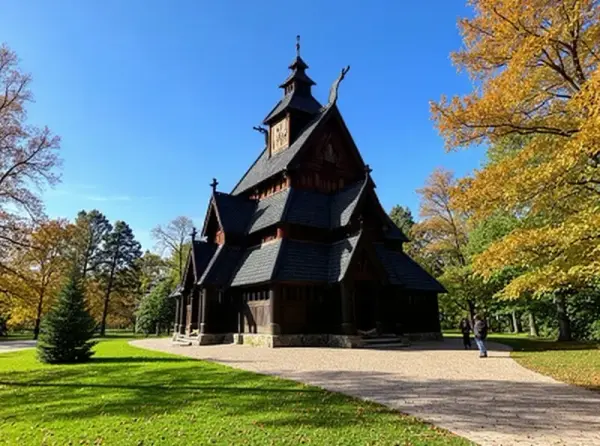
7. Norsk Folkemuseum (Norwegian Museum of Cultural History) - Bygdøy
Bygdøy
Découvrez l'histoire culturelle de la Norvège à travers plus de 160 bâtiments historiques et une église en bois debout du XIIIe siècle. Flânez dans les rues du village en plein air et entrez dans des maisons et ateliers traditionnels.
Faits rapides: Se promener dans les cours de fermes pavées et les maisons en bois colorées donne l'impression d'entrer dans un village vivant où des guides costumés tissent artisanat quotidien et histoires dans l'expérience. Vous pouvez explorer plus de 150 bâtiments traditionnels assemblés à ciel ouvert, et une église en bois debout dramatique offre un silence sculpté qui persiste longtemps après votre départ.
Points forts: Vous pouvez vous promener à travers plus de 160 bâtiments historiques rassemblés dans le parc en plein air, allant d'une église en bois debout de Gol du XIIe siècle à un cottage rouge d'un pêcheur du XIXe siècle dont l'odeur de fumée de tourbe persiste encore dans les poutres. Certains dimanches, le personnel organise un marché vivant du XIXe siècle avec des joueurs de Hardingfele, du brunost et des gâteaux de seigle à vendre, ainsi que des ateliers pratiques où vous pouvez essayer le taille de silex ou le barattage de beurre pendant que des conteurs récitent des contes folkloriques locaux.
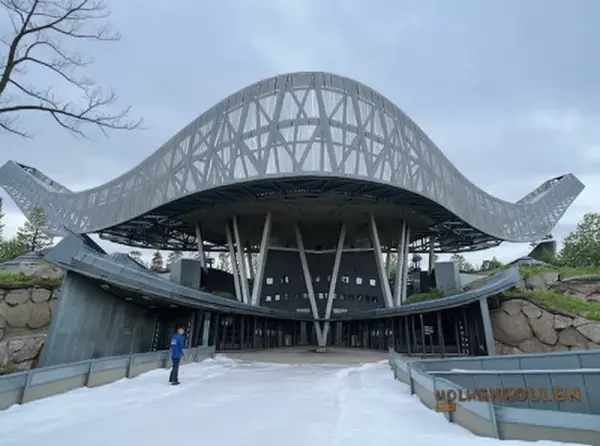
8. Holmenkollen Ski Jump & Ski Museum
Vue panoramique unique sur Oslo et une chance de monter sur une colline de ski olympique. Grimpez la tour, explorez le Musée du Ski interactif et regardez les sauteurs en hiver.
Faits rapides: Montez sur une plateforme d'observation en verre et sentez le vent tirer sur votre veste tandis que les athlètes s'élancent d'une rampe d'élan vertigineuse qui a accueilli d'innombrables tentatives de records et des atterrissages haletants. En dessous, un musée compact regroupe des milliers de skis, médailles et expositions tactiles dans des galeries intimes, vous permettant d'essayer des équipements vintages et de sentir la cire et le bois d'appareils datant de plusieurs décennies.
Points forts: Vous montez en ascenseur vitré dans une tour en acier de 60 mètres, le vent sent la neige et la résine tandis que la ville et le fjord s'étalent en dessous comme une aquarelle sourde. Dans un musée fondé en 1923, des rangées de skis en bois du XIXe siècle, des bottes en cuir et des photos jaunies en noir et blanc sont si proches que vous pouvez lire des initiales gravées et imaginer le sifflement des skieurs bien avant le plastique et la fibre de carbone modernes.
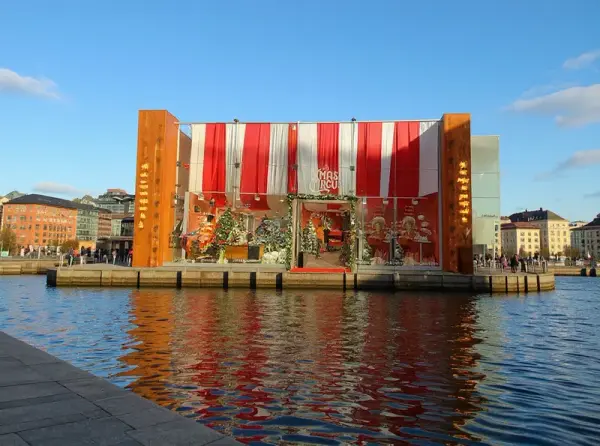
9. Aker Brygge & Tjuvholmen waterfront
La cuisine en bord de mer et l'art moderne se rejoignent sur le front de mer animé d'Oslo. Promenez-vous sur les quais, découvrez le parc de sculptures Tjuvholmen, et dégustez des fruits de mer frais au bord de l'eau.
Faits rapides: Un soupçon de sel marin dans l'air se mélange à l'arôme de poisson frit tandis que des façades vitrées élégantes reflètent bateaux et sculptures publiques, créant une promenade animée pour les balades du soir. Dans les anciens chantiers navals, vous trouverez des galeries tendance, des boutiques de design et des restaurants réputés, vous permettant de passer de l'art de rue à la gastronomie sans quitter le bord de l'eau.
Points forts: Le musée à murs de verre de Renzo Piano, achevé en 2012, s'incline comme une voile sur le quai et abrite des œuvres de grands noms comme Jeff Koons et Damien Hirst qui se reflètent dans l'eau les après-midis ensoleillés. En juin, les travailleurs en costume et les adolescents envahissent les quais en bois pour des baignades revigorantes après 17 heures, le soleil restant haut après 23 heures et l'air empli de l'odeur de reker frais, citron et diesel des bateaux en bois amarrés.
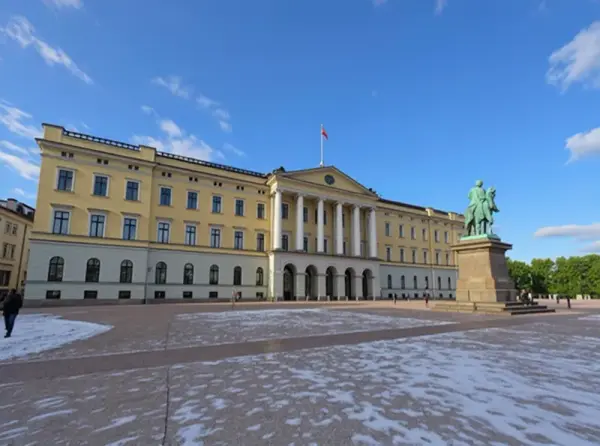
10. The Royal Palace (Det Kongelige Slott) and Karl Johans gate
Palais royal au bout de la principale avenue d'Oslo, chargé d'histoire et de cérémonies. Promenez-vous sur Karl Johans gate et dans le parc du palais pour observer la relève de la garde et la vie de rue.
Faits rapides: Les visiteurs planifient souvent leur arrivée pour la relève de la garde, où des soldats en uniforme impeccable marchent sur une vaste place tandis que les jardins de la résidence royale diffusent parfums et couleurs dans le parc environnant. Promenez-vous sur l'avenue principale et vous passerez devant un mélange animé de cafés, boutiques et façades majestueuses grimpant une légère pente, avec artistes de rue et festivals saisonniers transformant les pavés en scène en plein air.
Points forts: Conçue par Hans Linstow et achevée en 1849, la résidence royale couronne une colline bordée d'arbres où la relève quotidienne de la garde s'exécute comme une horloge, les instruments en cuivre scintillant et le bruit des bottes martelant les pavés résonnant. La large avenue s'étend sur environ un kilomètre entre la gare et cette colline, et le 17 mai, des dizaines de milliers de personnes remplissent la rue, échangeant l'odeur de gaufres et de chocolat chaud contre des fanfares en direct et des saxophonistes sous une bannière rouge, blanche et bleue.
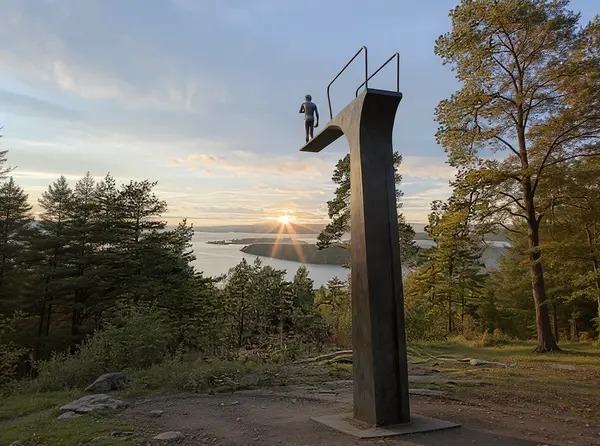
11. Hike to Ekebergparken Sculpture Park
Vivez une fusion d'art et de nature avec des vues magnifiques sur la ville et le fjord. Explorez 60 sculptures le long de sentiers forestiers sereins qui inspirent et détendent.
Faits rapides: Le parc compte environ 60 sculptures réparties sur 25 hectares de terrain forestier offrant des vues panoramiques sur la ville et le fjord. Il attire à la fois les amateurs d'art et les randonneurs, mêlant nature et art contemporain dans un cadre extérieur unique.
Points forts: Une sculpture de l'artiste norvégien célèbre Gustav Vigeland intitulée « Femme en attente » est un lieu serein où les visiteurs s'arrêtent souvent pour réfléchir au milieu des pins majestueux. L'emplacement du parc sur une colline offre des vues étendues sur l'Oslofjord, créant un magnifique contraste entre art et nature qui change magnifiquement avec les saisons.
Where to Stay in Oslo, Norway
Selected by City Buddy based on guest reviews and proximity to top attractions
Search all hotels in Oslo, NorwayPowered by agoda
Jours d'ouverture à Oslo, Norway
Quels sites incontournables ferment quel jour de la semaine, le classique gâcheur de voyage, vérifié pour vous.
lundi : 2 sur 8 sites incontournables fermés, prévoyez les musées un autre jour.
Fermé le lundi · 2 fermés, 6 ouverts
Jours d'ouverture issus de Google Maps (vérifié le 2026-03-12). Jours fériés, grèves et horaires saisonniers peuvent varier, consultez le site officiel avant de partir.
Plats sucrés traditionnels

Krumkake
Krumkake are ultra-thin, patterned waffle cookies rolled into cones while still hot. Many Norwegians treasure the decorative irons as family heirlooms passed through generations.

Kvæfjordkake (World's Best Cake)
Kvæfjordkake, often called 'Verdens beste' or World's Best Cake, combines sponge, crisp meringue, almonds, and custard for a texture contrast that won its reputation across Norway. Locals proudly serve it at weddings and national celebrations.

Skillingsboller (cinnamon bun)
Skillingsboller are Norwegian cinnamon buns flavored with cardamom and pearl sugar, and they are best enjoyed warm with a cup of coffee in hand. The sweet, spiced aroma makes them a staple of bakery windows throughout Oslo.
Plats salés traditionnels

Fårikål
Fårikål is a simple but hearty stew of mutton and cabbage cooked with whole black peppercorns, and Norwegians celebrate it each autumn with a national Fårikål Day. The long, slow simmer gives the dish a deep, comforting flavor that marks the start of harvest season.

Rakfisk
Rakfisk is trout salted and fermented for months until it develops a potent, tangy flavor, and it is traditionally eaten without cooking on flatbread with sour cream and raw onions. The preserved fish tradition dates back centuries, when fermentation was a vital method of storing protein through long winters.

Lutefisk
Lutefisk is dried whitefish soaked in lye then rinsed until it becomes soft and jelly-like, and it is a polarizing centerpiece of many Norwegian Christmas tables. Families and communities often host large lutefisk dinners, where strong opinions about the dish are part of the fun.
Boissons traditionnelles

Akvavit
Akvavit is a caraway and dill flavored spirit served in small snaps glasses, and Norwegians customarily sing a short toast song before each shot. It is a ceremonial drink at festive gatherings, and different regions have their own preferred spices and aging methods.

Coffee
Coffee is almost a national pastime in Oslo, with Norwegians among the world leaders in per capita consumption, and the city blends specialty third wave cafes with longstanding filter coffee traditions. Coffee breaks, called 'kaffepause', are an essential part of work and social life.
À savoir avant de partir
Combien coûte une journée à Oslo et les arnaques à éviter
Coût par personne et par jour
Principales arnaques à éviter
- Chauffeurs d'aéroport sans licence. Passez devant eux et prenez uniquement les taxis marqués de la file officielle avec la plaque d'immatriculation/licence visible. Confirmez le tarif avant de démarrer.
- Bureaux de change avec de mauvais taux. Payez par carte autant que possible. Si vous avez besoin d'espèces, retirez auprès d'un distributeur rattaché à une banque en NOK. Évitez les bureaux de change de l'aéroport et du centre.
- Billets de tramway souvenirs revendus. Achetez uniquement des billets via l'application officielle Ruter, les distributeurs, ou les magasins de proximité agréés. N'achetez jamais auprès de particuliers.
Taxi honnête depuis l'aéroport: 700 kr - 1 100 kr (65 € - 100 €)
Option moins chère: Train express d'aéroport Flytoget ou trains régionaux Vy jusqu'à la gare centrale d'Oslo (230 kr)
Toutes les arnaques, prix justes et règlesQuestions fréquentes sur Oslo, Norway
Oslo, Norvège est-elle sûre pour les voyageurs ?
Combien de jours devrais-je passer à Oslo, Norvège ?
Quelle est la meilleure période pour visiter Oslo, Norvège ?
Oslo, Norvège est-elle chère pour les touristes ?
Comment se déplacer à Oslo, Norvège ?
Recevez un PDF avec les attractions les plus populaires envoyé à votre email
Obtenez un PDF avec toutes les attractions, évaluations et conseils. Parfait pour une utilisation hors ligne.
Excursions d'une journée les plus populaires
Drøbak & Oscarsborg
Coastal small town, beaches and Oscarsborg fortress museum.
Hovedøya (Oslofjord island)
Short island escape with beaches, ruins and nature.
Fredrikstad (Gamlebyen)
Well-preserved fortress town and charming old town.
Tønsberg (Viking history)
Norway’s oldest town, ruins and coastal walks.
Comment y arriver
Gares
InterCity, regional and long-distance (Bergen, Trondheim, Lillehammer), commuter lines
Regional and local commuter trains; convenient for west-end access
From Gardermoen take Flytoget (20–25 min) or regional train to Oslo S; buy tickets in advance for best fares.
Informations utiles pour Oslo, Norway
Aperçu de Oslo, Norway
Comparez Oslo avec d'autres destinations
Prix, sécurité, météo et principales attractions côte à côte, avec une recommandation pour chaque type de voyageur.
Vous voulez un plan jour par jour pour Oslo, Norway ? Ouvrez le planificateur de voyage
Quand partez-vous à Oslo, Norway ?
Choisissez vos dates et style de voyage pour obtenir :
Qu'est-ce qui est particulièrement important pour vous ?
Sélectionnez tout ce qui s'applique
Se déplacer
Comment souhaitez-vous vous déplacer entre les lieux ?
Langue du plan : FrançaisMost popular itineraries for Oslo, Norway
Browse trip plans created by other travelers
3-Day Oslo for the Authentic Explorer
Discover Oslo beyond the tourist trails with free walking tours, local neighborhoods, cultural gems, scenic hikes, and vibrant street food in this budget-friendly summer adventure.
3-Day Oslo Summer Highlights Adventure
Discover Oslo's rich culture, stunning waterfront, and lush parks with a perfect mix of iconic attractions and local experiences this summer.
3-Day Oslo for the Offbeat Explorer
Discover Oslo beyond the usual with secret spots, scenic hikes, rich culture, and local flavors in summer.