 CityBuddy
 Français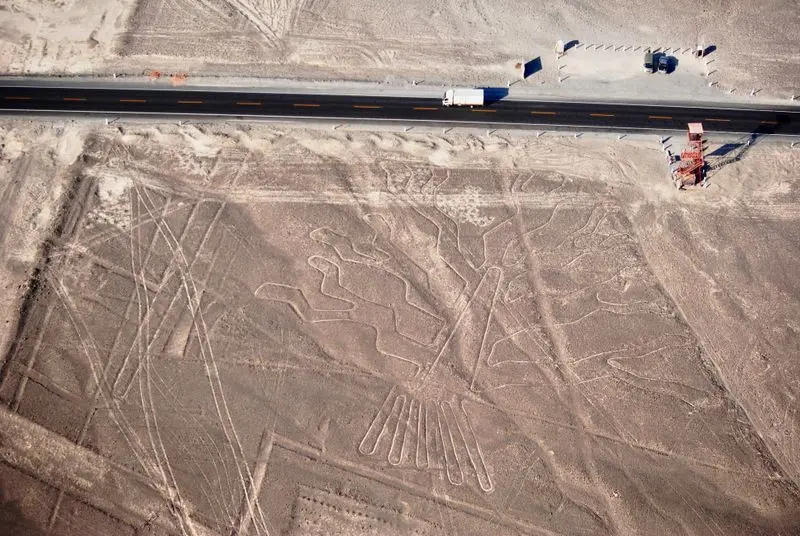
Que faire à Nazca, Peru
Photo prise par Janeth Charris sur Pexels.com
Quand visiter
Attractions les plus populaires à Nazca, Peru
Si vous êtes à la recherche de choses à faire à Nazca, au Pérou, vous êtes au bon endroit. Commencez par les tours d'observation pour une vue d'oiseau sur les géoglyphes massifs. Ensuite, explorez les aqueducs de Cantalloc, un système pré-inca de 45 canaux en spirale qui transporte encore de l'eau aujourd'hui. Terminez votre journée au planétarium de Nazca avec des spectacles d'astronomie nocturnes qui relient l'art du désert aux étoiles.
1. Maria Reiche Museum
Entrez dans l'humble demeure désertique de la mathématicienne qui a consacré sa vie aux lignes de Nazca. Voyez ses sandales en pneus, ses outils faits main et la tour qu'elle gravissait chaque matin pour protéger les dessins anciens de la destruction.
Faits rapides: Maria Reiche a consacré 50 ans de sa vie à protéger et étudier les lignes de Nazca, parcourant le désert avec des sandales fabriquées à partir de vieux pneus. Elle vivait dans une modeste chambre d'un hôtel local et a mangé le même repas simple de pain et de fromage pendant des décennies, se dévouant entièrement à la préservation de ces anciens géoglyphes.
Points forts: Les visiteurs peuvent se tenir dans la véritable chambre de Maria Reiche, préservée exactement telle qu'elle l'a laissée, avec ses livres, ses cartes et une paire de ses sandales en pneus toujours au pied du lit. Le musée se trouve dans la maison qu'elle a fini par construire avec ses propres économies, où elle grimpait pieds nus à l'aube dans sa tour d'observation artisanale pour balayer le sol du désert.
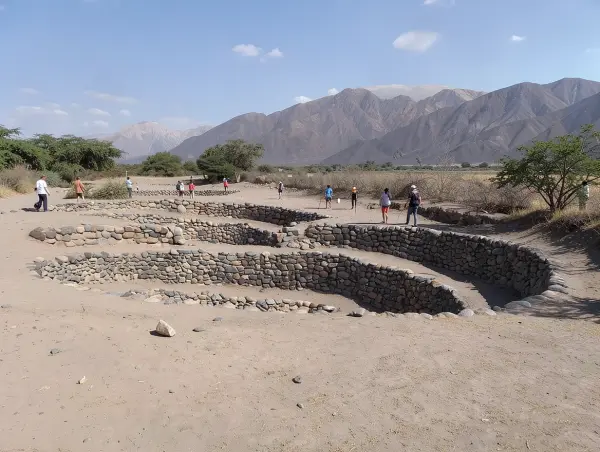
2. Cantalloc Aqueducts
Marchez le long des canaux d'irrigation en spirale vieux de 1 500 ans qui étanchent encore la soif des terres agricoles du désert aujourd'hui. Plongez le regard dans les ouvertures bordées de pierres et suivez la façon dont les anciens ingénieurs déplaçaient l'eau dans le paysage aride sans perdre une goutte par évaporation.
Faits rapides: Ces anciens aqueducs en forme de spirale acheminent l'eau souterraine à travers le désert côtier aride du Pérou depuis plus de 1 500 ans. Plus de 30 des 46 canaux d'origine en pierre et en boue fonctionnent encore aujourd'hui, alimentant en eau les champs de coton et les vignobles tout comme à l'époque pré-inca.
Points forts: Penchez-vous au-dessus de l'une des plus de 30 ouvertures en spirale et vous verrez une eau claire s'écouler 10 mètres sous la surface à travers des tunnels creusés avec de simples outils en pierre. Chaque aqueduc s'appuie sur la connaissance qu'avaient les anciens Nazcas des systèmes de filtration souterrains, nettoyant naturellement l'eau au fil de son passage à travers des couches de roche volcanique et de sable.
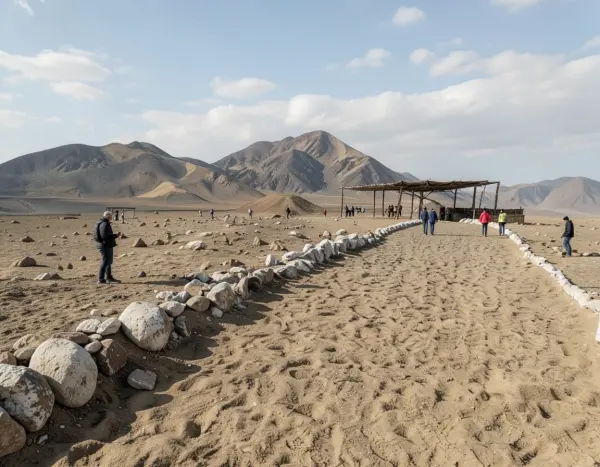
3. Chauchilla Cemetery
Nulle part ailleurs vous ne pourrez vous retrouver face à face avec des momies millénaires encore assises dans leurs tombes d'origine à ciel ouvert. Os anciens, cheveux et textiles gisent entièrement exposés sous le soleil brûlant du désert, créant une rencontre inoubliable avec le passé pré-inca du Pérou.
Faits rapides: L'air du désert a parfaitement préservé plus de 100 momies anciennes ici, certaines portant encore leurs vêtements de coton d'origine et leurs cheveux tressés d'il y a 1 000 ans. Ce ne sont pas des momies enveloppées à la manière égyptienne : elles sont assises en position fœtale, les genoux ramenés vers la poitrine, tournées vers le lever du soleil, comme le voulaient leurs cultures Wari et Ica-Nazca.
Points forts: Vous verrez des momies aux longs cheveux noirs intacts, la peau tendue sur les os et des sourires découvrant les dents exposés au ciel ouvert à travers des tombes sans toit. Contrairement aux vitrines des musées, vous pouvez vous approcher de ces restes anciens et admirer les offrandes funéraires soigneusement placées à leurs côtés : poteries, offrandes de nourriture et textiles tissés qui ont survécu un millénaire.
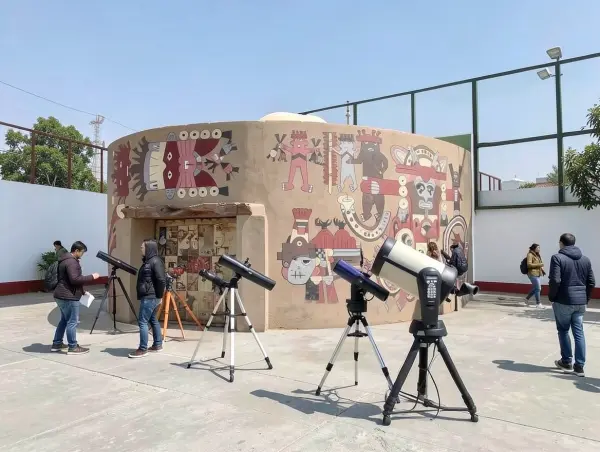
4. Nazca Planetarium
Faites le lien entre l'astronomie ancienne et les gigantesques dessins du désert dans un spectacle immersif. Vous verrez le ciel de Nazca prendre vie sous un dôme au-dessus de vous tout en apprenant ce que les lignes signifiaient vraiment.
Faits rapides: Le planétarium se trouve juste à côté de la célèbre tour d'observation des lignes de Nazca, ce qui permet de combiner facilement les deux expériences en un seul voyage. Son dôme propose des projections quotidiennes qui expliquent comment les anciens Nazcas observaient les étoiles et pourquoi ils ont créé ces immenses dessins dans le désert.
Points forts: Les projections utilisent un système numérique à 360 degrés qui reconstruit le ciel nocturne exactement comme le voyaient les Nazcas il y a plus de 1 500 ans. Vous pouvez voir les constellations qu'ils ont nommées et comprendre comment les motifs célestes ont directement inspiré les formes d'araignées, de singes et d'autres géoglyphes gravés dans le sol du désert.
5. Plaza de Armas de Nazca
Une place centrale animée où les habitants de Nazca vivent réellement leur quotidien, et pas seulement une occasion de photo pour touristes. Regardez les enfants chasser les pigeons entre les jets de la fontaine pendant que les vendeurs crient le ceviche et les tamales depuis les coins ombragés.
Faits rapides: La fontaine centrale présente une sculpture de sirène en bronze que les habitants ont surnommée « La Sirena », ajoutée lors d'une rénovation dans les années 1960. Des ficus majestueux ombragent la place, leurs racines massives formant des bancs naturels où les vendeurs proposent du choclo con queso (maïs avec fromage) chaque après-midi.
Points forts: Contrairement à la plupart des places principales du Pérou, cette place n'a ni cathédrale ni église coloniale pour ancrer son périmètre, ce qui lui confère une atmosphère inhabituellement ouverte et aérée. Après la tombée de la nuit, la fontaine s'illumine de couleurs changeantes tandis que les familles locales se rassemblent pour des cours gratuits de danse en marinera et huayno chaque vendredi soir.
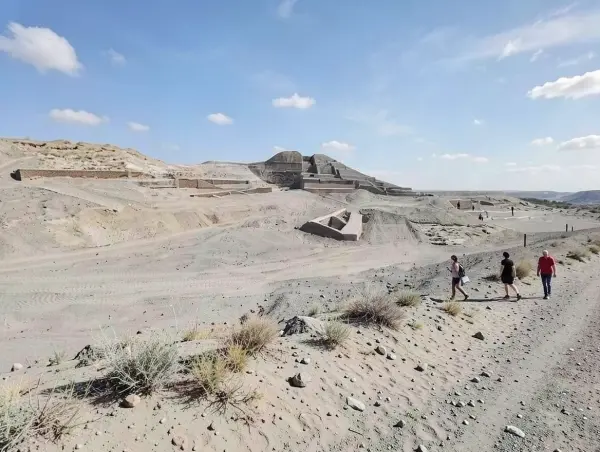
6. Cahuachi Pyramids
Entrez dans l'un des centres cérémoniels les plus anciens et les plus vastes du monde, où des pyramides d'adobe s'élèvent du désert aride de Nazca. Marchez parmi 40 tumulus non fouillés et tenez-vous au sommet de la Grande Pyramide, en ressentant l'énergie spirituelle des anciens pèlerins pré-incas.
Faits rapides: S'étendant sur plus de 24 kilomètres carrés, ce centre cérémoniel abrite la plus grande pyramide en adobe du monde par volume. Plus de 40 monticules s'élèvent du sol désertique, mais seule une fraction de ce vaste complexe a été fouillée par les archéologues.
Points forts: Contrairement aux célèbres lignes de Nazca gravées dans les collines voisines, ces pyramides ont été entièrement construites à partir de milliers de briques d'adobe coniques faites de boue de rivière tassée à la main. Le site était une destination de pèlerinage où d'anciens chamans menaient des cérémonies impliquant chants, danses et consommation de cactus San Pedro sous le soleil brûlant du désert.
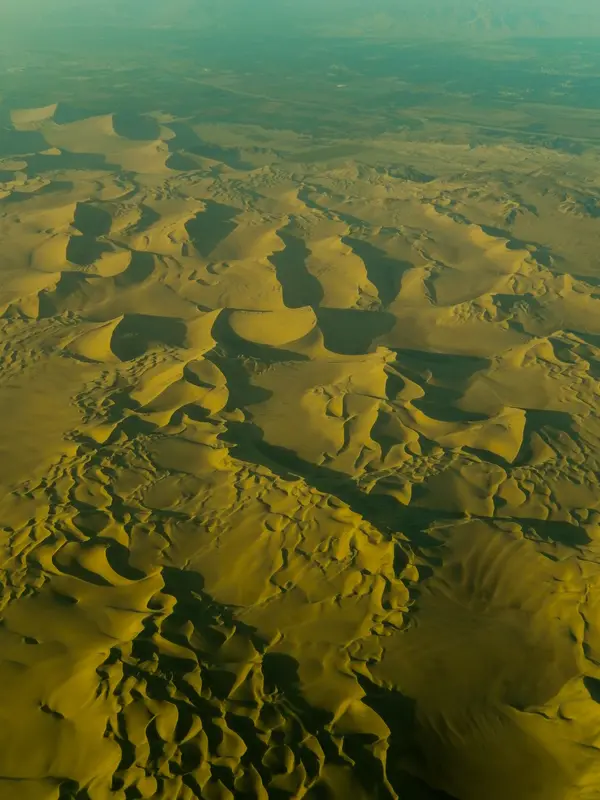
7. Cerro Blanco Sand Dune
Descendez en luge ou glissez le long de l'une des plus hautes dunes de sable de la planète. Ressentez l'adrénaline en traçant votre chemin sur le sable doré pur à pleine vitesse.
Faits rapides: Avec ses 1 178 mètres de hauteur, c'est l'une des plus hautes dunes de sable du monde, dominant le désert près de Nazca. Les sandboarders et les buggys de dunes dévalent sa pente raide à des vitesses dépassant 80 kilomètres à l'heure.
Points forts: Contrairement à la plupart des dunes qui se déplacent avec le vent, ce pic massif reste remarquablement stable grâce à une couche d'humidité naturelle au plus profond de son sable. Gravir son sommet donne l'impression de conquérir une montagne de poudre dorée, avec tout le désert de Nazca qui s'étale en contrebas comme un tapis brun froissé.
8. Paredones Ruins
Grimpez une pyramide millénaire où les prêtres suivaient autrefois la course du soleil et des étoiles. Faites glisser vos doigts le long des murs d'adobe d'origine tandis que les condors tournoient au-dessus de vous dans le désert silencieux.
Faits rapides: Ces anciennes ruines cérémonielles s'étendent sur près de 20 kilomètres carrés, avec des murs en argile et en grosses pierres qui ont survécu à des siècles de vents du désert. Les archéologues y ont identifié plus de 40 structures distinctes, dont une plateforme en forme de pyramide alignée sur le solstice d'hiver.
Points forts: Contrairement aux célèbres lignes de Nazca que l'on ne peut voir que depuis les airs, vous pouvez ici traverser ces ruines à pied et toucher les murs d'adobe d'origine qui portent encore les traces de doigts des mains qui les ont construits. Le site abrite un rare système d'aqueducs pré-incas appelé puquios, dont les ouvertures en spirale dans le sol vous permettent d'entendre l'eau qui s'écoule sous vos pieds à travers des canaux souterrains construits il y a plus de 1 500 ans.
Where to Stay in Nazca, Peru
Selected by City Buddy based on guest reviews and proximity to top attractions
Search all hotels in Nazca, PeruPowered by agoda
Jours d'ouverture à Nazca, Peru
Quels sites incontournables ferment quel jour de la semaine, le classique gâcheur de voyage, vérifié pour vous.
Bonne nouvelle : les 6 sites incontournables avec horaires connus sont ouverts tous les jours de la semaine.
Fermé le lundi · 0 fermés, 6 ouverts
Rien ne ferme le lundi, les 6 sites avec horaires connus sont ouverts.
Jours d'ouverture issus de Google Maps (vérifié le 2026-06-29). Jours fériés, grèves et horaires saisonniers peuvent varier, consultez le site officiel avant de partir.
Plats sucrés traditionnels

Mazamorra Morada
This purple corn pudding gets its striking color from a special variety of corn found only in the Andes and is thickened with chuño, a freeze-dried potato starch used since Inca times.

Arroz con Leche
Peruvian arroz con leche is distinct from other versions because it is infused with cinnamon and clove and often topped with a sprinkle of ground cinnamon in decorative patterns.

Picarones
These ring-shaped sweet fritters are made from a mix of squash and sweet potato, a recipe that dates back to the colonial era when African, Spanish, and indigenous flavors merged.
Plats salés traditionnels

Ceviche Nazqueño
Nazca's version of ceviche uses fresh ocean fish marinated in citrus and is often served with cancha (toasted corn) and camote (sweet potato), reflecting the region's ancient agricultural heritage.

Pachamanca
This ancestral earth-oven cooking method involves burying marinated meats, potatoes, and herbs under hot stones for hours, a tradition that has been practiced in the Nazca region for over 2,000 years.

Cuy Chactado
Guinea pig is a traditional protein in the Nazca highlands, and cuy chactado is prepared by flattening and frying the meat with herbs until crispy and golden brown.
Boissons traditionnelles

Chicha Morada
This non-alcoholic drink is made from boiled purple corn, pineapple, cinnamon, and clove, and has been enjoyed in Peru since pre-Columbian times, including by the ancient Nazca civilization.
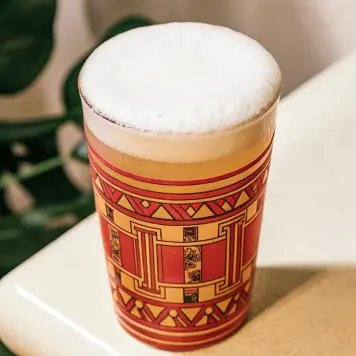
Chicha de Jora
This fermented corn beer was considered a sacred beverage by the Nazca people and was used in religious ceremonies, often consumed from elaborate ceramic vessels decorated with geometric motifs.

Emoliente
This warm, herbal street drink is made from flaxseed, barley, and medicinal herbs like horsetail and boldo, and is sold by vendors in Nazca as a traditional remedy for digestion and overall wellness.
Questions fréquentes sur Nazca, Peru
« Est-ce que Nazca, au Pérou, est sûr ? »
« Combien de jours dois-je prévoir à Nazca, au Pérou ? »
« Quelle est la meilleure période pour visiter Nazca, au Pérou ? »
« Est-ce que Nazca, au Pérou, est une destination chère ? »
« Comment se déplacer à Nazca, au Pérou ? »
Recevez un PDF avec les attractions les plus populaires envoyé à votre email
Obtenez un PDF avec toutes les attractions, évaluations et conseils. Parfait pour une utilisation hors ligne.
Excursions d'une journée les plus populaires
Chauchilla Cemetery
Ancient Nazca burial site with well-preserved mummies
Cantalloc Aqueducts
Remarkable pre-Columbian aqueduct system still in use
Reserva Nacional San Fernando
Coastal reserve with penguins, sea lions, and dolphins
Comment y arriver
Aéroports
Gares
Occidental Railway (limited tourist service from Lima)
Most travelers reach Nazca by bus from Lima (7 hours) or Cusco (10 hours). The main bus terminal is a short taxi ride from the city center.
Informations utiles pour Nazca, Peru
Aperçu de Nazca, Peru
Vous voulez un plan jour par jour pour Nazca, Peru ? Ouvrez le planificateur de voyage
Quand partez-vous à Nazca, Peru ?
Choisissez vos dates et style de voyage pour obtenir :
Qu'est-ce qui est particulièrement important pour vous ?
Sélectionnez tout ce qui s'applique
Se déplacer
Comment souhaitez-vous vous déplacer entre les lieux ?
Langue du plan : Français