 CityBuddy
 Français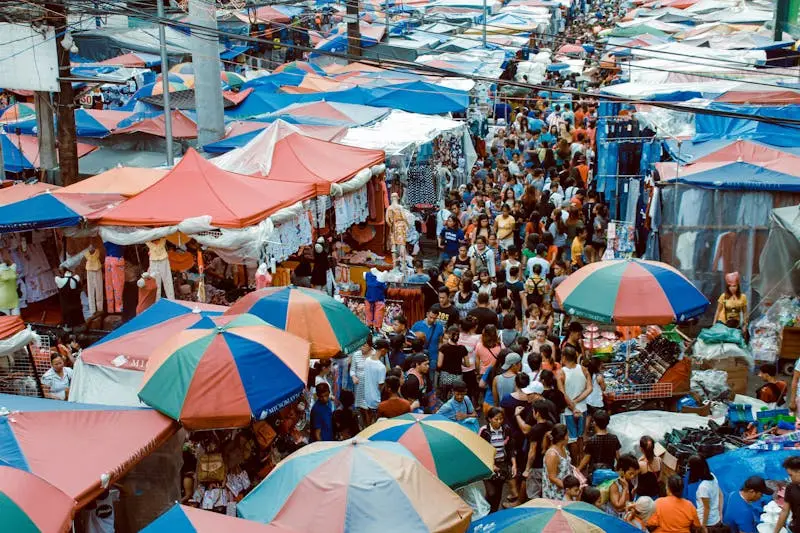
Que faire à Manila, Philippines
Photo prise par NIC LAW sur Pexels.com
Quand visiter
Manila est la #14 ville la plus accueillante pour les étrangers au monde, selon nos données sur des centaines de destinations.
Attractions les plus populaires à Manila, Philippines
Les principales activités à faire à Manille, aux Philippines, incluent l'exploration d'Intramuros, la ville fortifiée historique datant de la période coloniale espagnole. Visitez Fort Santiago, une citadelle riche en histoire située à seulement 600 mètres de la côte. Ne manquez pas l'église et le musée San Agustin, la plus ancienne église en pierre du pays, offrant des artefacts et une architecture fascinants.
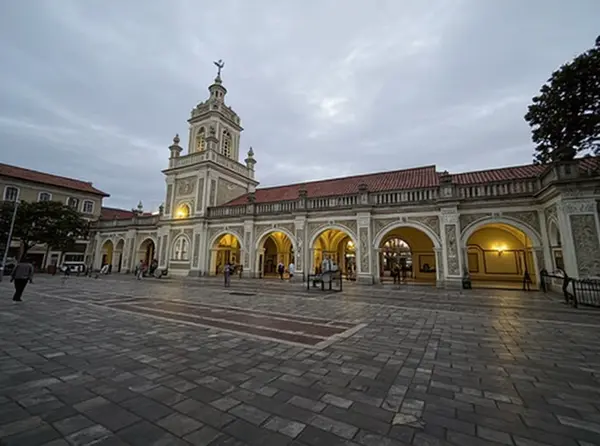
1. Intramuros (Historic Walled City)
Historic Walled City
Plongez dans des siècles d'histoire philippine derrière d'imposants murs de pierre. Flânez dans les rues pavées, les églises coloniales, les musées, et admirez le coucher de soleil depuis les remparts.
Faits rapides: La lumière du soleil traverse obliquement des murs de pierre moussus, des calèches tirées par des chevaux claquent sur les pavés, et des cafés diffusent de la musique acoustique dans des places étroites. Plus d'une douzaine de fortifications restaurées et de bâtiments coloniaux abritent aujourd'hui des musées, des galeries d'art et des jardins sur les toits, de sorte que flâner donne l'impression de pénétrer dans une capsule temporelle vivante.
Points forts: Flânez le long de rues pavées chauffées par le soleil, passez devant l'église San Agustin, achevée en 1607, et sous la porte voûtée du Fort Santiago, où des canons espagnols rouillés du XVIIe siècle pointent encore vers la baie. Le sanctuaire Rizal marque la cellule où José Rizal fut détenu avant son exécution en 1896. Le jour, les calèches tirées par des chevaux claquent sur les pierres et des ateliers produisent des dizaines de vélos en bambou pour les tours. L'air est imprégné d'huile de friture, de jasmin et d'une légère odeur métallique venant de la rivière. Vous pouvez sentir simultanément trois siècles d'odeurs et d'histoires superposées.
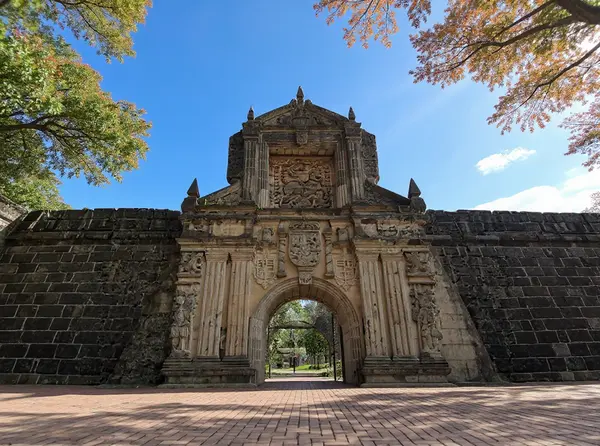
2. Fort Santiago
Le Fort Santiago aux murs de pierre révèle le passé colonial espagnol et de guerre de Manille. Parcourez les cours ombragées, visitez le sanctuaire Rizal, et contemplez le Pasig depuis les anciens remparts.
Faits rapides: Des murs épais en pierre volcanique et un fossé silencieux créent un calme cinématographique où l'architecture coloniale et les cicatrices de guerre se ressentent encore sous vos pieds. Les visiteurs s'arrêtent souvent au petit musée et à la cellule étroite où José Rizal écrivit ses derniers poèmes, imaginant le silence avant sa marche finale.
Points forts: Entrez dans la cellule sombre où José Rizal passa ses dernières nuits avant son exécution le 30 décembre 1896. Les murs rugueux en briques sont encore griffés de noms et une légère odeur métallique persiste des anciens canons. Chaque 30 décembre, des centaines d'étudiants et de membres de loges maçonniques se rassemblent pour déposer des couronnes et allumer des bougies au petit monument en marbre, le silence n'étant rompu que par une trompette solitaire jouant la lamentation nationale.
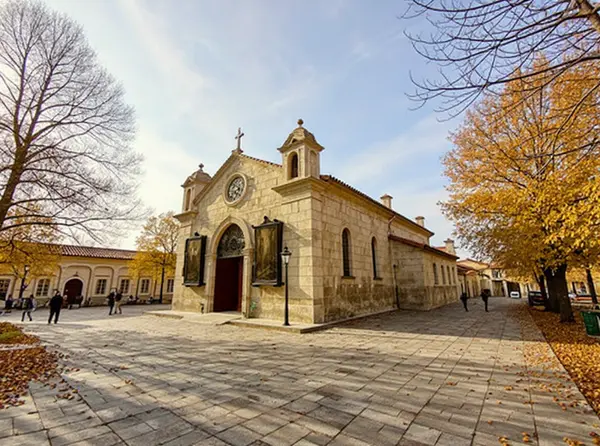
3. San Agustin Church and Museum
Entrez dans le Manille de l'époque espagnole à l'église San Agustin, un monument baroque classé UNESCO. Émerveillez-vous devant les autels dorés, les plafonds trompe-l'œil, et un petit musée d'artefacts coloniaux.
Faits rapides: En entrant, vous serez frappé par une pierre chaude couleur miel et une ornementation baroque somptueuse, tandis que les plafonds en trompe-l'œil semblent respirer avec des nuages peints. À l'étage, un musée compact abrite des trésors ecclésiastiques séculaires, des vêtements brodés aux reliquaires étincelants. Le bâtiment a remarquablement survécu à des bombardements qui ont aplati une grande partie de son quartier.
Points forts: Construite en 1607, la basilique de pierre se dresse depuis plus de 400 ans, et sous sa nef se trouve le tombeau du conquistador Miguel López de Legazpi dont vous pouvez toujours tracer l'épitaphe gravée du bout des doigts. Dans les pièces sombres du musée, un souffle d'odeur de cire d'abeille et de vieux papier flotte au-dessus de vitrines contenant des vêtements d'église des XVIIe et XVIIIe siècles, des vases liturgiques en argent et des saints de procession en bois dont les visages polychromes craquelés brillent sous une lampe unique.
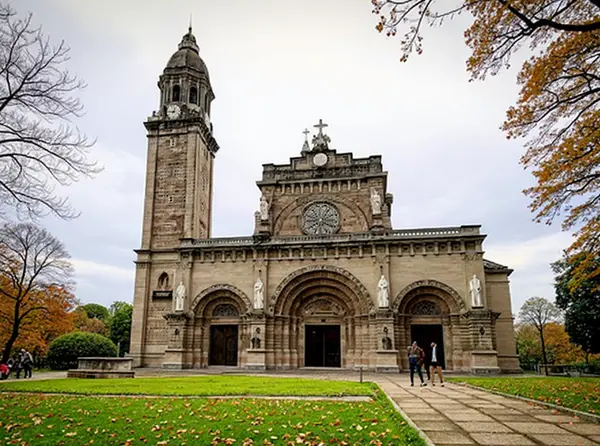
4. Manila Cathedral
Vivez des siècles d'histoire de Manille dans une grande cathédrale coloniale au cœur d'Intramuros. Admirez les détails baroques et romans restaurés, les vitraux, et une atmosphère paisible.
Faits rapides: La lumière du soleil traversant de hautes fenêtres en vitraux projette des couleurs sur le marbre poli. L'acoustique voûtée rend les performances d'orgue et de chœur particulièrement résonnantes. Des plaques silencieuses et des réparations de pierres racontent une histoire dramatique de survie face à plusieurs tremblements de terre et dégâts de guerre. À l'intérieur, une image vénérée, vieille de plusieurs siècles, attire pèlerins et visiteurs curieux.
Points forts: Entrez et vous vous tiendrez dans une église reconstruite huit fois depuis le XVIe siècle. Les sols en marbre, colonnes néoclassiques et sculptures baroques forment une chronologie visuelle que vous pouvez lire. Certains après-midi, un chœur âgé pratique des hymnes grégoriens jusqu'à ce que la lumière du soleil à travers les vitraux transforme l'allée en bandes de rubis et d'or. Les paroissiens glissent souvent de petits papiers pliés dans la grille de fer près de l'autel, leurs bords adoucis par des années d'encens.
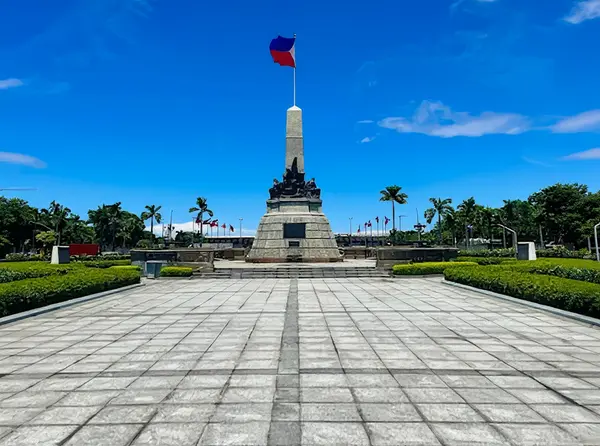
5. Rizal Park (Luneta)
Luneta
Parc historique au cœur de Manille, où la mémoire nationale rencontre la vie quotidienne. Promenez-vous autour du monument Rizal, dans les jardins reposants, et les places animées pour des photos et observer les passants.
Faits rapides: La lumière du matin révèle de vastes pelouses vertes sillonnées de fontaines ornementales et de promenades ombragées où les habitants pratiquent le tai-chi et les familles pique-niquent parmi les acacias en fleurs. Un monument national spectaculaire ancre le centre, attirant des foules pour des cérémonies et des moments de réflexion paisibles, tandis que des volées de pigeons ajoutent à la bande sonore urbaine animée.
Points forts: Au centre se tient un monument en bronze de 12,8 mètres dédié à José Rizal, où les habitants laissent silencieusement de petites bougies et des guirlandes de sampaguita après le coucher du soleil, la cire et le parfum des fleurs se mêlant à l'air du soir. Chaque 30 décembre, des centaines à des milliers de personnes se rassemblent avant l'aube pour une cérémonie de dépôt de couronnes et de lever de drapeau, les chorales scolaires chantent l'hymne national tandis que les vendeurs ambulants proposent de petits drapeaux en papier et des gâteaux de riz pour environ 10 à 20 pesos.
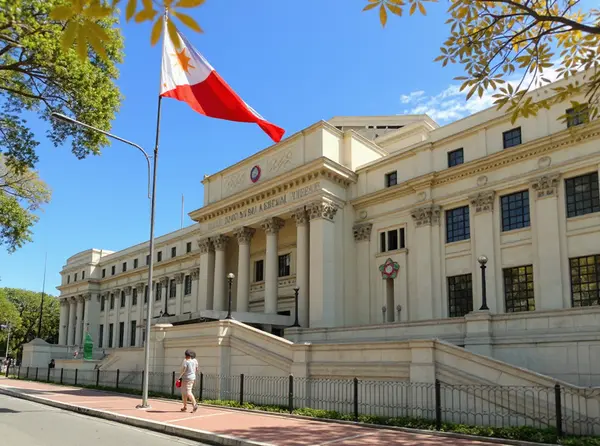
6. National Museum of the Philippines (National Museum Complex)
National Museum Complex
Explorez l'art, l'histoire et la biodiversité des Philippines dans un complexe central. Découvrez le Spoliarium de Juan Luna, l'Arbre de la Vie en histoire naturelle, et d'abondants artefacts culturels.
Faits rapides: Entrez et vous serez frappé par de vastes halls néoclassiques présentant le Spoliarium de Juan Luna aux côtés d'éblouissantes œuvres d'or précoloniales et de textiles richement tissés. Des coins tranquilles invitent à l'étude approfondie de spécimens fossiles, d'objets cérémoniels et de peintures monumentales, faisant de la visite un voyage compact à travers des siècles de culture.
Points forts: Placez-vous sous la pâle rotonde néoclassique et le Spoliarium de Juan Luna captive votre regard, une toile d'environ 4 par 7 mètres dont les ocres foncés et les éclats cramoisis s'approfondissent lorsque les conservateurs travaillent doucement sur son vernis, dégageant une légère odeur de térébenthine. Le tableau a remporté une médaille d'or à Madrid en 1884, un triomphe que les guides racontent toujours comme une étincelle pour la fierté nationaliste philippine. Écouter cette histoire dans le silence de la galerie donne à la scène une atmosphère cinématographique surprenante.

7. Manila Ocean Park
Observez de près la vie marine philippine dans un grand aquarium interactif. Traversez un tunnel de verre, assistez aux spectacles d'alimentation, et rencontrez des manchots.
Faits rapides: Des lumières bleues éclatantes et un tunnel en verre incurvé vous permettent d'observer les requins et les raies glisser à quelques centimètres au-dessus de votre tête, donnant l'impression de marcher dans une carte postale sous-marine. Plus de 3 000 animaux marins habitent des bassins thématiques, et les nourrissages quotidiens transforment ce qui pourrait être des faits de classe en expériences palpitantes et pratiques.
Points forts: Chaque soir, l'aquarium s'assombrit sous des lumières bleu océan et présente une "sérénade de nourrissage" où un banc d'environ 200 sardines scintillantes nage de manière chorégraphiée le long du tunnel en verre, l'eau murmurant comme une pluie lointaine tandis que les familles pressent leurs paumes contre l'acrylique. Le plongeur expérimenté Kuya Danny narre le spectacle en tagalog, offrant aux enfants courageux la chance de toucher la peau lisse et veloutée d'un concombre de mer et leur apprenant les noms locaux des poissons, ce qui transforme les cris en bavardages fiers et émerveillés.
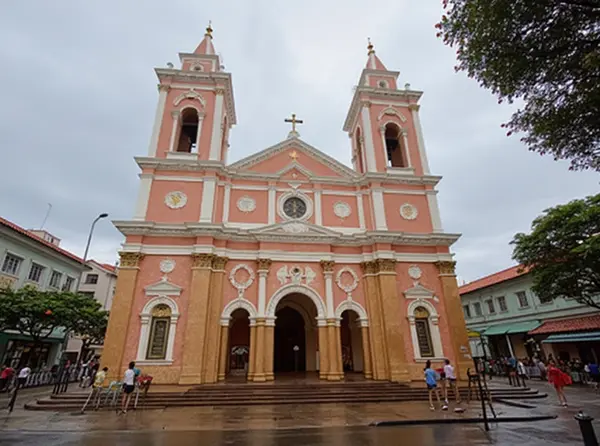
8. Binondo Church (Minor Basilica of San Lorenzo Ruiz)
Minor Basilica of San Lorenzo Ruiz
Vivez des siècles d'histoire catholique chinoise-philippine à l'église Binondo. Admirez l'intérieur baroque orné et assistez aux dévotions locales de près.
Faits rapides: Une brume chaude d'encens et des lanternes colorées accueillent les visiteurs, révélant un mélange surprenant d'autels baroques et de motifs décoratifs chinois. Beaucoup viennent vénérer le premier saint canonisé du pays, tandis que des mariages animés et des rituels communautaires maintiennent les allées animées par la dévotion.
Points forts: Fondée en 1596 pour servir les commerçants sino-philippins, l'église est l'une des plus anciennes paroisses du pays et se remplit encore d'un encens épais et du cliquetis des chapelets en bois lors de la grande fête du 28 septembre. Une pratique locale particulière voit les visiteurs glisser de petites pétitions pliées et des rubans de prière rouges dans les grilles de fer autour des chapelles latérales, où l'on peut voir des dizaines de notes manuscrites et des queues de rubans fanés flotter dans les courants d'air.
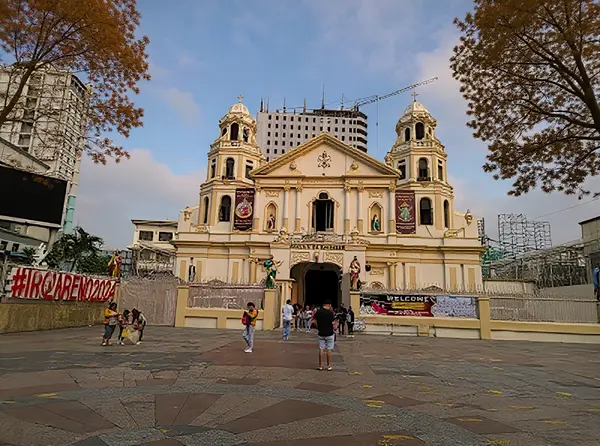
9. Quiapo Church (Minor Basilica of the Black Nazarene)
Minor Basilica of the Black Nazarene
Découvrez une dévotion populaire profonde et l'histoire vivante de Manille à la basilique mineure du Nazareen Noir. Vivez des messes vibrantes, des offrandes votives à la lumière des bougies, et contemplez de près l'image du Nazareen Noir.
Faits rapides: Des foules se pressent dans des allées parfumées aux chandelles pour toucher une statue en bois sombre, créant un tonnerre de prières et d'offrandes murmurées qui résonne dans l'église bondée. Les dévots légendaires attribuent d'innombrables demandes exaucées à la statue, et la procession annuelle attire des centaines de milliers de personnes qui se bousculent dans les rues pour un bref contact avec la figure sacrée.
Points forts: Sous des nuages de fumée de bougies et le cliquetis métallique des chapelets, les fidèles pressent des foulards fanés et de petites serviettes contre une statue en bois sombre grandeur nature du Christ, datant soi-disant du XVIIe siècle, espérant qu'un tissu recueillera une bénédiction. Chaque janvier, environ 1 million de dévots participent à la frénétique procession de la Traslacion, corps serrés épaule contre épaule pendant plus de 12 heures, tandis que les gens crient des prières et essaient de toucher la voiture ou sa corde pour réclamer un miracle.
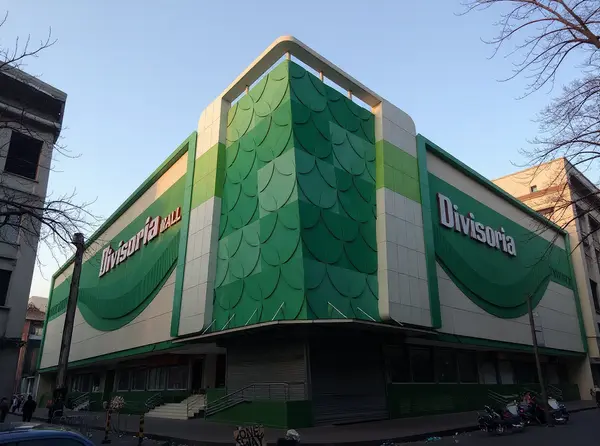
10. Divisoria Market (shopping district)
shopping district
Trouvez des affaires imbattables en vêtements, tissus et accessoires dans le marché le plus animé de Manille. Naviguez dans des allées colorées et encombrées tout en goûtant à la nourriture de rue et négociant les prix.
Faits rapides: Des ruelles étroites bouillonnent avec un labyrinthe de stands empilés offrant tout, des rouleaux de tissu aux produits électroniques à prix réduit, faisant du marchandage un sport. Les chasseurs d'aubaines expérimentés adorent fouiller dans les bacs de gros et les stands de nourriture de rue, décrochant des affaires en gros et des trouvailles originales au milieu des appels constants des vendeurs.
Points forts: Des rangées de stands sont si proches que l'on peut goûter l'ail d'un vendeur grillant des boulettes de poisson, tandis qu'un vendeur voisin propose des lampes LED identiques pour aussi peu que ₱10, des rouleaux de tissu empilés à trois mètres sous des néons bourdonnants. Les acheteurs habituels ont un rituel amusant : ils entament un compte à rebours de "dernier prix" avec trois coups rapides sur le comptoir, et lorsque le vendeur agite un stylo vert, l'affaire est conclue, transformant le marchandage en un spectacle de rue.
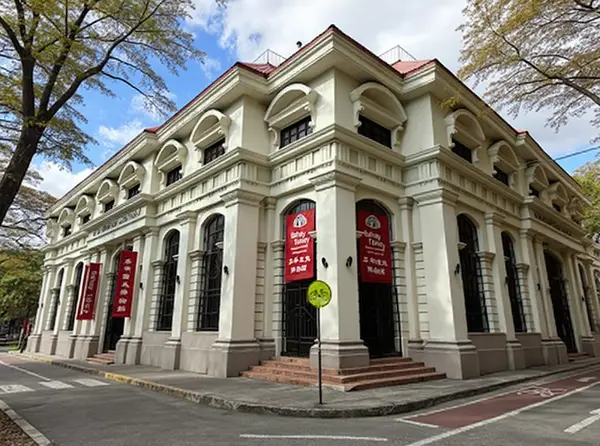
11. Visit Bahay Tsinoy Museum
Découvrez le riche patrimoine des Chinois philippins à travers des artefacts rares et des récits vivants. Plongez dans l'histoire avec des sons et des images qui font revivre le passé.
Faits rapides: Le lieu met en lumière les histoires de plus de 1,2 million de Chinois philippins et leur influence sur la culture et l'histoire des Philippines. Les expositions incluent des archives ancestrales complexes et des artefacts datant de plus de 300 ans.
Points forts: Les visiteurs peuvent vivre une exposition sonore unique où des instruments traditionnels chinois sont joués aux côtés de sons anciens des rues de Manille, créant un effet de voyage temporel immersif. Un point fort présente un diorama détaillé du district de Binondo tel qu'il était au début des années 1900 avec plus de 500 figurines miniatures.
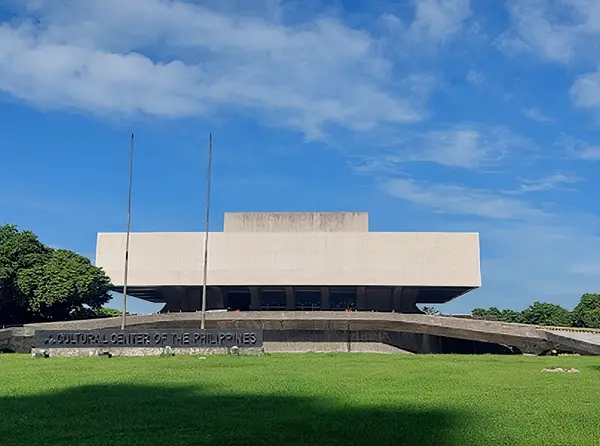
12. Cultural Center of the Philippines
Vivez le dynamisme des arts du spectacle philippins. Assistez à des pièces, concerts et expositions dans un cadre architectural unique qui célèbre la culture locale.
Faits rapides: Une caractéristique frappante de cet endroit est le tanghalang nicanor abelardo, un théâtre réputé pour sa conception acoustique qui permet à chaque mot et note d'atteindre clairement le dernier siège. Plus de 50 performances et expositions d'art y ont lieu chaque mois, attirant artistes et publics de tout le pays.
Points forts: Observez les artistes passer une torche cérémoniale avant chaque grand événement pour honorer l'art philippin, une tradition lancée par le directeur culturel d'origine. Le théâtre principal accueille 1 800 personnes et présente un lustre fait de coquillages de capiz, reflétant le savoir-faire local sous les lumières.
Where to Stay in Manila, Philippines
Selected by City Buddy based on guest reviews and proximity to top attractions
Search all hotels in Manila, PhilippinesPowered by agoda
Jours d'ouverture à Manila, Philippines
Quels sites incontournables ferment quel jour de la semaine, le classique gâcheur de voyage, vérifié pour vous.
lundi : 9 sur 19 sites incontournables fermés, prévoyez les musées un autre jour.
Fermé le lundi · 9 fermés, 10 ouverts
Jours d'ouverture issus de Google Maps (vérifié le 2026-03-14). Jours fériés, grèves et horaires saisonniers peuvent varier, consultez le site officiel avant de partir.
Plats sucrés traditionnels

halo-halo
Halo-halo literally means 'mix', it evolved from Japanese shaved ice and Filipino sweet preserves, and today its rainbow layers topped with leche flan or ube ice cream are a summer symbol across Manila.
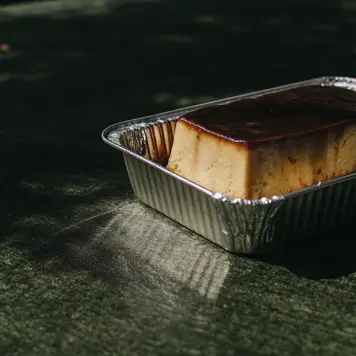
leche flan
Leche flan in the Philippines is denser and richer than its Spanish cousin because cooks use many egg yolks and condensed milk, and it is traditionally steamed in a tin mold called a llanera for a silky, custardy texture.

ube halaya
Ube halaya is a vivid purple jam made from purple yam, its color and nutty-sweet flavor turned it into a signature ingredient that elevates everything from halo-halo to pastries and ice cream.
Plats salés traditionnels
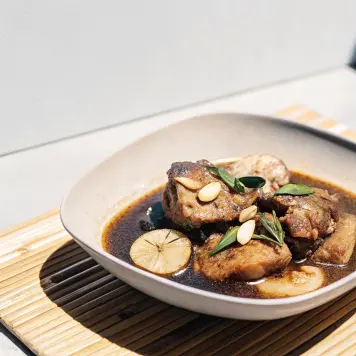
adobo
Adobo is more a method than a single recipe, vinegar and soy sauce preserve and flavor meat, and nearly every Filipino family in Manila guards a version they call their own.

sisig
Sisig began as a resourceful Kapampangan dish made from pig's head and ears, it was revived as a sizzling, tangy bar favorite in Manila and is often finished with a raw egg on the hot plate.
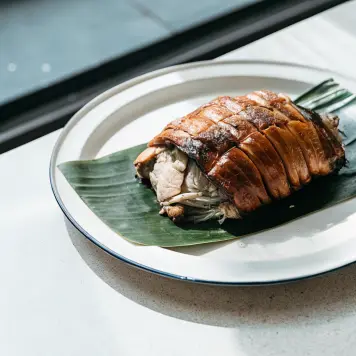
lechon
Lechon, a whole roasted pig with crackling skin and juicy meat, is the unmistakable centerpiece of Filipino fiestas and its carving announces celebration across Manila.
Boissons traditionnelles

sago't gulaman
Sago't gulaman pairs chewy tapioca pearls with jiggly agar jelly in a sweet brown sugar syrup, it became a beloved street drink because it is both refreshing and texturally playful.

buko juice
Buko juice is the clear, slightly sweet water from young coconuts, sold straight from halved shells by vendors and prized as a natural electrolyte on hot Manila days.

tuba
Tuba is freshly tapped coconut sap that ferments into a mildly alcoholic palm wine, it has long been woven into Filipino rituals and fiestas and can be distilled into the stronger spirit lambanog.
À savoir avant de partir
Combien coûte une journée à Manila et les arnaques à éviter
Coût par personne et par jour
Principales arnaques à éviter
- Chauffeurs non agréés de l'aéroport. Utilisez le comptoir officiel de taxi coupon à l'intérieur du terminal ou réservez un Grab depuis l'application avant de sortir des arrivées.
- Compteur trafiqué. Vérifiez que le compteur est remis à zéro au départ et que le tarif correspond au tarif de prise en charge diurne affiché. Préférez Grab pour un prix fixe.
- Bureaux de change à mauvais taux. Utilisez les agences bancaires ou les changeurs réputés avec des taux affichés. Comptez vos pesos au comptoir avant de partir.
Taxi honnête depuis l'aéroport: 700 ₱ - 1 000 ₱ (10 € - 14 €)
Option moins chère: Jeepney de l'aéroport ou la navette officielle de l'aéroport/UV Express vers les zones centrales comme Baclaran ou la station de MRT Taft (50 ₱)
Toutes les arnaques, prix justes et règlesQuestions fréquentes sur Manila, Philippines
Meilleur moment pour visiter Manille, Philippines ?
Manille, Philippines est-elle chère ?
Comment se déplacer à Manille, Philippines ?
Manille, Philippines est-elle sûre pour visiter ?
Combien de touristes visitent Manille chaque année ?
Recevez un PDF avec les attractions les plus populaires envoyé à votre email
Obtenez un PDF avec toutes les attractions, évaluations et conseils. Parfait pour une utilisation hors ligne.
Excursions d'une journée les plus populaires
Tagaytay (Taal view)
Cool ridge with panoramic views of Taal Volcano.
Taal Volcano (via Talisay)
Boat trip to the volcanic island on Taal Lake.
Pagsanjan Falls (Laguna)
Scenic gorge and classic canoe (shooting the rapids) trip.
Anilao (Mabini, Batangas)
Popular snorkeling/diving spot with clear waters.
Comment y arriver
Gares
PNR South Main Line (to Laguna, Lucena, Bicol)
MRT-3 / LRT-2 (major Metro Manila interchange)
LRT-1 / connecting buses to airport/Metro
From NAIA take a metered taxi or Grab; expect heavy traffic—allow 1–2 hours.
Informations utiles pour Manila, Philippines
Aperçu de Manila, Philippines
Vous voulez un plan jour par jour pour Manila, Philippines ? Ouvrez le planificateur de voyage
Quand partez-vous à Manila, Philippines ?
Choisissez vos dates et style de voyage pour obtenir :
Qu'est-ce qui est particulièrement important pour vous ?
Sélectionnez tout ce qui s'applique
Se déplacer
Comment souhaitez-vous vous déplacer entre les lieux ?
Langue du plan : FrançaisMost popular itineraries for Manila, Philippines
Browse trip plans created by other travelers
14-Day Authentic Philippines Adventure for Budget Backpackers
Discover the Philippines off the beaten path from Manila's local streets to Balabac's rugged islands and Boracay's hidden coves in this budget-friendly, authentic 14-day journey.
15-Day Manila Spring Immersion
Discover Manila’s rich history, vibrant culture, and local flavors in this 15-day spring adventure through famous landmarks and authentic experiences.