 CityBuddy
 Français
Que faire à Kigali, Rwanda
Photo prise par Ana Kenk sur Pexels.com
Quand visiter
Quand partez-vous à Kigali, Rwanda ?
Choisissez vos dates et style de voyage pour obtenir :
Qu'est-ce qui est particulièrement important pour vous ?
Sélectionnez tout ce qui s'applique
Plan language: FrançaisAttractions les plus populaires à Kigali, Rwanda
En recherchant des choses à faire à Kigali, au Rwanda, trois expériences se démarquent des autres. Le Mémorial du Génocide de Kigali offre une éducation essentielle et poignante sur la tragédie de 1994, avec des expositions détaillant plus de 250 000 victimes. Au Centre d'Art Inema, vous trouverez des galeries tournantes de plus de 10 peintres et sculpteurs locaux. Pour des souvenirs authentiques, le Village Artisanal Caplaki abrite plus de 50 stands vendant des paniers tissés à la main et des tissus traditionnels.

1. Kigali Genocide Memorial
Un lieu qui transforme votre compréhension de la résilience humaine et de la mémoire collective. Promenez-vous dans des jardins silencieux recouvrant des fosses communes, puis écoutez les survivants raconter leurs histoires à travers des enregistrements audio dans les salles d'exposition.
Faits rapides: Over 250,000 genocide victims are buried here in 85 mass graves, with some 30,000 additional bodies still being discovered each year across the country. The memorial's walls display thousands of photographs of victims, alongside personal belongings like clothing and identification cards that families donated.
Points forts: The Children's Room hits hardest: giant panels list 300 children by name, showing each one's favorite food, last words, and cause of death. You'll see a photo of a 2-year-old who loved bananas and died from a machete wound to the head, making the scale of loss feel deeply personal.
2. Inema Arts Center
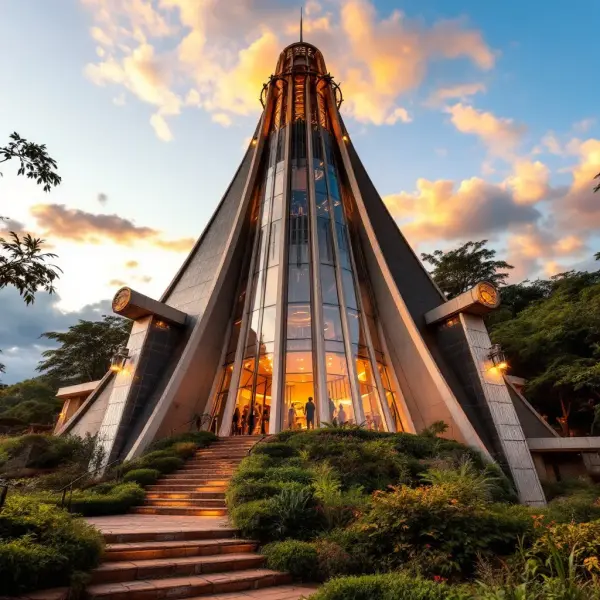
Regardez l'art prendre vie alors que des peintres créent des œuvres originales sous vos yeux, terminant souvent une pièce avant votre départ. Déambulez dans des galeries ensoleillées, discutez avec les artistes, et peut-être même prenez-vous un pinceau vous-même.
Faits rapides: Artists paint on site daily, transforming blank canvases into bold abstract works right before visitors' eyes. The center hosts over a dozen resident artists who rotate through gallery spaces, so no two visits reveal the same collection.
Points forts: On the last Saturday of each month, the courtyard fills with drummers, dancers, and neighbors for a spontaneous art party that spills across the gallery floors. Visitors get pulled into the energy, painting alongside resident artists while live Rwandan music echoes off the brightly colored walls.
3. Kimironko Market
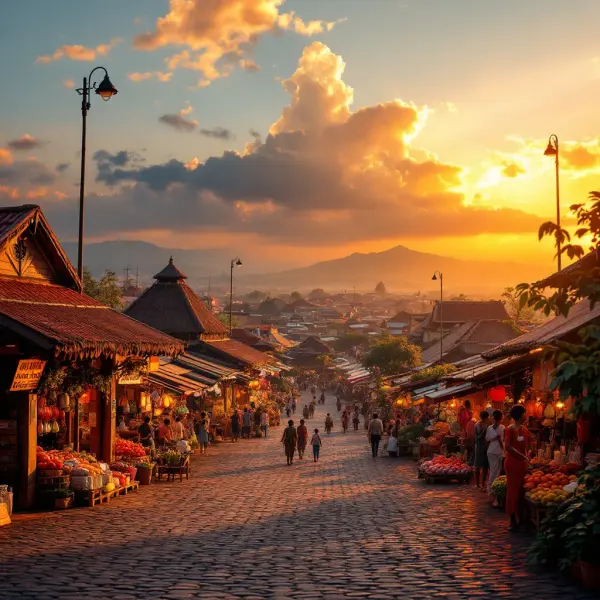
Le plus grand marché en plein air de Kigali où les habitants font vraiment leurs courses quotidiennes. Flânez dans les allées de produits frais, de tissus colorés et de montagnes d'épices tout en négociant avec des vendeurs sympathiques.
Faits rapides: Over 2,000 vendors pack this massive covered market, selling everything from fresh bananas to handwoven baskets. The produce section alone offers 50 varieties of beans and 14 types of bananas, reflecting Rwanda's incredible agricultural diversity.
Points forts: Look for the women balancing woven baskets on their heads as they navigate the narrow aisles, a tradition that has connected Rwandan marketplaces for centuries. The tailors in the clothing section work on vintage Singer sewing machines, custom-making shirts and dresses on the spot for prices as low as 5,000 Rwandan francs (about $4).
4. Museum of Rwanda - Kandt House
Kandt House
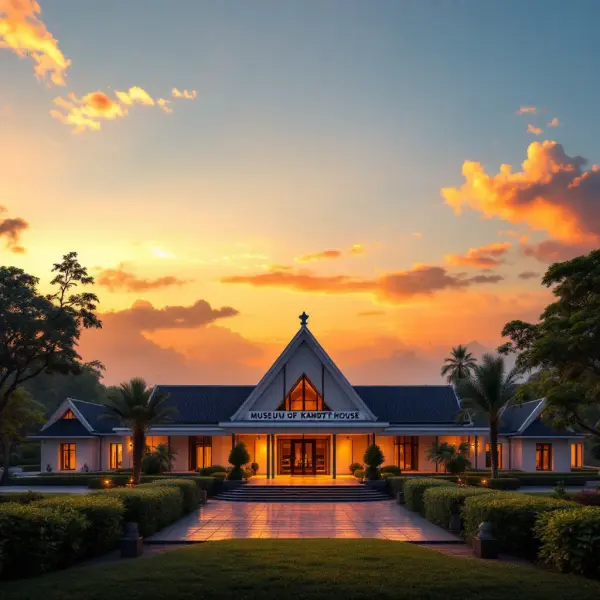
Entrez dans la plus ancienne maison d'Europe construite au Rwanda et découvrez l'histoire complexe du passé colonial de Kigali. Explorez des artefacts originaux, un petit jardin botanique et une terrasse offrant une vue panoramique sur la ville.
Faits rapides: Dr. Richard Kandt, a German explorer and physician, built this house in 1908 as his residence and scientific research station. The villa later served as Rwanda's first national museum before moving to Butare, and now focuses on Kigali's pre-colonial and colonial history.
Points forts: The original 1908 villa still contains Dr. Kandt's preserved study room, complete with his writing desk and medical equipment, offering a rare glimpse into the daily life of an early European settler in East Africa. Climb to the rooftop terrace for an unexpected panoramic view of Kigali's rolling hills, a perspective most visitors to the city never get to see.
5. Caplaki Craft Village
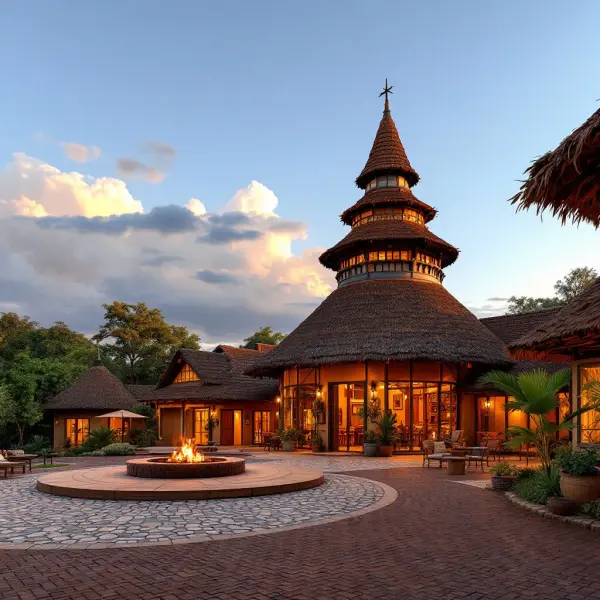
Regardez des artisans qualifiés sculpter, tisser et peindre sous vos yeux au meilleur marché artisanal en plein air de Kigali. Déambulez entre les étals remplis de paniers tressés à la main, de masques en bois sculpté et de textiles colorés tout en discutant avec les créateurs eux-mêmes.
Faits rapides: More than 50 local artisans sell their work from small wooden stalls arranged in tidy rows. The village gets its name from the type of cypress trees that once grew where Kigali's central market now stands.
Points forts: A 72-year-old master basket weaver named Gaudence sits at her stall daily, using natural dyes from avocado leaves and onion skins to color the fibers. She learned the technique from her grandmother and can finish a small basket in under two hours, chatting with visitors the entire time.
6. Nyamirambo Women's Center
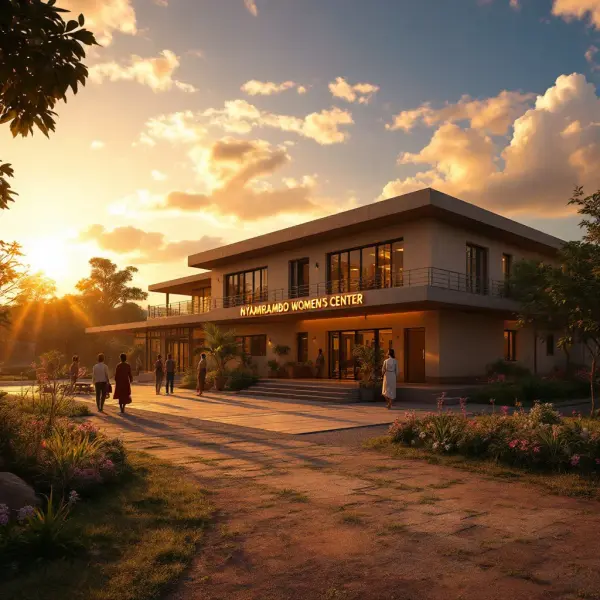
Découvrez le quartier le plus dynamique de Kigali à travers les yeux des femmes qui y vivent. Vous apprendrez à cuisiner, tisser et explorer comme une habitante tout en soutenant directement des initiatives communautaires.
Faits rapides: Run entirely by local women, the center offers traditional cooking classes where you'll grind spices by hand and cook over a charcoal fire. More than 20 women earn fair wages through its sewing cooperative, weaving baskets and crafting jewelry from recycled materials.
Points forts: During the walking tour, your guide might point out the exact spot where a 1970s Bollywood film was shot, then lead you through a maze of narrow alleys to meet a 78-year-old woman who has been making samosas from the same family recipe for 40 years. The tour ends with a shared pot of spiced chai under a jacaranda tree in someone's backyard.

7. Mt. Kigali
Vous voulez voir tout Kigali d'un seul coup d'œil ? Gravissez le sommet et regardez la ville se déployer sous vous dans un panorama à 360 degrés.
Faits rapides: Rwanda's highest point in the city, it rises 1,850 meters above sea level and offers panoramic views of all three of Kigali's districts. The summit is home to the Masaka Beach Hotel and a massive flagpole flying Rwanda's national flag.
Points forts: At the top, a giant Rwandan flag the size of a volleyball court snaps in the wind, visible from almost anywhere in the city. Weekly community cleanups on the mountain trails have transformed it into one of the greenest urban hiking spots in East Africa.
8. Azizi Life Experience
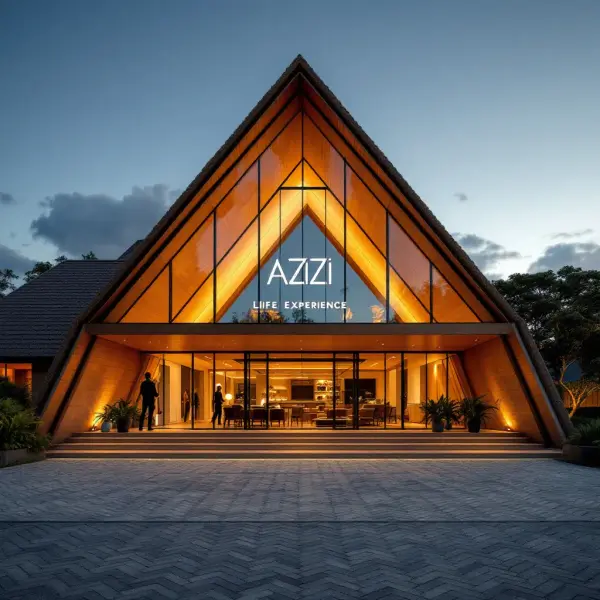
Oubliez les dioramas de musée et passez une journée aux côtés des agriculteurs rwandais dans leur village réel. Vous pilerez le manioc, tresserez des paniers et partagerez un toast à la bière de banane sous le soleil de midi.
Faits rapides: Guests spend a full day alongside Rwandan farmers, joining in daily tasks like grinding maize, weaving baskets, or harvesting cassava. The experience directly supports over 300 local families through fair trade and community development initiatives.
Points forts: Unlike a staged cultural show, you'll actually sweat alongside your host family, hauling water from the spring or planting beans in red earth fields. The morning chitenge-clad walk through banana groves to the village, with roosters crowing and babies strapped to backs, feels like stepping into real life rather than a performance.
9. St. Famille Church
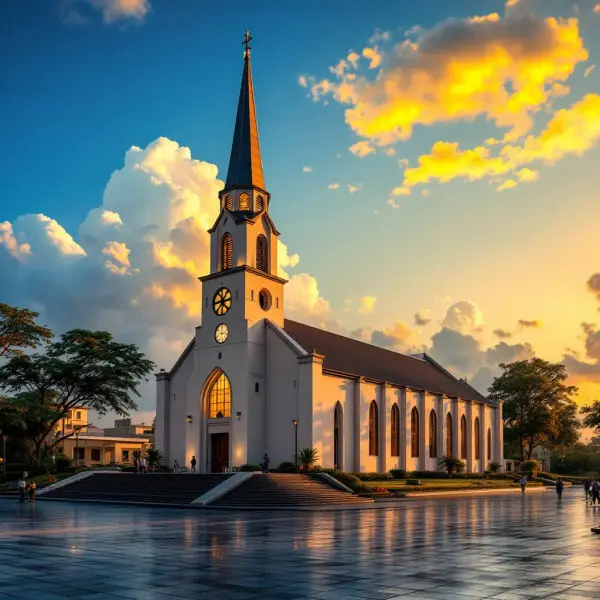
Aucune autre église au monde ne mêle les traditions de tissage rwandaises et le béton imposant comme celle-ci. Entrez pour ressentir la lumière du soleil filtrer à travers des centaines de panneaux de verre coloré dans un espace qui accueille 2 000 personnes tout en restant intimiste.
Faits rapides: The striking modern architecture blends traditional Rwandan woven basket patterns with soaring concrete arches. Its circular design seats 2,000 worshippers and places every attendee within 20 meters of the altar.
Points forts: At night, the church glows from within through 1,000 hand-placed colored glass panels that create a warm amber light visible from the hills across Kigali. The interior ceiling mimics the inside of a traditional Rwandan woven basket turned upside down, giving worshippers the feeling of being sheltered under a giant, sacred craftwork.
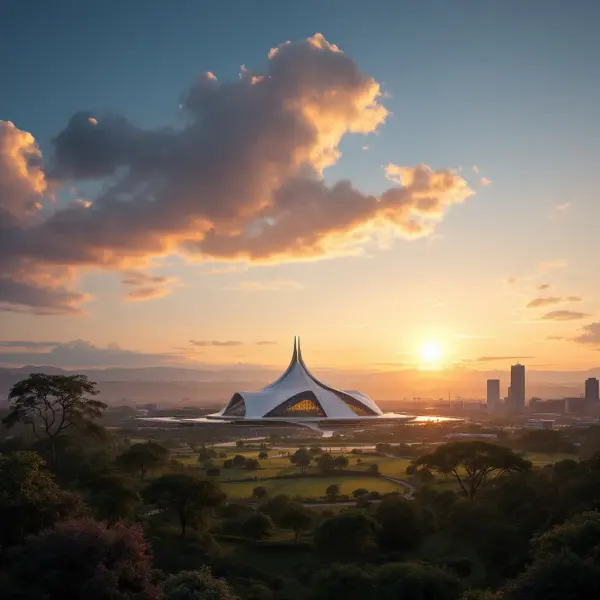
10. Kigali Convention Centre
Le monument architectural le plus frappant du Rwanda domine l'horizon de la ville avec son dôme futuriste. À l'intérieur, des sols en pierre polie et des fenêtres du sol au plafond encadrent des vues panoramiques sur les collines vallonnées de Kigali.
Faits rapides: At 108 meters tall, this dome-shaped structure is Africa's largest elliptical dome building, visible from nearly every corner of the city. More than 2,000 solar panels line its roof, powering the building's daily operations while dramatically reducing its carbon footprint.
Points forts: At night, the building pulses with programmable LED lights that shift through colors and patterns, transforming into a glowing lantern above the city skyline. Locals gather on nearby hills just to watch the light shows, which sometimes sync with national holidays or major events happening inside.
Where to Stay in Kigali, Rwanda
Selected by City Buddy based on guest reviews and proximity to top attractions
Search all hotels in Kigali, RwandaPowered by agoda
Plats sucrés traditionnels

Urwagwa (banana beer with honey)
Urwagwa is a naturally sweet fermented drink made from bananas and sorghum, often sweetened with honey. It is traditionally served at weddings and family gatherings as a symbol of joy and unity.

Akabenz (sweet caramelized plantains)
Akabenz features ripe plantains pan-fried with butter and sugar until caramelized and golden. Despite being a simple street food, it is beloved across Rwanda for its rich, comforting sweetness.
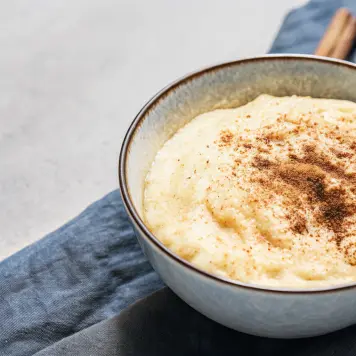
Ibijumba (sweet potato porridge)
This thick, naturally sweet porridge is made from mashed sweet potatoes mixed with milk and a pinch of cinnamon. It is often eaten as a nourishing breakfast or dessert for children and elders alike.
Plats salés traditionnels
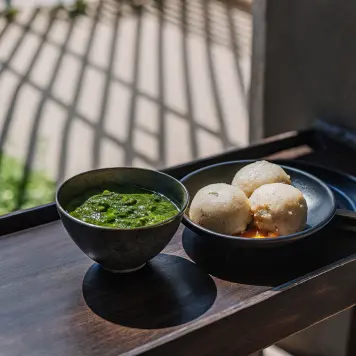
Ugali (maize porridge)
Ugali is a dense, stiff maize porridge that serves as the foundation of most Rwandan meals. It is typically eaten by hand, rolled into small balls and dipped into savory sauces or stews.
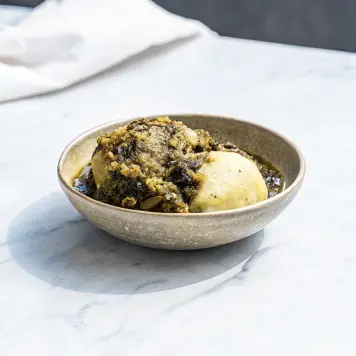
Isombe (cassava leaves with spinach)
Isombe is made by mashing cassava leaves with spinach, eggplant, and onions, then simmering them in peanut sauce. It is a nutrient-packed staple that showcases Rwanda's love for groundnut-based cooking.

Brochettes (grilled meat skewers)
These skewers of marinated goat, beef, or chicken are grilled over charcoal and served with grilled bananas and chili sauce. Brochettes are the quintessential Rwandan street food, enjoyed everywhere from roadside stalls to upscale restaurants.
Boissons traditionnelles
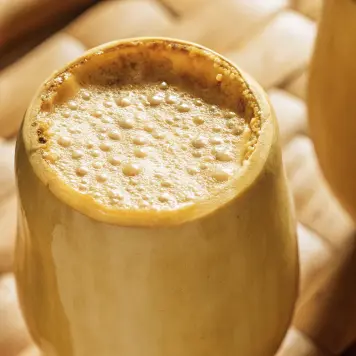
Ikigage (sorghum beer)
Ikigage is a traditional Rwandan beer brewed from fermented sorghum, giving it a thick, porridge-like texture and a slightly sour taste. It is often drunk from a shared calabash gourd during community ceremonies.

Rwandan tea (icyayi)
Rwanda is one of Africa's premier tea producers, and icyayi is a strong black tea typically served with generous amounts of milk and sugar. It is a daily ritual for many Rwandans, especially during morning hours.

Akabanga (non-alcoholic ginger drink)
Akabanga is a spicy, refreshing ginger-infused beverage that is naturally caffeine-free and non-alcoholic. It is widely believed to aid digestion and is commonly served at meals and social gatherings.
Frequently Asked Questions about Kigali, Rwanda
"Est-ce que Kigali, au Rwanda, est une ville sûre ?"
"Combien de jours faut-il prévoir pour visiter Kigali, au Rwanda ?"
"Quelle est la meilleure période pour visiter Kigali, au Rwanda ?"
"Est-ce que Kigali, au Rwanda, est chère pour les touristes ?"
"Comment se déplacer à Kigali, au Rwanda ?"
Recevez un PDF avec les attractions les plus populaires envoyé à votre email
Obtenez un PDF avec toutes les attractions, évaluations et conseils. Parfait pour une utilisation hors ligne.
Excursions d'une journée les plus populaires
Akagera National Park
East African savanna with Big Five wildlife and boat safaris on Lake Ihema.
Nyungwe Forest National Park
Ancient montane rainforest with chimpanzee trekking and canopy walkway.
Butare (Huye)
Cultural hub home to the Ethnographic Museum and Rwanda's premier university.
Lake Kivu
Scenic lakeside towns like Gisenyi and Kibuye with beaches and water sports.
Musanze (Ruhengeri)
Gateway to Volcanoes National Park and mountain gorilla trekking.
Comment y arriver
Aéroports
Gares
Proposed standard gauge railway connecting to Tanzania and Uganda (future development)
Kigali International Airport is about 20 minutes by taxi to the city center. Rideshare apps like Yego Moto and Move are available.
Trouvez des vols vers Kigali, Rwanda
Cliquez pour obtenir une eSim pour Kigali, Rwanda
Le moyen le plus simple et abordable d'avoir internet mobile où que vous voyagiez.
Commentaires (9)
Kigali surprised me. Cleanest city I've been to in Africa, felt incredibly safe walking around at night. The hills are no joke though, be ready to walk up and down everywhere.
Skip the hotel breakfast and eat at local places. Get the brochettes and sambaza from street vendors near the bus station. Under 2 dollars and better food.
Everyone told me Rwanda was expensive and they weren't wrong. Meals out cost similar to Europe. But the cleanliness and safety make it worth it I guess.
The weather is perfect year round. No humidity hell like other African cities. I'd say 3 days is the sweet spot to see the main sites and get the vibe.
Mixed feelings. Beautiful city, lovely people, but it felt a bit sterile compared to other African capitals. Missing some chaos and street life energy.