 CityBuddy
 Français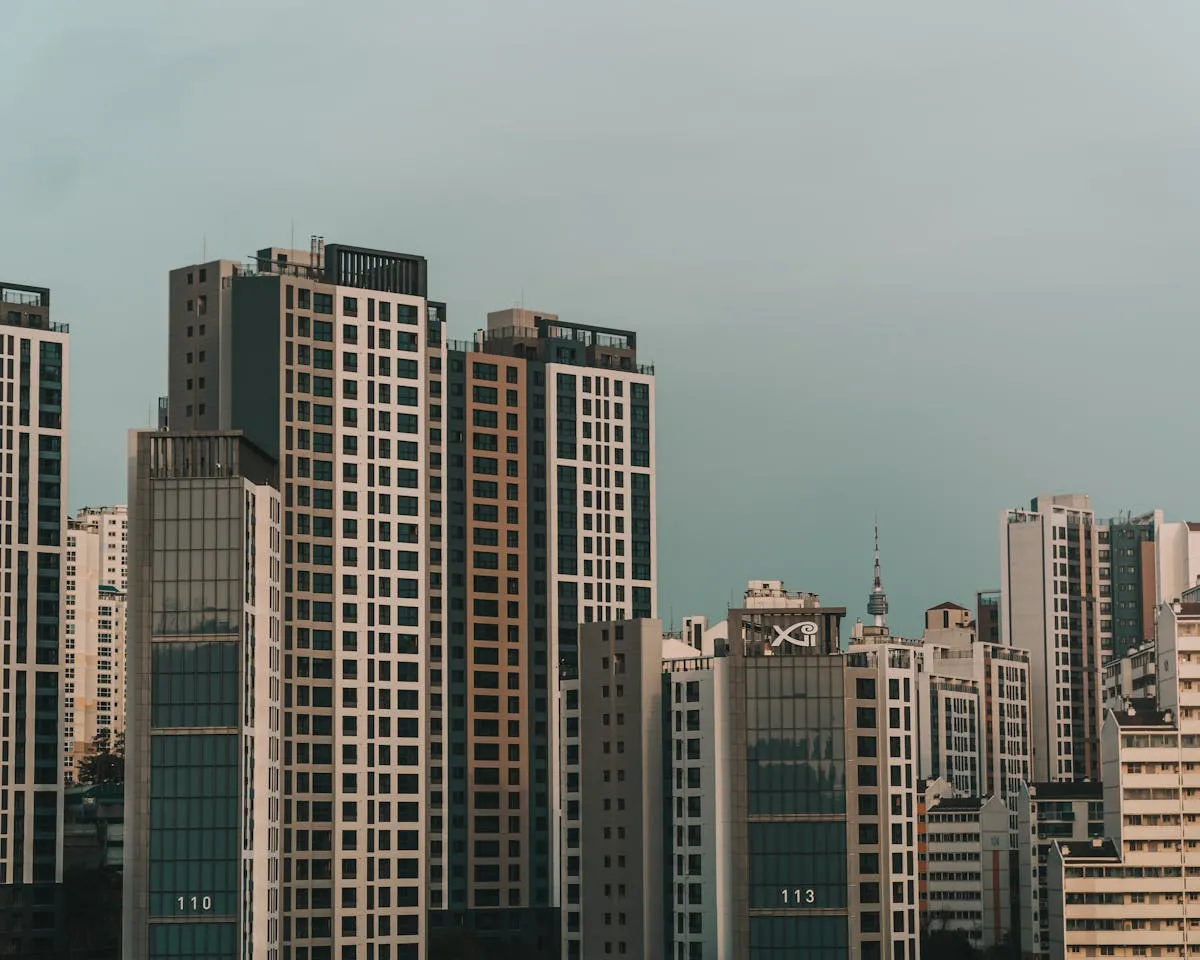
Que faire à Seoul, South Korea
Photo prise par Jakob Jin sur Pexels.com
Quand visiter
Seoul est la #6 ville pour les amateurs de cuisine au monde, selon nos données sur des centaines de destinations.
Attractions les plus populaires à Seoul, South Korea
Les meilleures choses à faire à Séoul, en Corée du Sud, incluent l'exploration du serein Huwon (Jardin secret) du palais Changdeokgung, la promenade dans les rues traditionnelles du village de Bukchon Hanok et le shopping sur la rue commerçante de Myeongdong, où plus de 1 000 magasins proposent une gamme de mode et de cosmétiques, à quelques pas des places animées de la ville.
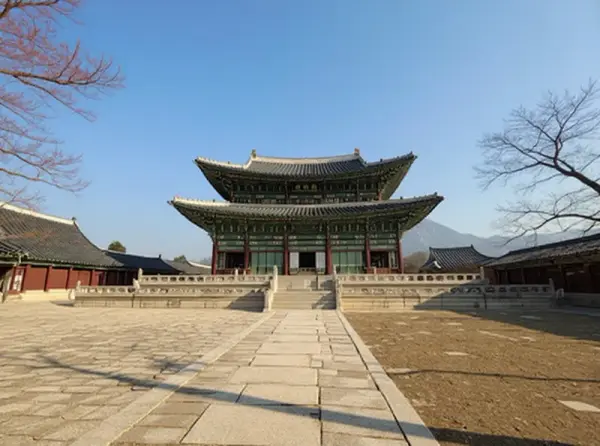
1. Gyeongbokgung Palace
Faits rapides: L'aube dore les toits de tuiles et les avant-toits vivement peints, tandis que les gardes du palais en uniformes colorés exécutent la relève de la garde qui emplit la cour de tambours et de fanfares. Les visiteurs peuvent se promener dans les salles restaurées et les jardins, avec plus d'un millier d'artefacts et de structures reconstituées qui aident à recréer les cérémonies royales et la vie quotidienne de la cour.
Points forts: Imaginez franchir une porte achevée pour la première fois en 1395, où des piliers rouges laqués et des motifs dancheong vieux de plusieurs siècles scintillent en turquoise et cramoisi sous le soleil. Portez un hanbok et les frais d'entrée d'environ 3 000 wons sont supprimés, et vous pouvez assister à une vive cérémonie de relève de la garde royale à la porte principale, avec cors en laiton, bannières de soie et battements de tambour qui font vibrer la place sous vos pieds.
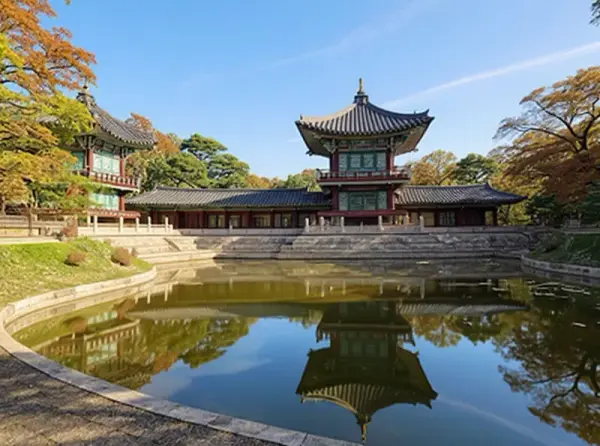
2. Changdeokgung Palace and Huwon (Secret Garden)
Secret Garden
Faits rapides: Des allées de pierre fraîches, le parfum du pin et des étangs miroirs donnent aux lieux une atmosphère intime et contemplative où les carpes glissent sous des avant-toits en bois ouvragés. Un jardin royal discret se dévoile à travers des sentiers sinueux et des arbres centenaires, offrant des pavillons isolés et un silence qui ressemble encore à une retraite privée pour quiconque explore.
Points forts: Achevé en 1405, le complexe royal abrite un jardin arrière de 78 acres où les rois faisaient autrefois flotter des tasses laquées le long d'un ruisseau sinueux pour que les courtisans les attrapent et improvisent des poèmes. Les matins calmes, le pavillon en bois au-dessus de l'étang Buyongji bordé de lotus sent légèrement la résine de pin, et les jardiniers suivent encore des plans de taille datant de l'ère Joseon pour préserver des vues qui correspondent à des peintures vieilles de plusieurs siècles.
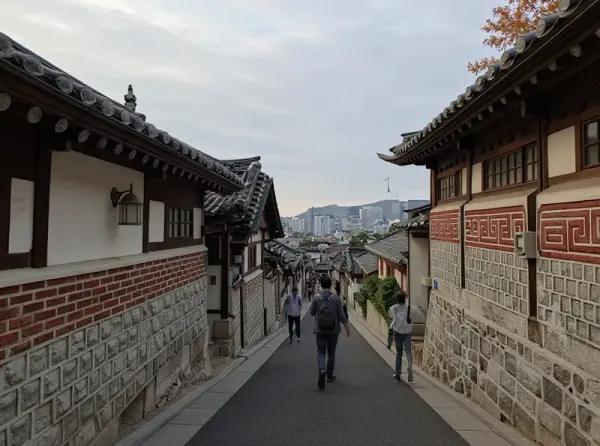
3. Bukchon Hanok Village
Faits rapides: La lumière du matin se répand sur des rangées de toits de tuiles basses et de poutres en bois, transformant les ruelles étroites en un patchwork cinématographique d'ombres et de textures. Bon nombre des centaines de maisons traditionnelles sont encore habitées ou servent de petits musées, cafés, galeries et maisons d'hôtes que les visiteurs peuvent visiter ou où ils peuvent séjourner.
Points forts: Des ruelles de pierre serpentent à travers environ 900 hanok en bois, où les toits de tuiles courbes et les fenêtres en papier de riz couleur miel rendent la lumière de fin d'après-midi semblable à du sirop chaud et où le léger parfum du pin et des braises d'ondol flotte dans l'air. Beaucoup de ces hanok sont encore des maisons familiales plutôt que des musées, donc les résidents affichent des panneaux polis demandant le silence et pas de flash, et certains ouvrent leurs portes pour de lentes cérémonies du thé qui récompensent les visiteurs respectueux avec des planchers qui craquent et des tasses de thé d'orge grillé.
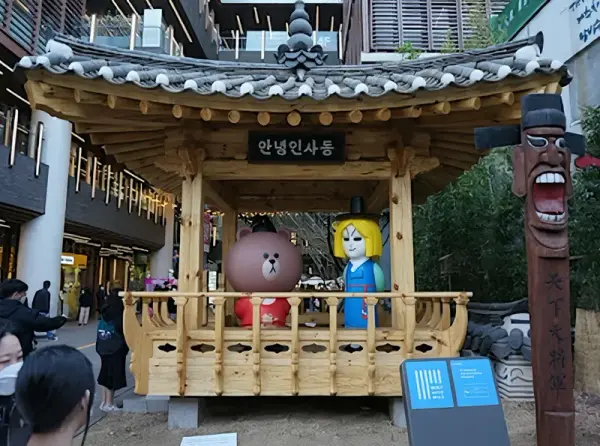
4. Insadong
Faits rapides: En flânant dans les ruelles étroites, vous sentirez l'odeur des châtaignes grillées et du thé, tandis que les boutiques d'artisans exposent de la céramique délicate et de la calligraphie. Les rues piétonnes du week-end apportent des spectacles éphémères et des bonnes affaires surprenantes venant des étals d'antiquités, offrant un mélange vivant d'ancien et de nouveau.
Points forts: En parcourant l'allée principale, vous trouverez un complexe commercial en spirale à ciel ouvert construit en 2004, où une passerelle continue enveloppe une cour ensoleillée bordée de dizaines de minuscules ateliers vendant des éventails peints à la main, des cartes postales en hanji et de petites articles en laiton que vous pouvez regarder marteler. Après la tombée de la nuit, des salons de thé douillets pouvant accueillir moins de dix personnes versent un épais thé de jujube sucré dans des pots en argile tandis qu'un calligraphe âgé sur un tabouret pliant propose d'apposer son sceau rouge laqué sur votre nouvel achat, un court rituel que les habitants traitent comme une petite bénédiction.
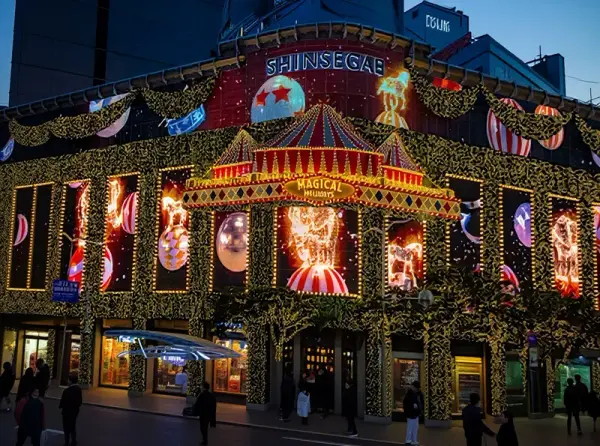
5. Myeongdong Shopping Street
Faits rapides: Les enseignes au néon et le bourdonnement incessant des vendeurs de rue créent une surcharge sensorielle, avec d'innombrables comptoirs de beauté et étals de souvenirs qui font de la chasse aux bonnes affaires une véritable chasse au trésor. Attendez-vous à des foules le week-end qui gonflent jusqu'à des dizaines de milliers de personnes, ainsi qu'à des stands de nourriture en fin de soirée servant du tteokbokki grésillant et du hotteok arrosé de miel qui font déambuler les gens pendant des heures.
Points forts: À 21 heures, l'avenue piétonne principale se remplit de plus de 300 chariots de street-food vendant du tteokbokki grésillant, du hotteok moelleux et des mandu savoureux, tandis que les enseignes au néon et les haut-parleurs de K-pop transforment l'air en un mélange pétillant de sucre et de sel. Les commerçants de longue date suivent une coutume originale de lancer des échantillons de soins supplémentaires ou une bouchée de hotteok gratuite aux acheteurs qui marchandent avec le sourire, et vous trouverez souvent des reprises de danse improvisées sous les lampadaires tandis que les foules grignotent et applaudissent.
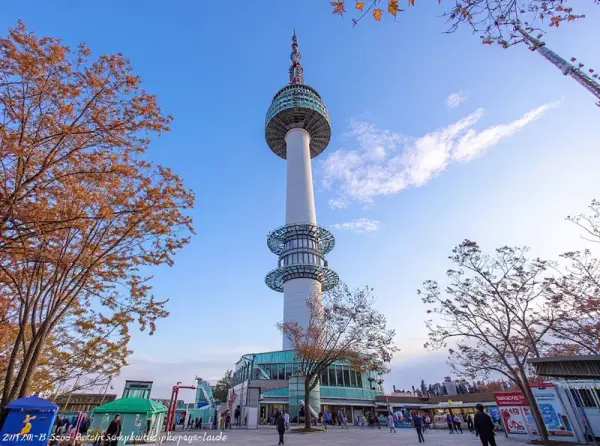
6. N Seoul Tower (Namsan Seoul Tower)
Namsan Seoul Tower
Faits rapides: Les plates-formes d'observation à plancher de verre procurent une sensation de vertige tandis que les rues de la ville rétrécissent sous vos pieds, tandis que l'éclairage LED chorégraphie des spectacles de couleurs vibrantes qui changent la silhouette après la tombée de la nuit. Les couples du quartier attachent de minuscules cadenas aux rambardes voisines, créant une mosaïque scintillante de promesses qui offre des photos nocturnes irrésistibles et un rituel local surprenant.
Points forts: Sur la plate-forme d'observation, les couples et les amis accrochent plus de 10 000 cadenas colorés aux grillages, certains estampillés de noms et de dates et d'autres peints de petits cœurs qui scintillent au soleil. Après la tombée de la nuit, la silhouette élancée de 236 mètres de la tour parcourt des arcs-en-ciel de LED programmées, des centaines de lumières s'enchaînant dans des spectacles chorégraphiés tandis qu'une brise parfumée au pin et le bourdonnement lointain de la ville donnent à l'endroit l'impression d'une fête de lumière privée.
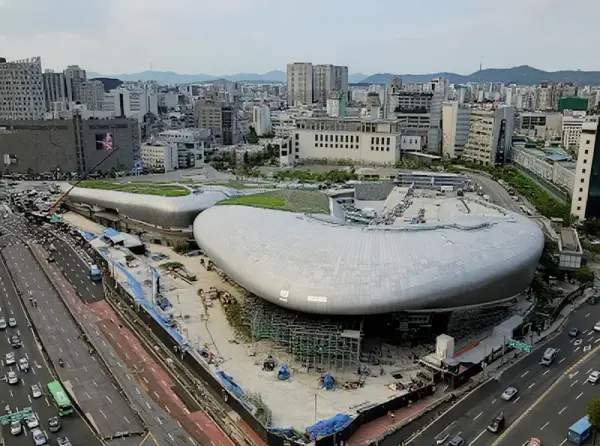
7. Dongdaemun Design Plaza (DDP)
DDP
Faits rapides: Entrez à l'intérieur et vous aurez l'impression de marcher à travers une sculpture d'argent fluide, avec des courbes sans couture et des surfaces réfléchissantes qui dispersent la lumière en motifs changeants. Des LED lumineuses et un jardin sur le toit créent des coins de contemplation silencieuse, tandis que les défilés de mode tournants et les expositions numériques maintiennent une atmosphère étonnamment vivante.
Points forts: La structure virevoltante et futuriste de Zaha Hadid donne l'impression d'un métal en fusion figé en plein mouvement, ses panneaux d'aluminium lisses et ses couloirs arrondis captant les reflets des néons et les pas comme un miroir liquide. Après la tombée de la nuit, le site devient une ruche de mode nocturne : les marchés de gros et les créateurs indépendants marchandent les tissus et les prototypes jusque tard dans la nuit, et des expositions occasionnelles dispersent des milliers de minuscules "roses" LED qui clignotent sous les pieds comme une lente constellation.
8. Namdaemun Market
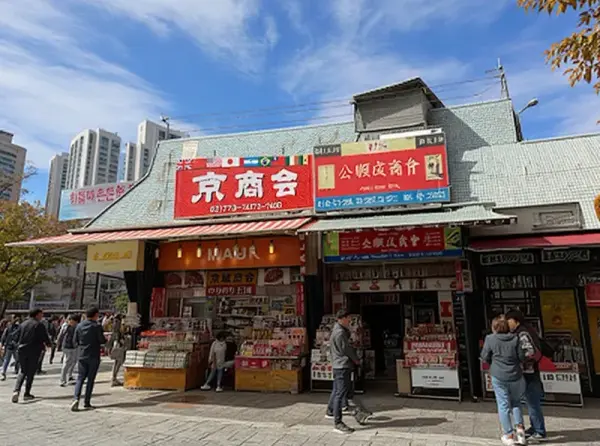
Faits rapides: Des acheteurs affamés se faufilent dans des ruelles étroites où les étals dégagent des arômes de street-food grésillante et où les enseignes au néon attirent les chasseurs de bonnes affaires. Les vendeurs exposent souvent des milliers de petits articles par catégorie, vous pouvez donc marchander pour tout, des textiles vintage aux ustensiles de cuisine originaux, sans perdre le rythme.
Points forts: Parcourez les ruelles et vous trouverez plus de 10 000 minuscules étals où les vendeurs crient leurs offres, l'air est épais de l'odeur de sésame grillé et de la vapeur sucrée du hotteok grésillant sur les plaques chauffantes à 4 heures du matin ; le marchandage devient un théâtre vivant tandis que les grossistes déchargent des caisses en plastique à la lumière de l'aube. Demandez une réduction et regardez un vendeur noter un prix sur un reçu jauni avec un stylo bleu, puis vous tendre une tasse fumante de tteokbokki ou de soondae en guise d'échantillon gratuit, ce petit rituel transformant souvent un prix négocié en un sourire.
9. Cheonggyecheon Stream
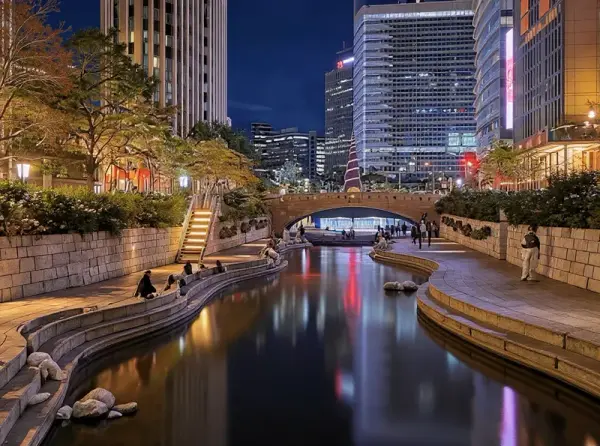
Faits rapides: En marchant le long du ruisseau urbain restauré, vous entendez l'eau clapoter adoucir le rugissement de la ville et regardez de minuscules poissons filer entre les pierres de gué. L'éclairage nocturne et les ponts gracieux transforment un canal autrefois enterré sous le béton en un ruban vert calme qui attire des millions de visiteurs chaque année.
Points forts: Après une audacieuse restauration en 2005, le canal de 10,9 kilomètres qui avait été enterré sous les autoroutes est devenu un ruisseau peu profond et babillard bordé de 22 ponts, où le clapotis régulier de l'eau noie les klaxons et où l'on peut apercevoir des sculptures de poissons en bronze et des marches en pierre couvertes de mousse. Au crépuscule, des dizaines d'œuvres d'art illuminées par LED et des lanternes en papier saisonnières flottent à la surface, tandis que l'air porte l'odeur fraîche et minérale de la pierre mouillée et le parfum sucré et levuré du tteok des étals voisins, donnant aux promenades du soir l'impression d'un marché fluvial tranquille niché entre des tours de verre.
10. Hongdae (Hongik University Street)
Hongik University Street
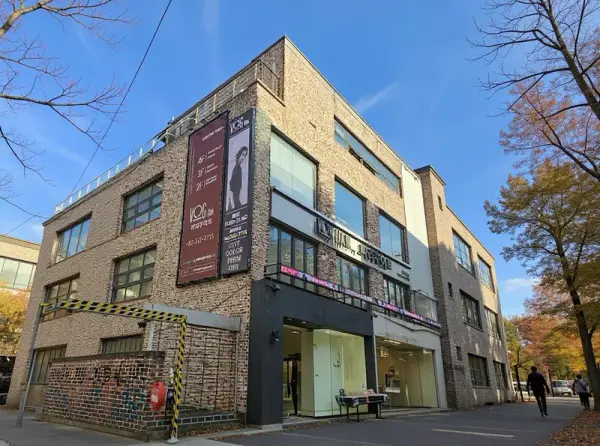
Faits rapides: Les rues éclairées au néon vibrent au son des musiciens de rue, des groupes indie et des cercles de danse spontanés qui transforment les nuits en un festival de rue non-stop. En flânant entre les petites galeries et les cafés éphémères, on découvre des zines originaux, des étals de mode expérimentale et de la street-food qui fusionne les goûts traditionnels avec des touches modernes audacieuses.
Points forts: La nuit, les rues se transforment en festival indie, avec au moins 15 artistes de rue concentrés sur un tronçon de trois pâtés de maisons, les enseignes au néon bourdonnant au-dessus et le parfum chaud du tteokbokki épicé et de la pâte à frire dans l'air. Un rituel local original veut que des étudiants accrochent de minuscules cadenas peints et des notes manuscrites à une rambarde métallique basse près du terrain de jeu, certains cadenas datant d'aussi loin que 2001 avec des gribouillages au stylo gel pailleté et des autocollants qui s'écaillent sur les bords.
11. Visit Leeum Samsung Museum of Art
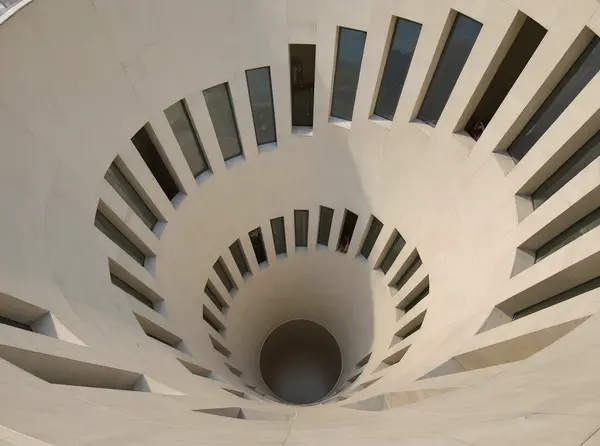
Explorez plus de 10 000 œuvres mêlant artisanat coréen ancien et art moderne mondial. Vivez le contraste saisissant entre une architecture innovante et une beauté intemporelle.
Faits rapides: S'écoulant à travers une architecture muséale qui allie l'esthétique coréenne traditionnelle aux lignes modernes, plus de 10 000 œuvres d'art y sont conservées, comprenant des céramiques anciennes et des œuvres contemporaines. Les visiteurs remarquent souvent comment les trois bâtiments distincts du musée offrent des expériences artistiques variées, de l'art traditionnel coréen aux pièces modernes internationales.
Points forts: Le musée présente une rare collection de céramiques coréennes mise en valeur par un jardin serein d'inspiration asiatique où l'on peut apercevoir des sculptures en pierre uniques vieilles de plusieurs siècles. L'un des bâtiments a été conçu par le célèbre architecte Mario Botta, dont les formes géométriques audacieuses contrastent fortement avec les autres structures conçues par Jean Nouvel et Rem Koolhaas.
Where to Stay in Seoul, South Korea
Selected by City Buddy based on guest reviews and proximity to top attractions
Search all hotels in Seoul, South KoreaPowered by agoda
Jours d'ouverture à Seoul, South Korea
Quels sites incontournables ferment quel jour de la semaine, le classique gâcheur de voyage, vérifié pour vous.
lundi : 2 sur 9 sites incontournables fermés, prévoyez les musées un autre jour.
Fermé le lundi · 2 fermés, 7 ouverts
- Changdeokgung Palace and Huwon (Secret Garden)
- Visit Leeum Samsung Museum of Art
Jours d'ouverture issus de Google Maps (vérifié le 2026-04-25). Jours fériés, grèves et horaires saisonniers peuvent varier, consultez le site officiel avant de partir.
Plats sucrés traditionnels
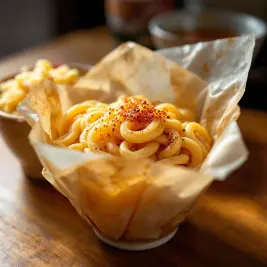
Hotteok
Hotteok are warm street pancakes filled with molten brown sugar, chopped nuts and cinnamon, and their syrupy interior spills out in a way that makes biting one a joyful, sticky ritual on Seoul's winter streets.
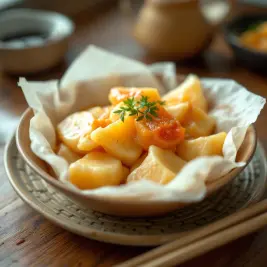
Yakgwa
Yakgwa are flower-shaped honey cookies fried and soaked in syrup, originally enjoyed at royal banquets and festive ceremonies, and their dense, chewy texture has kept them a celebratory treat for centuries.
Plats salés traditionnels

Kimchi
Kimchi ferments vegetables into a tangy, spicy powerhouse of probiotics and vitamins, and Koreans have developed hundreds of regional varieties that change with the seasons.
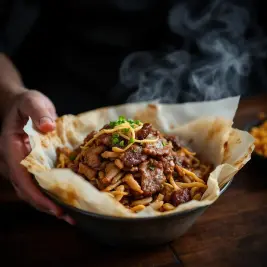
Bulgogi
Bulgogi is thinly sliced beef marinated in soy, sugar, garlic and sesame, grilled quickly until the edges caramelize, and it was historically a special-occasion dish that brings sweet and smoky notes to the table.
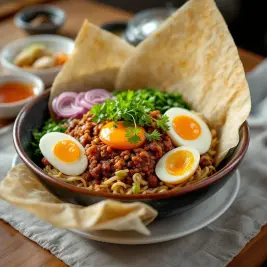
Bibimbap
Bibimbap layers rice with colorful vegetables, meat and gochujang for a balance of texture and flavor, and when served in a sizzling stone bowl it develops a crunchy, prized crust of rice.
Boissons traditionnelles
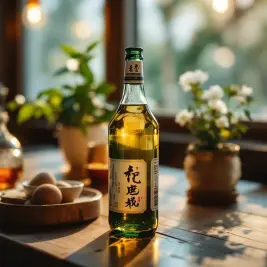
Soju
Soju is a clear, subtly sweet spirit sipped alongside meals, and it is the best-selling liquor in the world by volume, outselling many global favorites.

Makgeolli
Makgeolli is a milky, lightly fizzy rice wine once favored by farmers, its cloudy, unfiltered body carries tangy sweetness and live cultures that give it a rustic, probiotic quality.

Korean tea
Korean teas range from roasted barley boricha to delicate green tea and floral infusions, and the darye tea ceremony emphasizes simplicity and respect, making tea a practice of calm and seasonal appreciation.
Questions fréquentes sur Seoul, South Korea
Quelle est la meilleure période pour visiter Séoul, en Corée du Sud?
Séoul, en Corée du Sud, est-elle chère pour les voyageurs?
L'eau du robinet à Séoul, en Corée du Sud, est-elle potable?
Comment les touristes se déplacent-ils généralement à Séoul, en Corée du Sud?
Combien de touristes visitent Séoul, en Corée du Sud, chaque année?
Recevez un PDF avec les attractions les plus populaires envoyé à votre email
Obtenez un PDF avec toutes les attractions, évaluations et conseils. Parfait pour une utilisation hors ligne.
Excursions d'une journée les plus populaires
Nami Island (Gapyeong)
Scenic island with tree-lined paths and a popular filming site.
DMZ / Panmunjom
Guided tours to the DMZ and the Joint Security Area.
Suwon — Hwaseong Fortress
UNESCO fortress with walls, gates and historic downtown.
Incheon — Chinatown & Songdo
Coastal city with modern Songdo and historic Chinatown.
Jeonju Hanok Village
Traditional hanok village famous for food and culture.
Comment y arriver
Gares
Gyeongbu KTX, AREX, multiple subway lines
KTX (to Busan/Gwangju), ITX and regional services
Take the AREX Express from Incheon to Seoul Station (≈43 min) or airport limousine buses for direct hotel stops.
Informations utiles pour Seoul, South Korea
Aperçu de Seoul, South Korea
Vous voulez un plan jour par jour pour Seoul, South Korea ? Ouvrez le planificateur de voyage
Quand partez-vous à Seoul, South Korea ?
Choisissez vos dates et style de voyage pour obtenir :
Qu'est-ce qui est particulièrement important pour vous ?
Sélectionnez tout ce qui s'applique
Se déplacer
Comment souhaitez-vous vous déplacer entre les lieux ?
Langue du plan : FrançaisMost popular itineraries for Seoul, South Korea
Browse trip plans created by other travelers
11-Day Autumn Adventure in Seoul & Busan for Nature and Culture Lovers
Discover vibrant cityscapes, serene nature parks, hiking trails, rich history, and cultural gems on this immersive autumn journey from Seoul to Busan.
4-Day Summer Seoul Highlights and Summer Delights
Experience the vibrant culture, historic palaces, bustling markets, and trendy neighborhoods of Seoul in summer. Join a free walking tour to start, explore traditional and modern gems, and enjoy summer-specific activities.