 CityBuddy
 Français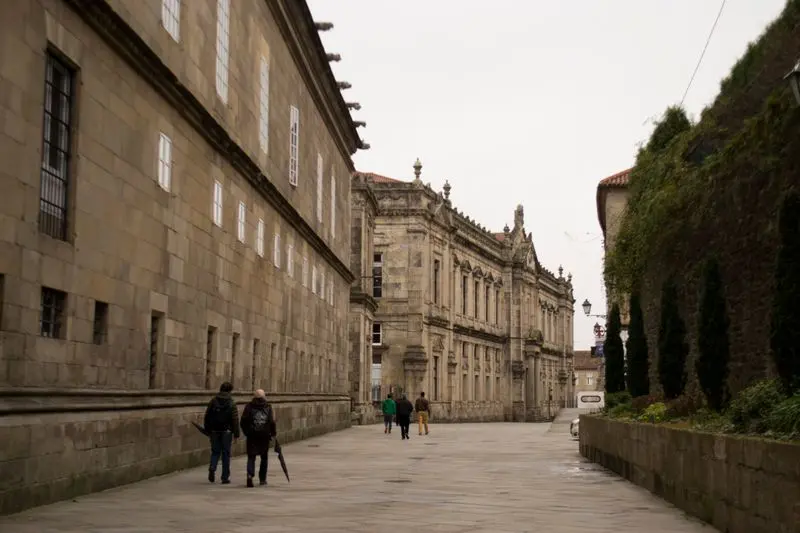
Que faire à Santiago de Compostela, Spain
Photo prise par Yunuen Caballero sur Pexels.com
Quand visiter
Quand partez-vous à Santiago de Compostela, Spain ?
Choisissez vos dates et style de voyage pour obtenir :
Qu'est-ce qui est particulièrement important pour vous ?
Sélectionnez tout ce qui s'applique
Plan language: FrançaisAttractions les plus populaires à Santiago de Compostela, Spain
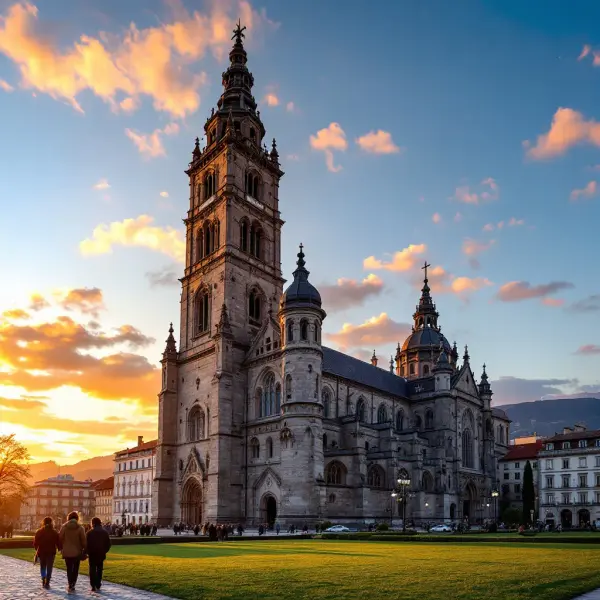
If you are looking for what to do in Santiago de Compostela, Spain, start with the 11th-century Cathedral of Santiago, where the apostle's tomb has attracted pilgrims for over a thousand years. The nearby Praza do Obradoiro offers an impressive view of the baroque facade. Also explore the Monastery of San Martiño Pinario, with its 17th-century cloisters and museum of sacred art.
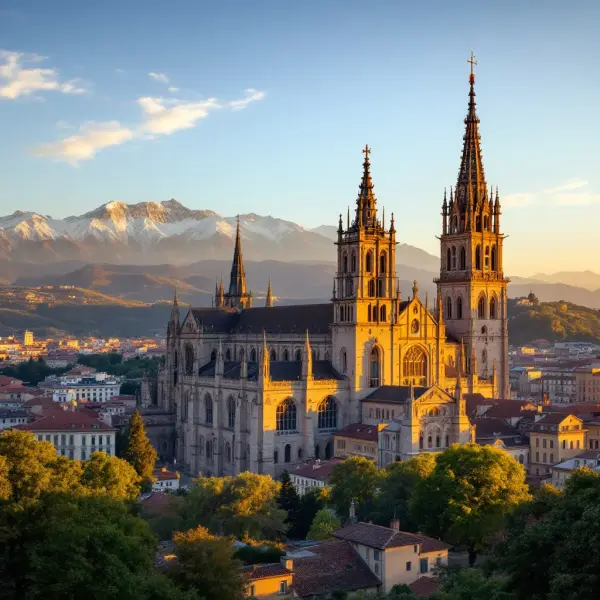
1. Santiago de Compostela Cathedral
Where faith meets the most striking Romanesque architecture in Spain. You will feel the weight of history as you cross the Door of Glory and enter a 1,000-year-old nave.
Faits rapides: The Cathedral of Santiago holds the tomb of the apostle James, one of the most important pilgrimage destinations in the Christian world. More than 300 thousand pilgrims arrive on foot every year to embrace the statue of the saint.
Points forts: Inside, the Botafumeiro, an enormous 80-kilogram censer, flies over the heads of the faithful during solemn masses. Seeing this silver ball cross the central nave at 70 km/h is a spectacle that makes the ground tremble.
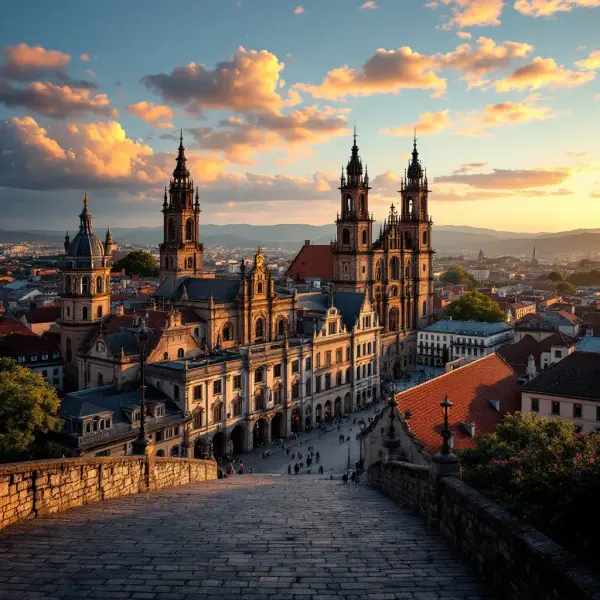
2. Praza do Obradoiro
Stepping into this square is feeling the beating heart of the Camino de Santiago. You will hear bagpipes, see emotional backpackers, and contemplate the most photographed Baroque facade in Spain.
Faits rapides: It receives more than 300 thousand pilgrims per year, who complete the Camino de Santiago and gather here to celebrate. It is the only place in the world where you can see Spanish Baroque style in harmony with Romanesque, Gothic and Neoclassical in a single space.
Points forts: Look at the ground and notice the granite scallop shell, over 25 meters in diameter, carved into the pavement of the square. When it rains, the water runs off forming small streams that follow exactly the design of the paths that converge toward the cathedral.
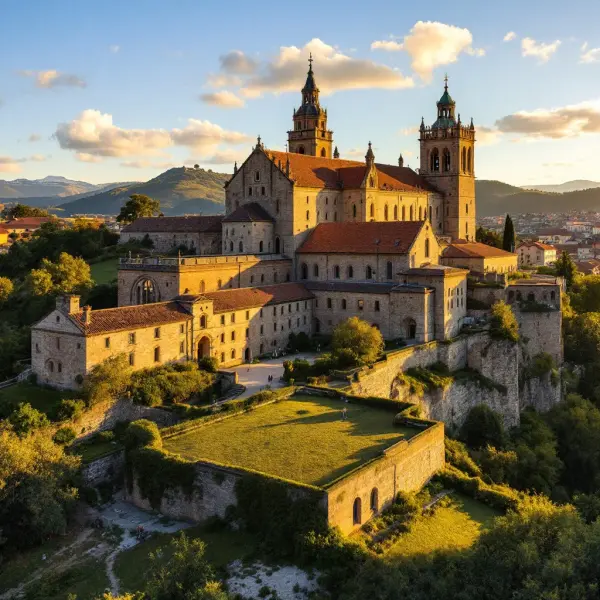
3. Monastery of San Martiño Pinario
A monastery so monumental it almost swallowed the cathedral next door. Walk through silent cloisters, climb to the high choir, and discover where monks hid banquets from invaders.
Faits rapides: Avec 22 000 mètres carrés, c'est le deuxième plus grand monastère d'Espagne, derrière seulement l'Escorial. La façade baroque a été achevée au XVIIIe siècle, mais le chœur en bois de noyer, avec 84 stalles sculptées, date du XVIIe siècle et constitue un chef-d'œuvre de la sculpture sur bois.
Points forts: La sacristie renferme une armoire à 32 compartiments secrets où les moines cachaient le vin et les mets des envahisseurs français. Chaque tiroir grince d'une manière différente, et les guides locaux adorent faire deviner aux visiteurs quel compartiment contenait le fromage et lequel cachait le vin de Porto.
Avez-vous entendu parler des visites à pied gratuites ?
Après avoir voyagé dans plus de 30 pays, il y a une chose que j'aurais aimé qu'on me dise dès le premier jour, et cela a complètement changé ma façon de découvrir les nouvelles villes.
Les visites à pied gratuites. Oui, vraiment gratuites. Pas besoin de carte de crédit. Pas de piège.
Guide local, 2-3 heures
Sites majeurs, trésors cachés, histoires locales
100% basé sur les pourboires
Les guides ne gagnent que des pourboires, ils donnent donc le meilleur d'eux-mêmes
Vous donnez le pourboire que vous jugez juste
À la fin, donnez simplement le pourboire que vous jugez juste
J'ai fait ces visites dans des dizaines de villes et elles ont été le point fort de presque tous mes voyages. Si vous visitez Santiago de Compostela, Spain, faites-le le premier jour. Vous me remercierez plus tard.
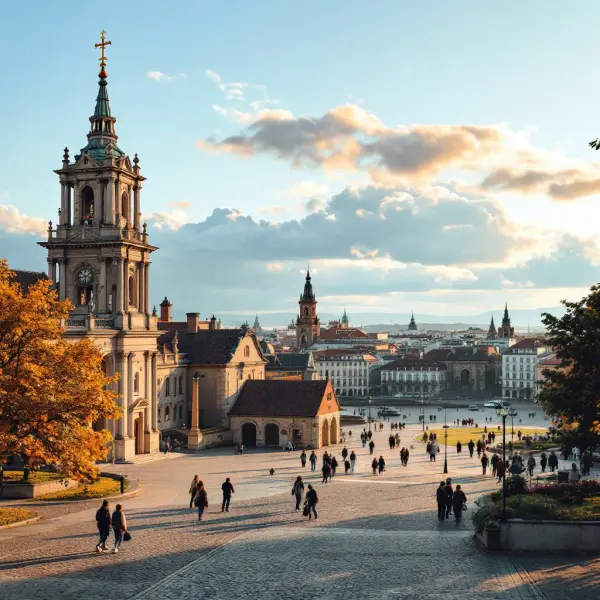
4. Cidade da Cultura de Galicia
Climb to the top of Mount Gaiás to find a skyline that looks like it was carved by a hurricane. Walk over rooftops, get lost in elevated squares, and discover a city within the city.
Faits rapides: The complex occupies 74,000 square meters atop Monte Gaiás, an area larger than a dozen football fields. Its bold design, inspired by scallop shells and ocean waves, cost 200 million euros and took more than a decade to complete.
Points forts: The roof of the CINC Building moves like a giant dune of stone and glass, creating a public square suspended 30 meters high. When the sun hits in the late afternoon, the skylights project a labyrinth of golden light onto the granite floor, transforming the space into a modern cathedral of shadows and reflections.
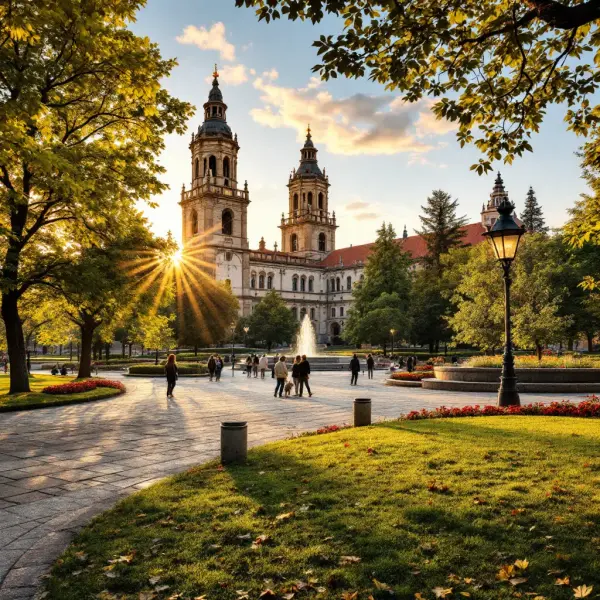
5. Parque de la Alameda
An oasis of tranquility in the heart of Santiago, perfect for recharging your energy. Stretching out in the shade of centuries-old trees, you will hear the rustling of leaves and the singing of birds as your soundtrack.
Faits rapides: Avec plus de 500 ans d'histoire, ce parc fut autrefois un espace de culture de légumes et de plantes médicinales pour le monastère voisin. Aujourd'hui, il abrite deux immenses figuiers centenaires qui forment une canopée de plus de 20 mètres de diamètre, offrant une ombre généreuse lors des journées chaudes.
Points forts: Au centre du parc, quatre imposants platanes plantés au XIXe siècle s'entrelacent en formant un tunnel vert de près de 15 mètres de haut. Par temps venteux, les feuilles créent un son qui écho comme des vagues de la mer, transportant les visiteurs vers un refuge secret au milieu de la ville.
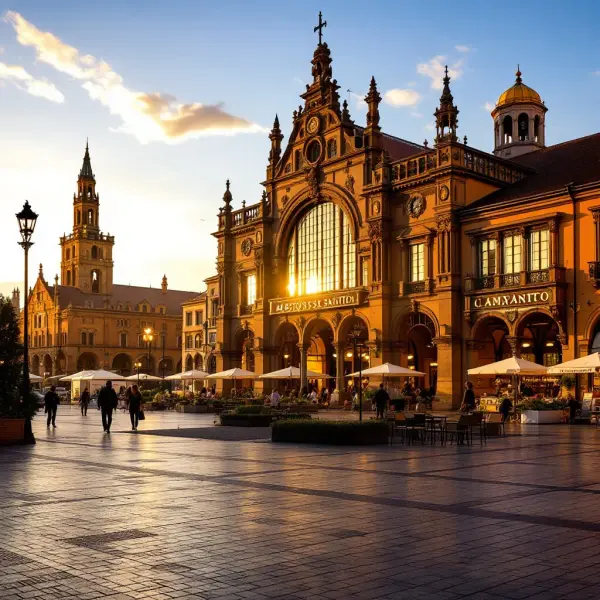
6. Mercado de Abastos de Santiago
It is where Santiago locals actually do their shopping and chefs choose the day's ingredients. Walk between stalls of gleaming fish, artisan cheeses, and smoked peppers, all with the scent of sea and soil in the air.
Faits rapides: Plus de 50 étals proposent du poisson frais arrivé directement du port voisin de Rianxo et des légumes récoltés dans les potagers familiaux des environs. Il fonctionne depuis 1929, mais l'agitation des achats et des conversations conserve le même rythme animé qu'il y a des décennies.
Points forts: Ce que peu de gens savent, c'est que certains étals gardent des recettes transmises depuis trois générations, comme le poulpe à la mode de la foire préparé sur place avec du piment doux. C'est l'un des rares endroits où vendeurs et chefs locaux se mélangent, échangeant des astuces sur les meilleurs fruits de mer de la saison pendant que vous dégustez une huître fraîche au comptoir.
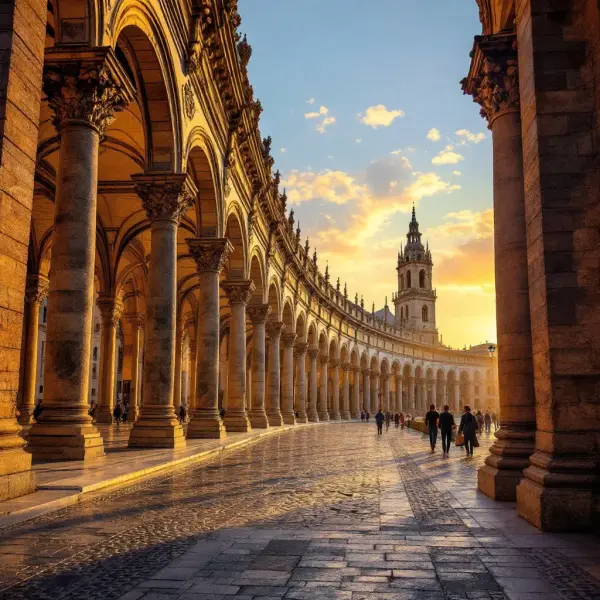
7. Portico de la Gloria
Entering through the Door of Forgiveness is witnessing one of the greatest masterpieces of European Romanesque sculpture. Each stone figure tells a story, and touching the marks left by millions of pilgrims is feeling the weight of centuries of faith.
Faits rapides: With over 200 figures carved in stone, this portico brings together prophets, apostles, angels and monsters in a visual narrative of the Apocalypse. For centuries, pilgrims touched the hand of the prophet Daniel seeking protection, wearing down the sculpture so much that the original contour almost disappeared.
Points forts: Master Mateus, the sculptor who led this work, carved his own face on the base of the portico looking directly at the altar, a rare audacity for the time. Tradition says that whoever presses their forehead to the saint's hand and makes a wish feels the cold marble before hearing the sound of the cathedral bells echoing through the naves.
8. Colexiata de Santa María do Sar
Come see a church that literally leans, as if bowing to time. You will walk through crooked corridors and discover a sloping cloister that seems to come from a dream.
Faits rapides: Le cloître de cette collégiale a une inclinaison si prononcée qu'il semble glisser le long de la colline, résultat de siècles de tassement du sol. Ses voûtes gothiques du XIIe siècle sont parmi les plus anciennes de la péninsule Ibérique, érigées avant même la célèbre cathédrale de Saint-Jacques.
Points forts: Ce que peu de gens savent, c'est que les piliers de la nef ont été délibérément inclinés vers l'intérieur pour contrer le mouvement du terrain, créant un effet visuel déconcertant. En entrant, on sent que l'édifice est vivant, qu'il respire et se déplace lentement au fil des siècles.
Where to Stay in Santiago de Compostela, Spain
Selected by City Buddy based on guest reviews and proximity to top attractions
Search all hotels in Santiago de Compostela, SpainPowered by agoda
Plats sucrés traditionnels
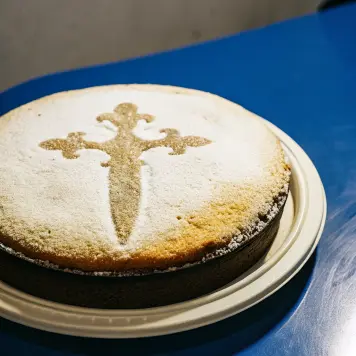
Tarta de Santiago
This almond cake is the most famous dessert of Galicia, marked with the cross of Saint James (the Cruz de Santiago) dusted in powdered sugar on top.

Filloas
These thin Galician crepes were traditionally made during Carnival and are sometimes prepared with pig's blood or, for sweet versions, with cinnamon and sugar.
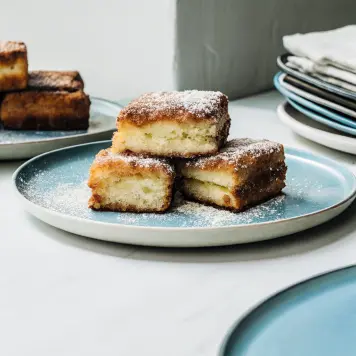
Leche Frita
This fried milk dessert is a Santiago specialty where thickened custard is cut into squares, breaded, fried, and dusted with cinnamon and sugar.
Plats salés traditionnels
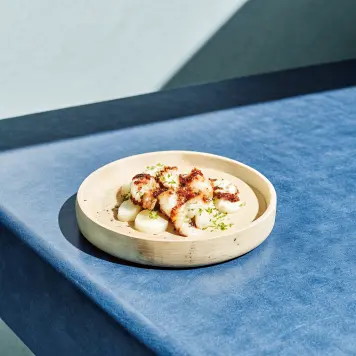
Pulpo a la Gallega
This Galician octopus dish is served on wooden plates with paprika, coarse salt, and olive oil, and is famously prepared at festivals throughout the region.
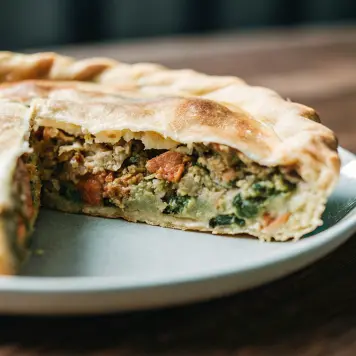
Empanada Gallega
This savory pie is a Galician staple, traditionally filled with tuna or sardines and baked in a thick corn or wheat pastry crust.
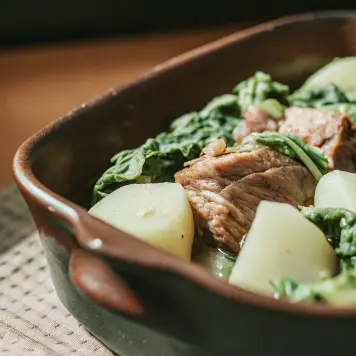
Lacón con Grelos
This classic Galician dish features boiled pork shoulder served with turnip greens and potatoes, a hearty meal especially popular during Carnival season.
Boissons traditionnelles
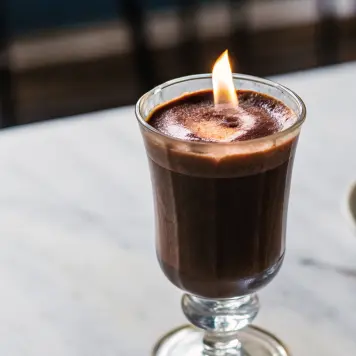
Queimada
This spiced Galician punch is set on fire while a traditional incantation (esconxuro) is recited to ward off evil spirits and protect the drinkers.

Albariño Wine
This crisp white wine from the Rías Baixas region is the perfect pairing for Santiago's seafood and is one of Spain's most celebrated white wines.

Licor de Hierbas
This herbal liqueur is made from Galician mountain herbs and is traditionally served as a digestif after meals, often enjoyed straight or over ice.
Frequently Asked Questions about Santiago de Compostela, Spain
"Is Santiago de Compostela, Spain safe?"
"How many days are needed in Santiago de Compostela, Spain?"
"What is the best time to visit Santiago de Compostela, Spain?"
"Is Santiago de Compostela, Spain expensive?"
"How to get around in Santiago de Compostela, Spain?"
Recevez un PDF avec les attractions les plus populaires envoyé à votre email
Obtenez un PDF avec toutes les attractions, évaluations et conseils. Parfait pour une utilisation hors ligne.
Excursions d'une journée les plus populaires
Finisterre (Fisterra)
Stunning coastal town at the 'end of the world' with lighthouse and beaches
Rias Baixas (Pontevedra)
Famous wine region with picturesque estuaries and seafood
A Coruña
Coastal city with the iconic Tower of Hercules lighthouse
Lugo
Ancient Roman walled city with intact city walls and cathedral
Ribeira Sacra
Dramatic river canyons and medieval monasteries along the Sil River
Rent a car in Santiago de Compostela, Spain
Comment y arriver
Gares
High-speed AVE to Madrid, and connections to Vigo, A Coruña, and Ourense
Regional lines to Galicia and northern Portugal
The airport is 12 km from the city center. Take a direct bus (30 min) or taxi (20 min) to Plaza de Galicia.
Trouvez des vols vers Santiago de Compostela, Spain
Cliquez pour obtenir une eSim pour Santiago de Compostela, Spain
Le moyen le plus simple et abordable d'avoir internet mobile où que vous voyagiez.
Commentaires (7)
Loved the old town so much, the architecture is unreal. Food was solid but honestly got tired of octopus after day 3. 4 days felt like enough.
Honestly a bit overhyped for me. Maybe because it rained the whole time. The pilgrim vibe is cool but the city itself didn't wow me.
The cathedral is stunning but the crowds in summer are brutal. Go early morning or late evening if you want peaceful photos.
If you're doing the Camino, stay at a pension not a hostel for your last night. You'll want a real bed and hot shower before celebrating.
The energy of people finishing the Camino is something else. Even if you don't walk it, just being around that atmosphere was special.