 CityBuddy
 Français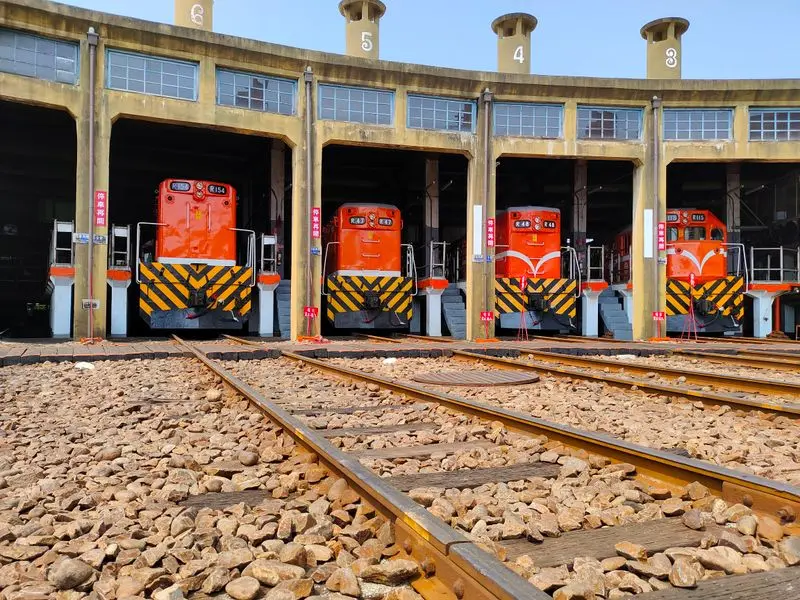
Que faire à Changhua, Taiwan
Photo prise par 瑞宏 簡 sur Pexels.com
Quand visiter
Attractions les plus populaires à Changhua, Taiwan
Les visiteurs à la recherche de choses à faire à Changhua, à Taïwan, trouveront un mélange captivant d'histoire et de culture. Le Grand Bouddha de Baguashan, haut de 22 mètres, se dresse au sommet d'une colline avec une vue sur toute la ville. La vieille rue de Lukang préserve un temple vieux de 300 ans et un quartier marchand à l'architecture traditionnelle. La rotonde de Changhua, construite en 1922, propose des visites quotidiennes aux passionnés de trains.
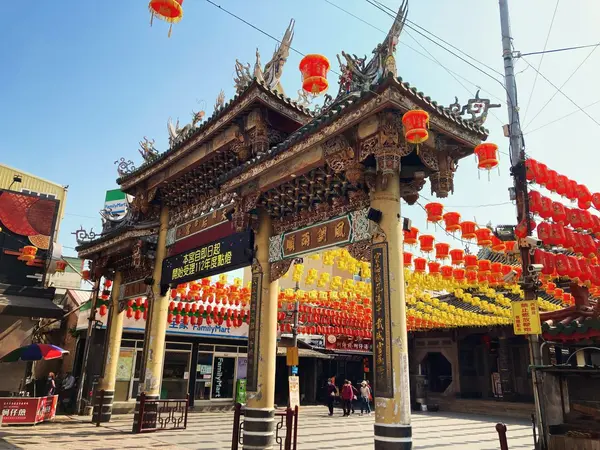
1. Lukang Old Street
Parcourez des ruelles étroites où l'artisanat traditionnel perdure depuis des générations et où les odeurs des échoppes flottent dans les cours des anciens temples. Goûtez aux omelettes aux huîtres fraîchement préparées, regardez des lanternes peintes à la main et explorez le labyrinthe de ruelles qui a jadis dérouté les pirates.
Faits rapides: Les ruelles sinueuses ont été conçues comme un labyrinthe pour dérouter les pirates et protéger les résidents. Plus de 200 temples historiques parsèment la région, ce qui lui confère l'une des plus fortes densités de temples de Taïwan.
Points forts: Pénétrez dans le labyrinthe des neuf virages et dix-huit ruelles, où les murs se resserrent à peine à la largeur d'une épaule, et vous découvrirez un atelier traditionnel de lanternes qui utilise encore des structures en bambou peintes à la main par des artisans de quatrième génération. Le cliquetis des maillets en bois façonnant les tendons de bœuf en pantoufles traditionnelles résonne dans les ruelles, un savoir-faire qui perdure ici depuis plus d'un siècle.
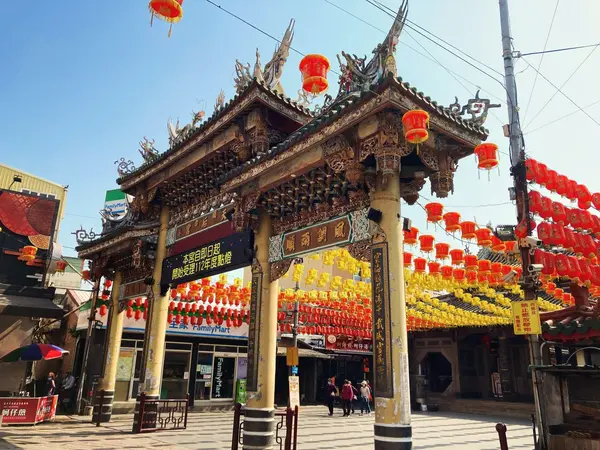
2. Lukang Tianhou Temple
Trois siècles d'art et de foi se rejoignent dans un seul temple. Regardez la fumée d'encens dériver devant une calligraphie ancienne pendant que les fidèles prient à vos côtés.
Faits rapides: Une paire de piliers de pierre ornés de dragons flanquant l'entrée principale a été sculptée dans des blocs de granit uniques il y a trois siècles. Plus de 10 000 pèlerins se pressent à travers ces portes lors des célébrations annuelles de l'anniversaire de Mazu.
Points forts: Au-dessus de l'autel principal, un plafond en bois octogonal appelé bagua zaojing utilise 16 couches de consoles imbriquées maintenues ensemble sans un seul clou. Chaque panneau sculpté autour du bord illustre un miracle différent de la vie de la déesse de la mer, le centre étant laissé volontairement ouvert pour que les prières puissent s'élever directement vers le haut.
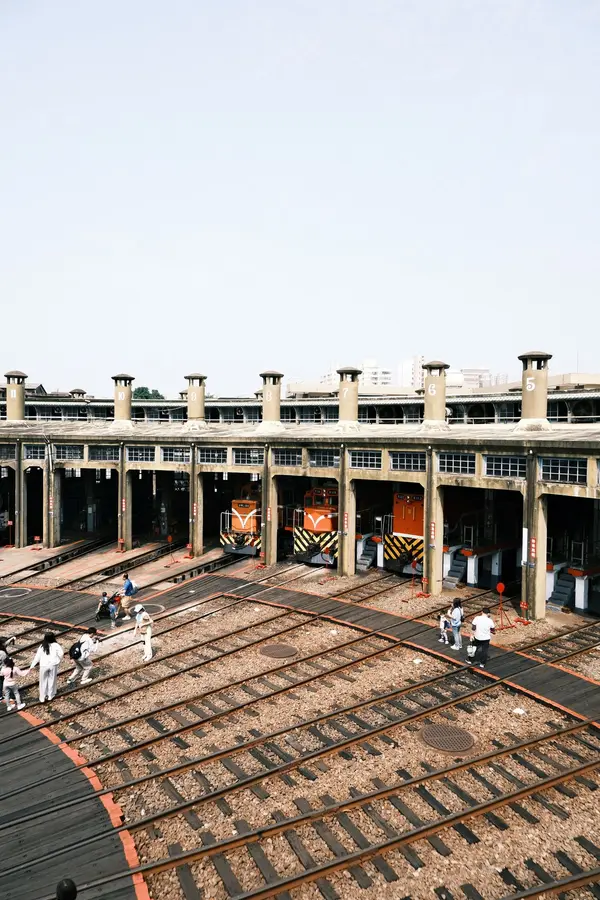
3. Changhua Roundhouse
Le seul dépôt en rotonde encore en activité à Taïwan, où les locomotives à vapeur viennent encore se faire réviser. Regardez les énormes moteurs de fer tourner sur la plaque tournante manuelle et approchez-vous des voies.
Faits rapides: L'un des derniers dépôts en forme de rotonde pour locomotives à vapeur encore en activité à Taïwan, sa conception en éventail abrite une douzaine de voies rayonnant depuis une plaque tournante centrale. La plaque tournante fonctionne encore aujourd'hui, actionnée manuellement pour faire pivoter les locomotives vers leurs emplacements désignés, tel un gigantesque compas ferroviaire.
Points forts: Contrairement aux pièces de musée enfermées derrière des vitrines, cette rotonde de 102 ans reste un atelier de maintenance entièrement fonctionnel où les mécaniciens graissent encore les roulements et alimentent les foyers de locomotives à vapeur bien vivantes. Regardez avec admiration une locomotive de 100 tonnes s'avancer sur la plaque tournante et pivoter avec un grognement mécanique, s'alignant parfaitement sur son emplacement de stationnement en moins de deux minutes.
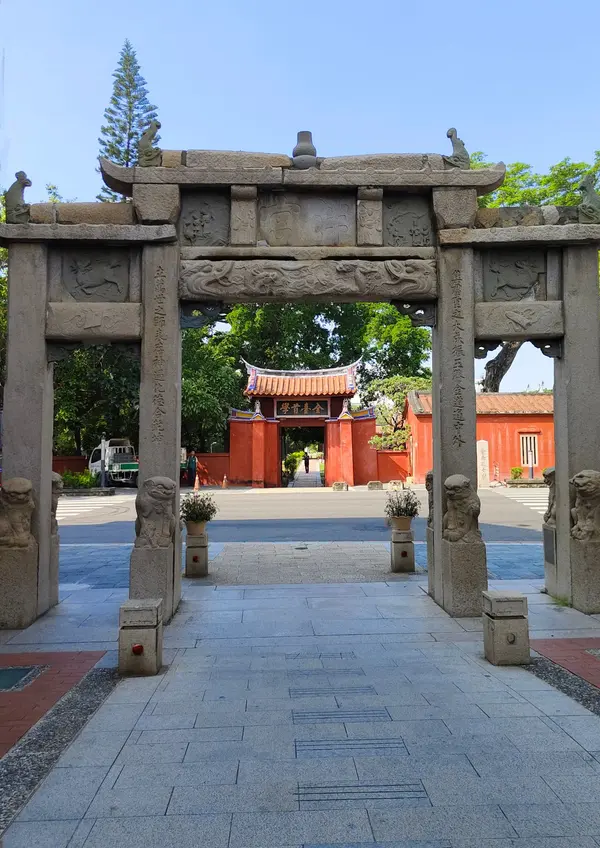
4. Changhua Confucius Temple
Entrez dans une cour tranquille où des siècles d'érudits ont jadis cherché la sagesse. Attendez-vous à des sculptures ornées, un étang paisible et le léger parfum d'encens flottant dans l'air.
Faits rapides: Environ 300 ans de cérémonies savantes se sont déroulées sous ces vastes toits courbés. Chaque année, deux grandes cérémonies honorent Confucius avec de la musique, de la danse et des animaux sacrifiés, une tradition quasi inchangée depuis la dynastie Qing.
Points forts: C'est l'un des plus anciens temples confucéens de Taïwan, et la peinture rouge et verte délavée des piliers raconte des siècles de fumée d'encens. Regardez attentivement les faîtes du toit, vous verrez de petites figurines en céramique de lettrés et d'immortels, chacune placée là pour protéger la mission académique du temple.
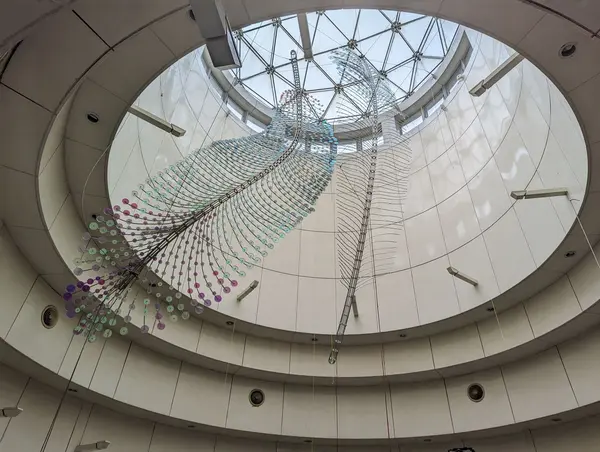
5. Taiwan Glass Gallery
Entrez dans un monde où tout scintille, des lustres aux bâtiments entiers. Vous traverserez une cathédrale de verre, franchirez un pont transparent et regarderez des artistes souffler du verre en fusion pour en faire de l'art sous vos yeux.
Faits rapides: Environ 2 000 sculptures en verre, installations et objets du quotidien remplissent les salles d'exposition sur plusieurs étages. La collection va de délicats vases soufflés à une réplique entièrement en verre d'un marché de rue traditionnel, le tout conçu par des artisans taïwanais.
Points forts: Le joyau de la couronne est une réplique de cathédrale en verre grandeur nature composée de plus de 2 000 panneaux de verre individuels, et les visiteurs peuvent réellement traverser son intérieur lumineux et translucide. Sur le toit, vous trouverez un pont de verre qui s'étend au-dessus du parc en contrebas, vous permettant de vous tenir sur un sol transparent en hauteur avec tout le complexe reflété sous vous.
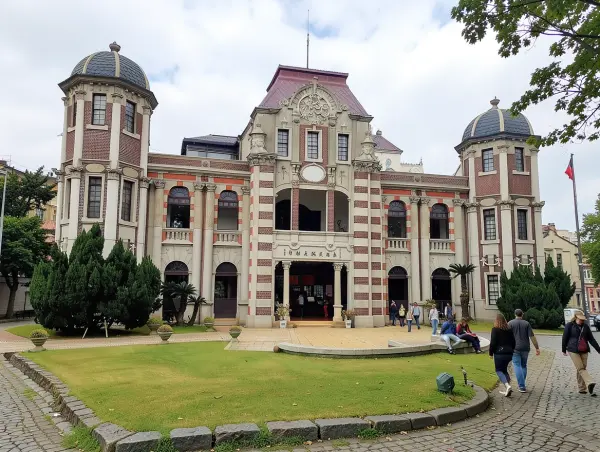
6. Lukang Folk Arts Museum
Pénétrez dans un manoir baroque de 1919 où a vécu la famille la plus puissante de Taïwan. Parcourez des pièces remplies de 3 000 objets du quotidien, des robes de mariée en soie aux jouets centenaires et aux ustensiles de cuisine.
Faits rapides: Un manoir de style baroque datant de 1919 appartenait autrefois à la famille Koo, l'un des clans les plus influents de Taïwan à l'époque coloniale japonaise. Plus de 3 000 objets d'art remplissent les pièces, du lit de mariage sculpté somptueux aux phonographes vintage en passant par les pipes à opium anciennes.
Points forts: Le manoir lui-même était la résidence de Koo Hsien-jung, l'homme qui a ouvert les portes de Taipei aux forces japonaises en 1895, changeant à jamais le cours de l'histoire de Taïwan. Les visiteurs peuvent encore voir la table de la salle à manger familiale originale dressée avec de la porcelaine, comme si les Koo venaient de quitter un dîner formel.
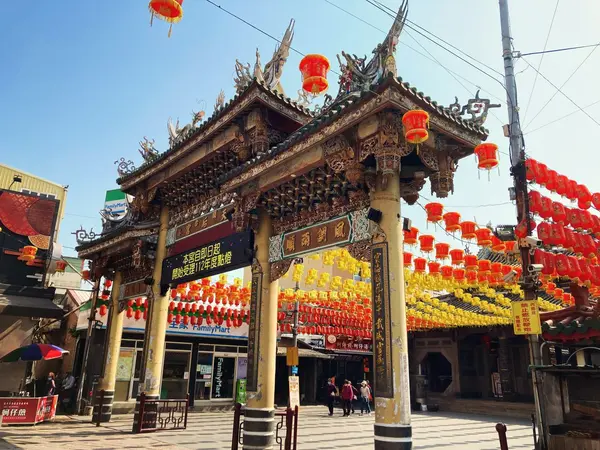
7. Qingshuiyan Temple
Un temple vieux de 300 ans où d'anciens camphriers veillent sur une source naturelle et où les lucioles dansent lors des soirées de printemps. Flânez dans des cours paisibles, sirotez un thé au bord du ruisseau de montagne et regardez les moines balayer la mousse des allées de pierre.
Faits rapides: Trois camphriers centenaires ombragent les cours, l'un d'eux ayant plus de 300 ans et s'étendant sur 20 mètres de large. Une source naturelle coule encore près du sanctuaire, donnant son nom au temple qui signifie "eau claire".
Points forts: Chaque année en avril, des milliers de lucioles scintillent à travers les sentiers forestiers environnants, transformant la colline en une constellation vivante. Le maître de calligraphie résident du temple donne des cours gratuits le week-end, permettant aux visiteurs de peindre leurs propres vœux sur des planches en bois à accrocher près de la source.
8. Tianwei Highway Garden
Pédalez à travers des champs infinis de serres verdoyantes et fleuries où travaillent les producteurs de fleurs de Taïwan. Vous pouvez vous arrêter à n'importe quelle pépinière, acheter une orchidée en pot pour moins de 5 dollars et regarder les producteurs l'emballer tout droit sortie de la serre.
Faits rapides: Plus de 200 boutiques de jardinage et pépinières bordent les routes ici, ce qui en fait l'un des plus grands centres de distribution de fleurs d'Asie. La zone fournit près de 70 % des plantes ornementales et des fleurs coupées de Taïwan, changeant de couleurs à chaque saison tandis que les chrysanthèmes, les poinsettias et les tournesols fleurissent à tour de rôle.
Points forts: Contrairement à un jardin paysager unique, il s'agit d'un marché vivant de 4,8 kilomètres où vous déambulez à travers des pépinières et des serres en activité, achetant directement auprès des producteurs qui s'en occupent. La vraie magie opère au crépuscule lorsque des milliers de petites guirlandes lumineuses tendues entre les serres s'allument, transformant toute la zone en un pays des merveilles étincelant.
Where to Stay in Changhua, Taiwan
Selected by City Buddy based on guest reviews and proximity to top attractions
Search all hotels in Changhua, TaiwanPowered by agoda
Jours d'ouverture à Changhua, Taiwan
Quels sites incontournables ferment quel jour de la semaine, le classique gâcheur de voyage, vérifié pour vous.
lundi : 3 sur 8 sites incontournables fermés, prévoyez les musées un autre jour.
Fermé le lundi · 3 fermés, 5 ouverts
Jours d'ouverture issus de Google Maps (vérifié le 2026-06-27). Jours fériés, grèves et horaires saisonniers peuvent varier, consultez le site officiel avant de partir.
Plats sucrés traditionnels
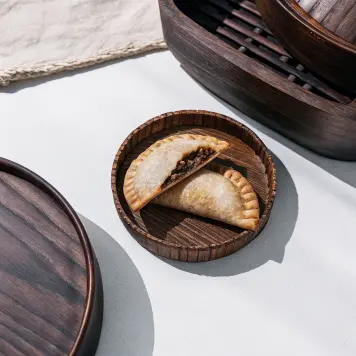
Lukang Ox Tongue Pastry (牛舌餅)
Despite its name, this pastry contains no ox tongue. It is a thin, crispy, maltose-filled biscuit shaped like an ox tongue, and Lukang is the most famous place in Taiwan to buy it.
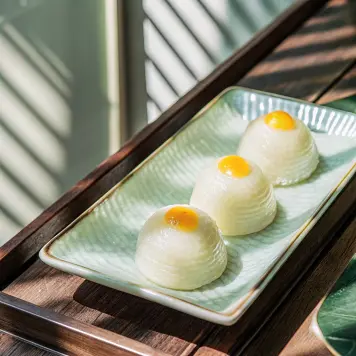
Phoenix Eye Cake (鳳眼糕)
This delicate, crumbly white pastry is made from premium glutinous rice flour and sugar. It gets its name from its oval shape resembling a phoenix eye, and it was once a tribute snack served to Qing Dynasty officials.
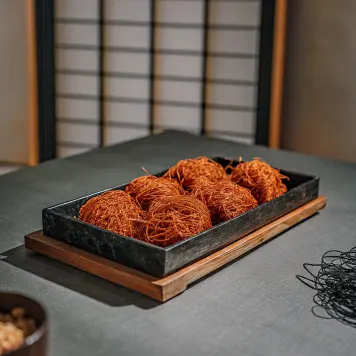
Dragon Beard Candy (龍鬚糖)
This traditional Chinese candy is made by pulling sugar into thousands of fine, hair-like strands, resembling a dragon's beard. It is filled with crushed peanuts, sesame seeds, and coconut, and Lukang is one of the best places to watch it made by hand.
Plats salés traditionnels
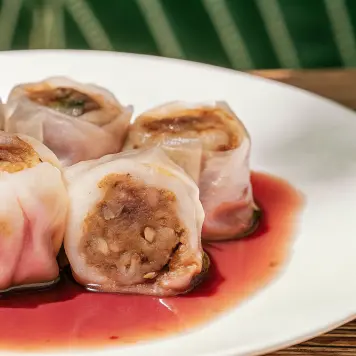
Changhua Meatballs (彰化肉圓)
Changhua meatballs are arguably the most famous ba wan in Taiwan. Unlike other versions, they are steamed then deep-fried, giving them a crispy exterior, and they are served with a sweet and savory brown sauce.
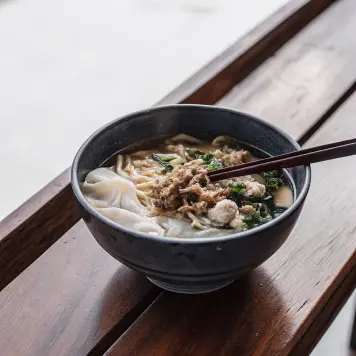
Cat and Mouse Noodles (貓鼠麵)
Despite its unusual name, this dish contains no cat or mouse. It was named after the nickname of its creator who was called "cat and mouse" for his agility, and the noodle soup features a rich, clear broth with ground pork and tender wontons.
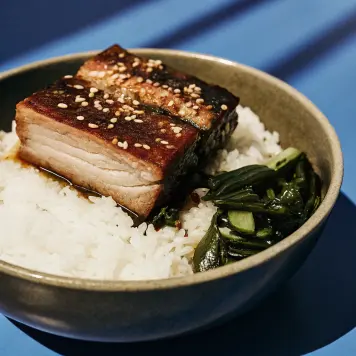
Changhua Braised Pork Rice (彰化爌肉飯)
Changhua is famous for its braised pork rice, featuring a massive, tender slab of pork belly slow-braised in soy sauce and spices. It is so beloved that many shops sell it as a late-night or breakfast staple, with some restaurants operating 24 hours a day.
Boissons traditionnelles
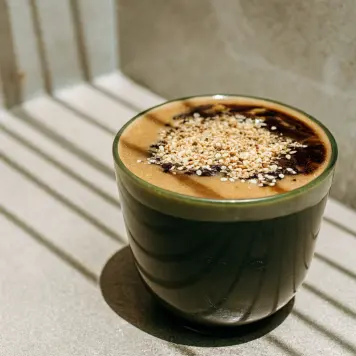
Mian Cha (麵茶)
Mian Cha is a warm, thick, porridge-like drink made from toasted wheat flour, sesame seeds, and sugar. It was originally a filling breakfast for farmers and is still a beloved nostalgic street drink in Lukang, Changhua.
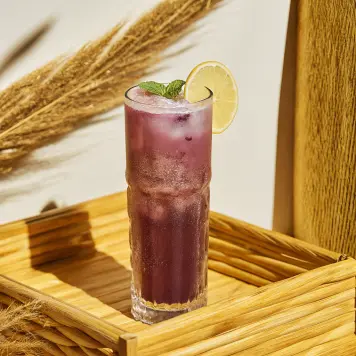
Sour Plum Drink (酸梅湯)
This tangy and refreshing drink is made by simmering smoked plums, hawthorn, licorice, and rock sugar for hours. It is a classic accompaniment to heavy street food in Changhua and is believed to aid digestion on hot days.
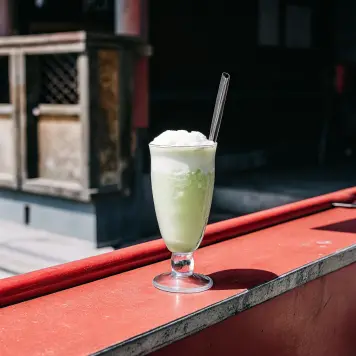
Mung Bean Shake (綠豆沙)
This creamy, slushy drink is made by blending cooked mung beans with ice and sugar until smooth. In Changhua's Lukang district, it is a wildly popular summer treat sold at iconic old-school stalls that have been operating for decades.
Recevez un PDF avec les attractions les plus populaires envoyé à votre email
Obtenez un PDF avec toutes les attractions, évaluations et conseils. Parfait pour une utilisation hors ligne.
Excursions d'une journée les plus populaires
Lukang Old Town
Historic port town with ancient temples, narrow alleys, and traditional crafts
Baguashan Great Buddha
Iconic hilltop Buddha statue with panoramic city views and hiking trails
Taichung City
Vibrant city with night markets, museums, and Rainbow Village
Xitou Nature Area
Mountain forest reserve with bamboo groves and suspension bridges
Comment y arriver
Gares
Taiwan Railway West Coast Line (TRA)
Taiwan High Speed Rail connecting Taipei to Kaohsiung
From Taichung HSR station, take local TRA train or bus to Changhua Station in about 15 minutes. From Taichung Airport, take bus to Changhua.
Informations utiles pour Changhua, Taiwan
Aperçu de Changhua, Taiwan
Vous voulez un plan jour par jour pour Changhua, Taiwan ? Ouvrez le planificateur de voyage
Quand partez-vous à Changhua, Taiwan ?
Choisissez vos dates et style de voyage pour obtenir :
Qu'est-ce qui est particulièrement important pour vous ?
Sélectionnez tout ce qui s'applique
Se déplacer
Comment souhaitez-vous vous déplacer entre les lieux ?
Langue du plan : Français