 CityBuddy
 Français
Arnaques touristiques à New York, United States : comment les éviter
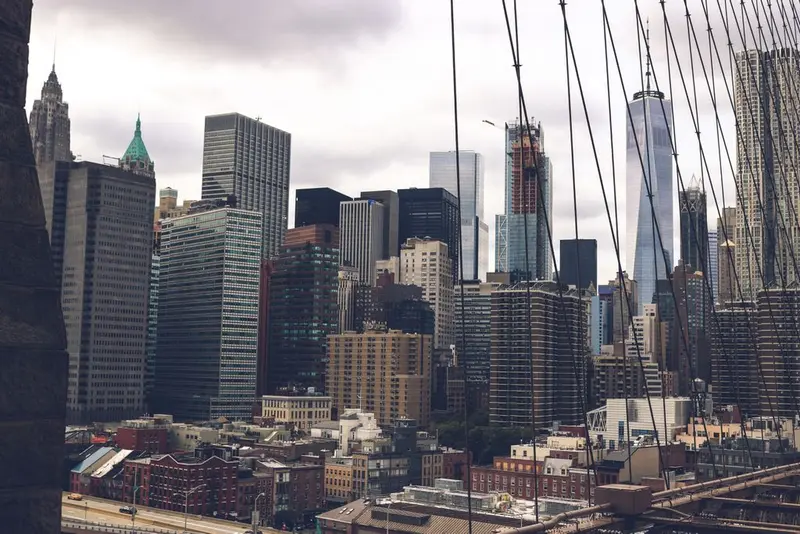
Photo prise par Vlad Alexandru Popa sur Pexels.com
New York is generally safe for tourists but busy areas attract street scams, especially around Times Square and the subway. Watch most for fake ticket sellers, aggressive bus tour pitches, and overpriced or unlicensed airport rides. Use official taxi ranks, the MTA contactless system, and always pay in USD.
Mis à jour le octobre 2026
Arnaques courantes à New York, United States et comment les éviter
1. Fake and scalped tickets
Comment ça marche: Street sellers near Times Square and major venues peddle fake tickets or hugely inflated resale prices for Broadway shows, tours, and sightseeing. Some look official and are worthless at the door.
Comment l'éviter: Buy only from the venue box office or the official ticketing site. Ignore sidewalk sellers and last-minute cash deals.
2. CD and bus tour pushes
Comment ça marche: Performers and sellers hand you an unsolicited CD or push you toward a sightseeing bus, then demand payment once it is in your hands or insist on a 'deal' that rises sharply.
Comment l'éviter: Do not take anything handed to you, and walk away from bus tour touts. Use official, pre-booked tour operators.
3. Poor-rate currency booths
Comment ça marche: Currency exchange booths in tourist areas quote poor rates and add hidden fees or commissions, leaving you with noticeably less. Some advertise 'no fee' then bury charges in the rate.
Comment l'éviter: Pay by card where possible and withdraw cash from bank ATMs. Skip standalone currency counters when you have better options.
4. The dropped or found ring
Comment ça marche: A stranger drops a ring or wallet near you, picks it up, and claims you found it together, then offers to sell it or asks for a reward. The item is worthless.
Comment l'éviter: Do not touch the item and walk away. Decline any reward or shared-sale offer.
5. Skimming and high-fee machines
Comment ça marche: Card skimmers are sometimes attached to ATMs, and independent machines in shops and bars charge very high fees. Your card data or money can be lost quickly.
Comment l'éviter: Use bank-attached ATMs inside branches and inspect the card slot. Check your card is present after each use.
6. Charity and petition scams
Comment ça marche: People with clipboards claim to collect for a cause or gather petition signatures, then aggressively demand a cash donation once you stop. Many are not legitimate charities.
Comment l'éviter: Give only to registered causes you chose yourself. Keep walking and do not sign or stop.
7. Unlicensed airport rides
Comment ça marche: Unlicensed drivers approach arrivals outside JFK and LGA terminals offering a fixed price that is often several times the metered fare, or take long routes.
Comment l'éviter: Head to the official taxi queue and take a licensed yellow cab or a booked ride-share. Never get into a car from a driver soliciting in the terminal.
Billets officiels pour les incontournables de New York, United States
Évitez les vendeurs de rue : réservez des billets et visites officiels avec annulation gratuite.
De l'aéroport au centre-ville
John F. Kennedy International Airport (JFK)
Tarif taxi équitable (officiel, en journée): 70 $ - 75 $ (64 € - 69 €). Take only a yellow taxi from the official airport taxi queue. The flat fare to Manhattan is printed inside the cab and displayed at the rank. Refuse drivers who approach you in arrivals offering a price.
Meilleure alternative: AirTrain JFK plus the subway (E train) or Long Island Rail Road to Manhattan (11,75 $ (10,76 €), environ 60 min)
Transports en commun : billets, validation et amendes
- Ticket simple
- 2,90 $ (2,66 €) (Single subway or bus ride on OMNY contactless or a MetroCard.)
- Règles de validation
- Tap your contactless card or phone at the subway turnstile or bus reader each time you enter. The fare covers one ride with one free transfer between subway and bus within two hours. Do not share a tap to enter twice.
- Amende sans billet valide
- 100 $ (91,56 €). Fare evasion on subway or bus carries a civil penalty, currently around 100 dollars, issued on the spot by transit police or inspectors.
- Paiement par carte
- Yes. OMNY accepts contactless bank cards and mobile wallets at all subway and bus readers, with a weekly fare cap for frequent riders.
Pourboires et frais de service
Pourboire: Tip 15 to 20 percent in restaurants and bars, and for taxi and ride-share drivers. Tip service workers such as hotel porters and tour guides.
Couvert et frais de service: No automatic cover or bread charge is standard, but some groups include an auto gratuity of 15 to 20 percent for parties of six or more, so check the bill before adding a tip.
Cartes, distributeurs et change
Always choose to be charged in USD and decline dynamic currency conversion at merchants and ATMs. Prefer bank-attached ATMs over standalone machines, which often carry high fees. Withdraw a larger amount to reduce per-visit fees.
Zones où une vigilance accrue est conseillée
- Times Square and Port Authority: Around Times Square and the Port Authority Bus Terminal late at night, keep bags closed and stay alert to crowds and street solicitations.
- Lower East Side and parts of the subway: In the subway and around Lower East Side at night, keep phones secure and avoid empty cars, as pickpocketing is occasionally reported.
Numéro d'urgence
911
Vous planifiez votre budget ?
Questions fréquentes sur New York, United States
New York, United States est-elle sûre pour les touristes ?
Combien coûte un taxi de l'aéroport au centre de New York, United States ?
Dois-je valider les tickets de transport en commun à New York, United States ?
Le pourboire est-il attendu à New York, United States ?
Quel est le numéro d'urgence à New York, United States ?
Basé sur des expériences de voyageurs largement rapportées et des conseils officiels. Les prix sont approximatifs et peuvent changer ; vérifiez les tarifs actuels sur place. Mis à jour : octobre 2026.