 CityBuddy
 Hrvatski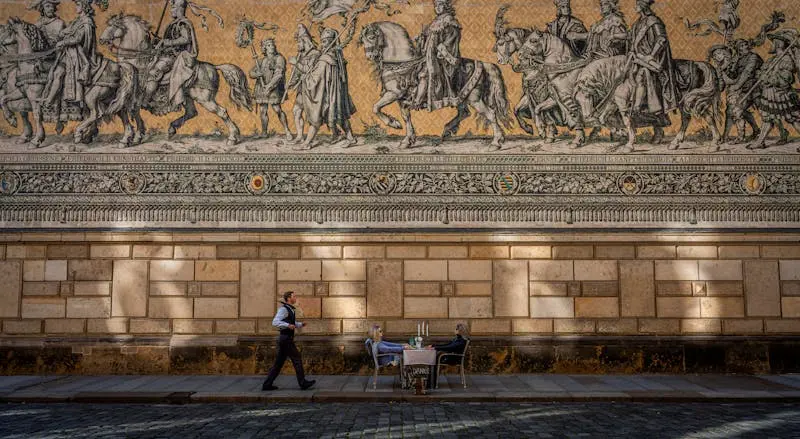
Što raditi u Dresden, Germany
Fotografiju je napravio Duc N. na Pexels.com
Kada posjetiti
Kada putujete u Dresden, Germany?
Odaberite datume i stil putovanja da dobijete:
Je li vam nešto od ovoga posebno važno?
Odaberite sve što se odnosi
Plan language: HrvatskiNajpopularnije atrakcije u Dresden, Germany
Za spektakularne stvari koje možete vidjeti u Dresdenu u Njemačkoj, krenite od palače Zwinger, baroknog remek-djela čija krunasta vrata i prostrano dvorište čuvaju slike starih majstora, uključujući Rafaelovu Sikstinsku Madonu. Nekoliko koraka dalje, obnovljena Frauenkirche u Dresdenu uzdiže se sa svojom pješčanjačkom kupolom od 96 metara. Ljubitelji glazbe trebali bi rezervirati karte za Semperoperu u Dresdenu, opernu kuću sa 1.300 sjedišta na obali Labe.
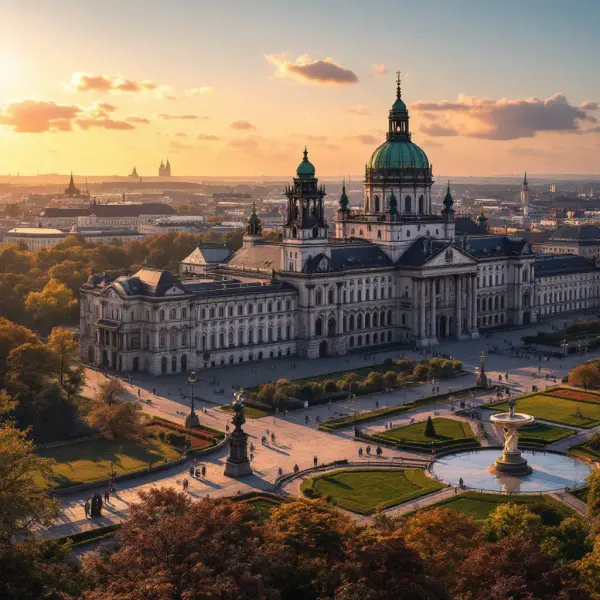
1. Zwinger Palace
Barokno palačno dvorište ovijeno nježnim kamenim galerijama i ispunjeno s više od milijun porculanskih blaga. Prošetajte prozračnim arkadama, otkrijte poznatu "Sikstinsku Madonu" i gledajte kako svjetlost pleše po fontanama u zlatni sat.
Brze činjenice: The Zwinger's sweeping Baroque galleries house over a million porcelain pieces, forming one of the largest porcelain collections on earth. Its massive courtyard once hosted lavish court festivals with hundreds of lanterns, orchestral performances, and even mechanical fountains that sprayed wine.
Istaknuto: Stand in the crown gate passage and clap your hands once: the arch's perfect acoustics send the sound bouncing back as a crisp, sharp echo that feels almost supernatural. This was intentionally designed by architect Matthäus Daniel Pöppelmann to amplify royal proclamations and music during festivities in the courtyard.
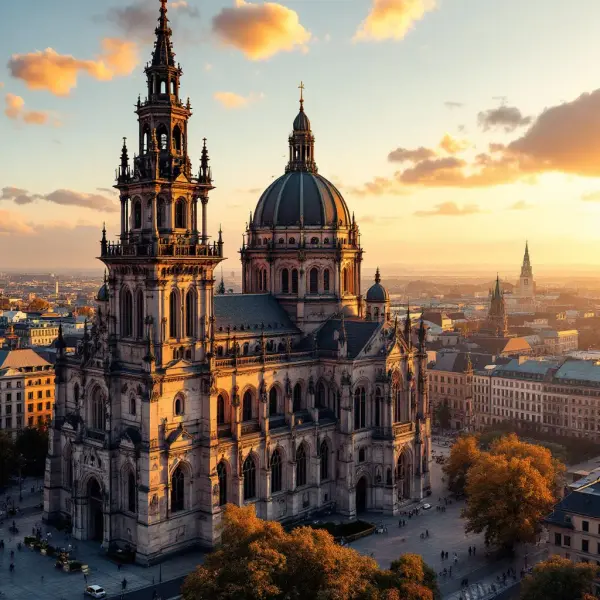
2. Frauenkirche Dresden
Vjerna rekonstrukcija od hrpe od 8.400 numeriranih kamenih krhotina čini ovo živim spomenikom miru. U unutrašnjosti, kaleidoskop pastelnih boja s balkona od 360 stupnjeva i blistavi zlatni oltar zaustavit će vas usred koraka.
Brze činjenice: Over 9,500 tons of sandstone were used to rebuild this church after its WWII destruction, with 8,400 original stones carefully numbered and reused. The distinctive 96-meter dome, held together by iron straps forged by a local blacksmith, survived 200 bomb hits before collapsing on the second day of the firebombing.
Istaknuto: Look closely at the exterior walls and you'll spot dark, scorched stones sitting next to bright new ones, a deliberate "stone mosaic" that tells the story of destruction and rebirth. A lone cross on top of the dome was forged from nails recovered from the rubble by a British blacksmith whose father was a WWII bomber pilot, a quiet gesture of reconciliation.
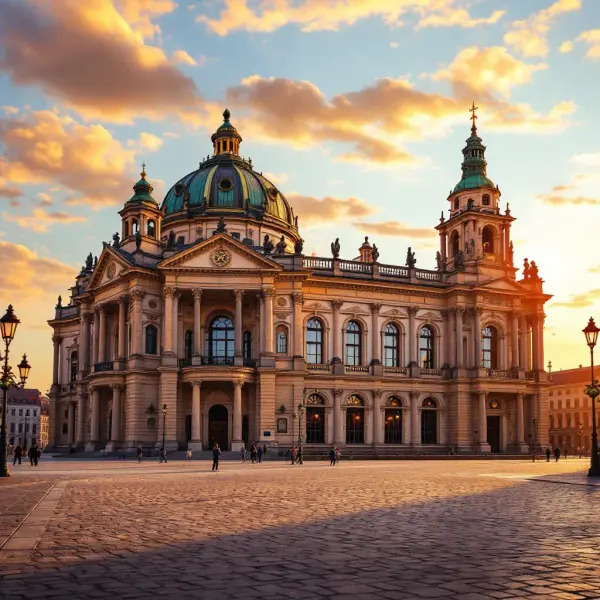
3. Semperoper Dresden
Gledati operu ovdje znači sjediti unutar jedne od svjetski najakustičnijih dvorana, dva puta podignute iz pepela. Čut ćete svaki dah pjevača i svaki potez gudala s bilo kojeg od 1.300 sjedala.
Brze činjenice: Two massive fires and the 1945 bombing have each reduced this opera house to rubble, yet each time Dresdeners rebuilt it with painstaking precision. The original 1841 architect deliberately designed the auditorium to be invisible from the outside, letting the music and performance become the complete experience.
Istaknuto: Inside the auditorium, the tiered seating curves like a giant seashell in five graceful rings, and from every single one of the 1,300 seats, you can see the stage clearly. The original 19th-century ventilation system used hidden chimneys running through the building's core, drawing out warm air without a whisper so no fan noise ever interrupts a pianissimo passage.
Jeste li čuli za besplatne pješačke ture?
Nakon putovanja u više od 30 zemalja, postoji jedna stvar koju bih volio da mi je netko rekao od prvog dana, a koja je potpuno promijenila moj doživljaj novih gradova.
Besplatne pješačke ture. Da, stvarno besplatne. Nije potrebna kreditna kartica. Nema skrivenih uvjeta.
Lokalni vodič, 2-3 sata
Glavne znamenitosti, skriveni dragulji, lokalne priče
100% na bazi napojnica
Vodiči zarađuju samo napojnice, pa daju sve od sebe
Ostavite napojnicu koliko želite
Na kraju samo ostavite napojnicu koju smatrate prikladnom
Ove ture sam radio u desetinama gradova i bile su vrhunac gotovo svakog putovanja. Ako posjećujete Dresden, Germany, učinite to prvog dana. Kasnije ćete mi zahvaliti.
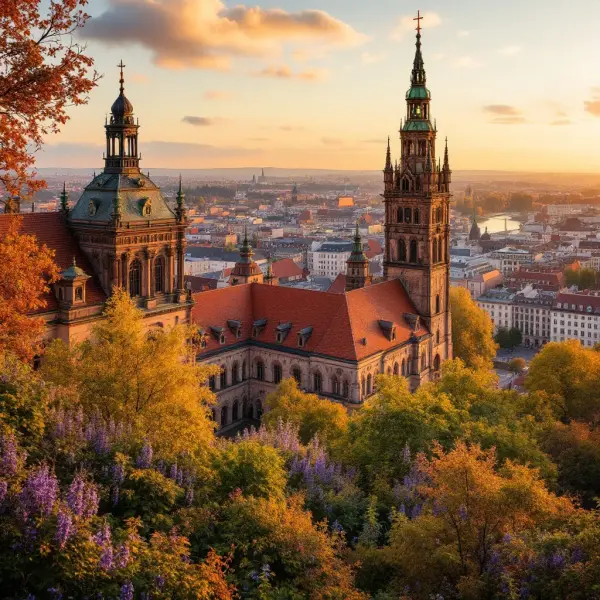
4. Fürstenzug
Nigdje drugdje na svijetu nećete pronaći najveće porculansko umjetničko djelo ikada stvoreno, koje se proteže preko cijelog gradskog bloka. Prošetajte uz 24.000 ručno oslikanih majsenskih pločica koje prikazuju gotovo tisuću godina kraljevske povijesti.
Brze činjenice: Stretching 102 meters across the wall of Dresden's royal palace, this porcelain procession features 93 life-sized figures on roughly 24,000 Meissen porcelain tiles. Each figure represents a Wettin ruler or notable figure, marching chronologically from the 12th century through the early 1900s.
Istaknuto: Most visitors don't notice that the ceramic tiles actually survived the 1945 firebombing of Dresden virtually intact, while the entire palace around them collapsed. The tiles only needed a gentle cleaning with water to remove soot, emerging as one of the few original pre-war surfaces still visible in the city today.
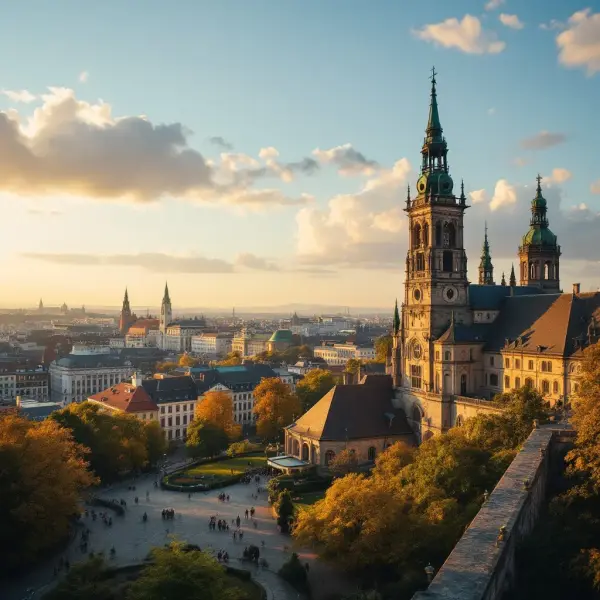
5. Brühl's Terrace
Nigdje drugdje u Dresdenu ne možete obuhvatiti cijeli gradski horizont s jedne točke. Dođite zbog pogleda na rijeku od 180 stupnjeva, ostanite zbog svjetlosne predstave u zlatni sat na pješčenjaku i tornjevima.
Brze činjenice: Stretching nearly 500 meters along the Elbe River, this sandstone terrace rises dramatically above the water and offers uninterrupted panoramic views of the entire Dresden skyline. Locals affectionately call it "the Balcony of Europe," a nickname coined by a 19th-century painter who was captivated by its sweeping vistas.
Istaknuto: In 1814, a frustrated general ordered the medieval fortress wall that once stood here to be transformed into a public promenade, turning a defensive barrier into one of Europe's most beautiful urban viewpoints. Three terracotta-colored staircases, each with 74 steps, carry visitors up from the riverbank level, and at sunrise the sandstone glows so warm that photographers camp out an hour early to claim their spot.
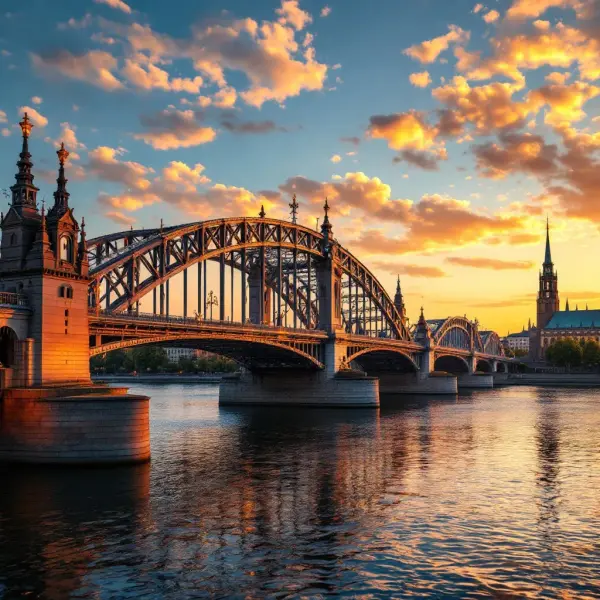
6. Loschwitz Bridge (Blue Wonder)
Blue Wonder
Zauzmite mjesto u prvom redu uz 130 godina staro čudo inženjerstva koje još svakodnevno prevozi tramvaje i automobile. Pješačite ili biciklirajte preko Labe dok upijate široke poglede na dolinu Labe u Dresdenu.
Brze činjenice: Spanning 280 meters across the Elbe River, this steel cantilever truss bridge was the first of its kind in Europe when it opened. Its distinctive blue-green color comes from over 30,000 liters of paint, giving locals the affectionate nickname "Blaues Wunder."
Istaknuto: At 141 meters, the central span was so daring for its 1893 construction that engineers required no supporting pillars in the water, a radical first for European bridge building. You can stand underneath at the Loschwitz riverbank and see how the entire 2,500-ton structure hangs together with nothing but rivets and steel tension.
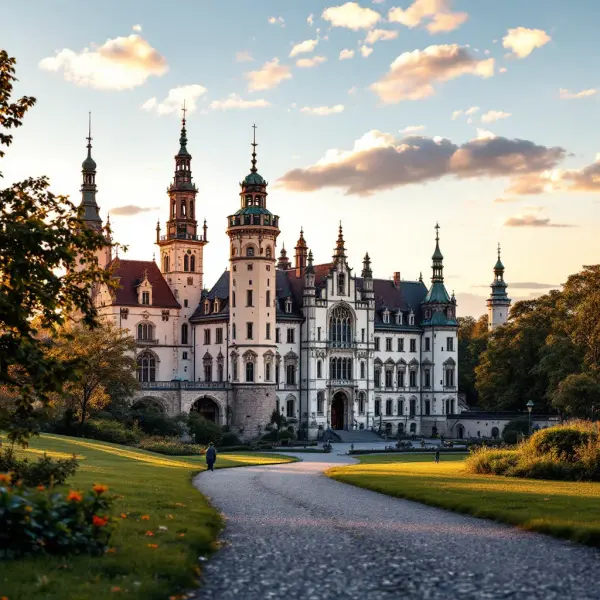
7. Pillnitz Castle
Palača u kineskom stilu na Labi, ravno iz bajke. Prošetajte ukrašenim dvoranama, pogledajte sezonsku izložbu cvijeća u oranžeriji, zatim popijte kavu na riječnoj terasi.
Brze činjenice: Chinese workers painted tens of thousands of miniature scenes across the palace walls using real gold leaf, a detail most visitors walk right past. The castle sits directly on the Elbe River and its grounds flood several times each decade, forcing staff to move priceless furniture to higher floors.
Istaknuto: Every summer the palace's sprawling English garden transforms into a stage for Europe's oldest folkloric boat parade, complete with dozens of elaborately decorated vessels drifting down the Elbe. For one July weekend, the castle's serene riverside lawns fill with costumed performers, traditional music echoing across the water as fireworks burst over the turrets.
Where to Stay in Dresden, Germany
Selected by City Buddy based on guest reviews and proximity to top attractions
Search all hotels in Dresden, GermanyPowered by agoda
Tradicionalna slatka jela

Dresdner Stollen (Christstollen)
This famous fruit bread has been baked in Dresden since the 14th century. The original version was so bland due to Lenten butter restrictions that Saxon nobles had to petition the Pope for permission to use butter.
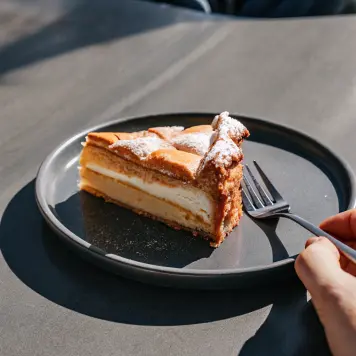
Dresdner Eierschecke
This layered cheesecake has a name derived from "Eierschecke," referring to a type of fabric underskirt, because the cake's layers resemble the ruffled hem of a dress. It features a quark cheese layer, custard, and a thin yeast dough base.

Pulsnitzer Pfefferkuchen
These traditional gingerbread-like spiced cookies come from the Pulsnitz region near Dresden. They are made with honey and a secret blend of spices, and have been baked using traditional recipes for over 400 years.
Tradicionalna slana jela

Sächsischer Sauerbraten
Unlike other German versions made with beef, the Saxon Sauerbraten is traditionally made with horse meat, though beef is much more common today. The meat is marinated for several days in a mixture of vinegar, wine, and spices before slow roasting.

Leipziger Allerlei
Despite its name referencing Leipzig, this vegetable medley of peas, carrots, asparagus, and morels originated in the wider Saxony region including Dresden. It was once called "the most expensive vegetable side dish in the world" due to its use of premium ingredients.

Quarkkäulchen
These small fried potato-quark dumplings are a Saxon specialty that can be served savory with sauerkraut or sweet with applesauce and cinnamon sugar. They were a favorite dish of the Saxon royal court in Dresden.
Tradicionalna pića

Radeberger Pilsner
Brewed just outside Dresden in Radeberg since 1872, this is one of Germany's most famous pilsner beers. It was the official beer of the Saxon royal court and was even served on the Titanic.

Dresdner Christstollen Punch
This warm winter punch is a beloved treat at the Dresden Striezelmarkt, Germany's oldest Christmas market dating back to 1434. It combines rum, tea, and spices, traditionally served in a festive mug.

Altschadower Fassbrause
This traditional Saxon soft drink is made from a mix of malt, fruit extracts, and spices, creating a slightly fizzy, tangy flavor. It was a popular non-alcoholic alternative in Dresden breweries dating back over 100 years.
Frequently Asked Questions about Dresden, Germany
Je li Dresden u Njemačkoj siguran za turiste?
Koliko dana u Dresdenu u Njemačkoj se preporučuje?
Kada je najbolje posjetiti Dresden u Njemačkoj?
Je li Dresden u Njemačkoj skup za turiste?
Kako se kretati po Dresdenu u Njemačkoj?
Pošaljite PDF s najpopularnijim atrakcijama na svoju e-poštu
Preuzmite PDF sa svim atrakcijama, ocjenama i savjetima. Savršeno za korištenje bez interneta.
Najpopularniji jednodnevni izleti
Meissen (Meißen)
Charming town known for its famous Meissen porcelain and picturesque old town.
Saxon Switzerland National Park
Stunning sandstone rock formations, hiking trails, and the iconic Bastei Bridge.
Leipzig
Vibrant city with music heritage, museums, and a lively cultural scene.
Prague, Czech Republic
Historic capital with Gothic architecture, Charles Bridge, and Old Town Square.
Moritzburg Castle
Fairytale Baroque castle surrounded by a scenic lake and forest.
Rent a car in Dresden, Germany
Kako doći
Zračne luke
Željezničke stanice
ICE, IC, EC, regional trains to Berlin, Leipzig, Prague, and across Saxony
ICE, regional trains and S-Bahn connections
From Dresden Airport, take tram line 7 or S-Bahn S2 to the city center in about 20 minutes. From the main train station, trams and buses connect to all major attractions.
Pronađite letove za Dresden, Germany
Kliknite za eSim za Dresden, Germany
Najlakši i najpovoljniji način za dobivanje mobilnog interneta gdje god putovali.
Korisne informacije za Dresden, Germany
Pregled za Dresden, Germany
Most popular itineraries for Dresden, Germany
Browse trip plans created by other travelers
Komentari (8)
Buy the Dresden City Card if you plan to hit more than 2 museums. Pays for itself and includes transit. Saved us like 20 euros.
The tram system is super easy and runs on time. Download the DVB app for tickets. Way faster than waiting for buses.
The Frauenkirche is incredible but honestly the whole city center felt like a museum piece. Beautiful but didn't feel alive.
Get dinner in Neustadt not Altstadt. Walk across the river. Same quality food for half the price and actual locals eat there.
Mixed feelings. Some parts are gorgeous rebuilt architecture but a lot of construction still going on. Give it 2-3 days max.