 CityBuddy
 Hrvatski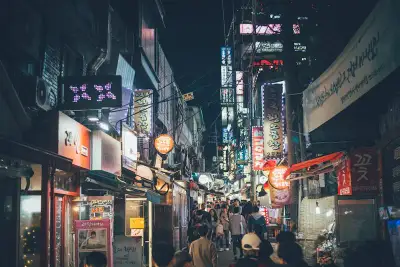
Što raditi u Shinjuku, Japan
Fotografiju je napravio Tan Danh na Pexels.com
Kada posjetiti
Shinjuku je #2 grad za noćni život u svijetu, prema našim podacima temeljenim na stotinama destinacija.
Najpopularnije atrakcije u Shinjuku, Japan
The best things to do in Shinjuku, Japan range from tranquil escapes to neon-lit adventures. Walk the 58-acre Shinjuku Gyoen National Garden, blending French and Japanese landscape styles. Ride the free elevator 202 meters up the Tokyo Metropolitan Government Building for panoramic city views. Then duck into Omoide Yokocho, a narrow alley of 60 tiny grills serving yakitori since World War II.
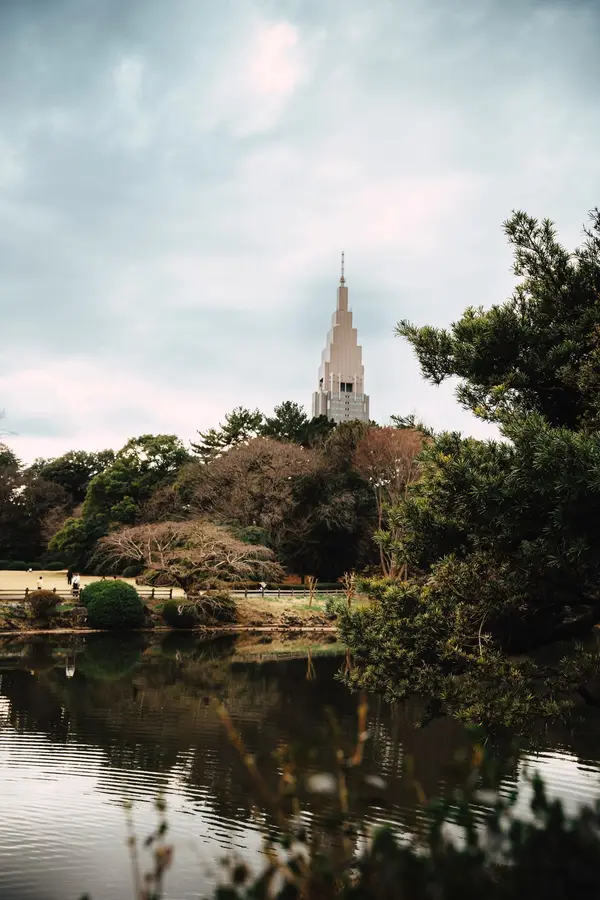
1. Shinjuku Gyoen National Garden
Escape Tokyo's neon chaos into 58 hectares of serene gardens where cherry blossoms and ancient pines frame three perfectly curated landscapes. Wander between a French formal garden, a Japanese tea house, and an English meadow in a single afternoon.
Brze činjenice: Na svojih 58 hektara, tri različita stilska vrta koegzistiraju: formalni francuski vrt, engleski pejzažni vrt i tradicionalni japanski vrt s velikim ribnjakom. Više od 20.000 stabala iz cijelog svijeta uspijeva ovdje, uključujući oko 1.500 trešanja koje svakog proljeća procvjetaju.
Istaknuto: Rijedak sačuvani primjer ranog 20. stoljeća velikog pejzažnog vrta u Tokiju, nekada je bio privatna rezidencija feudalnog gospodara prije nego što je darovan carskoj obitelji. Dio tradicionalnog japanskog vrta uključuje drveni paviljon gdje možete sjediti i promatrati koi ribe kako kruže ispod vas dok pijete matcha čaj koji poslužuju poslužitelji odjeveni u kimono.
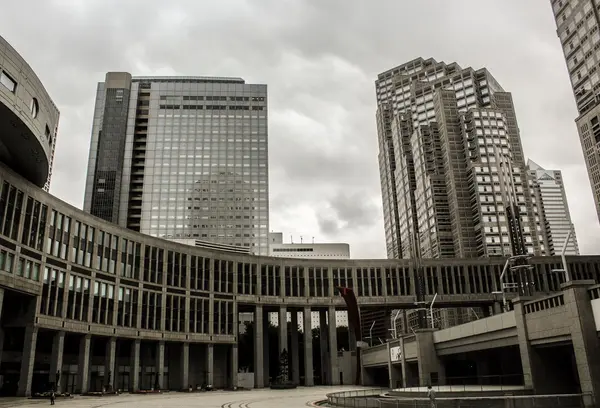
2. Tokyo Metropolitan Government Building
Two free observation decks with Tokyo's best skyline views. Ride the elevator up 45 floors and watch Mount Fuji appear on the horizon as the city sprawls beneath you.
Brze činjenice: Free observation decks on the 45th floor of both towers offer panoramic views stretching all the way to Mount Fuji on clear days. The building was designed to resemble a Gothic cathedral, with its twin towers rising 243 meters and its facade covered in 12,000 mirrored windows.
Istaknuto: Head up just before sunset and watch Tokyo transform from the 45th floor as the city lights flicker on below while the sky still holds color. The south observation deck stays open until 11 PM and offers a completely different mood at night, with far fewer crowds and the cityscape glittering like a circuit board.
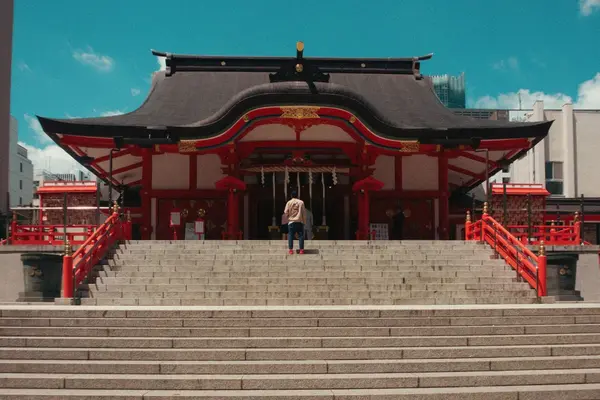
3. Hanazono Shrine
Find a pocket of serenity amid Shinjuku's neon chaos at a shrine that has anchored this neighborhood since the 1600s. Wander past towering concrete, and discover locals tossing coins, clapping hands, and whispering wishes to the gods.
Brze činjenice: Hanazono Shrine hosts over 300 vendors during its annual flea markets, drawing thousands of bargain hunters each weekend. Dedicated to the gods of business prosperity and good fortune, this shrine sits in the middle of Shinjuku's modern high-rises and entertainment district.
Istaknuto: On New Year's Eve, the shrine's massive 500-kilogram bell is rung 108 times by volunteers, each strike symbolizing the cleansing of a human desire according to Buddhist tradition. The sound reverberates through the concrete canyons of Shinjuku, creating an surreal acoustic collision between ancient ritual and neon-lit modernity.
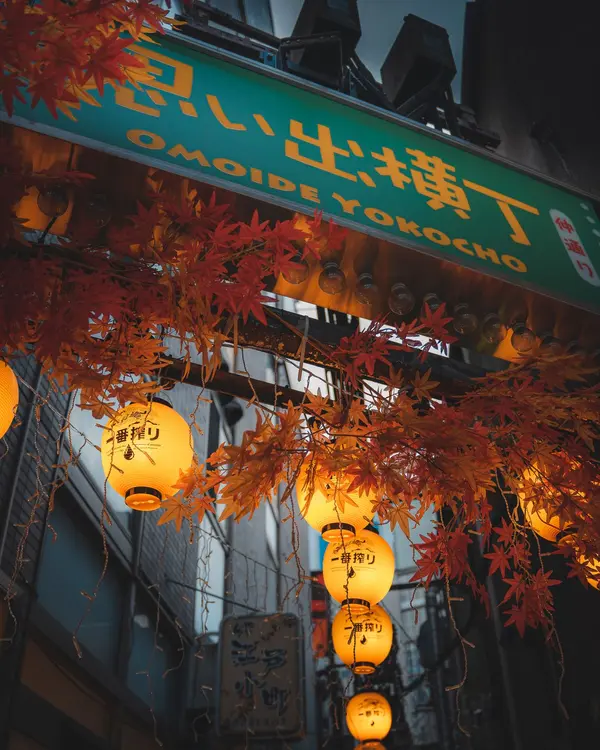
4. Omoide Yokocho
Step into a smoky, lantern-lit time capsule where Tokyo grills the best yakitori of your life. Squeeze onto a tiny counter stool, order skewers and cold beer, and watch the chefs fan glowing charcoal inches from your face.
Brze činjenice: Otprilike 60 malenih, zadimljenih yakitori barova i restorana nagurano je u ovu usku mrežu uličica u blizini stanice Shinjuku. Mještani su se ovdje gužvali na stolcima još od poratnih dana crnog tržišta 1940-ih, kada je ovo područje prvi put nastalo.
Istaknuto: Jedan od posljednjih preostalih džepova starog Tokija, ova je uličica nekako izbjegla preuređenje koje je susjedstvo pretvorilo u šumu staklenih nebodera. Zrak još uvijek miriše na piletinu s roštilja na ugljenu i soja umak, baš kao i prije 70 godina, a neke trgovine još uvijek nabavljaju ražnjiće od istih obiteljskih dobavljača.
5. Golden Gai
Over 200 tiny bars packed into six lantern-lit alleys where each space seats barely a handful. Wander narrow passages, duck into a 4-seat whiskey bar, and trade stories with locals until the wee hours.
Brze činjenice: Smješten između nebodera Shinjuku, ovaj labirint od 200 malih barova smješten je u šest uskih uličica koje su preživjele poslijeratnu obnovu. Većina barova ima samo 4-6 mjesta, tjerajući neznance na bliske razgovore uz whiskey ili sake.
Istaknuto: Mnoge barove ovdje još uvijek vode ostarjeli vlasnici koji su za istim pultom proveli 50+ godina, a neki odbijaju poslužiti svakoga tko izgleda mlađe od 30. U jednom baru živi mačka koja odlučuje kada je zadnja runda tako što skoči u krilo gosta kako bi signalizirala da je vrijeme za odlazak.
6. Samurai Museum
Get closer to real samurai gear than anywhere else in Tokyo. You'll hold 700-year-old swords, try on armor, and watch live sword demonstrations daily.
Brze činjenice: Više od 13.000 artefakata obuhvaća 700 godina samurajske povijesti, od razdoblja Kamakura do ere Edo. Posjetitelji mogu rukovati pravim samurajskim mačevima i isprobati autentični oklop pod nadzorom osoblja.
Istaknuto: Umirovljeni restaurator samurajskih oklopa osobno održava zbirku i povremeno demonstrira 45-minutni proces odijevanja u potpuni oklop. Drveni kendo pod muzeja još uvijek nosi ogrebotine i udubljenja od desetljeća treninga tokijskih sveučilišnih kendo klubova.
7. Shinjuku Ni-chome
Nowhere else packs this much queer energy into a few neon-lit blocks. Hop between tiny bars where locals share plates of edamame and pour your next drink before you finish the first.
Brze činjenice: S više od 300 barova, klubova i malih restorana smještenih u samo nekoliko blokova, ova sićušna četvrt ima jednu od najvećih koncentracija LGBTQ+ mjesta bilo gdje u svijetu. Više od 30 posto barova ovdje su male operacije s manje od 10 mjesta, što svaku večer čini poput privatne zabave.
Istaknuto: Mnoge barove vode umirovljene drag kraljice koje toče piće na istom šanku s deset mjesta još od 1980-ih i pamte ime svakog stalnog gosta. U ponoć možete ući u podrumski bar s četiri mjesta i pronaći 70-godišnju bivšu kabaretsku zvijezdu kako pjeva Edith Piaf dok miješa vaš highball.
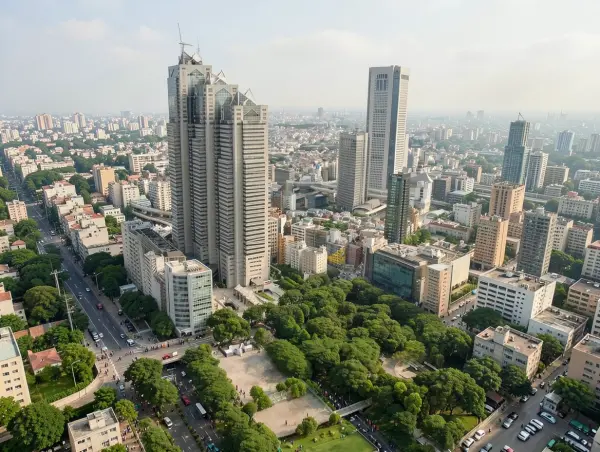
8. Shinjuku Central Park
A lush green escape sandwiched between skyscrapers, offering front-row seats to Tokyo's urban ballet. Grab a coffee, find a bench, and watch salarymen nap, crows plot, and cherry blossoms drift past concrete and glass.
Brze činjenice: Shinjukuovo najprometnije prometno čvorište smješteno je s jedne strane ovog zelenog koridora, no park ostaje iznenađujuće tih s više od 700 stabala trešanja koja obrubljuju njegove staze. Ono što je nekad bilo prazno zemljište koje je čekalo nikad izgrađeni sportski stadion pretvorilo se u ovaj zeleni pojas od 2,25 hektara koji povezuje dva najveća gradska kvarta nebodera.
Istaknuto: Radnim danom oko ručka možete vidjeti uredske radnike kako drijemaju na travi u odijelima, tihi tokijski ritual koji djeluje gotovo koreografirano. Park također služi kao galerija na otvorenom s rotirajućim instalacijama iz obližnje galerije Tokyo Opera City, tako da se skulpture mijenjaju svakih nekoliko mjeseci.
Where to Stay in Shinjuku, Japan
Selected by City Buddy based on guest reviews and proximity to top attractions
Search all hotels in Shinjuku, JapanPowered by agoda
Radno vrijeme u Shinjuku, Japan
Koje od najboljih znamenitosti su zatvorene koji dan u tjednu, klasični kvaritelj putovanja, provjereno za vas.
ponedjeljak: 1 od 8 najboljih znamenitosti zatvoreno, planirajte muzeje za neki drugi dan.
Zatvoreno ponedjeljak · 1 zatvoreno, 7 otvoreno
Radno vrijeme s Google Mapsa (provjereno 2026-07-03). Blagdani, štrajkovi i sezonsko radno vrijeme mogu se razlikovati, provjerite službenu web stranicu prije polaska.
Tradicionalna slatka jela
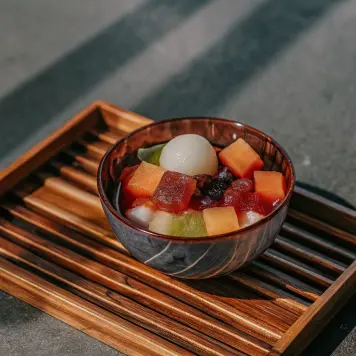
Anmitsu
Anmitsu features small cubes of agar jelly, sweet red bean paste, mochi, and fresh fruit all served with a drizzle of kuromitsu, a dark sugar syrup that originated as a medicine in the Edo period.
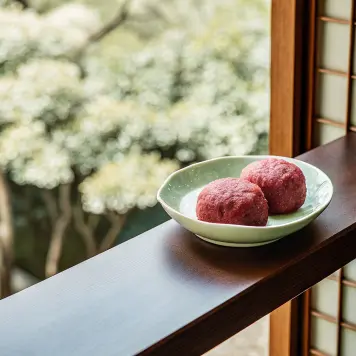
Ohagi (Botamochi)
Ohagi is a traditional sweet made from glutinous rice coated in sweet azuki bean paste, and its name changes to botamochi in spring depending on the seasonal flower in bloom.
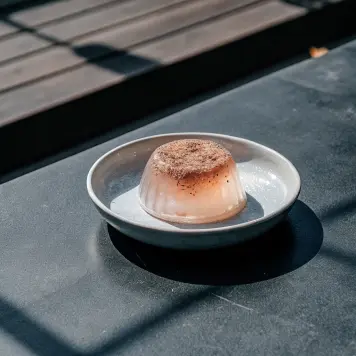
Kuzumochi
Unlike regular mochi made from rice, kuzumochi is made from kuzu (arrowroot) starch giving it a uniquely translucent, jelly-like texture, and it is often served with kinako (roasted soybean flour) and kuromitsu.
Tradicionalna slana jela
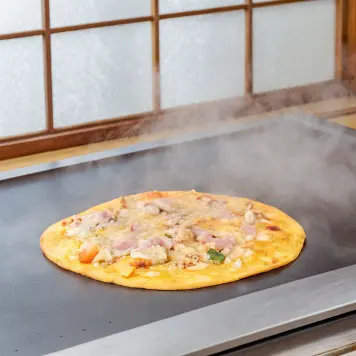
Monjayaki
Monjayaki is a thin, runny savory pancake cooked on a hot griddle that is famously associated with Tokyo's shitamachi (old town) culture, and Shinjuku has some of the best monjayaki specialty restaurants in the city.
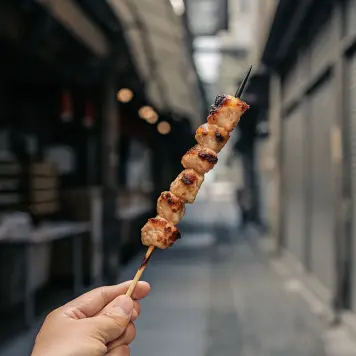
Yakitori
Shinjuku's Omoide Yokocho (Memory Lane) is legendary for its tiny yakitori stalls where skewers of chicken are grilled over charcoal, and the smoky alleyway has been a beloved dining destination since the post-war era.
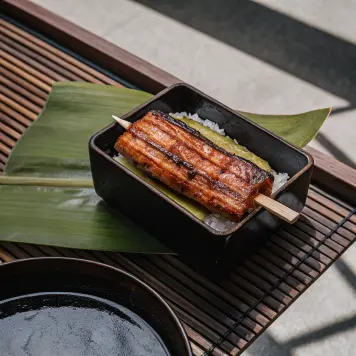
Unagi no Kabayaki
This dish features grilled eel glazed with a sweet soy-based sauce, and Shinjuku is home to some of Tokyo's most historic unagi restaurants that have been serving it continuously since the 1800s.
Tradicionalna pića
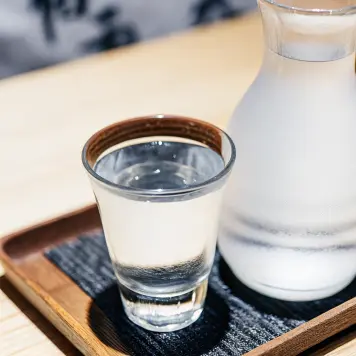
Sake
Sake is Japan's iconic rice wine, and Shinjuku's many izakaya (Japanese pubs) offer extensive sake selections where you can enjoy everything from fruity ginjo to rich, aged koshu varieties.
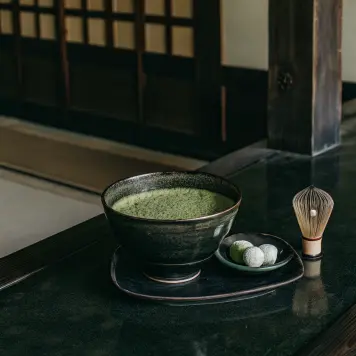
Matcha (Ceremonial Green Tea)
Matcha is a finely ground powder of specially grown green tea leaves, and Shinjuku's traditional tea houses offer this vibrant drink alongside the district's famous wagashi (Japanese sweets) for a perfect pairing.

Shochu
Shochu is a distilled spirit typically made from barley, sweet potato, or rice, and it is a staple at Shinjuku's drinking establishments where it is enjoyed on the rocks, with water, or mixed with hot water.
Često postavljana pitanja o Shinjuku, Japan
Is Shinjuku, Japan safe?
How many days in Shinjuku, Japan?
Best time to visit Shinjuku, Japan?
Is Shinjuku, Japan expensive?
How to get around Shinjuku, Japan?
Pošaljite PDF s najpopularnijim atrakcijama na svoju e-poštu
Preuzmite PDF sa svim atrakcijama, ocjenama i savjetima. Savršeno za korištenje bez interneta.
Najpopularniji jednodnevni izleti
Kamakura
Historic coastal town with Great Buddha statue and serene temples
Hakone
Hot spring resort with views of Mount Fuji and Lake Ashi
Yokohama
Port city with Chinatown, Minato Mirai waterfront and gardens
Kako doći
Željezničke stanice
JR Yamanote Line, JR Chuo Line, Odakyu Line, Keio Line, Tokyo Metro Marunouchi Line
Highway bus connections to airports and other cities
From Haneda Airport take the Limousine Bus (45 min) or train via Yamanote Line. From Narita take the Narita Express (80 min) directly to Shinjuku Station.
Korisne informacije za Shinjuku, Japan
Pregled za Shinjuku, Japan
Želiš li plan iz dana u dan za Shinjuku, Japan? Otvori planer putovanja
Kada putujete u Shinjuku, Japan?
Odaberite datume i stil putovanja da dobijete:
Je li vam nešto od ovoga posebno važno?
Odaberite sve što se odnosi
Kretanje po gradu
Kako se želite kretati između mjesta?
Jezik plana: Hrvatski