 CityBuddy
 Hrvatski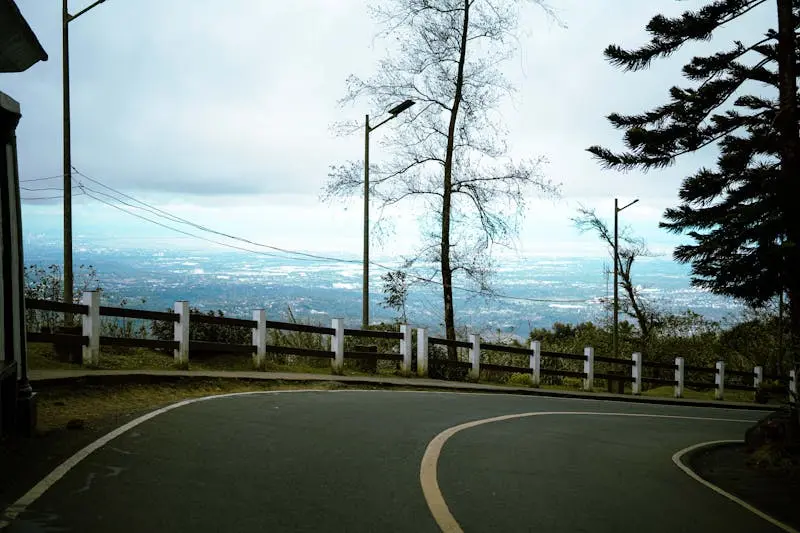
Što raditi u Tagaytay, Philippines
Fotografiju je napravio Justin Rieta na Pexels.com
Kada posjetiti
Kada putujete u Tagaytay, Philippines?
Odaberite datume i stil putovanja da dobijete:
Je li vam nešto od ovoga posebno važno?
Odaberite sve što se odnosi
Plan language: HrvatskiNajpopularnije atrakcije u Tagaytay, Philippines
Things to do in Tagaytay, Philippines include exploring the breathtaking Taal Volcano, just 30 kilometers away, offering stunning lake and crater views. Enjoy fun rides and panoramic scenes at Sky Ranch. Do not miss People's Park in the Sky, a historical site providing expansive vistas of the city and surrounding mountains.
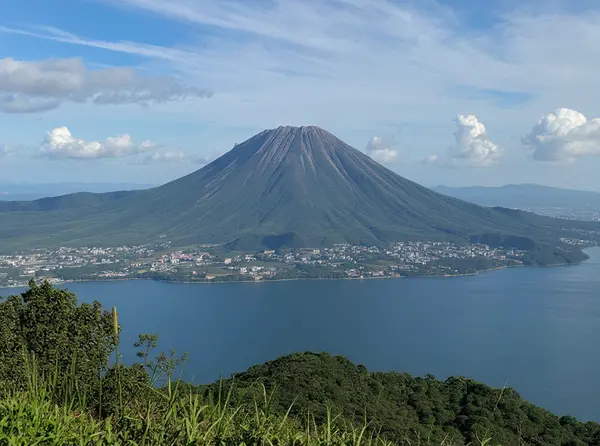
1. Taal Volcano
Explore the unique volcanic lake and climb into the crater for natural steam and enchanting morning mist.
Brze činjenice: The volcanic crater in the lake surrounds a roughly 5-kilometer-wide pond, creating a "volcano within a volcano" landscape. The crater lake is the smallest active volcano in the Philippines, with its last eruption occurring in 2020.
Istaknuto: Climb to the volcanic crater by the lake and you will feel the smell of sulfur and hear the warm steam vents, like the breath of nature. At sunrise, the lake is shrouded in mist, and looking into the distance the smoke dances, creating a dreamlike scene.
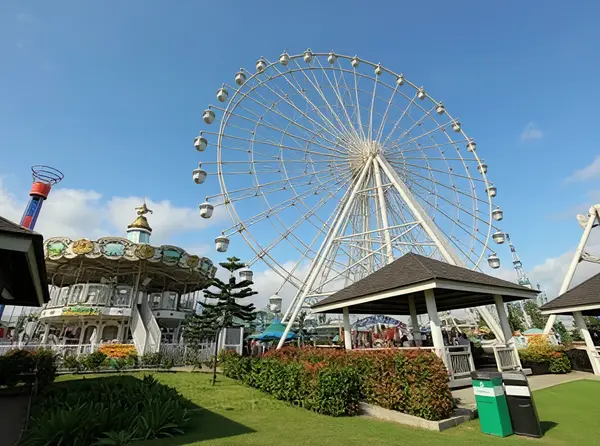
2. Sky Ranch
A must-visit high-altitude Ferris wheel offers views of the volcanic lake and mountains. Enjoy colorful rides and delicious food for family fun.
Brze činjenice: There is a Ferris wheel standing 40 meters tall, the tallest in the area, offering an excellent view overlooking Tagalog and the surrounding volcanoes. The place features multiple themed amusement zones and a food street, attracting over 500,000 visitors annually.
Istaknuto: A full rotation on the Ferris wheel takes about 15 minutes. From the top, you can enjoy spectacular views of the Taal volcano crater and the lake surface, especially at sunset. There is also a viewing platform in the park designed as a mini suspension bridge, where visitors can experience the thrill of an aerial walk.
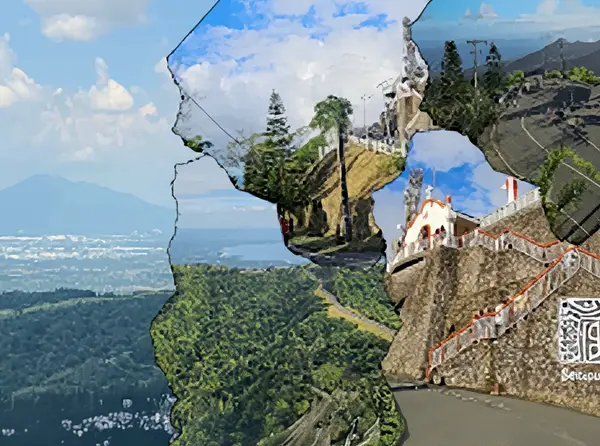
3. People's Park in the Sky
A breathtaking, high-altitude view of volcanoes and seas of clouds will inspire you. Visit the lost presidential villa to experience the fusion of history and nature.
Brze činjenice: Temelj lokacije planiran kao vila za odmor predsjednika Filipina, ali nije dovršen zbog potresa. Pogled s ovog mjesta pruža spektakularan pogled na vulkan Taal i okolni krajolik Tagaytay.
Istaknuto: Posjetitelji mogu istražiti ovu polupraznu predsjedničku vilu, s mnogo zidova koji još uvijek pokazuju povijesne grafite i ratne rupe od metaka. Posebno u rano jutro, morski oblaci na vrhu planine kreću se poput plime, stvarajući čarobnu vizualnu poslasticu.
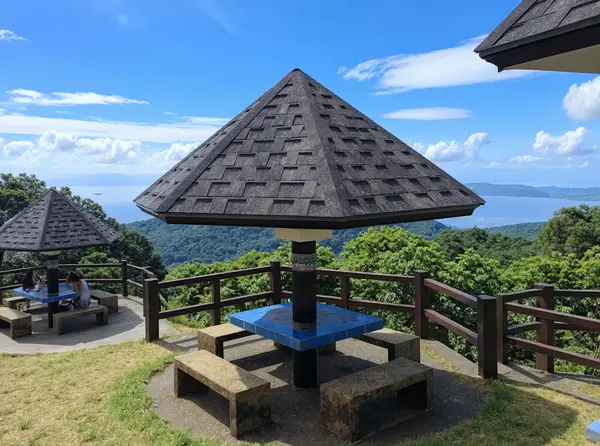
4. Picnic Grove
A relaxing getaway worth exploring. Enjoy ziplining and lakeside walks.
Brze činjenice: There are spacious walking areas and various entertainment facilities, including ziplining and boating. It attracts thousands of tourists every year, especially during holidays and weekends.
Istaknuto: The hammock area on the grass has become a popular photo spot, where tourists enjoy the cool breeze leisurely. The lakeside train-themed restaurant offers local snacks, adding a unique rural charm.
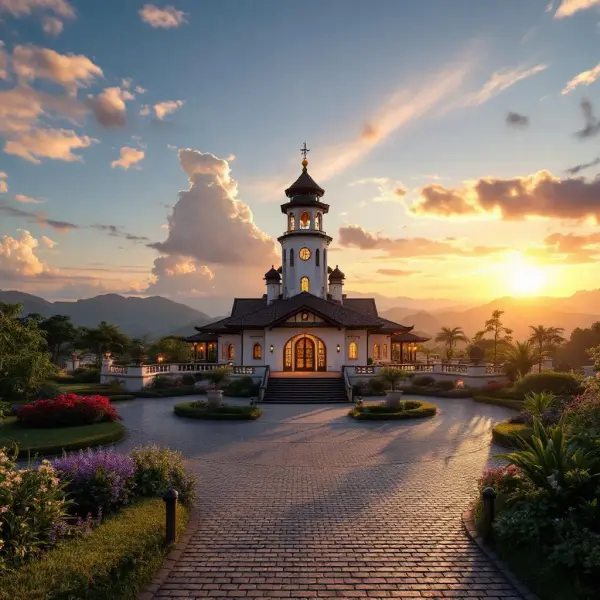
5. Museo Orlina
Enter a wondrous world of crystal art, admiring 500 unique sculptures. Experience the magical charm of light and sparkling crystals in a serene artistic atmosphere.
Brze činjenice: The museum exhibits about 500 crystal art sculptures, all created by Filipino artists, award-winning sculptor Jean Oliner and his son. The fine details and unique designs of each sculpture attract tens of thousands of visitors from around the world.
Istaknuto: Inside the museum, there is a giant crystal "Tree of Life," standing 7 meters tall and weighing 1.2 tons. Visitors can walk around it to capture panoramic photos. At night, a special illuminated crystal light show creates a magical viewing experience.
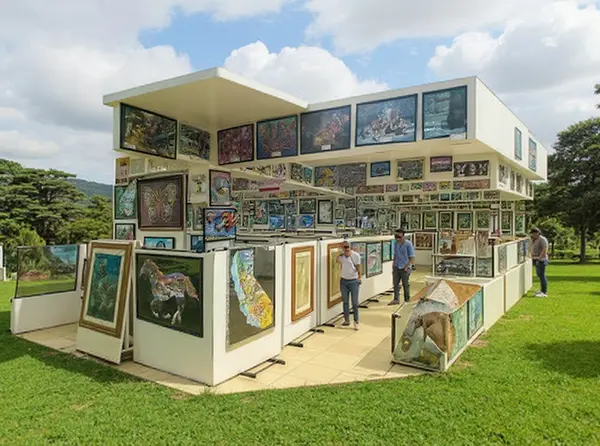
6. Puzzle Mansion
A must-visit for puzzle lovers. Experience the charm and creative art of a million-piece puzzle.
Brze činjenice: With a collection of over 1,000,000 puzzles, it is the museum with the largest puzzle collection in the world. The exhibition halls feature puzzle art and history exhibitions, attracting countless puzzle enthusiasts.
Istaknuto: Uniquely, the museum's puzzle wall is 4 meters high, showcasing the delicacy and patience of puzzle art. The owner meticulously collects puzzle works, from small to giant, presenting the diverse charm of puzzles.
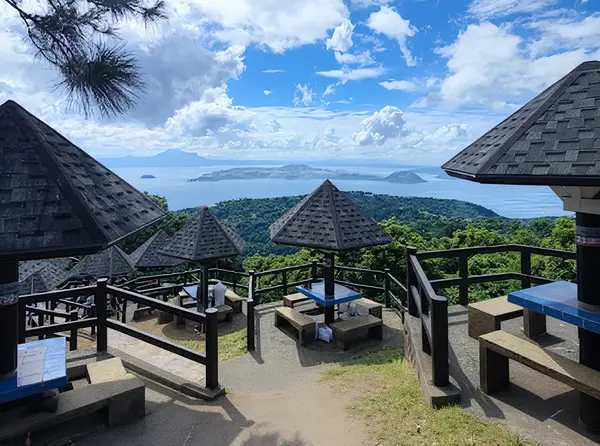
7. Tagaytay Picnic Grove Cable Car
A high-altitude cable car takes you across the valley, offering experiences of humid mountain winds and magnificent volcanic views. Enjoy a natural feast of grasslands, canyons, and distant bays within minutes.
Brze činjenice: Sjedeći u jednosjednoj žičari, pogled na 150 hektara travnjaka i planinske vjence odozgo je zapanjujući. Žičara je duga oko 420 metara, prelazi preko velikog kanjona, a vožnja traje oko 5 minuta.
Istaknuto: Tijekom vožnje žičarom mogu se vidjeti veličanstveni pogledi na zaljev Manila i vulkan Taal, a po vedrom vremenu može se jasno vidjeti i obala. Ispod žičare nalaze se staze za pješačenje i zip line park, a spoj visine i prirode iznimno je uzbudljiv.

8. Mahogany Market
Immerse yourself in authentic Filipino market culture and taste local specialties like dried beef. Enjoy bargaining and discover a rich variety of fresh ingredients and handicrafts.
Brze činjenice: Štandovi s obiljem svježeg mesa i povrće svakodnevno privlače tisuće lokalnih stanovnika i turista. Tržnica nudi širok izbor lokalnih delicija i rukotvorina, što je čini izvrsnim mjestom za doživljaj filipinskog načina života.
Istaknuto: Najpoznatiji u tržnici je 1,8 metara dug filipinski goveđi suho meso, lokalno poznat kao "Mahoghan". U jutarnjim satima možete vidjeti živopisne scene cjenkanja, s prodavačima koji pozivaju u tradicionalnom filipinskom naglasku, a njihovi glasovi se stapaju u jedinstveni ritam tržnice.
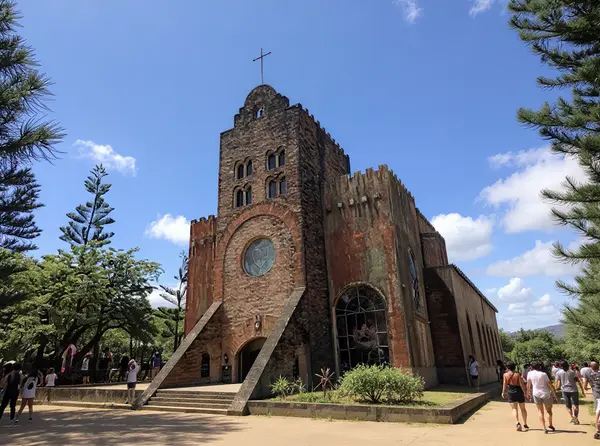
9. Caleruega Church
Perfect for those seeking inner peace. Enjoy tranquil moments of sunshine on white walls.
Brze činjenice: The main structure of the church features Spanish colonial architecture, with white walls gleaming in the sun. It attracts tens of thousands of pilgrims and tourists annually, becoming a popular spot for quiet prayer and photography.
Istaknuto: The century-old oak trees at the entrance make you feel like you are walking through a time tunnel, and the peaceful atmosphere calms the mind. On important religious holidays, the church hosts unique candlelight prayer services that illuminate the entire building.
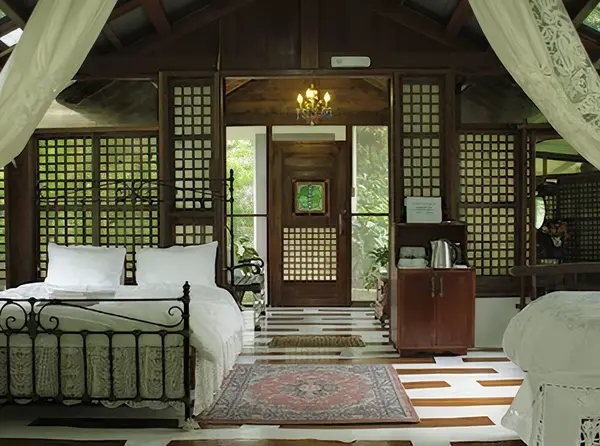
10. Sonya's Garden
A perfect blend of country flavors and natural beauty. Participate in picking experiences and enjoy natural meals.
Brze činjenice: The garden features over 400 species of plants, including various herbs and local flowers. The entire park combines a farm, restaurant, and garden, creating a unique rural atmosphere.
Istaknuto: Freshly picked flowers and herbs are used in the restaurant's dishes daily, and visitors can experience picking them firsthand. The stone maze and handmade pottery displays in the garden give this place a unique cultural feel.
Where to Stay in Tagaytay, Philippines
Selected by City Buddy based on guest reviews and proximity to top attractions
Search all hotels in Tagaytay, PhilippinesPowered by agoda
Tradicionalna slatka jela

Turon
Turon is a popular street food in Tagaytay made with saba bananas and jackfruit wrapped in spring roll wrappers, then fried to a crispy golden brown.

Leche Flan
Leche Flan is a rich and creamy caramel custard dessert widely enjoyed in Tagaytay, often served during special occasions and fiestas.

Buko Pie
Buko Pie is a traditional coconut custard pie that originated from the Tagaytay area, known for its flaky crust and sweet, creamy filling.
Tradicionalna slana jela

Bulalo
Bulalo is a famous Tagaytay beef marrow stew, cooked slowly until the meat is tender and the broth is flavorful and rich, perfect for the cool climate.

Pandesal with Kesong Puti
Pandesal with Kesong Puti is a popular breakfast choice in Tagaytay, combining soft Filipino bread with a unique white cheese made from carabao's milk.
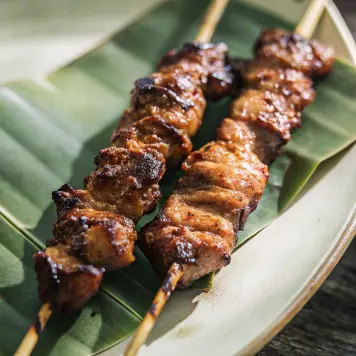
Pork Barbecue
Pork Barbecue skewers are a favorite savory street food in Tagaytay, marinated in a blend of soy sauce, calamansi, and brown sugar before grilling.
Tradicionalna pića

Kapeng Barako
Kapeng Barako is a strong and bold coffee variety native to the Philippines, particularly enjoyed in Tagaytay for its robust flavor and aroma.

Samalamig
Samalamig refers to a variety of traditional Filipino cold drinks and refreshments, commonly sold by street vendors in Tagaytay to beat the heat.

Fresh Pineapple Juice
Tagaytay is surrounded by pineapple plantations, making fresh pineapple juice a refreshing and iconic beverage in the area.
Frequently Asked Questions about Tagaytay, Philippines
Is Tagaytay safe in the Philippines?
How many days are recommended for a trip to Tagaytay?
When is the best time to visit Tagaytay?
Is Tagaytay expensive?
How to get around Tagaytay?
Pošaljite PDF s najpopularnijim atrakcijama na svoju e-poštu
Preuzmite PDF sa svim atrakcijama, ocjenama i savjetima. Savršeno za korištenje bez interneta.
Najpopularniji jednodnevni izleti
People's Park in the Sky
A historical urban park with panoramic views.
Tagaytay Picnic Grove
A popular picnic spot with zipline and horseback riding.
Kako doći
Zračne luke
Željezničke stanice
South Main Line
From the airport, take a private car or shuttle to Tagaytay for convenience; train travel involves a transfer by bus or jeepney.
Pronađite letove za Tagaytay, Philippines
Kliknite za eSim za Tagaytay, Philippines
Najlakši i najpovoljniji način za dobivanje mobilnog interneta gdje god putovali.
Komentari (5)
The view of Taal Volcano is stunning but be prepared for the tourists around the lookout spots. A day is enough here unless you want to explore nearby places like leisure farms.
If you're driving, start early to avoid traffic jams and park at the less crowded spots near Picnic Grove. Also, try 'Bulalo' at Mahogany Market, it’s way better and cheaper than restaurants on the ridge.
Avoid weekends if you hate crowds and check the weather for foggy days, it messes up the volcano view. Also, local jeepneys are cheap and fun, don’t rely on taxis everywhere.
Had mixed feelings. The place is relaxing but the commercial areas felt too touristy. Would recommend a quick trip, more for the scenery than the city atmosphere.
Tagaytay's weather was cooler than I expected and really refreshing. Great spot to unwind but expect some crowd on weekends. Food was decent but a bit pricey for the small town vibe.