 CityBuddy
 Italiano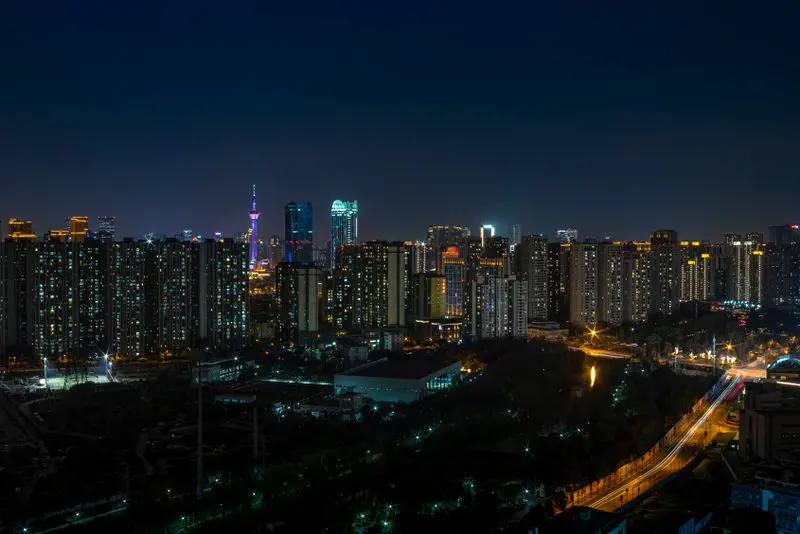
Cosa fare a Chengdu, China
Foto di AG ZN su Pexels.com
Quando visitare
Chengdu è la n. 3 città per gli amanti del cibo al mondo, in base ai nostri dati su centinaia di destinazioni.
Attrazioni più popolari a Chengdu, China
Quando si parla di attrazioni turistiche consigliate a Chengdu, la più affascinante è senza dubbio la Chengdu Research Base of Giant Panda Breeding, dove vivono oltre 80 panda giganti, e l'orario della mattina dedicato all'alimentazione è il più vivace. Successivamente si può visitare Kuanzhai Alley (Wide and Narrow Alley), un'antica strada della dinastia Qing composta da Vicolo Largo, Vicolo Stretto e Vicolo Pozzo, che conserva l'atmosfera di vita dei cortili della vecchia Chengdu. Il Wuhou Shrine, invece, commemora il famoso cancelliere del periodo dei Tre Regni, Zhuge Liang, e all'interno del tempio gli antichi cipressi si ergono verso il cielo, con un forte senso di storia. Questi tre luoghi racchiudono le esperienze culturali e naturali più essenziali di Chengdu.
1. Chengdu Research Base of Giant Panda Breeding
L'esperienza definitiva per osservare da vicino il tesoro nazionale: guardare i panda rotondi sgranocchiare bambù cura la stanchezza di tutta la giornata. Passeggiando tra i sentieri del bosco di bambù, dai cuccioli adorabilmente goffi agli adulti che mangiano con calma, ogni istante merita di essere immortalato.
Fatti rapidi: Ogni giorno oltre 100 panda giganti vivono qui, dai cuccioli appena nati di colore rosa fino agli adulti. È anche il più grande centro di ricerca per l'allevamento artificiale di panda giganti al mondo, che ha già allevato con successo oltre 300 esemplari.
Punti salienti: Il primo mattino è il momento più magico qui. I cuccioli di pochi mesi emettono versi simili a quelli di un cucciolo di cane nelle loro culle, mentre i guardiani danno il biberon collettivo durante il "nido dei panda". Vedere dozzine di soffici cuccioli di panda allineati per bere il latte è una gioia che ti scioglie il cuore.
2. Wuhou Shrine
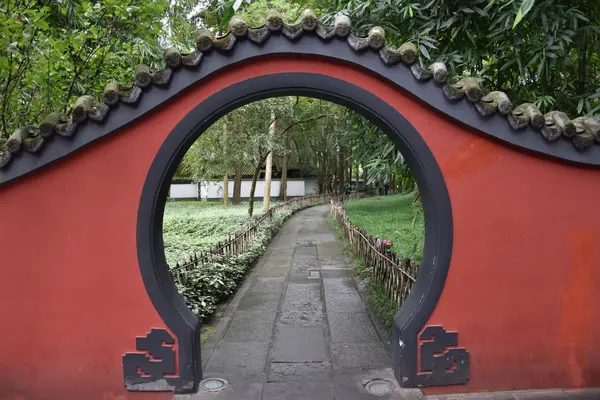
Entra nel mondo leggendario degli eroi dei Tre Regni e percepisci la forza spirituale della totale dedizione di Zhuge Liang. Attraversando mura rosse e cipressi antichi, tra volute d'incenso, dialoghi con mille anni di storia.
Fatti rapidi: All'interno del tempio, che occupa 37.000 metri quadrati, è custodita la «Stele delle Tre Meraviglie», con testo redatto dal cancelliere della dinastia Tang Pei Du e calligrafia del calligrafo Liu Gongchuo. Più di 2.000 cipressi secolari circondano gli edifici con mura rosse e tegole grigie; uno di essi, secondo la leggenda, fu piantato personalmente da Zhuge Liang e ha più di 1.700 anni.
Punti salienti: Sulla grondaia della sala principale ci sono 47 statuette in terracotta raffiguranti personaggi dei Tre Regni, ciascuna con un'espressione diversa; quando piove, la superficie smaltata emana un bagliore verde-azzurro. Ancora più particolare è il fatto che l'odore dell'incenso di sandalo che sale dai bracieri si mescoli alla fragranza dei cipressi secolari, avvolgendo l'intero cortile in una sensazione di quiete che attraversa mille anni.
3. Du Fu Thatched Cottage
Entra nel luogo della capanna di paglia dove il santo poeta visse rifugiandosi a Chengdu, e respira l'odore di bambù e terra. Nel cortile ombreggiato dal bambù, sorseggia un tè in tazza col coperchio e ascolta i locali recitare le poesie di Du Fu in dialetto del Sichuan.
Fatti rapidi: Ogni anno oltre 2 milioni di visitatori arrivano in questo giardino tranquillo dedicato al poeta saggio. All'interno, oltre 800 distici e più di 150 stele compongono la più grande collezione di calligrafie su Du Fu della Cina.
Punti salienti: Nello stagno di loto davanti alla capanna di paglia vivono decine di tartarughe raccolte dal centro storico di Chengdu. Sono qui da oltre vent'anni e la gente del posto le chiama "i guardiani del poeta saggio". Ogni anno, il terzo giorno del terzo mese lunare, l'amministrazione del parco allestisce i quattro tesori dello studio per permettere ai visitatori di copiare le poesie di Du Fu davanti alla capanna, con carta e inchiostro completamente gratuiti.
4. Mount Qingcheng
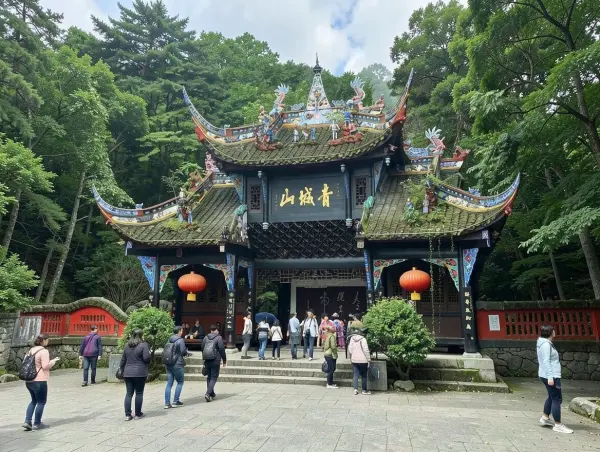
Vuoi sentire la silenziosa forza della cultura taoista tra le verdi montagne? Sali lungo i gradini di pietra: campane del mattino dell'antico tempio, sorgenti limpide e canti di uccelli ti accompagnano, con panorami che lungo tutto il percorso ti fanno dimenticare il rumore della città.
Fatti rapidi: Il monte Qingcheng è diviso in fronte e retro: sul fronte i templi taoisti si susseguono e l'incenso è abbondante, mentre sul retro l'atmosfera è più appartata e selvaggia. È uno dei luoghi d'origine del taoismo cinese; sull'intera montagna sono rimasti 36 templi taoisti, costruiti a partire dalla dinastia Han orientale.
Punti salienti: Nella nebbia mattutina davanti al Padiglione di Laozi, puoi scorgere le figure in bianco dei monaci taoisti che praticano il taiji, appena visibili e svanenti, come se attraversassero mille anni. Ancora più incantevole è il fatto che il suono del ruscello nella Gola dei Cinque Draghi sul retro si intrecci al canto degli uccelli, e lungo il cammino si possono incontrare macachi selvatici di montagna, in un'atmosfera che non ha nulla da invidiare a qualsiasi romanzo di arti marziali.
5. Leshan Giant Buddha
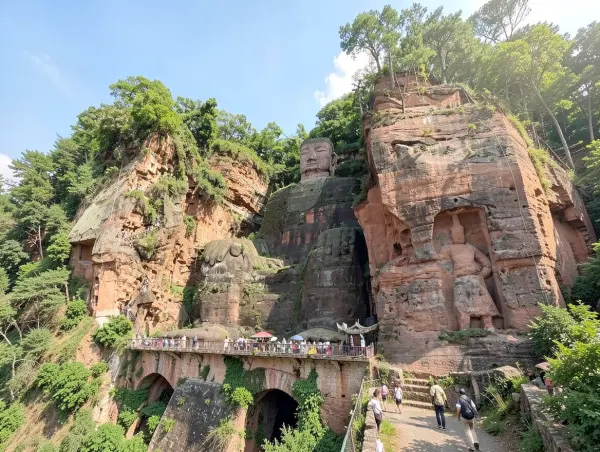
Assisti con i tuoi occhi alla più grande statua del Buddha scolpita nella roccia al mondo e ammira l'arte straordinaria degli artigiani della dinastia Tang. Percorri la scalinata a nove curve dalla testa ai piedi del Buddha e ascolta l'eco millenaria alla confluenza dei tre fiumi.
Fatti rapidi: Questa scultura rupestre alta 71 metri sorge alla confluenza di tre fiumi, è più alta di un edificio di 20 piani e il solo dorso dei piedi è grande quanto due campi da basket. L'intero Grande Buddha fu scolpito in 90 anni, portato a termine da tre generazioni di artigiani che si susseguirono, e sul suo corpo fu un tempo edificato un padiglione di 13 piani per proteggerlo dall'erosione di vento e pioggia.
Punti salienti: Il Grande Buddha è stato sottoposto a un restauro durato 20 anni, durante il quale gli artigiani hanno scoperto sulla sua testa oltre mille mattoni originali della dinastia Tang. Ancor più sorprendente è il fatto che all'interno di orecchie e capelli del Buddha si nasconda un ingegnoso sistema di drenaggio, progettato abilmente dagli artigiani Tang, che consente a questo colosso di continuare a sedere maestosamente dopo mille anni di vento e pioggia.
6. Sanxingdui Museum
Entra in un misterioso regno antico mai registrato nei libri di storia e assisti con i tuoi occhi a una civiltà del bronzo di 3000 anni fa che supera ogni immaginazione. L'albero sacro di bronzo alto tre metri, le maschere con gli occhi sporgenti: ogni reperto sovverte la tua conoscenza della civiltà cinese.
Fatti rapidi: Più di mille maschere di bronzo, alberi sacri e zanne d'avorio sono tornati alla luce nel 1986 da due fosse sacrificali, e ciascuno ha una forma straordinaria, del tutto diversa dai bronzi della Cina centrale. Gli archeologi non hanno ancora trovato alcuna testimonianza scritta: a quale antico regno appartenessero questi reperti e perché siano stati sepolti resta un mistero irrisolto.
Punti salienti: L'albero sacro di bronzo è alto 3,96 metri, diviso in tre livelli di rami, su ciascuno dei quali riposano nove uccelli divini, e sulla cima sta in piedi una bestia propizia; l'intero albero tocca il soffitto partendo dal pavimento della sala espositiva. La cosa più straordinaria sono le maschere dagli occhi sporgenti, i cui bulbi oculari sporgono verso l'esterno per ben 16 centimetri, che somigliano moltissimo all'immagine di un alieno, facendo trattenere il fiato a ogni visitatore che vi si trova davanti.
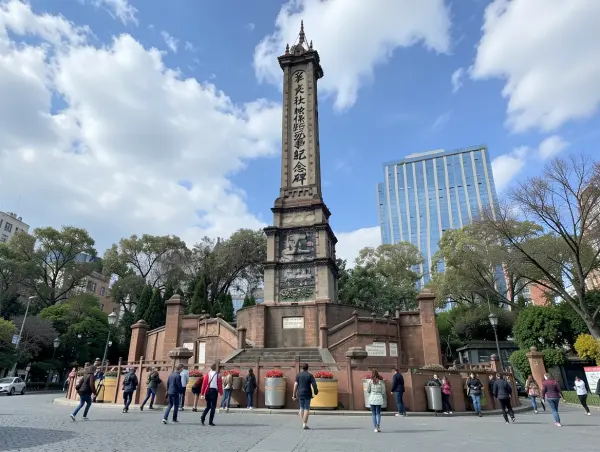
7. People's Park
Vuoi tuffarti in un attimo nella vita lenta della vecchia Chengdu? Vieni qui, bevi il tè, fatti pulire le orecchie, guarda i passanti perdersi nei pensieri, e mezza giornata vola via in un lampo.
Fatti rapidi: Questa oasi verde nel centro della città, che occupa oltre 70 mu, attira ogni giorno decine di migliaia di cittadini che vi si recano per bere il tè, ballare e giocare a mahjong. Il bosco di ginkgo secolari del parco, ogni autunno, diventa un mare dorato, ed è nel cuore degli abitanti di Chengdu il luogo di svago più popolare e genuino che ci sia.
Punti salienti: Nel cuore del parco, la casa da tè Heming opera dal 1923: sedie di bambù, bollitori di rame, tè in tazze con coperchio, una tazza costa solo una decina di yuan, e puoi restarci seduto tutto il giorno senza che nessuno ti scacci. Ogni domenica mattina si tengono contemporaneamente l'angolo dell'inglese e l'angolo degli incontri di coppia; la scena di anziani dai capelli bianchi che conversano in un inglese fluente con studenti stranieri, probabilmente si può vedere solo qui in tutta la Cina.
Where to Stay in Chengdu, China
Selected by City Buddy based on guest reviews and proximity to top attractions
Search all hotels in Chengdu, ChinaPowered by agoda
Dolci tradizionali
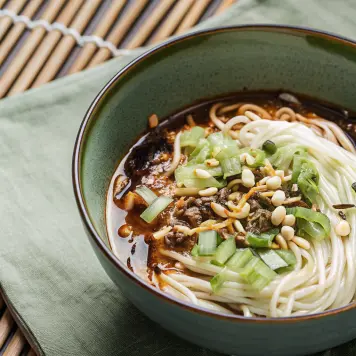
Dandan Mian (Dan Dan Noodles)
Despite being a noodle dish, Dandan Mian is often served as a sweet and savory street food. Its name comes from the bamboo pole (dan dan) that street vendors used to carry the noodles and sauce on their shoulders.
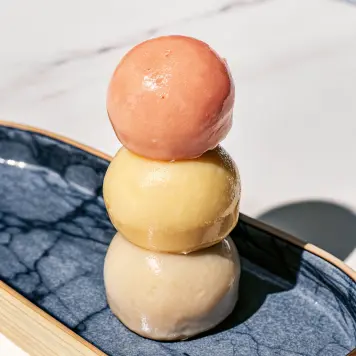
Three Balls (San Da Pao)
San Da Pao, or Three Big Bangs, is a Chengdu dessert made from glutinous rice that makes three loud sounds when prepared. The pounding and shaking of the rice cakes create a theatrical performance as the vendor calls out each bang.
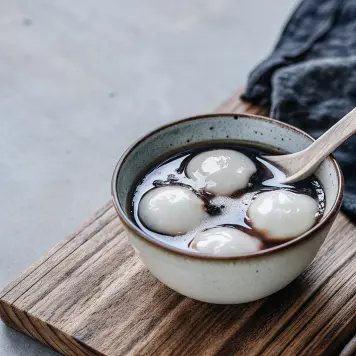
Sweet Rice Balls (Tangyuan)
Tangyuan are glutinous rice balls filled with black sesame paste or sweet bean paste, often served in a warm ginger syrup. In Chengdu, these are especially popular during the Lantern Festival as their round shape symbolizes family togetherness.
Piatti salati tradizionali
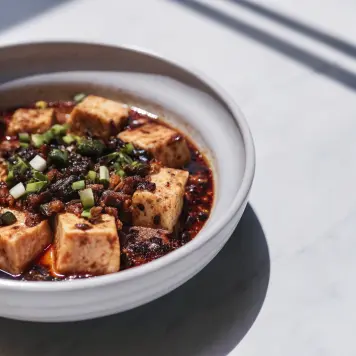
Mapo Tofu
This iconic Chengdu dish features soft tofu in a fiery sauce of doubanjiang (fermented bean paste) and Sichuan peppercorns. It is named after an elderly pockmarked woman (ma po) who supposedly invented the recipe in a small Chengdu eatery.
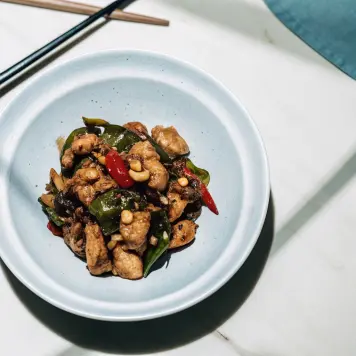
Kung Pao Chicken (Gong Bao Ji Ding)
This dish originated in Chengdu and is named after Ding Baozhen, a Qing Dynasty governor whose title was "Gong Bao" (Palace Guardian). The original recipe uses only chicken, peanuts, and chili peppers without the vegetables often added in Western adaptations.
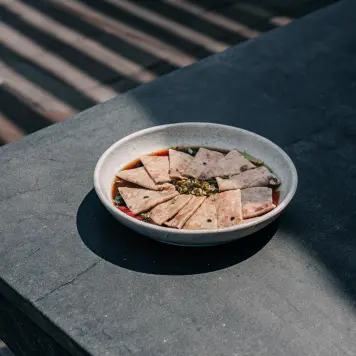
Fuqi Feipian (Husband and Wife Lung Slices)
Despite its literal name meaning "husband and wife lung slices," this dish actually contains no lung tissue but rather thinly sliced beef and offal. It was created by a married couple who sold the spicy, numbing cold beef dish from a pushcart in Chengdu.
Bevande tradizionali
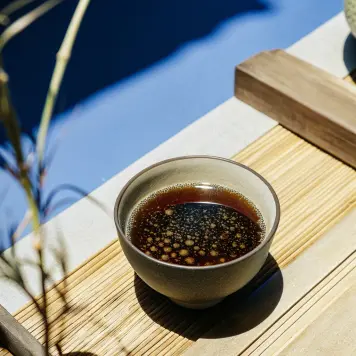
Sichuan Buckwheat Tea (Ku Qiao Cha)
Ku Qiao Cha is a nutty, slightly bitter tea made from roasted tartary buckwheat grown in the highlands of Sichuan. It is caffeine free and believed to help with digestion, especially after eating Chengdu's famously spicy food.

Suan Mei Tang (Sour Plum Drink)
This tangy, sweet beverage is made from smoked plums, rock sugar, and licorice root, and is a cherished Chengdu summer drink. It is said to have been invented during the Song Dynasty to cool down emperors in the heat.
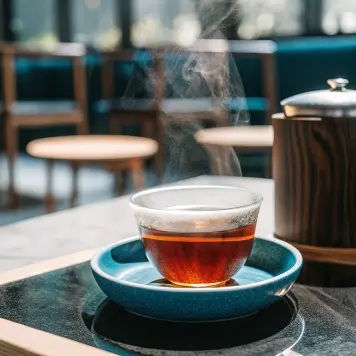
Gaiwan Tea (Covered Bowl Tea)
The gaiwan, a lidded bowl used for brewing and drinking tea, is inseparable from Chengdu's teahouse culture where locals spend hours sipping, socializing, and playing mahjong. Chengdu has the most teahouses of any city in China, with thousands dotting its streets and parks.
Domande frequenti su Chengdu, China
È sicuro viaggiare a Chengdu?
Quanti giorni sono consigliati per visitare Chengdu?
Qual è il periodo migliore per visitare Chengdu?
Viaggiare a Chengdu è costoso?
Come ci si sposta nel centro di Chengdu?
Ricevi un PDF con le attrazioni più popolari via email
Ricevi un PDF con tutte le attrazioni, valutazioni e consigli. Perfetto per l'uso offline.
Gite di un giorno più popolari
Leshan Giant Buddha
Home to the world's largest stone Buddha statue carved into a cliff face.
Mount Qingcheng
Ancient Taoist mountain with lush greenery and serene temples.
Dujiangyan Irrigation System
Ancient irrigation system still in use, a UNESCO World Heritage site.
Panda Base (Bifengxia)
Giant panda breeding and research center in a lush valley setting.
Mount Emei
Sacred Buddhist mountain with stunning sunrise views and monasteries.
Come arrivare
Aeroporti
Stazioni ferroviarie
High-speed rail to Xi'an, Chongqing, Guangzhou, Shanghai, Beijing
High-speed rail to Leshan, Mount Emei, Kunming
High-speed rail to Dujiangyan, Qingchengshan
From Shuangliu Airport (CTU), take Metro Line 10 to city center in 30 minutes. Tianfu Airport (TFU) is farther; use the Airport Express Bus or Metro Line 18.
Informazioni utili per Chengdu, China
Panoramica di Chengdu, China
Vuoi un piano giorno per giorno per Chengdu, China? Apri il pianificatore di viaggio
Quando andrai a Chengdu, China?
Scegli le date e lo stile di viaggio per ottenere:
Qualcosa di particolarmente importante per te?
Seleziona tutto ciò che si applica
Come spostarsi
Come vuoi spostarti tra i luoghi?
Lingua del piano: Italiano