 CityBuddy
 Italiano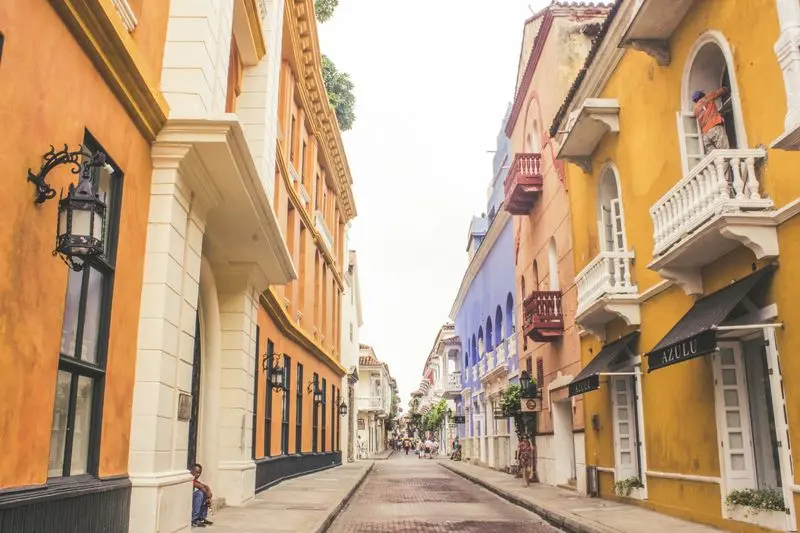
Cosa fare a Cartagena, Colombia
Foto di Maria Paula Medina su Pexels.com
Quando visitare
Quando andrai a Cartagena, Colombia?
Scegli le date e lo stile di viaggio per ottenere:
Qualcosa di particolarmente importante per te?
Seleziona tutto ciò che si applica
Plan language: ItalianoAttrazioni più popolari a Cartagena, Colombia
Quando si pensa a cosa fare a Cartagena, in Colombia, spiccano tre attrazioni. Scalate il Castillo San Felipe de Barajas, vecchio di 300 anni, con i suoi 23 cannoni e 3 chilometri di tunnel. Visitate la Torre del Reloj, la torre dell'orologio del XVII secolo che funge da ingresso al centro storico. Concludete in Plaza Santo Domingo, dove la scultura di Botero riposa sotto i balconi coloniali.
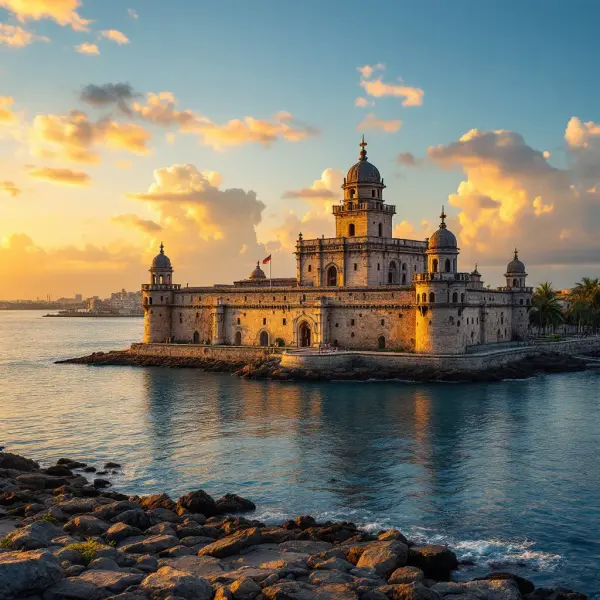
1. Castillo San Felipe de Barajas
Passeggia attraverso tunnel di 450 anni dove i sussurri echeggiano lungo pareti acustiche perfettamente progettate. Dai bastioni più alti, guarda il tramonto dipingere il cielo sopra i Caraibi.
Fatti rapidi: Oltre 20 milioni di mattoni e 130 anni di costruzione hanno plasmato questa fortezza in un imponente complesso difensivo. Le guardie un tempo comunicavano attraverso una rete di tunnel lunga 2 chilometri dove il suono viaggia distintamente lungo le curve pareti in pietra.
Punti salienti: Gli ingegneri progettarono tre livelli di tunnel interconnessi con postazioni d'ascolto angolate, permettendo a un singolo guardiano di individuare gli intrusi da più direzioni simultaneamente. Sulla sommità del bastione più alto, puoi seguire le precise linee di tiro difensivo che un tempo permettevano ai soldati di avvistare le navi in arrivo ore prima che raggiungessero la baia.
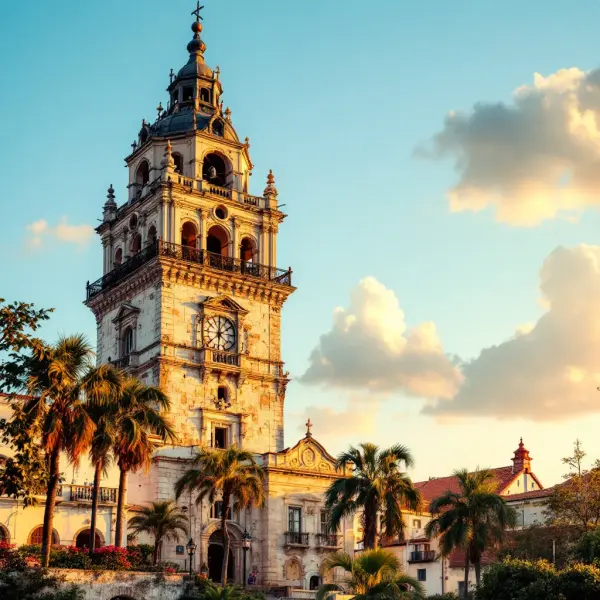
2. Torre del Reloj
Questo arco è stato la porta d'ingresso della città per oltre 400 anni, accogliendo mercanti, viaggiatori e persino pirati. Attraversalo e ti troverai in una piazza incorniciata da balconi pastello, carrozze trainate da cavalli e il ritmico scalpiccio delle scarpe sui ciottoli.
Fatti rapidi: Più di 2 milioni di persone attraversano ogni anno questa porta in pietra corallina, collegando il vivace quartiere Getsemaní con la cittadella coloniale. Il meccanismo dell'orologio sulla sommità fu importato dalla Svizzera all'inizio del XX secolo e segna ancora l'ora grazie a una carica manuale due volte a settimana.
Punti salienti: Guarda attentamente alla base dell'arco e noterai una piccola statua della Vergine Maria infilata in una nicchia, posta lì secoli fa per benedire chiunque entrasse in città. Sul lato della piazza, gli affreschi coloniali sbiaditi sugli edifici adiacenti cambiano colore mentre il sole pomeridiano si muove attraverso la facciata in pietra scolpita.
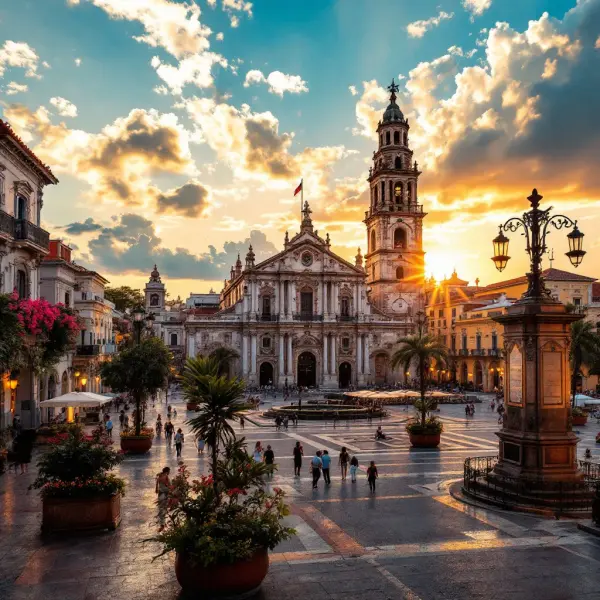
3. Plaza Santo Domingo
Il centro sociale più magnetico di Cartagena dove la famosa dea di bronzo di Botero si rilassa sotto il sole dei Caraibi. Sorseggia una limonata al cocco mentre guardi ballerini di salsa, lustrascarpe e pappagalli appollaiati sui balconi coloniali.
Fatti rapidi: Una scultura in bronzo di una donna procace sdraiata chiamata "La Gorda Gertrudis" di Fernando Botero è il punto focale di questa piazza lastricata. Venditori ambulanti, musica salsa e l'odore di arepas fritte riempiono l'aria dal mattino fino a tarda notte.
Punti salienti: I locali strofinano la Gertrudis di Botero sulla pancia e sulle dita di bronzo per buona sorte, lasciando quei punti lucidati a un bagliore dorato scintillante contro la sua patina più scura. Dopo che un vandalo la danneggiò nel 2006, la città la riparò così a fondo che la cicatrice divenne parte della sua storia, una testimonianza della fiera protezione di Cartagena verso di lei.
Hai mai sentito parlare dei tour a piedi gratuiti?
Dopo aver viaggiato in oltre 30 paesi, c'è una cosa che avrei voluto mi dicessero fin dal primo giorno, e ha completamente cambiato il modo in cui vivo le nuove città.
Tour a piedi gratuiti. Sì, davvero gratuiti. Nessuna carta di credito richiesta. Nessun trucco.
Guida locale, 2-3 ore
Luoghi principali, tesori nascosti, storie locali
100% basato sulle mance
Le guide guadagnano solo con le mance, quindi danno il massimo
Dai la mancia che ritieni giusta
Alla fine, dai la mancia che ritieni giusta
Li ho fatti in decine di città e sono stati il momento clou di quasi ogni viaggio. Se visiti Cartagena, Colombia, fallo il primo giorno. Mi ringrazierai dopo.
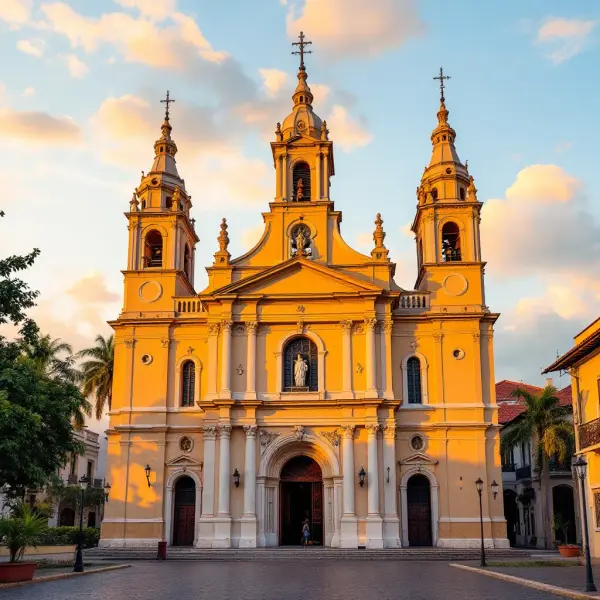
4. Iglesia de San Pedro Claver
Mettiti davanti a un altare di 400 anni dove un vero santo pregava ogni giorno. Passeggia tra chiostri illuminati dal sole, osserva le sue spoglie conservate e senti prendere vita la storia stratificata della Colombia.
Fatti rapidi: San Pietro Claver trascorse 40 anni in questa chiesa battezzando oltre 300.000 schiavi africani giunti attraverso il porto di Cartagena. Il suo corpo notevolmente preservato giace in un sarcofago di vetro vicino all'altare maggiore, ancora vestito con la tonaca che indossava al momento della sua morte nel 1654.
Punti salienti: Sali sul tetto e troverai l'esatto campanile da dove Claver scansionava il porto in cerca di navi negriere in arrivo, preparandosi a offrire conforto. Il chiostro adiacente conserva le stanze originali del santo, dove il suo semplice letto di legno e il crocifisso personale rimangono esattamente come li lasciò.
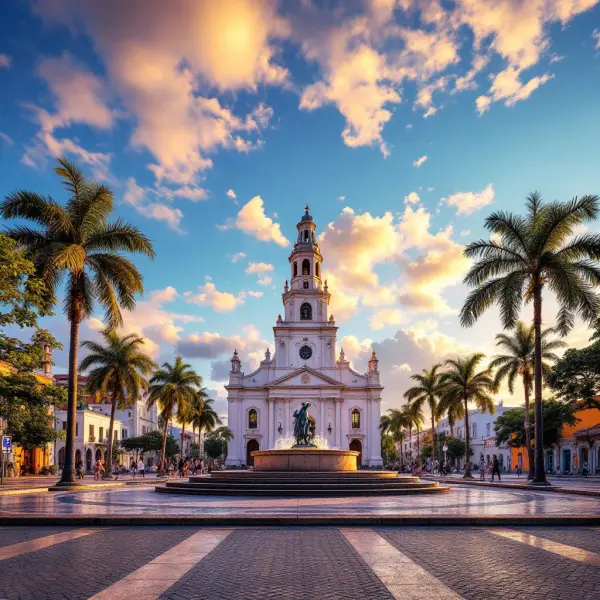
5. Plaza de los Coches
Entra nel cuore coloniale di Cartagena dove un tempo le carrozze trainate da cavalli dominavano i ciottoli. Sorseggia un caffè sotto i portici mentre venditori ambulanti e musicisti animano la piazza intorno a te.
Fatti rapidi: Carrozze trainate da cavalli un tempo fiancheggiavano questa piazza, da cui il nome "Piazza delle Carrozze". Al centro si erge una statua di Pedro de Heredia, il conquistador spagnolo che fondò Cartagena nel 1533.
Punti salienti: Guarda in alto verso gli edifici che circondano la piazza e noterai balconi in legno dipinti in vivaci gialli e blu, ciascuno con un diverso intaglio decorativo. Quei balconi raccontano la storia della classe mercantile coloniale di Cartagena, che costruì le proprie case e botteghe qui per essere vicina all'attività commerciale del porto.
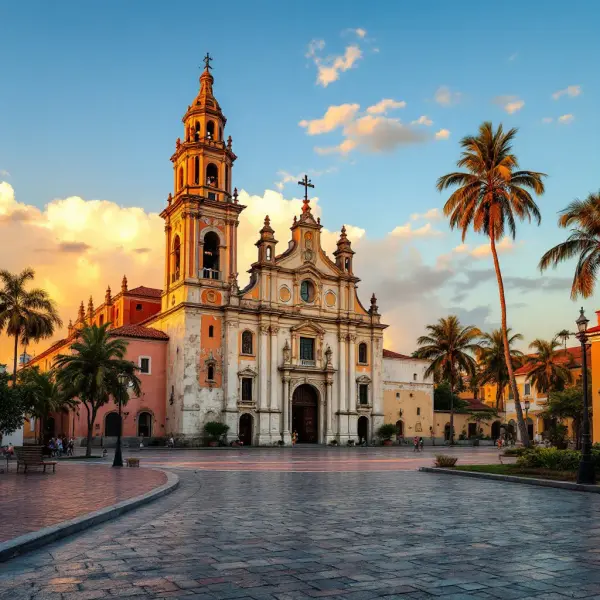
6. Convento de la Popa
Il punto più alto di Cartagena regala le migliori viste della città, della baia e delle isole tutte insieme. Sali sulla terrazza del convento e guarda le navi da crociera scivolare oltre le mura della città vecchia 150 metri più in basso.
Fatti rapidi: Arroccato a 150 metri sul livello del mare, questo convento del XVII secolo offre un panorama a 360 gradi sullo skyline di Cartagena, sulla baia e sul Mar dei Caraibi. La collina prende il nome "Popa" perché i marinai spagnoli pensavano somigliasse al cassero di una nave.
Punti salienti: All'interno della cappella del convento si trova una piccola statua lignea della Vergine della Candelaria, santa patrona di Cartagena, che i locali credono abbia salvato la città da una peste nel XVIII secolo. Ogni 2 febbraio, centinaia di pellegrini salgono la collina per la Fiesta de la Candelaria, portando candele lungo il sentiero di ciottoli all'alba.
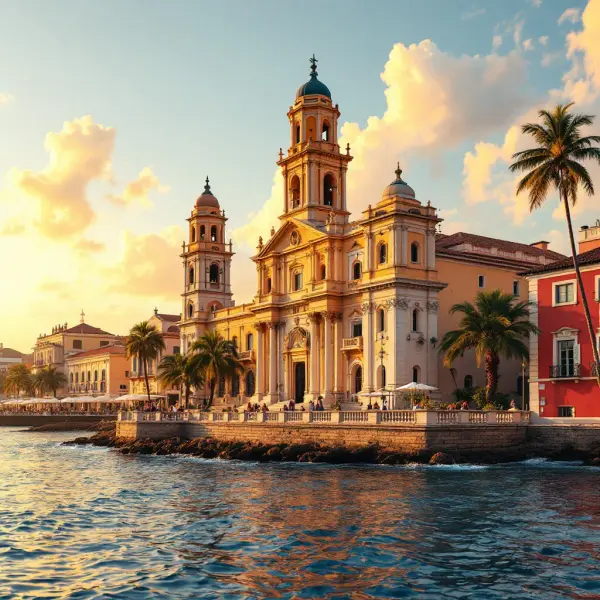
7. Las Bóvedas
Fai acquisti di souvenir colombiani autentici all'interno di antiche volte militari scavate nelle mura della città. Passeggia tra 23 archi pieni di bancarelle artigiane, con la brezza marina e la musica locale che riecheggiano sulla pietra.
Fatti rapidi: Ventitré arcate a nicchia si estendono lungo le antiche mura cittadine, un tempo usate come deposito militare per le truppe spagnole. Queste spesse volte in pietra ospitarono in seguito prigionieri prima di trasformarsi in un colorato mercato di artigianato e arte locale.
Punti salienti: In epoca coloniale, queste volte conservavano polvere da sparo e armi mentre il mare lambiva direttamente le mura esterne, rendendole impenetrabili agli attacchi. Oggi, le stesse arcate risuonano del rumore degli artigiani che intagliano figurine di tagua e tessono borse mochila mentre il reggaeton si diffonde attraverso i corridoi di pietra.
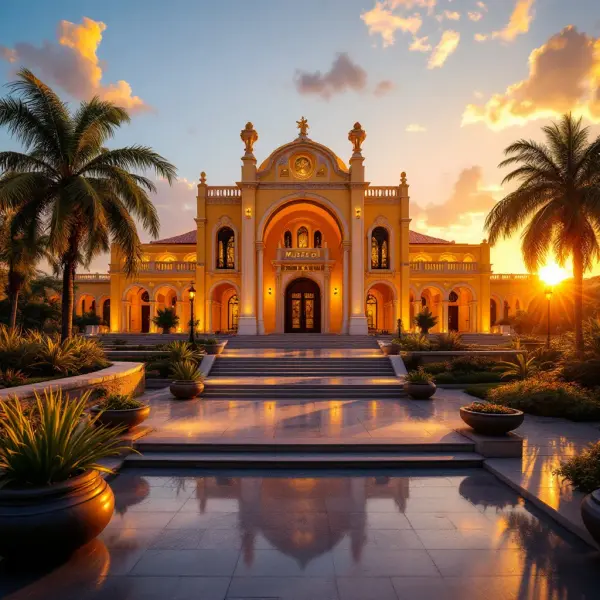
8. Museo del Oro Zenu
Entra in un tesoro di oreficeria indigena che gareggia con qualsiasi collezione in Sud America. Ti troverai faccia a faccia con intricati orecchini in filigrana, maschere cerimoniali e strumenti che rivelano come gli Zenù modellavano l'oro 2.000 anni fa.
Fatti rapidi: Il popolo Zenú che creò questi pezzi d'oro ingegnerizzò un elaborato sistema di canali per controllare le inondazioni in 500.000 ettari di pianure. Alcuni degli orecchini a filigrana e dei pendenti per naso esposti sono così delicatamente intrecciati che pesano meno di una singola graffetta.
Punti salienti: Guarda attraverso il vetro il poporo, un contenitore di calce per foglie di coca, la cui superficie racconta la storia della vita spirituale Zenù attraverso migliaia di minuscoli punti martellati. A differenza degli oggetti d'oro Inca o Aztechi chiusi nei depositi, più di 1.200 pezzi qui sono disposti in vetrine aperte che permettono di vedere il fronte e il retro di ogni manufatto, rivelando come gli artigiani lavoravano entrambi i lati del metallo.
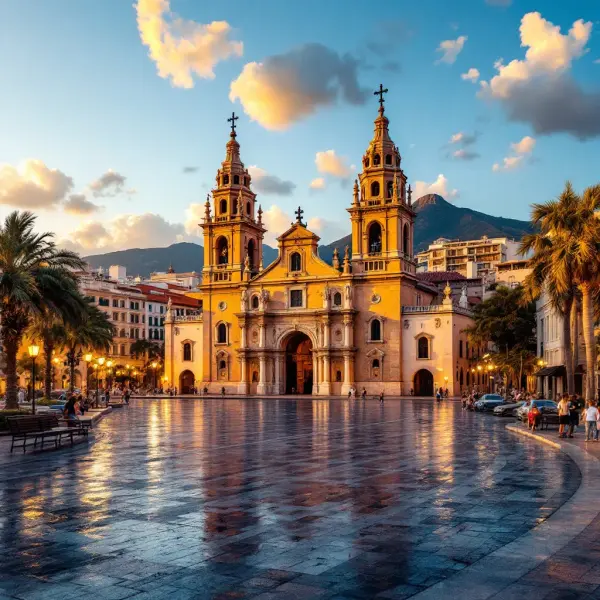
9. Catedral de Cartagena
Una delle cattedrali più antiche delle Americhe, dove la storia coloniale si intreccia con le leggende dei pirati. Mettiti dentro mura che hanno resistito a terremoti, attacchi e 400 anni di tempeste caraibiche.
Fatti rapidi: Tre secoli di costruzione hanno regalato a questa cattedrale un affascinante mix architettonico. L'attacco di Sir Francis Drake del 1586 alla città fermò i primi lavori, lasciando la struttura incompiuta in piedi nella piazza principale per decenni.
Punti salienti: Guarda attentamente l'altare maggiore e noterai una piccola palla di cannone incastonata nel muro, una cicatrice di un attacco piratesco del XVII secolo. Il campanile irregolare della cattedrale racconta un'altra storia: un terremoto del 1830 fece crollare l'originale, e il suo sostituto fu costruito volutamente leggermente storto per evitare futuri crolli.
Where to Stay in Cartagena, Colombia
Selected by City Buddy based on guest reviews and proximity to top attractions
Search all hotels in Cartagena, ColombiaPowered by agoda
Dolci tradizionali
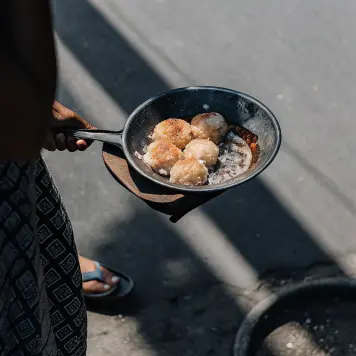
Cocadas
Cocadas are sweet coconut confections that trace their origins to the African diaspora in Cartagena. They are famously sold by palenqueras, Afro-Colombian women in colorful dresses who balance bowls of them on their heads as they walk through the city.
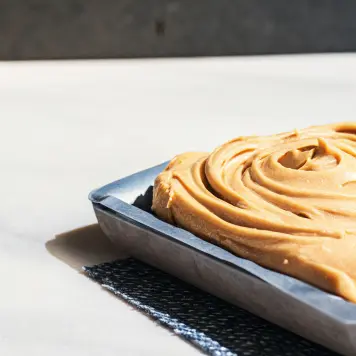
Dulce de Leche (Arequipe)
In Cartagena, dulce de leche is often blended with coconut or fruits like guava to create rich, creamy desserts. It is a staple sweet spread that locals enjoy with cheese or on bread.

Ensalada de Frutas (Fruit Salad)
Cartagena's fruit salad is no ordinary dish; it is a vibrant mix of tropical fruits like mango, papaya, and lulo, often topped with a splash of lime and a sprinkle of salt. Street vendors sell it chilled on hot Caribbean days for a refreshing treat.
Piatti salati tradizionali

Arroz con Coco (Coconut Rice)
Arroz con coco is a quintessential Cartagena side dish made by cooking rice in coconut milk and often sweetened with a hint of sugar. It is typically served alongside fried fish and patacones, creating the classic Caribbean coastal plate.

Mote de Queso
Mote de queso is a hearty, creamy soup made with yam, salted costeño cheese, and herbs. It originated in Cartagena's countryside and is a comforting dish that showcases the region's love for combining cheese with savory stews.
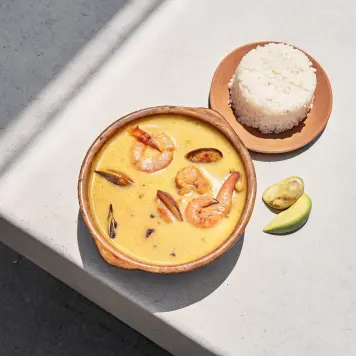
Cazuela de Mariscos (Seafood Stew)
This rich seafood stew is packed with shrimp, fish, crab, and clams simmered in a coconut milk and tomato broth. It reflects Cartagena's coastal location and is often served in a clay pot with rice and avocado on the side.
Bevande tradizionali
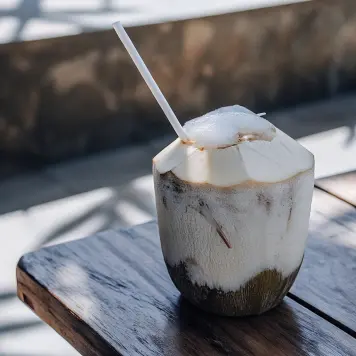
Limonada de Coco (Coconut Lemonade)
Limonada de coco is a creamy, tropical blend of fresh lime juice, coconut milk, and ice that is uniquely popular in Cartagena. Unlike a standard lemonade, it is frothy and rich, making it the ultimate thirst-quencher on a Caribbean afternoon.

Jugo de Lulo
Lulo is a tangy, citrus-like fruit native to Colombia, and its juice is a beloved drink throughout Cartagena. It is often sweetened with sugar and served over ice, offering a bright, zesty flavor that locals swear by for beating the heat.

Aguardiente Antioqueno
Aguardiente is Colombia's signature anise-flavored sugarcane spirit and a favorite at Cartagena's lively street festivals and nightclubs. It is commonly called "guaro" and is typically sipped straight or mixed into cocktails like the popular "Saoco."
Frequently Asked Questions about Cartagena, Colombia
Cartagena, Colombia è sicura?
Quanti giorni servono a Cartagena, Colombia?
Qual è il periodo migliore per visitare Cartagena, Colombia?
Cartagena, Colombia è cara?
Come ci si sposta a Cartagena, Colombia?
Ricevi un PDF con le attrazioni più popolari via email
Ricevi un PDF con tutte le attrazioni, valutazioni e consigli. Perfetto per l'uso offline.
Gite di un giorno più popolari
Islas del Rosario
Stunning coral islands with white sand beaches and clear turquoise water
Playa Blanca (Barú)
Pristine white sand beach with crystal clear Caribbean waters
Volcán de Lodo El Totumo
Famous mud volcano where you bathe in therapeutic warm mud
San Basilio de Palenque
UNESCO heritage village founded by escaped African slaves
Come arrivare
Aeroporti
Stazioni ferroviarie
None. Buses, taxis, and private cars are the main transport options.
From CTG airport, take a taxi or Uber to the Old Town (15 to 20 minutes, around USD 10 to 15). Always agree on price beforehand.
Trova voli per Cartagena, Colombia
Clicca per ottenere eSim per Cartagena, Colombia
Il modo più semplice ed economico per avere internet mobile ovunque tu viaggi.
Commenti (10)
Eat at La Cevicheria for lunch not dinner. Same amazing food but half the price. And skip the restaurants on the main wall, walk one block inland.
Best 4 days ever. The colors, the music, the people. Took a boat to Islas del Rosario and it felt like paradise. Would go back tomorrow.
Always carry small bills. So many places claim to not have change for larger notes. Taxis too, insist on the meter or agree on price before getting in.
Mixed feelings. City is stunning but everything felt overpriced for Colombia. Drinks in Plaza Santo Domingo were twice what I paid in Medellin.
Rainy season caught me off guard. Showers every afternoon but they pass fast. Still managed to see everything and had a great time overall.