CityBuddy
Parque Nacional Natural Tayrona
Periodo migliore per visitare
From December to March to avoid the rains. On weekdays and outside school holidays to enjoy the beaches without the crowds.
Consigli per il budget
Entry around 60,000 COP (foreigners) and 15,000 COP (Colombians). Bring cash, food and water as prices inside are tripled. Collective transport from Santa Marta costs about 10,000 COP.
Consigliato per
Hikers and nature lovers, Travelers looking for adventure, Tropical landscape photographers, Fans of wild beaches
Pianifica la tua visita
1-2 days
Informazioni
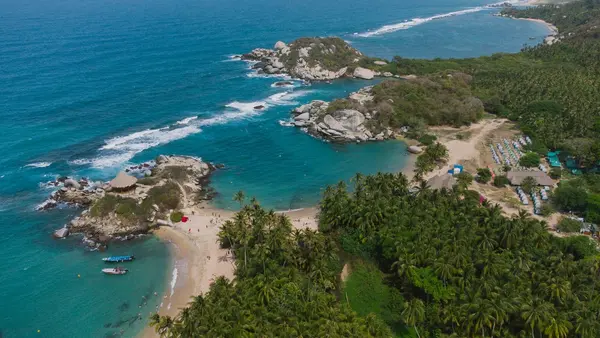
Fatti rapidi: Protegge oltre 15.000 ettari di giungla, montagna e costa caraibica. Le sue acque turchesi lambiscono 30 chilometri di spiagge, tra cui la famosa Cabo San Juan, dove tartarughe marine e scimmie urlatrici convivono.
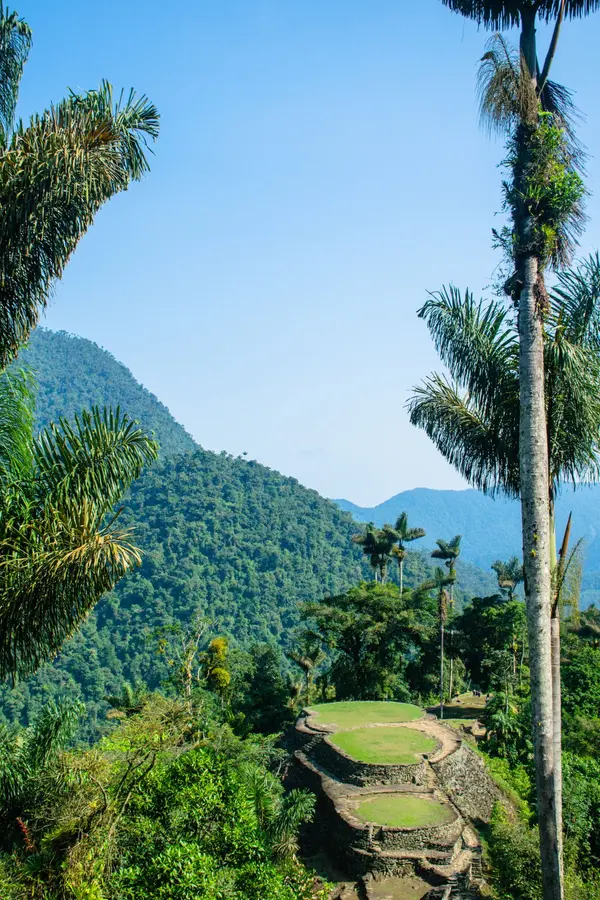
Punti salienti: La Ciudad Perdida, città precolombiana sepolta nella giungla, resta accessibile solo dopo un'escursione di più giorni attraverso la foresta tropicale. I resti in pietra di questa antica città Tayrona, patrimonio mondiale dell'umanità, offrono uno sguardo affascinante su una civiltà che contava fino a 4.000 abitanti 600 anni fa.
Consigli da insider
- Arrive early in the morning before 8 a.m. to avoid the crowds and see the monkeys come down from the trees near the beaches.
- Wear hiking shoes and a swimsuit: the trail to Cabo San Juan alternates between jungle and rocks with steep sections.
- Prefer La Piscina beach if you want to swim safely, the waves at Cabo San Juan can be treacherous for average swimmers.
- Bring a hammock or a tent if you sleep on site, renting on the spot is expensive and comfort is basic.
Where to Stay in Santa Marta
Selected by City Buddy based on guest reviews and proximity to top attractions
Search all hotels in Santa MartaPowered by agoda