 CityBuddy
 Italiano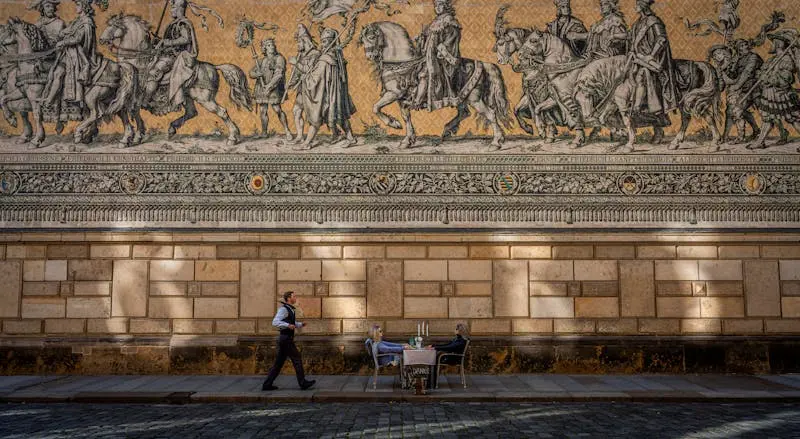
Cosa fare a Dresden, Germany
Foto di Duc N. su Pexels.com
Quando visitare
Quando andrai a Dresden, Germany?
Scegli le date e lo stile di viaggio per ottenere:
Qualcosa di particolarmente importante per te?
Seleziona tutto ciò che si applica
Plan language: ItalianoAttrazioni più popolari a Dresden, Germany
For spectacular things to do in Dresden, Germany, begin at the Zwinger Palace, a Baroque masterpiece whose crown gate and sprawling courtyard host Old Masters paintings including Raphael's Sistine Madonna. Steps away, the reconstructed Frauenkirche Dresden rises with its 96-meter sandstone dome. Music lovers should book tickets for the Semperoper Dresden, a 1,300-seat opera house on the Elbe's bank.
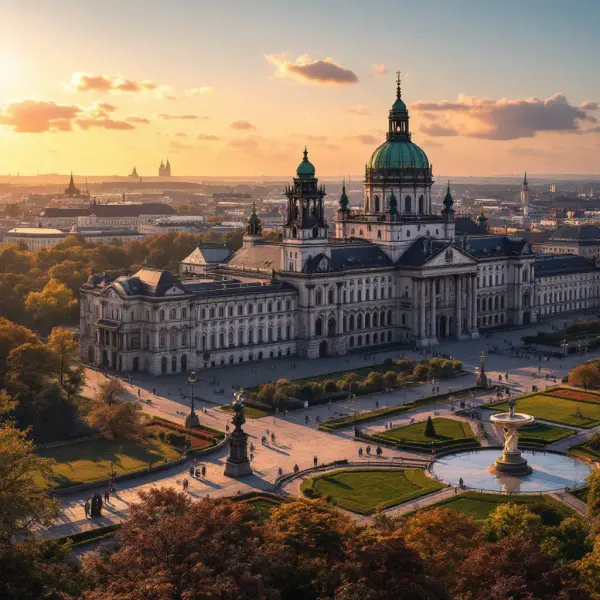
1. Zwinger Palace
A Baroque palace courtyard wrapped in delicate stone galleries and filled with over a million porcelain treasures. Wander through airy arcades, discover the famous "Sistine Madonna," and watch light dance across the fountains at golden hour.
Fatti rapidi: Le vaste gallerie barocche della Zwinger ospitano oltre un milione di pezzi in porcellana, formando una delle più grandi collezioni di porcellana al mondo. Il suo enorme cortile un tempo ospitava sfarzose feste di corte con centinaia di lanterne, esibizioni orchestrali e persino fontane meccaniche che spruzzavano vino.
Punti salienti: Mettiti nel passaggio del Crown Gate e batti le mani una volta: l'acustica perfetta dell'arco rimanda il suono come un nitido e chiaro eco che sembra quasi soprannaturale. Fu progettato intenzionalmente dall'architetto Matthäus Daniel Pöppelmann per amplificare i proclami reali e la musica durante le feste nel cortile.
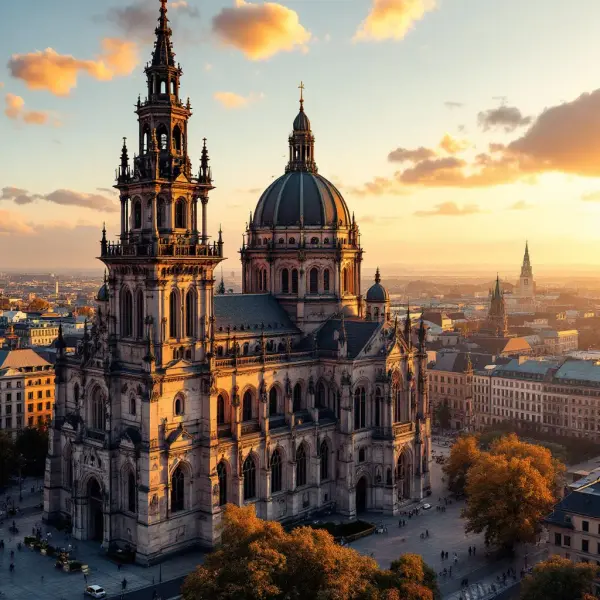
2. Frauenkirche Dresden
Faithful reconstruction from a pile of 8,400 numbered rubble stones makes this a living monument to peace. Inside, the kaleidoscope of pastel colors from the 360-degree balcony and glowing golden altar will stop you mid-stride.
Fatti rapidi: Oltre 9.500 tonnellate di arenaria sono state utilizzate per ricostruire questa chiesa dopo la sua distruzione nella seconda guerra mondiale, con 8.400 pietre originali accuratamente numerate e riutilizzate. La caratteristica cupola di 96 metri, tenuta insieme da fasce di ferro forgiate da un fabbro locale, sopravvisse a 200 colpi di bomba prima di crollare il secondo giorno del bombardamento incendiario.
Punti salienti: Osserva attentamente le pareti esterne e noterai pietre scure e bruciate accanto a quelle nuove e chiare, un deliberato "mosaico di pietra" che racconta la storia di distruzione e rinascita. Una croce solitaria sulla sommità della cupola è stata forgiata con chiodi recuperati dalle macerie da un fabbro britannico il cui padre era un pilota di bombardieri della seconda guerra mondiale, un gesto silenzioso di riconciliazione.
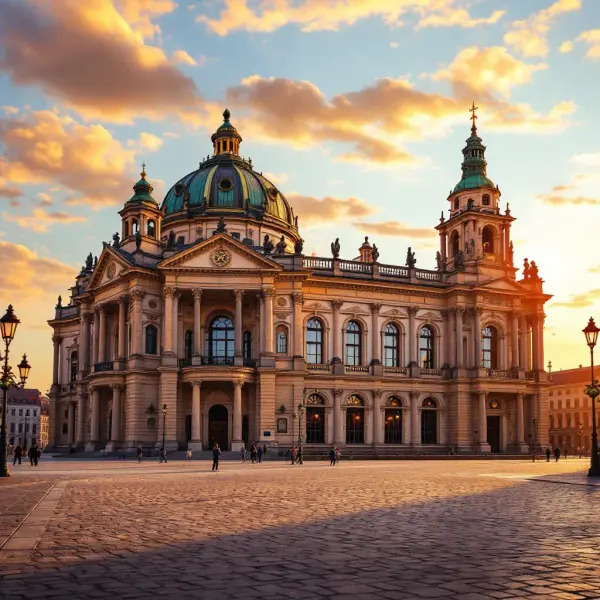
3. Semperoper Dresden
Watching an opera here means sitting inside one of the world's most acoustically perfect halls, rebuilt from ashes twice over. You will hear every breath of the singers and every bow stroke from any of the 1,300 seats.
Fatti rapidi: Two massive fires and the 1945 bombing have each reduced this opera house to rubble, yet each time Dresdeners rebuilt it with painstaking precision. The original 1841 architect deliberately designed the auditorium to be invisible from the outside, letting the music and performance become the complete experience.
Punti salienti: Inside the auditorium, the tiered seating curves like a giant seashell in five graceful rings, and from every single one of the 1,300 seats, you can see the stage clearly. The original 19th-century ventilation system used hidden chimneys running through the building's core, drawing out warm air without a whisper so no fan noise ever interrupts a pianissimo passage.
Hai mai sentito parlare dei tour a piedi gratuiti?
Dopo aver viaggiato in oltre 30 paesi, c'è una cosa che avrei voluto mi dicessero fin dal primo giorno, e ha completamente cambiato il modo in cui vivo le nuove città.
Tour a piedi gratuiti. Sì, davvero gratuiti. Nessuna carta di credito richiesta. Nessun trucco.
Guida locale, 2-3 ore
Luoghi principali, tesori nascosti, storie locali
100% basato sulle mance
Le guide guadagnano solo con le mance, quindi danno il massimo
Dai la mancia che ritieni giusta
Alla fine, dai la mancia che ritieni giusta
Li ho fatti in decine di città e sono stati il momento clou di quasi ogni viaggio. Se visiti Dresden, Germany, fallo il primo giorno. Mi ringrazierai dopo.
4. Fürstenzug
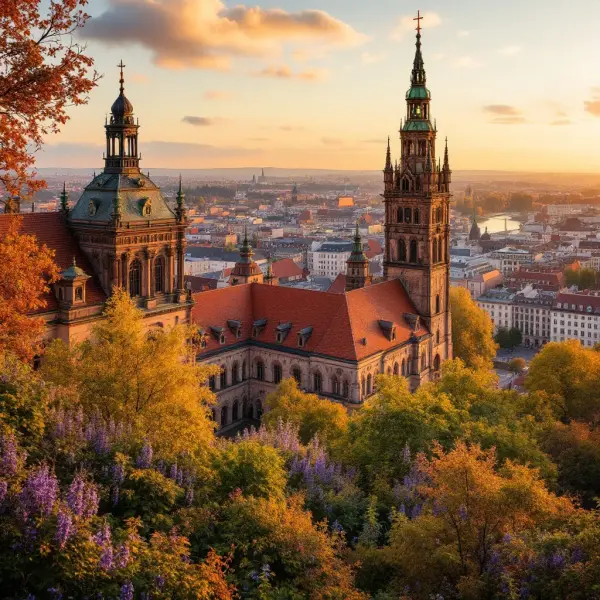
Nowhere else in the world will you find the largest porcelain artwork ever made, spanning an entire city block. Walk alongside 24,000 hand-painted Meissen tiles depicting nearly a thousand years of royal history.
Fatti rapidi: Stretching 102 meters across the wall of Dresden's royal palace, this porcelain procession features 93 life-sized figures on roughly 24,000 Meissen porcelain tiles. Each figure represents a Wettin ruler or notable figure, marching chronologically from the 12th century through the early 1900s.
Punti salienti: Most visitors don't notice that the ceramic tiles actually survived the 1945 firebombing of Dresden virtually intact, while the entire palace around them collapsed. The tiles only needed a gentle cleaning with water to remove soot, emerging as one of the few original pre-war surfaces still visible in the city today.
5. Brühl's Terrace
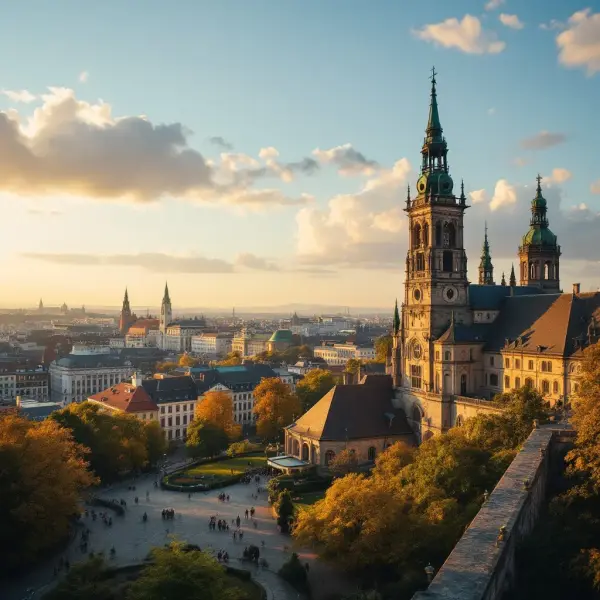
Nowhere else in Dresden can you take in the entire city skyline from a single spot. Come for the 180-degree river views, stay for the golden-hour light show on sandstone and spires.
Fatti rapidi: Stretching nearly 500 meters along the Elbe River, this sandstone terrace rises dramatically above the water and offers uninterrupted panoramic views of the entire Dresden skyline. Locals affectionately call it "the Balcony of Europe," a nickname coined by a 19th-century painter who was captivated by its sweeping vistas.
Punti salienti: In 1814, a frustrated general ordered the medieval fortress wall that once stood here to be transformed into a public promenade, turning a defensive barrier into one of Europe's most beautiful urban viewpoints. Three terracotta-colored staircases, each with 74 steps, carry visitors up from the riverbank level, and at sunrise the sandstone glows so warm that photographers camp out an hour early to claim their spot.
6. Loschwitz Bridge (Blue Wonder)
Blue Wonder
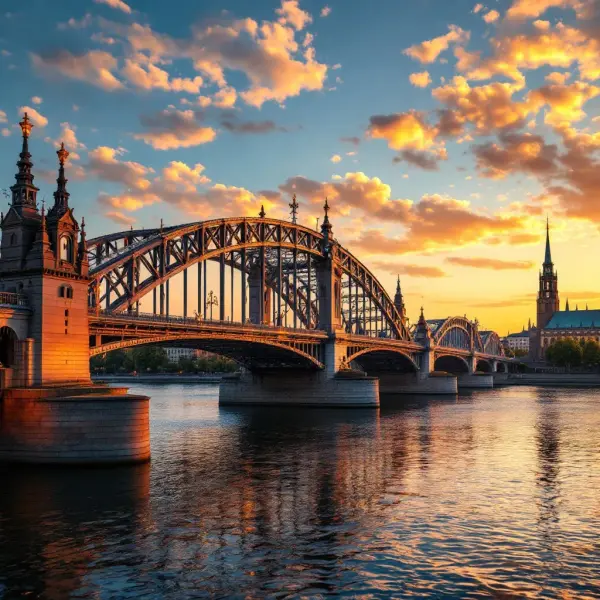
Take a front-row seat to a 130-year-old marvel of engineering that still carries trams and cars daily. Walk or bike across the Elbe while soaking in sweeping views of Dresden's Elbe Valley.
Fatti rapidi: Spanning 280 meters across the Elbe River, this steel cantilever truss bridge was the first of its kind in Europe when it opened. Its distinctive blue-green color comes from over 30,000 liters of paint, giving locals the affectionate nickname "Blaues Wunder."
Punti salienti: At 141 meters, the central span was so daring for its 1893 construction that engineers required no supporting pillars in the water, a radical first for European bridge building. You can stand underneath at the Loschwitz riverbank and see how the entire 2,500-ton structure hangs together with nothing but rivets and steel tension.
7. Pillnitz Castle
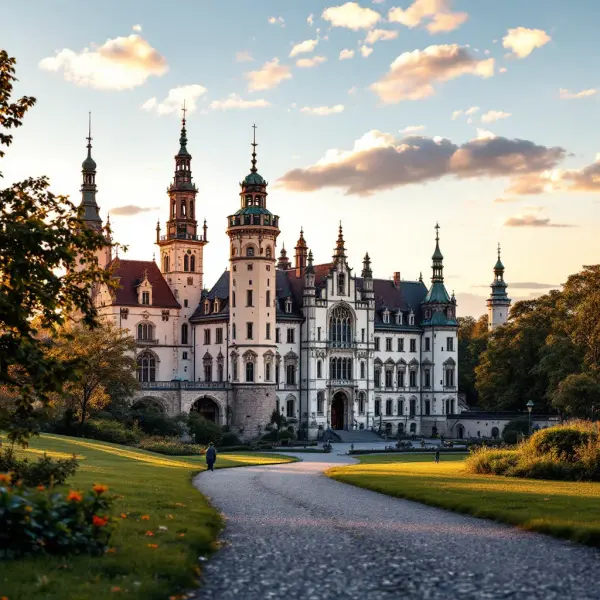
A Chinese-style palace on the Elbe, straight out of a fairy tale. Wander through ornate halls, browse a seasonal flower show in the orangery, then sip coffee on the river terrace.
Fatti rapidi: Operai cinesi dipinsero decine di migliaia di scene in miniatura sulle pareti del palazzo usando foglia d'oro vera, un dettaglio che la maggior parte dei visitatori ignora. Il castello si trova direttamente sul fiume Elba e i suoi terreni si allagano diverse volte ogni decennio, costringendo il personale a spostare mobili di valore ai piani superiori.
Punti salienti: Ogni estate l'enorme giardino all'inglese del palazzo si trasforma in un palcoscenico per la più antica sfilata folkloristica di barche d'Europa, con dozzine di imbarcazioni splendidamente decorate che scivolano lungo l'Elba. Per un fine settimana di luglio, i prati sereni del castello si riempiono di artisti in costume, musica tradizionale che echeggia sull'acqua mentre i fuochi d'artificio esplodono sopra le torri.
Where to Stay in Dresden, Germany
Selected by City Buddy based on guest reviews and proximity to top attractions
Search all hotels in Dresden, GermanyPowered by agoda
Dolci tradizionali

Dresdner Stollen (Christstollen)
This famous fruit bread has been baked in Dresden since the 14th century. The original version was so bland due to Lenten butter restrictions that Saxon nobles had to petition the Pope for permission to use butter.
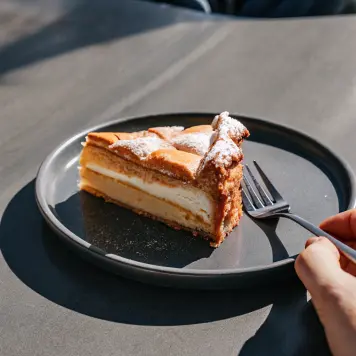
Dresdner Eierschecke
This layered cheesecake has a name derived from "Eierschecke," referring to a type of fabric underskirt, because the cake's layers resemble the ruffled hem of a dress. It features a quark cheese layer, custard, and a thin yeast dough base.

Pulsnitzer Pfefferkuchen
These traditional gingerbread-like spiced cookies come from the Pulsnitz region near Dresden. They are made with honey and a secret blend of spices, and have been baked using traditional recipes for over 400 years.
Piatti salati tradizionali

Sächsischer Sauerbraten
Unlike other German versions made with beef, the Saxon Sauerbraten is traditionally made with horse meat, though beef is much more common today. The meat is marinated for several days in a mixture of vinegar, wine, and spices before slow roasting.

Leipziger Allerlei
Despite its name referencing Leipzig, this vegetable medley of peas, carrots, asparagus, and morels originated in the wider Saxony region including Dresden. It was once called "the most expensive vegetable side dish in the world" due to its use of premium ingredients.

Quarkkäulchen
These small fried potato-quark dumplings are a Saxon specialty that can be served savory with sauerkraut or sweet with applesauce and cinnamon sugar. They were a favorite dish of the Saxon royal court in Dresden.
Bevande tradizionali

Radeberger Pilsner
Brewed just outside Dresden in Radeberg since 1872, this is one of Germany's most famous pilsner beers. It was the official beer of the Saxon royal court and was even served on the Titanic.

Dresdner Christstollen Punch
This warm winter punch is a beloved treat at the Dresden Striezelmarkt, Germany's oldest Christmas market dating back to 1434. It combines rum, tea, and spices, traditionally served in a festive mug.

Altschadower Fassbrause
This traditional Saxon soft drink is made from a mix of malt, fruit extracts, and spices, creating a slightly fizzy, tangy flavor. It was a popular non-alcoholic alternative in Dresden breweries dating back over 100 years.
Frequently Asked Questions about Dresden, Germany
Is Dresden, Germany safe for tourists?
How many days in Dresden, Germany are recommended?
What is the best time to visit Dresden, Germany?
Is Dresden, Germany expensive for tourists?
How to get around Dresden, Germany?
Ricevi un PDF con le attrazioni più popolari via email
Ricevi un PDF con tutte le attrazioni, valutazioni e consigli. Perfetto per l'uso offline.
Gite di un giorno più popolari
Meissen (Meißen)
Charming town known for its famous Meissen porcelain and picturesque old town.
Saxon Switzerland National Park
Stunning sandstone rock formations, hiking trails, and the iconic Bastei Bridge.
Leipzig
Vibrant city with music heritage, museums, and a lively cultural scene.
Prague, Czech Republic
Historic capital with Gothic architecture, Charles Bridge, and Old Town Square.
Moritzburg Castle
Fairytale Baroque castle surrounded by a scenic lake and forest.
Rent a car in Dresden, Germany
Come arrivare
Aeroporti
Stazioni ferroviarie
ICE, IC, EC, regional trains to Berlin, Leipzig, Prague, and across Saxony
ICE, regional trains and S-Bahn connections
From Dresden Airport, take tram line 7 or S-Bahn S2 to the city center in about 20 minutes. From the main train station, trams and buses connect to all major attractions.
Trova voli per Dresden, Germany
Clicca per ottenere eSim per Dresden, Germany
Il modo più semplice ed economico per avere internet mobile ovunque tu viaggi.
Informazioni utili per Dresden, Germany
Panoramica di Dresden, Germany
Most popular itineraries for Dresden, Germany
Browse trip plans created by other travelers
Commenti (8)
Buy the Dresden City Card if you plan to hit more than 2 museums. Pays for itself and includes transit. Saved us like 20 euros.
The tram system is super easy and runs on time. Download the DVB app for tickets. Way faster than waiting for buses.
The Frauenkirche is incredible but honestly the whole city center felt like a museum piece. Beautiful but didn't feel alive.
Get dinner in Neustadt not Altstadt. Walk across the river. Same quality food for half the price and actual locals eat there.
Mixed feelings. Some parts are gorgeous rebuilt architecture but a lot of construction still going on. Give it 2-3 days max.