 CityBuddy
 Italiano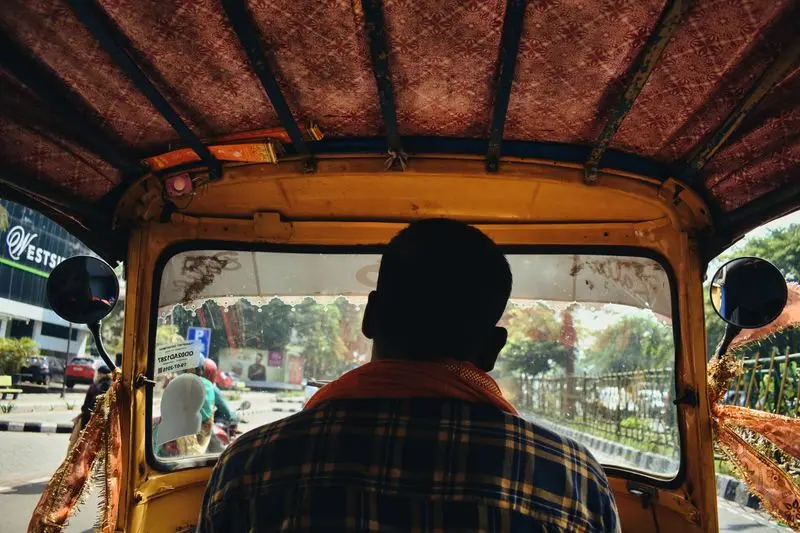
Cosa fare a Bhubaneswar, India
Foto di Soubhagya Maharana su Pexels.com
Quando visitare
Attrazioni più popolari a Bhubaneswar, India
Se stai cercando cose da fare a Bhubaneswar, in India, inizia con il Tempio di Lingaraja del X secolo, un capolavoro mozzafiato in arenaria. Le Grotte di Udayagiri e Khandagiri, antichi rifugi scavati nella roccia del II secolo a.C., offrono affascinanti incisioni. A soli 15 chilometri a nord, il Parco Zoologico Nandankanan presenta un safari di tigri bianche e giardini botanici.
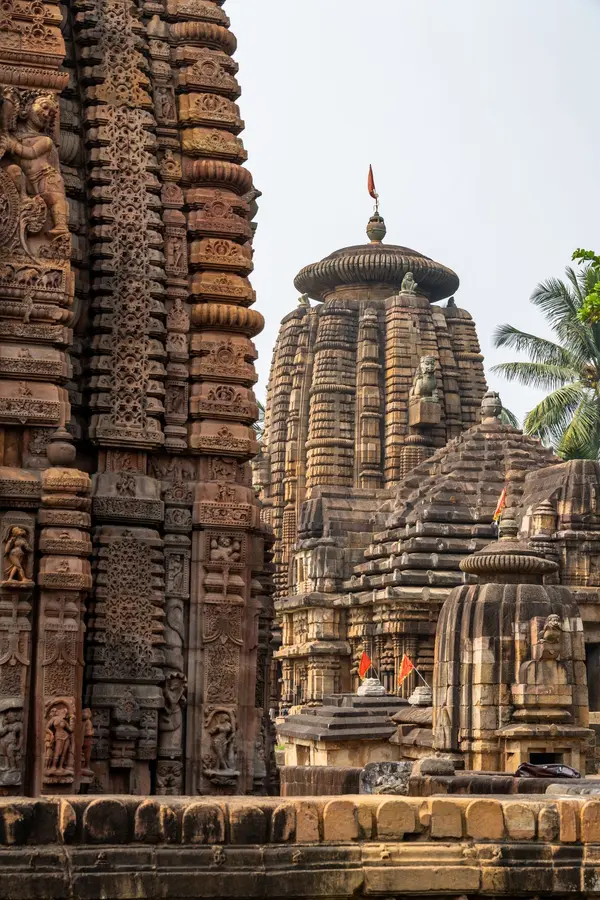
1. Lingaraja Temple
Uno dei templi funzionanti più antichi dell'India, con rituali rimasti invariati dall'VIII secolo. Senti 1.000 anni di fumo d'incenso incastonato nelle pareti di pietra mentre i sacerdoti intonano antichi inni nei corridoi illuminati da torce.
Fatti rapidi: La guglia principale si innalza per 55 metri ed è ricoperta di intricate incisioni di ninfe celesti, leoni ed elefanti. Con più di 1.000 anni, il tempio ospita ancora servizi di culto quotidiani che continuano ininterrotti da secoli.
Punti salienti: A differenza della maggior parte dei templi dove solo i sacerdoti entrano nel sancta sanctorum, una radura poco conosciuta dietro il santuario principale rivela un cortile nascosto con un pozzo sacro dove il lingam si è formato naturalmente, non scolpito da mani umane. Durante il mese di Pausha in inverno, la luce del tramonto che svanisce crea uno stretto fascio dorato che colpisce direttamente il lingam attraverso uno spazio ingegnosamente realizzato nella pietra.
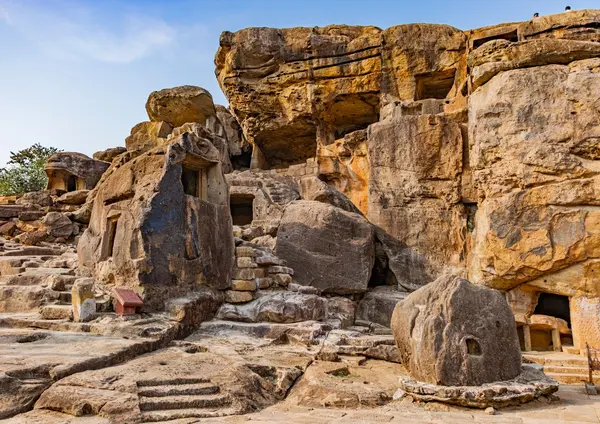
2. Udayagiri and Khandagiri Caves
Sali antiche scalinate scolpite in due colline gemelle per viste mozzafiato su Bhubaneswar e straordinaria architettura rupestre Jain. Passeggia attraverso 117 camere ammirando intricate incisioni di elefanti, danzatrici e cortei reali.
Fatti rapidi: Scolpite in due colline a soli 6 chilometri di distanza, queste grotte offrono 117 camere scavate nella roccia usate dai monaci giainisti due millenni fa. La sola grotta Rani Gumpha presenta 31 camere disposte su due piani con elaborate decorazioni scolpite.
Punti salienti: A Ganesh Gumpha troverai un pannello scolpito che mostra quella che potrebbe essere la più antica rappresentazione conosciuta di un dramma danzato in India, con musicisti e performer congelati nella pietra. La "Iscrizione Hathigumpha" scolpita sul fianco della collina racconta la storia del Re Kharavela in 17 righe di testo in Prakrit, fungendo da giornale di 2.000 anni fa.
3. Nandankanan Zoological Park
Mettiti faccia a faccia con rare tigri bianche e oltre 1.340 animali che vagano in vaste enclosures boscose. Scivola sul lago con un safari in barca circondato da uccelli cinguettanti e vegetazione lussureggiante.
Fatti rapidi: Con oltre 1.340 tra uccelli, mammiferi e rettili distribuiti su 437 ettari, questo è uno dei più grandi zoo all'aperto dell'India. Ospita anche un giardino botanico e un lago che attira ogni inverno uccelli migratori come codoni e moriglioni.
Punti salienti: Le tigri bianche furono scoperte per la prima volta in natura qui nel 1951, e lo zoo gestisce ancora un programma di riproduzione per la conservazione di grande successo. Puoi osservare questi felini dal pallore spettrale aggirarsi tra recinti rigogliosi che riproducono il loro habitat naturale, uno spettacolo quasi irripetibile altrove.
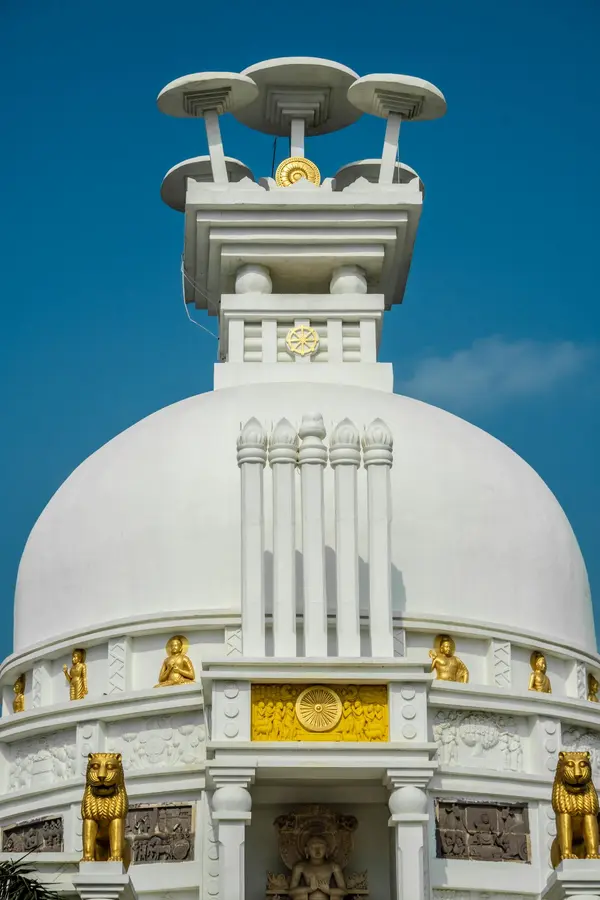
4. Dhauli Shanti Stupa
Fuggi dal rumore della città verso una vetta di pace dove storia e devozione si incontrano. Guarda la luce del sole danzare sulla cupola bianca mentre i monaci cantano in basso, con il fiume Daya che brilla in lontananza.
Fatti rapidi: Arroccata su una collina che domina il fiume Daya, la stupa bianca e scintillante segna il punto in cui si dice che l'imperatore Ashoka abbia rinunciato alla violenza dopo la sanguinosa guerra di Kalinga. La sua cupola a forma di campana presenta intricate incisioni della vita di Buddha e cinque pannelli colorati che raffigurano scene delle antiche tradizioni buddiste.
Punti salienti: La facciata anteriore della stupa è scolpita con un massiccio rilievo in pietra di un elefante impennato, un antico simbolo della nascita di Buddha, che si erge drammaticamente dalla cima della collina. Gira attorno alla parte posteriore e troverai una serie di grotte scavate nella roccia usate dai monaci buddisti per la meditazione quasi 2.300 anni fa.
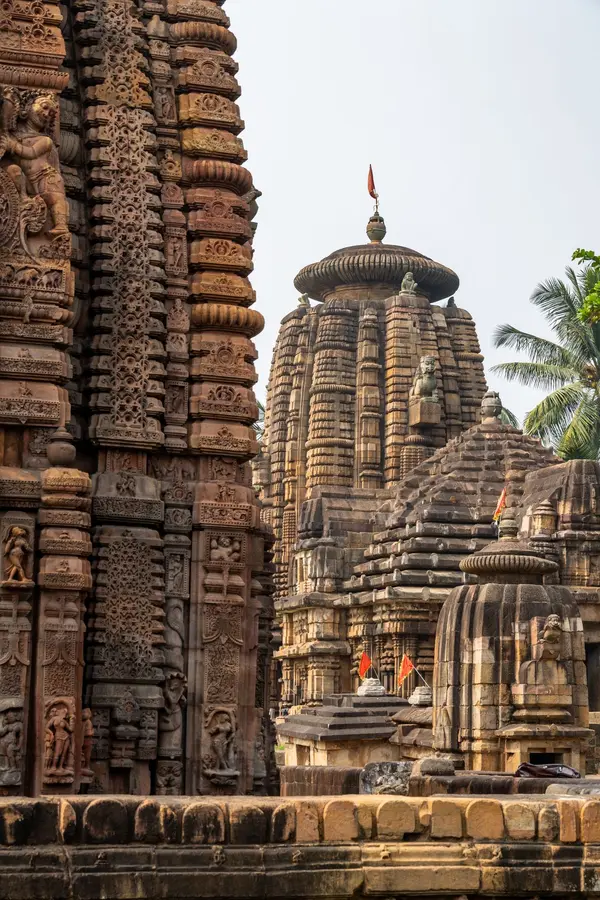
5. Mukteshvara Temple
Pochi templi racchiudono così tanti dettagli in uno spazio così compatto, con ogni centimetro di pietra che racconta una storia. Girerai attorno a un piccolo recinto e scoprirai oltre 60 sorprese scolpite a mano, da figure danzanti alla vita medievale di ogni giorno congelata nella roccia.
Fatti rapidi: Il tempio del X secolo è ricoperto da oltre 60 pannelli intricati che raffigurano scene di vita quotidiana, tra cui una donna che si trucca e una scimmia che si toglie una spina dal piede. Il suo ingresso ad arco, noto come torana, è stato ispirato dall'architettura buddista e giainista, rendendolo uno dei primi templi in stile fusion dell'India orientale.
Punti salienti: Osserva attentamente i pilastri di pietra e noterai qualcosa di strano: ciascuno ha un motivo decorativo diverso, come se due botteghe rivali avessero gareggiato per superarsi a vicenda senza un progetto finale. Il tempio ha anche un'iscrizione nascosta in un angolo buio che riconosce la madre dell'architetto per aver finanziato la costruzione, una rara menzione di una donna nei documenti del X secolo.
6. Odisha State Museum
Passeggia attraverso 50.000 anni di storia Odisha sotto un unico tetto. Dagli strumenti preistorici alle brillanti armature medievali, ogni galleria rivela una nuova sorpresa dietro ogni angolo.
Fatti rapidi: Ospitato in un edificio coloniale di grande impatto che si estende su più ali, il museo custodisce oltre 50.000 manufatti che abbracciano secoli di arte e cultura Odisha. Troverai di tutto, dagli antichi manoscritti su foglie di palma a una replica in scala reale di un tempio del XII secolo.
Punti salienti: La galleria delle monete espone oltre 2.000 monete antiche, inclusi pezzi d'argento punzonati del IV secolo a.C. che brillano ancora sotto le luci delle vetrine. Una galleria custodisce una rara collezione di dipinti patta chitra del XVIII secolo, i cui intricati bordi sono dipinti con pietre semipreziose macinate invece dei pigmenti acquistati in negozio.
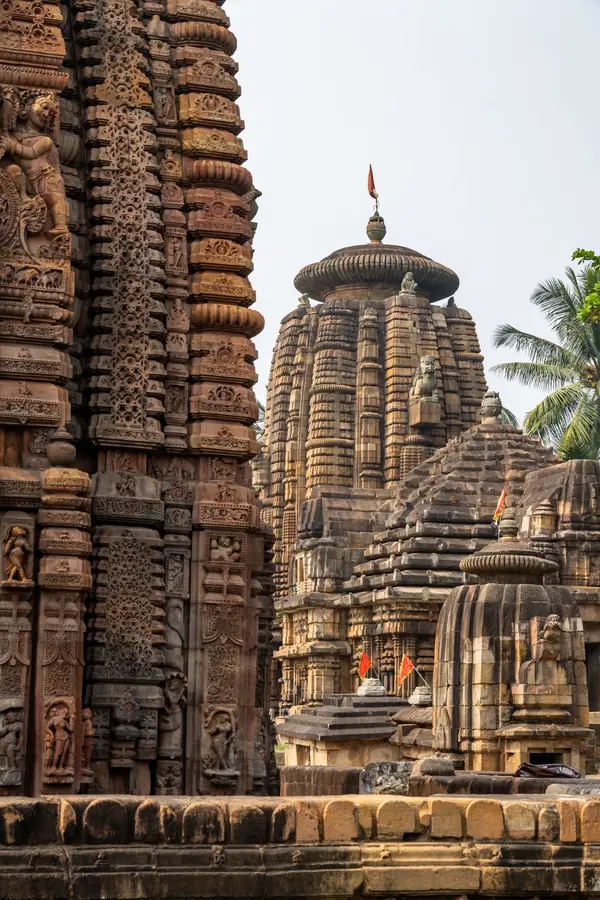
7. Rajarani Temple
Da nessun'altra parte vedrai 64 ninfe danzanti congelate nell'arenaria, ognuna che racconta una storia diversa. Fai scorrere le dita sulla calda roccia dorata mentre la luce del pomeriggio infiamma ogni figura scolpita.
Fatti rapidi: Intagliato interamente in arenaria rossastro-dorata, oltre 60 figure danzanti adornano le pareti esterne del tempio in pose espressive. Il tempio prende il nome non da qualche legame reale ma dalla pietra locale dalla tinta giallastra chiamata 'Rajarani' che gli conferisce un bagliore color miele al tramonto.
Punti salienti: A differenza della maggior parte dei templi che dedicano le pareti a dei e dee, i pannelli esterni qui sono dominati da ninfe celesti chiamate 'nayika' colte a metà danza, mentre si truccano, o persino mentre si tolgono una spina dal piede. Queste 64 figure aggraziate assumono ciascuna una posa diversa, trasformando il tempio in una coreografia congelata della vita e della bellezza Odisha dell'XI secolo.
8. Bindu Sagar Tank
Vieni dove la mitologia incontra la vita quotidiana attorno ad acque sacre che hanno attirato pellegrini per secoli. Immergi i piedi nella vasca sacra, poi passeggia oltre dozzine di piccoli santuari nascosti tra i gradini di pietra.
Fatti rapidi: Migliaia di pellegrini si riuniscono qui ogni anno credendo che le acque della vasca possano lavare via i peccati, una tradizione legata a una singola goccia di nettare sacro che sarebbe caduta qui. La vasca copre quasi 2 acri ed è circondata da oltre cento piccoli santuari e templi che costeggiano le sue sponde di arenaria.
Punti salienti: La leggenda locale narra che una singola goccia del nettare dell'immortalità cadde qui durante una cosmica zangolatura dell'oceano, dando a questa vasca il suo nome e il suo presunto potere purificatore. Osserva i sacerdoti eseguire gli aarti al tramonto quando le tremolanti lampade a olio si riflettono sull'acqua scura, circondati da canti che riecheggiano sulle antiche mura del tempio.
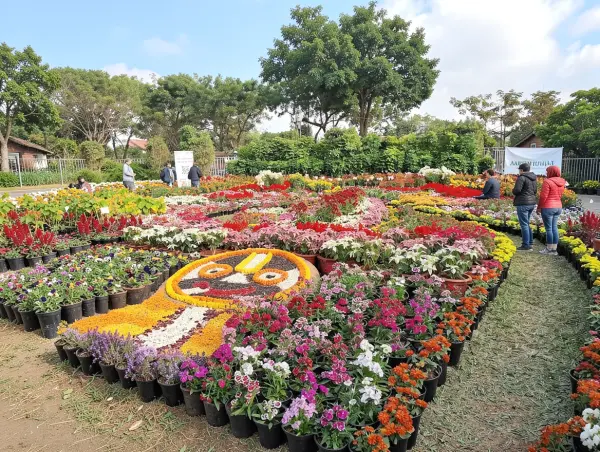
9. Ekamra Kanan Botanical Garden
Fuggi in 360 acri di sentieri ombreggiati e aiuole piene di farfalle proprio nel cuore della città. Aspettati stagni tranquilli, una serra tropicale e la possibilità di avvistare rare piante medicinali che crescono selvatiche lungo i sentieri.
Fatti rapidi: Esteso su 360 acri, questo ex giardino botanico reale ospita oltre 500 specie di alberi tropicali e piante fiorite. La sua rete di sentieri ombreggiati e specchi d'acqua sereni attira circa 200.000 visitatori ogni anno, dai jogging mattutini agli appassionati di piante.
Punti salienti: Nascosto all'interno del giardino si trova un giardino roccioso in miniatura in stile giapponese con ciottoli bianchi levigati, una fontana di bambù che gocciola e bonsai scolpiti che sembrano un continente completamente diverso. Dopo le piogge, l'intero luogo profuma di terra umida e frangipani, e potresti avvistare un pavone che apre la coda vicino allo stagno di loto al margine meridionale.
10. Pathani Samanta Planetarium
Ammira 6.000 stelle proiettate su un enorme soffitto a cupola di 20 metri. Te ne andrai sentendoti come se avessi viaggiato attraverso il sistema solare e gli osservatori dell'antica India in una sola serata.
Fatti rapidi: La cupola del planetario si estende per 20 metri di diametro, una delle più grandi dell'India orientale, e ospita 250 persone sotto il suo baldacchino stellato. Gli spettacoli dal vivo qui fondono l'antica astronomia indiana con visualizzazioni moderne, un omaggio all'astronomo del V secolo Pathani Samanta di cui porta il nome.
Punti salienti: A differenza della maggior parte dei planetari che mostrano cieli notturni generici, questo proietta le stelle esatte visibili sopra Bhubaneswar in tempo reale, sincronizzate con la latitudine della città e la stagione attuale. Puoi osservare i crateri della luna e le bande di Giove attraverso un potente telescopio Celestron posizionato proprio fuori dalla cupola dopo selezionati spettacoli.
Where to Stay in Bhubaneswar, India
Selected by City Buddy based on guest reviews and proximity to top attractions
Search all hotels in Bhubaneswar, IndiaPowered by agoda
Giorni di apertura a Bhubaneswar, India
Quali delle principali attrazioni chiudono in quale giorno della settimana. Il classico modo per rovinare un viaggio, verificato per te.
lunedì: 3 su 9 attrazioni principali chiuse. Pianifica i musei per un altro giorno.
Chiuso il lunedì · 3 chiusi, 6 aperti
Giorni di apertura da Google Maps (verificati il 2026-06-16). Festività, scioperi e orari stagionali possono variare. Controlla il sito ufficiale prima di partire.
Dolci tradizionali

Chenna Poda
Chenna Poda, which means 'burnt cheese' in Odia, is made by baking sweetened cottage cheese with cardamom and raisins until it develops a caramelized outer crust.

Rasabali
Rasabali consists of deep-fried flattened chhena discs soaked in sweetened thickened milk, and it is a favorite offering to Lord Jagannath in Puri near Bhubaneswar.

Khaja
Khaja is a crispy, flaky layered pastry made from refined flour and sugar syrup, and its preparation method dates back to ancient temple kitchens in Odisha.
Piatti salati tradizionali

Dalma
Dalma is a heartwarming Odia dish of lentils and vegetables cooked together with a unique tempering of panch phoron, and it is considered a staple comfort food in Bhubaneswar households.

Pakhala Bhata
Pakhala Bhata is fermented cooked rice served with water, yogurt, and spices, and it is traditionally eaten during summer to cool the body and aid digestion in Odisha.

Machha Bhaja
Machha Bhaja is crispy fried spiced fish, often made with rohu or ilish, and it is an essential part of traditional Odia meals served on palm leaf plates.
Bevande tradizionali

Amla Juice
Amla juice made from Indian gooseberries is widely consumed in Bhubaneswar for its high vitamin C content and its traditional use in Ayurvedic wellness practices.

Buttermilk or Chaas
Spiced buttermilk known as chaas is a refreshing drink in Odisha often flavored with roasted cumin, ginger, and curry leaves to aid digestion after meals.
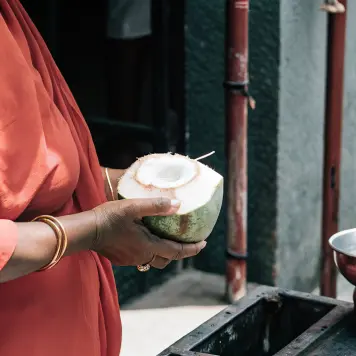
Tender Coconut Water
Tender coconut water is a natural electrolyte-rich beverage sold by street vendors across Bhubaneswar and is considered a sacred offering in Odia temple rituals.
Domande frequenti su Bhubaneswar, India
"Bhubaneswar, in India, è sicura?"
"Quanti giorni a Bhubaneswar, in India?"
"Il periodo migliore per visitare Bhubaneswar, in India?"
"Bhubaneswar, in India, è costosa?"
"Come spostarsi a Bhubaneswar, in India?"
Ricevi un PDF con le attrazioni più popolari via email
Ricevi un PDF con tutte le attrazioni, valutazioni e consigli. Perfetto per l'uso offline.
Gite di un giorno più popolari
Konark Sun Temple
UNESCO World Heritage site, 13th-century sun temple with intricate stone carvings
Puri Jagannath Temple
Famous Hindu temple dedicated to Lord Jagannath, a major pilgrimage site
Chilika Lake
Asia's largest brackish water lagoon, famous for migratory birds and dolphins
Dhauli Shanti Stupa
Peace pagoda built on the site of the Kalinga War, with rock edicts
Nandankanan Zoological Park
Zoo and botanical garden known for white tigers and reptile park
Come arrivare
Aeroporti
Stazioni ferroviarie
Howrah-Chennai main line, East Coast Railway
Prepaid taxis and auto-rickshaws are available from the airport. The railway station is centrally located and well connected to the city.
Informazioni utili per Bhubaneswar, India
Panoramica di Bhubaneswar, India
Vuoi un piano giorno per giorno per Bhubaneswar, India? Apri il pianificatore di viaggio
Quando andrai a Bhubaneswar, India?
Scegli le date e lo stile di viaggio per ottenere:
Qualcosa di particolarmente importante per te?
Seleziona tutto ciò che si applica
Come spostarsi
Come vuoi spostarti tra i luoghi?
Lingua del piano: Italiano