CityBuddy
Dhangaon Shiv Mandir
Periodo migliore per visitare
Early morning between 6 and 9 AM, when the priest performs the morning aarti and the stone floors catch golden light. Avoid midday heat from March through June, when the courtyard becomes intensely hot.
Consigli per il budget
Entry is free, though small donations near the main shrine are customary. If you want a guided explanation of the carvings, tip the local priest or caretaker 50-100 rupees and they'll walk you through the main panels.
Consigliato per
History enthusiasts, Spiritual travelers, Photography enthusiasts, Slow travelers
Pianifica la tua visita
1-2 hours
Informazioni
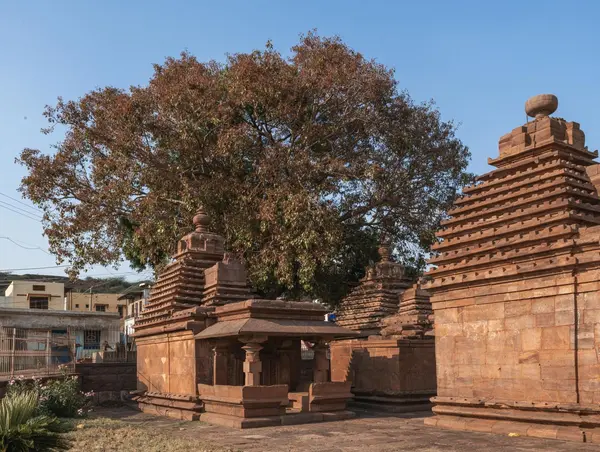
Fatti rapidi: Questo tempio secolare è una delle poche strutture sopravvissute della sua epoca ancora in culto continuo, attirando devoti tutto l'anno. Le sculture in pietra sulla sua superficie esterna superano i mille motivi distinti, ciascuno scolpito a mano.
Punti salienti: Durante il monsone, l'acqua piovana si raccoglie nelle scanalature scolpite del pavimento del santuario e la gente del posto crede che abbia proprietà curative, tanto da imbottigliarla per portarla a casa. La campana originale in pietra del tempio, che suona ancora con una profonda risonanza attraverso il cortile, fu fusa con una ricetta di lega metallica che gli artigiani di oggi non sono riusciti a replicare.
Consigli da insider
- Wear closed-toe shoes; the walkway around the sanctum is rough-cut stone that can be slippery after morning washing.
- The best photo angle is from the northeast corner, where the morning sun rakes across the outer wall carvings.
- Skip the busy Monday crowds and visit on a Tuesday or Thursday, when local footfall drops noticeably.
- Ask the caretaker to show you the hidden side panel behind the main shrine, which most visitors never notice.
Where to Stay in Damoh
Selected by City Buddy based on guest reviews and proximity to top attractions
Search all hotels in DamohPowered by agoda