 CityBuddy
 Italiano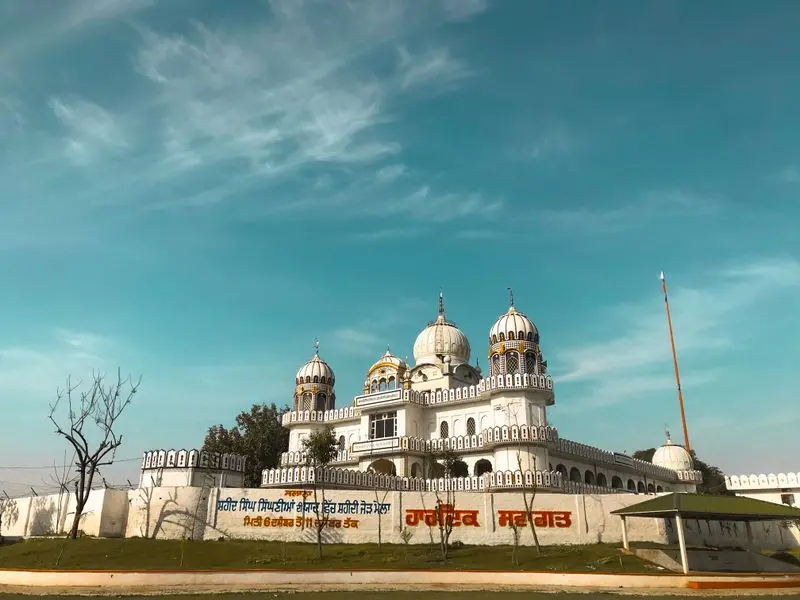
Cosa fare a Gurdaspur, India
Foto di Sant Singh su Pexels.com
Quando visitare
Quando andrai a Gurdaspur, India?
Scegli le date e lo stile di viaggio per ottenere:
Qualcosa di particolarmente importante per te?
Seleziona tutto ciò che si applica
Plan language: ItalianoAttrazioni più popolari a Gurdaspur, India
Se stai cercando cose da fare a Gurdaspur, in India, inizia dall'imponente Torre dell'Orologio di Gurdaspur, un punto di riferimento degli anni '20 alto 18 metri nel centro della città. Rendi omaggio allo Shri Guru Hargobind Ji Gurudwara, un santuario sacro che prende il nome dal sesto guru sikh. Infine, passeggia lungo il tranquillo Gurdaspur Canal Viewpoint al tramonto.
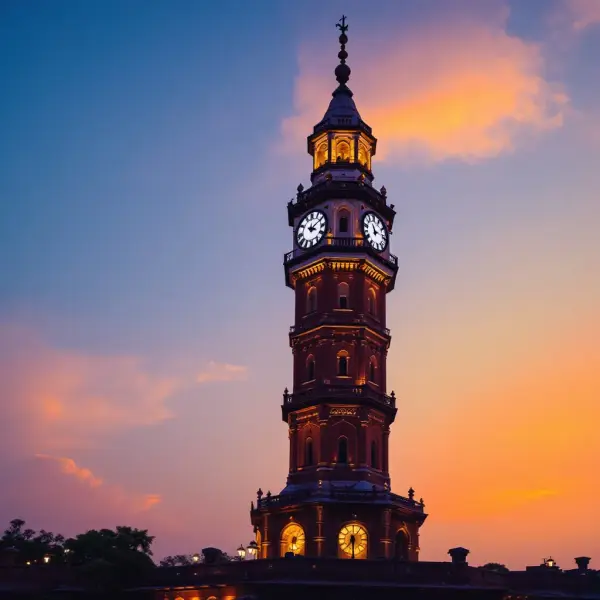
1. Gurdaspur Clock Tower
Vedi un orologio di 130 anni che funziona ancora solo a forza muscolare. Osserva il custode sollevare i pesanti pesi verso il cielo e ascolta la campana originale risuonare nel vecchio bazar.
Fatti rapidi: Situato in posizione prominente nel cuore della città di Gurdaspur, questo orologio di epoca coloniale scandisce il ritmo della città dalla fine del XIX secolo. Il suo meccanismo a quattro quadranti funziona ancora a carica manuale, effettuata da un custode che ogni settimana sale i oltre 100 gradini della torre.
Punti salienti: A differenza di molte torri dell'orologio che hanno smesso di ticchettare decenni fa, questa suona ancora ogni ora con la sua campana originale, e gli abitanti del luogo ci regolano i loro orologi. Il meccanismo di carica richiede che un custode riporti su ogni settimana un peso di 30 chilogrammi, un rituale rimasto immutato per oltre un secolo.
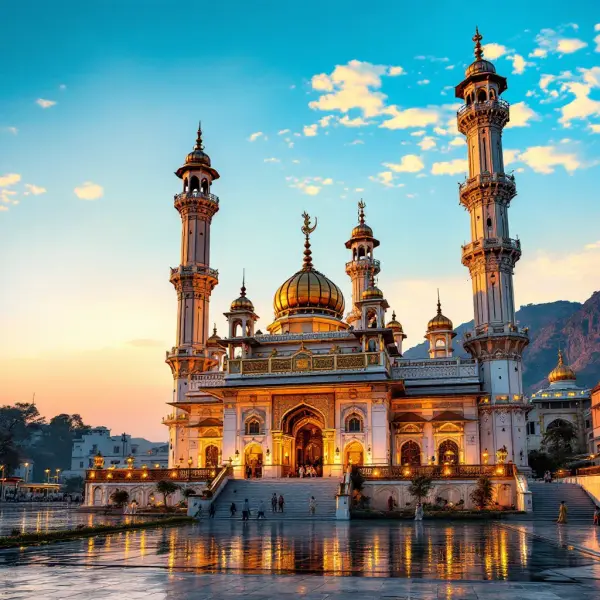
2. Shri Guru Hargobind Ji Gurudwara
Entra in un pacifico santuario Sikh dove preghiere secolari riecheggiano ancora attraverso una piscina sacra. Senti il marmo fresco sotto i piedi mentre ti unisci ai locali nella cucina langar per un pasto gratuito e comunitario.
Fatti rapidi: Intitolato al sesto Guru Sikh, questo Gurudwara segna il punto dove Guru Hargobind Ji si riposò durante i suoi viaggi. Il complesso presenta un grande sarovar (laghetto sacro) le cui acque sono ritenute dai devoti portatrici di proprietà curative.
Punti salienti: A differenza di molti Gurudwara più grandi, questo mantiene un'atmosfera quieta e intima dove si può ascoltare il dolce canto delle preghiere che riecheggia sul sarovar all'alba. Il pipal originale sotto il quale si dice che il Guru si sia seduto si trova ancora nel cortile, i suoi rami possenti offrono ombra ai visitatori proprio come facevano oltre 400 anni fa.
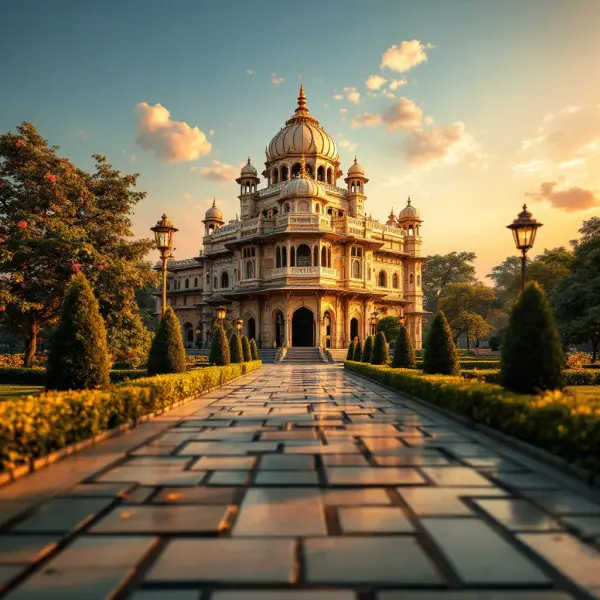
3. Moti Mahal
Vaga attraverso un palazzo dell'Ottocento dove pareti tempestate di specchi e passaggi segreti sussurrano storie di estati reali. Senti la brezza fresca attraverso gli intrecci di arenaria e scorgi affreschi sbiaditi che la maggior parte dei visitatori ignora.
Fatti rapidi: Le pareti del Moti Mahal sono incastonate con migliaia di piccoli specchi che un tempo riflettevano la luce delle candele durante i raduni reali. Il palazzo di arenaria a tre piani era un rifugio estivo dove brezze fresche fluivano attraverso le sue finestre a grate, mantenendo gli interni piacevoli anche durante il caldo torrido.
Punti salienti: Entrando nella sala centrale si scopre un passaggio sotterraneo nascosto che un tempo collegava il palazzo al fiume vicino, permettendo ai reali di fuggire inosservati durante le emergenze. Gli affreschi sbiaditi al piano superiore mostrano ancora tracce di pigmenti indaco e vermiglio, mescolati a mano usando tecniche tramandate attraverso generazioni di artigiani locali.
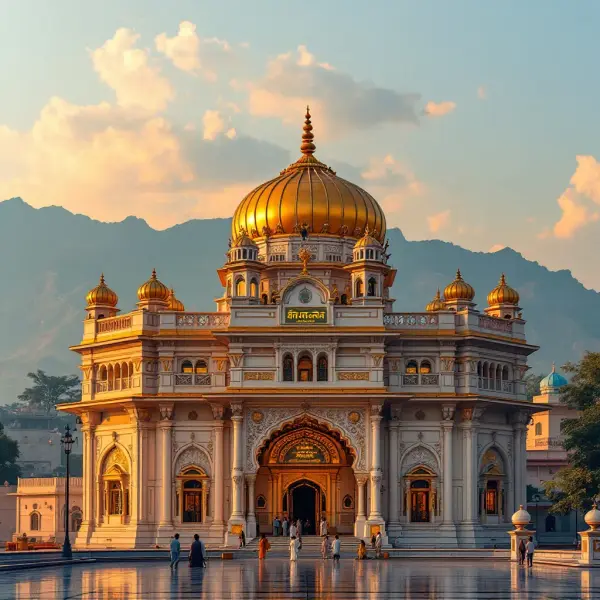
4. Baba Bakala Sahib Gurudwara
Entra in un cortile pacifico dove un nono Guru trascorse anni in quieta devozione. Camminerai sulle stesse pietre e vedrai il pozzo stesso che lo sosteneva ogni giorno.
Fatti rapidi: La tradizione Sikh sostiene che Baba Bakala fu il luogo dove Guru Tegh Bahadur trascorse nove anni in profonda meditazione prima di essere identificato come il nono Guru Sikh. Il santuario centrale del gurudwara contiene ancora l'esatto pozzo da cui attingeva acqua ogni giorno, oggi considerato estremamente sacro.
Punti salienti: A differenza della maggior parte dei gurudwara, questo circonda un pozzo di 300 anni che Guru Tegh Bahadur usava per le sue abluzioni quotidiane. Si possono ancora vedere la muratura originale e la stretta scala che scende verso l'acqua, dove i devoti si siedono in silenziosa meditazione proprio come lui faceva un tempo.
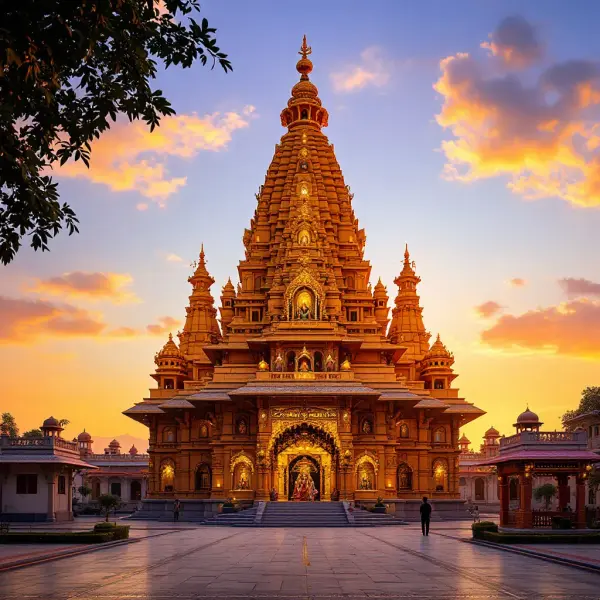
5. Kali Mata Mandir
Uno dei 51 sacri Shakti Peetha dell'India, dove l'energia spirituale grezza incontra la tranquillità lungo il fiume. Guarda l'aarti serale mentre le lampade a olio tremolano contro le acque scure e il cielo brucia d'arancione.
Fatti rapidi: Arroccato alla confluenza dei fiumi Ujh e Ravi, questo tempio è uno dei 51 Shakti Peetha dove si dice sia caduta una parte del corpo di Sati. Il nome del tempio si traduce come "Tempio della Madre Oscura", e i devoti credono che la fronte della dea sia caduta qui, rendendolo un luogo potente per i cercatori spirituali.
Punti salienti: A differenza della maggior parte degli Shakti Peetha dove il santuario principale è rivolto a est, il sancta sanctorum del Kali Mata Mandir guarda a ovest verso il sole al tramonto, creando una silhouette drammatica della dea contro la calda luce ambrata durante l'aarti serale. Un albero di banyan di 200 anni nel cortile è legato con migliaia di fili rossi e gialli, ciascuno posto da un devoto con un desiderio sussurrato.
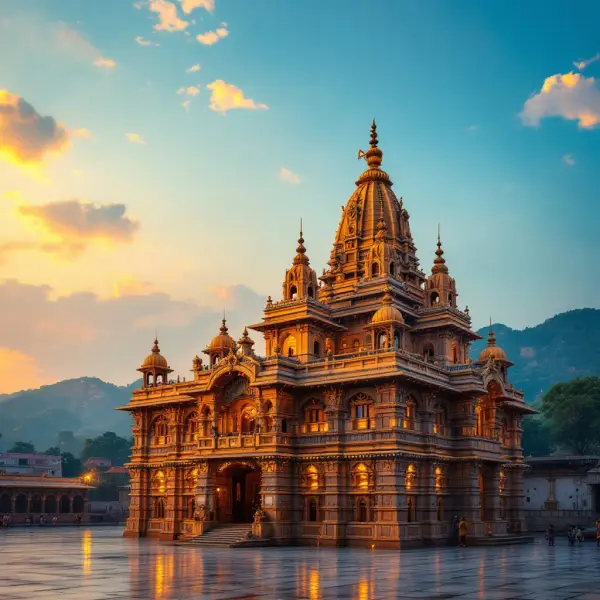
6. Shiv Temple Gurdaspur
Uno dei pochi templi dove puoi assistere a una cerimonia continua di offerta di miele e latte che va avanti senza sosta da 300 anni. Sosta nel santuario illuminato dalle lampade mentre 108 campane tuonano sopra di te e il profumo di sandalo ti avvolge.
Fatti rapidi: Lo shivling del tempio è scolpito in un'unica pietra nera che emette una lieve risonanza quando viene colpita, un fenomeno che i devoti documentano da oltre 400 anni. Le preghiere mattutine qui includono un rituale in cui 108 campane di ottone vengono suonate simultaneamente, creando un suono stratificato che si diffonde in tutta l'area di Gurdaspur.
Punti salienti: A differenza della maggior parte dei templi dove le offerte d'acqua gocciolano sullo shivling, qui i sacerdoti versano miele e latte in flussi alternati, lasciando la pietra nera lucida con striature dorate per tutto il giorno. Il sancta sanctorum non ha luci elettriche, affidandosi esclusivamente a lampade a olio alimentate da ricette di ghee di 5.000 anni tramandate attraverso 17 generazioni di custodi del tempio.
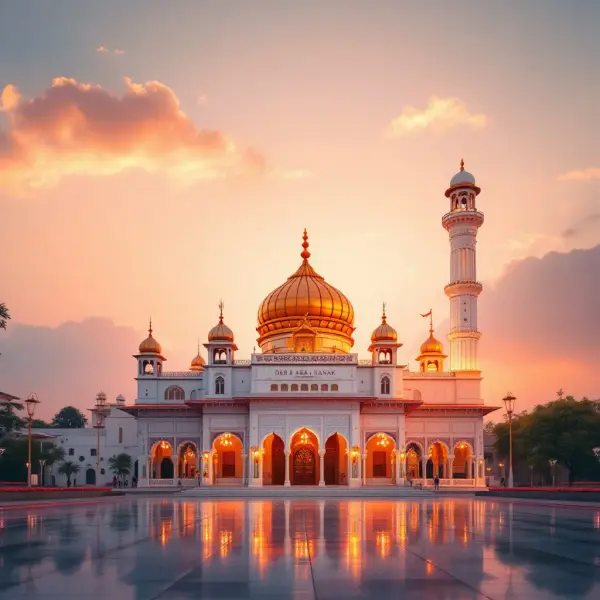
7. Dera Baba Nanak Temple
Assisti all'unico gurdwara al mondo dove le preghiere quotidiane attraversano un confine internazionale. Vivi la cerimonia commovente mentre la sacra scrittura viene portata in parata in Pakistan e ritorno ogni giorno.
Fatti rapidi: Si dice che un singolo colpo sparato dal seguace di Guru Nanak sia atterrato esattamente dove oggi sorge questo tempio, segnando il luogo di un momento miracoloso. Il tempio segna il punto dove Guru Nanak, il fondatore del Sikhismo, scomparve nel fiume durante il suo ultimo viaggio, lasciando dietro di sé solo la sua veste e un fiore.
Punti salienti: I pellegrini si riuniscono all'alba per osservare il Guru Granth Sahib trasportato in processione su un palanchino attraverso il ponte verso il Pakistan, dove viene esposto per la giornata e riportato indietro ogni sera. Questo rituale quotidiano continua anche oltre il confine internazionale, con le guardie pakistane e indiane che cooperano per aprire i cancelli per la cerimonia sacra.
Where to Stay in Gurdaspur, India
Selected by City Buddy based on guest reviews and proximity to top attractions
Search all hotels in Gurdaspur, IndiaPowered by agoda
Dolci tradizionali
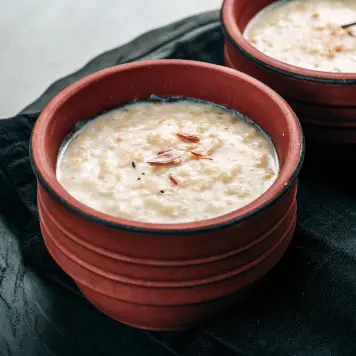
Phirni
Phirni is a creamy rice pudding traditionally served in earthenware bowls called shikoras, which give it a distinct earthy aroma.
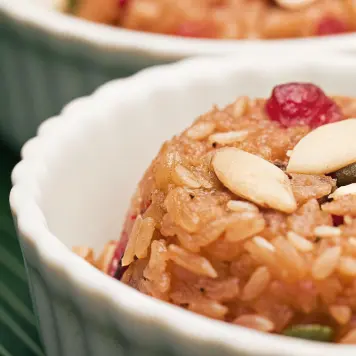
Gur Ke Chawal
Gur Ke Chawal is a beloved winter dessert made by cooking rice with jaggery and ghee, often flavored with cardamom and dry fruits.
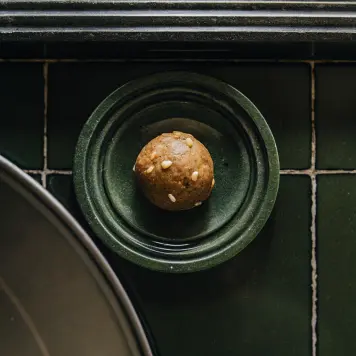
Pinni
Pinni is a dense, energy-rich sweet made from wheat flour, ghee, sugar, and nuts, traditionally prepared during the cold months for warmth and vitality.
Piatti salati tradizionali
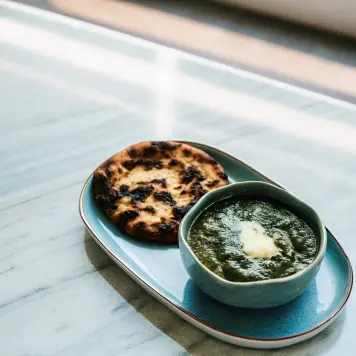
Makki Di Roti and Sarson Da Saag
This iconic winter meal pairs corn flour flatbread with a spicy puree of mustard greens, and is traditionally topped with a dollop of butter or ghee.
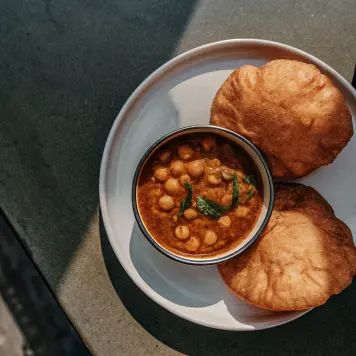
Chole Bhature
Chole Bhature is a beloved Punjabi dish featuring spicy chickpea curry served with deep-fried, fluffy bread, often enjoyed as a hearty breakfast or lunch.
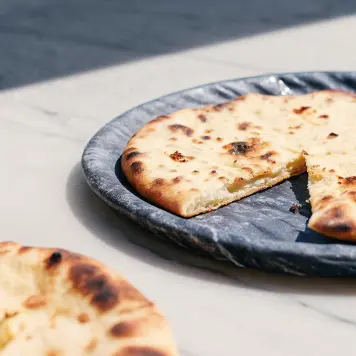
Amritsari Kulcha
Amritsari Kulcha is a stuffed leavened bread typically filled with spiced potatoes and baked in a tandoor, then served with tangy chutney and butter.
Bevande tradizionali

Lassi
Punjabi lassi is a creamy yogurt-based drink that can be sweet or salted, and is often served in large steel glasses as a refreshing summer cooler.
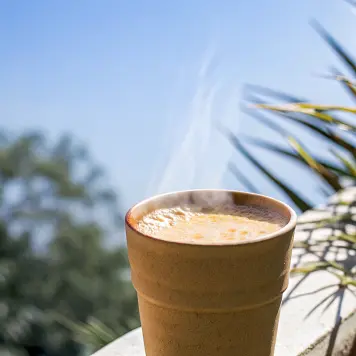
Karak Chai
Karak Chai is a strong, spiced milk tea brewed with cardamom, ginger, and cinnamon, and is a staple at roadside dhabas across the Gurdaspur region.

Sharbat
Sharbat is a sweet, concentrated fruit or flower-based syrup diluted with water or milk, and rose-flavored sharbat is especially popular during hot summers in Gurdaspur.
Frequently Asked Questions about Gurdaspur, India
Gurdaspur, India è sicura?
Quanti giorni a Gurdaspur, India?
Qual è il periodo migliore per visitare Gurdaspur, India?
Gurdaspur, India è cara?
Come spostarsi a Gurdaspur, India?
Ricevi un PDF con le attrazioni più popolari via email
Ricevi un PDF con tutte le attrazioni, valutazioni e consigli. Perfetto per l'uso offline.
Gite di un giorno più popolari
Sujanpur Tira
Historic fort town with Mughal and Sikh architecture
Come arrivare
Aeroporti
Stazioni ferroviarie
Jammu Tawi - Amritsar line, connects to major cities
Jammu and Amritsar route connections
Auto-rickshaws and taxis are available from the railway station. For ATQ airport, take a bus or taxi which takes about 1.5 hours.
Trova voli per Gurdaspur, India
Clicca per ottenere eSim per Gurdaspur, India
Il modo più semplice ed economico per avere internet mobile ovunque tu viaggi.
Commenti (7)
The weather was brutal honestly way too hot to enjoy walking around. Winter would be a much better bet.
Not much of a tourist scene but that's what made it special. Felt like real India without any fake prices.
Carry cash everywhere. Hardly any ATMs work and most shops don't take cards. Learned this the hard way.
Don't rely on Google Maps for restaurants. Walk toward the railway station side, little eateries there are half the price and twice the taste.
I was a bit bored after two days. There's only so much to see unless you're really into history or temples.