 CityBuddy
 Italiano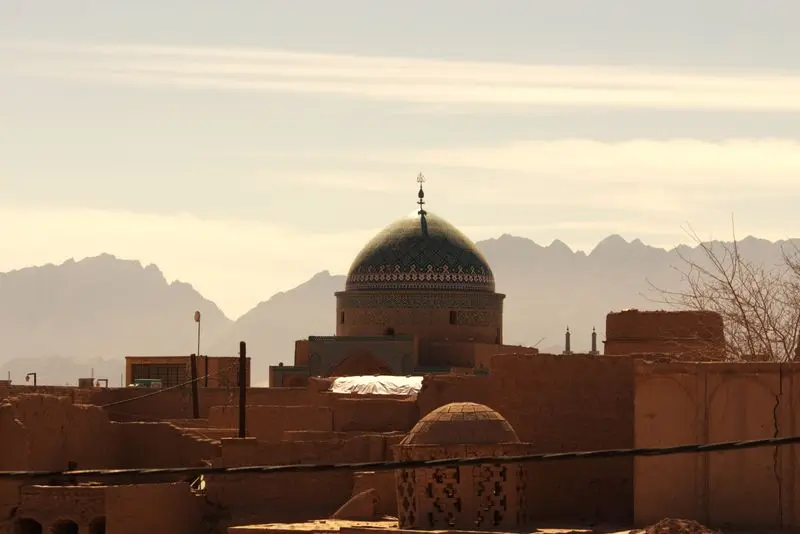
Cosa fare a Yazd, Iran
Foto di SYDE Yvi su Pexels.com
Quando visitare
Attrazioni più popolari a Yazd, Iran
A Yazd, in Iran, moltissime attività emozionanti attendono i viaggiatori. Tra le cose più importanti da fare a Yazd, in Iran, rientra l'ammirazione dei minareti sorprendentemente alti, 52 metri, della Jameh Mosque of Yazd del XIV secolo. Sulla facciata dell'Amir Chakhmaq Complex si allineano 12 enormi archi. Non perda neppure la visita al Zoroastrian Fire Temple of Yazd, dove arde un fuoco sacro di 1500 anni.
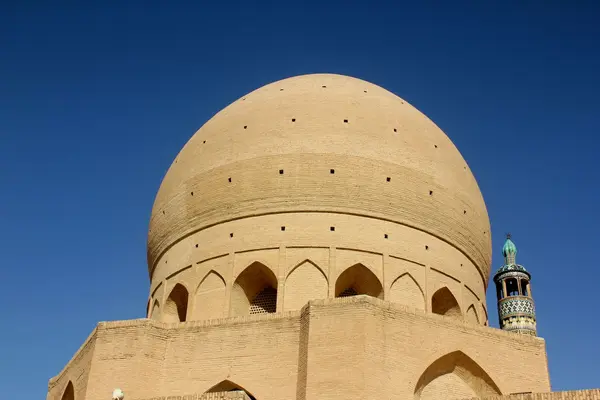
1. Jameh Mosque of Yazd
Capolavoro dell'architettura persiana, dove le piastrelle blu quasi ardono sotto la luce del sole del deserto. Passeggia sotto la cupola in mattoni dell'XI secolo mentre scopri l'apice dell'arte decorativa.
Fatti rapidi: Uno degli esempi più sfarzosi dell'arte della ceramica e delle piastrelle iraniane, dove il colore blu domina sulle pareti. 900 metri quadrati di piastrelle ricoprono l'edificio e il suo portale d'ingresso è la più alta porta islamica dell'Iran, alta 24 metri.
Punti salienti: Alla luce dell'alba le piastrelle blu iniziano quasi a brillare, e nel sole del pomeriggio emergono anche i minuziosi dettagli dei motivi arabeschi sulle facciate. Sotto l'enorme cupola in mattoni dell'edificio, il visitatore è accolto dalla straordinaria esperienza acustica dell'architettura selgiuchide dell'XI secolo.
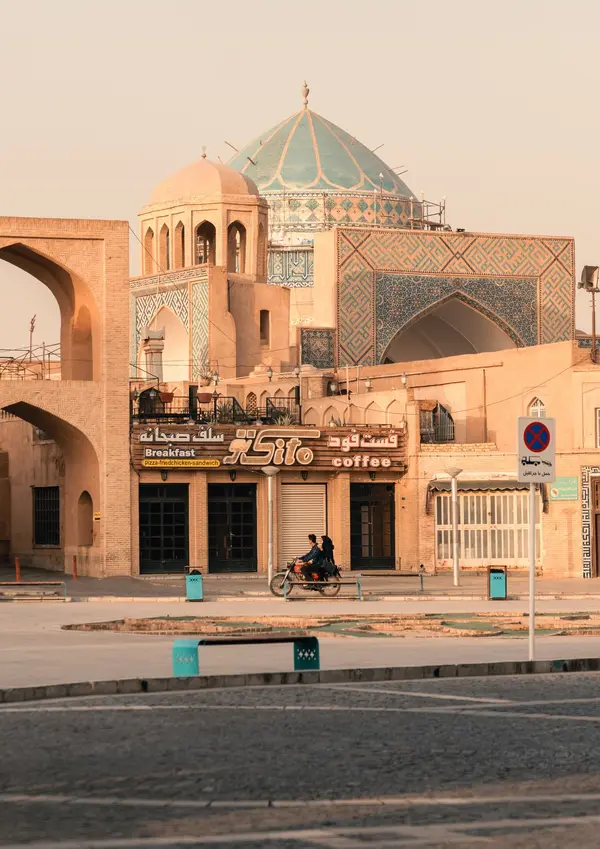
2. Amir Chakhmaq Complex
Qui puoi vedere una delle facciate più fotogeniche della Persia, che si accende davvero al tramonto. Attraversa il bazar coperto, bevi un tè in piazza e osserva i locali vivere la loro quotidianità.
Fatti rapidi: Il monumento sciita del XIX secolo è riconoscibile per la sua unica grande parete costellata di nicchie regolari, che si innalza per tre piani. Il bazar annesso serpeggia per 400 metri, e la gente del posto conosce la piazza soprattutto come luogo delle spese quotidiane e delle conversazioni davanti al tè.
Punti salienti: Le 567 nicchie regolari della facciata si immergono la sera in una luce arancione, come se un enorme favo illuminato emergesse dal bordo del deserto. Anche la solitaria cisterna al centro della piazza si perde nell'ombra del passato, eppure nelle calde estati i passanti qui raffreddavano i loro cocomeri con un secchio tirato su dal profondo.
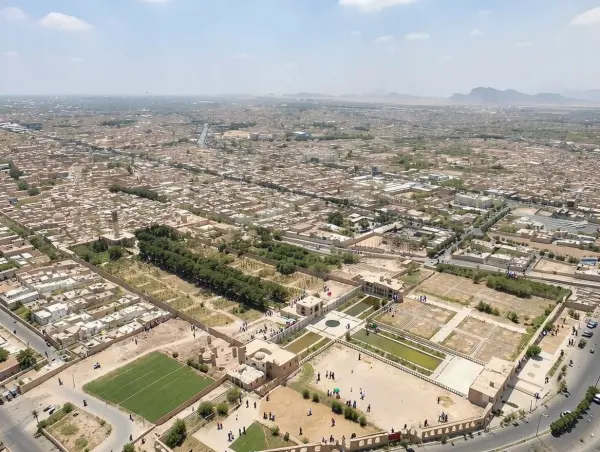
3. Dowlatabad Garden
Dirigiti verso uno dei più bei giardini persiani dove una torre del vento alta 33 metri rinfresca l'aria. Passeggia tra le sale a specchi mentre ti accompagna il lieve gorgoglio dei canali sotterranei.
Fatti rapidi: La torre di 33 metri è una delle torri del vento più alte dell'Iran e raffredda gli ambienti interni con una ventilazione naturale. Il giardino fu fatto costruire nel XVIII secolo da Mohammad Taqi Khan, che creò anche un imponente sistema di condotte idriche sotterranee per l'approvvigionamento idrico della città.
Punti salienti: All'interno del padiglione ottagonale al centro del bagh (giardino persiano), le pareti sono rivestite di mosaici a specchio finemente lavorati, che diffondono la luce del sole in centinaia di frammenti nelle sale. Attraverso il sistema di corridoi sotterranei lungo 65 metri, anche durante la canicola sale attraverso la torre del vento fino al padiglione aria più fresca di 15-20 gradi Celsius.
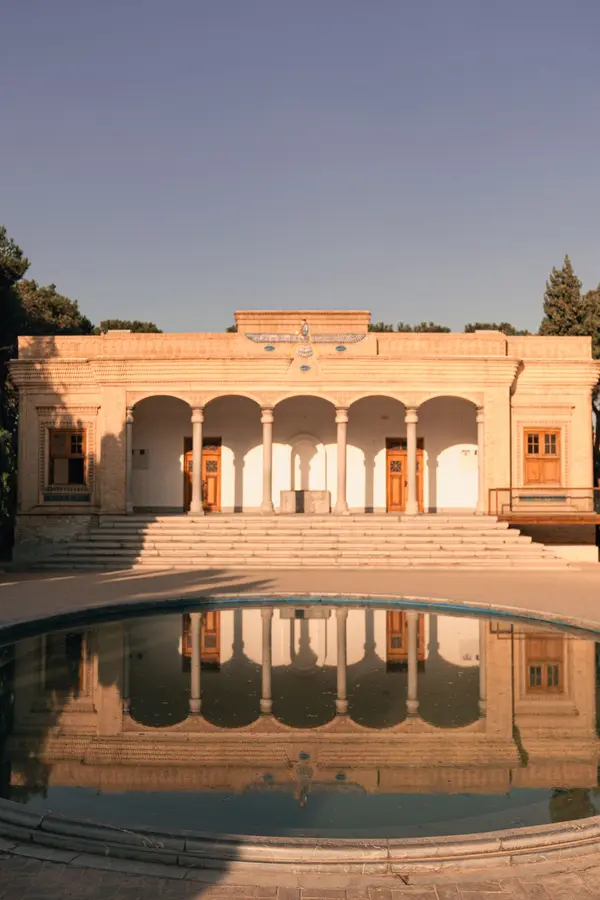
4. Zoroastrian Fire Temple of Yazd
Qui puoi vedere uno dei fuochi bruciati ininterrottamente da più tempo al mondo, acceso da oltre un millennio e mezzo. Seduto nella sala in penombra puoi guardare le fiamme danzare, mentre ti avvolge il silenzio della fede zoroastriana.
Fatti rapidi: La fiamma che brucia qui si dice non si sia spenta da oltre 1500 anni ed è uno dei fuochi più antichi al mondo a bruciare ininterrottamente. Il fuoco sacro custodito nel tempio è stato raccolto da nove diverse fonti prima di essere portato qui all'inizio del XX secolo.
Punti salienti: Al centro della facciata, un enorme simbolo Faravahar scolpito nella pietra osserva i visitatori, uno dei simboli più antichi della fede zoroastriana. La luce che filtra attraverso le vetrate del tempio danza all'interno in modo tale che l'antica fiamma sembra avvolta da un bagliore quasi soprannaturale.
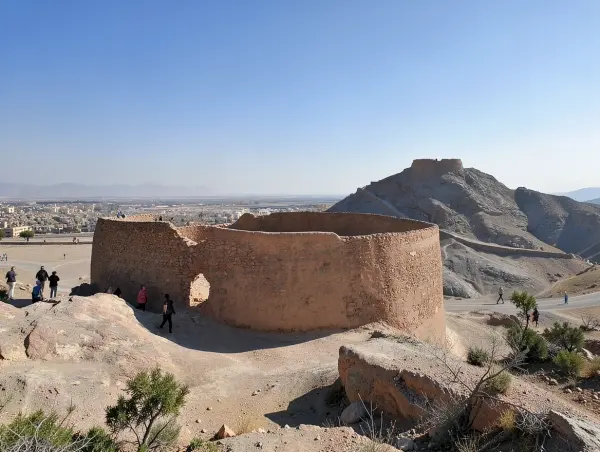
5. Towers of Silence
Un luogo dove la morte incontra il vento del deserto in un silenzio quasi tangibile. Puoi vedere le torri di pietra e il deserto, mentre la luce del sole trasforma la sabbia in oro.
Fatti rapidi: Secondo il rito funebre zoroastriano, su questa altura i corpi venivano esposti agli avvoltoi. Presso le torri costruite nel VI secolo oggi non si svolgono più cerimonie, ma lo spirito del luogo rimane ancora intenso.
Punti salienti: All'interno delle torri non c'è nulla di inquietante né alcun elemento architettonico spettacolare. Ciò che si può percepire sulla sommità della collina è il silenzio assoluto e quella saggezza di 2500 anni fa secondo cui la morte non è la fine della vita, ma il ritorno alla natura.
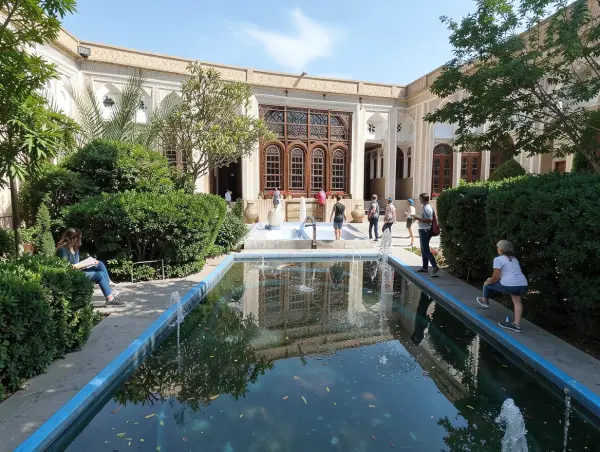
6. Yazd Water Museum
Qui puoi capire come i persiani mantennero vive le città del deserto. Scendi in un antichissimo canale sotterraneo, dove l'acqua gelida della pietra e la sabbia soffice offrono un'esperienza tangibile.
Fatti rapidi: Secoli fa, ingegneri persiani costruirono un sistema di canali sotterranei che trasportava l'acqua anche nel caldo rovente del deserto. Alcuni dei qanat esposti nel museo potevano essere lunghi fino a 70 chilometri, e l'acqua non entrava mai in contatto con la superficie.
Punti salienti: Puoi scendere sottoterra accanto a un qanat di 300 anni, dove tra le pareti di pietra si sente il gorgoglio dell'acqua. Uno dei pezzi più straordinari dell'esposizione è un tubo d'argilla di 2000 anni, usato già dagli antichi persiani per convogliare l'acqua.
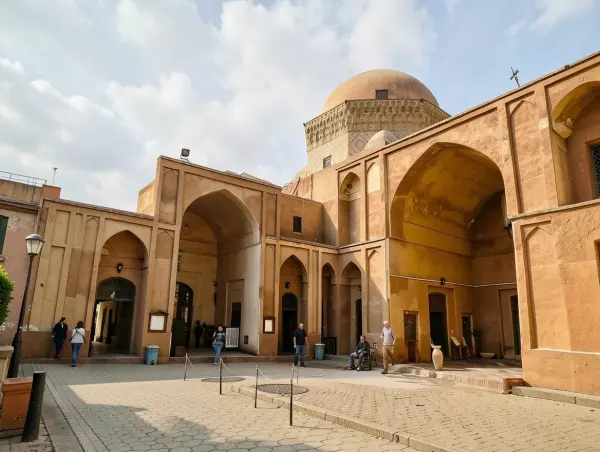
7. Alexander's Prison
Un luogo dove i segreti del passato incontrano la geniale architettura persiana. Entra nella penombra, senti l'aria fresca e scopri l'affascinante meccanismo del sistema nascosto di raccolta dell'acqua.
Fatti rapidi: La struttura del IX secolo in realtà non fu mai una prigione, bensì un'enorme cisterna e luogo di sosta nell'antica Persia. Il nome deriva dal fatto che, secondo le leggende locali, Alessandro Magno vi teneva prigionieri i nobili ribelli.
Punti salienti: All'interno si apre davanti a te un'enorme sala cupolata e buia, dove la luce che penetra dall'alto disegna le pareti della cisterna profonda 8 metri. Il silenzio perfetto e l'aria più fresca di 12 gradi creano la sensazione di essere tornati in un altro secolo.
8. Lariha House
Qui puoi fare un viaggio nel tempo nella quotidianità di una facoltosa famiglia persiana. Ascoltando il sussurro dei frangivento e il gorgoglio della piscina, puoi sorseggiare un tè alla menta.
Fatti rapidi: Il palazzo mercantile del XIX secolo vanta travi intagliate a mano e finestre in vetro colorato. La vasca al centro del cortile ricrea il fresco microclima dei giardini persiani nell'arsura del deserto.
Punti salienti: Le pareti interne della casa sono coperte da 47 diversi motivi geometrici, intagliati a mano in stucco di gesso dalla consistenza di panna montata. Sul soffitto di una delle stanze si trova una composizione circolare in legno di 200 anni, che cela simboli segreti e si può scoprire solo a una certa angolazione della luce meridiana.
9. Khan Bathhouse and Bazaar
Immergiti nell'atmosfera magica di un bagno e di un mercato persiano di 400 anni fa. Mosaici colorati, sale a specchi e il profumo di spezie fresche ti accompagnano lungo i corridoi a labirinto.
Fatti rapidi: Un complesso termale attivo ininterrottamente da oltre 400 anni, dove puoi ammirare un esempio straordinario dell'architettura persiana. Sotto le imponenti cupole rivestite di mosaici colorati e decorazioni a specchio non c'è solo il bagno, ma anche un bazar dove acquistare prodotti artigianali.
Punti salienti: Attraverso le centinaia di piccole aperture sul lato interno della cupola filtra la luce del sole, creando un cielo stellato sopra le vasche anche di giorno. In piedi sotto il soffitto alto 12 metri, rivestito di mosaici di vetro colorato, quasi dimentichi di trovarti in una struttura sotterranea.
Where to Stay in Yazd, Iran
Selected by City Buddy based on guest reviews and proximity to top attractions
Search all hotels in Yazd, IranPowered by agoda
Giorni di apertura a Yazd, Iran
Quali delle principali attrazioni chiudono in quale giorno della settimana. Il classico modo per rovinare un viaggio, verificato per te.
venerdì: 1 su 9 attrazioni principali chiuse. Pianifica i musei per un altro giorno.
Chiuso il venerdì · 1 chiusi, 8 aperti
Giorni di apertura da Google Maps (verificati il 2026-07-23). Festività, scioperi e orari stagionali possono variare. Controlla il sito ufficiale prima di partire.
Dolci tradizionali
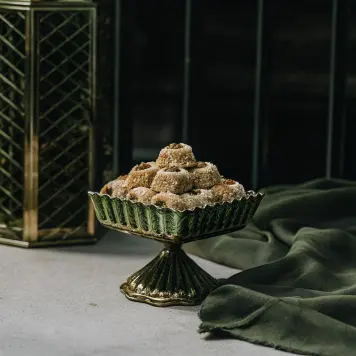
Baklava (Yazdi style)
Unlike the filo-based versions in Turkey or Greece, Yazdi Baklava is a diamond-shaped cookie made with almonds, cardamom, and rosewater, and soaked in a thick sugar syrup for a delightfully chewy texture.
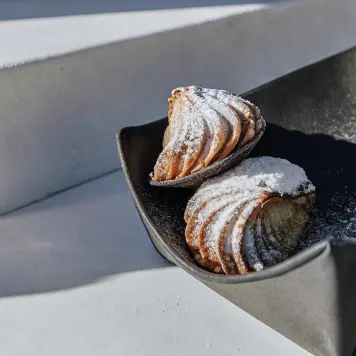
Qottab
These deep-fried almond-filled pastries are dusted with powdered sugar and have a delicate, crescent shape. They are a signature of Yazd and often served at celebrations and Nowruz gatherings.
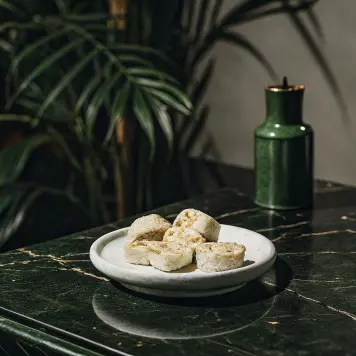
Hajji Badami
A crumbly, biscuit-like cookie packed with whole almonds and ground cardamom, Hajji Badami is named after a famous Yazdi baker. Its dry, melt-in-your-mouth texture makes it perfect for dipping in tea.
Piatti salati tradizionali

Shuli (Sholeh)
This thick, hearty Yazdi soup is made from lamb, lentils, spinach, and a tart herb called "ghoureh" (unripe grapes). It is famous for its tangy, sour flavor that is unique to the region.

Yazdi Koofteh (Koofteh Yazdi)
Unlike the classic Tabrizi meatball, this version is a large, stuffed meatball made from ground lamb or beef with rice, split peas, and a surprising sour center made from dried plums or prunes.
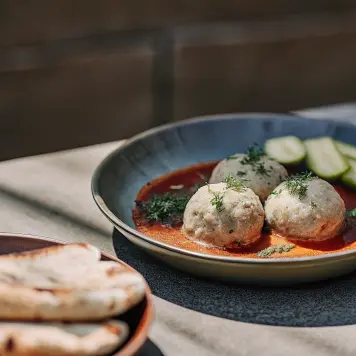
Gondi (Yazdi style)
Gondi are chickpea and chicken meatballs, slow-cooked in a spiced broth and often served with pita bread, pickles, and fresh herbs. Yazd's version is particularly famous for its light, fluffy texture.
Bevande tradizionali

Sekanjebin-e Yazdi
This sweet and sour syrup is made from vinegar, honey or sugar, and mint. Yazdi families often ferment it for weeks, giving it a complex, slightly fizzy quality that is incredibly refreshing in the desert heat.

Kashk-e Bademjan (as a drink)
While commonly a dip, in Yazd they prepare a unique warm, drinkable version (often called "Aab-e Kashk") made from diluted fermented whey, mint, and walnuts, served as a restorative winter beverage.

Chai-ye Nabat (Yazdi Rock Candy Tea)
This is simply strong black tea served with a stick of amber-colored rock candy (nabat) on the side. The diner stirs the candy to their desired sweetness, and the saffron in the nabat gives the tea a golden hue.
Domande frequenti su Yazd, Iran
È sicura Yazd, in Iran?
Quanti giorni conviene trascorrere a Yazd?
Quando è il periodo migliore per viaggiare a Yazd?
È cara Yazd, in Iran?
Come ci si sposta a Yazd?
Ricevi un PDF con le attrazioni più popolari via email
Ricevi un PDF con tutte le attrazioni, valutazioni e consigli. Perfetto per l'uso offline.
Gite di un giorno più popolari
Chak Chak (Zoroastrian Fire Temple)
Sacred Zoroastrian pilgrimage site nestled in desert mountains.
Kharanaq (Ancient Village)
Abandoned 1000-year-old mud-brick village with a shaking minaret.
Isfahan
Iconic city with Naqsh-e Jahan Square and stunning mosques.
Come arrivare
Aeroporti
Stazioni ferroviarie
Tehran, Isfahan, Kerman, Mashhad
From the airport, taxis cost around 10-15 USD to the city center. Yazd is well connected by night trains from Tehran (6-7 hours).
Informazioni utili per Yazd, Iran
Panoramica di Yazd, Iran
Vuoi un piano giorno per giorno per Yazd, Iran? Apri il pianificatore di viaggio
Quando andrai a Yazd, Iran?
Scegli le date e lo stile di viaggio per ottenere:
Qualcosa di particolarmente importante per te?
Seleziona tutto ciò che si applica
Come spostarsi
Come vuoi spostarti tra i luoghi?
Lingua del piano: Italiano