 CityBuddy
 Italiano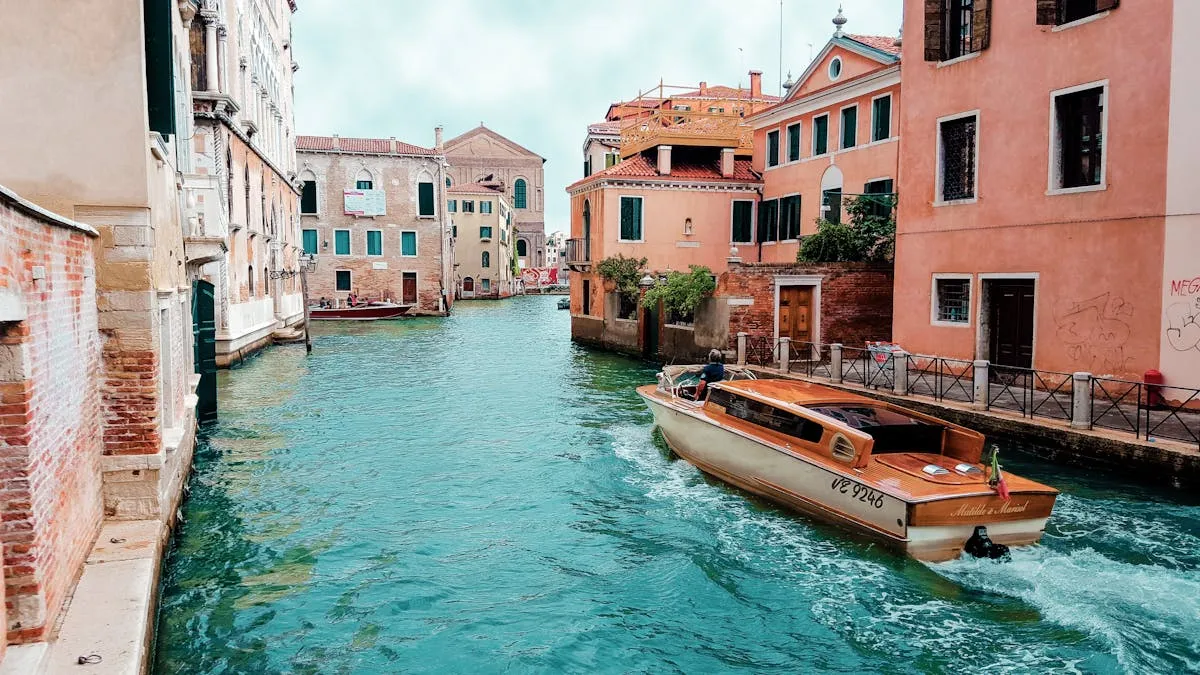
Truffe e fregature turistiche a Italy: come evitarle
Foto di Pixabay su Pexels.com
Italy is generally safe for tourists, but petty theft and overcharging are common in busy areas, especially around major sights, train stations, and public transport hubs. Violent crime is low, but pickpocketing, restaurant overcharging, and unofficial taxi drivers are the main concerns. Watch your belongings on crowded metros and always use official taxi ranks at airports.
Aggiornato settembre 2026
Truffe comuni a Italy e come evitarle
1. Friendship bracelet trick
Come funziona: Someone approaches you, ties a bracelet on your wrist without asking, then demands payment. Common around the Colosseum, Trevi Fountain, and other major landmarks. Often a group works together to distract you.
Come evitarlo: Keep hands in pockets, say no firmly, and walk away. Do not let strangers touch your wrist.
2. Pigeon seed or rose scam
Come funziona: Someone thrusts birdseed into your hand or places a rose on your arm, claiming it is a gift, then demands 5 to 20 EUR. Targets couples and tourists near squares and monuments.
Come evitarlo: Do not accept anything handed to you. Walk away immediately if someone approaches with seed or flowers.
3. Fake ticket inspectors
Come funziona: People posing as inspectors approach tourists and demand fines for allegedly unvalidated tickets, sometimes showing unofficial badges. They pressure you to pay cash on the spot.
Come evitarlo: Real inspectors wear official uniforms with visible identification. Ask to see ID and never pay cash on the spot; insist on a written receipt and official procedure.
4. Unofficial airport drivers
Come funziona: Unlicensed drivers approach travelers inside airport terminals or at arrivals and offer rides at inflated rates. They often have no meter and charge 100 EUR or more for the trip into the city.
Come evitarlo: Only use the official taxi rank outside the terminal. Ignore anyone offering a ride inside the building. In Rome the fixed fare is about 48 EUR.
5. Tourist menu overcharging
Come funziona: Some restaurants in central tourist zones present menus without prices or charge extra for bread, water, or service once the bill arrives. A cover charge and service fee can inflate a meal by 20 to 30 percent.
Come evitarlo: Only sit at tables with printed prices on the menu. Ask for the menu before ordering, and verify the bill includes only items you ordered.
6. Poor-rate exchange booths
Come funziona: Exchange booths near major landmarks and train stations quote attractive rates but add large commissions and fees, sometimes charging 10 to 20 percent of the amount. Some refuse to show the all-in rate before the transaction.
Come evitarlo: Use ATMs from major banks instead of exchange offices. If you must exchange cash, ask for the total amount in euros after all fees before agreeing.
7. Card skimming and cloned ATMs
Come funziona: Skimming devices are occasionally fitted to standalone ATMs in tourist areas to capture card data and PINs. Criminals then clone cards for fraudulent purchases.
Come evitarlo: Use ATMs attached to bank branches during opening hours. Cover the keypad when entering your PIN and inspect the card slot for loose or foreign attachments.
8. Distraction pickpocketing
Come funziona: A person bumps into you, spills something on you, or asks for directions while an accomplice lifts your wallet or phone. Often done in pairs or groups in crowded metro cars and queues.
Come evitarlo: Keep valuables in front pockets or a money belt under clothing. Be wary of sudden physical contact and keep bags zipped and in front of your body.
Biglietti ufficiali per le principali attrazioni di Italy
Niente venditori ambulanti: prenota biglietti ufficiali e tour con cancellazione gratuita.
Dall'aeroporto al centro città
Fiumicino (Leonardo da Vinci) International Airport, serving Rome
Prezzo equo del taxi (ufficiale, diurno): 45 € - 50 €. Official taxis from Fiumicino to central Rome charge a fixed rate of about 48 EUR. Use the licensed taxi rank outside the arrivals terminal only and refuse any driver who approaches you inside the terminal.
Migliore alternativa: Leonardo Express train from Fiumicino to Roma Termini (14 €, circa 32 min)
Trasporto pubblico: biglietti, convalida e multe
- Biglietto singolo
- 1,50 € (A standard 100-minute ticket valid across metro, bus, and tram in Rome (BIT ticket). Prices vary slightly by city; in Milan a single metro ticket is about 2.20 EUR.)
- Regole di convalida
- Validate your ticket in the yellow or blue machines at metro station entrances or on board buses and trams before travel begins. Unvalidated tickets are considered invalid. In many cities contactless bank cards can be tapped directly at metro gates and on buses.
- Multa senza biglietto valido
- 105 €. Fine for riding without a valid ticket is typically around 100 to 120 EUR, reduced to about 55 EUR if paid within a few days. Inspectors conduct random checks on all modes.
- Pagamento con carta
- Contactless debit and credit cards work on metro gates and most buses and trams in Rome and Milan, with daily fare caps applied automatically.
Mance e coperti
Mance: Tipping is not expected but appreciated. Rounding up the bill or leaving 5 to 10 percent in restaurants is common when service was good. Taxi drivers and tour guides do not expect tips.
Coperto e servizio: Many restaurants add a "coperto" (cover charge) of 1 to 3 EUR per person, which must be shown on the menu. A "servizio" or service charge is sometimes added on the bill and is not a tip. Check the menu for prices before ordering, and be cautious of restaurants near main squares that display menus only in English with no prices printed.
Carte, bancomat e cambio valuta
Always choose to be charged in euros and decline dynamic currency conversion when prompted at ATMs or card terminals. Prefer ATMs attached to major banks (Intesa Sanpaolo, UniCredit, BNL) over independent or tourist-area machines, which often charge high fees. Inform your bank before travel and carry a backup card.
Zone dove è consigliata maggiore attenzione
- Rome, Termini station area: Around the main train station late at night, keep bags closed and stay alert for pickpocketing. The area is generally safe but busy and attracts opportunistic theft.
- Naples, central station area: Near Napoli Centrale and the Spanish Quarter, stay aware of your surroundings, especially after dark. Petty theft and motorbike bag-snatching are reported in the area.
Numero di emergenza
112
Stai pianificando il budget?
Domande frequenti su Italy
Italy è sicura per i turisti?
Quanto costa un taxi dall'aeroporto al centro di Italy?
Devo convalidare i biglietti del trasporto pubblico a Italy?
La mancia è prevista a Italy?
Qual è il numero di emergenza a Italy?
Basato su esperienze di viaggiatori ampiamente segnalate e consigli ufficiali. I prezzi sono indicativi e variano; verifica le tariffe attuali all'arrivo. Aggiornato il settembre 2026.