 CityBuddy
 Italiano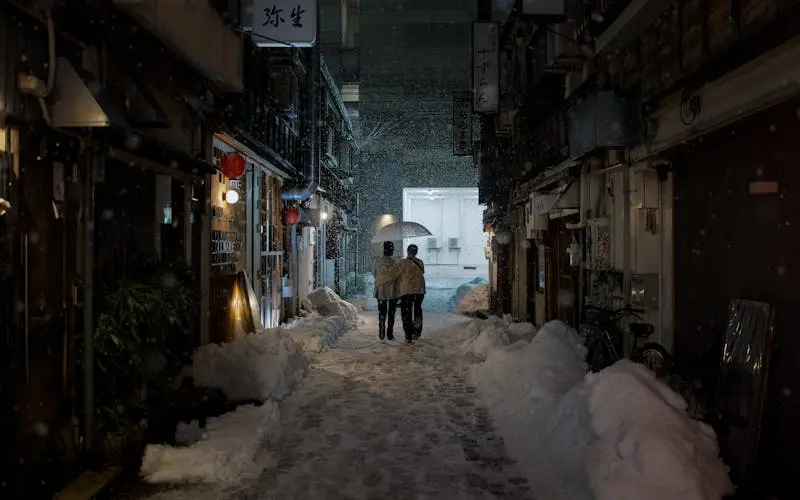
Cosa fare a Kanazawa, Japan
Foto di Julien su Pexels.com
Quando visitare
Kanazawa è la n. 8 città più pulita al mondo, in base ai nostri dati su centinaia di destinazioni.
Attrazioni più popolari a Kanazawa, Japan
Le migliori cose da fare a Kanazawa, in Giappone, includono esplorare il Giardino Kenroku-en, uno dei tre grandi giardini del paese, e passeggiare per lo storico Quartiere Higashi Chaya con le sue case da tè ben conservate. Non perdere il Parco del Castello di Kanazawa, che presenta imponenti mura in pietra e ampi spazi ideali per piacevoli passeggiate.
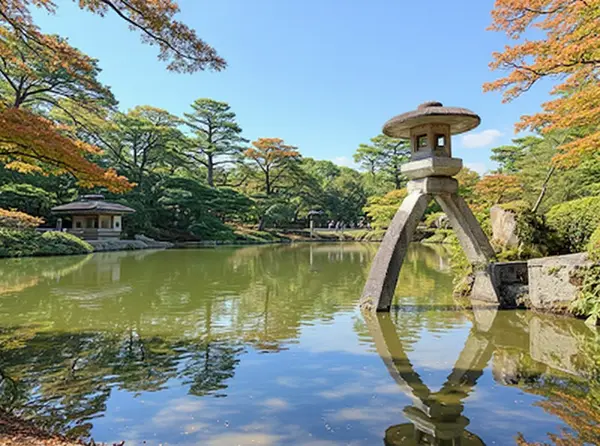
1. Kenroku-en Garden
Uno dei giardini paesaggistici più eleganti del Giappone, ricco di stagni, case da tè e allestimenti stagionali. Passeggia tra i vialetti bordati di pini, ammira la lanterna Kotoji e le corde yukitsuri in inverno.
Fatti rapidi: Tappeti di muschio e sentieri tortuosi creano improvvise vedute incorniciate che cambiano a ogni stagione, dal profumo di prugno in primavera ai paesaggi silenziosi di neve bianca in inverno. Case da tè, lanterne di pietra e un pittoresco stagno con isola invitano a passeggiate lente e offrono innumerevoli angoli perfetti per foto.
Punti salienti: Le corde Yukitsuri cullano le punte dei rami ogni inverno, i delicati lacci proiettano ombre simili a corone sulla neve fresca e formano un fotogenico reticolo. Le guide amano indicare il pino karasaki, i cui rami spazzati dal vento si inclinano sullo stagno illuminato dalle lanterne, così la sagoma sembra un dipinto a inchiostro giapponese al crepuscolo.
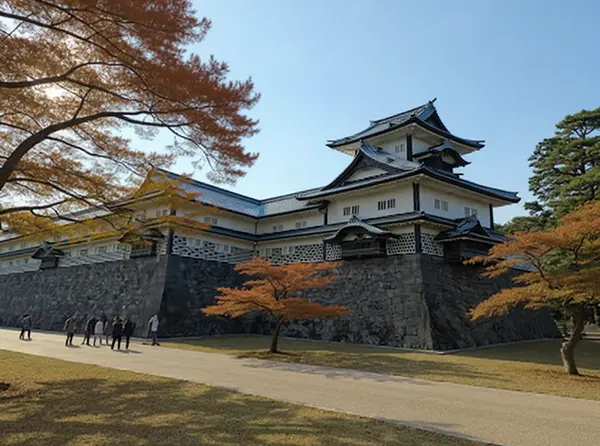
2. Kanazawa Castle Park
Castello dell'epoca dei samurai ben conservato, con imponenti mura in pietra e porte in legno restaurate. Passeggia nei vasti spazi, sali sulle torri e goditi la vista sul giardino Kenrokuen.
Fatti rapidi: Massicce mura intonacate di bianco e imponenti porte in legno incorniciano un labirinto di sentieri in pietra e fossati dove le carpe koi scivolano appena sotto i ponticelli, abbastanza vicine da sentirle increspare l'acqua. Visite guidate e pannelli informativi segnalano murature originali e torri ricostruite, offrendo uno sguardo diretto sulla falegnameria tradizionale e sulla difesa del castello.
Punti salienti: Sali le scale di legno di una delle tre torri restaurate e sentirai il profumo della resina e il suono sordo delle travi massicce, mentre una piccola targa rende omaggio alle corporazioni locali di falegnami per nome. Una morbida luce ambrata proveniente da oltre 50 lanterne galleggianti illumina spesso il fossato durante gli eventi serali, trasformando i riflessi sulle mura di pietra in arazzi in movimento che sembrano quasi cinematografici.
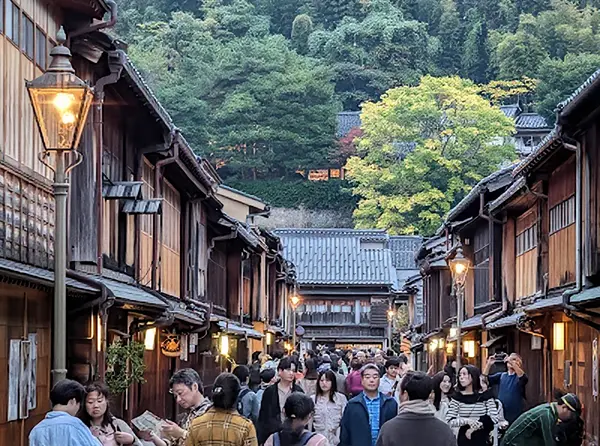
3. Higashi Chaya District
Entra nelle strade ben conservate dell'epoca Edo, dove le case da tè in legno e la cultura delle geisha sono ancora vive. Passeggia tra vicoli stretti, assaggia dolci locali e osserva gli artigiani al lavoro.
Fatti rapidi: Vicoli stretti incorniciati da griglie di legno color miele danno la sensazione di entrare in un set cinematografico, mentre gli interni laccati a volte lasciano che il morbido pizzicare di uno shamisen si diffonda per la strada. Uno dei tre quartieri tradizionali delle case da tè della città, la zona ospita ancora spettacoli di geisha e negozi che vendono delicata foglia d'oro e oggetti laccati.
Punti salienti: Una sorpresa inaspettata è il gelato alla foglia d'oro, dove i venditori drappeggiano un singolo foglio d'oro 24 carati sul gelato, così la foglia brilla e si scioglie sulla lingua. Dopo il tramonto potresti assistere a uno spettacolo di due o tre geisha su una veranda rialzata, con lo shamisen, il fruscio dei kimono sovrapposti e le conversazioni sussurrate che avvolgono la folla in un momento intimo e cinematografico.
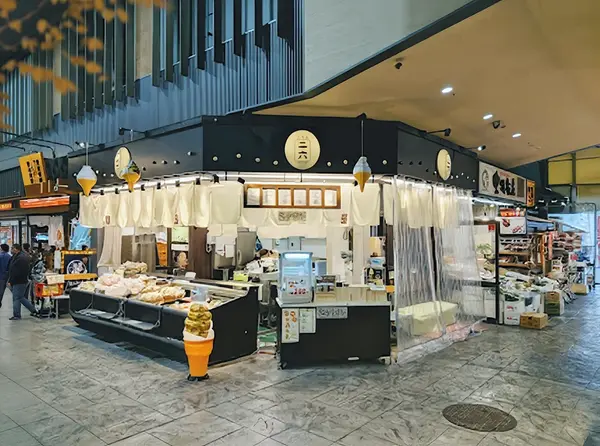
4. Omicho Market
Il vivace mercato ittico di Kanazawa con il pesce più fresco del Mar del Giappone. Cammina tra gli stretti corridoi, assaggia sashimi ai banconi e guarda i venditori preparare le specialità del giorno.
Fatti rapidi: Il vapore fragrante dei brodi che sobbollono e del takoyaki sfrigolante si mescola al sentore salino del pesce fresco, riempiendo gli stretti vicoli dove i venditori gridano i prezzi. Più di 200 bancarelle e piccoli ristorantini affollano il posto, con pesce che arriva ogni giorno dai porti vicini, così il sashimi può essere servito entro poche ore dalla cattura.
Punti salienti: I locali si radunano mentre un venditore di granchi solleva un granchio delle nevi da un chilo e mezzo su una vecchia bilancia di ottone, gridando il prezzo con una voce cantilenante che riecheggia tra i vicoli. Dietro una corsia, dodici banconi bassi ospitano i clienti sotto lampade calde, dove gli chef affettano fette traslucide di kanburi e le servono con un pizzico di wasabi e soia.
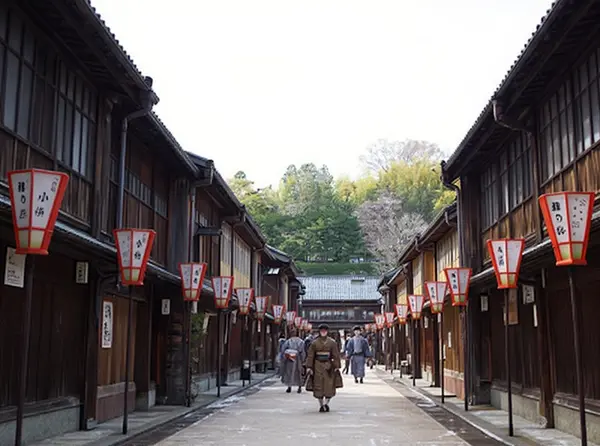
5. Nagamachi Samurai District
Entra nella vita dei samurai tra mura di terra conservate e vicoli stretti. Passeggia tra residenze restaurate, piccoli musei e una tranquilla casa da tè con giardino.
Fatti rapidi: Vicoli stretti rivestiti di terra rivelano spesse pareti di argilla e grate di legno che odorano leggermente di terra umida dopo la pioggia. I visitatori spesso incontrano kura fortificati e residenze samurai con porte laccate che mostrano stemmi di famiglia; alcune case conservano ancora stanze tatami originali e giardini nascosti.
Punti salienti: Imbocca un vicolo silenzioso e i passi attutiti, le pietre muschiose e il profumo del legno oliato rendono il passato tangibile e immediato. Più di 20 residenze samurai sono ancora sopravvissute, e una casa restaurata mostra un piccolo giardino da tè e stanze tatami che puoi osservare attraverso finestre a grata, scorgendo da vicino laccature nere come l'inchiostro.

6. 21st Century Museum of Contemporary Art
Arte contemporanea audace in uno splendido museo circolare vicino al Castello di Kanazawa. Passeggia tra installazioni immersive, specchi d'acqua riflettenti e opere di luce interattive.
Fatti rapidi: Puoi girovagare per un campus circolare e accessibile dove le gallerie si fondono con le piazze pubbliche, così le opere contemporanee spesso si mescolano con la vita di tutti i giorni. I visitatori incontrano comunemente sale minimaliste, installazioni sensoriali e illusioni ottiche giocose che trasformano sguardi casuali in doppie occhiate.
Punti salienti: Un'installazione che sfida la gravità di Leandro Erlich crea l'illusione di persone che camminano sott'acqua mentre altri guardano dall'alto, producendo foto surreali e esclamazioni di stupore. La calda luce naturale filtra attraverso ampie pareti di vetro e lucernari, bagnando i pavimenti di cemento in blu e oro mutevoli, così ogni visita sembra visivamente diversa di ora in ora.
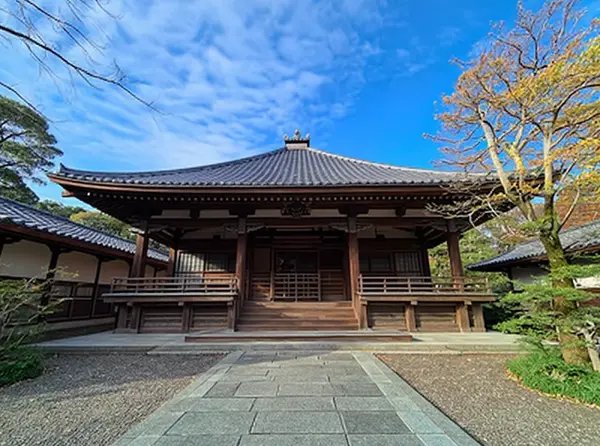
7. Myoryu-ji (Ninja Temple)
Ninja Temple
Tempio del periodo Edo ricco di caratteristiche difensive segrete. Le visite guidate svelano scale strette, botole e stanze nascoste un tempo usate per la protezione.
Fatti rapidi: Corridoi in pietra e porte sapientemente mimetizzate creano un interno simile a un labirinto, dove stanze apparentemente ordinarie nascondono scale segrete e botole. Le guide spesso indicano più di 20 caratteristiche difensive progettate per confondere gli intrusi, da spioncini e soffitti finti a percorsi di fuga nascosti.
Punti salienti: Un improvviso e uccellino cinguettio sotto i piedi rivela l'ingegnosità del luogo; alcuni "uguisubari", o pavimenti usignolo, furono installati affinché le guardie potessero sentire i passi prima che gli intrusi apparissero. Osserva un pannello scorrevole ripiegarsi per rivelare uno stretto passaggio largo appena 60 centimetri, sufficiente per una persona che si infila rimanendo completamente fuori dalla vista.
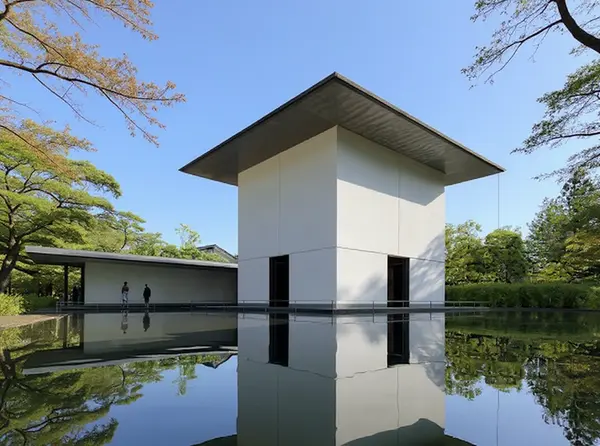
8. D.T. Suzuki Museum
Spazio meditativo di D.T. Suzuki offre una rara oasi di calma a Kanazawa. Gallerie silenziose, uno specchio d'acqua e una sala di lettura invitano a un'esplorazione lenta e riflessiva.
Fatti rapidi: Pareti di cemento e vasche poco profonde modellano ogni stanza, lasciando che la pioggia e il cielo diventino parte delle esposizioni. Il silenzio è trattato come parte della collezione, e molti visitatori trascorrono dai 15 ai 20 minuti seduti vicino all'acqua, osservando la luce scivolare sulla pietra e sull'acciaio inossidabile.
Punti salienti: Una singola vasca di riflessione poco profonda si trova al centro del sito, profonda solo pochi centimetri, così che i riflessi del cielo e degli alberi circostanti rimangano nitidi e specchiati. La luce bassa e diffusa e il morbido gocciolio dell'acqua trasformano le gallerie in un paesaggio sonoro intimo, rendendo i sussurri vividi e spingendoti a notare minuscole texture e l'esatto angolo di un'ombra.
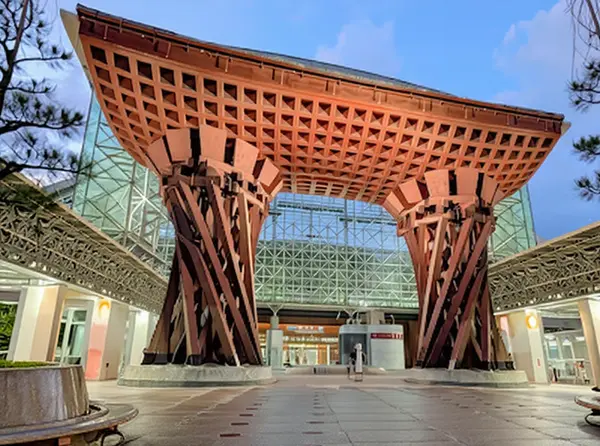
9. Kanazawa Station (Tsuzumi-mon Gate)
Tsuzumi-mon Gate
Un suggestivo cancello di legno a forma di tsuzumi e una maestosa cupola di vetro vi accolgono alla Stazione di Kanazawa. Cammina sotto il cancello e dentro la cupola per foto spettacolari e un facile accesso alla città.
Fatti rapidi: Cammina sotto un imponente cancello di legno a forma di un paio di tamburi a mano e senti l'improvviso passaggio dal rumore della strada a una calma raccolta, simile a quella di una cattedrale. Caldi toni di cedro incontrano una vetrata a baldacchino, così il salone brilla di luce riflessa e il gocciolio occasionale della pioggia diventa parte della colonna sonora.
Punti salienti: Entra nell'anticorte e incontrerai due imponenti pilastri di legno modellati sui tradizionali tamburi tsuzumi del teatro Noh, con le venature e le fasce in bronzo visibili da vicino. Luci ambrate illuminano il legno e il baldacchino di vetro dopo il tramonto, trasformando la piazza in un palcoscenico dove il debole eco dei passi e i lontani clacson dei treni sembrano quasi cinematografici.
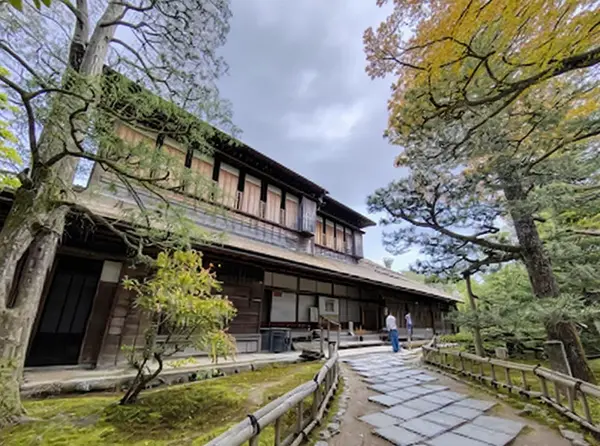
10. Seisonkaku Villa
Elegante villa samurai che riflette il gusto del clan Maeda. Passeggia tra stanze di tatami, paraventi decorati e un giardino sereno che cambia con le stagioni.
Fatti rapidi: "Una ex villa di famiglia feudale sorprende con porte scorrevoli dorate e interni laccati che catturano la luce, inviando caldi riflessi ambrati attraverso il tatami. Noterai una collezione privata di kimono ricamati e mobili laccati, conservati con cura in modo che il filo d'oro e il pigmento brillino ancora quando guardi da vicino."
Punti salienti: "Percorri una stretta veranda fino a un cortile muschioso dove esattamente 13 pietre da guida scandiscono il tuo passo, un ritmo intenzionale che rallentava gli ospiti durante le visite cerimoniali. Il sole che riscalda le assi di legno lucidate rilascia un leggero odore di canfora, e dozzine di paraventi dipinti mostrano una pennellatura così fine che puoi distinguere i singoli tratti con un occhio attento."
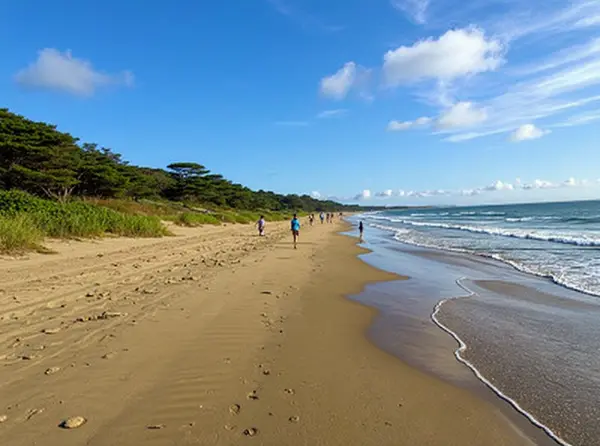
11. Chirihama Nagisa Driveway (beach driving)
beach driving
L'unica autostrada legale del Giappone sulla spiaggia, dove i tuoi pneumatici incontrano la linea di marea. Abbassa i finestrini, senti la brezza marina e guida con l'oceano come tuo compagno costante.
Fatti rapidi: Puoi guidare la tua auto proprio lungo la riva dove a volte le onde lambiscono a pochi metri dalle gomme, uno dei pochi luoghi in Giappone dove guidare sulla spiaggia è legale. Il tratto di 8 chilometri di sabbia compatta tra la foresta e il Mar del Giappone è una strada pubblica dal 1965, libera per chiunque.
Punti salienti: Con la bassa marea, la sabbia diventa abbastanza solida che anche una berlina compatta può viaggiare a 50 km/h con la salsedine che appanna il parabrezza. Accosta dove vuoi lungo il tratto di 8 chilometri, apri il bagagliaio e goditi un picnic sulla spiaggia con lo stereo dell'auto acceso mentre le onde si infrangono a pochi passi.
Where to Stay in Kanazawa, Japan
Selected by City Buddy based on guest reviews and proximity to top attractions
Search all hotels in Kanazawa, JapanPowered by agoda
Giorni di apertura a Kanazawa, Japan
Quali delle principali attrazioni chiudono in quale giorno della settimana. Il classico modo per rovinare un viaggio, verificato per te.
martedì: 2 su 11 attrazioni principali chiuse. Pianifica i musei per un altro giorno.
Chiuso il martedì · 2 chiusi, 9 aperti
Giorni di apertura da Google Maps (verificati il 2026-06-08). Festività, scioperi e orari stagionali possono variare. Controlla il sito ufficiale prima di partire.
Dolci tradizionali
wagashi
Kanazawa wagashi are edible miniatures of the seasons, crafted with local ingredients and precise knife work so each sweet looks like a tiny landscape from Kenrokuen Garden.

gold leaf soft ice cream
Kanazawa produces over 99% of Japan's gold leaf, and vendors sometimes wrap an entire soft-serve cone in a paper-thin sheet of edible gold, creating a shimmering treat that is more about spectacle than flavor.
Piatti salati tradizionali
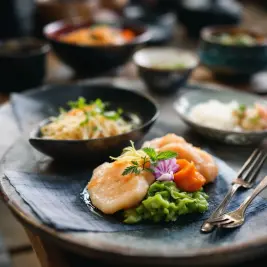
kaga ryori
Kaga ryori, the refined cuisine of the old Kaga domain, arranges many small courses that highlight local mountain vegetables, freshwater fish and seasonal presentation, turning a meal into a visual and seasonal tour.

jibuni
Jibuni is a comforting Kanazawa stew of duck or chicken lightly dusted with flour, simmered in a savory dashi with soy and mirin, and it began as a favorite dish of samurai households.

seafood
Sitting on the Sea of Japan gives Kanazawa access to prized catches like winter snow crab, fatty nodoguro and migrating yellowtail, and chefs often serve them simply so the pure ocean flavors stand out.
Bevande tradizionali

sake
Kanazawa and nearby Ishikawa breweries use soft, mineral-rich mountain water and cold winters to slow fermentations, producing elegant, complex sake that pairs naturally with local seafood and Kaga cuisine.

green tea
Kanazawa tea is central to its tea ceremony culture, with shade-grown leaves producing a rich umami and silky texture that is often enjoyed in the refined setting of Kenrokuen or a tea house.
Domande frequenti su Kanazawa, Japan
Qual è il periodo migliore per visitare Kanazawa, in Giappone?
Kanazawa, in Giappone, è costosa per i viaggiatori?
Quanto è sicura Kanazawa, in Giappone, per i turisti?
Come ci si sposta a Kanazawa, in Giappone?
Quanti turisti visitano Kanazawa, in Giappone, ogni anno?
Ricevi un PDF con le attrazioni più popolari via email
Ricevi un PDF con tutte le attrazioni, valutazioni e consigli. Perfetto per l'uso offline.
Gite di un giorno più popolari
Shirakawa-go
UNESCO gassho-zukuri village with thatched-roof houses.
Takayama
Well-preserved old town, morning markets, traditional crafts.
Noto Peninsula (Wajima)
Scenic coastal drives, Wajima morning market, lacquerware.
Kaga Onsen (Yamanaka, Yamashiro)
Hot spring towns with ryokan, gardens, local crafts.
Fukui (Echizen, Tojinbo)
Coastal cliffs, dinosaur museum, Echizen pottery.
Come arrivare
Aeroporti
Stazioni ferroviarie
Hokuriku Shinkansen, JR Hokuriku Line, IR Ishikawa Railway
Local JR and Noto Railway services
From Komatsu Airport take the direct airport bus to Kanazawa Station, about 40 minutes.
Informazioni utili per Kanazawa, Japan
Panoramica di Kanazawa, Japan
Vuoi un piano giorno per giorno per Kanazawa, Japan? Apri il pianificatore di viaggio
Quando andrai a Kanazawa, Japan?
Scegli le date e lo stile di viaggio per ottenere:
Qualcosa di particolarmente importante per te?
Seleziona tutto ciò che si applica
Come spostarsi
Come vuoi spostarti tra i luoghi?
Lingua del piano: Italiano