 CityBuddy
 Italiano
Cosa fare a Kumano, Japan
Foto di Marcu Ioachim su Pexels.com
Quando visitare
Quando andrai a Kumano, Japan?
Scegli le date e lo stile di viaggio per ottenere:
Qualcosa di particolarmente importante per te?
Seleziona tutto ciò che si applica
Plan language: ItalianoAttrazioni più popolari a Kumano, Japan
Cose da fare a Kumano, in Giappone, includono percorrere a piedi le antiche Vie di Pellegrinaggio Kumano Kodo, che si estendono per oltre 200 chilometri attraverso montagne sacre. Visita il Kumano Nachi Taisha, un grande santuario vicino alla spettacolare cascata Nachi alta 133 metri. Il tempio Seiganto-ji si trova nelle vicinanze, offrendo viste tranquille e una storia spirituale.
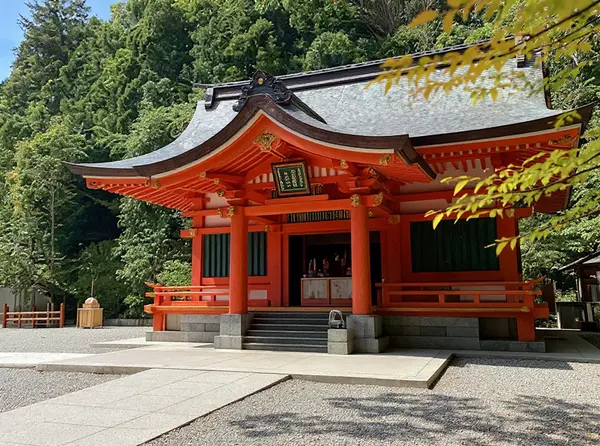
1. Kumano Nachi Taisha
La natura incontra la spiritualità in una spettacolare cascata-santuario di 133 metri. Vivi rituali sacri e sentieri forestali incontaminati a ogni passo.
Fatti rapidi: Una gigantesca cascata sacra chiamata Nachi Falls, alta 133 metri, scorre maestosamente dietro il santuario principale, creando uno scenario naturale drammatico. Questo sito fa parte del percorso di pellegrinaggio del Kumano Kodo, che per secoli ha attirato oltre 1 milione di pellegrini ogni anno.
Punti salienti: I visitatori entrano in un regno spirituale dove il fragore della cascata si fonde con gli antichi cipressi, ritenuti dimora degli spiriti ancestrali. Tra i rituali unici vi è l'addobbo della cascata con corde shimenawa, a simboleggiare la purificazione e la protezione divina attraverso le stagioni.
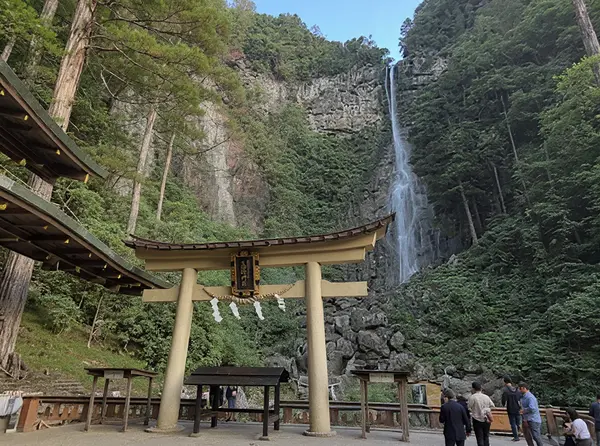
2. Nachi Falls
Alta 133 metri, una potente cascata d'acqua ti aspetta. Vivi un rituale sacro e panorami forestali tranquilli che rinfrescano il tuo spirito.
Fatti rapidi: La cascata si tuffa per 133 metri, rendendola una delle più alte cascate a salto singolo del Giappone. Attira quasi 1,2 milioni di visitatori all'anno che vengono ad ammirare la sua cascata ininterrotta e la nebbia schiumosa.
Punti salienti: Si crede che l'acqua spruzzata dalla cascata porti fortuna e salute, ispirando un rituale unico in cui i visitatori raccolgono gocce sulle foglie per spruzzarsele addosso. In autunno, la foresta circostante esplode in tonalità rosse e dorate, incorniciando la cascata in uno spettacolare colore stagionale.
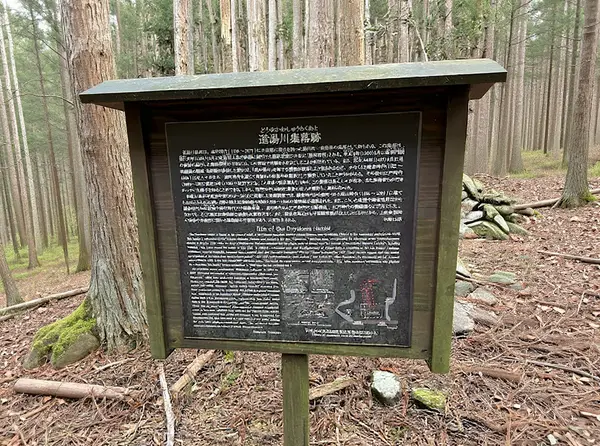
3. Kumano Kodo Pilgrimage Routes
Segui le orme di pellegrini secolari attraverso foreste serene. Scopri sentieri montani tranquilli e tradizioni sacre in prima persona.
Fatti rapidi: Antichi sentieri attraversano fitte foreste di cedri e collegano tre grandi santuari attraverso 100 chilometri di terreno accidentato. I pellegrini hanno percorso queste rotte per oltre 1.000 anni, seguendo le orme di imperatori e monaci.
Punti salienti: Camminando su gradini di pietra ricoperti di muschio, i viaggiatori possono sentire il suono lontano di una campana dal santuario di Kumano Hayatama Taisha, un rituale che si crede purifichi l'anima. Una misteriosa erba di montagna, il "kumano-cha", cresce solo qui e la gente del posto la trasforma in un tè calmante amato dai pellegrini.
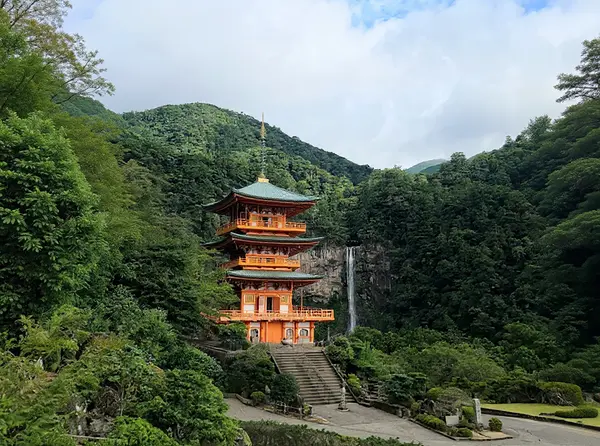
4. Seiganto-ji Temple
Vivi un mix unico di architettura vivace e forza della natura. Cammina sotto l'acqua che cade e immergiti in antiche vibrazioni spirituali.
Fatti rapidi: Seiganto-ji fa parte di un percorso sacro di pellegrinaggio con radici che si estendono per oltre 1.200 anni. I visitatori spesso passano accanto a una cascata nelle vicinanze, ritenuta in grado di purificare il corpo e lo spirito prima di entrare nel tempio.
Punti salienti: La vivace pagoda rossa del tempio si trova a soli 15 metri da una spettacolare cascata, una combinazione insolita che crea un'atmosfera magica e nebbiosa. La leggenda narra che la cascata fu rivelata da un monaco che colpì una roccia con il suo bastone, aggiungendo un'aura mistica al sito.
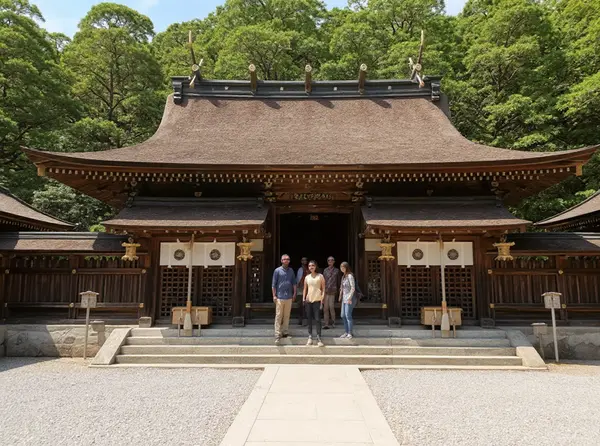
5. Hongu Taisha Shrine
Vivi un sito sacro di pellegrinaggio con profonde vibrazioni spirituali. Cammina sotto antichi cedri e assisti a unici rituali di camminata sul fuoco.
Fatti rapidi: Il santuario fa parte di una rete di Kumano Sanzan con tre santuari principali che attirano oltre 2 milioni di pellegrini all'anno. I visitatori possono trovare antichi cedri di oltre 800 anni che fiancheggiano la strada di accesso, creando un maestoso tunnel naturale.
Punti salienti: Un misterioso rituale viene eseguito ogni 60 anni in cui i sacerdoti camminano per 30 chilometri a piedi nudi sul fuoco per rinnovare il potere spirituale del santuario. Il tetto di paglia del santuario, uno dei più grandi del Giappone, copre un'area di 39 per 11 metri, creando una splendida sagoma architettonica sullo sfondo della foresta.
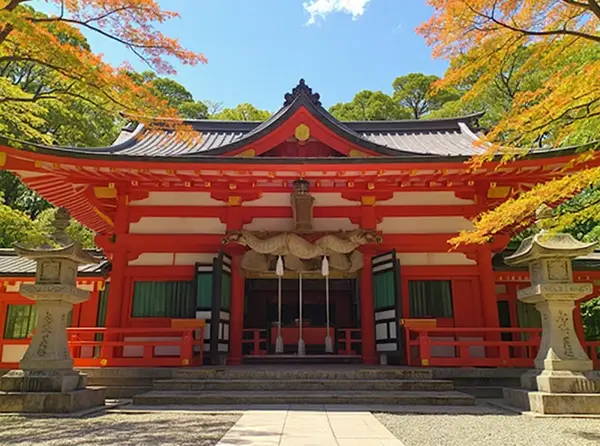
6. Kumano Hayatama Taisha
Entra in un santuario spirituale circondato da antichi alberi di cedro. Vivi rituali coinvolgenti dove tradizione e natura si incontrano.
Fatti rapidi: Immagina di camminare sotto un grande cedro secolare, con oltre 800 anni, che si erge all'ingresso del santuario. Il santuario custodisce un prezioso manufatto: lo specchio sacro che rappresenta lo spirito della dea del sole Amaterasu, figura chiave della mitologia giapponese.
Punti salienti: Un rituale sacro chiamato "Festa del Fuoco" illumina il santuario ogni estate con processioni di fiaccole che attirano oltre 30.000 persone. L'architettura del santuario si fonde armoniosamente con l'antica foresta circostante, creando un'atmosfera serena che sembra un ritorno nel tempo.
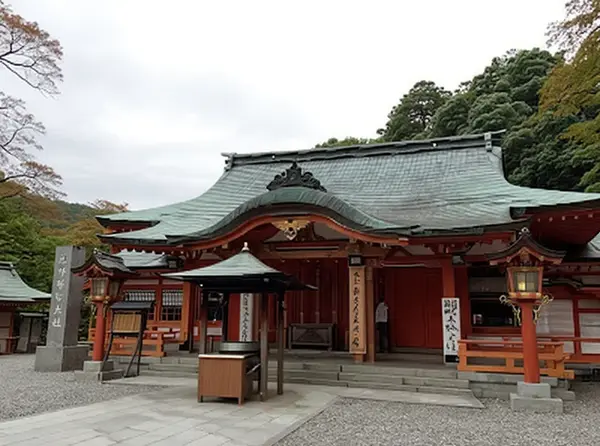
7. Kumano Nachi Taisha Treasure Hall
Esplora antichi manufatti sacri e canti sereni. Senti lo spirito calmo attraverso statue e pergamene antiche.
Fatti rapidi: La Sala del Tesoro ospita oltre 100 reperti religiosi, tra cui antichi sutra e statue risalenti al X secolo. I visitatori possono vedere rotoli e reliquiari che sono stati accuratamente preservati attraverso secoli di pellegrinaggi.
Punti salienti: Tra i reperti spicca una statua del XIV secolo di una divinità intagliata nel legno di canfora, con dettagli intricati sulle sue vesti. Una sala silenziosa permette ai visitatori di ascoltare la tradizionale recitazione buddista attraverso l'audio ambientale, creando un'atmosfera spirituale coinvolgente.
Where to Stay in Kumano, Japan
Selected by City Buddy based on guest reviews and proximity to top attractions
Search all hotels in Kumano, JapanPowered by agoda
Dolci tradizionali
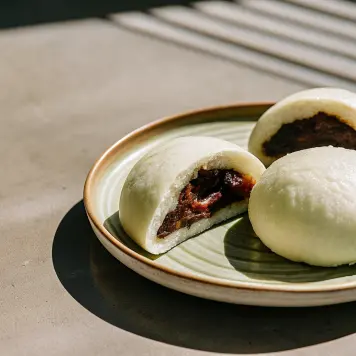
Kumano Manju
Kumano Manju is a steamed bun filled with sweet red bean paste, traditionally enjoyed during festivals and pilgrimages in the Kumano region. Its fluffy texture and rich flavor make it a beloved local treat.
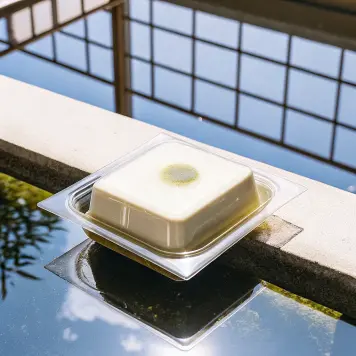
Uiro
Uiro is a jelly-like sweet made from rice flour and sugar, often flavored with subtle regional ingredients like yuzu or matcha. It is admired for its smooth, chewy texture and delicate sweetness.
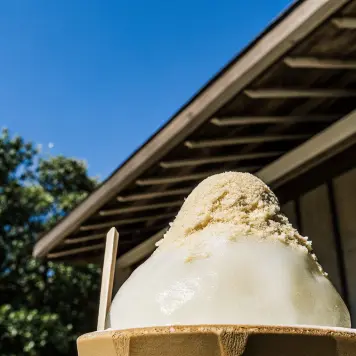
Kuzumochi
Kuzumochi is a refreshing dessert made from kudzu starch, served chilled with kinako (roasted soybean flour) and kuromitsu syrup. It is a traditional sweet that offers a cool relief in Kumano's warmer months.
Piatti salati tradizionali
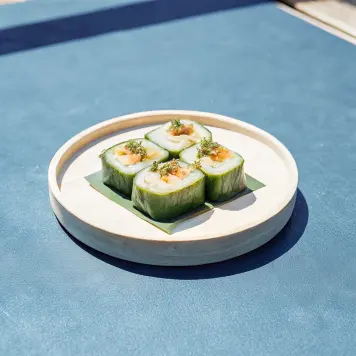
Mehari-zushi
Mehari-zushi is a traditional Kumano sushi wrapped in pickled mustard leaves, known for its tangy and savory flavor profile. This dish originated as a portable meal for workers and pilgrims, embodying the local culinary tradition.

Kumano Saba-zushi
Kumano Saba-zushi features vinegared mackerel atop sushi rice wrapped in kelp, reflecting the region's rich fishing culture. It is praised for its umami-packed taste and was historically made for long journeys.
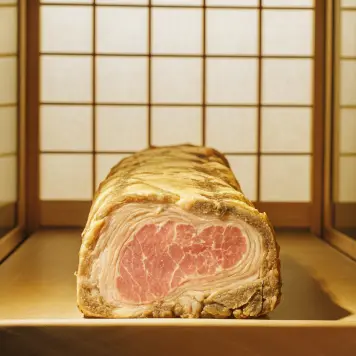
Yamato Beef
Yamato Beef from the Kumano area is celebrated for its tenderness and rich marbling, often grilled or prepared in sukiyaki style. This premium beef highlights the excellence of Kumano's livestock farming.
Bevande tradizionali

Kumano Umeshu
Kumano Umeshu is a sweet plum wine made with locally harvested ume plums, offering a perfect balance of tartness and sweetness. It is a traditional drink enjoyed for its refreshing taste and digestive benefits.
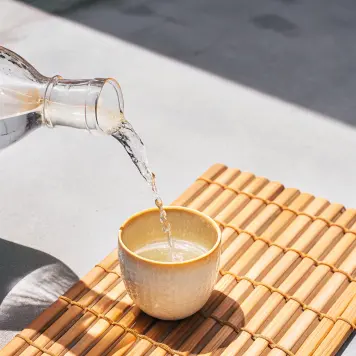
Kumano Sake
Kumano Sake is brewed using pristine water from the Kumano mountains, renowned for its clean and crisp flavor profile. This sake represents the region's dedication to high-quality rice wine production.

Sansho Tea
Sansho Tea is made from the aromatic pepper leaves native to Kumano, prized for its unique citrusy and spicy flavor. It is traditionally consumed for its warming and medicinal properties.
Frequently Asked Questions about Kumano, Japan
"Kumano, in Giappone, è sicuro per i viaggiatori?"
"Quanti giorni dovrei trascorrere a Kumano, in Giappone?"
"Qual è il periodo migliore per visitare Kumano, in Giappone?"
"Kumano, in Giappone, è costoso per i turisti?"
"Come posso spostarmi a Kumano, in Giappone?"
Ricevi un PDF con le attrazioni più popolari via email
Ricevi un PDF con tutte le attrazioni, valutazioni e consigli. Perfetto per l'uso offline.
Gite di un giorno più popolari
Kumano Nachi Taisha
Famous shrine known for Nachi Waterfall, the tallest waterfall in Japan.
Kawayu Onsen
Popular hot spring area located along the river, great for relaxation.
Come arrivare
Aeroporti
Stazioni ferroviarie
JR Kisei Line
From Kansai Airport, take the train to Shin-Osaka, then JR Kisei Line to Kumano Station.
Trova voli per Kumano, Japan
Clicca per ottenere eSim per Kumano, Japan
Il modo più semplice ed economico per avere internet mobile ovunque tu viaggi.
Commenti (9)
Not many ATMs around, so carry enough cash when heading to the rural parts of Kumano or you'll be stuck.
Stayed in Kumano for a weekend, weather was muggy but locals are super friendly. Town feels a bit sleepy though, maybe better for a chill getaway.
Kumano's nature trails are stunning but be ready for sudden rain even in spring. Loved the peaceful vibe but plan for at least 3 days to explore well.
The seafood in Kumano was fresh but pricey. Street food options are limited, so bring snacks if you want to save money.
If you buy bus tickets from the local shop rather than the bus driver, you save 20%. It isn’t obvious so watch out for this little trick.