 CityBuddy
 Italiano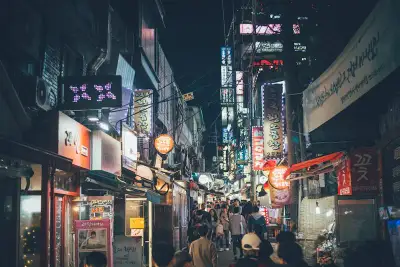
Cosa fare a Shinjuku, Japan
Foto di Tan Danh su Pexels.com
Quando visitare
Shinjuku è la n. 2 città per la vita notturna al mondo, in base ai nostri dati su centinaia di destinazioni.
Attrazioni più popolari a Shinjuku, Japan
Le migliori cose da fare a Shinjuku, Giappone spaziano da tranquille fughe ad avventure illuminate al neon. Visita il Giardino Nazionale Shinjuku Gyoen di 58 acri, che combina stili paesaggistici francesi e giapponesi. Prendi l'ascensore gratuito per 202 metri fino al Tokyo Metropolitan Government Building per viste panoramiche sulla città. Poi tuffati in Omoide Yokocho, un vicolo stretto con 60 minuscole griglierie che servono yakitori dalla Seconda Guerra Mondiale.
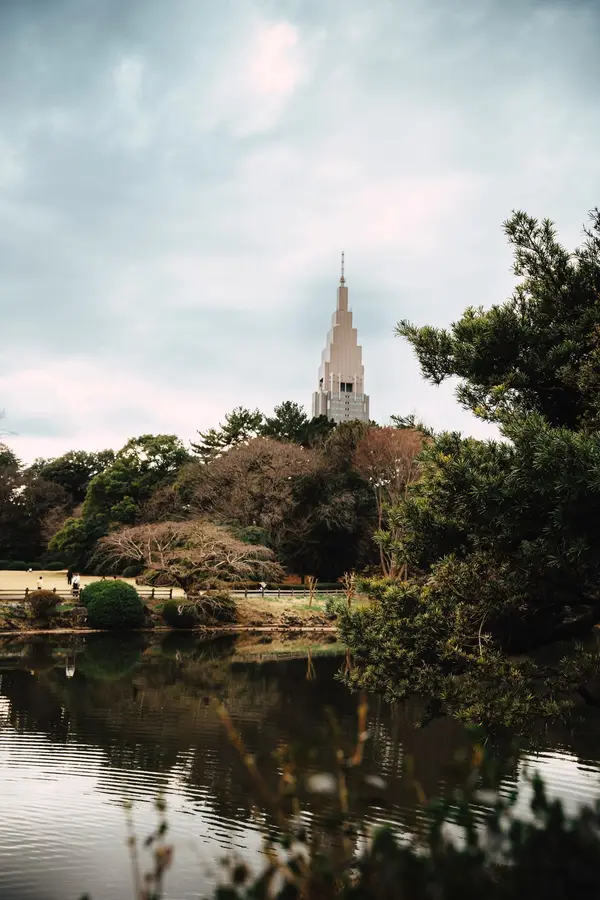
1. Shinjuku Gyoen National Garden
Fuggi dal caos neon di Tokyo in 58 ettari di giardini sereni dove ciliegi in fiore e pini antichi incorniciano tre paesaggi perfettamente curati. Passeggia tra un giardino formale francese, una casa da tè giapponese e un prato all'inglese in un solo pomeriggio.
Fatti rapidi: Su 58 ettari di estensione, convivono tre diversi stili di giardino: un giardino formale francese, un giardino paesaggistico all'inglese e un giardino tradizionale giapponese con un grande stagno. Qui prosperano oltre 20.000 alberi provenienti da tutto il mondo, tra cui circa 1.500 ciliegi che fioriscono ogni primavera.
Punti salienti: Un raro esempio sopravvissuto di giardino paesaggistico su larga scala dei primi del Novecento a Tokyo, un tempo era la residenza privata di un signore feudale prima di essere donato alla famiglia imperiale. La sezione del giardino tradizionale giapponese presenta un padiglione in legno dove ci si può sedere e guardare i pesci koi nuotare sotto di sé sorseggiando tè matcha servito da assistenti in kimono.
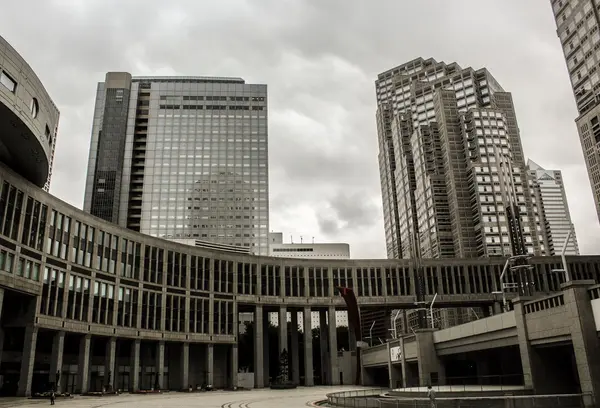
2. Tokyo Metropolitan Government Building
Due piattaforme di osservazione gratuite con le migliori viste sullo skyline di Tokyo. Sali in ascensore per 45 piani e guarda il Monte Fuji apparire all'orizzonte mentre la città si estende sotto di te.
Fatti rapidi: Le terrazze osservative gratuite al 45° piano di entrambe le torri offrono viste panoramiche che arrivano fino al Monte Fuji nelle giornate limpide. L'edificio è stato progettato per assomigliare a una cattedrale gotica, con le sue torri gemelle che si innalzano per 243 metri e la facciata rivestita da 12.000 finestre a specchio.
Punti salienti: Salite poco prima del tramonto e guardate Tokyo trasformarsi dal 45° piano mentre le luci della città si accendono in basso e il cielo conserva ancora colore. La terrazza osservativa sud rimane aperta fino alle 23:00 e offre un'atmosfera completamente diversa di notte, con molti meno visitatori e lo skyline cittadino che brilla come un circuito elettronico.
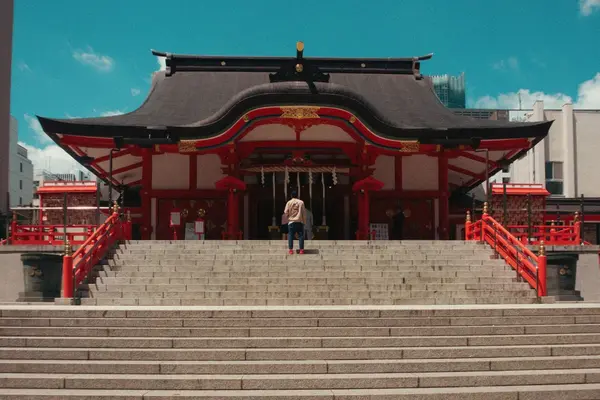
3. Hanazono Shrine
Trova un angolo di serenità in mezzo al caos neon di Shinjuku in un santuario che ha ancorato questo quartiere fin dal 1600. Passeggia oltre il cemento imponente e scopri i locali che lanciano monete, battono le mani e sussurrano desideri agli dei.
Fatti rapidi: Il Santuario Hanazono ospita oltre 300 venditori durante i suoi mercatini annuali delle pulci, attirando migliaia di cercatori di affari ogni fine settimana. Dedicato agli dei della prosperità negli affari e della buona fortuna, questo santuario sorge in mezzo ai moderni grattacieli e al quartiere dell'intrattenimento di Shinjuku.
Punti salienti: Alla vigilia di Capodanno, la massiccia campana del santuario da 500 chilogrammi viene suonata 108 volte da volontari, ogni colpo simboleggia la purificazione di un desiderio umano secondo la tradizione buddista. Il suono riverbera attraverso i canyon di cemento di Shinjuku, creando un surreale scontro acustico tra rito antico e modernità al neon.
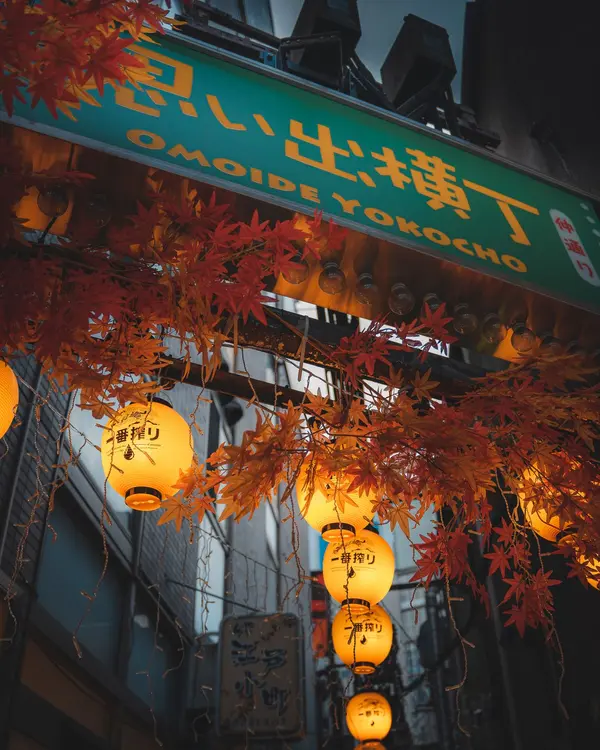
4. Omoide Yokocho
Entra in una capsula del tempo fumosa e illuminata da lanterne dove Tokyo griglia il miglior yakitori della tua vita. Sistemati su uno sgabello minuscolo al bancone, ordina spiedini e birra fredda, e guarda gli chef sventolare il carbone ardente a pochi centimetri dal tuo viso.
Fatti rapidi: Roughly 60 tiny, smoky yakitori bars and restaurants are crammed into this narrow alley network near Shinjuku Station. Locals have been squeezing onto stools here since the postwar black market days of the 1940s, when the area first sprang up.
Punti salienti: One of the last surviving pockets of old Tokyo, this alley somehow escaped the redevelopment that turned the surrounding neighborhood into a forest of glass skyscrapers. The air still smells of charcoal-grilled chicken and soy sauce, just as it did 70 years ago, and some shops still source their skewers from the same family-run suppliers.
5. Golden Gai
Oltre 200 minuscoli bar stipati in sei vicoli illuminati da lanterne, dove ogni spazio ospita a malapena una manciata di persone. Vagabonda tra passaggi stretti, infilati in un whisky bar da quattro posti e scambia storie con i locali fino a notte fonda.
Fatti rapidi: Tucked between Shinjuku's skyscrapers, this maze of 200 tiny bars occupies six narrow alleys that survived postwar reconstruction. Most bars seat only 4-6 people, forcing strangers into close conversation over whiskey or sake.
Punti salienti: Many bars here are still run by aging owners who've tended the same counter for 50+ years, with some refusing to serve anyone who looks under 30. One bar has a house cat that decides when last call happens by jumping onto the customer's lap to signal it's time to leave.
6. Samurai Museum
Avvicinati all'equipaggiamento dei veri samurai più che in qualsiasi altro posto a Tokyo. Tracenerai spade vecchie di 700 anni, proverai armature e assisterai a dimostrazioni di spada dal vivo ogni giorno.
Fatti rapidi: Oltre 13.000 reperti abbracciano 700 anni di storia dei samurai, dal periodo Kamakura fino all'era Edo. I visitatori possono maneggiare vere spade da samurai e provare autentiche armature sotto la supervisione del personale.
Punti salienti: Un restauratore di armature da samurai in pensione cura personalmente la collezione e occasionalmente dimostra il processo di 45 minuti per indossare un'armatura completa. Il pavimento in kendo del museo conserva ancora i segni di scarponi e le ammaccature di decenni di pratica da parte dei club di kendo delle università di Tokyo.
7. Shinjuku Ni-chome
Nessun altro posto racchiude così tanta energia queer in pochi isolati al neon. Saltella tra piccoli bar dove i locali condividono piatti di edamame e ti versano il prossimo drink prima che tu finisca il primo.
Fatti rapidi: Con oltre 300 bar, locali notturni e piccoli ristoranti stipati in pochi isolati, questo minuscolo distretto ha una delle più alte concentrazioni di locali LGBTQ+ al mondo. Più del 30 percento dei bar qui sono piccole attività con meno di 10 posti a sedere, rendendo ogni serata come una festa privata.
Punti salienti: Molti dei bar sono gestiti da drag queen in pensione che servono drink allo stesso bancone da dieci posti dagli anni '80 e ricordano ogni cliente abituale per nome. Puoi entrare in un bar seminterrato da quattro posti a mezzanotte e trovare un'ex star del cabaret di 70 anni che canta Edith Piaf mentre prepara il tuo highball.
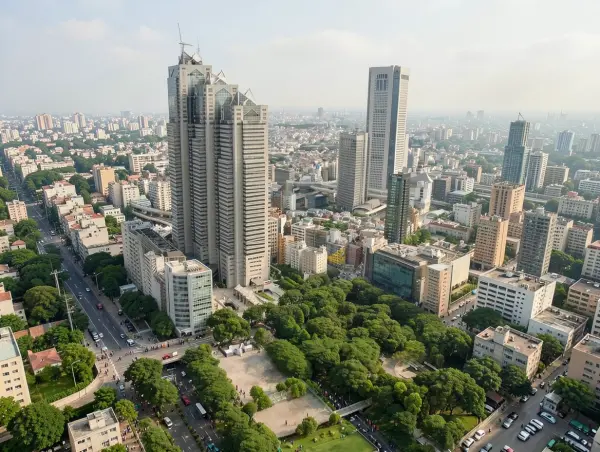
8. Shinjuku Central Park
Una fuga verde e lussureggiante incastrata tra i grattacieli, che offre un posto in prima fila per il balletto urbano di Tokyo. Prendi un caffè, trova una panchina e guarda impiegati che sonnecchiano, corvi che complottano e petali di ciliegio che fluttuano oltre cemento e vetro.
Fatti rapidi: La stazione pendolari più trafficata di Shinjuku si trova su un lato di questo corridoio verde, eppure il parco rimane sorprendentemente silenzioso con oltre 700 ciliegi che fiancheggiano i suoi vialetti. Quello che era un terreno vuoto in attesa di uno stadio sportivo mai costruito si è trasformato in questa striscia di verde di 2,25 ettari che collega due dei principali distretti di grattacieli della città.
Punti salienti: Nei giorni feriali all'ora di pranzo, si vedono impiegati che dormono sull'erba in abito, un silenzioso rituale di Tokyo che sembra quasi coreografato. Il parco funge anche da galleria d'arte all'aperto con installazioni a rotazione provenienti dalla vicina Tokyo Opera City Gallery, quindi le sculture cambiano ogni pochi mesi.
Where to Stay in Shinjuku, Japan
Selected by City Buddy based on guest reviews and proximity to top attractions
Search all hotels in Shinjuku, JapanPowered by agoda
Giorni di apertura a Shinjuku, Japan
Quali delle principali attrazioni chiudono in quale giorno della settimana. Il classico modo per rovinare un viaggio, verificato per te.
lunedì: 1 su 8 attrazioni principali chiuse. Pianifica i musei per un altro giorno.
Chiuso il lunedì · 1 chiusi, 7 aperti
Giorni di apertura da Google Maps (verificati il 2026-07-03). Festività, scioperi e orari stagionali possono variare. Controlla il sito ufficiale prima di partire.
Dolci tradizionali
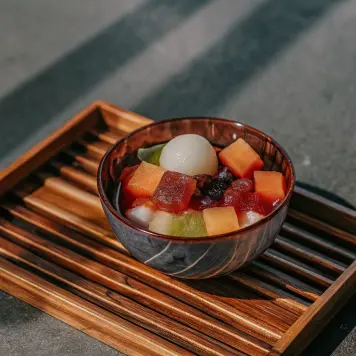
Anmitsu
Anmitsu features small cubes of agar jelly, sweet red bean paste, mochi, and fresh fruit all served with a drizzle of kuromitsu, a dark sugar syrup that originated as a medicine in the Edo period.
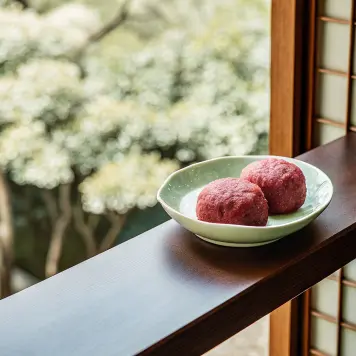
Ohagi (Botamochi)
Ohagi is a traditional sweet made from glutinous rice coated in sweet azuki bean paste, and its name changes to botamochi in spring depending on the seasonal flower in bloom.
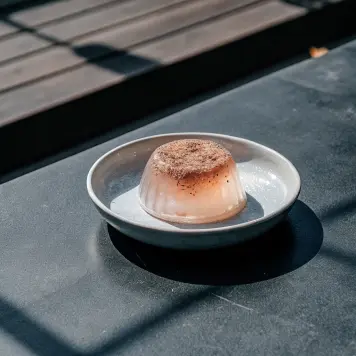
Kuzumochi
Unlike regular mochi made from rice, kuzumochi is made from kuzu (arrowroot) starch giving it a uniquely translucent, jelly-like texture, and it is often served with kinako (roasted soybean flour) and kuromitsu.
Piatti salati tradizionali
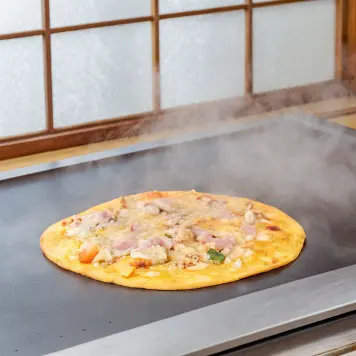
Monjayaki
Monjayaki is a thin, runny savory pancake cooked on a hot griddle that is famously associated with Tokyo's shitamachi (old town) culture, and Shinjuku has some of the best monjayaki specialty restaurants in the city.
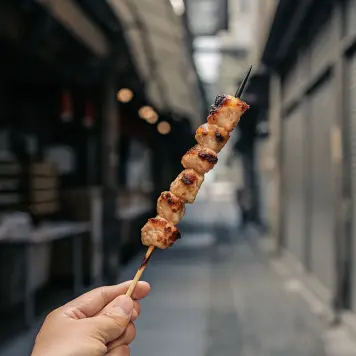
Yakitori
Shinjuku's Omoide Yokocho (Memory Lane) is legendary for its tiny yakitori stalls where skewers of chicken are grilled over charcoal, and the smoky alleyway has been a beloved dining destination since the post-war era.
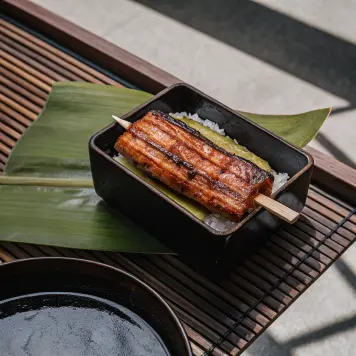
Unagi no Kabayaki
This dish features grilled eel glazed with a sweet soy-based sauce, and Shinjuku is home to some of Tokyo's most historic unagi restaurants that have been serving it continuously since the 1800s.
Bevande tradizionali
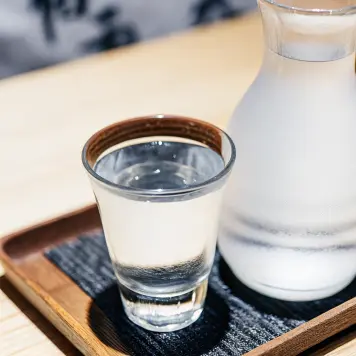
Sake
Sake is Japan's iconic rice wine, and Shinjuku's many izakaya (Japanese pubs) offer extensive sake selections where you can enjoy everything from fruity ginjo to rich, aged koshu varieties.
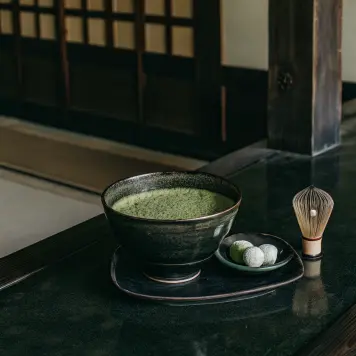
Matcha (Ceremonial Green Tea)
Matcha is a finely ground powder of specially grown green tea leaves, and Shinjuku's traditional tea houses offer this vibrant drink alongside the district's famous wagashi (Japanese sweets) for a perfect pairing.

Shochu
Shochu is a distilled spirit typically made from barley, sweet potato, or rice, and it is a staple at Shinjuku's drinking establishments where it is enjoyed on the rocks, with water, or mixed with hot water.
Domande frequenti su Shinjuku, Japan
Shinjuku, Giappone è sicura?
Quanti giorni a Shinjuku, Giappone?
Qual è il periodo migliore per visitare Shinjuku, Giappone?
Shinjuku, Giappone è costosa?
Come spostarsi a Shinjuku, Giappone?
Ricevi un PDF con le attrazioni più popolari via email
Ricevi un PDF con tutte le attrazioni, valutazioni e consigli. Perfetto per l'uso offline.
Gite di un giorno più popolari
Kamakura
Historic coastal town with Great Buddha statue and serene temples
Hakone
Hot spring resort with views of Mount Fuji and Lake Ashi
Yokohama
Port city with Chinatown, Minato Mirai waterfront and gardens
Come arrivare
Stazioni ferroviarie
JR Yamanote Line, JR Chuo Line, Odakyu Line, Keio Line, Tokyo Metro Marunouchi Line
Highway bus connections to airports and other cities
From Haneda Airport take the Limousine Bus (45 min) or train via Yamanote Line. From Narita take the Narita Express (80 min) directly to Shinjuku Station.
Informazioni utili per Shinjuku, Japan
Panoramica di Shinjuku, Japan
Vuoi un piano giorno per giorno per Shinjuku, Japan? Apri il pianificatore di viaggio
Quando andrai a Shinjuku, Japan?
Scegli le date e lo stile di viaggio per ottenere:
Qualcosa di particolarmente importante per te?
Seleziona tutto ciò che si applica
Come spostarsi
Come vuoi spostarti tra i luoghi?
Lingua del piano: Italiano