 CityBuddy
 Italiano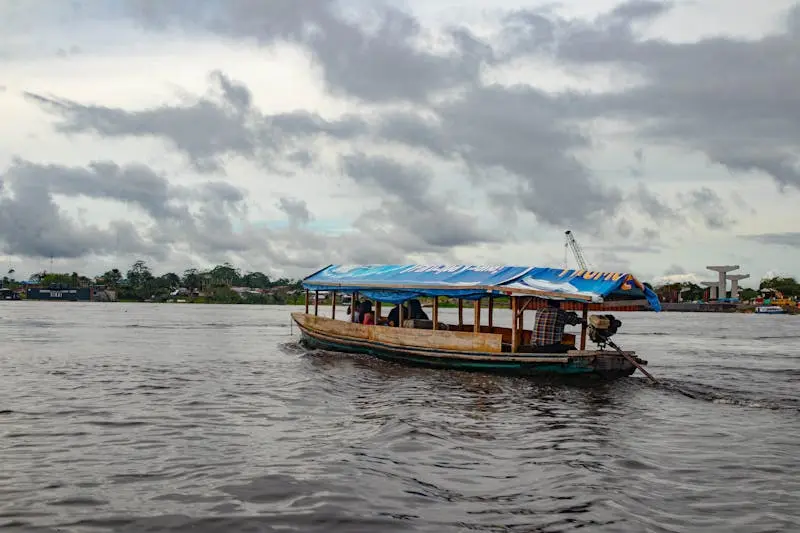
Cosa fare a Iquitos, Peru
Foto di Paula Nardini su Pexels.com
Quando visitare
Attrazioni più popolari a Iquitos, Peru
Cercate le migliori attività a Iquitos, in Perù? Iniziate dal pittoresco Malecón Tarapacá, che si estende per 1,5 chilometri lungo il Rio delle Amazzoni. Visitate poi la storica Casa de Fierro, un edificio progettato da Gustave Eiffel. Esplorate infine il vivace Mercato di Belén, dove oltre 1.000 venditori offrono frutti esotici e artigianato.
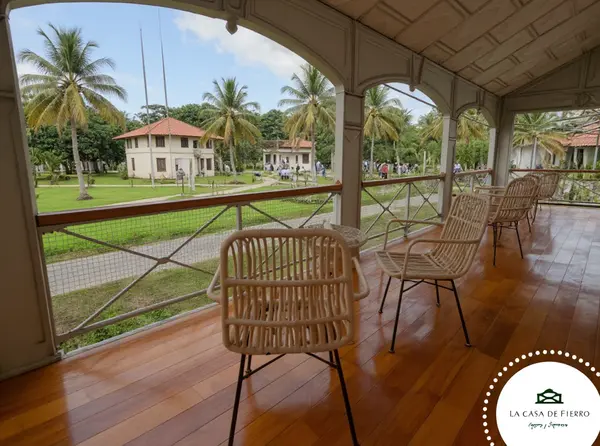
1. Casa de Fierro
Dove altro trovi una vera costruzione in stile Eiffel in mezzo alla giungla amazzonica? Tra pareti di ferro arrugginito e piastrelle fresche ti immergi nella selvaggia era del boom della gomma.
Fatti rapidi: La casa è composta da 92.000 pezzi, che un tempo Monsieur Eiffel fece realizzare personalmente a Parigi. Il trasporto attraverso l'Atlantico e l'Amazzonia durò diversi mesi, mentre il montaggio della casa di metallo avvenne in poche settimane.
Punti salienti: Ogni singola lastra è stata numerata e prefabbricata in Francia, per poter essere assemblata a Iquitos come un enorme puzzle. La facciata bruno-rossastra risplende al sole pomeridiano come un forno ardente in mezzo alla rigogliosa giungla verde.
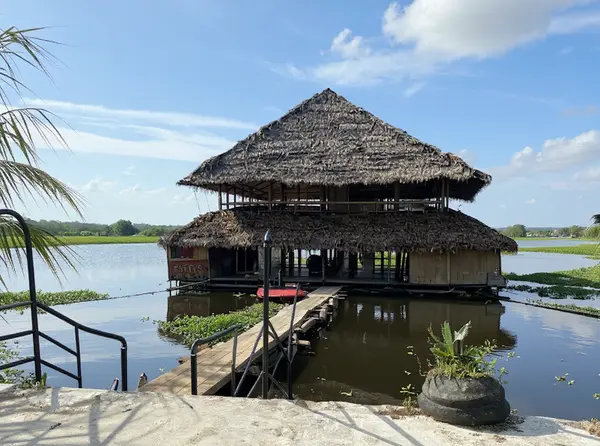
2. Malecón Tarapacá
Qui vivi l'autentica Iquitos, dove il fiume determina la vita e le serate diventano un'unica grande festa. Cammina tra alberi di 400 anni, osserva le barche sul fiume e tuffati nel vivace viavai della città.
Fatti rapidi: La passeggiata si estende per 1,5 chilometri lungo il fiume Itaya, collegando il centro storico con il moderno quartiere cittadino. Nelle serate soleggiate si radunano qui oltre mille abitanti del posto per passeggiare, ballare e ammirare il tramonto sul bacino amazzonico.
Punti salienti: Ogni sera il marciapiede inferiore si trasforma in una spontanea pista da ballo all'aperto, dove le coppie ballano al ritmo di cumbia e musica tradizionale amazzonica. Gli approdi in legno alla fine della passeggiata diventano dalle 17:00 un palco per musicisti locali che suonano canzoni creole peruviane con chitarre e cajón.
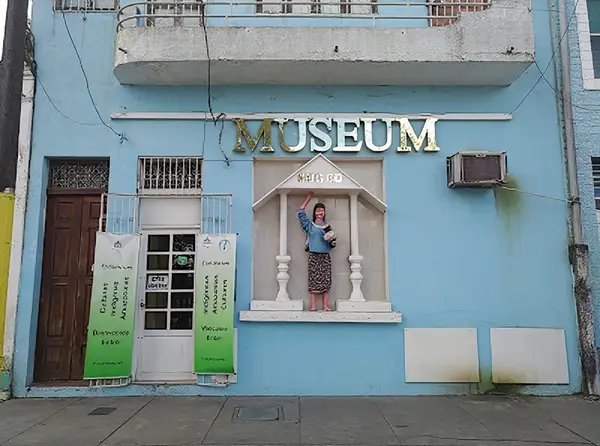
3. Museum of Indigenous Amazonian Cultures
Una delle più grandi collezioni private di culture indigene dell'Amazzonia visibili in tutto il mondo. Tra antiche maschere cerimoniali e frecce da guerra si percepisce l'anima viva della foresta pluviale.
Fatti rapidi: Oltre 3.000 manufatti artigianali provenienti da 23 diverse etnie del bacino amazzonico vengono qui esposti. Molte delle maschere e degli oggetti cerimoniali provengono da rituali che vengono praticati ancora oggi.
Punti salienti: Uno sciamano della comunità Shipibo conduce regolarmente autentiche cerimonie di guarigione nel museo, durante le quali gli antichi canti e il profumo di ayahuasca riempiono la sala. I visitatori possono osservare da vicino i suoi oggetti cerimoniali personali realizzati con denti di giaguaro e piume.
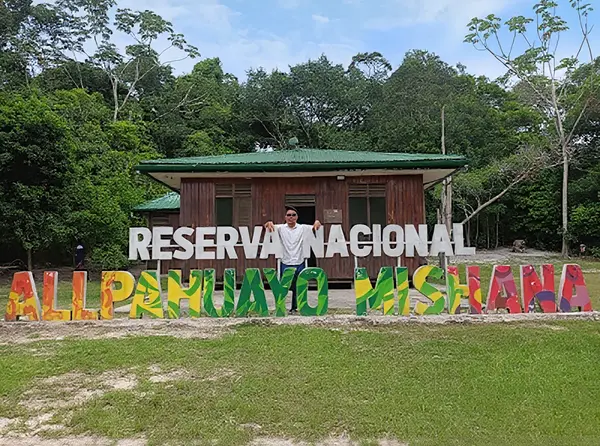
4. Allpahuayo Mishana National Reserve
Foreste di sabbia bianca con piante che non esistono da nessun'altra parte della Terra. Cammini su sentieri stretti attraverso un paesaggio surreale di alberi nani e orchidee.
Fatti rapidi: La riserva ospita oltre 500 specie di uccelli e 150 specie di rettili su un'area di 5.800 chilometri quadrati. I ricercatori scoprono qui regolarmente nuove specie di piante e insetti, che non si trovano in nessun'altra parte del mondo.
Punti salienti: Il terreno di sabbia bianca in quest'angolo dell'Amazzonia dà vita a bizzarre foreste in miniatura che ricordano i giardini bonsai giapponesi. Qui crescono rare orchidee direttamente dalla sabbia, mentre formicai alti metri emergono dal terreno come sculture rosse.
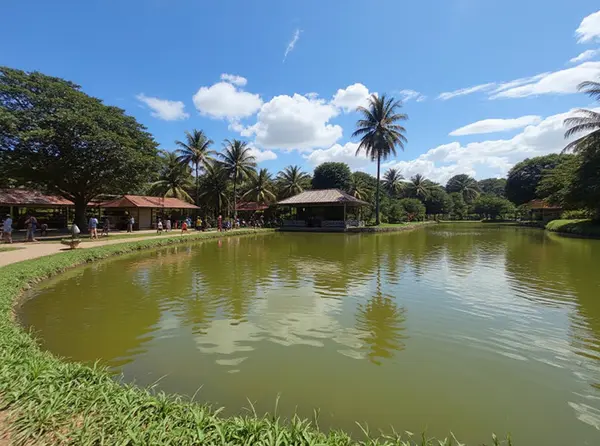
5. Quistococha Zoo and Lagoon
Una combinazione unica di zoo, laguna e sentiero naturalistico nella foresta pluviale, proprio alla periferia di Iquitos. I visitatori possono vedere lontre giganti e anaconde, fare un bagno nelle acque della laguna o osservare gli uccelli dal percorso tra le chiome degli alberi.
Fatti rapidi: Qui vivono pesci giganti dell'Amazzonia come il paiche, che può raggiungere i 3 metri di lunghezza e pesare fino a 200 kg. La laguna si è formata da un braccio morto del fiume ed è circondata da una fitta foresta pluviale, dove vivono scimmie urlatrici e bradipi.
Punti salienti: Nella stazione faunistica vengono accuditi animali orfani o salvati dal bracconaggio, tra cui un ippopotamo addomesticato di nome Pepe, che si lascia accarezzare dai visitatori. Il sentiero didattico di 1,3 km attraverso la foresta pluviale conduce a una torre panoramica, dalla quale si può ammirare l'intera laguna e le chiome degli alberi.
Where to Stay in Iquitos, Peru
Selected by City Buddy based on guest reviews and proximity to top attractions
Search all hotels in Iquitos, PeruPowered by agoda
Giorni di apertura a Iquitos, Peru
Quali delle principali attrazioni chiudono in quale giorno della settimana. Il classico modo per rovinare un viaggio, verificato per te.
martedì: 1 su 2 attrazioni principali chiuse. Pianifica i musei per un altro giorno.
Chiuso il martedì · 1 chiusi, 1 aperti
Giorni di apertura da Google Maps (verificati il 2026-05-30). Festività, scioperi e orari stagionali possono variare. Controlla il sito ufficiale prima di partire.
Dolci tradizionali
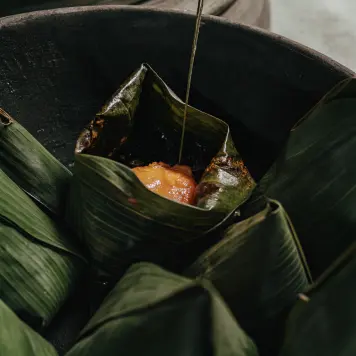
Masheda
Masheda is a sweet made from ripe plantains mashed and fried, often served with a drizzle of honey or sugar. It is a beloved street food dessert in Iquitos.

Chilcano de Frutas
This is a refreshing fruit cocktail dessert made with local Amazonian fruits like camu camu and aguaje mixed with ice and syrup. It showcases the incredible biodiversity of the region.

Beso de Moza
Beso de Moza means 'maiden's kiss' in Spanish and is a sweet pastry filled with manjar blanco (dulce de leche). It is a popular treat at local bakeries and markets across Iquitos.
Piatti salati tradizionali

Juane
Juane is a hallmark dish of Iquitos made with rice, chicken, olives, and hard-boiled eggs wrapped in bijao leaves and steamed. It is traditionally eaten during the San Juan Festival in June.
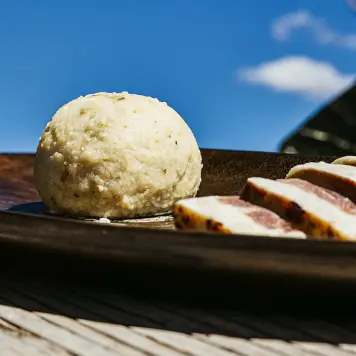
Tacacho con Cecina
Tacacho is a ball of mashed, roasted green plantains mixed with lard and salt, served alongside cecina (smoked, cured pork). It is a hearty staple of the Amazonian diet.

Patarashca
Patarashca features fresh river fish wrapped in bijao leaves with garlic, cilantro, and local spices, then grilled or steamed. The leaf wrapping infuses the fish with a unique smoky aroma.
Bevande tradizionali
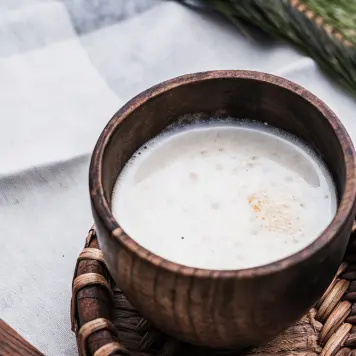
Masato
Masato is a traditional fermented drink made from boiled and mashed yuca (cassava) that is chewed and spit out to kickstart fermentation. It has been made by Indigenous Amazonian communities for centuries.

Aguajina
Aguajina is a refreshing drink made from the aguaje fruit, a palm fruit rich in vitamin A and phytoestrogens. It has a tangy, sweet taste and is served ice cold.

Chapo
Chapo is a warm, comforting beverage made from boiled ripe plantains blended with cinnamon, cloves, and sometimes milk. It is especially popular during the cooler rainy evenings in the Amazon.
Domande frequenti su Iquitos, Peru
Iquitos, in Perù, è sicura?
Quanti giorni bisogna prevedere per Iquitos, in Perù?
Qual è il modo migliore per viaggiare verso Iquitos, in Perù?
Qual è il periodo migliore per visitare Iquitos, in Perù?
Iquitos, in Perù, è cara?
Ricevi un PDF con le attrazioni più popolari via email
Ricevi un PDF con tutte le attrazioni, valutazioni e consigli. Perfetto per l'uso offline.
Gite di un giorno più popolari
Allpahuayo Mishana Reserve
Protected rainforest reserve with incredible birdwatching and diverse wildlife
Pacaya Samiria National Reserve
Vast flooded forest reserve, pink river dolphins, and jungle lodges
Indigenous Village Tours (Amazon River)
Visit local Amazonian communities and learn about traditional crafts
Quistococha Zoo & Lake
Small zoo with Amazon species plus a lagoon beach for swimming
Yagua Village & Monkey Island
Cultural experience with Yagua tribe and sanctuary for rescued monkeys
Come arrivare
Iquitos is only reachable by air or river. No roads connect it to the outside world. From the airport, take a mototaxi or taxi into the city center (15 minutes).
Informazioni utili per Iquitos, Peru
Panoramica di Iquitos, Peru
Vuoi un piano giorno per giorno per Iquitos, Peru? Apri il pianificatore di viaggio
Quando andrai a Iquitos, Peru?
Scegli le date e lo stile di viaggio per ottenere:
Qualcosa di particolarmente importante per te?
Seleziona tutto ciò che si applica
Come spostarsi
Come vuoi spostarti tra i luoghi?
Lingua del piano: Italiano