 CityBuddy
 Italiano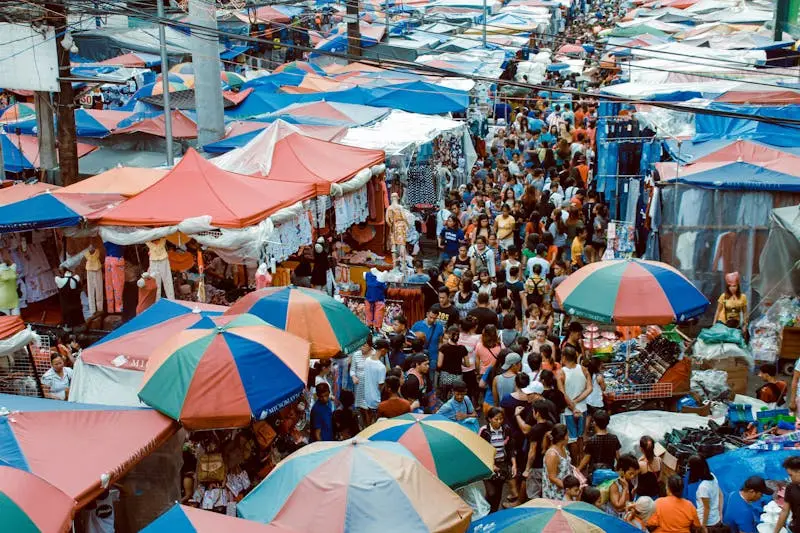
Cosa fare a Manila, Philippines
Foto di NIC LAW su Pexels.com
Quando visitare
Manila è la n. 14 città più amichevole per gli stranieri al mondo, in base ai nostri dati su centinaia di destinazioni.
Attrazioni più popolari a Manila, Philippines
Le migliori cose da fare a Manila, Filippine includono esplorare Intramuros, la storica città murata risalente al periodo coloniale spagnolo. Visita Fort Santiago, una cittadella ricca di storia a soli 600 metri dalla costa. Da non perdere la Chiesa e il Museo di Sant'Agostino, la più antica chiesa in pietra del paese, che offre affascinanti manufatti e architettura.
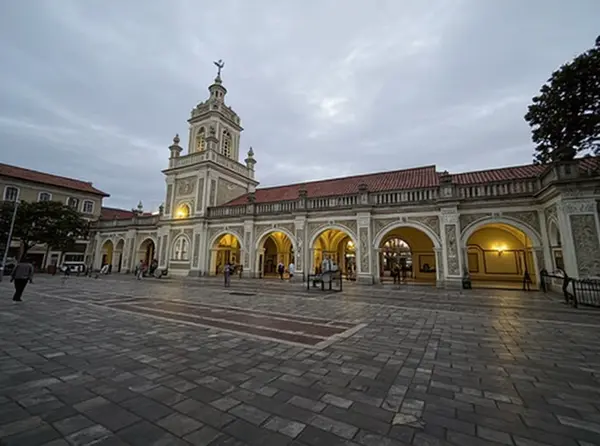
1. Intramuros (Historic Walled City)
Historic Walled City
Entra nei secoli di storia filippina dietro imponenti mura di pietra. Passeggia per stradine acciottolate, chiese coloniali, musei e ammira il tramonto dai bastioni.
Fatti rapidi: La luce del sole filtra obliqua tra muri di pietra muschiosa, le carrozze trainate da cavalli trottano sui ciottoli e i caffè riversano musica acustica nelle piazze strette. Più di una dozzina di fortificazioni ed edifici coloniali restaurati ospitano oggi musei, gallerie d'arte e giardini sui tetti, così passeggiare sembra fare un passo dentro una capsula del tempo vivente.
Punti salienti: Passeggia per le strade acciottolate riscaldate dal sole oltre la chiesa di San Agustin, completata nel 1607, e sotto l'arco di Fort Santiago, dove cannoni spagnoli arrugginiti del XVII secolo puntano ancora verso la baia e il Santuario di Rizal segna la cella dove José Rizal fu tenuto prima della sua esecuzione nel 1896. Di giorno le kalesas trainate da cavalli trottano sulle pietre e le botteghe sfornano decine di biciclette turistiche di bambù, l'aria intrecciata di odori di frittura, gelsomino e il lieve sentore metallico del fiume, così puoi sentire tre secoli di strati di profumi e storie tutto in una volta.
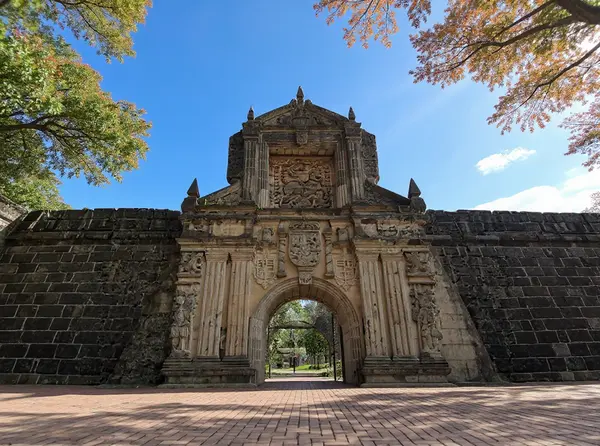
2. Fort Santiago
Il Forte Santiago in pietra svela il passato coloniale spagnolo e bellico di Manila. Cammina tra cortili alberati, visita il Santuario di Rizal e ammira il Pasig dagli antichi bastioni.
Fatti rapidi: Spesse mura di pietra vulcanica e un fossato silenzioso creano un'atmosfera di silenzio cinematografico, dove l'architettura coloniale e le cicatrici della guerra si possono ancora sentire sotto i piedi. I visitatori spesso si fermano al piccolo museo e alla cella stretta dove José Rizal scrisse le sue ultime poesie, immaginando il silenzio prima della sua marcia finale.
Punti salienti: Entra nella cella in penombra dove José Rizal trascorse le sue ultime notti prima dell'esecuzione il 30 dicembre 1896, le pareti di mattoni grezzi ancora graffiate con nomi e un lieve sentore metallico dei vecchi cannoni. Ogni 30 dicembre, centinaia di studenti e membri di logge massoniche si riuniscono per deporre corone e accendere candele al piccolo monumento di marmo, il silenzio interrotto solo da una solitaria tromba che suona il lamento nazionale.
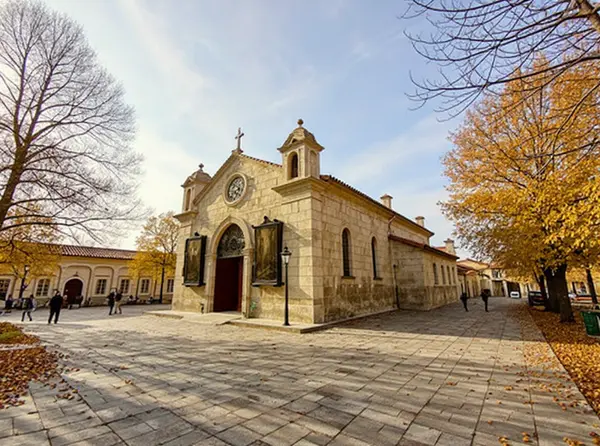
3. San Agustin Church and Museum
Entra nella Manila dell'epoca spagnola a San Agustin Church, capolavoro barocco UNESCO. Ammira altari dorati, soffitti a trompe l'oeil e un piccolo museo di manufatti coloniali.
Fatti rapidi: Entrando si viene colpiti dalla pietra calda e ambrata e dalle sontuose decorazioni barocche, mentre i soffitti a trompe-l'œil sembrano respirare con nuvole dipinte. Al piano superiore un museo compatto custodisce secoli di tesori ecclesiastici, dalle vesti ricamate ai reliquiari lucenti, e l'intero edificio è sopravvissuto miracolosamente ai bombardamenti che hanno raso al suolo gran parte del suo quartiere.
Punti salienti: Costruita nel 1607, la basilica in pietra è in piedi da più di 400 anni e sotto la sua navata si trova la tomba del conquistatore Miguel López de Legazpi la cui epigrafe scolpita si può ancora tracciare con le dita. Nelle stanze scure del museo riecheggia un sussurro di cera d'api e carta antica sopra vetrine contenenti vesti del XVII e XVIII secolo, argenteria liturgica e santi processionali in legno con volti policromi screpolati che brillano sotto una singola lampada.
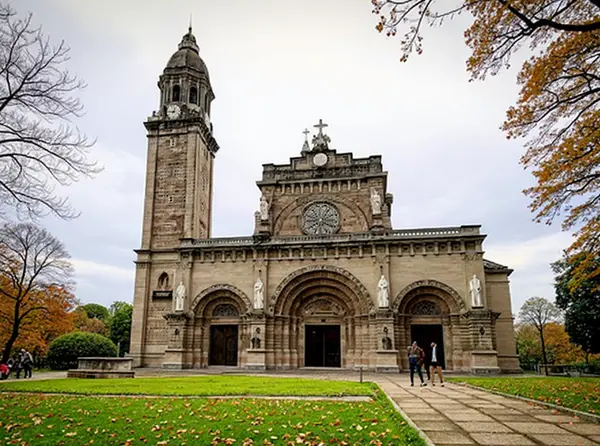
4. Manila Cathedral
Vivi secoli di storia di Manila in una grande cattedrale coloniale nel cuore di Intramuros. Ammira i dettagli barocchi e romanici restaurati, le vetrate e un interno pacifico.
Fatti rapidi: La luce del sole che filtra attraverso le alte vetrate colorate spruzza colore sul marmo levigato, e l'acustica a volta rende le esibizioni di organo e coro particolarmente risonanti. Targhe silenziose e muratura riparata raccontano una storia drammatica di sopravvivenza a numerosi terremoti e danni di guerra, mentre una venerata immagine secolare all'interno attira pellegrini e visitatori curiosi.
Punti salienti: Entra e ti troverai in una chiesa che è stata ricostruita otto volte dal XVI secolo, così i pavimenti di marmo, le colonne neoclassiche e le sculture barocche formano una linea temporale a strati che puoi leggere con gli occhi. In molti pomeriggi un coro di anziani prova inni gregoriani finché la luce attraverso le vetrate trasforma la navata in fasce di rubino e oro, e i parrocchiani spesso infilano piccoli biglietti piegati nella grata di ferro vicino all'altare, i loro bordi di carta ammorbiditi da anni di incenso.
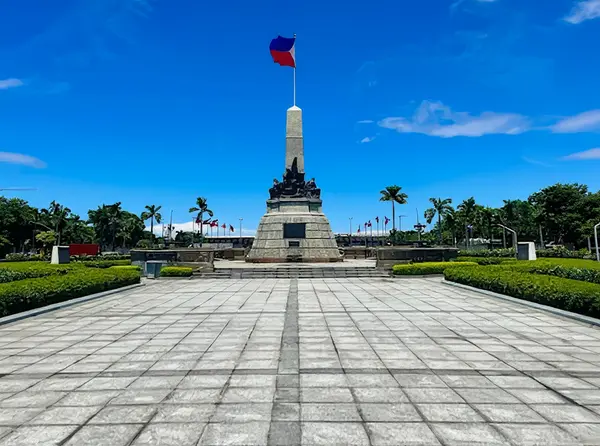
5. Rizal Park (Luneta)
Luneta
Parco storico nel cuore di Manila, dove la memoria nazionale incontra la vita quotidiana. Passeggia tra il Monumento a Rizal, giardini rilassati e piazze animate per foto e osservazione della gente.
Fatti rapidi: La luce del mattino rivela ampi prati verdi attraversati da fontane ornamentali e passeggiate ombreggiate, dove i locali praticano tai chi e le famiglie fanno picnic tra le acacie in fiore. Un monumento nazionale drammatico ancorato nel centro attira folle per cerimonie e riflessione silenziosa, mentre stormi di piccioni aggiungono al vivace sottofondo urbano.
Punti salienti: Proprio al centro si erge un monumento in bronzo di 12,8 metri dedicato a José Rizal, dove i locali lasciano silenziosamente piccole candele e ghirlande di sampaguita intrecciate a mano dopo il tramonto, la cera e il profumo dei fiori si mescolano con l'aria serale. Il 30 dicembre di ogni anno centinaia se non migliaia si raccolgono prima dell'alba per una cerimonia di deposizione della corona e sventolio della bandiera, cori scolastici intonano l’inno nazionale e i venditori ambulanti vendono piccole bandiere di carta e dolci di riso per circa 10-20 pesos.
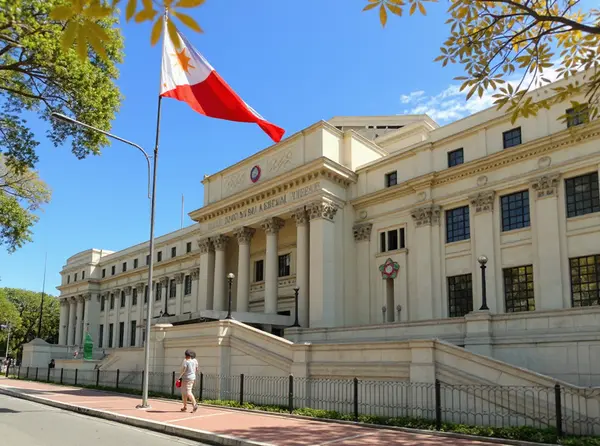
6. National Museum of the Philippines (National Museum Complex)
National Museum Complex
Esplora arte, storia e biodiversità delle Filippine in un unico complesso centrale. Vedi lo Spoliarium di Juan Luna, l'Albero della Vita del Natural History Museum e ricchi manufatti culturali.
Fatti rapidi: Entra e rimarrai colpito dalle vaste sale neoclassiche che ospitano lo Spoliarium di Juan Luna accanto a abbaglianti oggetti d'oro precoloniali e a tessuti riccamente intrecciati. Angoli tranquilli invitano a soffermarsi sullo studio di reperti fossili, oggetti cerimoniali e dipinti monumentali, rendendo una visita simile a un rapido viaggio attraverso secoli di cultura.
Punti salienti: Rimani sotto il pallido rosone neoclassico e lo Spoliarium di Juan Luna cattura il tuo sguardo, una tela di circa 4 per 7 metri i cui toni scuri e i riflessi cremisi si intensificano quando i conservatori lavorano delicatamente sulla sua vernice, liberando un leggero odore di trementina. Il dipinto ottenne una medaglia d'oro a Madrid nel 1884, un trionfo che le guide raccontano ancora come una scintilla per l'orgoglio nazionale filippino, e ascoltare quella storia mentre la galleria tace rende la scena sorprendentemente cinematografica.

7. Manila Ocean Park
Vedi da vicino la vita marina filippina in un grande acquario interattivo. Percorri un lungo tunnel di vetro, guarda gli spettacoli di alimentazione e incontra i pinguini.
Fatti rapidi: Luci blu luminose e un tunnel di vetro curvo ti permettono di guardare squali e razze scivolare a pochi centimetri sopra la tua testa, rendendo la passeggiata come una cartolina subacquea. Oltre 3.000 animali marini abitano vasche a tema, e le somministrazioni quotidiane trasformano quelle che potrebbero essere nozioni da aula in esperienze pratiche che fanno battere il cuore.
Punti salienti: Ogni sera l'acquario si attenua a luci blu oceano e mette in scena una "serenata di alimentazione" dove un banco di circa 200 sardine scintillanti è coreografato per nuotare lungo il tunnel di vetro, l'acqua che sussurra come pioggia lontana mentre le famiglie premono i palmi sull'acrilico. Il subacqueo veterano Kuya Danny racconta lo spettacolo in tagalog, offrendo ai bambini coraggiosi la possibilità di sentire la pelle fresca e vellutata di un cetriolo di mare e insegnando loro i nomi locali dei pesci, cosa che trasforma sempre gli strilli in chiacchiere orgogliose e occhi spalancati.
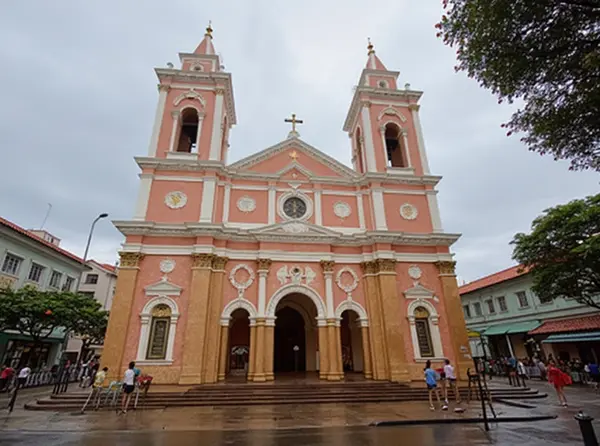
8. Binondo Church (Minor Basilica of San Lorenzo Ruiz)
Minor Basilica of San Lorenzo Ruiz
Vivi secoli di storia cattolica cino-filippina alla Binondo Church. Ammira lo sfarzoso interno barocco e osserva da vicino le devozioni locali.
Fatti rapidi: Una calda foschia di incenso e lanterne colorate accoglie i visitatori, rivelando un sorprendente mix di altari barocchi e motivi decorativi cinesi. Molti vengono per venerare il primo santo canonizzato del paese e vivaci matrimoni e rituali comunitari mantengono le navate brulicanti di devozione.
Punti salienti: Fondata nel 1596 per servire i mercanti cinese-filippini, la chiesa è una delle parrocchie più antiche del paese e si riempie ancora di incenso denso e del suono dei rosari di legno durante la grande festa del 28 settembre. Una pratica locale particolare fa sì che i visitatori inseriscano piccole petizioni piegate e nastri rossi di preghiera nelle grate di ferro intorno alle cappelle laterali, così si possono vedere decine di foglietti scritti a mano e code di nastri sbiaditi svolazzare nelle correnti d'aria.
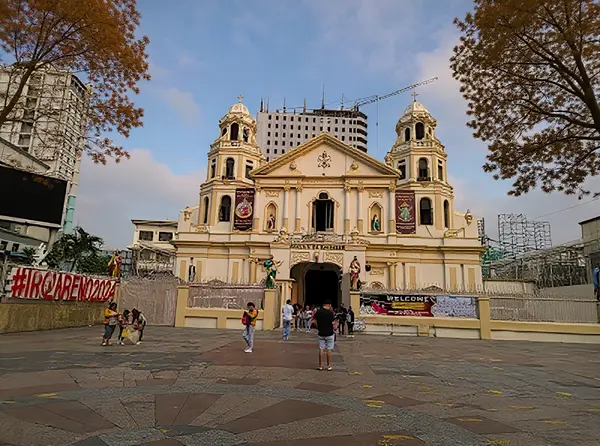
9. Quiapo Church (Minor Basilica of the Black Nazarene)
Minor Basilica of the Black Nazarene
Assisti alla profonda devozione popolare e alla storia viva di Manila alla Basilica Minore del Nazareno Nero. Vivi messe vibranti, offerte votive accese e vedi da vicino l'immagine del Nazareno Nero.
Fatti rapidi: La folla si fa largo tra navate profumate e illuminate da candele per toccare una scultura di legno scuro, creando un tuono di preghiere e offerte sussurrate che vibra attraverso la chiesa affollata. Devoti leggendari attribuiscono innumerevoli grazie esaudite alla statua, e la processione annuale attira centinaia di migliaia di persone che si accalcano per le strade per un breve contatto con la figura sacra.
Punti salienti: Sotto nuvole di fumo di candela e il tintinnio metallico dei rosari, i fedeli premono sciarpe sbiadite e piccoli asciugamani contro una statua di legno scuro di Cristo a grandezza naturale, datata al XVII secolo, sperando che un panno raccolga una benedizione. Ogni gennaio circa 1 milione di devoti si unisce alla frenetica processione del Traslacion, corpi stretti spalla a spalla per più di 12 ore mentre la gente grida preghiere e cerca di toccare il carro o la sua corda per reclamare un miracolo.

10. Divisoria Market (shopping district)
shopping district
Trova occasioni imbattibili su vestiti, tessuti e accessori nel mercato più frequentato di Manila. Naviga tra corsie affollate e colorate assaggiando cibo di strada e contrattando prezzi bassi.
Fatti rapidi: Nelle strette vie si affolla un labirinto di bancarelle che offrono di tutto, dai rotoli di tessuto all'elettronica a buon mercato, e la contrattazione diventa uno sport. I cacciatori di occasioni esperti amano frugare tra i cassonetti all'ingrosso e i carretti di street food, ottenendo affari all'ingrosso e trovate bizzarre in mezzo alle continue grida dei venditori.
Punti salienti: Fila di bancarelle così vicine che si può sentire l'aglio di un venditore che griglia polpette di pesce, mentre un altro vende lampade LED identiche a soli 10 pesos, rotoli di tessuto alti tre metri sotto luci fluorescenti ronzanti. I clienti abituali hanno un rituale sfacciato: fanno il conto alla rovescia dell'ultimo prezzo con tre colpi secchi sul bancone, e quando il venditore agita una penna verde l'affare è concluso, trasformando la contrattazione in uno spettacolo di strada.
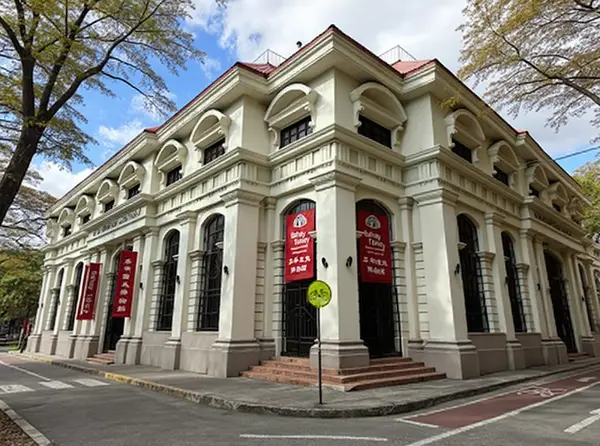
11. Visit Bahay Tsinoy Museum
Scopri il ricco patrimonio dei cino-filippini attraverso rari manufatti e storie vivide. Entra nella storia con suoni e immagini che danno vita al passato.
Fatti rapidi: Il luogo presenta le storie di oltre 1,2 milioni di filippini di origine cinese e la loro influenza sulla cultura e sulla storia filippina. Le mostre includono intricati documenti ancestrali e manufatti risalenti a più di 300 anni fa.
Punti salienti: I visitatori possono sperimentare una mostra sonora unica dove strumenti tradizionali cinesi vengono suonati insieme ai suoni di strada della vecchia Manila, creando un effetto immersivo di viaggio nel tempo. Un punto saliente presenta un diorama dettagliato del quartiere di Binondo come appariva nei primi anni del 1900 con oltre 500 figure in miniatura.
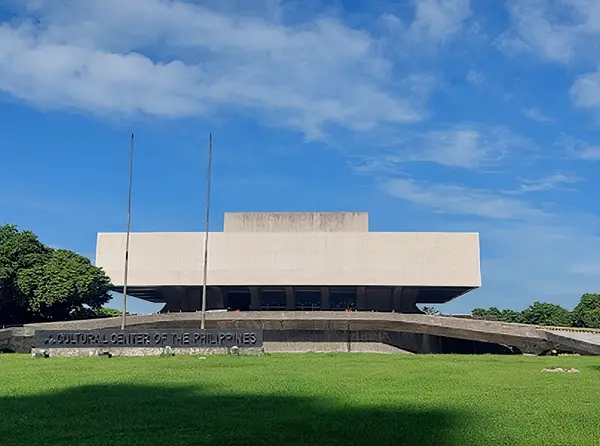
12. Cultural Center of the Philippines
Senti il polso delle arti performative filippine. Assisti a spettacoli dinamici, concerti e mostre in uno scenario architettonicamente unico che celebra la cultura locale.
Fatti rapidi: Una caratteristica sorprendente di questo luogo è il tanghalang nicanor abelardo, un teatro noto per la sua progettazione acustica che permette a ogni parola e nota di arrivare chiaramente all'ultimo posto. Oltre 50 spettacoli e mostre d'arte si tengono qui ogni mese, attirando artisti e pubblico da tutta la nazione.
Punti salienti: Guarda gli artisti passarsi una torcia cerimoniale prima di ogni grande evento per onorare l'arte filippina, una tradizione iniziata dal direttore culturale originale. Il teatro principale ha 1.800 posti a sedere e presenta un lampadario fatto di conchiglie di capiz, che riflette l'artigianato locale sotto le luci.
Where to Stay in Manila, Philippines
Selected by City Buddy based on guest reviews and proximity to top attractions
Search all hotels in Manila, PhilippinesPowered by agoda
Giorni di apertura a Manila, Philippines
Quali delle principali attrazioni chiudono in quale giorno della settimana. Il classico modo per rovinare un viaggio, verificato per te.
lunedì: 9 su 19 attrazioni principali chiuse. Pianifica i musei per un altro giorno.
Chiuso il lunedì · 9 chiusi, 10 aperti
Giorni di apertura da Google Maps (verificati il 2026-03-14). Festività, scioperi e orari stagionali possono variare. Controlla il sito ufficiale prima di partire.
Dolci tradizionali

halo-halo
Halo-halo literally means 'mix', it evolved from Japanese shaved ice and Filipino sweet preserves, and today its rainbow layers topped with leche flan or ube ice cream are a summer symbol across Manila.

leche flan
Leche flan in the Philippines is denser and richer than its Spanish cousin because cooks use many egg yolks and condensed milk, and it is traditionally steamed in a tin mold called a llanera for a silky, custardy texture.

ube halaya
Ube halaya is a vivid purple jam made from purple yam, its color and nutty-sweet flavor turned it into a signature ingredient that elevates everything from halo-halo to pastries and ice cream.
Piatti salati tradizionali
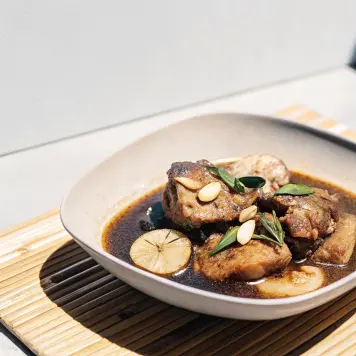
adobo
Adobo is more a method than a single recipe, vinegar and soy sauce preserve and flavor meat, and nearly every Filipino family in Manila guards a version they call their own.

sisig
Sisig began as a resourceful Kapampangan dish made from pig's head and ears, it was revived as a sizzling, tangy bar favorite in Manila and is often finished with a raw egg on the hot plate.

lechon
Lechon, a whole roasted pig with crackling skin and juicy meat, is the unmistakable centerpiece of Filipino fiestas and its carving announces celebration across Manila.
Bevande tradizionali

sago't gulaman
Sago't gulaman pairs chewy tapioca pearls with jiggly agar jelly in a sweet brown sugar syrup, it became a beloved street drink because it is both refreshing and texturally playful.

buko juice
Buko juice is the clear, slightly sweet water from young coconuts, sold straight from halved shells by vendors and prized as a natural electrolyte on hot Manila days.

tuba
Tuba is freshly tapped coconut sap that ferments into a mildly alcoholic palm wine, it has long been woven into Filipino rituals and fiestas and can be distilled into the stronger spirit lambanog.
Da sapere prima di partire
Quanto costa un giorno a Manila e le truffe da evitare
Costo a persona al giorno
Le truffe più comuni da evitare
- Autisti aeroportuali non autorizzati. Usa il banco ufficiale dei taxi coupon all'interno del terminal o prenota Grab dall'app prima di uscire dagli arrivi.
- Manomissione del tassametro. Controlla che il tassametro sia azzerato all'inizio e che la tariffa corrisponda alla partenza diurna esposta. Preferisci Grab per prezzi fissi.
- Cambi valuta con tassi svantaggiosi. Usa filiali bancarie o cambiavalute affidabili con tassi esposti. Conta i tuoi pesos al banco prima di allontanarti.
Taxi onesto dall'aeroporto: 700 ₱ - 1 000 ₱ (10 € - 14 €)
Opzione più economica: Airport Jeepney o la navetta/ufficiale UV Express dell'aeroporto verso le zone centrali come Baclaran o la stazione MRT di Taft (50 ₱)
Tutte le truffe, prezzi onesti e regoleDomande frequenti su Manila, Philippines
Miglior periodo per visitare Manila, Filippine?
Manila, Filippine è cara?
Come spostarsi a Manila, Filippine?
Manila, Filippine è sicura da visitare?
Quanti turisti visitano Manila ogni anno?
Ricevi un PDF con le attrazioni più popolari via email
Ricevi un PDF con tutte le attrazioni, valutazioni e consigli. Perfetto per l'uso offline.
Gite di un giorno più popolari
Tagaytay (Taal view)
Cool ridge with panoramic views of Taal Volcano.
Taal Volcano (via Talisay)
Boat trip to the volcanic island on Taal Lake.
Pagsanjan Falls (Laguna)
Scenic gorge and classic canoe (shooting the rapids) trip.
Anilao (Mabini, Batangas)
Popular snorkeling/diving spot with clear waters.
Come arrivare
Stazioni ferroviarie
PNR South Main Line (to Laguna, Lucena, Bicol)
MRT-3 / LRT-2 (major Metro Manila interchange)
LRT-1 / connecting buses to airport/Metro
From NAIA take a metered taxi or Grab; expect heavy traffic—allow 1–2 hours.
Informazioni utili per Manila, Philippines
Panoramica di Manila, Philippines
Vuoi un piano giorno per giorno per Manila, Philippines? Apri il pianificatore di viaggio
Quando andrai a Manila, Philippines?
Scegli le date e lo stile di viaggio per ottenere:
Qualcosa di particolarmente importante per te?
Seleziona tutto ciò che si applica
Come spostarsi
Come vuoi spostarti tra i luoghi?
Lingua del piano: ItalianoMost popular itineraries for Manila, Philippines
Browse trip plans created by other travelers
14-Day Authentic Philippines Adventure for Budget Backpackers
Discover the Philippines off the beaten path from Manila's local streets to Balabac's rugged islands and Boracay's hidden coves in this budget-friendly, authentic 14-day journey.
15-Day Manila Spring Immersion
Discover Manila’s rich history, vibrant culture, and local flavors in this 15-day spring adventure through famous landmarks and authentic experiences.